
society
My talents inspired me and I’m determined to put africa, Nigeria on the world map – Lagos popular event planner Okobi


My talents inspired me and I’m determined to put africa, Nigeria on the world map – Lagos popular event planner Okobi
Upwardly mobile Master of Ceremony (MC), content creator and event planner, Okobi John Emeka, in this interview talks about his sojourn to the entertainment sector and other issues
Tell us about yourself?
I’m Okobi John Emeka, also known as Yeyelagosboy. I’m a Christian from Asaba, Delta State, but I was born and raised in Ibadan, Oyo State. After completing my degree at the prestigious University of Ibadan, I moved to Lagos to pursue my career in entertainment. I work as an event host, also known as a Master of Ceremony, and I’m involved in event and stage management. Additionally, I’m a content creator and I run a charity event for orphans every December and this has been held for 3 years and counting

How long have you been doing all of these?
I’ve been doing this since my university days, from my 2nd year in the university of Ibadan I’ve been hosting events for different organizations that come into our campus, they run campaigns, do shows amidst other things. I can say I’ve been doing this for 9 years now, I’ve been hosting events, managing events and also creating contents.
Who and what inspired you to start Hosting?
My talent inspired me ooooo, I figured that I could speak to a reasonable number of my friends and they’d be engrossed in my talk talk because it was always fun and relaxing to them.
How do you control yourself if you’re on stage and you start shaking?
Well that has never happened to me before because before I host any event I pray and ask God to take control of this event and he does that all the time for me so I have never been nervous on stage
The journey of being an event/stage manager also, how has it been?
It’s been splendid, I learn a lot from the job and also meet different people from different spheres of life. It can be very demanding sometimes but i love doing it
What do you think makes a great manager?
For me it’s your interpersonal relationship skills, The ability to manage different set of people that you work with and get results. Also the ability to work under pressure because pressure will always locate you on the job
Tell me about a time when you were in charge of an event that didn’t go as planned.?
I’ve not managed any event that didn’t go as planned, it might not look like it when the event starts but we always get our desired results by the end of the event.
What was your first show as a Stage Manager, or in a position where you had stage management responsibilities?
If I can remember, I think my first stage management responsibilities was at Oyo state Youth Festival , I can’t really remember the year but it was under the tenure of Hon Abayomi Oke
How do you balance work and personal life (this include family &friends)?
I balance it well, there’s time for everything under the sun, when it’s time for me to work I work, time for family and friends I also don’t joke with it.
What advice do you have for young folks who want to venture into the entertainment industry?
Firstly get yourself solid education, school no be scam, enlighten yourself with information about the industry you’re about to get into, see the areas you’re strong in, find a mentor and keep growing. Don’t forget God! God is the ultimate factor in your success.




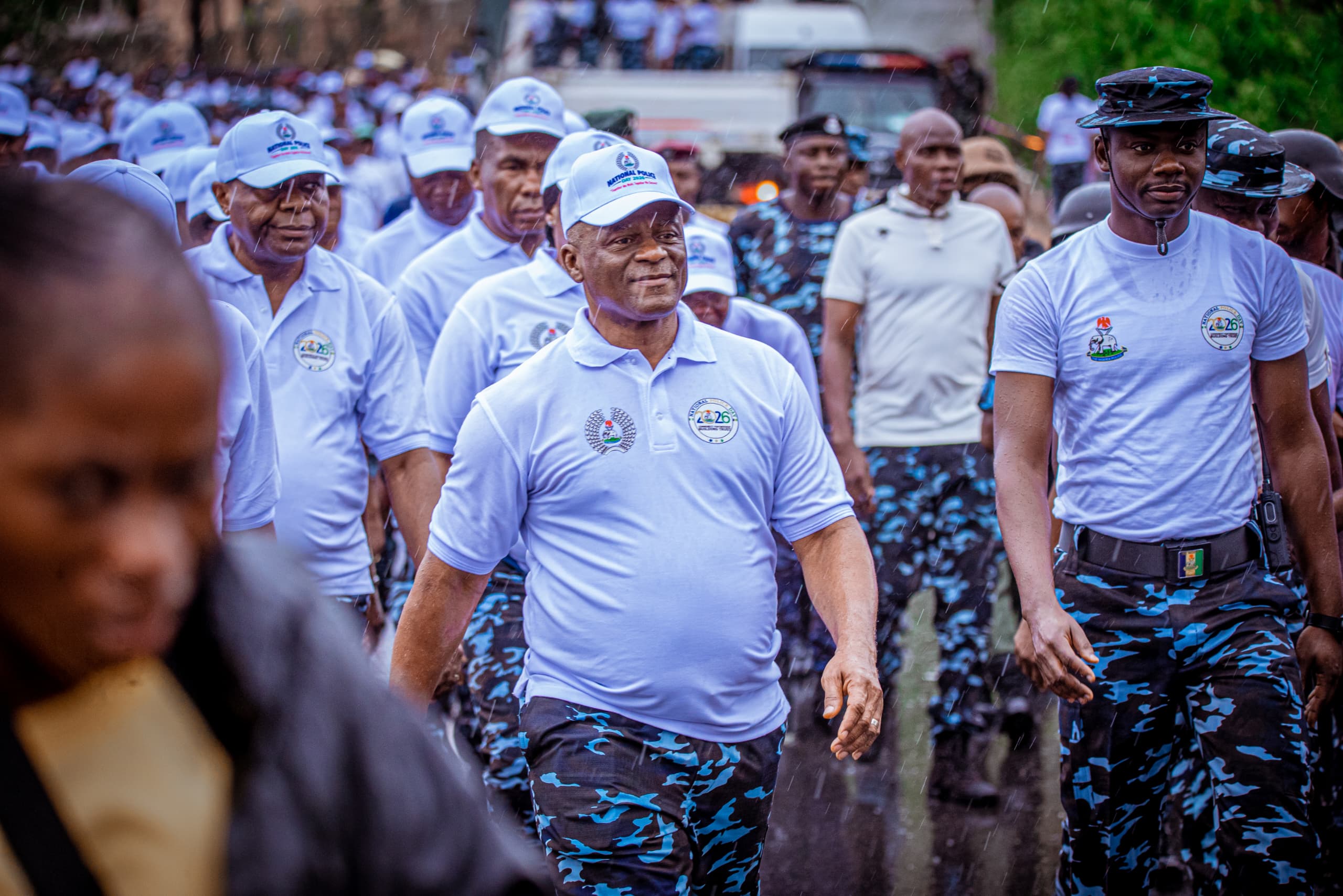
Police Day 2026: IGP Disu Leads Nationwide Walkathon To Strengthen Community Trust
The Inspector-General of Police, Olatunji Disu, on Tuesday led the management team, alongside officers and personnel of the Nigeria Police Force, in a nationwide walkathon to commemorate the 2026 National Police Day.
The event, held across state capitals and the Federal Capital Territory, formed part of activities marking Day Two of the annual celebration, themed “Community Partnership: Building Trust.”
The symbolic exercise, which drew participation from both police personnel and members of the public, was aimed at showcasing unity, discipline, and a renewed commitment to community policing and public safety.
According to the Force leadership, the walkathon underscores the Nigeria Police Force’s resolve to strengthen public trust, deepen engagement with citizens, and enhance collaboration in tackling security challenges across the country.
Participants described the initiative as a practical step toward bridging the gap between law enforcement and the communities they serve, while also promoting physical fitness and mental well-being among officers and civilians alike.
With the theme reflecting a shared responsibility for safety, the Police reiterated that sustainable security can only be achieved through active partnership with the public.
The event concluded with a renewed call for collective action under the banner: “Together We Walk, Together We Secure,” emphasizing unity of purpose in building a safer and more secure society for all Nigerians.


society
Dr. Chris Okafor invokes divine retribution upon individuals blackmailing the Grace Nation church
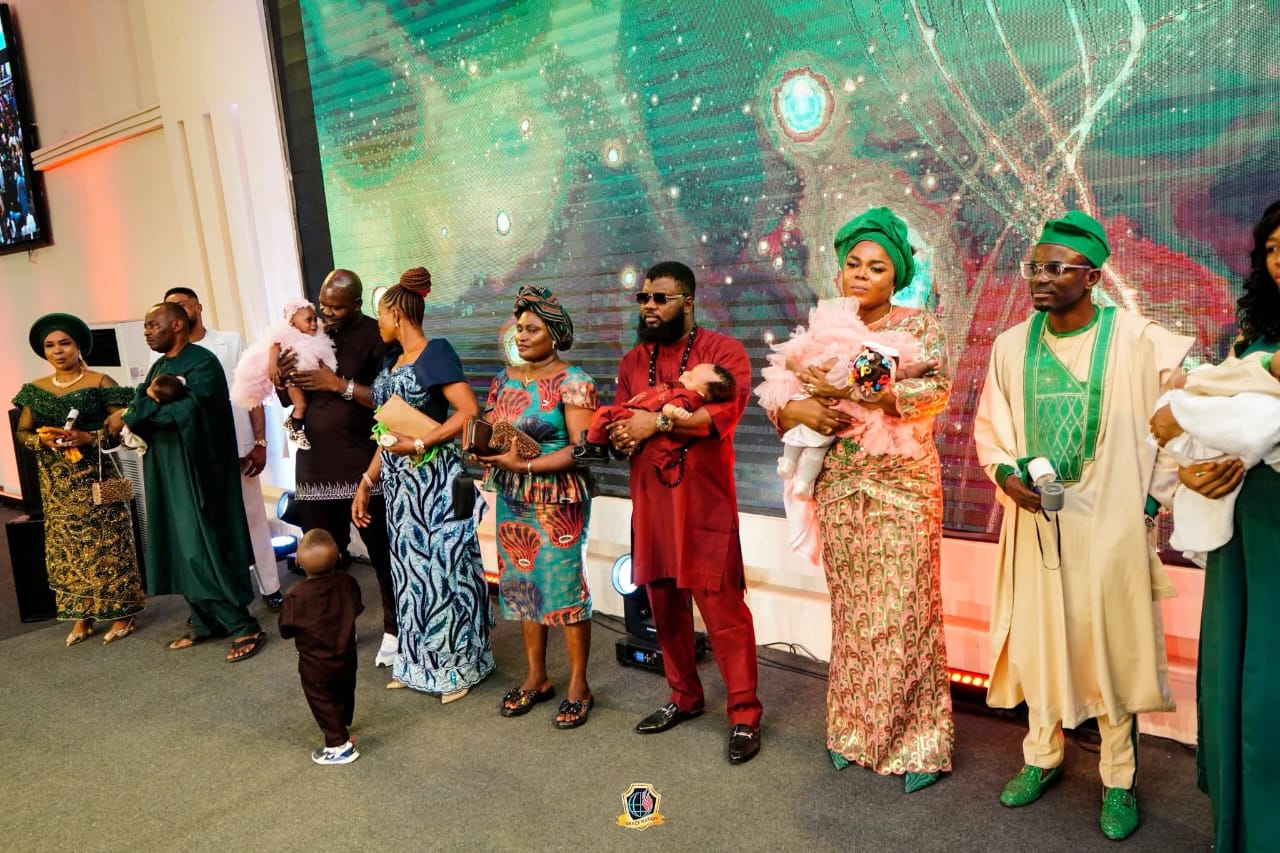
Dr. Chris Okafor invokes divine retribution upon individuals blackmailing the Grace Nation church
… Affirming God’s omnipotence to unveil malicious schemes.
To be frank, the ability of Doris Ogala and her associates to withstand the arduous challenges set by Senior Pastor Dr. Chris Okafor of Grace Nation Global at the culmination of the Harvest of Babies 2026 conference, the church’s flagship event, continues to elude me.
It’s advisable not to offend a powerful spiritual leader like Prophet Chris Okafor to avoid potential consequences, as seen in the situation with Doris Ogala, who was rebuked by the prophet; can she rectify the situation through confession?
Insiders close to the man of God claim that despite relentless online bullying and blackmailing, the Generational Prophet remains resolute, stating that God’s power has been evident throughout the commission’s existence. The reason for this wonderful statement is found in the scriptures, “Upon this rock I shall build my Church, and the gates of hell shall not prevail.” The more falsehoods are spread about the church and its leader, the more God elevates the church and propels him to greater heights, he asserted. He emphasized that blessings and fruitfulness are antidotes to curses, noting that God continues to bestow blessings upon the church, including miracles and the gift of children, which is one reason for the grand finale of the annual family liberation program, The Harvest of Babies.
However, the man of God issued a curse on each person speaking ill of the church, blackmailing, and uttering all sorts of falsehoods against the church, declaring that if they refused to repent within a few days, the earth would swallow them and their family members, stating that they would be of no use to themselves, their families, or society at large.
The spiritual leader cautions his followers to beware of such individuals including Doris Ogala who may taint their faith, and urges them to treat these persons as emissaries of the devil, avoiding them altogether.
Recall that the 2026 harvest of babies concluded with a remarkable birth of a miracle baby boy to a woman on the third day of the conference, accompanied by the dedication of several other miracle babies, all to the glory of God.
Christopher Sunday David writes from
Austria
“Together We Walk, Together We Secure”: Police Launch 2026 Walkathon In Abuja
The Nigeria Police Force has announced plans to host a walkathon in commemoration of the 2026 National Police Day, aimed at promoting unity, peace, and stronger community partnership.
The event is scheduled to take place on Tuesday, March 31, 2026, with participants expected to converge at the Force Headquarters Abuja by 6:00 a.m., where the walk will commence.
According to the organisers, the walkathon is designed to bring together members of the public, stakeholders, and security personnel in a show of solidarity and shared commitment to national security.
With the theme, “Together we walk, together we secure,” the initiative underscores the importance of collaboration between the police and citizens in maintaining peace and safety across the country.
Members of the public have been encouraged to participate in the exercise, which forms part of activities lined up to mark this year’s National Police Day celebration.
It is believed that the walkathon would not only foster closer ties between the police and the communities but also serve as a platform to promote awareness on collective responsibility in ensuring a safer society.


-

 society6 months ago
Religion: Africa’s Oldest Weapon of Enslavement and the Forgotten Truth
-

 news4 months ago
WHO REALLY OWNS MONIEPOINT? The $290 Million Deal That Sold Nigeria’s Top Fintech to Foreign Interests
-

 society6 months ago
“You Are Never Without Help” – Pastor Gebhardt Berndt Inspires Hope Through Empower Church (Video)
-

 celebrity radar - gossips2 months ago
Dr. Chris Okafor Returns with Power and Fire of the Spirit -Mounts Grace Nation Altar with Fresh Anointing and Restoration Grace on February 1, 2026