
society
NIGERIA: A NATION OF PARTICULAR CONCERN. By George Omagbemi Sylvester

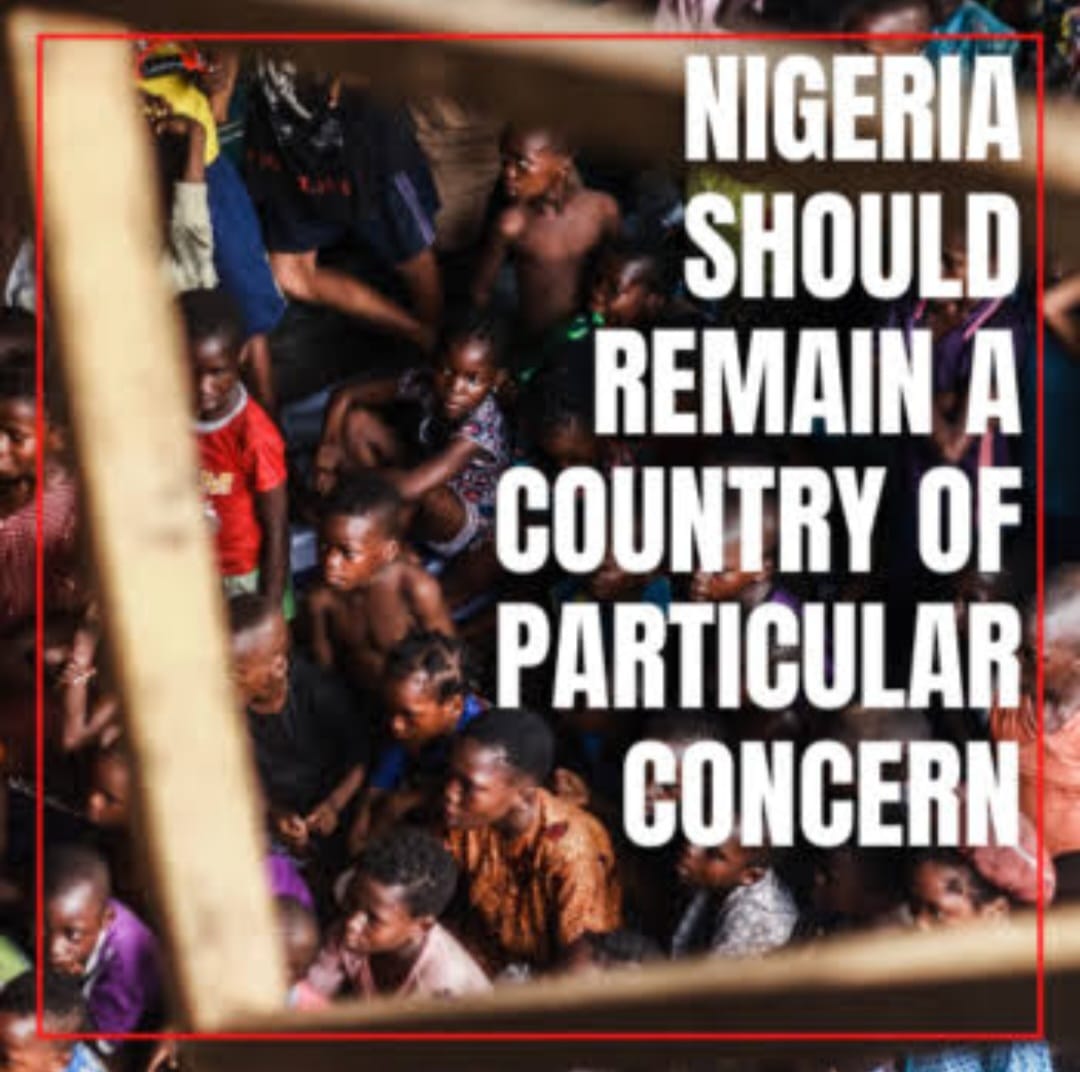
NIGERIA: A NATION OF PARTICULAR CONCERN.
By George Omagbemi Sylvester | Published by Saharaweeklyng.com
“How Insecurity, Economic Misrule, and Institutional Decay Are Dragging Africa’s Largest Democracy to the Brink.”
Nigeria is no longer a nation at a CROSSROADS; it is a nation at a CLIFF’S EDGE, dragged dangerously close to collapse by insecurity, corruption, economic mismanagement and institutional failure. To describe Nigeria as “A COUNTRY OF PARTICULAR CONCERN” is not an exaggeration. It is an urgent diagnosis grounded in data, daily experiences and the wailing voices of communities mourning their dead, burying their children and losing faith in a government that has repeatedly failed to secure life, dignity, and hope.

Today, more than 46% of Nigerians live below the poverty line, inflation continues to ravage every home and millions of young people are out of school, unemployed, or fleeing the country in desperation. The economy is battered, insecurity is rampant and governance is largely rudderless. But nothing captures Nigeria’s descent into chaos more painfully than the horrifying attacks on schools, a brutal reminder that even children, the most innocent among us, are not safe.
THE KEBBI SCHOOL ABDUCTION: A NATIONAL WOUND THAT REFUSES TO HEAL. On November 17, 2025, Nigeria was jolted again by a chilling act of terror. Armed men stormed the Government Girls’ Comprehensive Secondary School in Maga, Danko/Wasagu LGA of Kebbi State, abducting at least 25 schoolgirls in a coordinated predawn attack. The attackers scaled the school fence at about 4:00 a.m., opened fire indiscriminately, and dragged the girls into the forest.
In an act of courage and sacrifice, the school’s vice-principal, Hassan Yakubu Makuku, tried to shield the students. He was shot dead on the spot, executed for standing between young girls and the barrels of bandits’ guns. A security guard, Ali Shehu, was also shot and wounded while attempting to resist the attackers. This was not an isolated attack, it was a continuation of a horrifying pattern. The attacks in Chibok (2014), Dapchi (2018), Kagara (2021), Tegina (2021), Kuriga (2024), and now Kebbi all form a bloody chain of state failure. The haunting question remains: How many Nigerian children must be abducted before the government takes decisive action?

President Bola Tinubu condemned the attack as “REPREHENSIBLE,” ordering security agencies to rescue the girls. Though Nigerians have heard these promises before, promises that too often end in mass graves, unmarked graves, or traumatized survivors returning from months of captivity.
INSECURITY: NIGERIA IS BLEEDING FROM EVERY CORNER. Nigeria is now a battlefield.
Bandits control forests.
Terrorists dominate territories.
Kidnappers roam highways.
Cultists terrorize communities.
Unknown gunmen spill blood freely.
And criminals now view schools as marketplaces where children can be BOUGHT, SOLD and TRADED.
Between 2011 and 2024, more than 22,000 Nigerians were abducted, according to SBM Intelligence. Schoolchildren account for thousands. Today, the fear of abduction has become a cloud over education in the North-West and North-East. Parents are withdrawing their daughters from school. Teachers are resigning. Students attend classes under the shadow of death.
The African Centre for Strategic Studies warns: “Insecurity in Nigeria is no longer episodic; it is SYSTEMIC, SUSTAINED and INCREASINGLY NORMALIZED.”
AN ECONOMY IN FREE FALL. As insecurity expands, the economy collapses further.
• Food inflation soared above 30%, turning basic staples like rice, garri, and beans into luxuries.
• Fuel subsidy removal in 2023 unleashed nationwide hardship without adequate safety nets.
• The naira’s devaluation pushed millions into despair, weakening purchasing power.
• Power shortages cripple manufacturing and small businesses.
• Youth unemployment remains among the highest in the world.
The World Bank notes sharply: “Nigeria’s economic crisis is affecting the foundations of social stability.”

Businesses are shutting down. Investors are fleeing. The middle class (once the hope of national growth) is thinning daily. Nigeria is becoming a land of the extremely rich and the extremely poor.
THE ROT IN GOVERNANCE: CORRUPTION AND A CULTURE OF IMPUNITY. Nigeria’s governance crisis is not accidental, but engineered by decades of CORRUPTION, INCOMPETENCE and POLITICAL ARROGANCE.
Transparency International continues to rank Nigeria near the bottom of the global corruption index. Funds meant for security are siphoned. Allocations for education vanish. Social welfare programs become political compensation schemes. In many states, salaries and pensions are delayed while leaders parade luxury convoys and foreign trips.
As Nobel Laureate Wole Soyinka once warned: “The greatest threat to Nigeria is not corruption itself, but the culture of impunity that protects it.” This impunity has now metastasized into a national cancer.
A BROKEN SOCIAL CONTRACT. The social contract between Nigerian citizens and their government rests on a simple principle: The people obey the law and the state protects life and welfare. That contract has been shredded.
When schoolchildren are kidnapped, when teachers are murdered, when farmers are slaughtered, when the state cannot secure food, jobs or electricity, then governance loses its moral legitimacy.
As renowned political economist Amartya Sen argues: “Development must begin with freedom; freedom from fear, hunger and insecurity.” Nigeria today offers none of these.
WHAT MUST BE DONE AND URGENTLY. If Nigeria is to avoid total collapse, five urgent actions are non-negotiable:
1. Secure the Nation — Not with Speeches, But with Strategy.
Nigeria needs technology-driven intelligence, forest surveillance, community policing and decisive operations that dismantle bandit networks permanently.
2. Protect Schools with a Real Safe Schools Initiative.
Deploy armed marshals, install perimeter security and establish rapid-response teams in high-risk regions.
3. Rebuild the Economy from the Bottom Up
Job creation, agricultural revival, MSME funding and power sector fixes must take precedence over cosmetic reforms.
4. Fight Corruption with Institutional Teeth
Special anti-corruption courts, open contracting and digitized government payments are essential.
5. Put Citizens First
Social protection must be transparent, targeted and shielded from political interference.
A CRITICAL SUMMATION: THE HOUR OF TRUTH FOR NIGERIA. Nigeria stands at a historic turning point. The abduction of 25 schoolgirls in Kebbi, the killing of their vice-principal and the rising waves of insecurity, poverty and corruption are not isolated problems; they are symptoms of a nation clinically ill and dangerously untreated. The world is watching. Nigerians are waiting. History is recording. If Nigeria fails to act decisively now, the consequences will echo for generations.
As long as we still breathe, hope is not dead.
In the words of my own reflection: “We must refuse to normalize decline. Nigeria must rise; not by chance, but by courage, sacrifice and the unyielding demand for a nation worthy of its people.” — George Omagbemi Sylvester





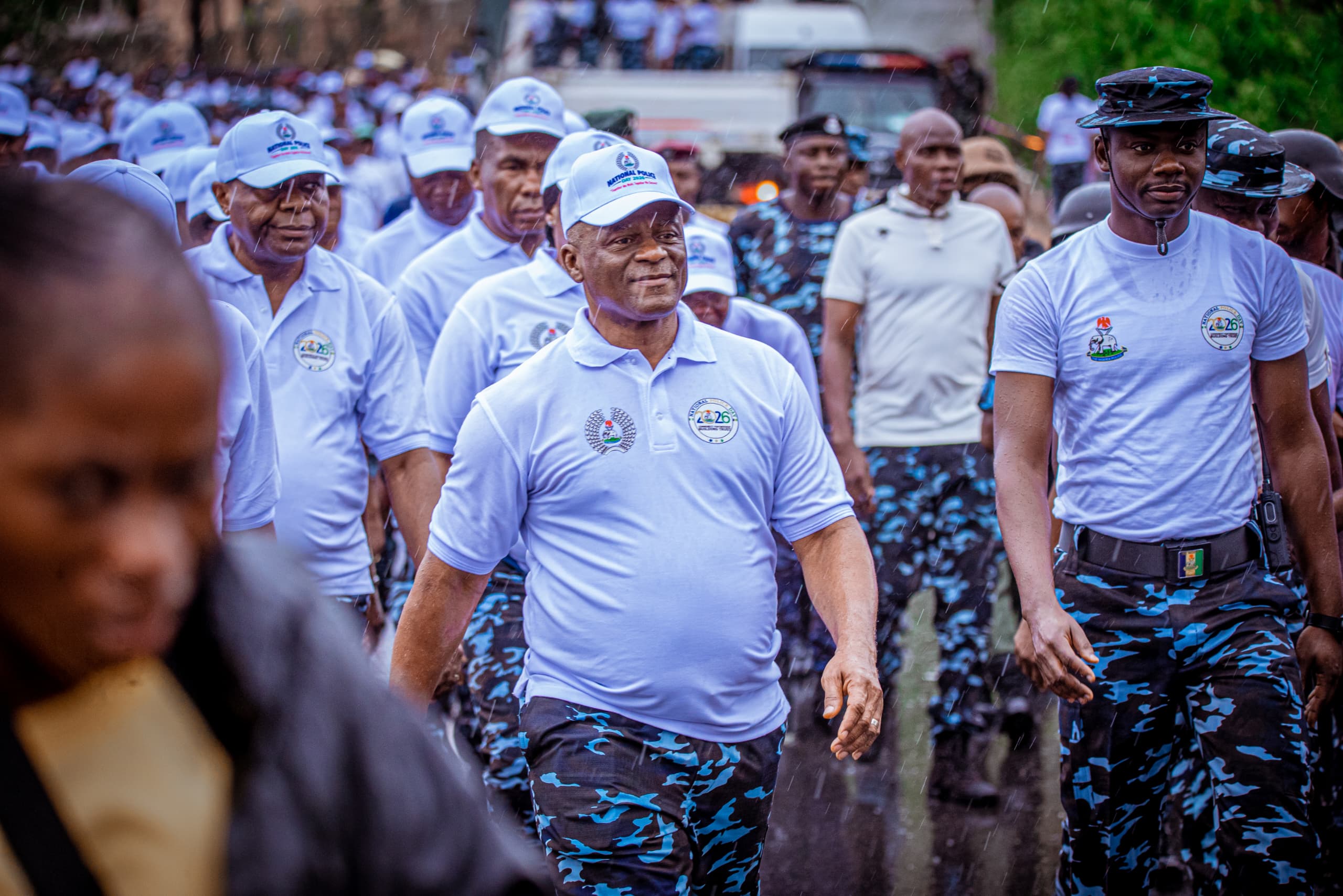
Police Day 2026: IGP Disu Leads Nationwide Walkathon To Strengthen Community Trust
The Inspector-General of Police, Olatunji Disu, on Tuesday led the management team, alongside officers and personnel of the Nigeria Police Force, in a nationwide walkathon to commemorate the 2026 National Police Day.
The event, held across state capitals and the Federal Capital Territory, formed part of activities marking Day Two of the annual celebration, themed “Community Partnership: Building Trust.”
The symbolic exercise, which drew participation from both police personnel and members of the public, was aimed at showcasing unity, discipline, and a renewed commitment to community policing and public safety.
According to the Force leadership, the walkathon underscores the Nigeria Police Force’s resolve to strengthen public trust, deepen engagement with citizens, and enhance collaboration in tackling security challenges across the country.
Participants described the initiative as a practical step toward bridging the gap between law enforcement and the communities they serve, while also promoting physical fitness and mental well-being among officers and civilians alike.
With the theme reflecting a shared responsibility for safety, the Police reiterated that sustainable security can only be achieved through active partnership with the public.
The event concluded with a renewed call for collective action under the banner: “Together We Walk, Together We Secure,” emphasizing unity of purpose in building a safer and more secure society for all Nigerians.


society
Dr. Chris Okafor invokes divine retribution upon individuals blackmailing the Grace Nation church
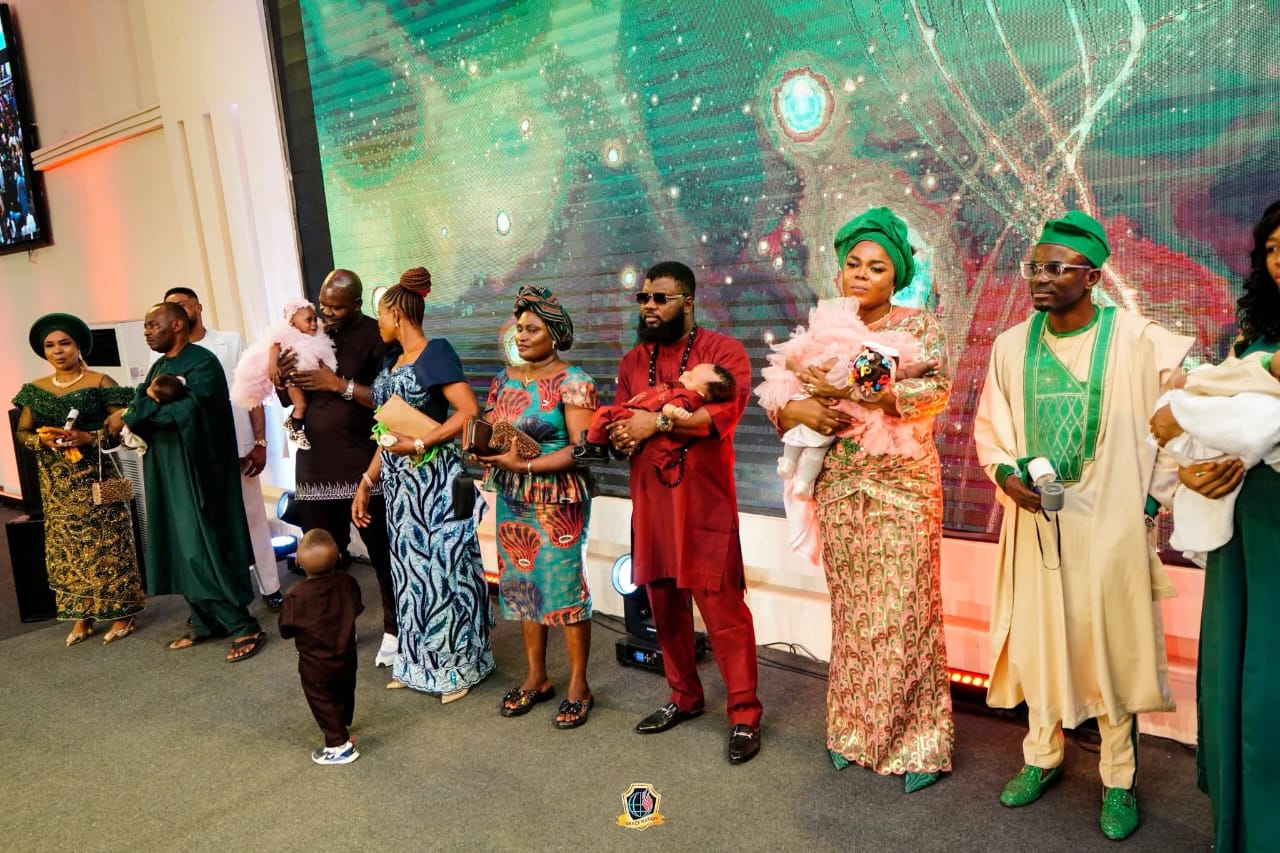
Dr. Chris Okafor invokes divine retribution upon individuals blackmailing the Grace Nation church
… Affirming God’s omnipotence to unveil malicious schemes.
To be frank, the ability of Doris Ogala and her associates to withstand the arduous challenges set by Senior Pastor Dr. Chris Okafor of Grace Nation Global at the culmination of the Harvest of Babies 2026 conference, the church’s flagship event, continues to elude me.
It’s advisable not to offend a powerful spiritual leader like Prophet Chris Okafor to avoid potential consequences, as seen in the situation with Doris Ogala, who was rebuked by the prophet; can she rectify the situation through confession?
Insiders close to the man of God claim that despite relentless online bullying and blackmailing, the Generational Prophet remains resolute, stating that God’s power has been evident throughout the commission’s existence. The reason for this wonderful statement is found in the scriptures, “Upon this rock I shall build my Church, and the gates of hell shall not prevail.” The more falsehoods are spread about the church and its leader, the more God elevates the church and propels him to greater heights, he asserted. He emphasized that blessings and fruitfulness are antidotes to curses, noting that God continues to bestow blessings upon the church, including miracles and the gift of children, which is one reason for the grand finale of the annual family liberation program, The Harvest of Babies.
However, the man of God issued a curse on each person speaking ill of the church, blackmailing, and uttering all sorts of falsehoods against the church, declaring that if they refused to repent within a few days, the earth would swallow them and their family members, stating that they would be of no use to themselves, their families, or society at large.
The spiritual leader cautions his followers to beware of such individuals including Doris Ogala who may taint their faith, and urges them to treat these persons as emissaries of the devil, avoiding them altogether.
Recall that the 2026 harvest of babies concluded with a remarkable birth of a miracle baby boy to a woman on the third day of the conference, accompanied by the dedication of several other miracle babies, all to the glory of God.
Christopher Sunday David writes from
Austria
“Together We Walk, Together We Secure”: Police Launch 2026 Walkathon In Abuja
The Nigeria Police Force has announced plans to host a walkathon in commemoration of the 2026 National Police Day, aimed at promoting unity, peace, and stronger community partnership.
The event is scheduled to take place on Tuesday, March 31, 2026, with participants expected to converge at the Force Headquarters Abuja by 6:00 a.m., where the walk will commence.
According to the organisers, the walkathon is designed to bring together members of the public, stakeholders, and security personnel in a show of solidarity and shared commitment to national security.
With the theme, “Together we walk, together we secure,” the initiative underscores the importance of collaboration between the police and citizens in maintaining peace and safety across the country.
Members of the public have been encouraged to participate in the exercise, which forms part of activities lined up to mark this year’s National Police Day celebration.
It is believed that the walkathon would not only foster closer ties between the police and the communities but also serve as a platform to promote awareness on collective responsibility in ensuring a safer society.


-

 society6 months ago
Religion: Africa’s Oldest Weapon of Enslavement and the Forgotten Truth
-

 news4 months ago
WHO REALLY OWNS MONIEPOINT? The $290 Million Deal That Sold Nigeria’s Top Fintech to Foreign Interests
-

 society6 months ago
“You Are Never Without Help” – Pastor Gebhardt Berndt Inspires Hope Through Empower Church (Video)
-

 celebrity radar - gossips2 months ago
Dr. Chris Okafor Returns with Power and Fire of the Spirit -Mounts Grace Nation Altar with Fresh Anointing and Restoration Grace on February 1, 2026