
society
Nigeria And Her Betrayal By Diaspora By Thomas Uzah PhD

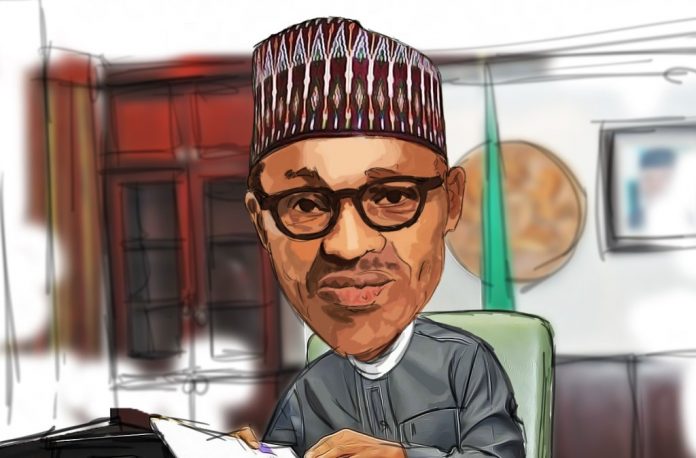
Nigeria And Her Betrayal By Diaspora- Interventions on the political and economic fronts by Nigerians in the Diaspora have been anything but complimentary of our leaders, systems and policies.
It is as if once our intellectuals find their feet in other shores, they develop a contemptuous mindset towards their country and anything happening in the country is viewed from negative prisms.
These Diasporans become perpetual critics whose thirst for castigating Nigerian leaders and their policies is hardly satisfied.
This posture had made many patriotic citizens to conclude that most of these Nigerians living in foreign countries are driven by regime hate hence are not capable of critically and objectively dissecting the situation they choose to interrogate not to talk of proffering positive solutions.
Rather than come up with ideas for the political and socioeconomic upliftment of their people, Nigerians in the Diaspora have constituted themselves into a nation of nay sayers, cynics and pessimists trying hard to drag the Nigerian state down.
It is typical of comments from there to reduce every economic breakthrough to happenstance, every good policy to a mere mistake while challenges are elevated as the norm.
While the nationals of other countries seek ways to better their country through researches and pooling of funds from their host countries, the Nigerian Diaspora community is more interested in seeing itself as an opposition party.
In the 70s, it was a group of Malaysians in the Diaspora who stumbled on the Nigerian palm fruits and through researches, were able to extract pure vegetable oil from the fruit which they now export to other countries.
But decades after we have sent our sons and daughters to the most technologically advanced countries, our mothers and sisters are still using grinding stones to grind pepper while our men are still using raffia to climb palm trees.
Good and commercially viable agricultural products still perish on their ways to the market because there’s no means of preserving them.
While they have failed in their patriotic duties of using their experiences to help in the development of their country, they appear unrelenting in the bid to rubbish whatever progress Nigeria is making.
This was why when Nigeria was categorised as one the fastest developing economies in the world, it did not make an impression on these set of intellectuals, neither have they said anything since our military turned the tide against terrorists and insurgents that have been disturbing the peace of the country.
Unofficial reports state that there are about 15 million Nigerians in the diaspora and can be found in most countries of the world especially the United States and the UK, followed by South Africa, UAE and other European countries such as Italy and Spain.
The largest Nigerian Diaspora community is in the US with around followed by the UK.
A survey conducted in the US indicated that Nigerians in the US are one of the highest educated migrant groups.
The survey found that 29% of the Nigerian diaspora older than 25, held a master’s degree, Ph.D. or an advanced professional degree compared to 11% of the US population overall.
It is said that no country in Sub-Saharan Africa receives more remittances than Nigeria, estimated by the World Bank at around 24.3B per year and 6% of GDP.
This makes Nigeria the sixth country in the world in remittance inflows.
This ordinarily should have been celebrated as it is quite huge, but the benefits of such potentials are hardly seen at home. This id because they are only channelled towards luxurious and personal interests. Hardly are the inflows invested into the Nigerian economy with a view to ensuring a multiplier effect.
They are remittances through family ties and have not been substantial enough to jump start any aspect of the economy, let alone develop one.
Even the Nigerians in the Diaspora Commission, NIDCOM, which “has the responsibility to coordinate and organize Nigerians in and from the Diaspora to contribute human capital and material resources, including their expertise, for the development of Nigeria and its constituent states,” has not been forthcoming in that regard.
Worse still, many of the Nigerians in the Diaspora, wreak havoc of the image of Nigeria by their involvement in crime across the continents.
A release by the Federal Bureau of Investigation (FBI) for America in year 2020 showed that Nigerian citizens are among the leading nationals in crime.
Clearly, they have become bad influences on their home country by becoming emergency activists who go out to ruin the peace of the country .
It has even been alleged that some of their unpatriotic interventions are sponsored to destabilise Nigeria for which they receive financial gratification.
But these have got to stop. Nigerians abroad must start seeing the good in their country and project same to the world. They must serve as the catalyst for technological advancement and steer clear of the underground moves to use them to destabilise their own country .
Uzah PhD is Head, Mass Communication Department, Kwararafa University Wukari.




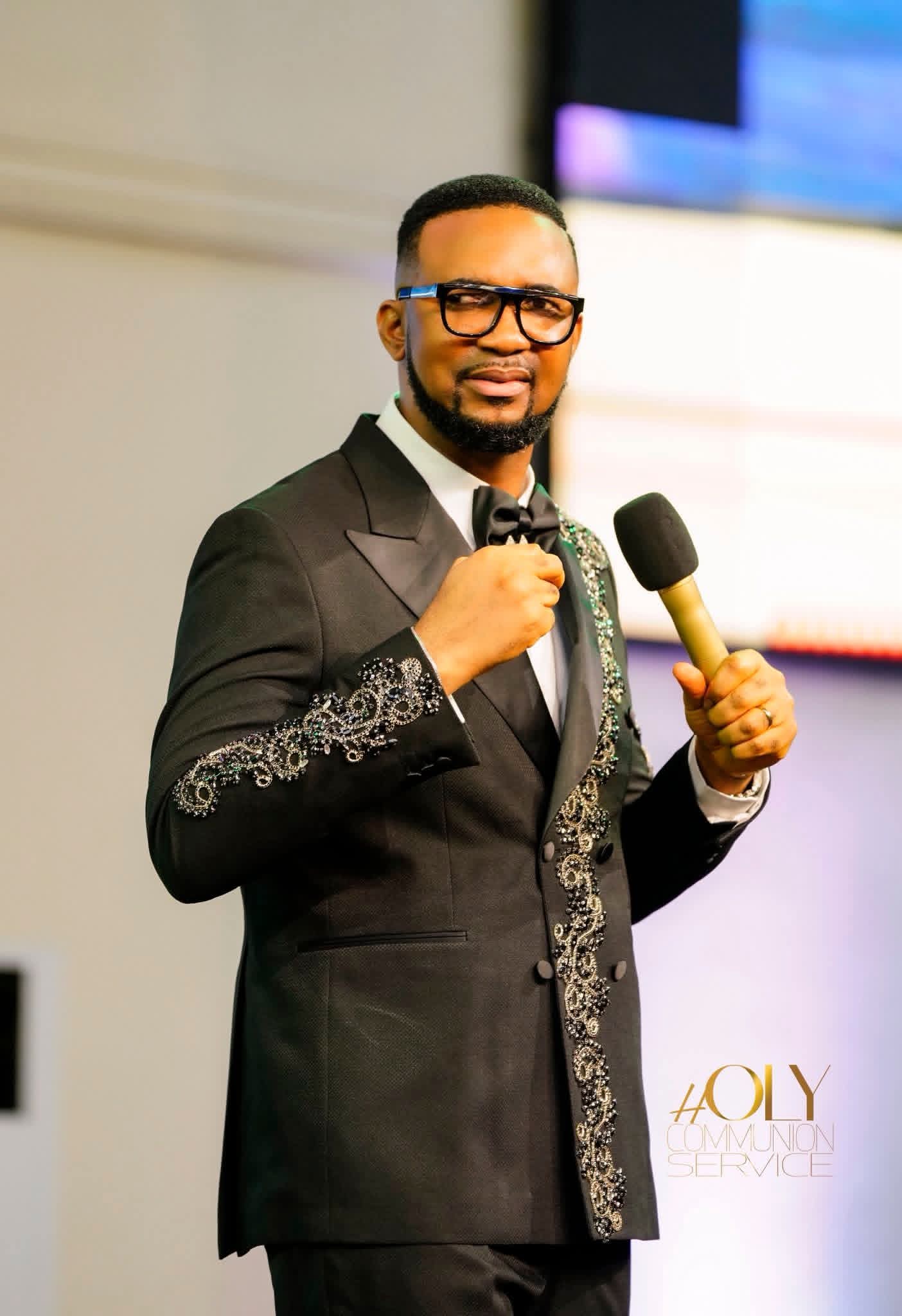
“Jesus Christ is the Way, the Truth, and the Life.” — Dr. Chris Okafor
Grace Nation Worldwide marked a special occasion as members gathered at the international headquarters in Lagos, Nigeria, to celebrate the birthday of the Generational Prophet and Senior Pastor, Christopher Okafor, who turned a year older on April 4, 2026.
A Service of Thanksgiving and Celebration
The atmosphere was filled with gratitude as sons and daughters of the ministry came together to appreciate God for the life and impact of their spiritual leader.
The celebration featured a variety of activities, including special musical renditions, Bible recitations, choreography presentations, and a vibrant praise and worship session led by the Liberation Voices.
The highlight of the event was the ceremonial cutting of the birthday cake, followed by joyful celebration and thanksgiving, all dedicated to the glory of God.
Teaching on the Death and Resurrection of Christ ,Earlier in the day, the service also commemorated the resurrection of Jesus Christ, with Dr. Okafor delivering a message on “The Death and Resurrection of Jesus Christ.”
In his teaching, he described the sacrifice of Christ at Calvary as the foundation of the Christian faith.
“The death of Jesus represents the depth of God’s love for humanity,” he said, while emphasizing that the resurrection is the ultimate confirmation and strength of the believer’s faith.
The State of Humanity Before Redemption
Dr. Okafor explained that before the sacrifice of Christ, humanity was bound by sin, subject to judgment, and separated from God. He highlighted the consequences of the fall of man, including spiritual loss and the inevitability of judgment.
The Purpose of Christ’s Sacrifice
According to the cleric, the death and resurrection of Jesus Christ brought restoration and reconciliation between God and humanity.
“When a person is restored to God, life becomes meaningful,” he noted, adding that the sacrifice of Christ signifies the forgiveness of sin and a new beginning for believers.
A Message of Hope
In conclusion, Dr. Okafor stated that the resurrection of Jesus Christ provides believers with the opportunity to live a fruitful and abundant life, anchored in faith and divine purpose.
The combined celebration of his birthday and the message of Easter created a moment of reflection, joy, and renewed commitment among members of Grace Nation Worldwide.


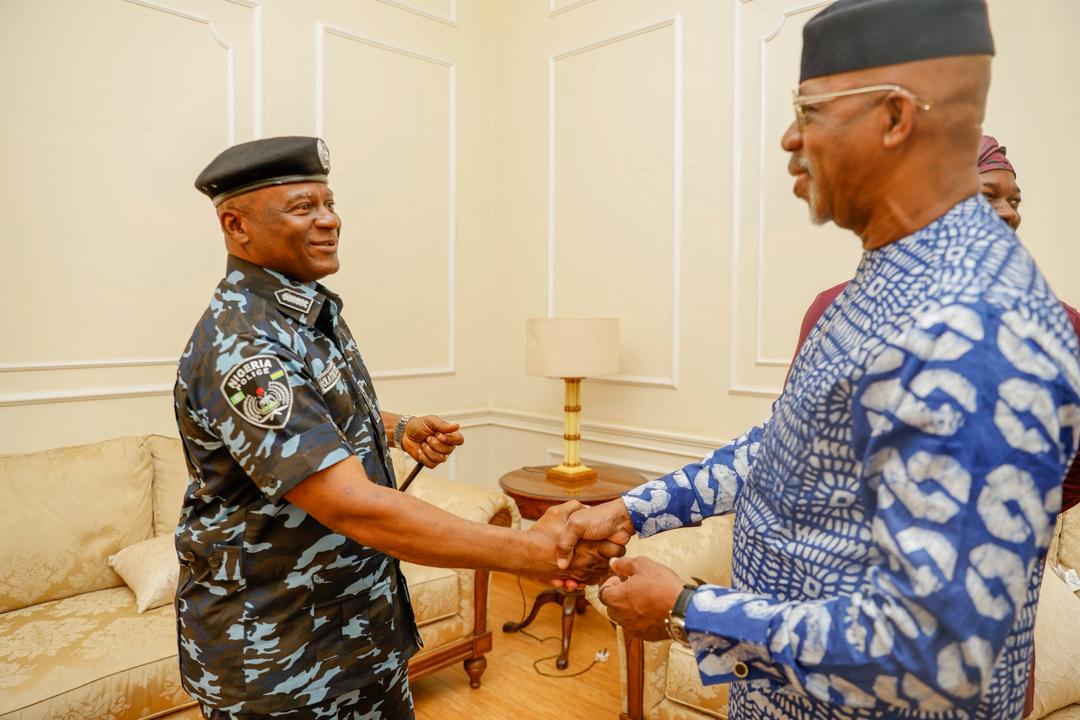
IGP Disu Unveils New Security Vehicles, Bikes In Ogun,
The Inspector-General of Police, Olatunji Rilwan Disu, on Saturday took centre stage at the commissioning of landmark projects in Ogun State, reaffirming the Nigeria Police Force’s commitment to strengthening national security and deepening collaboration with state authorities.
The high-profile event, attended by top government officials and security stakeholders, highlighted the strategic importance of security in driving development. Disu’s presence underscored ongoing efforts by the Police leadership to align operational priorities with infrastructural growth across the country.
A key highlight of the ceremony was the commissioning of new security vehicles and electric motorbikes aimed at boosting the operational capacity of security agencies in the state. The IGP commended the Ogun State Government for what he described as a proactive and forward-thinking approach to security, noting that the newly deployed assets would significantly enhance rapid response and patrol efficiency.
He stressed that effective policing remains central to maintaining peace and order, assuring residents that the Force would continue to evolve strategies to tackle emerging threats. According to him, the Nigeria Police Force is committed to working closely with both the Federal Government and sub-national authorities to ensure the safety of lives and property.
Disu further called on members of the public to support security agencies by providing timely and credible information, describing community cooperation as vital in combating crime and sustaining a secure environment.
The Police leadership also expressed appreciation to the Ogun State Government and other dignitaries for their continued partnership, noting that such collaboration is essential to advancing security initiatives and fostering national development.



*PDP Stalwart, Fagbemi, Resigns From Party in Ogbomoso South*
A former Secretary of Ogbomoso South Local Government, Temidayo Fagbemi, has formally resigned his membership of the Peoples Democratic Party.
Fagbemi, a major financier of the PDP in the area, tendered his resignation in a letter addressed to the Ward Chairman of the party in Ijeru II, Ogbomoso South.
In his letter, Fagbemi stated that leaving the party he had diligently supported, contributing to PDP’s victories at both the state and local government levels for two consecutive terms, was a difficult but necessary decision.
He wrote: “I, Temidayo Fagbemi, hereby submit my resignation as a member of the PDP.”
“My decision to leave the party, which I worked hard to support and helped secure victory at both the state and local levels for two consecutive terms, is not an easy one. However, it has become necessary.”
He thanked party leaders for the years of shared political engagement and wished them success in their forthcoming primaries.
His resignation marks a significant development within the Ogbomoso South PDP, given his influence, contributions, and long-standing role in strengthening the party’s structure.


- United States (U.S.) and Mozambique Advance Cooperation on Emergency Response and Safety April 6, 2026
- The Impacts of the Middle East Conflict on Africa April 6, 2026
- Ghana: President Mahama announces a high-level panel of the Accra Reset April 6, 2026
- Ghana: President Mahama reiterates his determination to build more businesses April 6, 2026
- Mauritius accelerates energy transition with renewable projects of 405 MW April 6, 2026
- Africa Centres for Disease Control and Prevention (Africa CDC) Appoints His Excellency Prof. Yemi Osinbajo as Senior Strategic Advisor to the Director General April 6, 2026
- 2026 Easter Message by the President of the Catholic Bishops’ Conference of Nigeria (CBCN): The Dawn is Coming, Don’t Let Go Now, Hold on to Hope! April 5, 2026
- "A Time to Pause and Begin Again”: President Dr Patrick Herminie reflects in Easter message April 5, 2026
- President Dr. Patrick Herminie Pays Tribute to the Late Seychellois Artist David Philoe April 5, 2026
- Ghana identifies priority areas to strengthen cholera prevention and control April 5, 2026
- United States (U.S.) and Mozambique Advance Cooperation on Emergency Response and Safety April 6, 2026
- The Impacts of the Middle East Conflict on Africa April 6, 2026
- Ghana: President Mahama announces a high-level panel of the Accra Reset April 6, 2026
- Ghana: President Mahama reiterates his determination to build more businesses April 6, 2026
- Mauritius accelerates energy transition with renewable projects of 405 MW April 6, 2026
- Africa Centres for Disease Control and Prevention (Africa CDC) Appoints His Excellency Prof. Yemi Osinbajo as Senior Strategic Advisor to the Director General April 6, 2026
- 2026 Easter Message by the President of the Catholic Bishops’ Conference of Nigeria (CBCN): The Dawn is Coming, Don’t Let Go Now, Hold on to Hope! April 5, 2026
-

 society7 months ago
Religion: Africa’s Oldest Weapon of Enslavement and the Forgotten Truth
-

 news4 months ago
WHO REALLY OWNS MONIEPOINT? The $290 Million Deal That Sold Nigeria’s Top Fintech to Foreign Interests
-

 society7 months ago
“You Are Never Without Help” – Pastor Gebhardt Berndt Inspires Hope Through Empower Church (Video)
-

 celebrity radar - gossips2 months ago
Dr. Chris Okafor Returns with Power and Fire of the Spirit -Mounts Grace Nation Altar with Fresh Anointing and Restoration Grace on February 1, 2026