
society
Nigeria Didn’t Happen to Us. We Happened to Nigeria. By George Omagbemi Sylvester

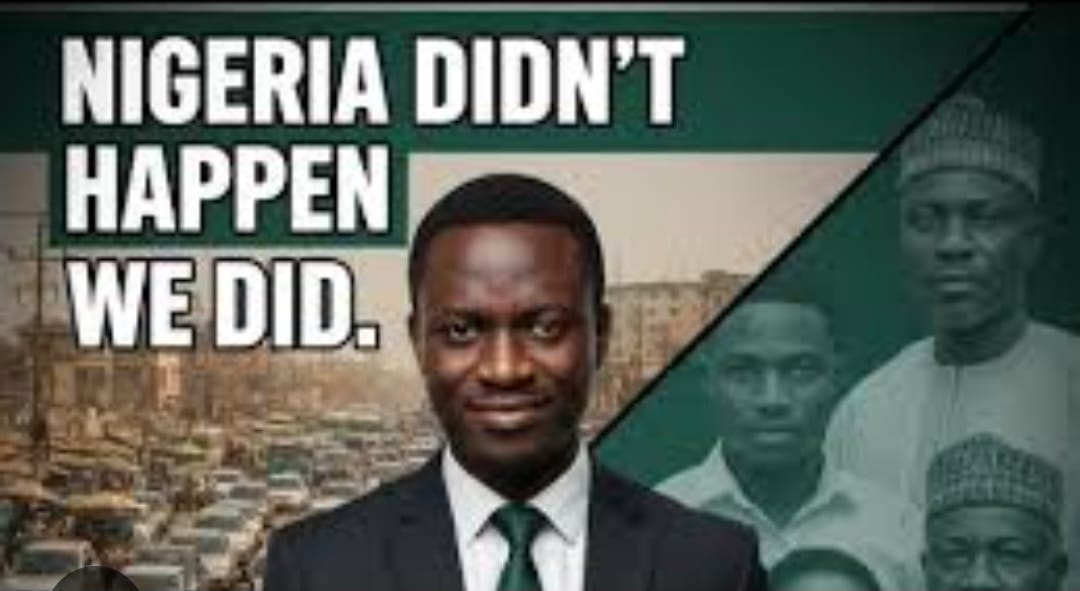
Nigeria Didn’t Happen to Us. We Happened to Nigeria.
By George Omagbemi Sylvester
“A Brutally Honest Monologue and an Even Harder Truth: Our Nation’s Struggles Are Self‑Inflicted Unless We Change Ourselves First.”
Nigeria is not a NATURAL ACCIDENT. It is not a HAPLESS INHERITANCE. It is not a CRUMBLING STRUCTURE that simply happened to us. The truth (UNCOMFORTABLE, UNFLINCHING and MERCILESS) is this: Nigeria did not just happen. We happened to Nigeria. This is not a feel‑good slogan; it is a mirror held up to our collective face.
This powerful monologue, recently captured in the viral video “Nigeria Did not Happen to Us; We Happened to Nigeria”, is a SHARP, SATIRICAL and CANDID INDICTMENT of the Nigerian condition, delivered in the spirit of brutal honesty that the nation sorely needs. It forces us to confront a core question: ARE WE VICTIMS OF NIGERIA’S FAILURES, OR HAVE WE BECOME CONTRIBUTORS TO THEM?

As Nigerians, we must understand both the external foundations of this nation and the internal contradictions we have allowed to fester for decades.
The Myth of Nigeria’s Accidental Nationhood.
Nigeria’s origins are COLONIAL not ORGANIC.
In 1914, British colonial authorities amalgamated the disparate Northern and Southern protectorates (regions culturally, linguistically, economically and religiously distinct) into one colony called Nigeria. This union was motivated by convenience for colonial administration, not by any existing sense of shared identity among Nigerians.
One respected historian put it bluntly:
“Nigeria is not a nation. It is a mere geographical expression.” Chief Obafemi Awolowo, 1947 (paraphrased by scholars describing his position).
Even prominent nationalist leaders were skeptical about Nigeria’s prospects. Sir Abubakar Tafawa Balewa observed that more than a century after the amalgamation, many groups had little in common and did not “show themselves any signs of willingness to unite.”
This is critical context. Nigeria’s foundation was never one of shared identity or mutual purpose; it was political convenience cemented over fault lines of ethnicity, religion and regional disparities. Yet, instead of overcoming these differences, we have often exploited them.
Beyond Colonialism: Internal Failures We Must Own.
It is one thing to acknowledge that Nigeria was born of colonial imposition. It is another to ignore how we have shaped her destiny since independence.
Leadership Failure. Chinua Achebe (one of Nigeria’s greatest voices) wrote in his seminal essay The Trouble with Nigeria:
“The problem with Nigeria is simply and squarely a failure of leadership. Nigerians are what they are because their leaders have not been what they should be.”

This assessment remains painfully true. Leadership failures have pervaded our governance, from military rule to civilian administrations. Leaders who lack vision, commitment, integrity and or accountability have allowed corruption to become normalized and PUBLIC SERVICE to become SELF‑SERVICE. Their conduct entrenches distrust, weakens institutions and erodes citizens faith in progress.
Leadership Is not the Only Problem; We Are Too.
The monologue itself cuts deeper: it argues that Nigerians often project responsibility outward (blaming the country) instead of looking inward at our collective choices and behaviors.
Consider the Nigerian voting public. For too long, electoral choices have been driven by ethnicity, religion, patronage or patron‑client loyalty rather than merit, service records or competence. When citizens consistently elect leaders who perpetuate corruption, insecurity and economic mismanagement, that is not NIGERIA HAPPENING TO US; THAT IS NIGERIA HAPPENING BECAUSE OF US.

Corruption and Impunity. Corruption (the manipulation of public resources for private gain) is one of the most pervasive problems in Nigeria. Transparency International’s Corruption Perceptions Index and local audits have repeatedly shown Nigeria’s struggle with corruption across public institutions. When corruption becomes normalised, citizens lose trust in governance and the state’s capacity to deliver basic services collapses. This is not an abstract concept; it is a lived reality for millions.
Poverty, Inequality and Underdevelopment Are Symptoms, Not the Disease.
According to the World Bank and independent analysts, more than half of Nigeria’s population lives in POVERTY, with SEVERE INFRASTRUCTURE DEFICITS, POOR EDUCATION, LIMITED HEALTHCARE ACCESS and an ELECTRICITY CRISIS that leaves millions without RELIABLE POWER.
These are not natural disasters. They are structural failures and failures of policy, priorities, investment and long‑term national planning.
For example:
Electricity generation remains weak compared to other African nations. Nigeria’s peak electricity generation often fluctuates between 5,500 and 6,000 MW, a fraction of what is needed for sustained industrial growth.

Education gaps leave millions of school‑aged children without basic education, undermining human capital development.
Poverty persists alongside massive resource wealth, highlighting a disconnect between potential and reality.
These challenges do not mean NIGERIA is INHERENTLY DOOMED. They mean that poor governance, weak institutions and a LACK OF STRUCTURAL REFORMS have BLOCKED our PATH to PROSPERITY.
Nationhood Is Still a Work in Progress.
Decades after independence and a civil war that sought to defend national unity, Nigeria continues to grapple with the concept of nationhood.
Scholars note that Nigeria’s pluralistic society (over 250 ethnic groups with diverse languages and belief systems) makes forging a cohesive national identity extremely complex.
National identity is not automatic. It is built through shared purpose, inclusive governance, equitable resource distribution and recognition of diversity within unity.
Yet, too often Nigerians fall back on narrow identities (TRIBE, RELIGION, REGION) rather than seeing themselves first as NIGERIANS.
True nationhood demands that we recognize our differences but refuse to let them divide us.

The Narrative of Blame Must Change.
There is a popular expression among Nigerians: “MAY NIGERIA NEVER HAPPEN TO YOU.” It is a curse, born out of frustration and despair. Yet experts argue this narrative is counterproductive.
Taiwo Oyedele, then Chairman of the Presidential Fiscal Policy and Tax Reform Committee, called it “UNPATRIOTIC” and suggested instead: “MAY NIGERIA WORK FOR ME.” His point is clear: citizens must shift from fatalism to constructive engagement.
This shift requires rejecting narratives that externalize responsibility. If we truly believe Nigeria “HAPPENED TO US,” then we resign ourselves to victimhood. But if we admit that we shaped Nigeria with our votes, actions and apathy, then we acknowledge that we also have the power to rebuild it.
A Call to Conscious Patriotism.
The video monologue does not end in defeat; it is a call for accountability; both from leaders and citizens. This is not cynicism. This is patriotism disguised as harsh truth.
The future of Nigeria lies not in wishful thinking, not in optimism alone and not in blaming past wrongs. It lies in self‑reflection, collective responsibility and national renewal.
“Every country has the government it deserves.” according to Joseph de Maistre
This timeless aphorism is relevant to Nigeria today. When citizens elect leaders who fail to provide security, economic opportunity and dignity, then they must ask themselves why such leaders were chosen in the first place.
The Bigger Picture: Reclaiming Nigeria’s Destiny.
Nigeria did not simply happen to us. We (through our CHOICES, our COMPLACENCY, our SILENCE and at times our COMPLICITY) happened to Nigeria.
This truth is not a condemnation without hope. It is an invitation to engage and to participate in nation‑building as citizens who hold leaders accountable, embrace unity in diversity and demand governance that uplifts every Nigerian.
A nation is not an accident. It is an ongoing project and that of IDEOLOGY, POLICY, CULTURE and COURAGE.
Nigeria’s story is unfinished. And because it is unfinished, it can be REWRITTEN, but only if we stop seeing ourselves as victims and start seeing ourselves as architects of our common future.
— Published by saharaweeklyng.com




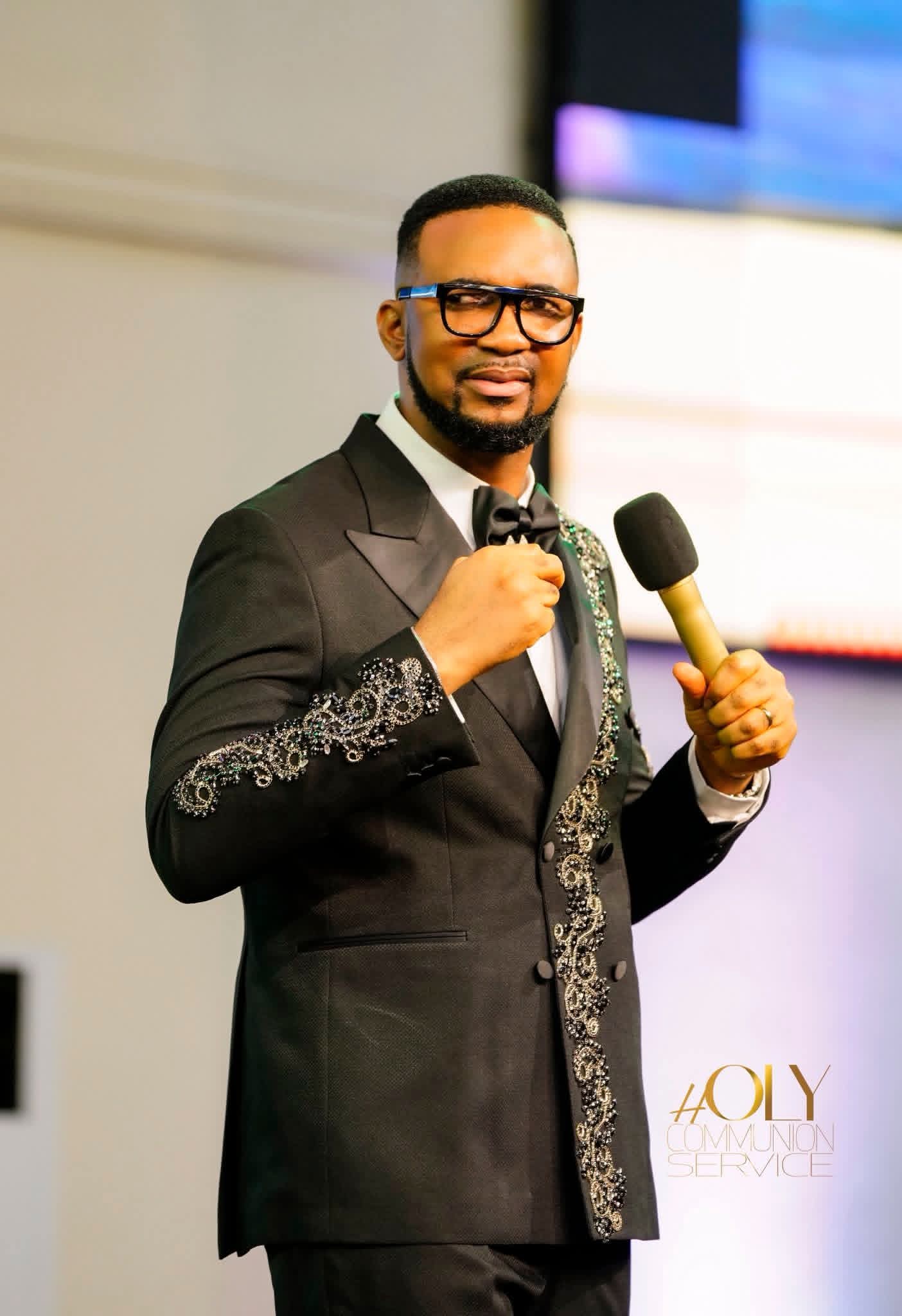
“Jesus Christ is the Way, the Truth, and the Life.” — Dr. Chris Okafor
Grace Nation Worldwide marked a special occasion as members gathered at the international headquarters in Lagos, Nigeria, to celebrate the birthday of the Generational Prophet and Senior Pastor, Christopher Okafor, who turned a year older on April 4, 2026.
A Service of Thanksgiving and Celebration
The atmosphere was filled with gratitude as sons and daughters of the ministry came together to appreciate God for the life and impact of their spiritual leader.
The celebration featured a variety of activities, including special musical renditions, Bible recitations, choreography presentations, and a vibrant praise and worship session led by the Liberation Voices.
The highlight of the event was the ceremonial cutting of the birthday cake, followed by joyful celebration and thanksgiving, all dedicated to the glory of God.
Teaching on the Death and Resurrection of Christ ,Earlier in the day, the service also commemorated the resurrection of Jesus Christ, with Dr. Okafor delivering a message on “The Death and Resurrection of Jesus Christ.”
In his teaching, he described the sacrifice of Christ at Calvary as the foundation of the Christian faith.
“The death of Jesus represents the depth of God’s love for humanity,” he said, while emphasizing that the resurrection is the ultimate confirmation and strength of the believer’s faith.
The State of Humanity Before Redemption
Dr. Okafor explained that before the sacrifice of Christ, humanity was bound by sin, subject to judgment, and separated from God. He highlighted the consequences of the fall of man, including spiritual loss and the inevitability of judgment.
The Purpose of Christ’s Sacrifice
According to the cleric, the death and resurrection of Jesus Christ brought restoration and reconciliation between God and humanity.
“When a person is restored to God, life becomes meaningful,” he noted, adding that the sacrifice of Christ signifies the forgiveness of sin and a new beginning for believers.
A Message of Hope
In conclusion, Dr. Okafor stated that the resurrection of Jesus Christ provides believers with the opportunity to live a fruitful and abundant life, anchored in faith and divine purpose.
The combined celebration of his birthday and the message of Easter created a moment of reflection, joy, and renewed commitment among members of Grace Nation Worldwide.


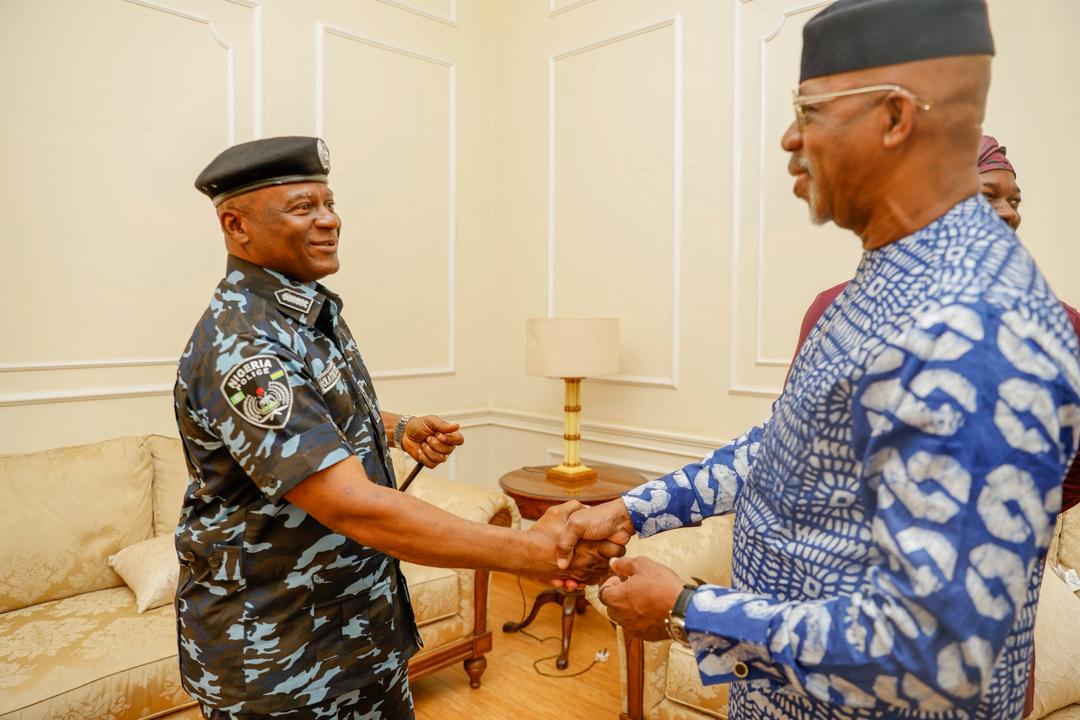
IGP Disu Unveils New Security Vehicles, Bikes In Ogun,
The Inspector-General of Police, Olatunji Rilwan Disu, on Saturday took centre stage at the commissioning of landmark projects in Ogun State, reaffirming the Nigeria Police Force’s commitment to strengthening national security and deepening collaboration with state authorities.
The high-profile event, attended by top government officials and security stakeholders, highlighted the strategic importance of security in driving development. Disu’s presence underscored ongoing efforts by the Police leadership to align operational priorities with infrastructural growth across the country.
A key highlight of the ceremony was the commissioning of new security vehicles and electric motorbikes aimed at boosting the operational capacity of security agencies in the state. The IGP commended the Ogun State Government for what he described as a proactive and forward-thinking approach to security, noting that the newly deployed assets would significantly enhance rapid response and patrol efficiency.
He stressed that effective policing remains central to maintaining peace and order, assuring residents that the Force would continue to evolve strategies to tackle emerging threats. According to him, the Nigeria Police Force is committed to working closely with both the Federal Government and sub-national authorities to ensure the safety of lives and property.
Disu further called on members of the public to support security agencies by providing timely and credible information, describing community cooperation as vital in combating crime and sustaining a secure environment.
The Police leadership also expressed appreciation to the Ogun State Government and other dignitaries for their continued partnership, noting that such collaboration is essential to advancing security initiatives and fostering national development.


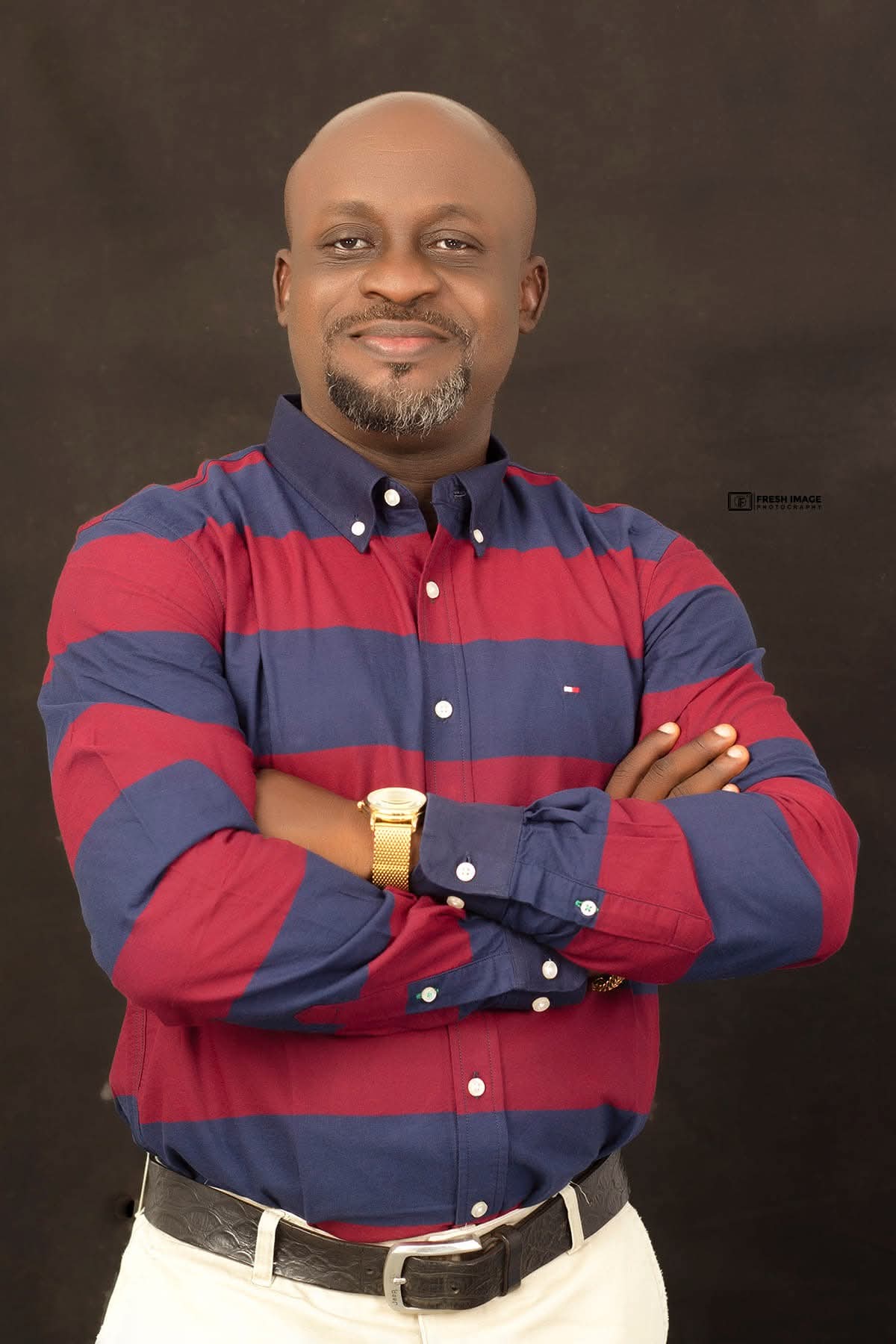
*PDP Stalwart, Fagbemi, Resigns From Party in Ogbomoso South*
A former Secretary of Ogbomoso South Local Government, Temidayo Fagbemi, has formally resigned his membership of the Peoples Democratic Party.
Fagbemi, a major financier of the PDP in the area, tendered his resignation in a letter addressed to the Ward Chairman of the party in Ijeru II, Ogbomoso South.
In his letter, Fagbemi stated that leaving the party he had diligently supported, contributing to PDP’s victories at both the state and local government levels for two consecutive terms, was a difficult but necessary decision.
He wrote: “I, Temidayo Fagbemi, hereby submit my resignation as a member of the PDP.”
“My decision to leave the party, which I worked hard to support and helped secure victory at both the state and local levels for two consecutive terms, is not an easy one. However, it has become necessary.”
He thanked party leaders for the years of shared political engagement and wished them success in their forthcoming primaries.
His resignation marks a significant development within the Ogbomoso South PDP, given his influence, contributions, and long-standing role in strengthening the party’s structure.


- United States (U.S.) and Mozambique Advance Cooperation on Emergency Response and Safety April 6, 2026
- The Impacts of the Middle East Conflict on Africa April 6, 2026
- Ghana: President Mahama announces a high-level panel of the Accra Reset April 6, 2026
- Ghana: President Mahama reiterates his determination to build more businesses April 6, 2026
- Mauritius accelerates energy transition with renewable projects of 405 MW April 6, 2026
- Africa Centres for Disease Control and Prevention (Africa CDC) Appoints His Excellency Prof. Yemi Osinbajo as Senior Strategic Advisor to the Director General April 6, 2026
- 2026 Easter Message by the President of the Catholic Bishops’ Conference of Nigeria (CBCN): The Dawn is Coming, Don’t Let Go Now, Hold on to Hope! April 5, 2026
- "A Time to Pause and Begin Again”: President Dr Patrick Herminie reflects in Easter message April 5, 2026
- President Dr. Patrick Herminie Pays Tribute to the Late Seychellois Artist David Philoe April 5, 2026
- Ghana identifies priority areas to strengthen cholera prevention and control April 5, 2026
- United States (U.S.) and Mozambique Advance Cooperation on Emergency Response and Safety April 6, 2026
- The Impacts of the Middle East Conflict on Africa April 6, 2026
- Ghana: President Mahama announces a high-level panel of the Accra Reset April 6, 2026
- Ghana: President Mahama reiterates his determination to build more businesses April 6, 2026
- Mauritius accelerates energy transition with renewable projects of 405 MW April 6, 2026
- Africa Centres for Disease Control and Prevention (Africa CDC) Appoints His Excellency Prof. Yemi Osinbajo as Senior Strategic Advisor to the Director General April 6, 2026
- 2026 Easter Message by the President of the Catholic Bishops’ Conference of Nigeria (CBCN): The Dawn is Coming, Don’t Let Go Now, Hold on to Hope! April 5, 2026
-

 society7 months ago
Religion: Africa’s Oldest Weapon of Enslavement and the Forgotten Truth
-

 news4 months ago
WHO REALLY OWNS MONIEPOINT? The $290 Million Deal That Sold Nigeria’s Top Fintech to Foreign Interests
-

 society7 months ago
“You Are Never Without Help” – Pastor Gebhardt Berndt Inspires Hope Through Empower Church (Video)
-

 celebrity radar - gossips2 months ago
Dr. Chris Okafor Returns with Power and Fire of the Spirit -Mounts Grace Nation Altar with Fresh Anointing and Restoration Grace on February 1, 2026