
society
Nigeria Hosts Its First Cultural Dog Exhibition as “Paws of Heritage NDBU2025” Show Makes History


Nigeria Hosts Its First Cultural Dog Exhibition as “Paws of Heritage NDBU2025” Show Makes History
The Paws of Heritage Dog Show, organized by King’s Dog Club in collaboration with the Nigeria Dog Breeders Union (NDBU), has officially made history as Nigeria’s first-ever cultural dog exhibition, attracting widespread recognition both locally and internationally. Held in Magboro, the event brought together dog enthusiasts to celebrate the fusion of tradition, community, and canine excellence.
At this groundbreaking exhibition, dogs appeared dressed in traditional Nigerian attires, proudly representing Yoruba, Igbo, Hausa and other cultural identities. Handlers also wore matching native outfits, creating a striking visual celebration of culture and companionship.
Several major awards highlighted the day’s activities. The Best in Show title was awarded to a Lhasa, recognized for its outstanding obedience and ability to follow instructions with precision. The Best in Breed accolade went to a Snowline German Shepherd, while the award for Best Culturally Dressed Dog was claimed by a Pug whose matching Yoruba agbada outfit, paired with its handler, captivated the crowd.
Another memorable moment was the presentation of the Best Young Promising Dog Breeder Award, given to a young girl named Treasure, whose passion for dogs and enthusiasm for learning impressed both judges and spectators.
The show’s atmosphere was further energized by live music performances, cultural games, interactive activities, and colorful photo sessions that made the event enjoyable for families, dog lovers, and visitors.
The exhibition also drew praise from the international canine community. Mrs. Claudia Galeotti of the ICDB Dog Show in Italy described the event as groundbreaking. In her translated message, she said:
> “How nice… It’s the first time ever that I’ve seen a photo of a Best in Show with people of colour, with clothes and backgrounds typical of their country. I find it wonderful. A step forward for humanity and a great merit for those who know how to make a difference. I’m referring to him—the President of the WDF—who deserves all my respect and is showing everyone what leadership is worth.”
Warm messages of appreciation were also received from the President of the Kennel Club Algeria, the President of the World Dog Federation, Kennel Club Colombia, the WDF African Union, and several other international kennel bodies, all applauding NDBU for advancing canine culture and organized dog exhibitions in Nigeria.
Organizers expressed gratitude to King’s Dog Club, NDBU officials, participants, and supporters who played key roles in making the event a success.
With Paws of Heritage setting a new cultural standard for dog shows in the country, the Nigerian canine community now looks forward to the NDBU National Dog Show 2026, which promises an even more remarkable experience.





POCACOV Intensifies Sensitization on Cultism, Bullying, and Social Vices Among Students in Edo
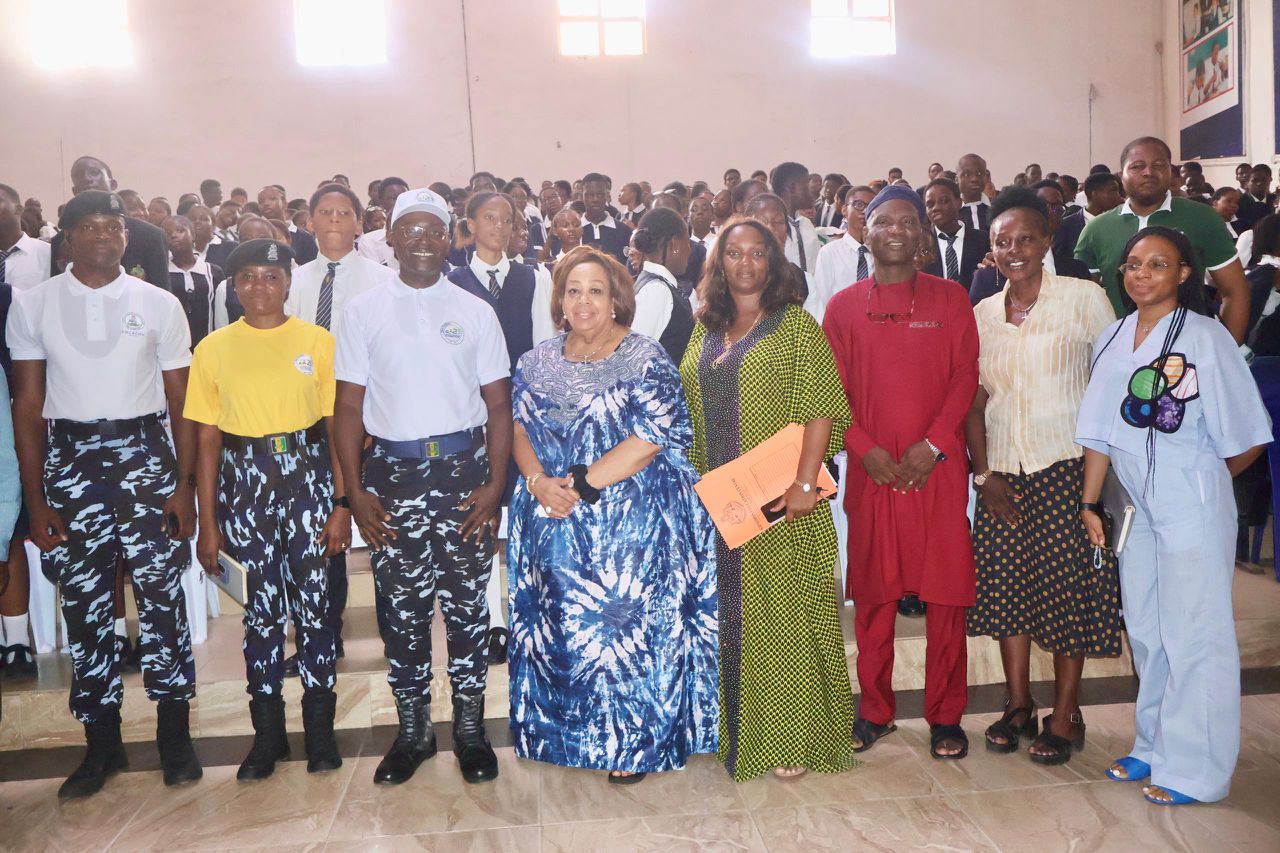
In commemoration of the 2026 National Police Day Celebration, the Police Campaign Against Cultism and Other Vices (POCACOV), Edo State Command, has reinforced its preventive policing efforts through a targeted sensitization outreach at Igbinedion Education Centre, Benin City.
The initiative forms part of the broader activities marking this year’s National Police Day, themed “Community Partnership: Building Trust,” which emphasizes collaboration between the Nigeria Police Force and the public in fostering a safer society.
The sensitization programme witnessed the presence of key stakeholders, including the Commissioner of Police, Edo State Command, the Police Public Relations Officer, and the Edo State POCACOV Coordinator, ASP Kingsley Upeh. The team engaged students in an insightful and impactful session focused on the dangers of cultism, bullying, and other social vices prevalent among youths.
During the session, students were educated on the severe and far-reaching consequences of cult-related activities. These include violence, loss of lives, disruption of academic pursuits, and long-term damage to personal reputation and future opportunities. The speakers also highlighted how peer pressure, drug abuse, and negative social influences often serve as gateways into criminal behavior.
In an interactive segment, the Commissioner of Police stressed the legal implications of engaging in criminal acts, noting that involvement in cultism and related offences could lead to arrest, prosecution, and lifelong consequences that may hinder personal growth and career aspirations.
The issue of bullying was also extensively addressed, with emphasis on both its legal ramifications and psychological impact on victims. Students were encouraged to speak up against bullying, report incidents to school authorities or law enforcement, and support peers who may be affected.
Furthermore, the outreach underscored the importance of self-discipline, moral values, and making informed life choices. Students were urged to become ambassadors of peace within their schools and communities by rejecting violence and promoting unity and mutual respect.
The POCACOV team reiterated its commitment to continuous engagement with young people through awareness campaigns, community outreach, and strategic partnerships aimed at preventing crime before it occurs. The initiative aligns with the Nigeria Police Force’s proactive approach to policing, which prioritizes education, prevention, and community involvement.


COAS Launches Nationwide Security Renewal Mission in Plateau
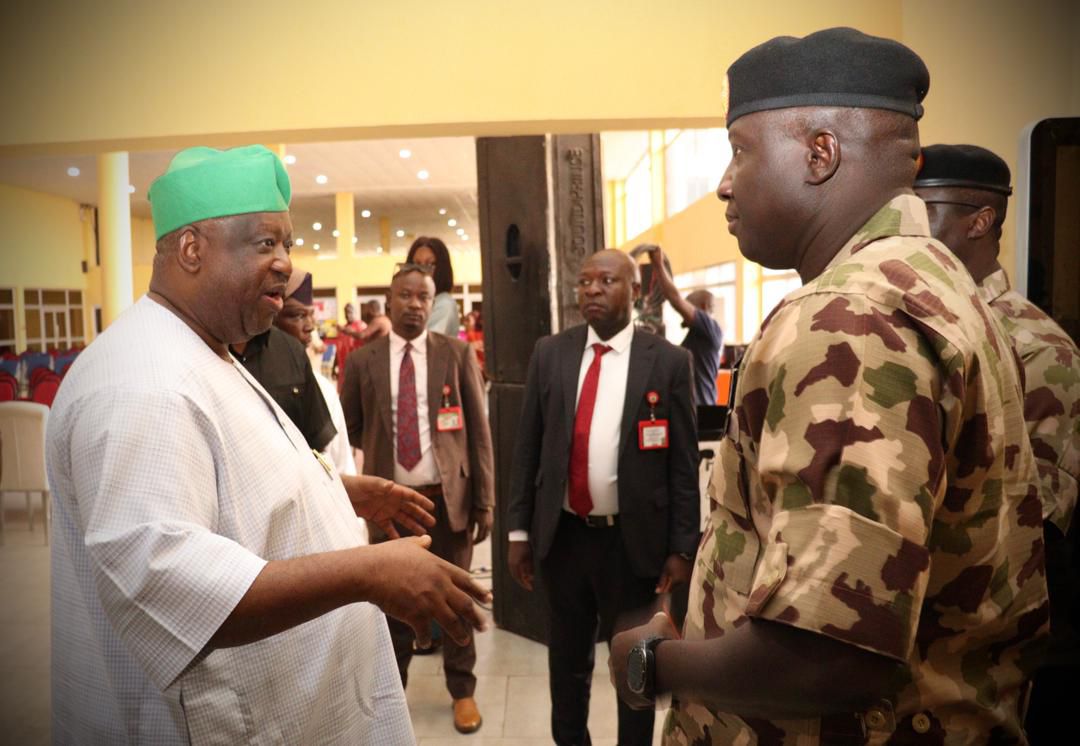
The Chief of Army Staff, Lieutenant General Waidi Shaibu, on Thursday led a high-level delegation of security chiefs to Plateau State, flagging off a nationwide security renewal mission aimed at strengthening civil-military cooperation and restoring lasting peace across the country.
The visit to Jos, the Plateau State capital, marks the first phase of a coordinated national effort to address persistent security challenges through joint operations, community engagement, and proactive intelligence gathering.

Governor Caleb Muftwang received the delegation, describing the initiative as a critical step toward stabilizing affected communities and reinforcing public confidence in security institutions.
Civil-Military Synergy Takes Centre Stage
At the heart of the mission is a renewed emphasis on collaboration between the military, civil authorities, and local communities. Speaking during the visit, Lt. Gen. Shaibu stressed that national security must be treated as a collective responsibility.
He urged citizens to support security agencies by remaining vigilant, sharing credible information, and complying with lawful directives, noting that effective security cannot be achieved in isolation.
Community Engagement as Confidence-Building Tool
In a departure from purely operational engagements, the Army Chief held direct consultations with community leaders and residents in Jos, reinforcing the importance of trust and dialogue in conflict resolution.
Lawmakers, including Dachung Bagos and Ladi Dangyok, commended the initiative, stating that visible engagement by top military leadership helps rebuild confidence among citizens and fosters cooperation.

Proactive Security Operations Underway
Operational updates were provided by Major General Folusho Oyinlola, who disclosed that troops under Operation Enduring Peace have intensified surveillance, intelligence-led patrols, and coordinated actions with other security agencies.
According to the Army, the approach is designed to prevent escalation of threats, safeguard lives and property, and stabilize vulnerable communities before crises emerge.
A Shift Toward Sustainable Peace
Military authorities emphasized that the Plateau visit is part of a broader, long-term strategy to transition from reactive responses to sustainable peacebuilding nationwide. The framework includes strengthening local resilience, ensuring justice, and maintaining continuous engagement with stakeholders.
Analysts view the initiative as a significant policy shift, reflecting a more inclusive security architecture that integrates community participation with military operations.
Call for National Unity
The Army leadership concluded with an appeal to Nigerians to reject divisive narratives and support ongoing efforts to promote unity and peace.
“The success of this mission depends not only on the armed forces but on the cooperation of every citizen,” the COAS stated.
The nationwide security renewal campaign is expected to extend to other regions in the coming weeks as authorities seek to consolidate gains and build a safer, more unified Nigeria.


IGP Disu Visits Plateau, Orders Tactical Deployment To Reinforce Security
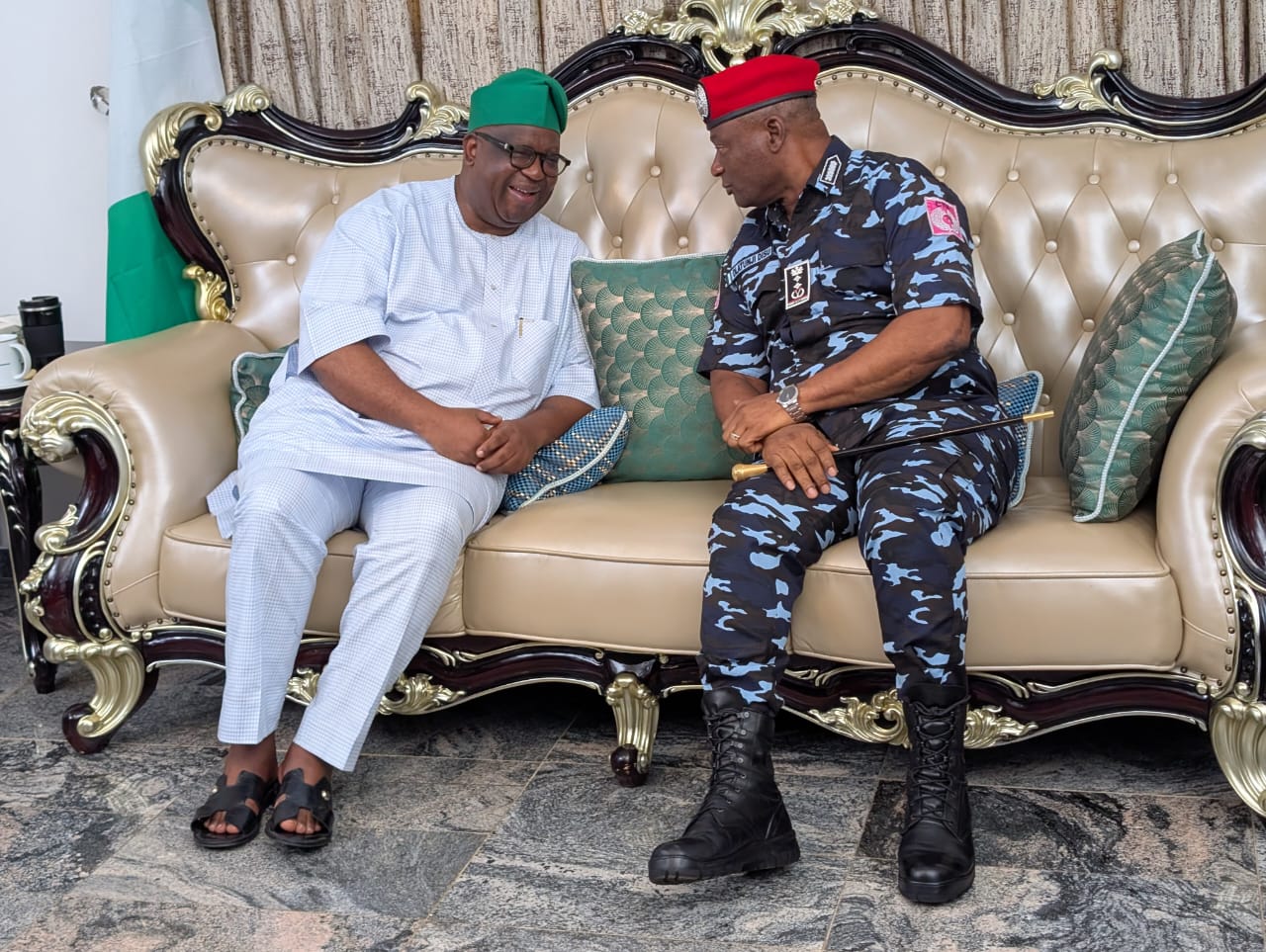
The Inspector General of Police, Olatunji Disu, on Thursday paid a working visit to Plateau State following recent unrest, holding strategic talks with Governor Caleb Muftwang on measures to strengthen security and prevent further disturbances.
As part of immediate steps to stabilise the situation, the police chief authorised the deployment of specialised tactical units to support officers already on ground across affected areas.
Governor Muftwang commended the swift intervention of the police leadership, praising the dedication and professionalism of security personnel working to restore calm. He also acknowledged the efforts of mobile police officers and lauded the leadership of the state’s Commissioner of Police, Bassey Ewah.
Both the Nigeria Police Force and the Plateau State Government reaffirmed their commitment to safeguarding lives and property, stressing that enhanced collaboration remains key to restoring lasting peace in Plateau State, popularly known as the Home of Peace and Tourism.


-

 society7 months ago
Religion: Africa’s Oldest Weapon of Enslavement and the Forgotten Truth
-

 news4 months ago
WHO REALLY OWNS MONIEPOINT? The $290 Million Deal That Sold Nigeria’s Top Fintech to Foreign Interests
-

 society6 months ago
“You Are Never Without Help” – Pastor Gebhardt Berndt Inspires Hope Through Empower Church (Video)
-

 celebrity radar - gossips2 months ago
Dr. Chris Okafor Returns with Power and Fire of the Spirit -Mounts Grace Nation Altar with Fresh Anointing and Restoration Grace on February 1, 2026