
Politics
Nigeria Is Not His Estate: Wike’s 2,000‑Hectare Scandal Must Shake Us Awake

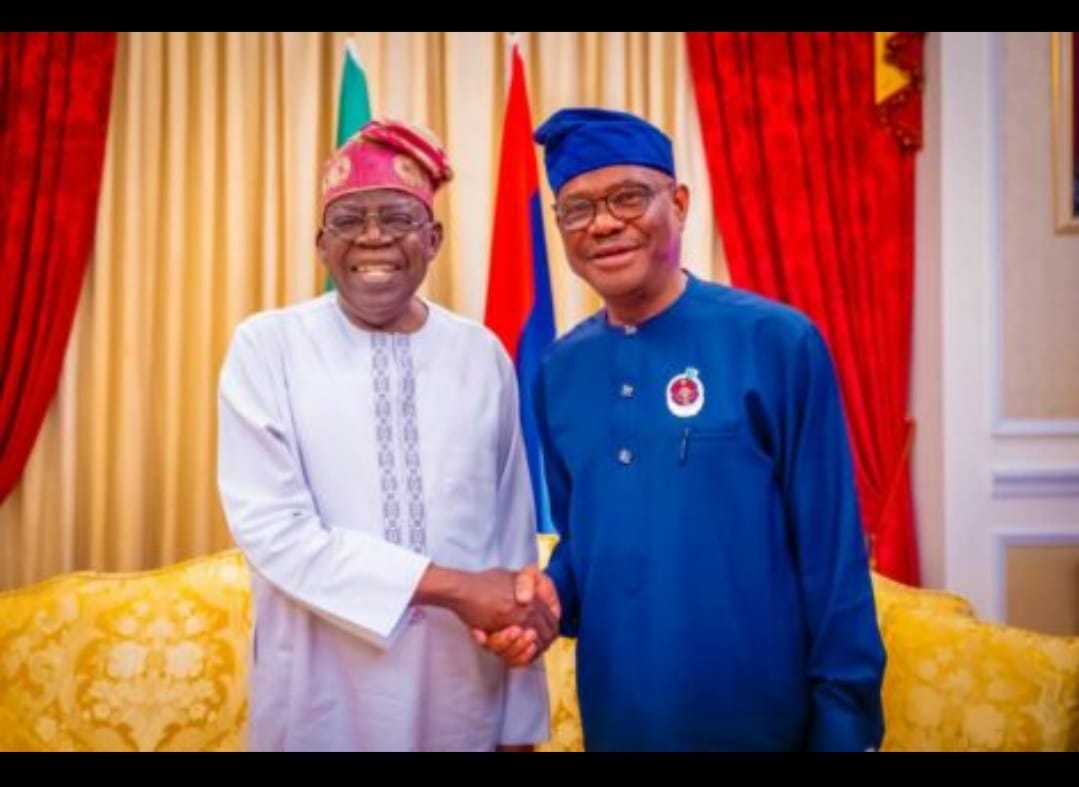
Nigeria Is Not His Estate: Wike’s 2,000‑Hectare Scandal Must Shake Us Awake.
By George Omagbemi Sylvester | Published by SaharaWeeklyNG.com
When leadership is reduced to entitlement and public office becomes an inheritance plan, a democracy begins to rot at its core. That is the ugly reality Nigeria faces today, following damning revelations that the Minister of the Federal Capital Territory (FCT), Nyesom Wike, allegedly allocated more than 2,000 hectares of prime Abuja land (valued at over $3.6 billion) to a company tied to his son, Joaquin Wike.
This isn’t just scandalous. It is treasonous against the Nigerian people.
According to detailed investigations by Peoples Gazette and corroborated by Sahara Reporters, Wike personally signed off on multiple land allocations spanning high-profile areas like Maitama, Asokoro, Guzape and Gaduwa. These allocations, according to sources inside the FCTA, totalled 2,082 Hectares, translating to approximately 40,000 plots of land. The documents reveal that these lands were awarded under the pretence of agricultural purposes to a company newly registered and linked to Wike’s son; Joaq Farms and Estates Ltd.
Even more shocking, some of the plots were allegedly seized from embassies, private families and federal infrastructure reserves. Among the affected: the Austrian Embassy, which had been allocated a site for diplomatic development and families with long-standing land rights in Guzape and Katampe.
Let us call this what it is: FEUDALISM wearing the mask of governance.
Nigeria Has Been Turned Into a Private Empire.
Wike, a man who once styled himself as a defender of the people during his tenure as governor of Rivers State, now appears to have embraced the very impunity he used to denounce. As FCT Minister, his constitutional duty is to serve the interests of over 200 million Nigerians, not build an imperial inheritance for his children in the heart of the nation.
One FCTA insider quoted by Sahara put it plainly:
“When we told the minister in April that he needed to slow down on frequent allocations to his own children, he said he was just starting, because his goal was to make them the largest landowners in Abuja.”
That statement should send shivers down the spine of any patriot. It’s no longer about infrastructure, development or public service. It is about power. It is about legacy. It is about the theft of a future that belongs to all Nigerians.
Where Is the President?
President Bola Ahmed Tinubu has remained disturbingly silent on the matter. This is a man who preached “RENEWED HOPE” during his campaign, hope for a new Nigeria, built on transparency, reform and service. Yet, when a senior member of his cabinet is credibly accused of converting national assets into personal estates not a single word of condemnation or inquiry has come from Aso Rock.
Is Tinubu afraid of Wike’s political clout? Or is this silence an admission that corruption is the glue holding his coalition together?
Even if the President chooses silence, we will not. Nigerian democracy will not survive if citizens are expected to endure hardship while elites feed off the nation’s flesh. Civil servants in the FCT are owed salaries. Teachers and healthcare workers can not even pay rent. Yet Wike and his son allegedly control enough land in Abuja to build five new cities.
Denials and Diversions
As expected, Wike’s media team rushed to deny the allegations. His spokesperson, Lere Olayinka, called the reports “mischievous lies,” claiming that the allocations were for agricultural purposes in Bwari, not high-value plots in Maitama or Guzape.
But facts don’t lie.
Corporate Affairs Commission (CAC) records show that Joaq Farms was registered mere months before the land deals. Mapping documents, certificates of occupancy and payment files reviewed by multiple sources show names, dates and locations that align with the scandal.
So unless Nigeria is being governed in a hall of illusions, Wike owes this nation a full, honest explanation and not dismissive PR gymnastics.
This Is Bigger Than Land.
Let’s be clear: this is not just about hectares of land. This is about systemic theft, elite capture and the rapid erosion of accountability in Nigeria’s governance.
When public land, designated for diplomatic missions, schools, hospitals and civil infrastructure, is converted into private estates for the children of those in power, we are not practicing democracy; we are living under tyranny.
Human rights lawyer Deji Adeyanju captured it perfectly:
“Wike is not the owner of Nigeria. He must stop grabbing people’s land and giving them to cronies. This is public property, not family inheritance.”
What Must Be Done
An Independent Panel Must Be Set Up Immediately.
The National Assembly, if it still has a soul, must summon the courage to open a full inquiry into these allocations. The documents are there. The facts are traceable. This cannot be swept under the rug.
EFCC and ICPC Must Intervene.
If Nigeria’s anti-corruption agencies still function, then now is the time to act. Joaq Farms’ records, transactions and land-use certificates must be scrutinized. If any rule has been broken (and clearly, several have) they must be prosecuted with full force.
Abuja Masterplan Must Be Respected.
The original master plan of the Federal Capital Territory was designed to prevent chaos, elite monopolization and feudalism. All allocations that violate this plan must be revoked. A national city cannot be sacrificed for the ambitions of one man.
The People Must Speak Up.We cannot afford silence. From civil society to student unions, religious leaders to market women, this scandal must dominate our national conscience. APATHY is COMPLICITY.
History Will Remember This.
This is how nations fail, not because they lack natural resources or intelligent people, but because their leaders are allowed to behave like monarchs in a democracy.
If these land grabs are allowed to stand, Abuja will become a blueprint for elite domination. What stops other ministers from allocating oil wells to their wives or ports to their cousins and or even military barracks to their sons?
We have seen this story before. It ends in disaster.
Nigeria Is Not Your Family Business.
The tragedy of Nigeria today is that men who should be custodians have become looters. Our democracy is hanging by a thread and scandals like this one are daggers slashing at its heart.
To Nyesom Wike, if these allegations are true, you must resign and face trial. You were not elected Minister to build dynasties. You were appointed to serve. And to President Tinubu, your silence is not NEUTRAL; it is BETRAYAL.
The land belongs to the people. The power belongs to the people. And history, whether written in the courts or on the streets, will remember who stood up and who sold out.
George Omagbemi Sylvester is a Nigerian political analyst, writer and public affairs commentator based in South Africa. He writes for SaharaWeeklyNG.com and other regional publications.



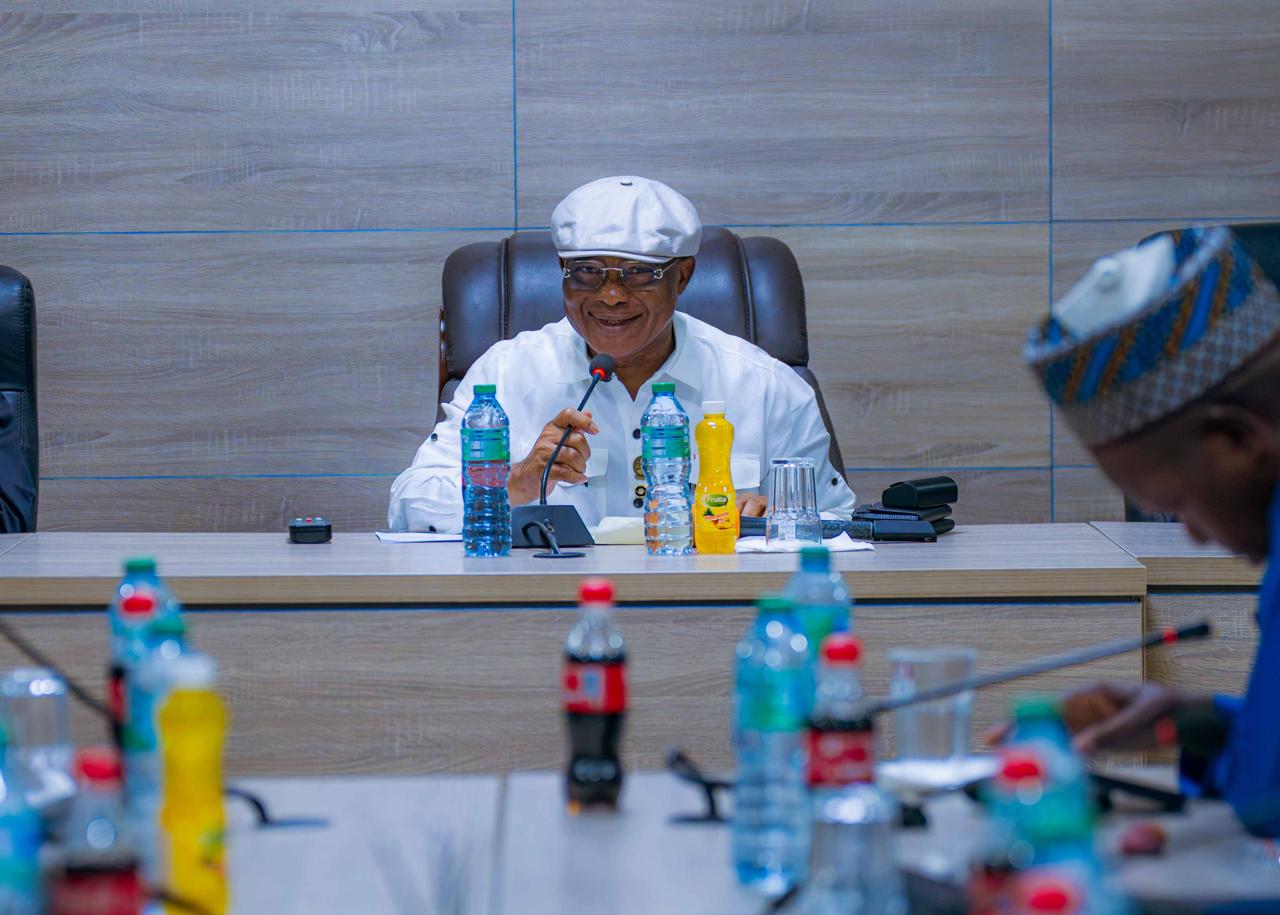
*Renewed Hope Ambassadors Step Into the Next Phase
Fresh from the successful APC 2026 National Convention, the Renewed Hope Ambassadors National, Zonal, and State leadership gathered in Abuja over the weekend, for its fourth strategic meeting, setting the tone for nationwide grassroots activation ahead of 2027.
Chaired by Governor Hope Uzodinma (Imo State) the Director General and National Coordinator of the Renewed Hope Ambassadors, alongside Deputy Director-General, Governor Uba Sani of Kaduna State, and Governor Inuwa Yahaya of Gombe State as Secretary, the session reinforced one clear direction: One Party. One Message. One Mobilization whilst also laying out a strategic roadmap for the activation of the network across all communities in Nigeria.
Backed by the strength of 31 APC-led states, the Renewed Hope Agenda is taking Bola Ahmed Tinubu’s message of progress and reform to every corner of Nigeria.
From bold economic restructuring to initiatives like NELFUND, the increase in the national minimum wage from ₦30,000 to ₦70,000, and strategic investments in critical sectors, including PNiCGI, the mission remains clear: helping Nigerians understand both the purpose and the progress of the Renewed Hope vision.
This is coordination at scale. This is grassroots engagement with purpose. This is the next phase of Renewed Hope with One Party, One Message, and One Mobilisation framework
#RenewedHopeAmbassadors #APC #WeAreAPC


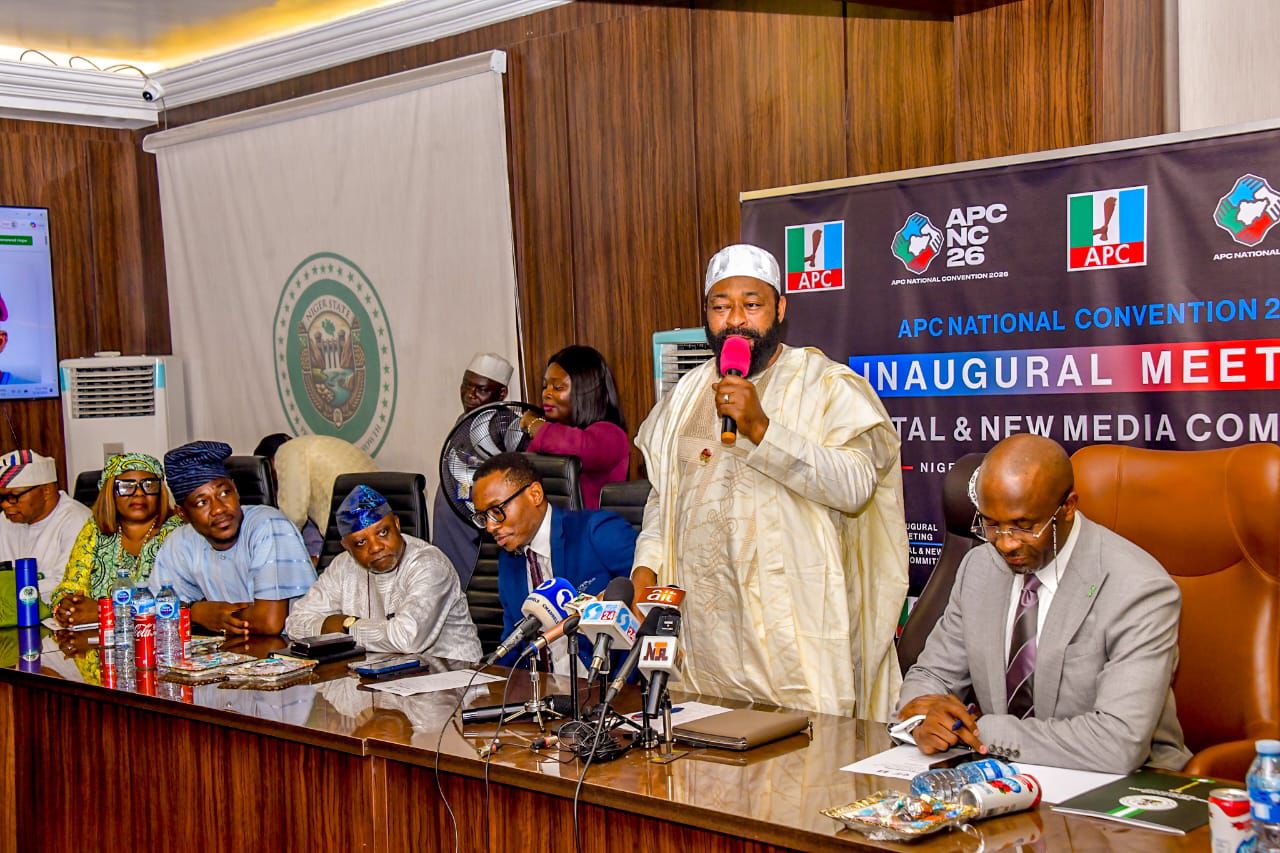
Governor Bago Inaugurates APC Digital Media Sub-Committee Ahead of National Convention.
Governor Umaru Bago has inaugurated the Digital Media Sub-Committee for the forthcoming National Convention of the All Progressives Congress (APC), scheduled to hold on March 27 and 28, 2026 in Abuja.
Chairing the sub-committee, Governor Bago tasked members with the responsibility of effectively communicating the party’s manifesto to the public.
He emphasized the need to leverage social media platforms to highlight the achievements and ongoing efforts of President Bola Ahmed Tinubu, noting that communication gaps have posed challenges that must now be decisively addressed.
The Co-Chair of the sub-committee, Hon. Benjamin Kalu, Deputy Speaker of the House of Representatives, echoed the Governor’s position, urging members to project the activities of both the party and the government to a broader audience.
He called for a deliberate and coordinated effort to showcase the party’s achievements and policy direction, stressing the importance of shaping a compelling and consistent narrative across all digital platforms.
Delivering a presentation to the committee, Otega Ogra, SSA to the President on New Media, who serves as Secretary of the sub-committee, outlined strategic focus areas to guide the team’s operations.
His presentation highlighted communication priorities and actionable steps to achieve the committee’s mandate and strengthen the party’s digital engagement.


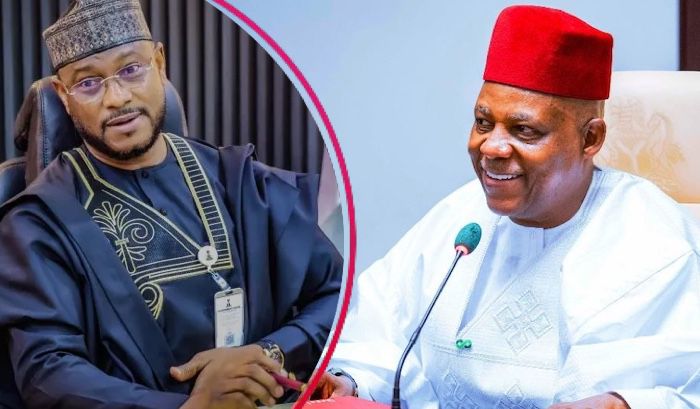
VP Shettima Set to Lead Delegation to Zamfara as Governor Dauda Lawal Formally Joins APC
The Zamfara State chapter of the All Progressives Congress (APC) has finalized plans to receive Vice President Kashim Shettima for the formal defection and reception of Governor Dauda Lawal into the ruling party, scheduled to take place on Tuesday.
State APC Chairman, Tukur Danfulani Maikatako, disclosed this during a high-level stakeholders’ meeting held in Gusau, the state capital. He noted that the Vice President would be joined by the party’s national leadership to mark what he described as a landmark political realignment in the state.
Maikatako expressed the party’s excitement over Governor Lawal’s return, recalling that Zamfara had historically been an APC stronghold and that the Governor was previously a bona fide member of the party before his earlier exit.
“We all know that Zamfara has long been one of the APC’s stronghold states, where the defected Governor was once a bona fide member. Now that he has decided to return home, having been satisfied that the APC remains his second choice after the one he left for obvious reasons,” Maikatako stated.
The Chairman called on all party faithful across the 147 wards in the state’s 14 local government areas to turn out en masse to honour the Vice President’s visit. He emphasized that the event was strategically positioned to bolster the party’s popularity and strengthen its structures ahead of the 2027 general elections.
In a strong appeal for unity, Maikatako urged members to set aside all factional tendencies, stressing that the APC remained one political family with shared goals, particularly the ambition to make Zamfara and Nigeria great again.
Echoing similar sentiments, a former state APC Chairman, Lawal M. Liman, appealed to members to cascade the message to their wards and local government areas. He reinforced the need for cohesion, noting that the party’s collective strength would be critical to achieving success in future elections.

All eyes are now on Gusau as the ruling party prepares for a high-profile political gathering expected to further consolidate its influence in Zamfara State.


-

 society6 months ago
Religion: Africa’s Oldest Weapon of Enslavement and the Forgotten Truth
-

 news4 months ago
WHO REALLY OWNS MONIEPOINT? The $290 Million Deal That Sold Nigeria’s Top Fintech to Foreign Interests
-

 society6 months ago
“You Are Never Without Help” – Pastor Gebhardt Berndt Inspires Hope Through Empower Church (Video)
-

 celebrity radar - gossips2 months ago
Dr. Chris Okafor Returns with Power and Fire of the Spirit -Mounts Grace Nation Altar with Fresh Anointing and Restoration Grace on February 1, 2026