
society
Nigeria on the Brink: Power-Hungry Leaders Must Wake Up Before the Collapse Is Irreversible


Nigeria on the Brink: Power-Hungry Leaders Must Wake Up Before the Collapse Is Irreversible
By George Omagbemi Sylvester
In the words of Martin Luther King Jr., “Our lives begin to end the day we become silent about things that matter.” Today, what matters most is Nigeria the once-great “Giant of Africa” tottering dangerously on the brink of political, economic and social collapse. The warning signs are clear to both citizens and foreign observers: security has imploded, the economy is in free fall and leadership is fixated not on governance, but on power retention and elite capture.
The British-born foreign journalist, David Hundeyin, recently remarked: “What we are witnessing in Nigeria is not misgovernance, it is deliberate state sabotage. You cannot destroy a country this comprehensively by accident.” This chilling diagnosis encapsulates the painful reality of a nation being asphyxiated by its very custodians.
A Nation Under Siege
Nigeria is in a state of war. The Nigerian Security Tracker, a project by the Council on Foreign Relations, reports that over 63,000 people have been killed by Boko Haram, bandits and state security forces since 2011. Under the current administration of President Bola Ahmed Tinubu, who took over in 2023 amidst a disputed election and judicial controversy, insecurity has worsened. In the first quarter of 2024 alone, more than 4,000 Nigerians were either killed or abducted across the country, according to SBM Intelligence.
Zamfara, Kaduna, Borno, Plateau and Niger States remain theatres of bloodshed. The armed forces are overstretched, morale is low and intelligence operations are ineffective. The recent attack on a military convoy in Niger State that left 23 soldiers dead underscores the collapse of national defense infrastructure. Worse still, there has been a deafening silence from the presidency, no strategy to reverse the trend; just recycled promises and arrogant posturing.
As Femi Falana (SAN), renowned human rights lawyer, warned in a press briefing:
“We cannot run a country where lives are being lost daily and those in power are more concerned with traveling abroad, awarding themselves privileges and weaponizing poverty against their citizens. This is not governance, it is gangsterism.”
Economic Collapse: From Giant to Beggar
The economic outlook is just as grim. Nigeria’s naira has lost over 70% of its value against the dollar since June 2023, when President Tinubu abruptly removed fuel subsidies and floated the currency without a buffer plan. This triggered hyperinflation, with food prices soaring beyond the reach of the average Nigerian. As of March 2025, inflation stands at 34.1%, while food inflation exceeds 45%, according to the National Bureau of Statistics.
The World Bank has confirmed that over 133 million Nigerians now live in multidimensional poverty, a devastating indictment of an oil-rich country whose leaders claim to be “reforming” the economy. Meanwhile, over 55% of the federal budget is used to service debt, leaving little room for capital investment or social welfare. Corruption in public finance remains unchecked and no major convictions have been recorded under this administration, despite overwhelming evidence of looting in ministries and parastatals.
Leadership in Disgrace
Perhaps the most dangerous aspect of Nigeria’s decline is the quality of leadership. While the country bleeds, President Tinubu has spent more time outside the country than inside, embarking on over 18 foreign trips in less than a year, according to media tallies. His handlers claim these are for investment drives, yet no tangible result has been seen. Foreign direct investment (FDI) into Nigeria fell to $468 million in 2024, down from over $2.5 billion in 2014, as investors flee a country plagued by policy inconsistency, Insecurity and poor infrastructure.
Instead of leadership, Nigeria is governed by power blocs of ethnic, religious and political cronies. State capture is now institutionalized, with critical institutions like the judiciary and electoral commission operating under executive pressure. The 2023 presidential election was marred by rigging, voter suppression and result tampering confirmed by both local and international observers like the EU Election Mission.
As Professor Chidi Odinkalu, former chairman of Nigeria’s Human Rights Commission, put it:
“Nigeria is not being governed; it is being auctioned. Those in power are only interested in who controls what, who loots what and who silences who. The people are incidental to their power calculus.”
A Time to Choose: Reform or Ruin
It is no longer enough to “pray for Nigeria.” Prayer without purpose is procrastination. Nigeria must undergo an urgent political renaissance driven by citizens, activists, professionals and ethical leaders. There must be a shift from the current political structure based on patronage and tribal loyalty to a meritocratic, transparent and accountable governance model.
First, the president must cut the cost of governance. Over N10 billion was spent on installing solar panels at Aso Rock in 2024 at a time when over 80% of Nigerians lack regular electricity. This kind of reckless spending must end. Secondly, there must be a total overhaul of the security architecture, including better funding, training, and welfare for the armed forces. Third, institutional reforms are needed: the judiciary must be independent, the electoral system digitized and the civil service professionalized.
Most importantly, the leaders must stop the obsession with 2027. Instead of jostling for succession, they should focus on salvaging a country on the edge of civil implosion. Power for power’s sake has become the most destructive disease in Nigeria’s political space.
As Nobel Laureate Wole Soyinka once declared:
“Only those who are deaf to the cry of humanity can continue to pretend that all is well in Nigeria. This is a nation crying for revolution, if not by blood, then by conscience.”
Citizens Must Rise
While blame rests squarely on those in power, the citizens cannot afford to remain spectators. Silence is complicity. Nigerians must demand accountability at every level: local, state and federal. Civil society must intensify advocacy, the media must remain bold, and the judiciary must regain its spine.
Young Nigerians in particular, have a role to play. The #EndSARS protest of 2020 was a powerful reminder of people power. That movement was not a failure it was a rehearsal. Another reckoning is coming and this time, it must be total, peaceful and sustained. Civic education, voter registration, peaceful protest and citizen journalism are tools the people must wield.
A Final Warning
Nigeria is tottering. Foreign analysts see it. Local observers live it. The warning lights are flashing red. If urgent, people-focused and ethical leadership is not activated, Nigeria could slip into a failed state status becoming a refugee-producing zone and a threat to regional stability.
The burden is heavy, but the time is now. There is still a narrow window to rescue Nigeria from the abyss. Our leaders must shed their obsession with power and embrace the responsibility of service. Governance is not a coronation; it is a contract. If they cannot fulfill it, they must step aside or be pushed aside by history.
As Archbishop Desmond Tutu once said:
“If you are neutral in situations of injustice, you have chosen the side of the oppressor.”
Let us not be neutral.
Let us rise.
Let us speak.
Let us act.
Nigeria is bleeding, but it is not yet dead; there is still time barely.



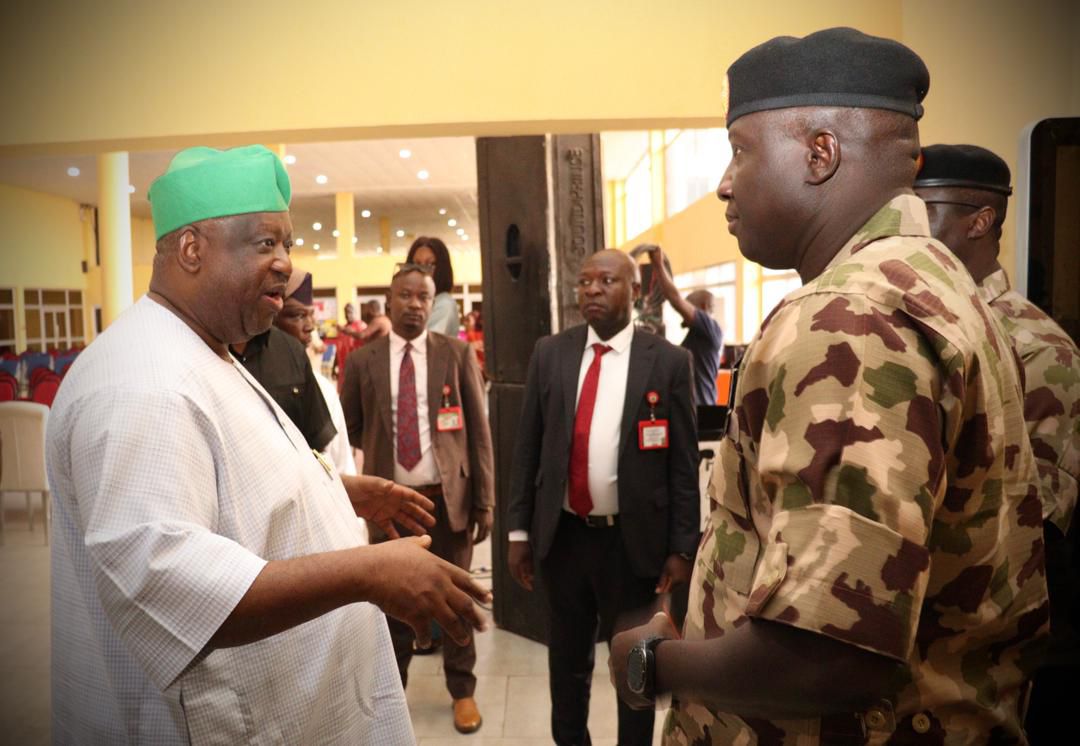
COAS Launches Nationwide Security Renewal Mission in Plateau
The Chief of Army Staff, Lieutenant General Waidi Shaibu, on Thursday led a high-level delegation of security chiefs to Plateau State, flagging off a nationwide security renewal mission aimed at strengthening civil-military cooperation and restoring lasting peace across the country.
The visit to Jos, the Plateau State capital, marks the first phase of a coordinated national effort to address persistent security challenges through joint operations, community engagement, and proactive intelligence gathering.

Governor Caleb Muftwang received the delegation, describing the initiative as a critical step toward stabilizing affected communities and reinforcing public confidence in security institutions.
Civil-Military Synergy Takes Centre Stage
At the heart of the mission is a renewed emphasis on collaboration between the military, civil authorities, and local communities. Speaking during the visit, Lt. Gen. Shaibu stressed that national security must be treated as a collective responsibility.
He urged citizens to support security agencies by remaining vigilant, sharing credible information, and complying with lawful directives, noting that effective security cannot be achieved in isolation.
Community Engagement as Confidence-Building Tool
In a departure from purely operational engagements, the Army Chief held direct consultations with community leaders and residents in Jos, reinforcing the importance of trust and dialogue in conflict resolution.
Lawmakers, including Dachung Bagos and Ladi Dangyok, commended the initiative, stating that visible engagement by top military leadership helps rebuild confidence among citizens and fosters cooperation.

Proactive Security Operations Underway
Operational updates were provided by Major General Folusho Oyinlola, who disclosed that troops under Operation Enduring Peace have intensified surveillance, intelligence-led patrols, and coordinated actions with other security agencies.
According to the Army, the approach is designed to prevent escalation of threats, safeguard lives and property, and stabilize vulnerable communities before crises emerge.
A Shift Toward Sustainable Peace
Military authorities emphasized that the Plateau visit is part of a broader, long-term strategy to transition from reactive responses to sustainable peacebuilding nationwide. The framework includes strengthening local resilience, ensuring justice, and maintaining continuous engagement with stakeholders.
Analysts view the initiative as a significant policy shift, reflecting a more inclusive security architecture that integrates community participation with military operations.
Call for National Unity
The Army leadership concluded with an appeal to Nigerians to reject divisive narratives and support ongoing efforts to promote unity and peace.
“The success of this mission depends not only on the armed forces but on the cooperation of every citizen,” the COAS stated.
The nationwide security renewal campaign is expected to extend to other regions in the coming weeks as authorities seek to consolidate gains and build a safer, more unified Nigeria.


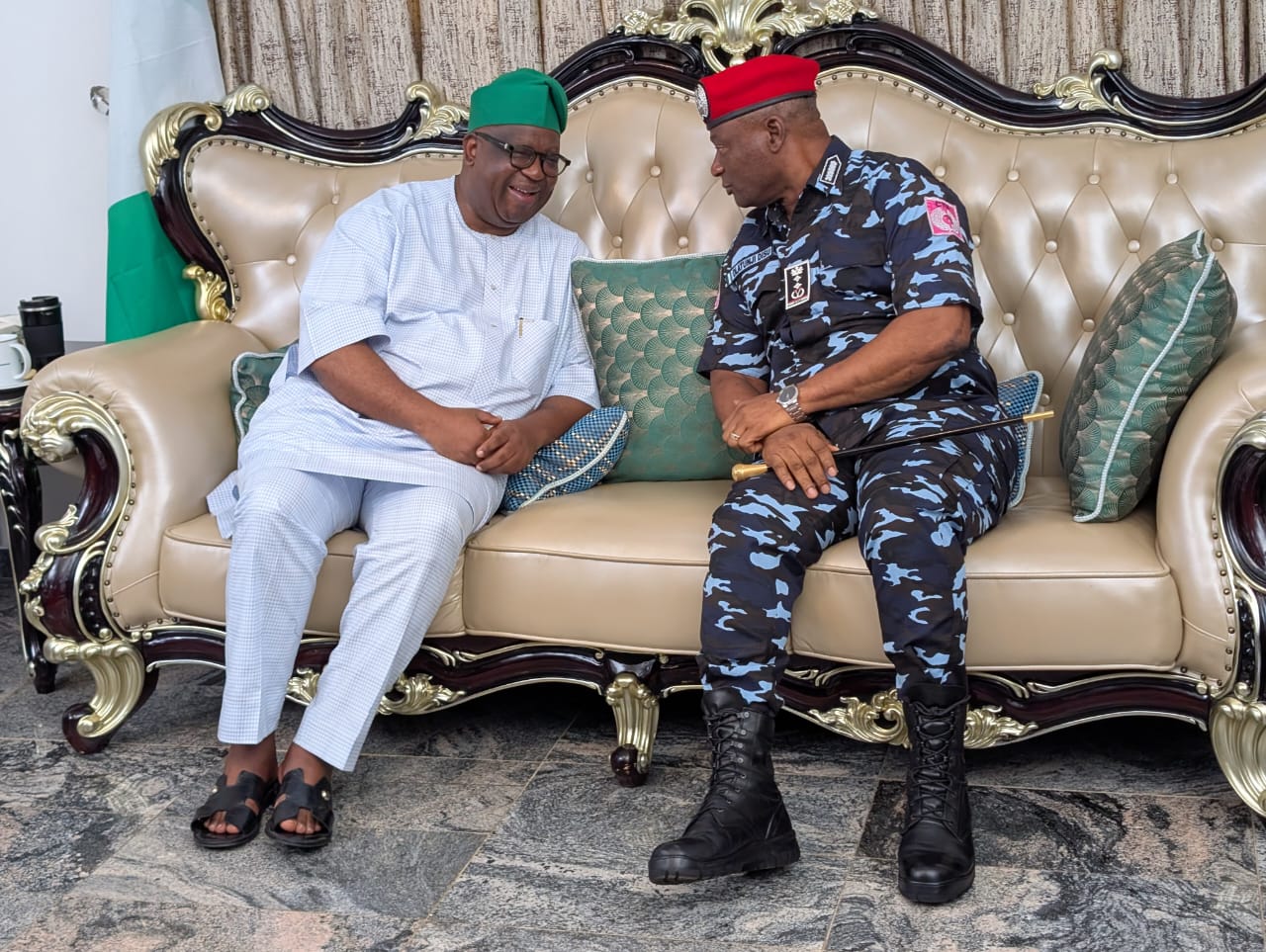
IGP Disu Visits Plateau, Orders Tactical Deployment To Reinforce Security
The Inspector General of Police, Olatunji Disu, on Thursday paid a working visit to Plateau State following recent unrest, holding strategic talks with Governor Caleb Muftwang on measures to strengthen security and prevent further disturbances.
As part of immediate steps to stabilise the situation, the police chief authorised the deployment of specialised tactical units to support officers already on ground across affected areas.
Governor Muftwang commended the swift intervention of the police leadership, praising the dedication and professionalism of security personnel working to restore calm. He also acknowledged the efforts of mobile police officers and lauded the leadership of the state’s Commissioner of Police, Bassey Ewah.
Both the Nigeria Police Force and the Plateau State Government reaffirmed their commitment to safeguarding lives and property, stressing that enhanced collaboration remains key to restoring lasting peace in Plateau State, popularly known as the Home of Peace and Tourism.


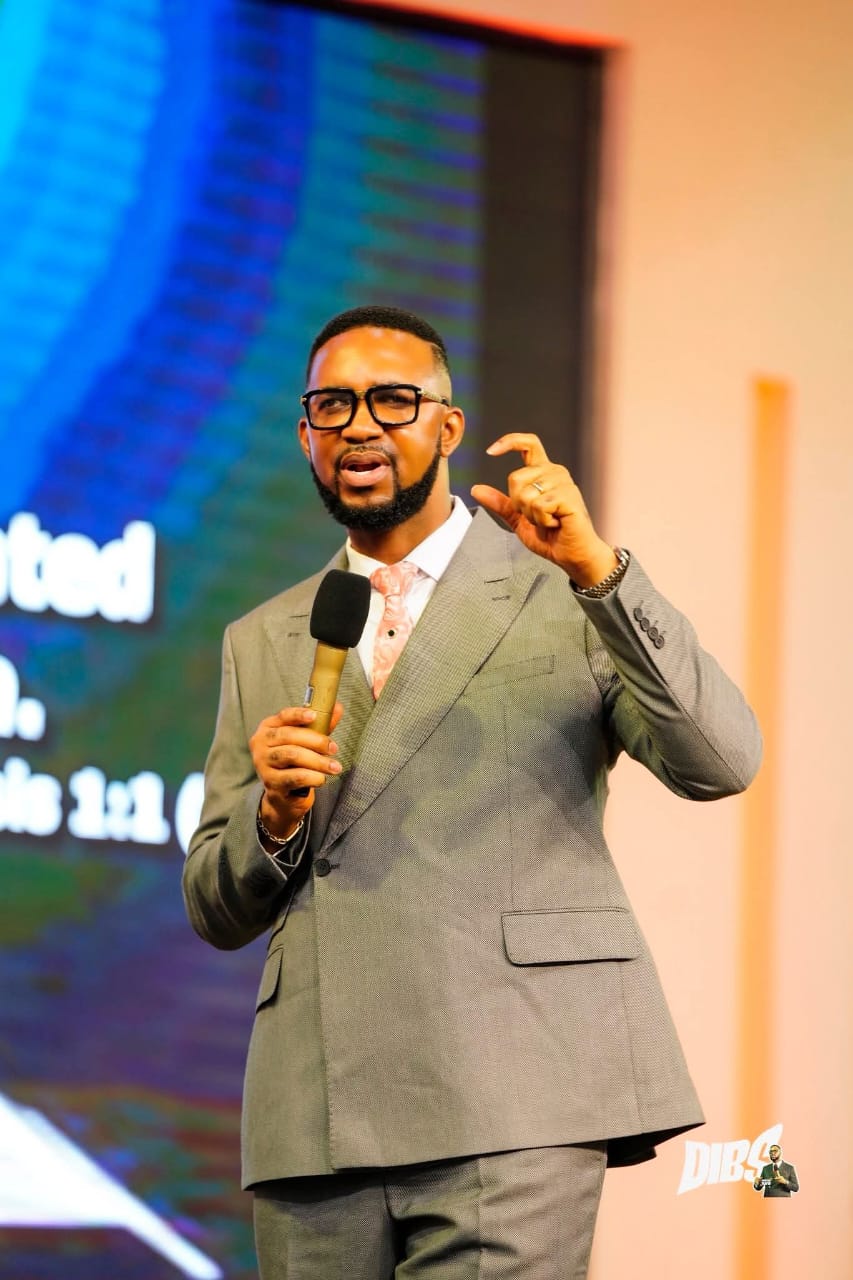
Grace Nation Worldwide: A Living Reality – Dr. Chris Okafor
……“Miracles, Healing, and Deliverance Overflow at Grace Nation Services”
The Grace Nation midweek Prophetic Healing, Deliverance, and Solutions (PHDS) Service on 2nd April 2026 at the international headquarters in Ojodu Berger, Lagos, was a spectacular display of God’s power, marked by miracles, healing, and deliverance.
The God of Grace Nation continues to demonstrate His authority, breaking strongholds, healing the sick, restoring lost glory, and providing solutions to every problem presented at His altar.
Testimonies of God’s Power
One woman, previously diagnosed with a terminal condition and slated for a ₦4.5 million surgery due to inability to excrete, was prayed for by the Generational Prophet, Christopher Okafor, just a week after visiting the church. Declaring healing within 24 hours, she returned to testify to God’s miraculous intervention.
Another pregnant woman, whose baby was bridged and at risk, was located and prayed for. She returned to service with confirmation that her child is now well-positioned for delivery. Similarly, a woman booked for a C-section due to an overdue and poorly positioned pregnancy testified during the service that her baby is now properly positioned, ready for birth.
These testimonies underscore the truth: what God cannot do does not exist. Grace Nation has entered a new level of spiritual authority, and with faith, believers are witnessing the impossible become reality.
God Works by Principle, Not Gossip
In his sermon, Dr. Okafor emphasized that God does not operate on superstition, gossip, or social media pressures. His work is grounded in His Word, and it is through adherence to His principles that Grace Nation continues to flourish.
The Generational Prophet stressed that to enjoy divine blessings and fruitfulness, believers must remain connected to God’s Word, faithfully serve Him, and ignore distractions or side-talks. Focused commitment to God’s service guarantees alignment with His miraculous power.
Join the Movement
Grace Nation Worldwide is open for all who desire a life transformed by divine intervention. Weekly services include:
Sunday Service: 7:00 AM
Grace Nation Island Service (Ogombo): Wednesday, 5:00 PM
Midweek PHDS Service: Thursday, 7:00 AM
Attending these services under the ministry of the Generational Prophet ensures encounters with God’s supernatural power, life-changing miracles, and lasting breakthroughs.
Grace Nation Worldwide is not just a church—it is a reality where faith meets the supernatural.
By Sunday Adeyemi


-

 society6 months ago
Religion: Africa’s Oldest Weapon of Enslavement and the Forgotten Truth
-

 news4 months ago
WHO REALLY OWNS MONIEPOINT? The $290 Million Deal That Sold Nigeria’s Top Fintech to Foreign Interests
-

 society6 months ago
“You Are Never Without Help” – Pastor Gebhardt Berndt Inspires Hope Through Empower Church (Video)
-

 celebrity radar - gossips2 months ago
Dr. Chris Okafor Returns with Power and Fire of the Spirit -Mounts Grace Nation Altar with Fresh Anointing and Restoration Grace on February 1, 2026