
society
Nigerians and Africans in Texas & Across the U.S. Urged to Support Bishop Paul Vincent’s Senate Campaign For 2026!

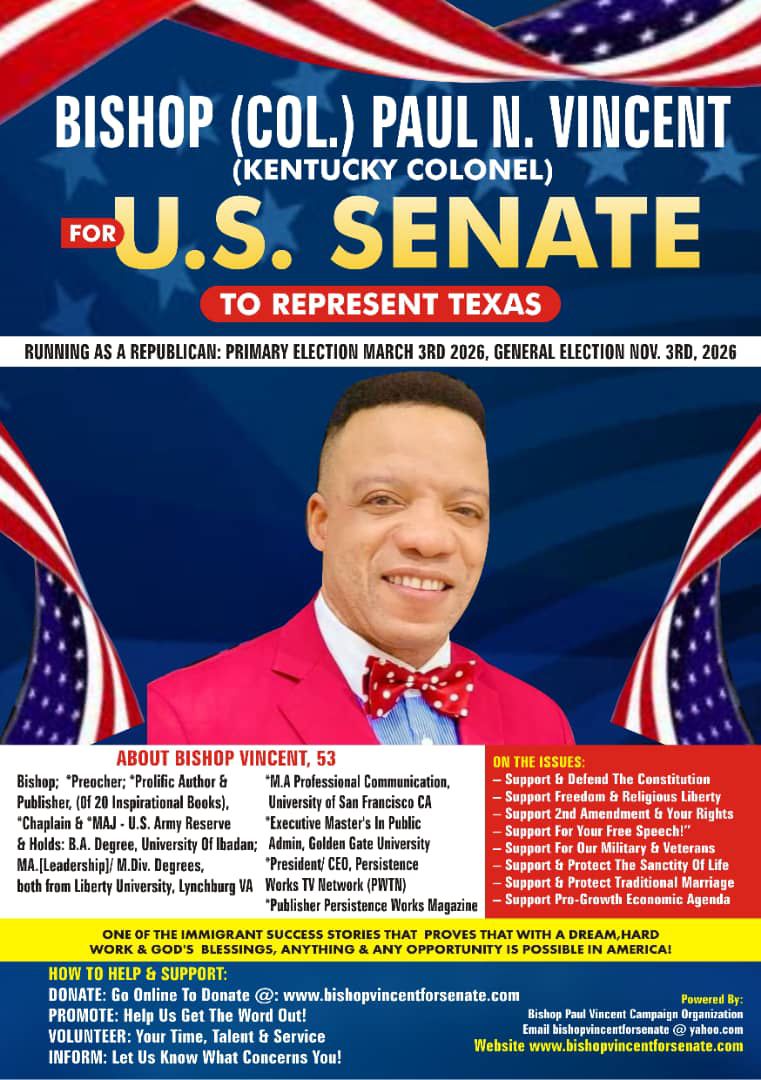
*Nigerians and Africans in Texas & Across the U.S. Urged to Support Bishop Paul Vincent’s Senate Campaign For 2026!*
Bishop (Col.) Paul N. Vincent, a renowned community leader, military chaplain, broadcaster, and author, has announced his candidacy for the United States Senate to represent Texas. Running as a Republican, Bishop Vincent is calling on Nigerians, Africans, and the broader immigrant community across Texas and the United States to rally behind his campaign, offering their support, advocacy, and votes as he aims to make history in the Senate.

Bishop Vincent, the President/CEO of Persistence Works TV Network and Publisher of Persistence Works Magazine, is a celebrated immigrant success story. From humble beginnings in Nigeria to a distinguished career in the U.S., he has become a symbol of hard work, resilience, and faith. His campaign embodies these values, with a platform centered on defending the U.S. Constitution, safeguarding religious liberty, protecting the Second Amendment, and championing military and veteran welfare.
“As an immigrant who has lived the American dream, I am committed to ensuring others have the same opportunities,” said Bishop Vincent. “My journey reflects the limitless possibilities available in this great nation, and I want to give back by serving Texans in the Senate.”
Bishop Vincent’s military career spans 16 years, during which he served as a chaplain in the U.S. Army Reserve and on active duty. He has earned numerous military honors, including the Army Commendation Medal, and made headlines for baptizing 55 U.S. soldiers in the River Jordan during a deployment.
His achievements extend beyond the military. Bishop Vincent has written 20 inspirational books, established a global TV network that reaches over 200 million viewers, and spearheaded numerous charitable initiatives supporting communities in need. He is also a highly educated leader with five advanced degrees, including an Executive Master’s in Public Administration from Golden Gate University.
Bishop Vincent’s campaign has struck a chord within the immigrant community, particularly among Nigerians and Africans, who see his candidacy as a testament to their contributions and potential in the U.S. Many community leaders are calling on Nigerians and Africans in Texas and across the nation to mobilize and support his campaign.
“This is a pivotal moment for Nigerians and Africans in the U.S.,” said one supporter. “Bishop Vincent’s candidacy isn’t just about representation; it’s about giving a voice to our values and aspirations on a national stage. We must campaign, donate, and vote to ensure his victory.”
Bishop Vincent’s wife, Rev. Edith Vincent, and their daughter Sharon are also actively involved in the campaign, inspiring others with their story of perseverance and faith. The Vincent family, based in El Paso, Texas, is a shining example of what is possible with determination and divine guidance.
Nigerians and Africans in the U.S. are encouraged to take an active role in the campaign, whether by volunteering, spreading the word, or donating. Bishop Vincent’s Senate run is a call to action for the entire immigrant community to unite and make their voices heard in the U.S. political landscape.
For more information or to join the campaign, visit [Campaign Website Link].
Let us come together to support Bishop Paul Vincent and ensure his victory in this historic race for the U.S. Senate.
https://bishopvincentforsenate.nationbuilder.com




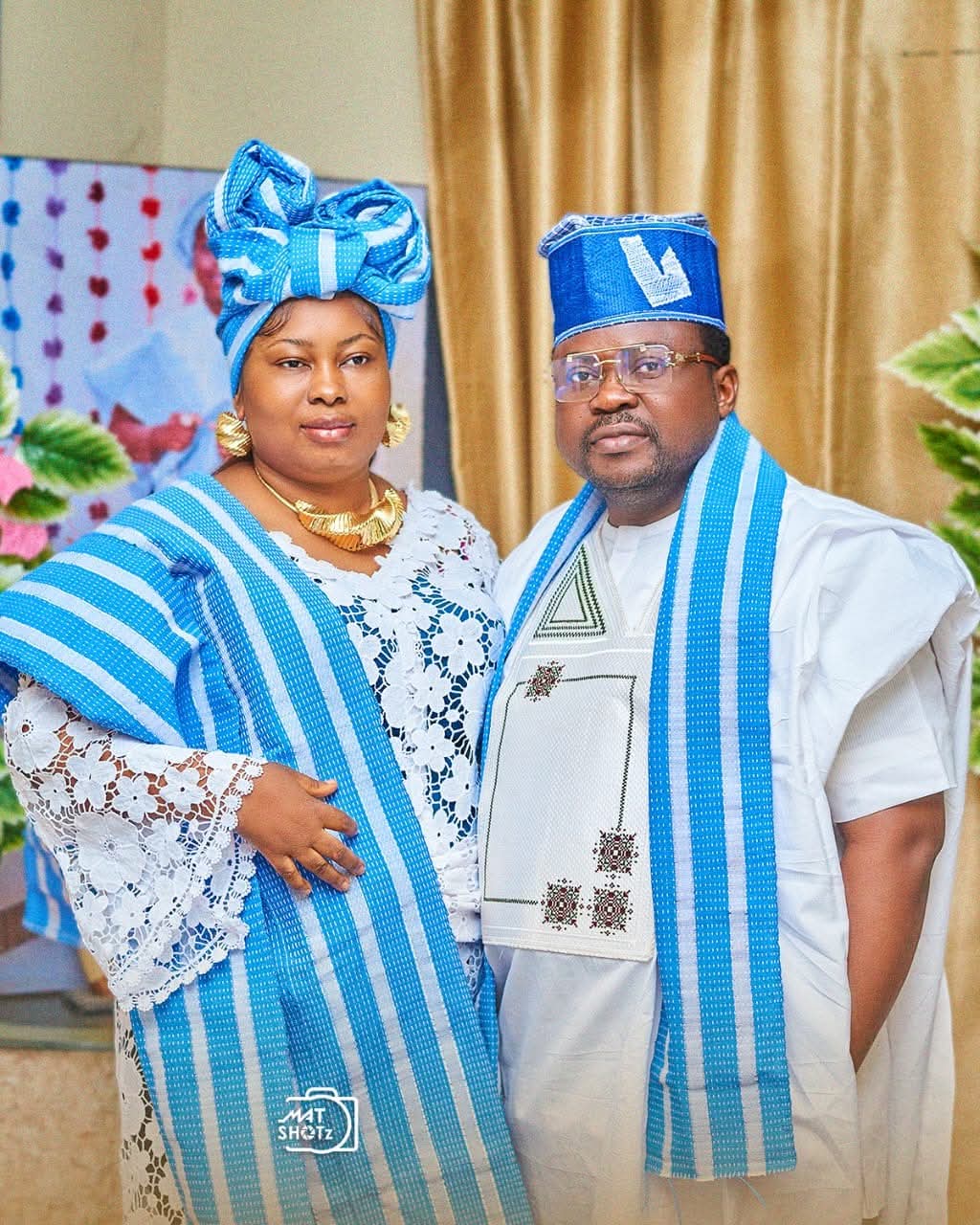
Ambassador Ajadi Extols Mrs. Oyindamola Ajadi’s Virtues on Her Special Day
In a heartwarming celebration filled with love, prayers, and admiration, one of the strongest members of Team Makinde and the Chief Executive Officer of Bullion Records, Ambassador Olufemi Ajadi Oguntoyinbo, has celebrated his beloved wife, Mrs. Oyindamola Ajadi, on the occasion of her birthday today, Saturday, May 9, 2026.
Speaking during a private prayer session held in the early hours of the morning at his residence, Ambassador Ajadi described his wife as a rare gem whose unwavering love, support, and devotion have remained a pillar of strength in his personal and professional journey.
“Behind a successful man, there must be a good woman,” Ambassador Ajadi said while expressing gratitude to God for the gift of his wife. “Oyindamola embodies kindness, passion, patience, loyalty, and perseverance. Today, as she celebrates another beautiful year of life, I am reminded once again of how blessed I am to have her beside me.”
The businessman and politician further poured out emotional and romantic birthday wishes to his wife, appreciating the joy and peace she has brought into his life.
“Happy birthday to you, my darling,” he said. “I celebrate your special day with my heartfelt, romantic, and sweet wishes that make you feel cherished and deeply loved. My love, every year with you is better than the last. Happy birthday to the one who makes my heart skip a beat. Love you forever.”
Ambassador Ajadi also offered fervent prayers for his wife, asking God to continually guide, protect, and prosper her in all areas of life.
“Oyindamola is not just a wife and a mother; she is a beacon of love, wisdom, and support. I vow to always celebrate her and cherish every precious moment we share together. May Almighty God bless her with long life, sound health, endless joy, divine wisdom, peace of mind, and abundant prosperity. May her days be filled with happiness, favor, grace, and fulfillment beyond expectations,” he prayed.
He added, “I celebrate a beautiful soul today. On your special day, I want to shower you with all the love and affection in my heart. May your light never dim, may sorrow never come near your dwelling, and may God continue to uplift and strengthen you in all you do.”
The birthday celebration attracted goodwill messages and prayers from family members, friends, political associates, colleagues, and admirers, many of whom described Mrs. Ajadi as a humble, supportive, and virtuous woman whose kindness and warmth continue to positively impact lives around her.
As she marks another milestone, Mrs. Oyindamola Ajadi remains a source of inspiration to many, with loved ones joining Ambassador Ajadi in praying for greater accomplishments, divine protection, and many more fruitful years ahead.

Viral Hantavirus Reports Spark Fresh Anxiety as Prophet Aitafo’s 2025 Warning Resurfaces
Kingsley Aitafo’s widely shared prophecy about a coming “deadly disease” has resurfaced online amid growing concern over reports of a new Hantavirus outbreak in parts of Europe, particularly France.
In a viral video from his “2025 Prophecy” message, the cleric warned of a disease outbreak he described as potentially “more brutal than COVID-19,” urging followers to engage in fervent prayers against a looming global health emergency.
“We should pray against a deadly disease that is more brutal than COVID-19. It is coming on the earth. I cannot specify when, but we should pray against it,” the prophet declared in the footage.
The resurfaced prophecy has triggered intense debate across social media platforms, with many followers drawing parallels between the warning and recent international reports surrounding Hantavirus infections.
Rising Concern Over Hantavirus
Hantavirus is a rare but potentially severe viral infection commonly transmitted through exposure to infected rodent urine, droppings, or saliva. Some strains can lead to serious respiratory complications or hemorrhagic fever.
Although health authorities have not declared a global emergency, reports of increasing infections have heightened public concern, especially given lingering memories of the COVID-19 pandemic.

Medical experts continue to caution against panic, stressing that surveillance systems and international response mechanisms are now far more prepared than they were during the early stages of COVID-19.
Health Precautions Advised
Health authorities and medical professionals recommend the following precautionary measures:
Avoid contact with rodents, their droppings, urine, or nesting areas.
Properly disinfect potentially contaminated environments.
Maintain strict hygiene practices.
Seek urgent medical care if symptoms such as sudden fever, muscle pain, fatigue, or breathing difficulties develop.
As of press time, Nigerian authorities have not issued any formal travel advisory linked to the reported outbreak in Europe, though monitoring measures at international entry points are believed to have been strengthened.

*From Visa Bans to Value Chains: Why Europe must structure sovereign mobility for growth*
By Babatunde Aduloju
The recent visa restrictions introduced by the United Kingdom government on nationals connected to Saint Lucia’s Citizenship by Investment (CBI) program have triggered an important policy moment, not just for the UK, but for the broader European Union.
At first glance, this may appear to be a routine tightening of immigration controls. It signals something deeper: a growing discomfort within Europe about how to manage the intersection of global mobility, private capital, and economic sovereignty.
But the current response, restrictions, fragmentation, and reactive regulation, misses the bigger opportunity.
Global mobility is no longer just about movement. It is about capital, consumption, and economic influence.
And right now, Europe is under-leveraging one of the most powerful drivers of modern economic growth: the Sovereign Mobility Investor.
*The Economic Reality Europe Cannot Ignore*
Globally mobile investors are not passive travelers. They are active economic participants who inject capital across multiple sectors simultaneously.
To understand the scale:
• Global tourism receipts reached approximately $1.5 trillion annually, with Europe capturing nearly 50% of international tourist arrivals.
• High-net-worth individuals (HNWIs) account for a disproportionate share of premium travel and luxury consumption, often spending 5–10x more per trip than average travelers.
• The global luxury tourism and hospitality market is projected to exceed $1 trillion in the next decade, driven significantly by cross-border wealth mobility.
• International real estate investment linked to mobility programs contributes hundreds of billions of euros annually, particularly in gateway cities and emerging tourism destinations.
But these figures only scratch the surface.
A single Sovereign Mobility Investor family typically contributes across five interconnected economic layers:


-. Travel & Aviation
• First- and business-class international flights
• Private aviation and charter services
• Frequent cross-border movement generating recurring airline revenues
-. Hospitality & Tourism
• Luxury hotels, extended stays, branded residences
• High-value tourism experiences (medical tourism, cultural tourism, leisure travel)
• Destination spending across restaurants, entertainment, and services
-. Real Estate & Infrastructure
• Acquisition of residential and commercial property
• Participation in resort and mixed-use developments
• Investment in urban regeneration and tourism infrastructure
-. Financial Services & Capital Markets
• Banking relationships across jurisdictions
• Portfolio diversification into European assets
• Participation in private equity, venture capital, and structured investment vehicles
-. Lifestyle & Consumption Economies
• Luxury retail (fashion, automotive, art, jewelry)
• Education (private schools, universities)
• Healthcare systems (private care, specialized treatment)
This is not migration. This is an integrated economic ecosystem.
*The Rise of the Sovereign Mobility Investor*
Over the last decade, a structural shift has taken place.
High-net-worth individuals from Africa, Asia, and the Middle East, particularly from countries like Nigeria, India, South Africa, and Lebanon, have increasingly turned to second citizenship and residency programs as tools for:
• global market access,
• risk diversification,
• family security,
• business scalability,
• and participation in international economies.
In Africa alone, outbound investment migration has grown significantly, with Nigerians consistently ranking among the top participants in global mobility programs.
Contrary to outdated narratives, these individuals are not fleeing instability, they are strategically positioning themselves within global value chains.
They are:
• founding companies in multiple jurisdictions,
• investing in global startups,
• participating in cross-border trade,
• and contributing to international tax and consumption systems.
They are, in effect, informal ambassadors of transnational economic integration.
*Europe’s Policy Challenge: Fragmentation vs. Strategy*
Despite benefiting from global capital flows, Europe’s approach to sovereign mobility remains inconsistent.
Across the European Union:
• Some countries have scaled back or eliminated investor visa programs (e.g., golden visa reforms).
• Others maintain independent frameworks with varying standards.
• Regulatory bodies emphasize risk, compliance, and reputational concerns, often without unified economic strategy.
The result is a fragmented system that:
• discourages high-quality investors,
• creates policy uncertainty,
• and weakens Europe’s global competitiveness relative to regions like the Middle East and Asia, where mobility-linked investment is aggressively structured and incentivized.
The UK’s decision regarding Saint Lucia reflects this tension: a necessary concern for oversight, but an incomplete solution for economic engagement.
*The Strategic Opportunity: A Tiered Sovereign Mobility Framework*
Europe has an opportunity to lead, not by restricting mobility, but by structuring it.
At HOC Capital Club, we propose a Three-Tier Sovereign Mobility Engagement Framework:
Tier 1: Compliance, Governance & Trust Infrastructure
Establish a unified European baseline for mobility-linked engagement:
• Cross-border AML and KYC integration
• Shared intelligence platforms between EU and partner jurisdictions
• Standardized due diligence for CBI and residency-linked investors
• Digital identity verification systems
• Policy alignment between immigration, finance, and security agencies
Objective: Remove opacity and build trust.
Tier 2: Economic Participation & Sector Alignment
Link mobility access directly to economic contribution:
• Minimum investment thresholds tied to priority sectors
• Structured investment pathways in:
o tourism and hospitality,
o green energy,
o healthcare infrastructure,
o digital economy and fintech,
o logistics and supply chain ecosystems
• Regional development incentives for underinvested EU zones
Objective: Convert mobility into measurable economic output.
Tier 3: Strategic Sovereign Mobility Partnerships
Integrate investors into Europe’s long-term economic vision:
• Co-investment platforms with governments and development banks
• Public-private partnerships for infrastructure and tourism
• Innovation ecosystem participation (tech hubs, venture ecosystems)
• Policy dialogue platforms connecting investors and regulators
Objective: Transform investors into long-term economic partners.
*The Financial Multiplier Effect*
What Europe must recognize is the compounding nature of sovereign mobility capital.
A €2 million investment does not remain €2 million.
It triggers:
• construction jobs,
• tourism revenue,
• local business growth,
• tax contributions,
• secondary investments,
• and long-term economic activity.
For example:
• A luxury resort backed by mobility-linked capital can generate tens of millions annually in tourism revenue.
• A single high-net-worth investor relocating partially to Europe can contribute €200,000–€500,000 annually in direct consumption.
• Portfolio investments in startups and SMEs can unlock innovation-driven growth across sectors.
When aggregated across thousands of investors, the impact becomes systemic.
*Why Europe Is at Risk of Losing This Opportunity*
Other regions are moving faster.
• The Middle East is aggressively positioning itself as a hub for global mobility capital.
• Asia is integrating investment migration with innovative ecosystems.
• Caribbean nations continue to refine their CBI frameworks as economic tools.
If Europe continues to approach sovereign mobility primarily through restriction:
• capital will be redirected,
• investors will seek alternative jurisdictions,
• and Europe’s influence over global mobility standards will decline.
*The Role of HOC Capital Club*
This is where HOC Capital Club becomes critical.
We are building a platform that connects:
• policymakers,
• sovereign mobility investors,
• institutional capital,
• and global economic ecosystems.
Through our Sovereign Mobility Investor Program, we provide:
• structured investor engagement frameworks,
• policy advisory for governments and institutions,
• curated investment pipelines aligned with national priorities,
• and governance-driven platforms for cross-border collaboration.
We position sovereign mobility not as a loophole, but as a lever for structured economic growth.
*A Call to Action for Europe*
The decision by the United Kingdom government on Saint Lucia should not end the conversation.
It should begin a new one.
Europe must decide:
Will it remain reactive, closing doors and managing risk?
Or will it lead, designing the frameworks that define the future of global mobility?
Because the reality is clear:
• Capital is mobile.
• Talent is mobile.
• Opportunity is mobile.
The regions that succeed will not be those that stop movement.
They will be those that structure it, govern it, and align it with growth.
*Conclusion: Building Economies Without Borders*
Sovereign mobility is not a threat to Europe.
It is an opportunity, if properly structured.
The future global economy will not be defined by static borders, but by connected systems of capital, policy, and people.
Europe has the regulatory strength, institutional depth, and economic scale to lead this transformation.
But leadership requires a shift in mindset:
-From restriction to strategy.
-From fragmentation to coordination.
-From control to structured collaboration.
At HOC Capital Club, we stand ready to partner with Europe in building that future.
Because the next era of global growth will not be built within borders.
It will be built across them.
Aduloju is the Director, Policy & Strategic Development, HOC Capital Club


- Rhino Resources Joins African Energy Week (AEW) as Gold Sponsor as Southern African Exploration Expands May 8, 2026
- Levene Energy Joins African Energy Week (AEW) as Gold Sponsor Amid Regional Expansion and Market Diversification May 8, 2026
- Gas Supply in the Age of Artificial Intelligence (AI): Can Africa’s Natural Gas Power the Continent’s Digital Future? May 8, 2026
- Merck Foundation and African First Ladies are Making History in Africa by Training the First Oncologists and Cancer Care teams in their Countries May 8, 2026
- Seychelles participates in United Nations Educational, Scientific and Cultural Organization (UNESCO) forum marking the International Day for Small Island Developing States May 8, 2026
- African Petroleum Producers Organization (APPO) Secretary General Ghezali to Address African Energy Week (AEW) 2026 as African Energy Bank Nears Launch May 8, 2026
- Petralon Energy Scales Dawes Island Output, Joins African Energy Week (AEW) 2026 as Diamond Sponsor May 8, 2026
- Giving Thanks for a Year of Petrine Service: Message to His Holiness Pope Leo XIV May 8, 2026
- Targeting 250,000 bpd by 2030, First Exploration & Petroleum Development Company (First E&P) Joins African Energy Week (AEW) 2026 as Diamond Sponsor May 8, 2026
- From Artificial Intelligence (AI) to project profiles: ESI Africa has the stories to balance opinions May 8, 2026
- Rhino Resources Joins African Energy Week (AEW) as Gold Sponsor as Southern African Exploration Expands May 8, 2026
- Levene Energy Joins African Energy Week (AEW) as Gold Sponsor Amid Regional Expansion and Market Diversification May 8, 2026
- Gas Supply in the Age of Artificial Intelligence (AI): Can Africa’s Natural Gas Power the Continent’s Digital Future? May 8, 2026
- Merck Foundation and African First Ladies are Making History in Africa by Training the First Oncologists and Cancer Care teams in their Countries May 8, 2026
- Seychelles participates in United Nations Educational, Scientific and Cultural Organization (UNESCO) forum marking the International Day for Small Island Developing States May 8, 2026
- African Petroleum Producers Organization (APPO) Secretary General Ghezali to Address African Energy Week (AEW) 2026 as African Energy Bank Nears Launch May 8, 2026
- Petralon Energy Scales Dawes Island Output, Joins African Energy Week (AEW) 2026 as Diamond Sponsor May 8, 2026
-

 news5 months ago
WHO REALLY OWNS MONIEPOINT? The $290 Million Deal That Sold Nigeria’s Top Fintech to Foreign Interests
-

 society5 days ago
SOCIAL MEDIA IS NOT A BATTLEFIELD COMMAND – WHY THE NIGERIAN ARMY’S ACTION AGAINST JUSTICE CRACK IS A NATIONAL SECURITY IMPERATIVE
-

 celebrity radar - gossips3 months ago
Dr. Chris Okafor Returns with Power and Fire of the Spirit -Mounts Grace Nation Altar with Fresh Anointing and Restoration Grace on February 1, 2026
-

 celebrity radar - gossips5 months ago
Prophet Kingsley Aitafo Releases 2026 Prophecy: ‘Nigeria Will Rise, but the World Must Prepare for Turbulence’