
society
Nigeria’s Broken Oath: How the Betrayal of Citizenship Fuels Endemic Corruption


Nigeria’s Broken Oath: How the Betrayal of Citizenship Fuels Endemic Corruption.
By George Omagbemi Sylvester
In Nigeria, corruption is not just a crime; but a lifestyle, a daily routine and an unofficial creed passed from one generation to another. It seeps into the pores of the nation’s institutions and poisons the moral compass of millions. The same society that condemns petty theft from a soup pot turns a blind eye to billion-naira heists committed in government houses. What we see is not mere hypocrisy, it is the catastrophic collapse of the idea of citizenship itself.
The Nigerian pledge, once recited with pride in school assemblies, has become a cruel irony. Today, it might as well read:
“I pledge to Nigeria my country,
To be UNfaithful, UNloyal and DIShonest,
To exploit Nigeria with all my strength,
To promote her DISintegration,
And uphold her DIShonour and shame.
So help me Self.”
This tragic distortion is not satire; it’s a mirror reflecting the true behavior of many Nigerians, especially those in power.
Citizenship without Accountability, at the core of this rot is the failure of citizenship. In modern political thought, citizenship implies a reciprocal contract between the state and the individual. The citizen obeys the laws, pays taxes and participates in civic duties, while the state ensures justice, equity, protection and development. In Nigeria, this contract has been flagrantly breached.
As Professor Jibrin Ibrahim of the Centre for Democracy and Development rightly notes, “Corruption in Nigeria is not simply a breach of law but a failure of identity. Many Nigerians do not see the state as a representation of the collective will, they see it as an alien structure to be exploited.”
In such a system, politicians do not govern (they loot…civil servants do not serve) they extort. And the average citizen, already battered by poverty and disillusionment, is left to mimic these values in his or her daily struggle for survival.
A System That Rewards Rogues.
One of the most disheartening aspects of corruption in Nigeria is how society celebrates it, embezzLERS are knighted with chieftaincy titles and even money launderERS are praised at churches and mosques, furthermore convicTED fraudstERS contest and win elections. The message is clear: CRIME PAYS, AS LONG AS IT IS GRAND ENOUGH.
According to the Economic and Financial Crimes Commission (EFCC), over $400 billion has been stolen from Nigeria’s coffers since independence. To put that in perspective, that amount could have built world-class hospitals, modern railways, free university education for all Nigerians and still left billions in reserve. Instead, we have potholes, power outages and mass poverty.
Former EFCC chairman, Nuhu Ribadu, once declared: “When you fight corruption in Nigeria, corruption fights back.” But today, corruption no longer fights back, but simply sits on the throne.
The Curse of Selective Justice.
Despite the existence of anti-corruption institutions like the EFCC, ICPC and Code of Conduct Bureau, few high-profile convictions ever lead to true justice, probes often end in silence and trials are endlessly adjourned. Plea bargains allow BILLION-NAIRA thievES to walk free after returning a fraction of what they stole.
For example, Abdulrasheed Maina, former chairman of the Pension Reform Task Team, was convicted in 2021 for embezzling over ₦2 billion in pension funds. Yet, how many other high-profile politicians and governors walk freely, even after damning evidence of graft? How many are shielded by immunity, political party protection or simply “TECHNICALITIES” in the courts?
Former Chief Justice of Nigeria, Walter Onnoghen, himself removed in controversial circumstances, once lamented: “When the judiciary is under pressure or compromise, the battle against corruption is already lost.”
A Culture of Silence and Survival.
Beyond the elite, the rot trickles down to ordinary Nigerians, bribery is the unofficial language of public service. To get a passport, you pay a bribe. To pass a police checkpoint, you pay a bribe. Even to bury the dead in some local governments, you must “settle” officials. Corruption has become institutionalized because many have given up on the system and are simply trying to survive.
In 2023, Transparency International ranked Nigeria 145th out of 180 countries on the Corruption Perceptions Index. This is despite repeated promises of reform by successive administrations. Why? Because anti-corruption in Nigeria is often weaponized against political opponents, not used as a sincere tool for national transformation.
The Psychology of a Broken People.
What happens when citizens no longer believe in the idea of Nigeria? When young people chant “japa” as their ultimate dream (to escape the country by any means necessary) it is a glaring sign of systemic failure. Loyalty, patriotism and responsibility are luxuries the oppressed can no longer afford.
As Chidi Odinkalu once remarked during a civil society forum, “A country that punishes honesty and rewards impunity cannot claim to have a future.” In Nigeria, many have died silently-morally, mentally and spiritually. The young are growing up in a society where theft in public office is normalized, where decency is mocked and where hard work rarely leads to success unless lubricated with corruption.
The Way Forward is a Revolution of Values.
The only solution to Nigeria’s corruption crisis is a radical rebirth of civic consciousness, we must begin by re-teaching citizenship, not just as a subject in schools but as a living creed. Leadership must become about service, not self-enrichment. Institutions must be allowed to work, not sabotaged by politics.
As Dr. Oby Ezekwesili, former Minister of Education and anti-corruption crusader, puts it: “Until citizens understand that the office of the citizen is the highest in the land, the politicians will continue to abuse power.”
Nigerians must stop worshipping money and start demanding integrity. Communities must ostracize thieves not celebrate them. Religious leaders must stop blessing looters and start confronting them. And most importantly, we must change the narrative that “everyone is corrupt.” That fatalism only feeds the problem.
Awakening the Nigerian Conscience
To reclaim Nigeria, we must rewrite the pledge, not on paper but in action. Let every citizen pledge:
“I pledge to Nigeria my country,
To be faithful, loyal and honest,
To serve Nigeria with all my strength,
To protect her unity and uphold her honour and glory; So help me God.”
But such a pledge must be matched with COURAGE, the courage to demand justice, courage to vote wisely, courage to expose corruption and courage to believe that a better Nigeria is POSSIBLE with oneself.
Until then, Nigeria will remain a nation where citizenship is a mockery, governance is a scam and corruption is the true constitution.
Let us rise from this self-imposed curse. Let us choose conscience over convenience. Let us become citizens and not spectators.





society
From Broadcast to Spiritual Renaissance: The Journey of Alọba A. Orisabimbola Ifatomi, Creator of ÒRÌṢÀTV
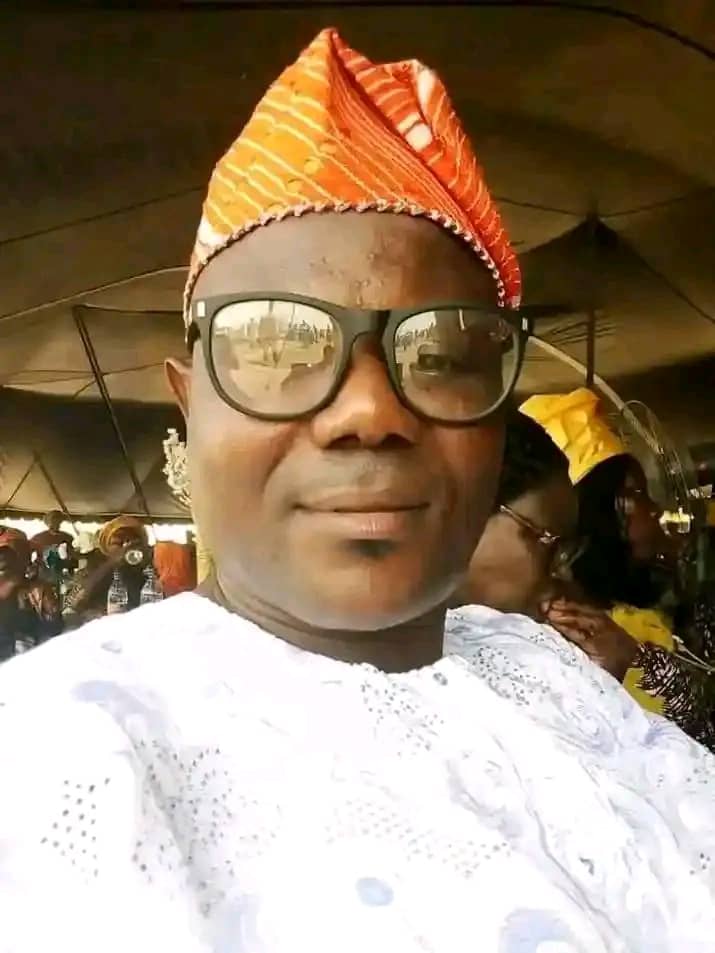
From Broadcast to Spiritual Renaissance:
The Journey of Alọba A. Orisabimbola Ifatomi, Creator of ÒRÌṢÀTV
In a time when African stories are often misrepresented or diluted, a seasoned voice in Nigeria’s media and creative industry is stepping forward with a bold vision to reclaim, preserve and project the depth of African spirituality through a new wave of cinematic storytelling powered by technology.
Alọba Adewunmi, a respected broadcaster, journalist and creative professional, is the mind behind ÒRÌṢÀTV a groundbreaking platform using Artificial Intelligence (AI) cinematic production to tell authentic Yoruba stories rooted in cosmology, spirituality and cultural heritage.
ÒRÌṢÀTV is not just a channel it is a destination to experience “The Beginning”, a Yoruba cosmology-based AI cinematic series that explores the origin of life and existence through an African lens.
A Career Built on Media Excellence
With years of experience across broadcast and print media, Alọba Adewunmi has established himself as a dynamic storyteller and cultural voice.
He has worked with several notable platforms including OSBC, Orisun FM, Yotomi Cable, Okin FM, Midland FM, Delta Cable, Akede Oodua Publications and Akede Africa.
His professional journey includes:
– Reporter at Alariya Oodua
– Editor at Gbajumo Online Magazine
– General Editor at Akede Africa ( a bilingual news magazine)
Through these roles, he has contributed significantly to journalism, cultural reporting, politics, crime and entertainment.
A Multifaceted Creative Force
Beyond journalism, Alọba Adewunmi’s creative footprint extends deeply into film and storytelling.
He is not just a performer, but a creative architect behind the scenes, serving as:
– A Continuity Director
– Continuity Director of the home video “Tobi (Forgiveness)”, produced by Kola Adeyemo
– A Story Writer and Dialogue Director
– A Scriptwriter
He has also contributed to several home video productions from the late 1990s through the early 2000s, reflecting a long-standing presence in Yoruba film storytelling.
A Spiritual Path and Cultural Mission
Beyond media and film, his journey is rooted in a deeper spiritual calling.
Alọba Adewunmi is a traditional priest, teacher and herbal medicine practitioner, dedicated to the preservation and practice of Yoruba spirituality.
His temple, Obàtálá Alábãlàse Temple of Purity, stands as a sacred center for purity, healing and spiritual guidance.
The Vision Behind ÒRÌṢÀTV
ÒRÌṢÀTV is more than a content platform, it is a cultural revival movement powered by AI-driven cinematic storytelling.
Through this innovative approach, the platform explores:
– The origin of existence
– The roles of divinities
– The structure of human destiny
– The spiritual laws governing life
The debut episode, “The Birth of Ilẹ̀ Àwọn Alààyè”,( Command of Creation ) marks the beginning of the series “The Beginning”.
Blending mythology, spirituality and AI-powered visuals, ÒRÌṢÀTV offers a unique experience that is both educational and deeply immersive.
A Mission Beyond Entertainment
For Alọba Adewunmi, this project goes far beyond entertainment.
It is a mission to preserve indigenous knowledge, educate future generations, correct misconceptions about African spirituality and restore pride in African identity.
The Man Behind the Vision
Despite his wide experience and creative influence, Alọba Adewunmi remains a naturally private and introverted individual.
He is known more for his work than for public appearances moving quietly between his professional responsibilities and personal space.
Rather than seeking the spotlight, he has consistently chosen to let his talent, creativity and impact speak for him.
Those who encounter his work or collaborate with him understand the depth he brings a reminder that true substance is not always loud and presence is not always public.
Looking Ahead
With Episode 1 now released, anticipation continues to build as “THE BEGINNING” prepares to explore deeper aspects of creation, human destiny and spiritual alignment.
This is not just a project it is a legacy unfolding through culture, spirituality, and innovation.
Watch Now
THE BEGINNING


Episode 1
The Birth of Ilẹ̀ Àwọn” Command of Creation)
Available on YouTube.
Media & Contact
For interviews, features and collaborations:
08125883088
© 2026 ÒRÌṢÀTV
All Rights Reserved
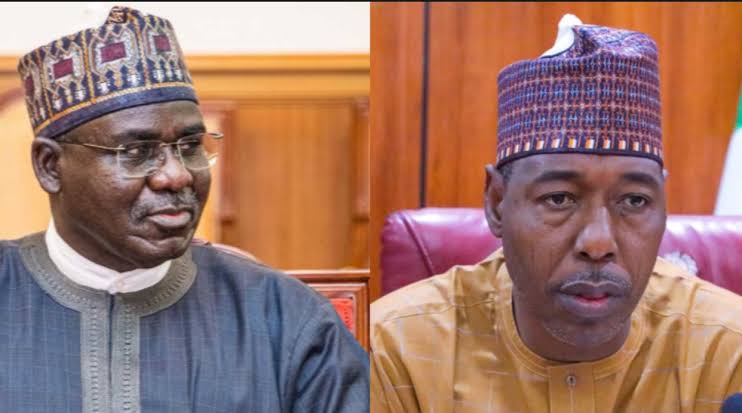
TY BURATAI HUMANITY CARE FOUNDATION COMMENDS GOVERNOR ZULUM FOR HELPING MILITARY FAMILIES
The TY Buratai Humanity Care Foundation has commended Borno State Governor Babagana Umara Zulum for his generous donation of ₦150 million to the families of three military officers who were tragically killed in recent attacks. Each family received ₦50 million as part of the state’s continued commitment to supporting fallen heroes and wounded personnel involved in counter-insurgency operations.
The commendation was contained in a statement signed by the foundation’s chairman, Ibrahim Dahiru Danfulani Sadaukin Garkuwan Keffi/Betara Biu, and made available to the press.
The foundation expressed gratitude for the governor’s compassionate gesture, which included personal visits to the families of the late Lieutenant Colonels Umar Farouq, Salihu Iliyasu, and Aliyu Saidu Paiko in Abuja, Niger, and Kano States. During the visits, Governor Zulum offered his condolences and praised the service, sacrifice, and patriotism of the fallen officers.
The foundation’s Grand Patron, His Excellency, Lieutenant General Tukur Yusufu Buratai, CFR (Rtd), personally commended the governor’s dedication to improving the lives of Borno State residents. He also extended his condolences to the families of the officers and soldiers who made the ultimate sacrifice in service to the nation.
During his visits, Governor Zulum reaffirmed his administration’s commitment to supporting bereaved families, which includes offering scholarships to the orphaned children of fallen personnel. He pledged to extend similar visits to other affected families, underscoring a compassionate approach to addressing the needs of those who have suffered in the line of duty.
society
Queen Amb Dr. Nwamaka Cordelia Anyatonwu Appointed Minister of Humanitarian, Culture, and Kingdom Affairs, United Kingdom of Atlantis
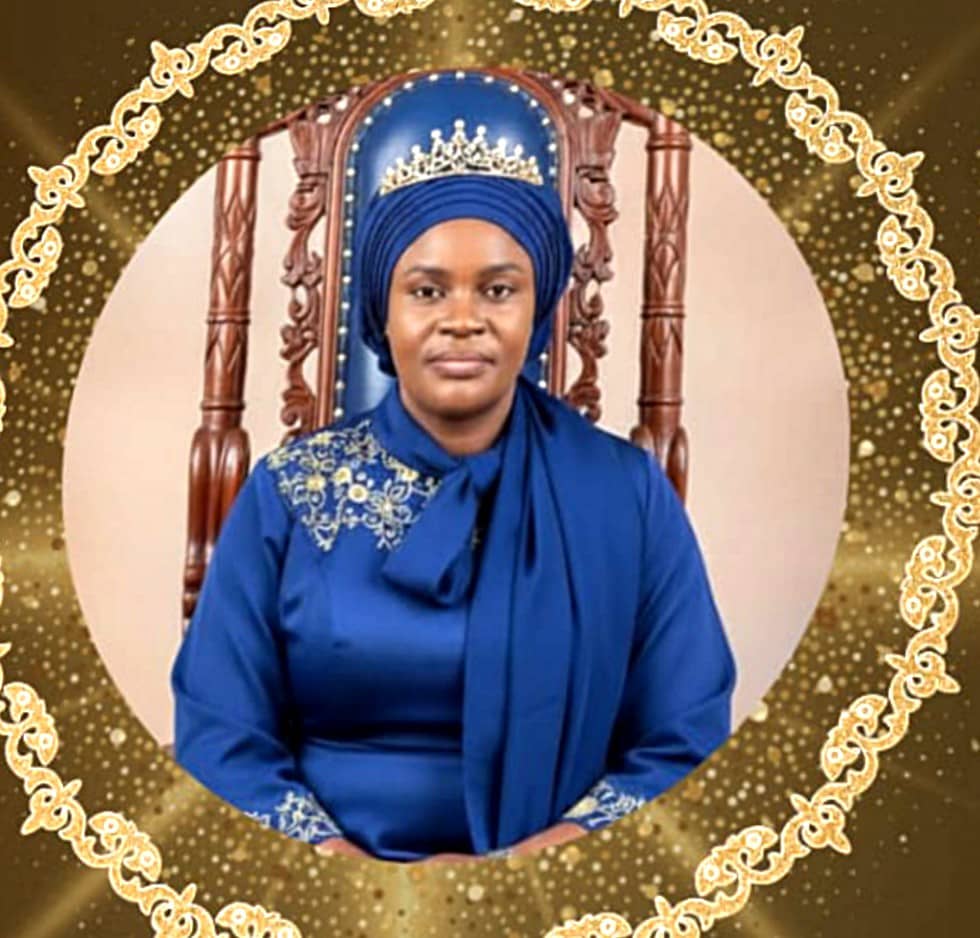
*Queen Amb Dr. Nwamaka Cordelia Anyatonwu Appointed Minister of Humanitarian, Culture, and Kingdom Affairs, United Kingdom of Atlantis
Her Majesty Queen Amb Dr. Nwamaka Cordelia Anyatonwu, Queen of the Aches Empire under the jurisdiction of the United Kingdom of Atlantis (UKA), has been appointed as the Minister of Humanitarian, Culture, and Kingdom Affairs, effective immediately.
This appointment comes as the UKA takes decisive steps to strengthen its humanitarian efforts and protect its citizens from unauthorized activities. In light of recent developments, the UKA has issued an official public disclaimer cautioning citizens, followers, and the general public about the activities of individuals promoting and operating a coin or platform not officially recognized by the Atlantian Gold Coin (ATC). This follows the hijacking of the 5 billion humanitarian project, a move that has been met with concern and condemnation from the international community.
As the newly appointed Minister, Queen Amb Dr. Anyatonwu has announced that all matters pertaining to the 5 billion humanitarian project in UKA should be directed to her office. This includes the newly captured NGOs, which are now required to report to the Office of Humanitarian Affairs, ensuring transparency and accountability in the management of humanitarian resources.
“We are committed to transparency and accountability in our humanitarian efforts,” said Queen Amb Dr. Anyatonwu. “We urge all stakeholders to work with us to ensure the success of our initiatives and protect our citizens from unauthorized activities. We will not tolerate any form of exploitation or mismanagement of humanitarian funds, and we will take all necessary measures to ensure that those responsible are held accountable.”
The UKA has assured its citizens and the international community that it is taking all necessary measures to recover the hijacked funds and bring the perpetrators to justice. The appointment of Queen Amb Dr. Anyatonwu is seen as a significant step towards achieving this goal and ensuring that humanitarian efforts are aligned with the UKA’s values and principles.
For more information. Please contact the Office of the Minister of Humanitarian, Culture and Kingdom Affairs.
*About the United Kingdom of Atlantis*
The United Kingdom of Atlantis is a sovereign nation committed to promoting peace, prosperity, and humanitarian values. The UKA is dedicated to working with international partners to address global challenges and improve the lives of its citizens and people around the world.


-

 society6 months ago
Religion: Africa’s Oldest Weapon of Enslavement and the Forgotten Truth
-

 news4 months ago
WHO REALLY OWNS MONIEPOINT? The $290 Million Deal That Sold Nigeria’s Top Fintech to Foreign Interests
-

 society6 months ago
“You Are Never Without Help” – Pastor Gebhardt Berndt Inspires Hope Through Empower Church (Video)
-

 celebrity radar - gossips2 months ago
Dr. Chris Okafor Returns with Power and Fire of the Spirit -Mounts Grace Nation Altar with Fresh Anointing and Restoration Grace on February 1, 2026