
Entertainment
Nigeria’s Detty December 2025: The Rise of a Global Cultural Economy


By Prince Adeyemi Shonibare
Introduction
Nigeria’s December is no longer a season. It is an institution. What began decades ago as end-of-year concerts, homecoming parties, and family reunions has matured into one of the world’s fastest-growing cultural economies.
Popularly known as Detty December, the period now fuses music, tourism, nightlife, fashion, broadcast media, technology, and creative enterprise into a powerful multi-city ecosystem that drives billions of naira in spending and attracts global attention.
International flights arrive at near full capacity. Hotels and short-let apartments sell out weeks in advance. Lagos, Abuja, Port Harcourt, and Calabar transform into cultural capitals in their own right.
As one returning diaspora visitor aptly observes, December is when Nigeria becomes the centre of the Black world.
History: The Foundations Were Laid Long Before the Hype
Detty December did not happen by accident. Its roots lie in the vision of pioneers who believed Nigeria could host global-standard entertainment long before it became fashionable. In the 1980s and early 1990s, Senator Ben Murray-Bruce redefined possibilities by producing international concerts at the National Theatre, Lagos, featuring global stars such as Shalamar, Kool and the Gang, Musical Youth, and other world-class acts. These shows reset expectations and reprogrammed a generation. A veteran promoter recalls that it was the moment Nigerians realised global culture could happen at home.
Corporate Nigeria soon followed with scale and structure. Nigerian Breweries Plc institutionalised mass entertainment through Star Trek and Star Mega Jam, setting benchmarks for nationwide concert tours. Guinness Nigeria, Benson and Hedges, Coca-Cola, Pepsi, and later international breweries and beverage brands invested heavily in live music, youth culture, and lifestyle experiences, turning December concerts into annual pilgrimages. These brands did not merely sponsor events. They built habits, audiences, professionalism, and longevity.
Behind the scenes, recording companies formed the backbone of the industry. Sony Music, Premier Records, EMI later Ivory Music, Tabansi Records, Storm Records, Kennis Music, Chocolate City, the label that released MI Abaga, and Mavin Records, formerly Mo’Hits Records, shaped generations of stars. Lagbaja emerged as a towering cultural force, proving that Nigerian music could be intellectual, theatrical, socially conscious, and globally respected.
Producers and entrepreneurs such as Eddy Lawani refined sound and performance aesthetics, while Fame Magazine and Encomium Magazine documented the era and preserved cultural memory.
The Continental Breakthrough:
Television, Radio, and DJ Culture
A decisive continental shift came through Channel O on DSTV. DSTV became the vehicle that carried Nigerian music across Africa. Once Channel O embraced Nigerian music videos, the continent followed. African pop culture began to orbit Lagos.
Nigerian artists became household names from Accra to Nairobi and from Johannesburg to Dakar.
Alongside Channel O, Soundcity TV, Hip TV, Trace Naija, MTV Base Nigeria, ARISE Play, and Silverbird Television amplified Nigerian music, concerts, and lifestyle culture to continental and global audiences. Radio powered the streets and youth culture. Rhythm FM, Cool FM, Beat FM, Inspiration FM, Wazobia FM, Nigeria Info, Raypower, and Silverbird Rhythm broke records, built fan bases, and turned songs into December anthems.
At the heart of this expansion stood the DJs, the original tastemakers of Nigerian nightlife and street credibility. Foremost among them is DJ Jimmy Jatt, universally acknowledged as the architect of modern Nigerian DJ culture.
Through his Roadblock mixtapes, club residencies, concert productions, and mentorship, he broke new artists and created the sonic blueprint for Nigerian nightlife. His annual Jimmy Jatt Jump up Show remains one of the most culturally significant throwback concerts of Detty December, uniting generations and reminding audiences where the movement began.
Other influential DJs relentlessly pushed the culture forward. DJ Humility, DJ Xclusive, DJ Spinall, DJ Neptune, DJ Consequence, DJ Big N, DJ Kaywise, DJ Obi, DJ Crowd Kontroller, and others amplified new sounds, broke emerging artists, and sustained the December party economy.
Together, they transformed nightlife into an industry and DJs into cultural power brokers.
Broadcast personalities such as Femi Jacob Akinyemi-Johnson, widely known as JAJ Da Mecca Don, and Olisa Adibua became trusted voices of the movement, shaping taste, defending Nigerian music, and introducing artists to national and continental audiences. Paul Okoye of Upfront and Personal further amplified pop-culture conversations through television interviews and lifestyle programming that humanised artists and connected them to wider audiences.
The Early 2000s: Global Validation
In the early 2000s, Chief Nduka Obaigbena, Chairman of THISDAY Newspapers and ARISE Television, opened Nigeria to contemporary global pop culture in a defining way. By bringing American mega stars such as Jay-Z, Usher, 50 Cent, Chris Brown, and other chart-defining acts to Nigeria, he sent a clear message that Nigeria was ready to host the world.
These were not just concerts. They were declarations of confidence. Through THISDAY and ARISE, Nigeria gained global editorial presence and cultural legitimacy.
Alongside these efforts, Laface Oshinibosi played a vital role in nurturing alternative culture, youth platforms, and early artist development, helping to diversify the sound and identity of Nigerian music beyond the mainstream.
Structure: Managers, Publicists, and Awards
As the industry expanded, structure followed. Managers and publicists such as Morgan Okonuya, Tony Alekhe, Din Disy, Dayo Olomu, Chris Nwadu, Efe Omorogbe, Sunday Aare, Wale Olomu, Wale Oluwaleimu, Femi Akintunde-Johnson FAJ, Kunle Bakare, and Major Akinpelu helped professionalise careers, negotiate value, and build longevity while also glamorising live shows.
Awards reinforced standards and aspiration. The PMAN Awards, the Fame Music Awards launched in 1991, and later the Awards for Musical Excellence in Nigeria helped define excellence and credibility. I had the honour of serving as President of the AMEN Awards for a couple of editions. The Kora Awards were brought into Nigeria by Alhaji Teju Kareem of ZMirage Group, while Mike Dada later introduced AFRIMA after the decline of PMAN Awards, restoring continental focus and trust.
Lagos Becomes the Capital of December
Lagos State provided the policy backbone. The cultural spark lit under Governor Bola Ahmed Tinubu gained momentum under Governor Babatunde Fashola, supported by cultural strategists such as Folly Coker, Senator Tokunbo Afikuyomi, and Prince Oniru. Under Governor Akinwunmi Ambode, Detty December became deliberate policy. With Steve Ayorinde as Commissioner for Information and Strategy, himself deeply rooted in music and culture, the celebrations were rebranded, repositioned, and expanded across the five IBILE divisions, turning the entire state into a festival circuit.
Traditional institutions also played a vital role. The Oniru of Iru Land, Oba Abdulwasiu Omogbolahan Lawal, Prince Oniru, opened up beachfronts, cultural spaces, and community corridors across Victoria Island and Lekki, enabling large-scale events, beach concerts, and tourism-driven nightlife to thrive within a structured traditional framework.
Today, the Lagos State Ministry of Tourism, Arts, and Culture under Mrs Toke Benson Awoyinka continues this legacy with clarity and continuity. Governor Babajide Sanwo-Olu has firmly positioned culture and tourism as economic pillars, recognising entertainment as a generator of jobs, revenue, and global relevance.
Streaming Platforms: The Digital Multiplier
Music streaming platforms completed the revolution. Apple Music, Spotify, Boomplay, Audiomack, YouTube Music, SoundCloud, and other digital platforms removed borders entirely. Nigerian music now travels instantly. Streaming data drives tour routing, sponsorship decisions, and December travel behaviour.
Digital discovery fuels physical attendance, while live experiences push online consumption.
As one platform executive observes, Nigeria owns December on the algorithm.
Detty December 2025: The Full Events Calendar
Detty December warms up from December 1 to December 5 with industry mixers, brand dinners, influencer house parties, art exhibitions, fashion pop-ups, yacht cruises, and club takeovers across Victoria Island, Lekki, Ikoyi, and Ikeja.
From December 6 to January 11, Christmas Wonderland transforms Fantasy Land, Ikoyi, into a family-focused festival.
From December 6 to December 31, Detty December Fest at Ilubirin Mixed-Use Development, Ikoyi, runs throughout the month under Livespot360.
December 13 hosts AfroVibes Fest X, Gen Z Fest Mainland Edition, and the Old School Christmas Concert.
December 15 features Fola Live What a Feeling Concert and the opening of Afrocan Festival.
December 16 delivers Trench Symphony Fuji Night.
December 18 hosts Iconiq Fest Detty Love with Chike and the opening of Shakara Festival.
December 19 brings BNXN Live The Captain Experience.
December 20 features Plutomanian Fest.
December 21 hosts Palmwine Music Festival, Rhythm Unplugged, Victony Bonfire Experience, and the annual Jimmy Jatt Rewind Show. Wiskid Show.
December 22 hosts Afro Jazz Fest and the opening of Flytime Fest.
December 25 delivers Euphoria Detty December Rave.
December 27 hosts Detty Faaji.
December 28 brings Gen Z Fest Island Edition.
December 31 culminates in the Lagos Countdown Celebration.
Beyond Lagos, the Calabar International Carnival, Abuja Shutdown Concerts, and Port Harcourt December Explosion complete the national circuit.
The Economic Reality
The impact is measurable. Internally Generated Revenue rises sharply. Hotels, airlines, transport, fashion, food, nightlife, media, logistics, and security services thrive. Thousands of direct and indirect jobs are created. Detty December is no longer culture alone. It is policy, tourism, technology, and commerce combined.
Federal Recognition
At the national level, the Honourable Minister of Art, Culture, Tourism, and the Creative Economy, Mrs Hannatu Musa Musawa, has elevated Detty December into a national cultural asset.
By aligning policy, international promotion, and private-sector participation, the ministry has given the season institutional weight. In her words, culture is Nigeria’s strongest non-oil export, and December is our global showroom.
Conclusion: Giving Flowers While the Music Plays
Detty December stands today because people planted long before others harvested. To Senator Ben Murray-Bruce for proving Nigeria could host the world. To Chief Nduka Obaigbena for globalising confidence and visibility. To DJ Jimmy Jatt and the DJs who turned turntables into institutions. To JAJ the Mega Don, Olisa Adibua, and Paul Okoye for shaping broadcast culture. To Steve Ayorinde and successive cultural administrators for policy and structure. To the radio stations, television channels, newspapers, managers, publicists, promoters, artists, and traditional institutions that built the ecosystem brick by brick. To Mrs Toke Benson Awoyinka for sustaining Lagos’ cultural leadership. To Governor Babajide Sanwo-Olu for recognising culture as economic power. To the Honourable Minister Hannatu Musa Musawa for projecting Nigerian culture nationally and globally.
December belongs to Nigeria. And now, the world knows who started it.
As the music plays, the message remains clear. Enjoy responsibly. Stay alert. Do not drive under the influence. Take care of one another so we can all return next year to celebrate another Detty December. Smiles.


Entertainment
BREAKING NEWS: Amb. Chelsea RC Nwodo Crowned NAGA Nollywood FACE OF AFRICA 2026 – A Triumph of Talent, Leadership, and Philanthropy
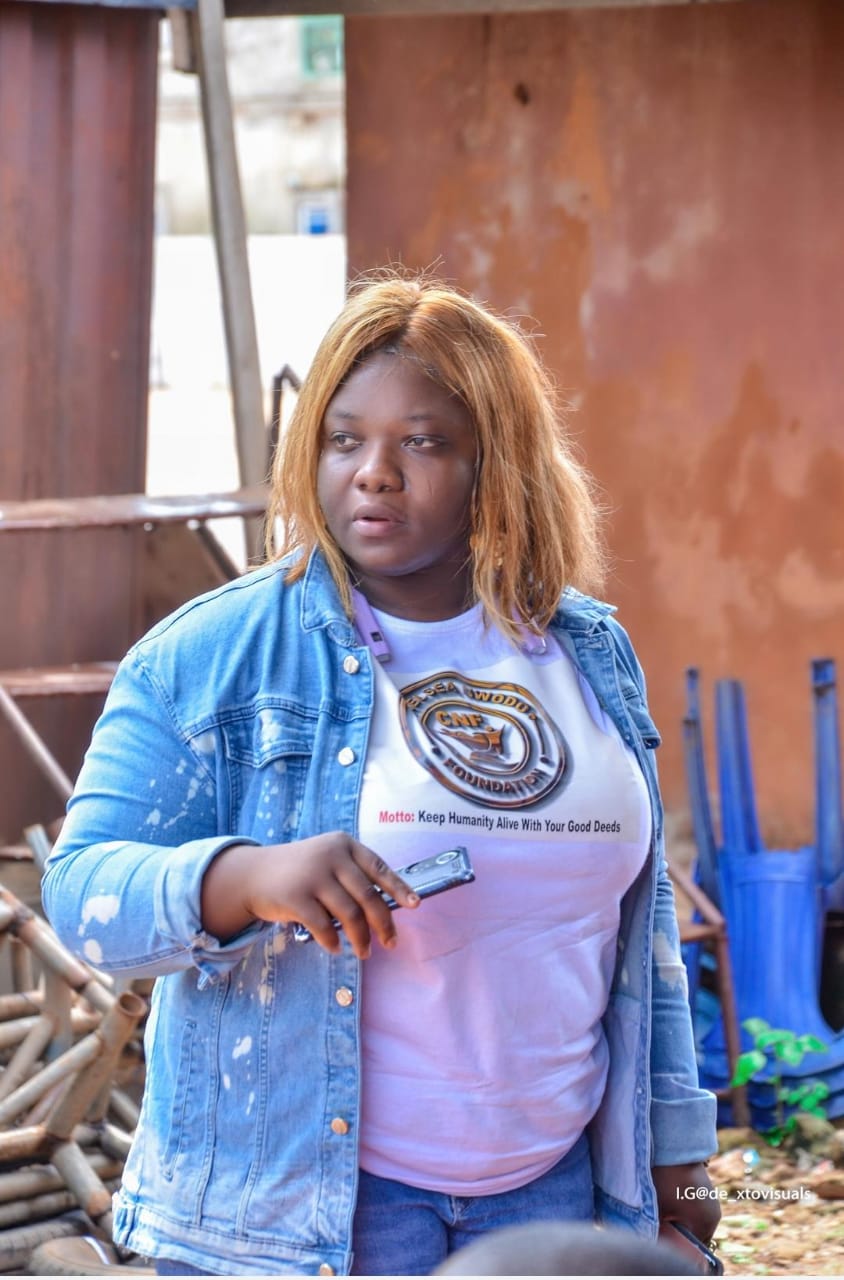
*BREAKING NEWS
*Amb. Chelsea RC Nwodo Crowned NAGA Nollywood FACE OF AFRICA 2026 – A Triumph of Talent, Leadership, and Philanthropy*
Lagos, Nigeria – In a stunning display of talent, leadership, and philanthropy, Amb. Chelsea RC Nwodo has been crowned winner of the prestigious NAGA Nollywood FACE OF AFRICA 2026 award. This remarkable achievement cements her status as a powerhouse in the Nigerian entertainment industry.
Amb. Chelsea Nwodo, the newly crowned NAGA Nollywood FACE OF AFRICA 2026, has extended her heartfelt gratitude to all who supported her in this remarkable achievement.
“I am overwhelmed with joy and gratitude to announce that I have been crowned the winner of the prestigious NAGA Nollywood FACE OF AFRICA 2026 award,” Amb. Nwodo said. “I want to express my sincere appreciation to everyone who voted for me, including my loving family members and TOSA to NAGA , I am honored to be part of this prestigious award and I appreciate the recognition.”
Amb. Nwodo, a multifaceted personality, has proven herself as an acclaimed actress, dedicated philanthropist, and visionary business leader. Her exceptional leadership and commitment to advancing Nollywood has earned her the respect and admiration of her peers.
As CEO of the Chelsea Nwodo Foundation, she drives transformative initiatives empowering women and children, fostering growth and opportunity. Her leadership skills extends to Chy-kas Travels and Tour, showcasing her entrepreneurial acumen.
Recently appointed Chief of Staff to the National President of the Actors Guild of Nigeria (AGN), Abubakar Yakubu, Amb. Nwodo’s exceptional leadership and commitment to advancing Nollywood is undeniable.
Amb. Nwodo’s philanthropy resonates deeply. Her impactful “Operation Feed 5000 Street Children” program, in partnership with Regal Connect Foundation-Ghana, delivered food, shelter, and skills training to vulnerable children in Ghana, attracting high-profile support.
Her NAGA Nollywood FACE OF AFRICA 2026 win celebrates not just her achievements but her dedication to uplifting others, making her a beacon of hope across industries. This recognition solidifies her position as a role model and influencer, inspiring a new generation of artists and entrepreneurs.
The NAGA Nollywood FACE OF AFRICA award is a testament to Amb. Nwodo’s hard work, talent, and commitment to excellence. Her win is a proud moment for Nigeria and the African continent, showcasing the best of Nollywood’s talent and philanthropy.


Entertainment
Faaji Unlimited : Omo-Opeki Announces ‘Step Up,’ ‘Multi Talented,’ And ‘God’s Mercy’ — A Historic 3-in-1 Fuji Album Set For April 8 Release
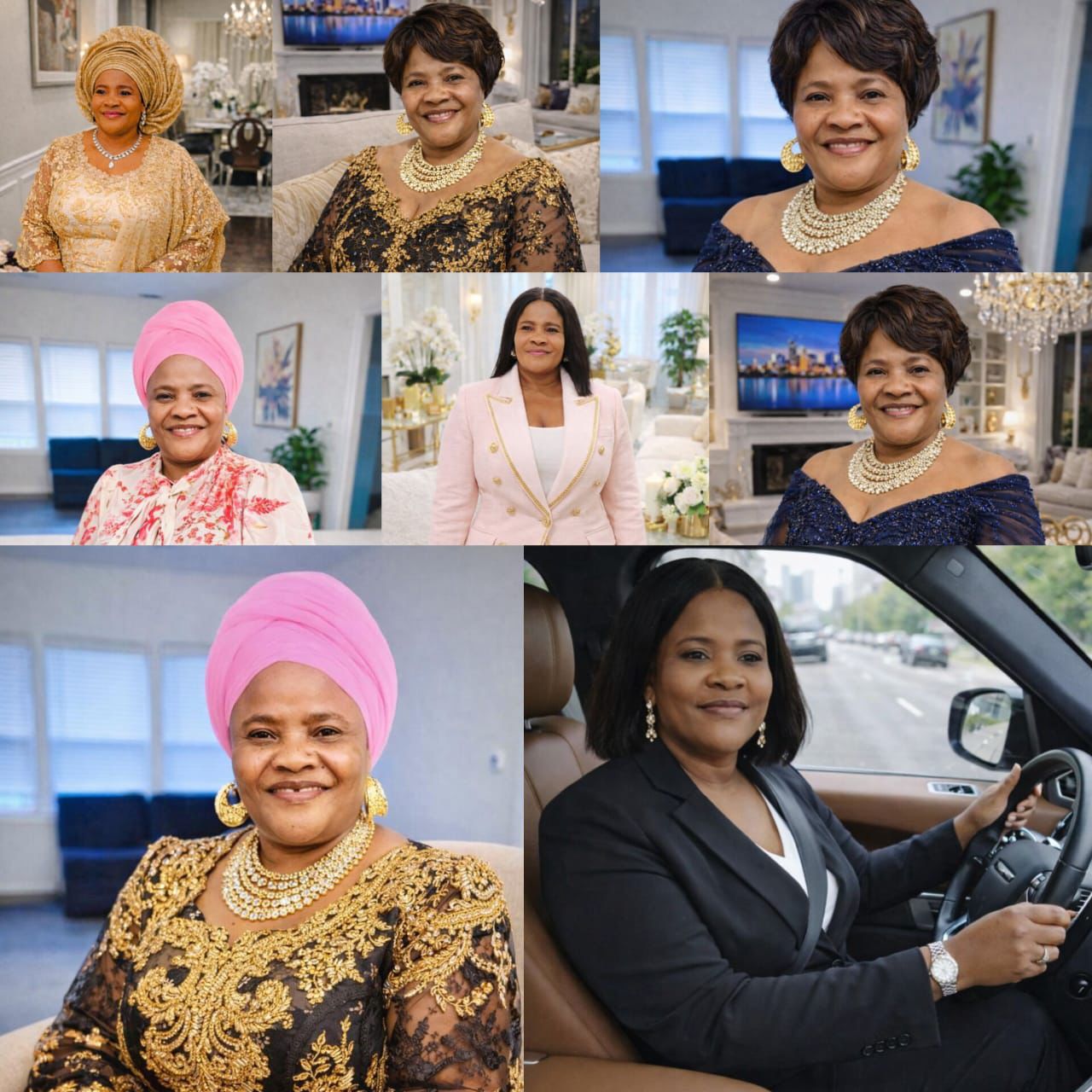
Faaji Unlimited : Omo-Opeki Announces ‘Step Up,’ ‘Multi Talented,’ And ‘God’s Mercy’ — A Historic 3-in-1 Fuji Album Set For April 8 Release
By Alhaji Arems (Baba Fuji)
Alhaja Queen Isimot Abake Abiola, widely known as Omo-Opeki, is stepping into a defining moment in her career with the official announcement of her ambitious 3-in-1 Fuji album. Titled Step Up, Multi Talented, and God’s Mercy, the project is scheduled for release on April 8 — a date that also marks her birthday.
More than a strategic rollout, the timing signals intention. It frames the project as both a personal milestone and a cultural statement, positioning the veteran Fuji act at the center of a conversation that extends beyond music.
A Three-Part Statement of Growth, Identity, and Gratitude :
By unveiling the titles of the three albums, Omo-Opeki transforms what was once a bold concept into a fully realized artistic vision.
Each title carries its own thematic weight:
• Step Up suggests progression — a conscious elevation into a new phase of artistry and influence
• Multi Talented highlights range, reinforcing her versatility within a genre that rewards depth and endurance.
• God’s Mercy reflects gratitude, pointing to the spiritual and personal journey that underpins her career.
Together, the albums form a layered narrative. Rather than a single body of work, the 3-in-1 structure allows for a broader exploration of identity, sound, and storytelling — a format that aligns naturally with Fuji’s tradition of extended compositions and expressive delivery.
April 8 : More Than A Release Date :
Choosing April 8 as the release date adds a deeper layer of symbolism to the project. Birthdays often represent renewal, reflection, and forward momentum — themes that mirror the essence of the album titles themselves.
For Omo-Opeki, the alignment of her birthday with such a significant release suggests more than coincidence. It positions the moment as a personal and professional convergence — one that celebrates longevity while signaling evolution.
In an industry where timing can shape perception, anchoring a major release to a date of personal significance strengthens the narrative around it. It becomes not just a drop, but a moment of declaration.
Rewriting the Narrative for Women in Fuji :
Fuji music, deeply rooted in Yoruba Islamic and Apala traditions, has long been shaped by male dominance in both performance and large-scale releases. While female artists have contributed significantly to its growth, landmark projects of this magnitude have rarely been associated with women.
Omo-Opeki’s 3-in-1 album challenges that precedent.
Executing a multi-volume release demands more than creative output. It requires strategic planning, financial commitment, audience loyalty, and the confidence to carry such weight within a traditional space. By taking on this scale, she is not only expanding her own catalog but also redefining what is possible for female Fuji musicians.
Leadership Beyond The Studio :
Beyond her work as a recording artist, Omo-Opeki serves as the President of the Elite Women Musician Association of Nigeria (EWMAN). Her role within the organization reflects a broader commitment to advocacy, mentorship, and structural support for women in the music industry.
This dual position — as both artist and leader — strengthens the significance of her upcoming release. It reinforces her credibility not just as a performer, but as a figure actively shaping opportunities for others.
Balancing creative output with industry leadership is no small feat. Yet, it adds weight to the moment, positioning the album as part of a larger narrative around representation and access.
A Strategic Moment For Fuji in a Global Era :
The announcement arrives at a time when Afrobeats continues to dominate global conversations, often overshadowing indigenous genres. In this context, bold releases within traditional spaces carry added importance.
A project of this scale does more than spotlight an individual artist — it draws attention back to the genre itself.
By delivering a 3-in-1 album with clear thematic direction and symbolic timing, Omo-Opeki is contributing to a renewed visibility for Fuji. It becomes a reminder that the genre remains dynamic, evolving, and capable of commanding attention on its own terms.
A Defining Chapter in Motion :
With Step Up, Multi Talented, and God’s Mercy, Omo-Opeki is not just releasing music — she is curating a moment that blends personal significance, artistic ambition, and cultural impact.
April 8 will mark more than a birthday. It will stand as a milestone in her journey and, potentially, a turning point in the narrative surrounding female artists in Fuji music.
As the date approaches, anticipation continues to build. But beyond expectation lies something more enduring — the sense that this release is not just about what is coming next, but about what it makes possible going forward.
Entertainment
Fuji Wayne, Shanko Rasheed’s Canada Summer Tour Signals The Rise of A Fuji-Infused Afro-Fusion Sound

Fuji Wayne, Shanko Rasheed’s Canada Summer Tour Signals The Rise of A Fuji-Infused Afro-Fusion Sound
By : Alhaji Arems (Baba Fuji)
In an industry where virality often overshadows steady growth, Nigerian artist Shanko Rasheed is taking a different route — one defined by gradual expansion, cultural fusion, and strategic international movement. From early releases to touring activity across North America, his trajectory reflects a new class of Nigerian artists who are less visible in headlines but increasingly active on the global stage.
A Sound Rooted in Tradition, Shaped by Modern Influence :
At the core of Shanko Rasheed’s artistry is a blend that feels both familiar and forward-looking: Afro-fusion layered with Fuji influences.
Fuji, a genre deeply rooted in Yoruba musical tradition, is known for its percussive intensity, vocal cadence, and spiritual undertones. By merging this with Afro-fusion — a broader, globally digestible sound palette — Shanko positions himself in a lane that bridges:
• Street authenticity
• Cultural heritage
• Contemporary accessibility
This hybrid approach aligns with a wider movement in Nigerian music, where artists are increasingly revisiting indigenous sounds and recontextualizing them for modern audiences. However, unlike more mainstream acts who polish these elements for pop appeal, Shanko Rasheed appears to lean into the rawness of Fuji-inspired delivery, giving his music a distinct edge.
Building Beyond Borders : Touring The United States And Canada
One of the clearest indicators of Shanko Rasheed’s growth is his international touring footprint.
In the past year, he has:
• Performed across parts of the United States, expanding his reach beyond Nigeria
• Secured upcoming tour dates in Canada for the summer, signaling continued demand within diaspora communities
For an artist still in the early stages of mainstream recognition, this level of cross-border activity is significant. It suggests:
• An existing audience base outside Nigeria
• Strategic connections or grassroots promoters within diaspora circuits
• A willingness to invest in physical presence rather than relying solely on digital growth
The Nigerian diaspora has long served as a testing ground for emerging talent, and artists who successfully tap into that ecosystem often build loyal, high-engagement audiences before breaking into wider markets.
Lifestyle Signals And Artist Positioning :
Beyond music and touring, Shanko Rasheed’s recent acquisition of a Mercedes-Benz adds another layer to his public image. While such milestones are common in the music industry, they often serve a dual purpose:
• A personal achievement marker
• A branding signal reinforcing upward mobility and success
In the context of an emerging artist, it also reflects a narrative of progression — from early-stage hustle to visible rewards. When communicated effectively, these moments can strengthen audience perception and credibility, particularly within genres that value both authenticity and aspiration.
The Visibility Gap : Present, Yet Underdocumented
Despite these developments, Shanko Rasheed remains underrepresented in mainstream media and digital indexing. There is limited:
• Press coverage
• Editorial playlist visibility
• Structured artist profiling
This creates a noticeable gap between activity and awareness. In practical terms, he exists in a space where:
The work is happening, but the story hasn’t been fully told.
For many artists at this level, this gap can slow momentum. However, it also presents an opportunity to shape a narrative deliberately, rather than reacting to one formed by external media.
A Strategic Moment For Definition :
Shanko Rasheed’s current phase can best be described as pre-definition — a period where the foundation is in place, but the identity is still being formalized in the public eye.
He has:
• A developing catalog on streaming platforms
• An active social media presence
• International performance experience
• A culturally rooted sound with crossover potential
What remains is the alignment of these elements into a cohesive narrative that audiences — and industry stakeholders — can easily understand and engage with.
In a Nigerian music landscape often dominated by rapid breakout cycles, Shanko Rasheed’s path highlights an alternative model:
• Build steadily
• Expand geographically
• Refine sound identity
• Let audience growth follow organically
His fusion of Afro-fusion and Fuji also contributes to a broader cultural conversation about the preservation and evolution of indigenous sounds. As global listeners become more receptive to genre-blending and cultural specificity, artists operating in this space are well-positioned to benefit.
Shanko Rasheed may not yet be a household name, but his movements suggest an artist laying deliberate groundwork for long-term relevance. With international tours, a distinct sonic direction, and visible personal milestones, he is steadily transitioning from obscurity to recognition.
Beyond his professional strides, Shanko Rasheed has also faced personal tragedy. The Fuji singer reportedly lost his first son, Jamaldeen Atanda, on February 27, 2026. While details surrounding the loss remain private, the moment marks a deeply personal chapter in his life, unfolding alongside a period of growing international visibility.
The next phase of his career will likely depend not just on the music itself, but on how effectively his story is documented, distributed, and amplified. If aligned properly, his blend of Afro-fusion and Fuji — combined with his growing global footprint — could position him as one of the more compelling emerging voices in Nigeria’s evolving music scene.


- National Council for Curriculum Development (NCDC) seeks Shs17 Billion for curriculum review, teacher training April 9, 2026
- Senegal: A Decade of Unresolved Climate Displacement April 9, 2026
- Uganda engages its diaspora in Japan on national policy framework for inclusive development April 9, 2026
- Afreximbank supports Dangote Group as it targets US$100 billion annual revenue by 2030 April 8, 2026
- Africa's top-ranked Global Reporting Initiative (GRI) Training Partner launches 15th cohort of globally recognized sustainability reporting certification April 8, 2026
- African Energy Chamber (AEC) Intervenes in Landmark Climate Case to Defend Africa’s Energy Future April 8, 2026
- Eswatini opens to investors for first-of-its-kind roadshow April 8, 2026
- Egypt: President El-Sisi Meets Ministers of Electricity, Petroleum April 8, 2026
- Seychelles and Japan explore expanded cooperation and future partnerships April 8, 2026
- President Mahama to headline The Africa Debate 2026 as Ghana-United Kingdom (UK) investment ties deepen April 8, 2026
- National Council for Curriculum Development (NCDC) seeks Shs17 Billion for curriculum review, teacher training April 9, 2026
- Senegal: A Decade of Unresolved Climate Displacement April 9, 2026
- Uganda engages its diaspora in Japan on national policy framework for inclusive development April 9, 2026
- Afreximbank supports Dangote Group as it targets US$100 billion annual revenue by 2030 April 8, 2026
- Africa's top-ranked Global Reporting Initiative (GRI) Training Partner launches 15th cohort of globally recognized sustainability reporting certification April 8, 2026
- African Energy Chamber (AEC) Intervenes in Landmark Climate Case to Defend Africa’s Energy Future April 8, 2026
- Eswatini opens to investors for first-of-its-kind roadshow April 8, 2026
-

 news4 months ago
WHO REALLY OWNS MONIEPOINT? The $290 Million Deal That Sold Nigeria’s Top Fintech to Foreign Interests
-

 society7 months ago
“You Are Never Without Help” – Pastor Gebhardt Berndt Inspires Hope Through Empower Church (Video)
-

 celebrity radar - gossips2 months ago
Dr. Chris Okafor Returns with Power and Fire of the Spirit -Mounts Grace Nation Altar with Fresh Anointing and Restoration Grace on February 1, 2026
-

 celebrity radar - gossips4 months ago
Prophet Kingsley Aitafo Releases 2026 Prophecy: ‘Nigeria Will Rise, but the World Must Prepare for Turbulence’