
society
Nigeria’s Kidnap Crisis Returns: 145 People Abducted in Four Days as 2027 Politics Looms


Nigeria’s Kidnap Crisis Returns: 145 People Abducted in Four Days as 2027 Politics Looms
Nigeria is once again sliding into a season of fear. In the last four days alone, at least 145 Nigerians have been abducted across Kebbi, Niger, and Zamfara states, signalling a dangerous resurgence of mass kidnappings eerily reminiscent of previous election cycles.
What is emerging is not a series of isolated attacks—it is a pattern. A rhythm Nigeria knows too well. A spike in coordinated abductions that often precedes heightened political activity and national elections.
A Troubling Return to Pre-Election Violence
During the buildup to the 2023 general elections, the country witnessed a sharp increase in kidnappings. Thousands of Nigerians, especially in the North, fell victim to bandits, extremist cells, and criminal networks who capitalised on vulnerable communities and overstretched security forces.
Now, as political structures warm up for the 2027 polls, the numbers are climbing again, and communities are growing anxious.
Kebbi: Schoolgirls Targeted Again
In the early hours of Monday, armed men stormed the Government Girls Comprehensive Secondary School, Maga, in the Danko/Wasagu area of Kebbi State.
25 female students were abducted.
A staff member, Hassan Makuku, was killed. A school guard sustained serious injuries.
The Nigeria Police Force confirmed the incident, stating that tactical units stationed around the school engaged the attackers in a gunfight. But the attackers had already breached the perimeter fence, rounded up the girls, and vanished into forest routes long exploited by bandit groups.
Despite the deployment of additional police units, military personnel, and local vigilantes, the students remain in captivity.
Niger State: Vigilantes Slaughtered, Dozens Taken
The Kebbi tragedy came barely 48 hours after another devastating attack—this time in Mashegu, Niger State.
Armed groups ambushed local vigilantes, killing at least 16 of them.
In the same wave of attacks, 42 residents were kidnapped from surrounding communities.
The scale and boldness of the operations suggest a consolidation of terror networks that have long entrenched themselves in forest corridors connecting Niger, Kaduna, Zamfara, and Sokoto.
Zamfara: Entire Communities Under Siege
Zamfara—once the nucleus of Nigeria’s banditry crisis—was not spared.
Saturday:
Attackers stormed Fegin Baza village, killing three residents and abducting 64 others.
Sunday:
The criminal gangs returned—this time to Tsohuwar Tasha, Ruwan Doruwa Ward, Maru LGA—kidnapping 14 villagers, including 11 women and 3 children.
Reports from local sources indicate that many communities in Zurmi, Shinkafi, Maradun, Tsafe, and Bungudu LGAs have been repeatedly attacked in recent months. Some villages have been forced to pay levies, ransoms, or “access fees” simply to be allowed to farm or move freely.
The Expanding Footprint of Bandit Cartels
Security analysts warn that the attacks demonstrate increased coordination among bandit factions. Many operate like military units—using scouts, GPS trackers, and motorbike convoys capable of covering vast terrain before security reinforcements arrive.
In the North-West’s ungoverned spaces, criminal networks have built fortified camps, developed arms-smuggling routes, and established informal taxation systems that rival official state authority.
For many rural communities, bandit rule has superseded government presence.
Federal Government Reacts
Reacting to the Kebbi school abductions, the Minister of Information and National Orientation, Mohammed Idris, condemned the killings and reaffirmed President Bola Tinubu’s stance that protecting citizens—especially schoolchildren—is a non-negotiable obligation of the Nigerian state.
The government said security and intelligence agencies have been directed to locate, rescue, and safely return the students while ensuring the perpetrators face justice.
The minister also disclosed that Nigeria is intensifying coordination with ECOWAS, the African Union, and the Multinational Joint Task Force to secure borders and disrupt terrorist networks responsible for trafficking weapons and hostages.
Search-and-Rescue Underway
The Nigeria Police Force and the military have launched a large-scale search-and-rescue operation, combing forests and suspected routes used by the attackers. Drones, ground units, and local vigilantes are participating, though past operations have shown that terrain, logistics, and information gaps often slow down the pace of rescue missions.
A Nation Haunted by a Familiar Cycle
What is emerging feels like a replay of 2019. And 2023.
Each election year, insecurity spikes.
Political uncertainty deepens.
Violence festers.
And ordinary Nigerians pay the price.
With 2027 on the horizon, security experts fear the recent wave of abductions could be just the beginning of a darker, more coordinated escalation—unless the government disrupts these networks quickly and decisively.




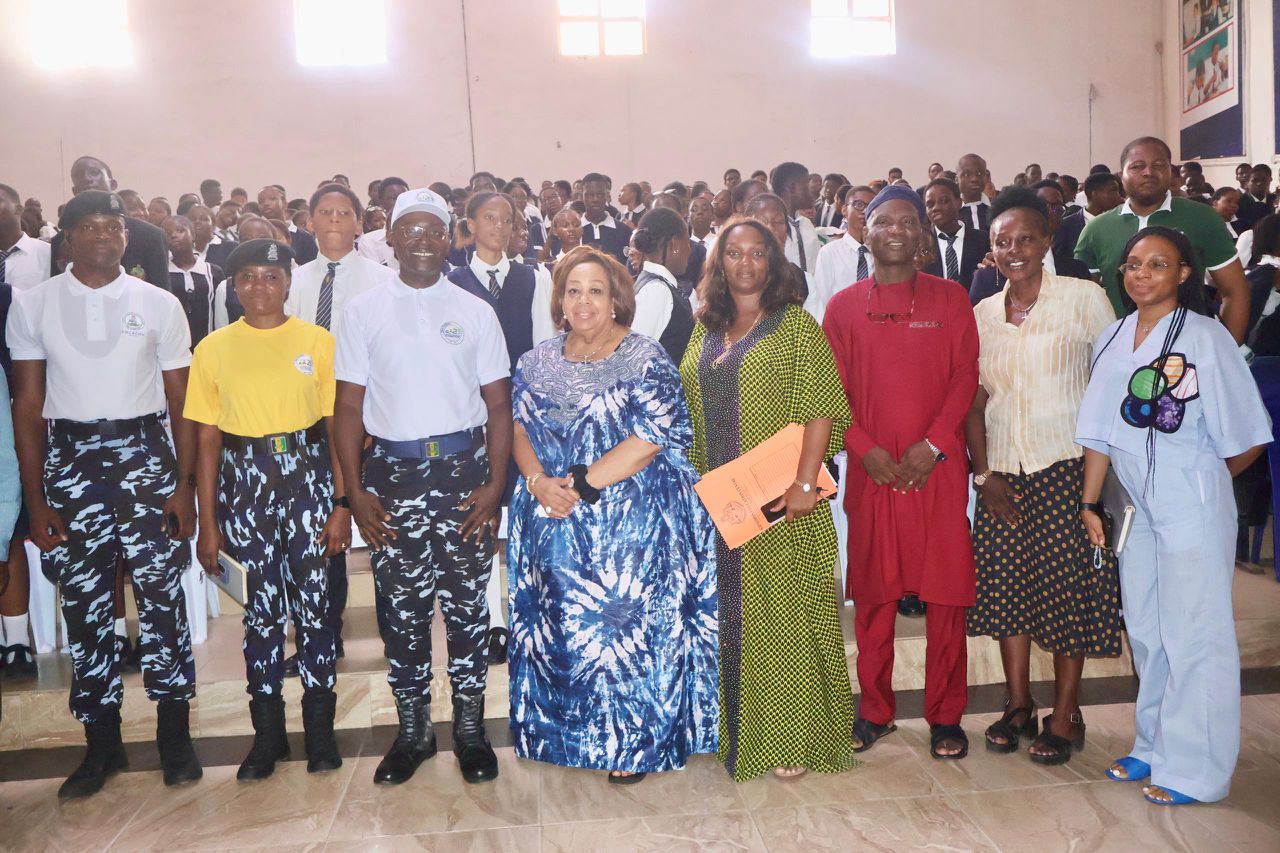
POCACOV Intensifies Sensitization on Cultism, Bullying, and Social Vices Among Students in Edo
In commemoration of the 2026 National Police Day Celebration, the Police Campaign Against Cultism and Other Vices (POCACOV), Edo State Command, has reinforced its preventive policing efforts through a targeted sensitization outreach at Igbinedion Education Centre, Benin City.
The initiative forms part of the broader activities marking this year’s National Police Day, themed “Community Partnership: Building Trust,” which emphasizes collaboration between the Nigeria Police Force and the public in fostering a safer society.
The sensitization programme witnessed the presence of key stakeholders, including the Commissioner of Police, Edo State Command, the Police Public Relations Officer, and the Edo State POCACOV Coordinator, ASP Kingsley Upeh. The team engaged students in an insightful and impactful session focused on the dangers of cultism, bullying, and other social vices prevalent among youths.
During the session, students were educated on the severe and far-reaching consequences of cult-related activities. These include violence, loss of lives, disruption of academic pursuits, and long-term damage to personal reputation and future opportunities. The speakers also highlighted how peer pressure, drug abuse, and negative social influences often serve as gateways into criminal behavior.
In an interactive segment, the Commissioner of Police stressed the legal implications of engaging in criminal acts, noting that involvement in cultism and related offences could lead to arrest, prosecution, and lifelong consequences that may hinder personal growth and career aspirations.
The issue of bullying was also extensively addressed, with emphasis on both its legal ramifications and psychological impact on victims. Students were encouraged to speak up against bullying, report incidents to school authorities or law enforcement, and support peers who may be affected.
Furthermore, the outreach underscored the importance of self-discipline, moral values, and making informed life choices. Students were urged to become ambassadors of peace within their schools and communities by rejecting violence and promoting unity and mutual respect.
The POCACOV team reiterated its commitment to continuous engagement with young people through awareness campaigns, community outreach, and strategic partnerships aimed at preventing crime before it occurs. The initiative aligns with the Nigeria Police Force’s proactive approach to policing, which prioritizes education, prevention, and community involvement.



COAS Launches Nationwide Security Renewal Mission in Plateau
The Chief of Army Staff, Lieutenant General Waidi Shaibu, on Thursday led a high-level delegation of security chiefs to Plateau State, flagging off a nationwide security renewal mission aimed at strengthening civil-military cooperation and restoring lasting peace across the country.
The visit to Jos, the Plateau State capital, marks the first phase of a coordinated national effort to address persistent security challenges through joint operations, community engagement, and proactive intelligence gathering.

Governor Caleb Muftwang received the delegation, describing the initiative as a critical step toward stabilizing affected communities and reinforcing public confidence in security institutions.
Civil-Military Synergy Takes Centre Stage
At the heart of the mission is a renewed emphasis on collaboration between the military, civil authorities, and local communities. Speaking during the visit, Lt. Gen. Shaibu stressed that national security must be treated as a collective responsibility.
He urged citizens to support security agencies by remaining vigilant, sharing credible information, and complying with lawful directives, noting that effective security cannot be achieved in isolation.
Community Engagement as Confidence-Building Tool
In a departure from purely operational engagements, the Army Chief held direct consultations with community leaders and residents in Jos, reinforcing the importance of trust and dialogue in conflict resolution.
Lawmakers, including Dachung Bagos and Ladi Dangyok, commended the initiative, stating that visible engagement by top military leadership helps rebuild confidence among citizens and fosters cooperation.

Proactive Security Operations Underway
Operational updates were provided by Major General Folusho Oyinlola, who disclosed that troops under Operation Enduring Peace have intensified surveillance, intelligence-led patrols, and coordinated actions with other security agencies.
According to the Army, the approach is designed to prevent escalation of threats, safeguard lives and property, and stabilize vulnerable communities before crises emerge.
A Shift Toward Sustainable Peace
Military authorities emphasized that the Plateau visit is part of a broader, long-term strategy to transition from reactive responses to sustainable peacebuilding nationwide. The framework includes strengthening local resilience, ensuring justice, and maintaining continuous engagement with stakeholders.
Analysts view the initiative as a significant policy shift, reflecting a more inclusive security architecture that integrates community participation with military operations.
Call for National Unity
The Army leadership concluded with an appeal to Nigerians to reject divisive narratives and support ongoing efforts to promote unity and peace.
“The success of this mission depends not only on the armed forces but on the cooperation of every citizen,” the COAS stated.
The nationwide security renewal campaign is expected to extend to other regions in the coming weeks as authorities seek to consolidate gains and build a safer, more unified Nigeria.


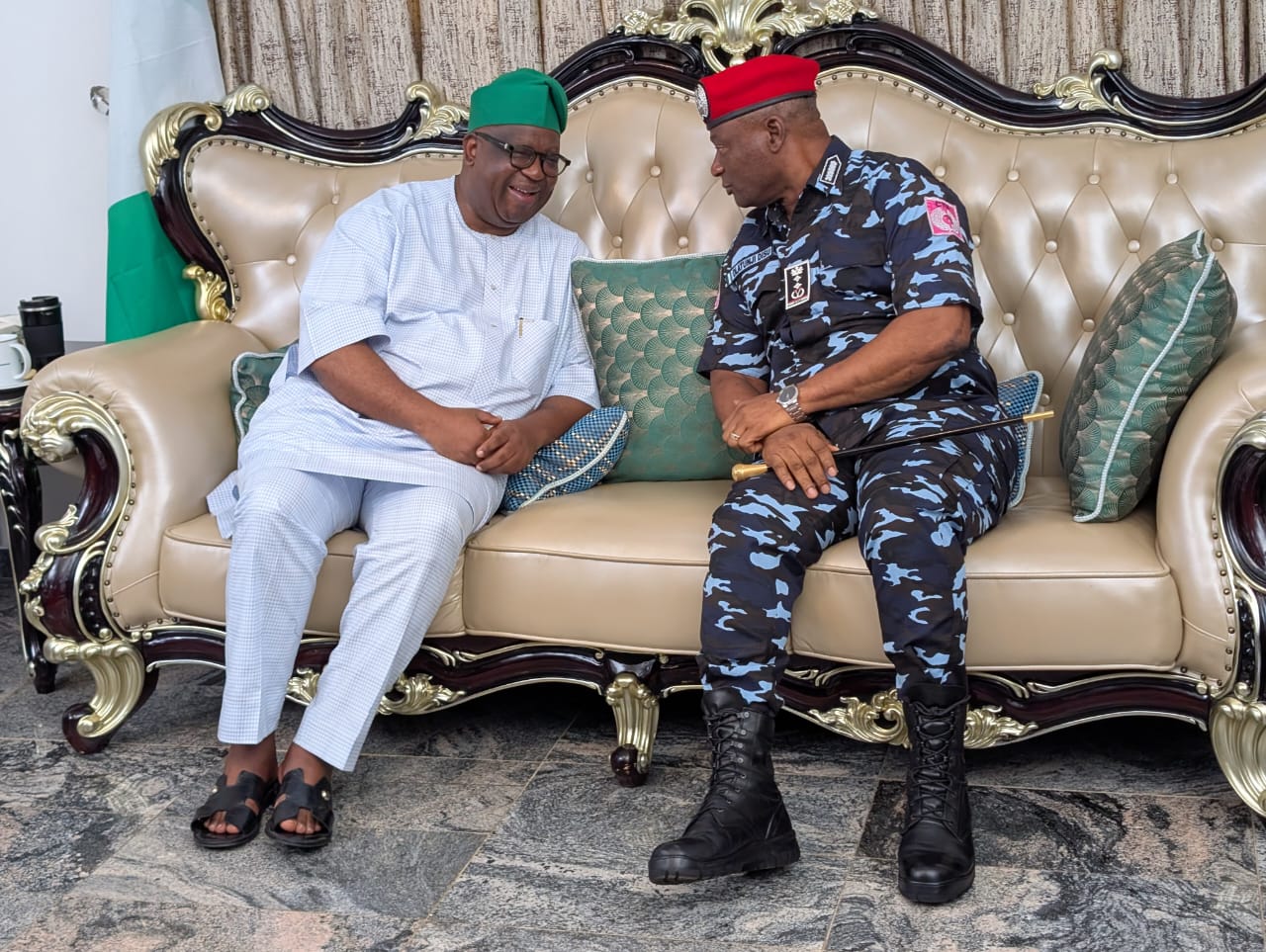
IGP Disu Visits Plateau, Orders Tactical Deployment To Reinforce Security
The Inspector General of Police, Olatunji Disu, on Thursday paid a working visit to Plateau State following recent unrest, holding strategic talks with Governor Caleb Muftwang on measures to strengthen security and prevent further disturbances.
As part of immediate steps to stabilise the situation, the police chief authorised the deployment of specialised tactical units to support officers already on ground across affected areas.
Governor Muftwang commended the swift intervention of the police leadership, praising the dedication and professionalism of security personnel working to restore calm. He also acknowledged the efforts of mobile police officers and lauded the leadership of the state’s Commissioner of Police, Bassey Ewah.
Both the Nigeria Police Force and the Plateau State Government reaffirmed their commitment to safeguarding lives and property, stressing that enhanced collaboration remains key to restoring lasting peace in Plateau State, popularly known as the Home of Peace and Tourism.


-

 society7 months ago
Religion: Africa’s Oldest Weapon of Enslavement and the Forgotten Truth
-

 news4 months ago
WHO REALLY OWNS MONIEPOINT? The $290 Million Deal That Sold Nigeria’s Top Fintech to Foreign Interests
-

 society6 months ago
“You Are Never Without Help” – Pastor Gebhardt Berndt Inspires Hope Through Empower Church (Video)
-

 celebrity radar - gossips2 months ago
Dr. Chris Okafor Returns with Power and Fire of the Spirit -Mounts Grace Nation Altar with Fresh Anointing and Restoration Grace on February 1, 2026