
society
Nigeria’s Power Grid Collapse: How Gas Shortages Left the Nation in Darkness

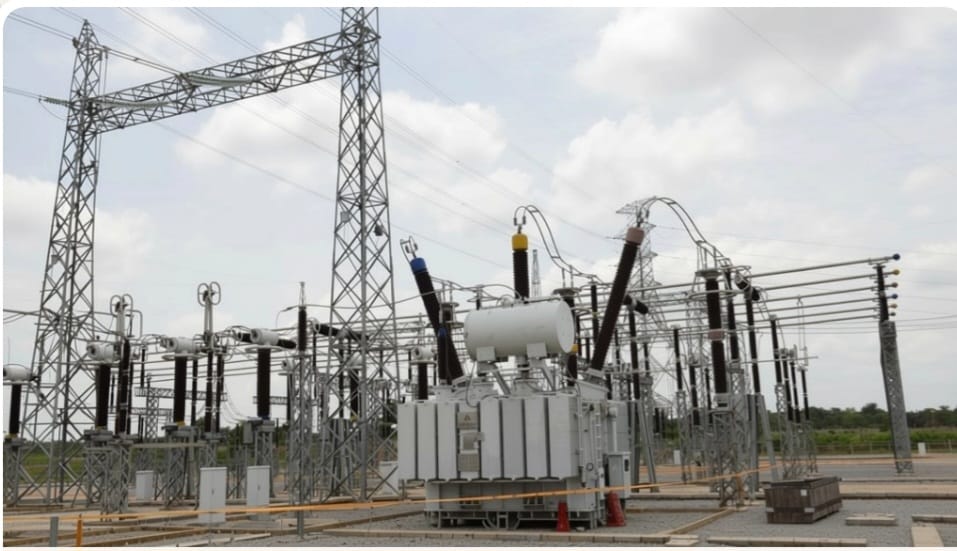
Nigeria’s Power Grid Collapse: How Gas Shortages Left the Nation in Darkness
By George Omagbemi Sylvester | Published by SaharaWeeklyNG
“With only 2,830MW generated, homes and industries grapple with outages, while leaders promise solutions amid systemic energy failure.”
Nigeria’s electricity grid tumbled into one of its worst service crises yet on 5 March 2026, as Electricity Distribution Companies (DisCos) received only 2,830 megawatts (MW) of electricity; barely a quarter of the nation’s installed generating capacity. The shortfall left millions of Nigerians across Lagos, Abuja, Port Harcourt, Ibadan, Kano and other urban centres plunged into extended darkness, grinding factories to a halt and intensifying the perennial power crisis that has dogged Africa’s most populous country for decades.
The abrupt collapse was triggered by severe gas supply shortages that choked thermal power plants (the backbone of Nigeria’s power system) and forced them to scale back generation. Plants that should ordinarily ramp up production to between 4,000MW and 5,000MW faltered late last week as gas deliveries were disrupted, leaving the Nigerian Electricity System Operator (NESO) to ration output to DisCos.
In an official statement, NESO spokesperson Mr. Jide Oseni confirmed the precipitous drop in supply, noting:
“On 5 March 2026, total generation available for dispatch was 2,830MW due to ongoing gas constraints at several major power stations. This level of supply is unsustainable for a nation of over 200 million people.”
Analysts, power engineers and industrial operators have described the situation as a “systemic failure” rather than an isolated outage; one rooted in structural weaknesses within Nigeria’s energy value chain.
Gas Vexes the Grid
Unlike nations that rely significantly on hydropower, Nigeria’s power generation is dominated by thermal plants that run on natural gas; expected to be abundant given the country’s status as one of Africa’s largest gas producers. Yet poor pipeline maintenance, endemic vandalism, inadequate investment, and policy gaps have rendered that supposed advantage moot.
A senior engineer at a major thermal plant in central Nigeria, who spoke on condition of anonymity, explained the depth of the crisis:
“We have the installed capacity to produce more, but we simply don’t have reliable gas supply. Some days we receive less than half of what is contracted, and when pipelines are vandalised, there’s nothing we can do.”
Vandalism remains one of the largest contributors to the supply shortfall. In communities where pipelines traverse remote areas, attacks and theft have severely disrupted deliveries, forcing plants to switch to expensive alternative fuels or shut down entirely.
According to Mr. Samuel Ifeanyi, an energy consultant based in Abuja:
“The power sector’s problems are no longer just about generation cost or distribution inefficiency; they are about gas infrastructure security and policy implementation. You cannot operate thermal plants if the fuel supply is as unpredictable as it is now.”
Everyday Blackouts, Everyday Losses
For most Nigerians, the implications translated into extended outages and cascading economic loss. In Lagos’ Yaba and Surulere districts, residents reported more than 16 hours without electricity. Small‑scale businesses relying on arcade stores, internet cafés and cold storage facilities were forced to resort to diesel generators, increasing operating costs dramatically.
“I woke up at 4am to put fuel in the generator,” said Mrs. Comfort Akpan, a food vendor along the Lekki‑Epe Expressway.
“Without power, my refrigerator melts all my produce. I’m spending more on diesel than I make in profit.”
Manufacturers were equally hard hit. Across Kano’s industrial district, factories either downed tools or ran at reduced capacity, citing both power unreliability and sharply rising generator fuel costs.
“This is crippling productivity,” said Mr. Emeka Obi, CEO of a textile factory.
“We planned to increase output this quarter, but we cannot sustain operations at this pace or cost.”
Industrial operators have reported losses amounting to millions of naira per day, and economists warn that prolonged outages can stunt economic growth, deter investment, and inflate inflationary pressures as production costs climb.
Government and NERC Respond
In response to the crisis, the Federal Ministry of Power issued a statement acknowledging the “unacceptable levels of disruption” and promising immediate action. The ministry pointed to recent efforts to diversify electricity sources, including expanding renewable energy capacity and strengthening gas aggregation networks.
Minister of Power, Dr. Adaora Umeoji, told SaharaWeeklyNG:
“We are acutely aware of the impact this shortfall is having on Nigerians. The government is coordinating with critical stakeholders (gas producers, transmission operators and DisCos) to ensure that supply interruptions are addressed and not repeated.”
However, critics argue that such assurances have been recurring with little tangible improvement over the years.
The Nigerian Electricity Regulatory Commission (NERC) also issued a caution against blaming DisCos for a situation beyond their control. In a press release, Director of Market Monitoring and Compliance, Ms. Blessing Okonkwo, said:
“Distribution companies are intermediaries; they distribute what they receive. The real bottleneck is upstream, in gas supply and generation. We are actively engaging stakeholders, but we also urge Nigerians to remain patient as we navigate these complexities.”
The Long Shadow of Structural Flaws
Nigeria’s power sector has long been bedevilled by disjointed policy frameworks, inadequate private investment, tariff shortfalls and poor infrastructure. Experts say that while gas shortages are now the most visible trigger of the latest crisis, they are symptomatic of deeper, unresolved systemic flaws.
Dr. Halima Suleiman, a power sector analyst at the African Centre for Energy Studies, explained:
“Nigeria’s grid was never designed to withstand sustained fuel uncertainty. Without real structural reform (including investment in gas infrastructure, adoption of alternative generation sources such as solar, and legal frameworks that secure investor confidence) these intermittent collapses will continue.”
She pointed to emerging technologies like compressed natural gas (CNG) generation, distributed renewable micro‑grids, and battery storage as complementary solutions that could reduce reliance on gas alone.
Power at the Edge: Renewables and Innovation
Some communities have turned to renewables as a grassroots response to grid failure. Across parts of the north and south, solar mini‑grids have provided pockets of reliable power, especially for essential infrastructure like health clinics and schools.
“Solar keeps our clinic refrigeration running,” said Nurse Esther Adebayo, manager of a public health centre in rural Oyo State.
“We may not have full grid power, but at least we aren’t completely in the dark.”
Energy startups are capitalising on this trend, providing pay‑as‑you‑go solar solutions in peri‑urban and rural localities. Institutional investors are increasingly interested, but sector experts stress that without enabling government policies and financing, such innovations cannot scale fast enough to meet national demand.
Public Trust and the Political Price
Power supply has become a highly politicised issue, with politicians regularly making promises that fail to materialise. Civil society groups and consumer rights organisations have criticised the government for what they regard as reactive management instead of strategic planning.
The Consumers’ Protection Network (CPN) released a statement calling for an urgent independent task force to address the crisis:
“We believe that only an unbiased, cross‑sectoral body can diagnose and recommend immediate and long‑term solutions that restore confidence in Nigeria’s power sector.”
Some opposition lawmakers have also called for parliamentary hearings to hold responsible ministries and agencies accountable, describing the current crisis as “a national emergency, not just an energy problem.”
The Road Ahead
As Nigeria grapples with the latest power breakdown, solutions remain elusive but not impossible. Strengthening gas infrastructure and security, unlocking investment, diversifying generation sources, and expanding renewables are among the necessary steps recommended by experts. But turning these recommendations into reality will require political will, sustained financing, and collaboration between government, private sector and civil society.
For everyday Nigerians, the hope is simple:
“We want light and not just promises.”
Whether the nation will finally emerge from its longstanding energy darkness depends not just on policy announcements, but on measurable actions that ensure structural resilience, reliable supply and, ultimately, a power system that serves the needs of millions, not just the ambitions of a few.




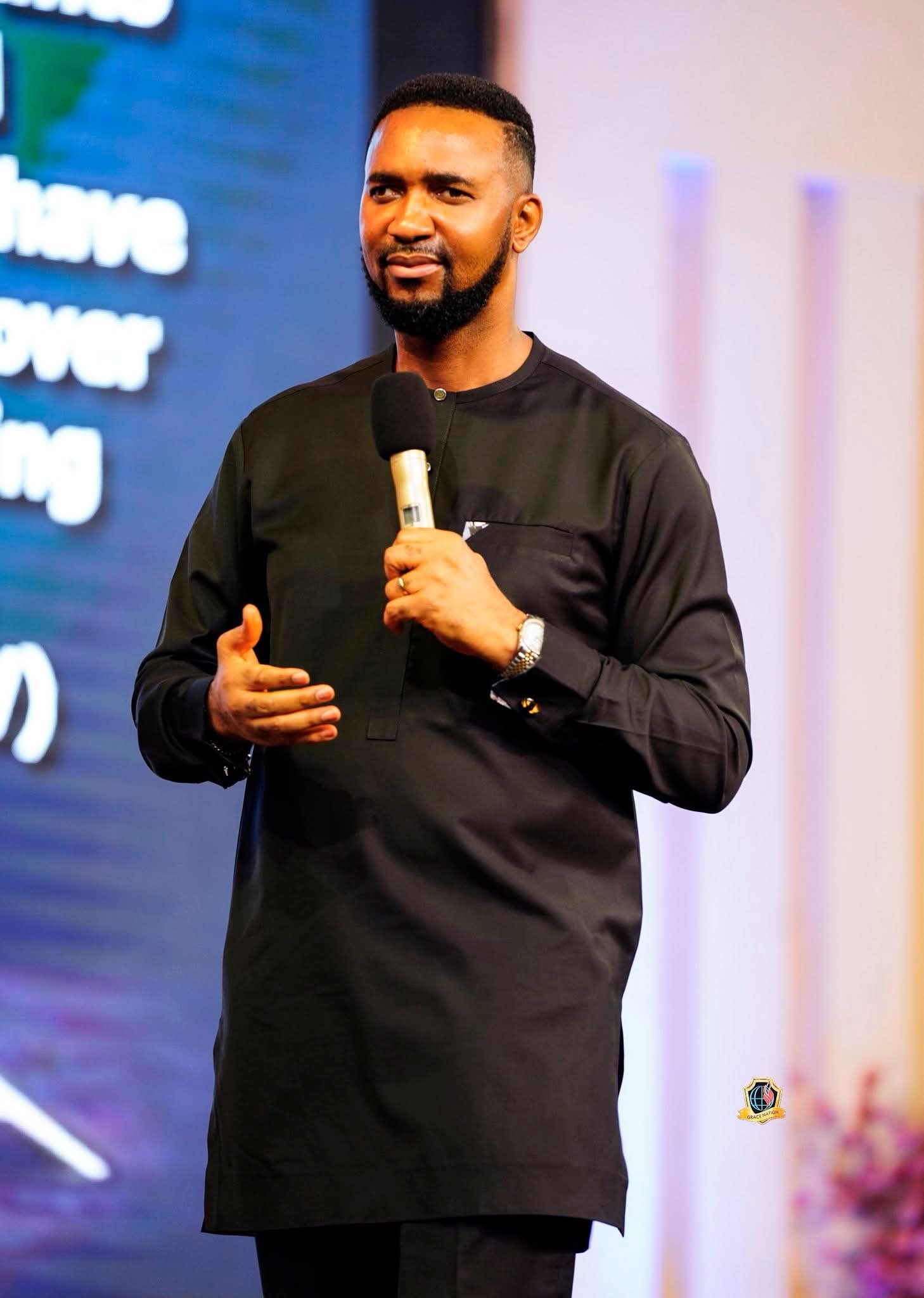
Harvest of Babies 2026:
It Is God’s Will for All to Be Fruitful — Dr. Chris Okafor
“God is not moved by sentiment, but by principle.”
The much-anticipated family liberation conference of Grace Nation Global, Harvest of Babies 2026, has commenced on a strong note, with reports of over 700 miracle babies declared during the ongoing programme.
The four-day event began on Wednesday, March 24, 2026, drawing millions of participants from across the world through Liberation TV and other Grace Nation online platforms.
Fruitfulness as a Divine Mandate
Speaking on Day Two of the conference, the Generational Prophet of God and Senior Pastor of Grace Nation Worldwide, Christopher Okafor, described fruitfulness as a foundational command from God.
Preaching on the theme “Fruitfulness,” he emphasized that the first mandate given to humanity was to be fruitful, stressing that this principle extends beyond childbearing to every area of life.
“It is the will of God for everyone to be fruitful,” he said, “not only in the area of the womb but in all aspects of life.”
He further described barrenness—whether physical, spiritual, or economic—as contrary to God’s intention for His people.
“Wherever barrenness is broken,” he noted, “it is by divine intervention. God confirms His Word, not human opinion.”
The Principle Behind Fruitfulness
Dr. Okafor explained that fruitfulness is governed by principles, not emotions.
“God is not moved by sentiment,” he stated. “He responds to principles.”
According to him, one of the key principles is service and commitment to God. He emphasized that unanswered prayers may sometimes be linked to a lack of genuine service or alignment with divine expectations.
“To be fruitful, you must understand the principle of service,” he said. “When you serve God sincerely and make Him your covenant focus, fruitfulness becomes evident in your life.”
He added that true devotion involves serving God wholeheartedly, both in spirit and in action, noting that such commitment attracts divine provision and establishes lasting results.
Testimonies and Manifestations
The conference has reportedly witnessed significant moments of healing, deliverance, and restoration. One notable testimony involved a woman who had reportedly been unable to relieve herself for over five weeks and was scheduled for a major medical procedure. Following prayers, she experienced immediate relief, an outcome participants described as a remarkable intervention.
Several other testimonies of breakthroughs and restoration were also recorded during the session.
Continuing the Conference
The Harvest of Babies 2026 conference continues at the international headquarters of Grace Nation Worldwide in Ojodu Berger, Lagos, with daily sessions attracting both physical and virtual attendees.
Organizers say the programme is focused on prayers for fruitfulness, deliverance from negative patterns, marital breakthroughs, financial stability, and the fruit of the womb.
Participants are encouraged to join the ongoing sessions, with the belief that divine intervention can bring transformation in every area of life.


society
Centre Commends Nigerian Military’s Intensified Operations in North Central, Charges Armed Forces to Deepen Gains and Ensure Peaceful Easter Across The Country

*Centre Commends Nigerian Military’s Intensified Operations in North Central, Charges Armed Forces to Deepen Gains and Ensure Peaceful Easter Across The Country*
The Civic Centre for National Security and Civic Responsibility (CCNSCR) has commended the Chief of Defence Staff, General Olufemi Oluyede, and the Armed Forces of Nigeria for what it described as “notable and encouraging improvements” in security operations across Nigeria’s North Central region.
In a statement issued on Thursday and signed by its Executive Director, Dr Johnson Audu, the group said recent military gains in the region reflect a renewed operational drive and stronger coordination under the current leadership of the Armed Forces.
The group noted that communities across several North Central states, previously plagued by banditry, violent attacks, and persistent security disruptions, are beginning to witness a gradual restoration of order, improved troop presence, and more responsive military interventions.
According to the statement, these developments point to a more proactive and intelligence-driven approach by the military, resulting in the disruption of criminal networks and the containment of threats that had long destabilised parts of the region.
“The Civic Centre for National Security and Civic Responsibility commends the Chief of Defence Staff, General Olufemi Oluyede, for the renewed sense of direction and operational coordination within the Armed Forces. The emerging security improvements across the North Central region are both significant and reassuring,” the statement reads.
The group observed that sustained offensives targeting criminal enclaves, alongside increased surveillance and rapid deployment capabilities, have contributed to weakening the operational capacity of armed groups.
It added that the military’s growing ability to secure key transport routes and respond swiftly to distress situations has helped restore public confidence in affected communities.
Dr Audu said the Armed Forces deserve recognition for maintaining pressure on criminal elements despite the complex and evolving nature of security challenges in the region.
“The men and women of our Armed Forces continue to demonstrate resilience, discipline, and commitment in the face of difficult operational realities. Their efforts in safeguarding lives and stabilising communities across the North Central deserve national commendation,” he said.
While applauding the progress made, the group emphasised that the current gains must be consolidated and sustained to prevent any relapse into widespread insecurity.
It urged the military to intensify ongoing operations and maintain strategic momentum in order to ensure that recent improvements translate into lasting peace across the region.
“These gains, while commendable, remain fragile. It is imperative that the Armed Forces sustain the current operational tempo and continue to apply pressure on criminal elements to ensure that stability is not only achieved but preserved,” the statement added.
The group specifically charged the military leadership to replicate emerging pockets of stability across other troubled areas, stressing that consistent presence and sustained engagement are critical to long-term success.
Looking ahead to the Easter period, the CCNSCR called on the Armed Forces to ensure heightened vigilance and robust deployment to guarantee a peaceful and secure celebration across the country.
“We urge the military to sustain and intensify its efforts to ensure that Nigerians across all regions can observe the forthcoming Easter season in peace and safety. The goal must be to replicate and expand current security improvements nationwide,” the statement said.
The group also underscored the importance of citizen cooperation in supporting the work of security agencies, noting that lasting security cannot be achieved through military action alone.
It called on residents of the North Central region and Nigerians at large to remain vigilant, share credible information with security agencies, and resist any form of collaboration with criminal groups.
“Security is a shared responsibility. Citizens must actively support the Armed Forces through vigilance, cooperation, and a collective rejection of all forms of criminality. The fight against insecurity requires a united national effort,” Dr Audu said.
The statement further encouraged community leaders, civil society groups, and local institutions to strengthen grassroots engagement and promote a culture of peace and mutual responsibility.
It stressed that trust between citizens and the military remains a critical factor in sustaining recent gains and preventing the resurgence of violence.
The CCNSCR concluded by reaffirming its support for the Armed Forces and its commitment to promoting civic participation in national security, urging all stakeholders to remain resolute in the collective effort to secure the nation.
“The progress recorded in the North Central region must serve as a foundation for broader national stability. With sustained military effort and active citizen collaboration, Nigeria can move steadily towards lasting peace and security,” the statement said.
society
TULA MOTO KEKE: Electric 8-Seater Keke Hits Nigerian Market, Promises Higher Earnings for Transport Operators

TULA MOTO KEKE: Electric 8-Seater Keke Hits Nigerian Market, Promises Higher Earnings for Transport Operators
LAGOS — A new innovation in urban transportation has been introduced into the Nigerian market with the launch of an 8-seater fully electric power keke, offering commercial operators a cost-effective and environmentally friendly alternative to conventional petrol-powered tricycles.

The electric tricycle, now available in Lagos with distribution extending nationwide, is designed with two rows of passenger seating and has the capacity to carry up to eight passengers per trip—more than double the typical capacity of standard kekes. Promoters say this feature is aimed at boosting daily income for transport operators amid rising fuel costs across the country.

According to the distributors, the keke runs entirely on electric power, eliminating the need for petrol and reducing the burden of fluctuating fuel prices. They added that the vehicle is equipped with a long-lasting battery capable of covering extended distances on a single charge, making it suitable for commercial use across busy routes, estates, campuses, and market areas nationwide.

“The idea is simple, help drivers earn more while spending less,” a company representative said. “With this electric keke, operators can carry more passengers per trip and avoid the daily stress of fuel purchase.”
In addition to its increased capacity, the vehicle is said to require minimal maintenance compared to traditional tricycles, offering further savings for owners. Its smooth and quiet operation is also expected to improve the commuting experience for passengers.
Industry observers note that the introduction of electric-powered transport options aligns with broader efforts to promote cleaner energy solutions in Nigeria’s transport sector, particularly in densely populated cities like Lagos and beyond.
The distributors disclosed that the product is currently available under a limited promotional offer and can be delivered to all parts of Nigeria.
For inquiries and purchase, interested buyers can contact:
📞 08153432071
📞 08035889103
Office Address:
📍 Plot 9, Block 113, Beulah Plaza,
Lekki–Epe Expressway,
Lekki Phase 1, Lagos
As Nigeria continues to grapple with rising transportation costs and environmental concerns, innovations such as the electric power keke may signal a gradual shift toward more sustainable and profitable mobility solutions nationwide.


-

 society6 months ago
Religion: Africa’s Oldest Weapon of Enslavement and the Forgotten Truth
-

 news3 months ago
WHO REALLY OWNS MONIEPOINT? The $290 Million Deal That Sold Nigeria’s Top Fintech to Foreign Interests
-

 society6 months ago
“You Are Never Without Help” – Pastor Gebhardt Berndt Inspires Hope Through Empower Church (Video)
-

 celebrity radar - gossips2 months ago
Dr. Chris Okafor Returns with Power and Fire of the Spirit -Mounts Grace Nation Altar with Fresh Anointing and Restoration Grace on February 1, 2026