
society
Nollywood’s Villains and Victims: 12 Reforms To Make Nollywood Great Again By Dr. Ope Banwo, Attorney, Mayor of Fadeyi, Founder Nollywood Fanatics TV

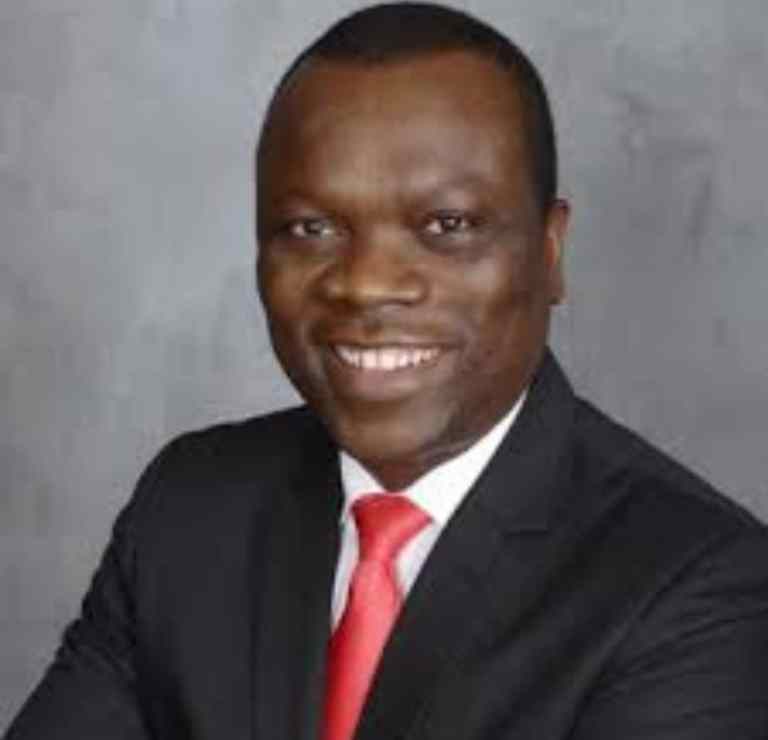
Nollywood’s Villains and Victims: 12 Reforms To Make Nollywood Great Again
By Dr. Ope Banwo, Attorney, Mayor of Fadeyi, Founder Nollywood Fanatics TV
I love Nollywood. I’ve invested time, money, passion – and plenty of blood pressure – into this industry. I’ve also been badly burnt by it, more than once. So, what you’re about to read is not theory or gossip. It’s from someone who has put hundreds of millions of naira on the table and paid school fees in pain and experience.
Gist master at GistHouse, Dr. Ope Banwo
Nollywood is like a miracle baby nobody expected to survive – a child that started crawling and walking faster than anyone thought possible, then mysteriously stopped growing. Decades later, we are still taking baby steps.
I’ve spent months studying this industry deeply enough to write a book titled: “One Country, 2,500 Movies – Confronting the Problems with Nigeria’s Movie Industry, Who Is Responsible and How to Fix It Before It’s Too Late.” In that book, I expose the rot, name names, and propose solutions. This article is an extension of that ongoing conversation.
Today, I want to focus on the Villains and the Victims of Nollywood – and why the industry will either rise or collapse on their shoulders.
The Producer: Hero, Hostage, Villain
If Nollywood were a human body, the producer would be the spine – the unseen structure that holds everything upright. Right now, that spine is cracking.
The industry’s biggest problem is not scripts, cameras or acting talent. Nollywood is struggling because our producer class and senior crew have become a dangerous mix of:
• Exhausted heroes
• Accidental amateurs
• Unregulated tyrants
• Overwhelmed victims
All of them operating in an industry with almost no guardrails, no real enforcement, and very little professional structure.
Let’s stop pretending this is an abstract problem. The rot has faces, dates, and case files.
“When Film Sets Turned into Battlefields”
“1. The Strangling of a Make-Up Artist on Set”
On October 28, 2025, during the filming of Lagos to Opulence, production manager Anierobi “Nwa South” Courage allegedly attacked the Head of Make-Up, Mary Chizzy Eze, beat her, tore her clothes, and strangled her on set because she complained about unfair treatment (Premium Times, Oct. 29, 2025).
Crew members had to physically pull him off her.
A film set became a wrestling arena. Insiders were not shocked – because this kind of behavior is not rare. It’s just rarely documented and pursued.
Why does this happen?
• No clear structure
• No enforceable code of conduct
• No real training for producers, production managers or crew supervisors
• No consequences
This is what an unregulated industry looks like. Yet, we are supposed to have plenty regulations. Government has several for Nollyowood, and we ourselves have enough Guilds that we can probably sell some to Ghana
‘2. Actor vs. Actress-Producer: The Taye Arimoro Case
Shortly after, actor Taye Arimoro publicly alleged that he was assaulted, blocked from leaving a set, and injured during a confrontation involving actress-producer Peggy Ovire (Pulse Nigeria, Nov. 13, 2025). She countered that he was the aggressor.
Forget who is right for a moment. The real scandal is that a Nollywood set, which should be governed by a chain of command, safety rules, and professionalism, degenerated into a street fight.
Where were:
• The conflict-resolution protocols?
• The set safety officer?
• The guild-backed rules of engagement?
They don’t exist in any serious, enforceable way. Most Nollywood sets run on vibes, talent, brute force and hope – not systems.
*3. When Streaming Money Became Shopping Money*
In December 2024, comedian and filmmaker Basketmouth revealed that some producers collect money from Netflix and other platforms, use 10% to make the film, and allegedly divert 90% to personal luxuries – cars, houses, lifestyle (Vanguard, Dec. 18, 2024).
Ten percent for the movie. Ninety percent for enjoyment? This is not just a miscalculation – it is systemic mismanagement, made possible by zero accountability mechanisms.
*4. When Government Grants Vanished into Thin Air*
Filmmaker Mildred Okwo later revealed that some producers collected government grants to make movies and never produced anything (Ripples Nigeria, Dec. 19, 2024).
No script. No set. No rough cut. No deliverable. Just money gone.
Again: no accountability, no watchdog, no consequences. The government loses trust; credible producers lose opportunities; the industry loses credibility globally.
Producers and Senior Crew: Villains and Victims
*To be fair, producers, directors, DOPs, and production managers are not only villains. Many are also victims of a broken ecosystem.*
I know producers who:
• Used their children’s school fees to feed crew.
• Slept in cars because the accommodation budget disappeared.
• Negotiated with area boys and police, same day, to keep a shoot alive.
• Lost millions due to piracy, bad distribution, or crooked partners.
• Lost marriages and mental health under pressure.
So, yes – the producer in Nigeria is both hero and hostage, and that contradiction is the heart of Nollywood’s crisis:
The producer is the engine and also the broken gear; the protector and the perpetrator; the victim and the villain.
Until we reform this producer class and key crew roles – root, branch, and soul – Nollywood will remain a miracle-based, not structure-based, industry.
12 Critical Reforms Nollywood Desperately Needs Now
*Nollywood does not need more motivational speeches. It needs systems, sanctions, and standards. Here are 12 urgent reforms I could think of:*
*1. Professionalize Key Roles*
Being passionate about movies is not enough.
Producers, directors, DOPs, and production managers must be treated as professional, certified roles – not something any random person can assume.
*2. Make Certification Mandatory for Access to Serious Funds*
No one should touch institutional, government, or investor funds without recognized training and certification in production, budgeting, and distribution.
If you can’t explain AVOD, ROI, licensing windows, or P&A, you have no business managing BOI money or platform funds.
*3. Create a Real 3-Month Intensive Certification Program*
A serious, exam-based Producer/Director/PM/DOP Bootcamp should be a minimum entry requirement for guild membership and major projects.
Not WhatsApp “masterclasses”. A real curriculum with business, law, ethics, and on-set practice.
You May Like: How Nollywood Actor, Odira Nwobu Died In South Africa
*4. Establish a Nollywood Bureau of Professional Conduct*
An independent body should investigate:
• Set assaults
• Investor fraud and vanished funds
• Abandoned productions
• Tampered budgets
• Unsafe sets and negligence
And publish enforceable sanctions.
*5. Maintain a Public “Nollywood Black Book”*
Not gossip – a verified record of:
• Producers who defraud investors
• Actors who abandon sets
• Crew who assault colleagues
• Directors who repeatedly breach contracts
A small industry needs more transparency, not less.
*6. Make P&A Budgets Mandatory*
A serious film must dedicate at least 20% of its budget to marketing (P&A).
Shooting a beautiful film with zero structured marketing is financial suicide. Investors must insist on seeing a P&A plan before releasing funds.
*7. Enforce Transparent, Auditable Accounts*
Producers and production managers must provide auditable expense and revenue reports to executive producers and investors.
Sentimental storytelling should give way to hard numbers. That’s how you build investor confidence and long-term financing.
*8. Make Production Insurance Compulsory*
Every production should carry insurance for cast, crew, and equipment.
Incidents like the Lagos to Opulence assault would be handled through professional, legal, and insurance-backed processes, not emotional damage control.
*9. Rank Producers and Key Crew by Tier*
The industry (or a private ratings body) should maintain a tiered ranking system based on competence, track record, and scale handled.
A director or producer with only low-budget experience should not suddenly be handed a ₦200 million project.
*10. Adopt Global Production Standards*
Nollywood must stop hiding behind the excuse: “Nigeria is different.”
The global market is one. If we want to compete for international recognition, we must use:
• Proper call sheets
• Safety officers
• Chain of command
• Conflict protocols
• Clear deliverables
Institutionalized rubbish will never win global respect.
*11. Zero Tolerance for Violence and Illegal Restraint on Set*
Any form of assault, battery or forced restraint on set must attract industry-wide sanctions and possible legal action.
Blocking an adult from leaving a set is not “discipline” – it can amount to kidnapping or even terrorism-related offences under Nigerian law. People must stop incriminating themselves on camera and start talking to lawyers.
*12. Make Digital & Streaming Monetization Core Curriculum*
Every serious producer and marketer must understand:
• AVOD, SVOD, TVOD, FAST
• International licensing and syndication
• Dubbing, subtitling and market segmentation
A producer who doesn’t understand the economics of distribution in 2025 has no business leading a serious production.
Conclusion: Time to Draw a Line in the Sand
The era of impunity in Nollywood must end.
This culture of “don’t spoil their name” is killing the industry.
Some names need to be spoiled – for the industry to heal.
We cannot keep shouting “global takeover” while the very spine of Nollywood – the producer class and key crew – remains fractured, unregulated and, in many cases, unaccountable.
If Nollywood truly wants to grow up, this is the hour.
Fix the producer, and Nollywood will rise.
Ignore the producer, and Nollywood will bury itself.
This is my first article in a series of articles i am planning. More will come – including my full commentary on the Taye Arimoro vs. Peggy Ovire saga and the shocking decision of three guilds tasked with leadership.
As for me, I have chosen my lane:
• A committed observer and outspoken commentator; and
• A champion for AI-based productions that can help disrupt and reset the system.
Everyone in Nollywood must now decide: Which side of history are you standing on?
Dr Ope Banwo
Mayor Of Fadeyi
Founder, Nollywood Fanatics TV




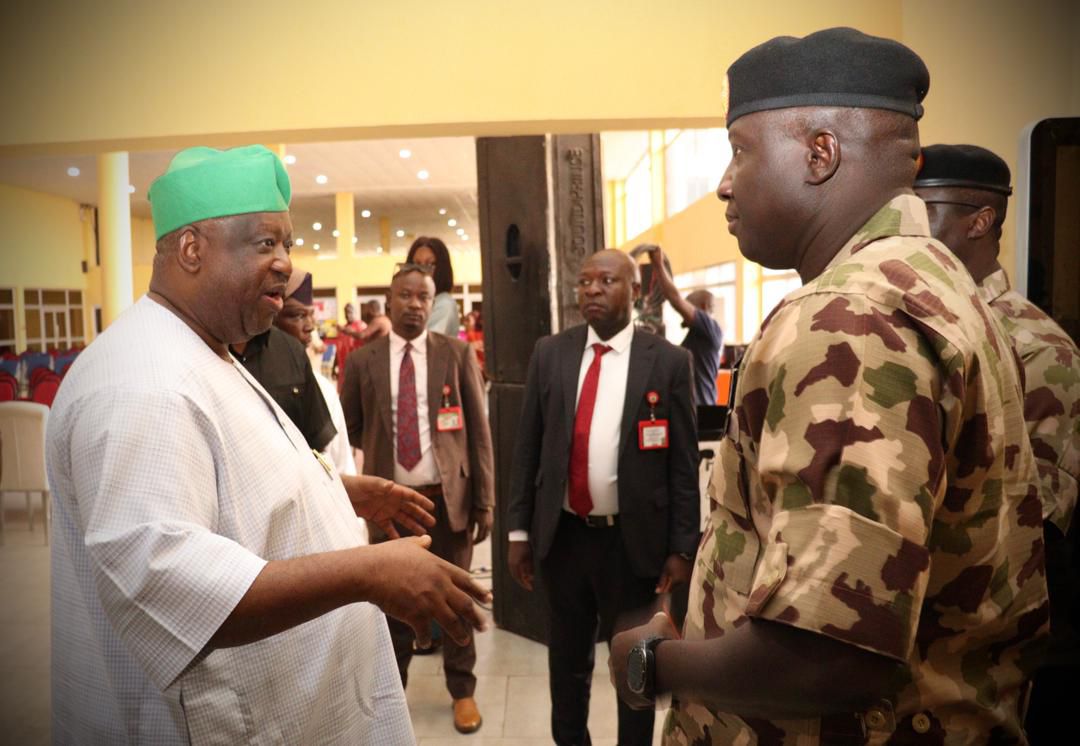
COAS Launches Nationwide Security Renewal Mission in Plateau
The Chief of Army Staff, Lieutenant General Waidi Shaibu, on Thursday led a high-level delegation of security chiefs to Plateau State, flagging off a nationwide security renewal mission aimed at strengthening civil-military cooperation and restoring lasting peace across the country.
The visit to Jos, the Plateau State capital, marks the first phase of a coordinated national effort to address persistent security challenges through joint operations, community engagement, and proactive intelligence gathering.

Governor Caleb Muftwang received the delegation, describing the initiative as a critical step toward stabilizing affected communities and reinforcing public confidence in security institutions.
Civil-Military Synergy Takes Centre Stage
At the heart of the mission is a renewed emphasis on collaboration between the military, civil authorities, and local communities. Speaking during the visit, Lt. Gen. Shaibu stressed that national security must be treated as a collective responsibility.
He urged citizens to support security agencies by remaining vigilant, sharing credible information, and complying with lawful directives, noting that effective security cannot be achieved in isolation.
Community Engagement as Confidence-Building Tool
In a departure from purely operational engagements, the Army Chief held direct consultations with community leaders and residents in Jos, reinforcing the importance of trust and dialogue in conflict resolution.
Lawmakers, including Dachung Bagos and Ladi Dangyok, commended the initiative, stating that visible engagement by top military leadership helps rebuild confidence among citizens and fosters cooperation.

Proactive Security Operations Underway
Operational updates were provided by Major General Folusho Oyinlola, who disclosed that troops under Operation Enduring Peace have intensified surveillance, intelligence-led patrols, and coordinated actions with other security agencies.
According to the Army, the approach is designed to prevent escalation of threats, safeguard lives and property, and stabilize vulnerable communities before crises emerge.
A Shift Toward Sustainable Peace
Military authorities emphasized that the Plateau visit is part of a broader, long-term strategy to transition from reactive responses to sustainable peacebuilding nationwide. The framework includes strengthening local resilience, ensuring justice, and maintaining continuous engagement with stakeholders.
Analysts view the initiative as a significant policy shift, reflecting a more inclusive security architecture that integrates community participation with military operations.
Call for National Unity
The Army leadership concluded with an appeal to Nigerians to reject divisive narratives and support ongoing efforts to promote unity and peace.
“The success of this mission depends not only on the armed forces but on the cooperation of every citizen,” the COAS stated.
The nationwide security renewal campaign is expected to extend to other regions in the coming weeks as authorities seek to consolidate gains and build a safer, more unified Nigeria.


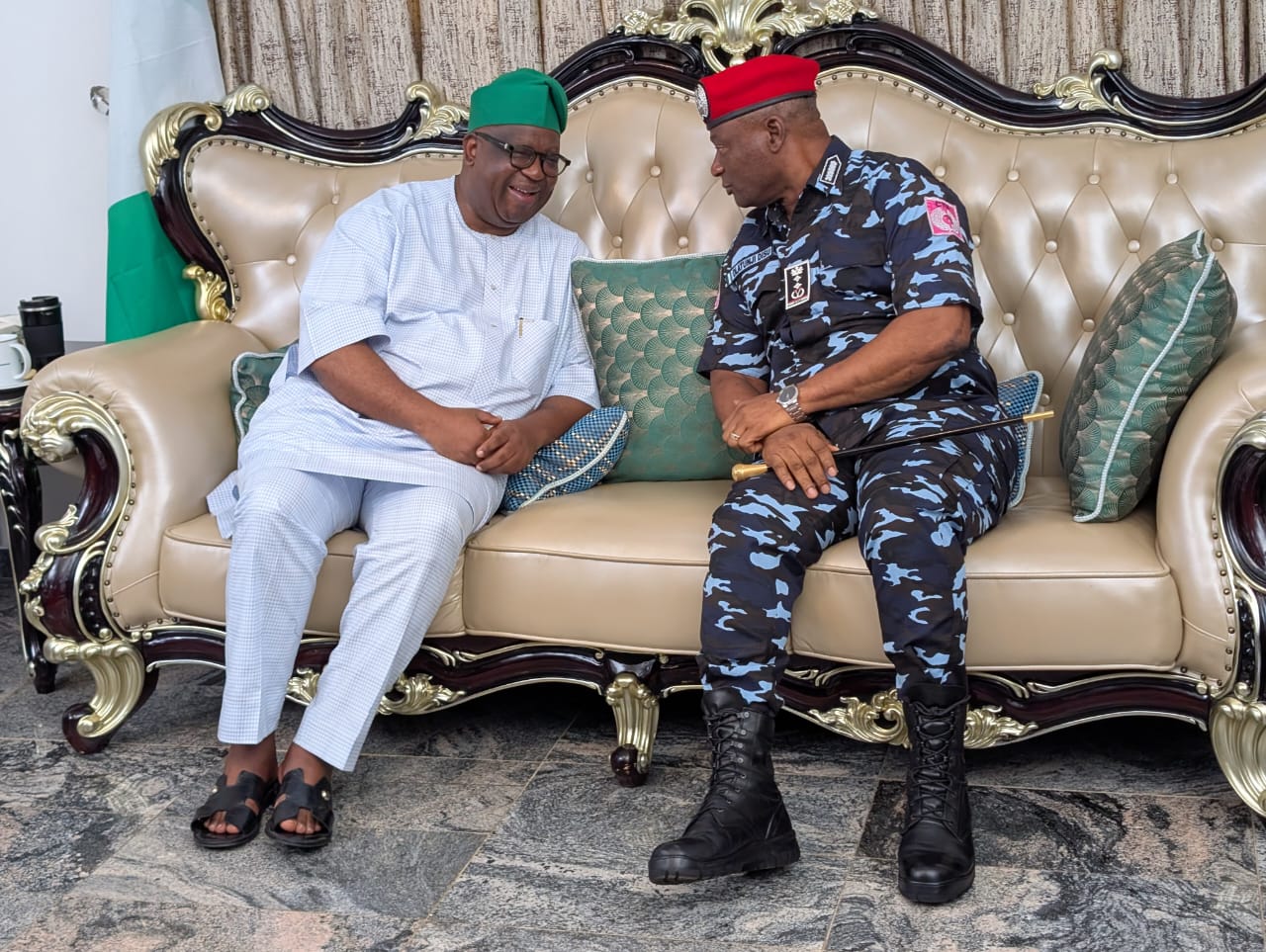
IGP Disu Visits Plateau, Orders Tactical Deployment To Reinforce Security
The Inspector General of Police, Olatunji Disu, on Thursday paid a working visit to Plateau State following recent unrest, holding strategic talks with Governor Caleb Muftwang on measures to strengthen security and prevent further disturbances.
As part of immediate steps to stabilise the situation, the police chief authorised the deployment of specialised tactical units to support officers already on ground across affected areas.
Governor Muftwang commended the swift intervention of the police leadership, praising the dedication and professionalism of security personnel working to restore calm. He also acknowledged the efforts of mobile police officers and lauded the leadership of the state’s Commissioner of Police, Bassey Ewah.
Both the Nigeria Police Force and the Plateau State Government reaffirmed their commitment to safeguarding lives and property, stressing that enhanced collaboration remains key to restoring lasting peace in Plateau State, popularly known as the Home of Peace and Tourism.


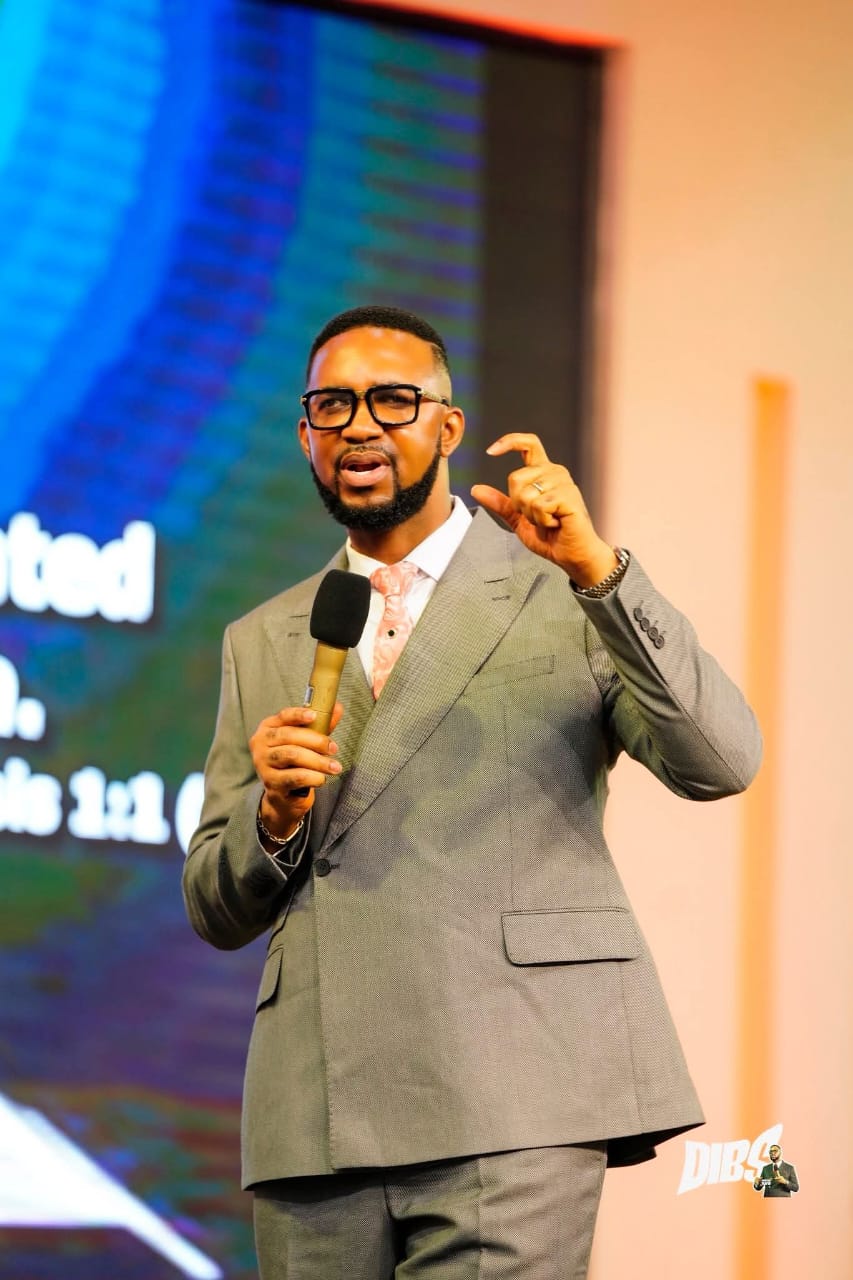
Grace Nation Worldwide: A Living Reality – Dr. Chris Okafor
……“Miracles, Healing, and Deliverance Overflow at Grace Nation Services”
The Grace Nation midweek Prophetic Healing, Deliverance, and Solutions (PHDS) Service on 2nd April 2026 at the international headquarters in Ojodu Berger, Lagos, was a spectacular display of God’s power, marked by miracles, healing, and deliverance.
The God of Grace Nation continues to demonstrate His authority, breaking strongholds, healing the sick, restoring lost glory, and providing solutions to every problem presented at His altar.
Testimonies of God’s Power
One woman, previously diagnosed with a terminal condition and slated for a ₦4.5 million surgery due to inability to excrete, was prayed for by the Generational Prophet, Christopher Okafor, just a week after visiting the church. Declaring healing within 24 hours, she returned to testify to God’s miraculous intervention.
Another pregnant woman, whose baby was bridged and at risk, was located and prayed for. She returned to service with confirmation that her child is now well-positioned for delivery. Similarly, a woman booked for a C-section due to an overdue and poorly positioned pregnancy testified during the service that her baby is now properly positioned, ready for birth.
These testimonies underscore the truth: what God cannot do does not exist. Grace Nation has entered a new level of spiritual authority, and with faith, believers are witnessing the impossible become reality.
God Works by Principle, Not Gossip
In his sermon, Dr. Okafor emphasized that God does not operate on superstition, gossip, or social media pressures. His work is grounded in His Word, and it is through adherence to His principles that Grace Nation continues to flourish.
The Generational Prophet stressed that to enjoy divine blessings and fruitfulness, believers must remain connected to God’s Word, faithfully serve Him, and ignore distractions or side-talks. Focused commitment to God’s service guarantees alignment with His miraculous power.
Join the Movement
Grace Nation Worldwide is open for all who desire a life transformed by divine intervention. Weekly services include:
Sunday Service: 7:00 AM
Grace Nation Island Service (Ogombo): Wednesday, 5:00 PM
Midweek PHDS Service: Thursday, 7:00 AM
Attending these services under the ministry of the Generational Prophet ensures encounters with God’s supernatural power, life-changing miracles, and lasting breakthroughs.
Grace Nation Worldwide is not just a church—it is a reality where faith meets the supernatural.
By Sunday Adeyemi


-

 society6 months ago
Religion: Africa’s Oldest Weapon of Enslavement and the Forgotten Truth
-

 news4 months ago
WHO REALLY OWNS MONIEPOINT? The $290 Million Deal That Sold Nigeria’s Top Fintech to Foreign Interests
-

 society6 months ago
“You Are Never Without Help” – Pastor Gebhardt Berndt Inspires Hope Through Empower Church (Video)
-

 celebrity radar - gossips2 months ago
Dr. Chris Okafor Returns with Power and Fire of the Spirit -Mounts Grace Nation Altar with Fresh Anointing and Restoration Grace on February 1, 2026