Connect with us

society

Nominations For IMAN Awards 2018 Are Out

Published

on

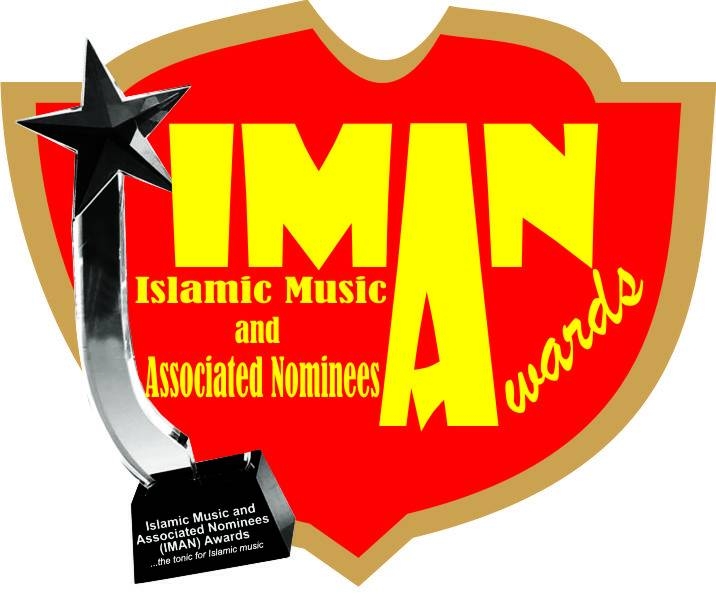
The waiting game is over as organizers of Islamic Music and Associated Nominees (IMAN) Awards, Different Stroke Media (DSM), have finally released nominations for the 2018 edition of the prestigious awards. Though, many stakeholders in the industry expected the annual award event to have been done with by now considering the fact that the 2017 edition took place on August 20th, but the organizers contend that the 2018 edition was left till now to get the best out of the event.
According to Saheed Ojubanire, the Chief Executive Officer (CEO) of DSM, when the 2017 edition was reviewed, it was realize that some quality musical works as well as a number of would-have-been nominees were shut out because the event held after Ramadan/Eid-el-Fitri celebration and before Eid-el-Kabir festival which by implication, meant that the albums released for the Eid-el-Kabir festivities and some new artistes who were thown up in some of those jobs were unwittingly denied the opportunity of nominations during the 2017 edition. And to guide against a repeat of that, the organizers have resolved to be holding the awards well after Eid-el-Kabir.
Without further ado, like it was done during the 2017, the 2018 edition’s winners would be determined through voting %100 by members of the public. The votes would be sent to a short code: 33811 using either MTN or Airtel line (voting with any other line would be invalid). And the procedure is just to type: “IMAN”, leave a space, type the serial number of the category they are voting in i.e.: “1”, leave a space, and then type the name of their favourite nominee as written on the list and send to 33811. For example: IMAN 1 Dare Melody or IMAN 2 Tope Alabi and send to 33811. Each vote costs #50.00 (Fifty Naira) and multiple votes are allowed on just the 2 stated telephone networks. The voting which is starting on October 1st, 2018, would end on Sunday, October 28th, 2018, and the award ceremony would hold on Sunday, November 4th, 2018, at a venue to be announced soon, in Lagos.
Below are the nominations for IMAN Awards 2018:
Islamic Music:
(1) Best Male Islamic Artiste: Saoty Arewa, Ere Asalatu, Ahmad
Alawiye, Ayeloyun, Ridwan Dosunmu, Ibrahim Labaeka.
(2) Best Female Islamic Artiste: Obi Rere, Ruqoyaah Gawat,
Mistura Temi Ni Success, Medinat Barrytide, Iyanghana, Azeezat Otibiya.
(3) Best Islamic Music Album: Oyin Ni Temi (Jemila Ope Dudu), Adua (Ere Asalatu), Igbeyawo (Saoty Arewa), E’Samin (Wasiu As-Sideeq), Suuru (Obi Rere), Olohun To Dami (Mutiu Akasho).
(4) Best Islamic Music Video:  Oni Ni (Ere Asalatu), Islam (Saoty Arewa), Kadara Eni (Obi Rere), I Miss You Muhammad (Alfa Mi Ni).
(5) Best Islamic Hip Hop Artiste: Hyb Addis, Lawizzy, Al-Mubarak
Kewuyemi, Gentle Malam, Abdulbaasit Allaahu-Ni, Aboki Anobi.
(6) Face of Islamic Music [Male]: Ere Asalatu, Ahmad Alawiye,
Ayeloyun, Saoty Arewa, Mumeen Esinogbamilaye, Wasiu As-Siddeeq.
(7) Face of Islamic Music [Female]: Obi Rere,
Iyankaola, Omotayebi, Wabilahi Taofeeq, Hafusat As-Sideeq, Iyanghana.
(8) Best New Male Islamic Artiste: Odere Arole Arewa, Oluomo Hamowiy, Aridunnu Ayeloyun, Tajudeen Omo Jeje, Arole Shehu, Razak Kakaaki.
(9) Best New Female Islamic Artiste: Ashabi Lady Saoty, Balikis Ariyo,
Kudirat Ike Anobi, Lateefat Qomorudeen, Halima Ariremako, Modinat Alanu-Omo.
(10) Most Fashionable Male Islamic Artiste: Ahmad Alawiye, Saoty
Arewa, Ere Asalatu, Ayeloyun, Amir Cisse, Saheed Aotipoto.
(11) Most Fashionable Female Islamic Artiste: Wabilahi Taofeeq, Queen
Seidah Rasheedah, Barry Tide, Iyanghana, Omotayebi, Rukayat Basirimi.
(12) Best Islamic Kid Artiste: Malik Okiki, Sabeeq
Eleshinla, Golden Son, Aishat Ayopo.
(13) Best Islamic Artiste in Stage Performance: Mistura Temi Ni
Success, Ahmad Alawiye, Omotayebi, Mariam Akiki, Ayeloyun, Ibraheem Labaika.
(14) Best Islamic Artiste in Diaspora: Latifa Omo Cairo (Egypt), Seidah Basirat Subair Olaogun (Dublin), Rodiat Adeboye (Dublin), Tajudeen Olanrewaju Rahman (America), Adhakir Tijani (Mr.Zhikri) (United Kingdom), Sekinat Omidiya (United Kingdom).
(15) Best Popular Tune Adaptation in Islamic Music: Saoty Arewa (Ligali Mukaiba Tune), Jemila Ope Dudu (Bolojo Tune), Kayefi (Apala Tune), Mutiu Akasho (Ajiwere Tune).
(16) Best Zhikri Based Islamic Artiste: Kifayat Jejeniwa, Queen
Seidah Rasheedah, Ridwan Dosunmu, Jemila Ope Dudu, Iyanghana, Seidah Ahmowiyah.
(17) Best Nashid Artiste: Crescents, Abdul-Azeez Shakirudeen, Muhammad Abdullah, Husayn Zaguru, Kabir Umar.
(18) Best Islamic Hip Hop Song: Azikiri (Al-Mubarak Kewuyemi), Battlefield (Ibn-Ridoh), Masha Allah (Hyb Addis), Allahu Akbar (Aboki Anobi), Mohammad ( Azakir Atapawiy).
(19) Fastest Rising Male Islamic Artiste: Mutiu Akasho, Hassan Omo Idunnu, Saheed Aotipoto, Kayefi, Onisuru Imotola.
(20) Fastest Rising Female Islamic Artiste: Awoko Arewa, Silifat Talolohun, Golden Kaphy, Ummu Niyass, Saida Fayegbami, Nafisat Eniafe.
(21) Best Islamic Music Collaboration: Aforijin (Obi Rere), Divorce (Saoty Arewa), Ramadan ( Akobi Esan 1), Ramadan (Barry Tide).
Associated Nominees:
(22) Best Featured Non Islamic Artiste in Islamic Music: Pasuma,
Saheed Osupa, Sefiu Alao, Sule Alao Malaika, Taye Currency, Adaradenu Jamaica.
(23) Best Islamic Music Video Editor: Saheed Oyeledun, Michael Oke,
Emmanuel Agbozo, Sulaimon Solaja, Aduragba Ahmed.
(24) Best Islamic Music Marketer: Okiki, Golden Point, Epsalum,
Mustoy, Abcon Music, Hasolad.
(25) Best Islamic Music Promoter: Golden Point, Okiki, Abcon Music.
(26) Best Supportive Radio Station to Islamic Music: Faaji f.m.
(Lagos), Bond f.m. (Lagos), Radio Lagos (Lagos), Family f.m. (Abeokuta),
Harmony f.m. (Ilorin).
(27) Best Supportive Individual to Islamic Music: MC Oluomo, Ibraheem
Dende, Yusuf Oko-Oloyun, Ajifat.
(28) Best Islamic Music Friendly Broadcaster (Male): Kokoro Alujana,
Baakini, Daud Alapotiowo.
(29) Best Islamic Music Friendly Broadcaster (Female):  Ewa Islam, Iya Sunna, Kudirat Ashani Olayinka.
(30) Best Supportive Islamic Cleric to Islamic Music: Sheikh Muri n
Bariga, Sheikh Alfulanny Olanrewaju, Sheikh Jamiu Ami Olohun, Sheikh
Sakorphy.
(31) Best Reporter of Islamic Music:  Taofik Afolabi, Gbolahan Adetayo,
Kazeem Aderohunmu, Samad Kewuyemi.
(32) Best Make-Up Artist in Islamic Music Video Shoot: Dammy Adams, Oluwatosin Adenusi, Joke Kupoluyi, Dayo Samuel, Titilayo Alausa, Aminat Ganiu.
(33) Best Camera Handler in Islamic Music Video Shoot: Adewale Yusuuf, Azeez Luqman, Adisa Lawal, Yomi Tijani.
(34) Best Studio Engineer in Islamic Music Production: T Reign (HXT
Sound Studio), Ola Kewusola (Zeemac Sound Studio), Mathew Samuel ( Icon Tune Studio).
(35) Best Islamic Artiste’s Manager: Lukman Abdulsalam (Saoty Arewa),
Ore-Ofe Idowu (Ere Asalatu), Babajide Sholu (Ayeloyun), Muritadho Sulaiman (Mistura Temi Ni Success), Ayilara Ajasa (Iyanghana), Odusanya Babatunde (Ruqoyaah Gawat).
(36) Best Islamic Artiste’s Fans’ Club Exco: Rufai Baseerat (Iyanghana Fans’ Club), Mujeedah Omo Imole ( Ruqoyaah Gawat Fans’ Club), Sulaimon Owoiya (Saoty Arewa Fans’ Club).
(37) Best Islamic Music Producer: Ariyo Producer, Kehinde Oriyomi, Yemi Crownfit, Taiwo Alimi, Issa Alabede, Kazeem Akogba.
(38) Best Islamic Music Video Director: Big Doo, Dare Zaka, Lacadelly,
L. Anisere, Big Cass, D. Mayor.
(39) Best Islamic Music Instrumentalist: Ademola Ayeloja, Elegun Akeem,
Kanamo Ganiu, Lateef Alao, Wale Oshogbo, Johnson Ayanlowo.
It should be noted that, like it was done in 2017, some new members would be inducted into IMAN Awards 2018 Hall of Fame and that include: Mr. Peter Anayor Okafor (Golden Point), Alhaji Mumeen Damilola (Esinogbamilaye), Alhaja Hafusat As-Sideeq (Ola Fathia), Alhaji Lukmon Babatunde (Eluku @ 40), Mr. Musiliu Sanni ( Mr. Bebe), Mr. Dipo Orishadipe (Big Doo) and Mr. Olatunji Ayinla (T Reign). And it is instructive to add that their induction which would be conducted by Dr. Ambrose Somide, the Managing Director, Radio Services, DAAR Communications Plc., would be regardless of whether those of them nominated in some relevant award categories win it or not.
There would also be presentation of Special Recognition Award to Veleta Fruit Drink as the Most Supportive Fruit Drink Brand to Islamic Music in Nigeria, another to Finger King Small Chops as the Most Supportive Finger Food Brand to Islamic Music in Nigeria, and another to Ijebulawa Garri as the Most Supportive Staple Food Brand to Islamic Music in Nigeria, at the event.
For enquiries, participation or to know the forms of sponsorship available in the awards, Saheed Ojubanitre can be reached on: 07034570500 or email: [email protected]
Continue Reading
Advertisement
1 Comment

You must be logged in to post a comment Login

Leave a Reply

society

UNIPGC AFRICA Seals Strategic Partnership with Greenvillage Empowerment Foundation for Capacity Building Initiatives Spearheaded by the Governor of Tana River County, Kenya

Published

on

*UNIPGC AFRICA Seals Strategic Partnership with Greenvillage Empowerment Foundation for Capacity Building Initiatives Spearheaded by the Governor of Tana River County, Kenya


In a significant step toward strengthening sustainable development and leadership capacity across Africa, *UNIPGC AFRICA* has officially sealed a strategic partnership with *Greenvillage Empowerment Foundation (GVEF)* to implement impactful capacity-building projects. The initiative is spearheaded by the Governor of Tana River County, Republic of Kenya.


The partnership was formalized through the signing of a *Memorandum of Understanding (MoU)* by key representatives of both organizations. Signatories to the agreement include *H.E. Amb. Jonathan Ojadah*, Global President of the United Nations International Peace and Governance Council (UNIPGC); *Amb. Jase Carlos Sousa,* Member of the UNIPGC Supreme Council; and *H.E. Maj. (Rtd.) Dr. Dhadho Godhana*, Executive Governor of Tana River County.


The MoU establishes a robust framework of cooperation between *UNIPGC* and *GVEF* reflecting a shared vision and strong alignment of values in promoting sustainable development, peace, and inclusive governance across Africa.


Under the agreement, both organizations will collaborate on a wide range of development initiatives, including the promotion of *democracy and good governance*, *climate change education and environmental sustainability*, *health promotion through water, sanitation and hygiene (WASH), Youth capacity building through Robust Film Production Ecosystem, sports development and gender equality and empowerment of marginalized communities*.


The partnership will also actively support and advance the *United Nations Sustainable Development Goals (UNSDGs)*.


As part of the collaboration, UNIPGC and GVEF have committed to establishing effective channels for joint action through the design and implementation of programs and projects that address shared development priorities. These initiatives will focus on strengthening leadership capacity, promoting inclusive participation in governance, and enhancing community-based development efforts.


Furthermore, the partnership will encourage mutual institutional support, enabling both organizations to provide *technical expertise, strategic guidance, and moral support* toward the successful implementation of their initiatives.


This landmark collaboration marks a major milestone in advancing cross-sector partnerships aimed at fostering *sustainable development, social inclusion, and transformational leadership across Africa*, while reinforcing the collective commitment of both organizations to achieving the *United Nations Sustainable Development Goals*

Continue Reading

society

Ajadi, Sheikh Sannu Sheu Charge Politicians on Good Governance

Published

on

Ajadi, Sheikh Sannu Sheu Charge Politicians on Good Governance


The Oyo State governorship aspirant on the platform of the Peoples Democratic Party (PDP), Ambassador Olufemi Ajadi Oguntoyinbo, has emphasised the need for politicians to embrace good governance and people-oriented leadership as a fundamental principle of politics in Nigeria.


Ajadi made this call on Friday, shortly after the 4th Annual Ramadan Lecture, organised under his Omituntun 3.0 platform at the BCOS Garden, Bashorun, Ibadan, where he spoke with journalists on the significance of the lecture, themed “Oselurere” (Good Governance).


The well-attended event featured a lecture by a renowned Islamic scholar, Fadheelatus-Sheikh Al-Mufasir Usman Sannu Sheu, the Chief Tafseer of Ilorin Emirate, Al-Adaby, who spoke extensively on the Islamic and socio-political perspectives of good governance, stressing that leadership must be anchored on justice, accountability, and service to humanity.


Speaking after the event, Ajadi explained that the choice of Oselurere as the theme for this year’s lecture was deliberate, noting that it was necessary to educate both current and aspiring politicians on the true essence of politics as service to the people.


According to him, the practice of good politics must be properly understood from both religious and socio-political viewpoints so that the coming generation of leaders can develop the right character for public service.


He said: “Oselurere, which means good governance, was carefully chosen as the topic so we can hear from our guest lecturer about the rewards of practising good politics and also understand what good politics is all about.”


He added that the lecture was also intended to correct the mindset of politicians who seek public office without clear plans to improve the lives of the people.


“The topic is also chosen so that politicians will learn that they should not just assume office without having good things in mind to offer the masses and our nation. That is why we invited our Islamic and renowned scholar, Sannu Sheu, to treat this important subject,” he said.


Reflecting on the history of the annual lecture, Ajadi disclosed that the first three editions were held in Ogun State, where the focus was on humanitarian services and feeding programmes during Ramadan as a way of demonstrating compassion and service to humanity.


The first to third Ramadan lectures hosted by me were held in Ogun State for Muslims and people of other faiths to witness how good it is to feed people and render humanitarian services. The month of Ramadan is one of the best periods to demonstrate these virtues, and that is why I have come to my father’s state of origin, Oyo State, to continue the humanitarian services,” he said.


He further called on Nigerians to use the Ramadan and Lenten periods as opportunities for spiritual rebirth, unity, and prayers for the nation.


“Let us use this period of Ramadan and Lent to learn how to live together in peace, remain united, and be prayerful for our country,” Ajadi advised.


The PDP gubernatorial aspirant also expressed optimism about the electoral fortunes of his party in future elections, saying he believes the PDP will record victories at different levels.


“By the grace of God, our great party will be on the ballot and there will be total victory in the various political offices our candidates will contest for,” he added.


In his lecture, Sheikh Sannu Sheu emphasised that good governance is not only a political obligation but also a moral and religious responsibility. He said Islam places a high premium on leaders who are just, trustworthy, and committed to the welfare of their followers.


The cleric explained that the concept of Oselurere goes beyond political promises, stressing that it includes fairness, transparency, accountability, and prioritising the needs of the weak and vulnerable in society.


He urged leaders at all levels to see their positions as a trust (Amanah) from God and the people, warning that they would be held accountable for how they exercise authority.

The scholar also encouraged citizens to support leaders with prayers and constructive engagement while also holding them accountable through lawful means.


The event attracted Islamic clerics, political stakeholders, community leaders, party members, and residents of Ibadan and its environs. It also featured Qur’anic recitations, special prayers for Oyo State and Nigeria, as well as spiritual musical performances by notable Islamic artistes.


Some of the political stalwarts who graced the occasion included the Executive Chairman of Egbeda Local Government and Chairman of ALGON, Hon. Sanda Sikiru Oyedele; the Oyo State Commissioner for Women Affairs and Social Inclusion, Hon. (Mrs.) Toyin Balogun; and Chief Babatunde Tijani, popularly known as “Double T,” a prominent political figure and Olori-Ebi of the Omituntun Dynasty, among other political leaders.


Observers noted that the annual Ramadan Lecture has continued to grow in prominence, serving as a platform for discussing the intersection between faith, governance, and societal development while also promoting peaceful coexistence among Nigerians of different religious and political backgrounds.

Continue Reading

society

Nigeria on the Edge: Rising Violence, Economic Hardship and Weak Institutions Fuel Fears of State Failure

Published

on

Nigeria on the Edge: Rising Violence, Economic Hardship and Weak Institutions Fuel Fears of State Failure

By George Omagbemi Sylvester


“A leading political scientist raises alarm over rising insecurity, weakening institutions, and economic policies that are deepening hardship for millions of Nigerians.”

Nigeria is facing a growing national crisis as insecurity spreads, democratic institutions weaken, and economic policies continue to deepen hardship for millions of citizens. The country is increasingly confronted with a dangerous convergence of political repression, worsening insecurity, and economic instability that many analysts warn could push the state toward systemic failure if urgent corrective actions are not taken.

Across the country, violence is spreading while government institutions that should safeguard democracy appear to be struggling to maintain credibility and independence. At the same time, economic reforms intended to stabilize the nation’s finances have imposed significant burdens on ordinary Nigerians already grappling with rising living costs.

Nigeria is currently confronting simultaneous challenges on several fronts. Insecurity remains one of the most pressing issues threatening national stability.

The insurgency led by Boko Haram and its splinter faction Islamic State West Africa Province (ISWAP) has persisted for more than a decade. Since the insurgency began in 2009, the conflict has killed more than 40,000 people and displaced over two million civilians in northeastern Nigeria.

Recent reports indicate that attacks on military formations have intensified, particularly around Maiduguri. Militants have continued to target security forces and civilian populations, raising fears that insurgent groups are attempting to strengthen their control in parts of the northeast.

Meanwhile, banditry and organized criminal networks have expanded across Nigeria’s northwest and north-central regions. Armed groups operate across territories stretching from Sokoto and Zamfara toward Niger and Kwara states, carrying out kidnappings, attacks on rural communities, and large-scale destruction of property.

States such as Borno, Zamfara, Sokoto, Benue, and Plateau continue to experience recurring violence, with communities frequently caught between insurgents, bandits, and overstretched security forces.

https://www.stanbicibtcbank.com/nigeriabank/personal/products-and-services/all-loans/stanbic-ibtc-mreif-home-loans


Beyond the security crisis, concerns are also mounting over the state of Nigeria’s democratic institutions.

The judiciary, once widely regarded as a critical pillar of the country’s democracy, is increasingly perceived by critics as being vulnerable to political influence. Questions about judicial independence have intensified as legal decisions in politically sensitive cases continue to spark controversy.

Similarly, the role of the police has come under scrutiny. Critics argue that law enforcement agencies often focus heavily on protecting political elites and high-profile individuals while many communities remain exposed to crime and insecurity.

Such developments have fueled public debate about the strength of Nigeria’s institutional framework and its ability to uphold justice, accountability, and democratic governance.

At the same time, Nigeria’s economic situation continues to generate widespread public concern.

Economic reforms implemented under the administration of President Bola Ahmed Tinubu, including the removal of fuel subsidies and the floating of the national currency in 2023, were designed to stabilize public finances and attract investment. However, these policies have also contributed to a sharp rise in living costs.

Inflation, currency volatility, and increasing energy prices have significantly reduced the purchasing power of many Nigerian households. Electricity tariffs and various taxes have increased, placing additional pressure on citizens whose incomes have not kept pace with rising expenses.

While international institutions such as the International Monetary Fund have praised Nigeria’s macroeconomic reforms, many Nigerians argue that the benefits of these policies have yet to translate into meaningful improvements in their daily lives.

The agricultural sector provides a clear example of the difficulties currently facing the economy.

Nigeria spent roughly ₦51 billion on rice imports in 2024, signaling a reversal of earlier efforts aimed at achieving self-sufficiency in rice production. Rising production costs, expensive energy, and limited access to affordable financing have forced many farmers to abandon rice cultivation.

Farmers in major agricultural states such as Kano, Kebbi, and Jigawa are reportedly exiting rice production due to mounting losses. At the same time, local rice mills that once flourished are struggling to compete with cheaper imported rice.

Industry leaders have warned that Nigeria’s rice value chain could face serious collapse if current conditions persist. Many mills are now operating far below capacity, with high fuel costs and interest rates making it difficult to sustain operations.

Political tensions are also beginning to rise as the country gradually moves toward the 2027 general elections.

Observers warn that the normalization of political intimidation or violence could weaken democratic competition. History shows that democracies rarely collapse suddenly; instead, they erode gradually as intimidation, coercion, and reprisals become more common in political life.

If such trends continue, elections may still take place formally while the deeper democratic meaning of political participation becomes diminished.

Nigeria now faces what many observers describe as a defining moment in its modern history. The combination of insecurity, economic hardship, and institutional fragility presents serious challenges that require decisive leadership and comprehensive policy responses.

Strengthening democratic institutions, improving security coordination, and implementing economic policies that genuinely improve citizens’ living conditions will be essential to stabilizing the country.

Without meaningful reforms and renewed commitment to accountable governance, Nigeria risks drifting closer to a scenario that many citizens fear—a nation struggling to protect its people, sustain its economy, and preserve the democratic ideals upon which its republic was built.


Nigeria on the Edge: Rising Violence, Economic Hardship and Weak Institutions Fuel Fears of State Failure By George Omagbemi Sylvester

Continue Reading

Cover Of The Week

Trending