
Politics
ONDO STATE SET TO BECOME NIGERIA’S NEXT BUSINESS HUB — AJANAKU

. . . Power reforms, IGR drive, and infrastructure expansion fueling growth
Ondo State is fast shedding its old image as a civil service-dominated economy and emerging as one of Nigeria’s most promising business and investment destinations, thanks to the proactive reforms of the administration of Governor Lucky Orimisan Aiyedatiwa.
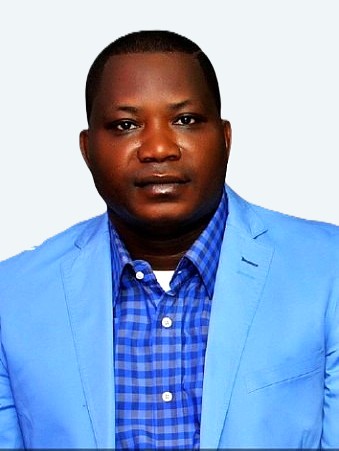
The Commissioner for Information and Orientation, Hon. Idowu Ajanaku, made this known in Akure while highlighting the government’s multi-sectoral efforts aimed at transforming the state into a vibrant economic hub through the OUR EASE Agenda.
Ajanaku explained that the state’s transformation is being anchored on strategic investments in infrastructure, power, agriculture, tourism, and revenue generation, all of which are repositioning Ondo State for sustainable growth and investor confidence.
The Commissioner commended the Ministry of Energy and Power for its remarkable progress in improving electricity access and reliability across the state.
According to him, the distribution of over 13,000 prepaid meters to residents and small business owners has drastically reduced estimated billing, enhanced transparency, and boosted the confidence of investors.
He further noted that the Ondo State Power Company (OSPC) has intensified regulatory oversight and coordination with distribution companies to ensure stable power supply. This, he said, has led to increased productivity and expansion for many small and medium-scale enterprises (SMEs), creating a new wave of business optimism across the state.
“Regular electricity supply is the backbone of industrial development, and Governor Aiyedatiwa’s administration understands this clearly. The renewed energy policy and the state power company’s efficiency are already driving business growth,” Ajanaku added.
The Commissioner also commended the Ondo State Internal Revenue Service (ODIRS) for its excellent drive and dedication in boosting the state’s Internally Generated Revenue (IGR).
He said ODIRS has improved revenue collection systems through digital innovation, tax education, and transparent operations — strategies that have strengthened the state’s fiscal capacity to fund infrastructure and social projects.
“The IGR drive has not only increased the state’s financial independence but also built public confidence in government accountability and service delivery,” Ajanaku emphasized.
Ajanaku described infrastructure as a cornerstone of the Aiyedatiwa administration’s economic policy. He listed several ongoing road projects including the Ikare–Akungba dualization, Akure–Idanre dualization, Okitipupa–Igbokoda road, flyover bridge on Akure – Ilesa expressway and multiple internal road rehabilitations as evidence of the government’s commitment to ease movement and business accessibility.
He further mentioned Araromi–Lekki road, which will link Ondo directly to Lagos, significantly expanding trade, logistics, and tourism opportunities if completed.
“When these infrastructure projects are completed, Ondo will naturally attract industries, logistics companies, and investors seeking a business-friendly location between the South-West and South-South corridors,” he stated.
He also spoke on the forthcoming Port Ondo project, describing it as a “game changer” that will open up new frontiers in maritime trade, logistics, and industrialization.
Highlighting the state’s vast agricultural potential, Ajanaku reiterated that Ondo remains Nigeria’s leading cocoa producer and the second largest in West Africa. He said the government is strengthening value addition and agribusiness investment to create jobs and boost export revenue.
In tourism, he announced the government’s approval for the revival of the annual MARE Mountain Climbing Festival in Idanre, scheduled for December, which will further stimulate the local economy and attract investors through public-private partnerships.
Hon. Ajanaku concluded with a confident appeal to both local and foreign investors to take advantage of the state’s ongoing transformation.
“Ondo State is ready for business. We have the resources, strategic location, power stability, and transparent governance that investors are looking for. The Aiyedatiwa administration is determined to turn Ondo into Nigeria’s next business hub.”




*Renewed Hope Ambassadors Step Into the Next Phase
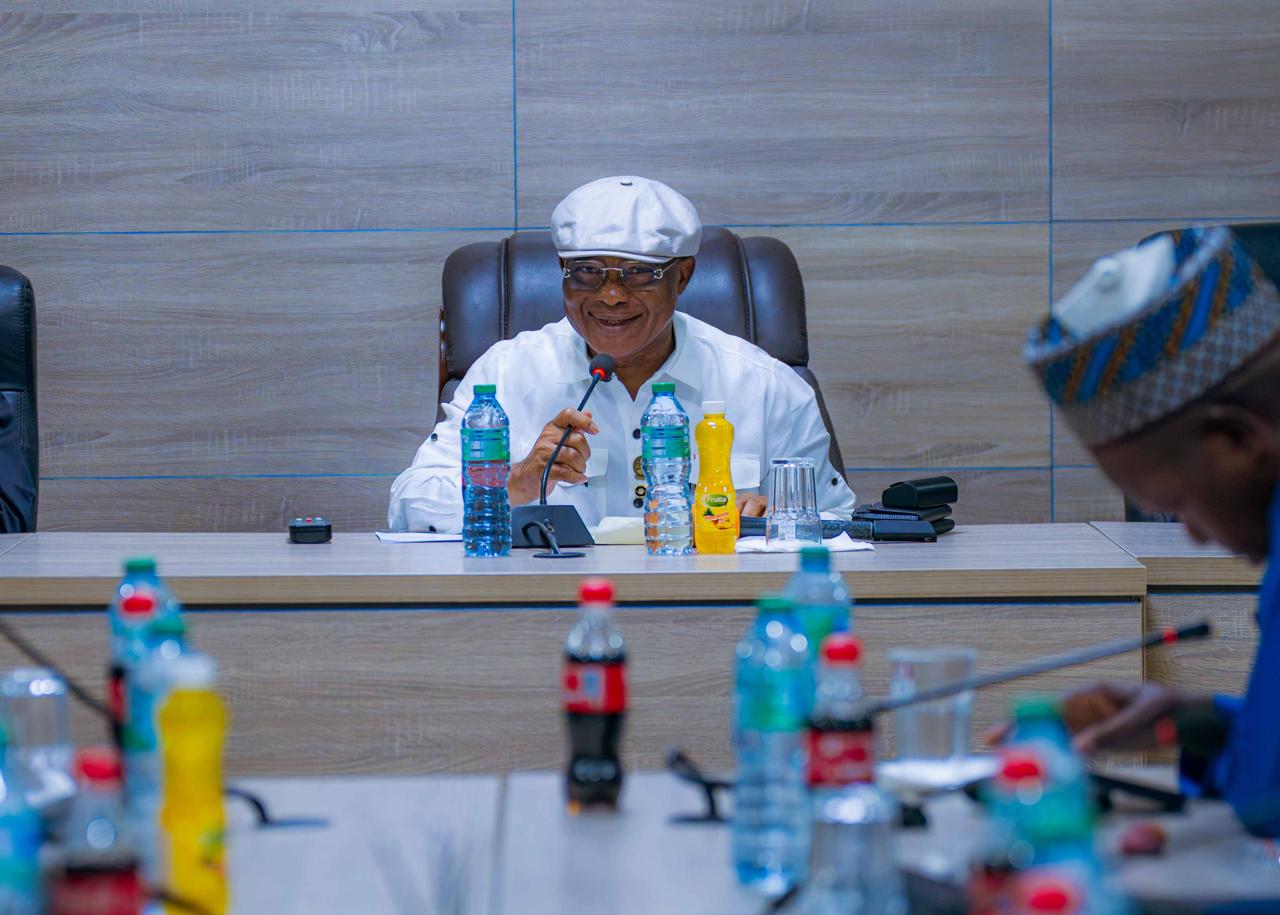
Fresh from the successful APC 2026 National Convention, the Renewed Hope Ambassadors National, Zonal, and State leadership gathered in Abuja over the weekend, for its fourth strategic meeting, setting the tone for nationwide grassroots activation ahead of 2027.
Chaired by Governor Hope Uzodinma (Imo State) the Director General and National Coordinator of the Renewed Hope Ambassadors, alongside Deputy Director-General, Governor Uba Sani of Kaduna State, and Governor Inuwa Yahaya of Gombe State as Secretary, the session reinforced one clear direction: One Party. One Message. One Mobilization whilst also laying out a strategic roadmap for the activation of the network across all communities in Nigeria.
Backed by the strength of 31 APC-led states, the Renewed Hope Agenda is taking Bola Ahmed Tinubu’s message of progress and reform to every corner of Nigeria.
From bold economic restructuring to initiatives like NELFUND, the increase in the national minimum wage from ₦30,000 to ₦70,000, and strategic investments in critical sectors, including PNiCGI, the mission remains clear: helping Nigerians understand both the purpose and the progress of the Renewed Hope vision.
This is coordination at scale. This is grassroots engagement with purpose. This is the next phase of Renewed Hope with One Party, One Message, and One Mobilisation framework
#RenewedHopeAmbassadors #APC #WeAreAPC


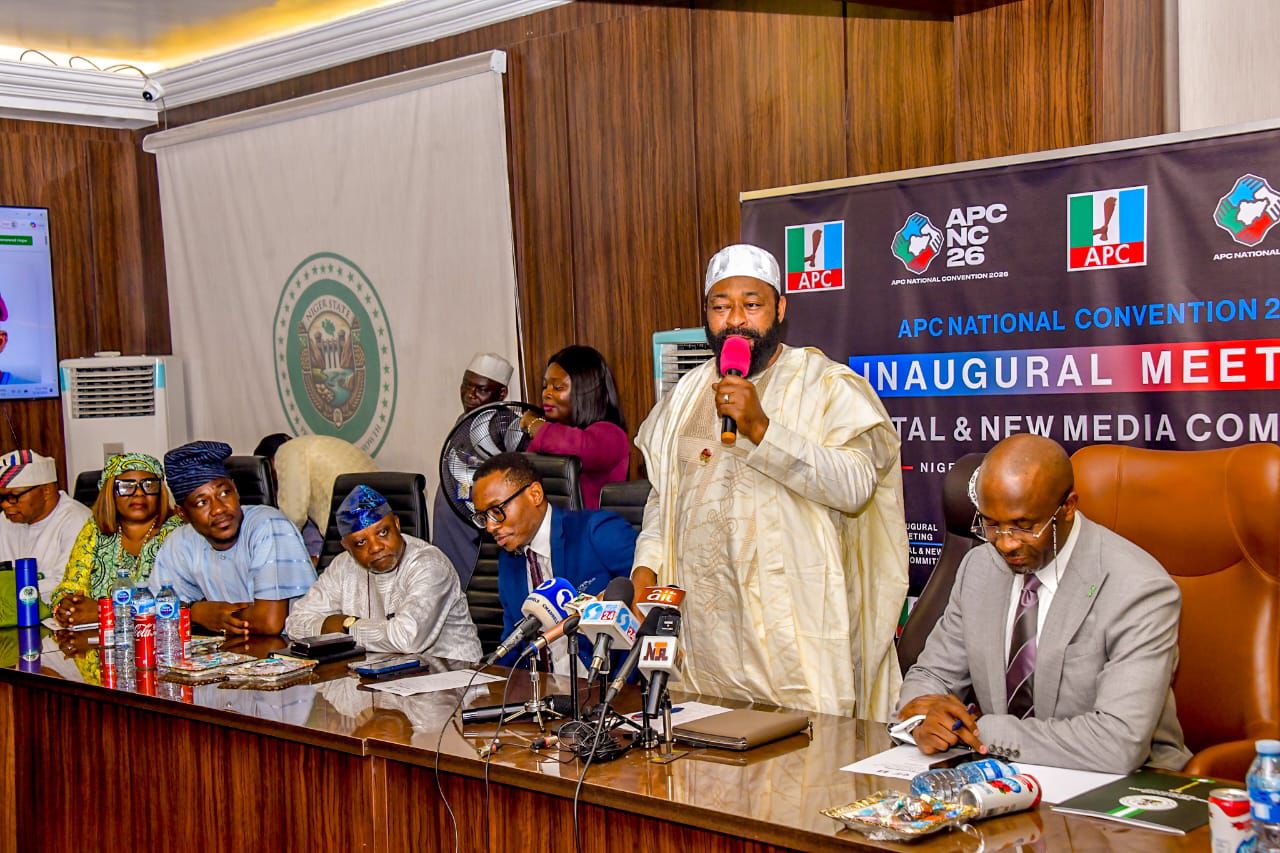
Governor Bago Inaugurates APC Digital Media Sub-Committee Ahead of National Convention.
Governor Umaru Bago has inaugurated the Digital Media Sub-Committee for the forthcoming National Convention of the All Progressives Congress (APC), scheduled to hold on March 27 and 28, 2026 in Abuja.
Chairing the sub-committee, Governor Bago tasked members with the responsibility of effectively communicating the party’s manifesto to the public.
He emphasized the need to leverage social media platforms to highlight the achievements and ongoing efforts of President Bola Ahmed Tinubu, noting that communication gaps have posed challenges that must now be decisively addressed.
The Co-Chair of the sub-committee, Hon. Benjamin Kalu, Deputy Speaker of the House of Representatives, echoed the Governor’s position, urging members to project the activities of both the party and the government to a broader audience.
He called for a deliberate and coordinated effort to showcase the party’s achievements and policy direction, stressing the importance of shaping a compelling and consistent narrative across all digital platforms.
Delivering a presentation to the committee, Otega Ogra, SSA to the President on New Media, who serves as Secretary of the sub-committee, outlined strategic focus areas to guide the team’s operations.
His presentation highlighted communication priorities and actionable steps to achieve the committee’s mandate and strengthen the party’s digital engagement.


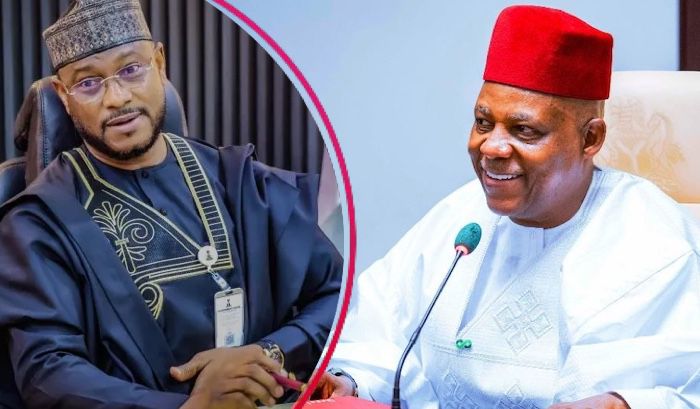
VP Shettima Set to Lead Delegation to Zamfara as Governor Dauda Lawal Formally Joins APC
The Zamfara State chapter of the All Progressives Congress (APC) has finalized plans to receive Vice President Kashim Shettima for the formal defection and reception of Governor Dauda Lawal into the ruling party, scheduled to take place on Tuesday.
State APC Chairman, Tukur Danfulani Maikatako, disclosed this during a high-level stakeholders’ meeting held in Gusau, the state capital. He noted that the Vice President would be joined by the party’s national leadership to mark what he described as a landmark political realignment in the state.
Maikatako expressed the party’s excitement over Governor Lawal’s return, recalling that Zamfara had historically been an APC stronghold and that the Governor was previously a bona fide member of the party before his earlier exit.
“We all know that Zamfara has long been one of the APC’s stronghold states, where the defected Governor was once a bona fide member. Now that he has decided to return home, having been satisfied that the APC remains his second choice after the one he left for obvious reasons,” Maikatako stated.
The Chairman called on all party faithful across the 147 wards in the state’s 14 local government areas to turn out en masse to honour the Vice President’s visit. He emphasized that the event was strategically positioned to bolster the party’s popularity and strengthen its structures ahead of the 2027 general elections.
In a strong appeal for unity, Maikatako urged members to set aside all factional tendencies, stressing that the APC remained one political family with shared goals, particularly the ambition to make Zamfara and Nigeria great again.
Echoing similar sentiments, a former state APC Chairman, Lawal M. Liman, appealed to members to cascade the message to their wards and local government areas. He reinforced the need for cohesion, noting that the party’s collective strength would be critical to achieving success in future elections.

All eyes are now on Gusau as the ruling party prepares for a high-profile political gathering expected to further consolidate its influence in Zamfara State.


-

 society6 months ago
Religion: Africa’s Oldest Weapon of Enslavement and the Forgotten Truth
-

 news4 months ago
WHO REALLY OWNS MONIEPOINT? The $290 Million Deal That Sold Nigeria’s Top Fintech to Foreign Interests
-

 society6 months ago
“You Are Never Without Help” – Pastor Gebhardt Berndt Inspires Hope Through Empower Church (Video)
-

 celebrity radar - gossips2 months ago
Dr. Chris Okafor Returns with Power and Fire of the Spirit -Mounts Grace Nation Altar with Fresh Anointing and Restoration Grace on February 1, 2026