
celebrity radar - gossips
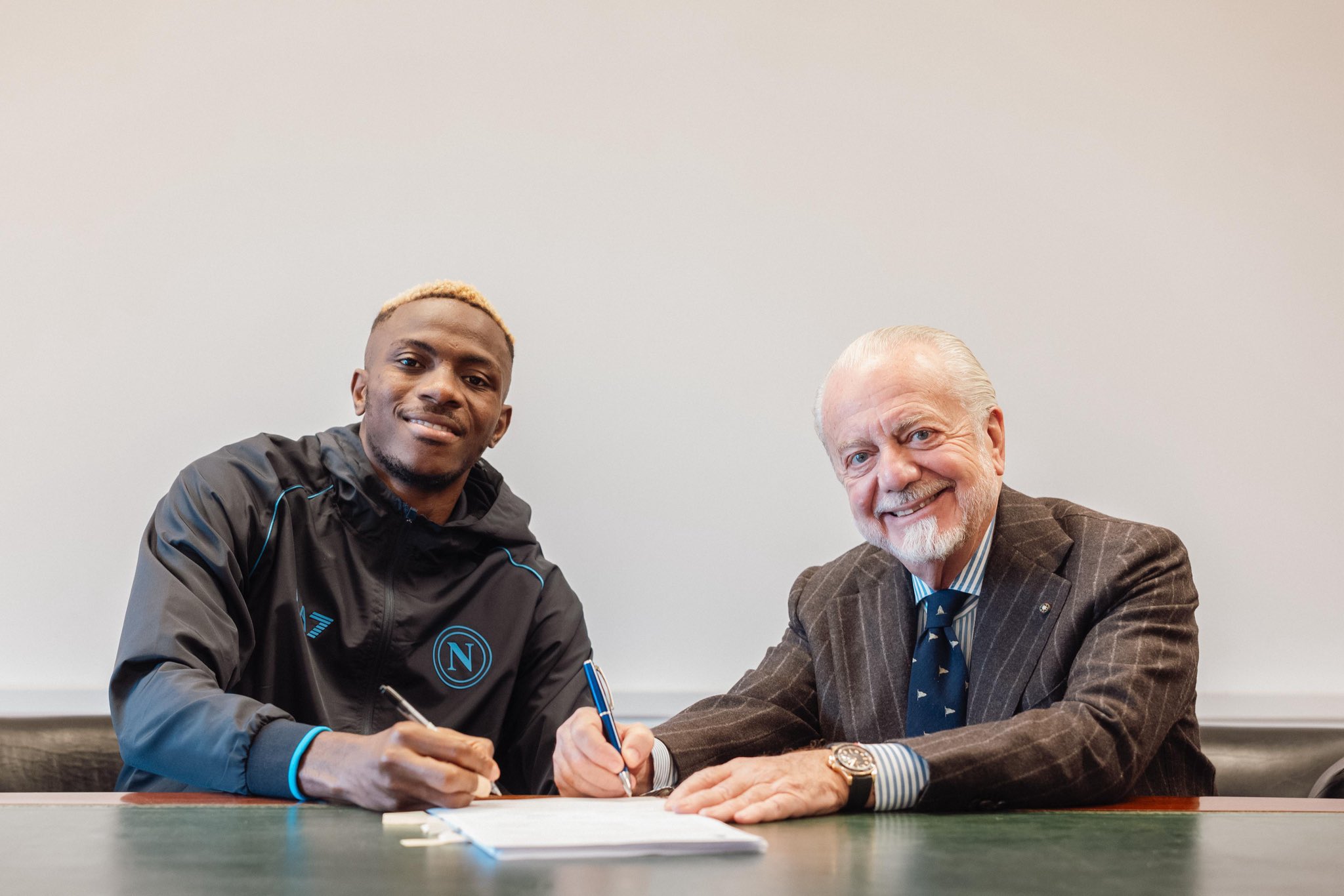
OSIMHEN: Top 25 Nigerian footballers overseas earn $77.66m annually

OSIMHEN: Top 25 Nigerian footballers overseas earn $77.66m annually
Since ex-Nigeria midfielder Sylvanus Okpala blazed the trail in 1983, when he joined Uniao of Portugal from Enugu Rangers, there has been an astronomical increase in the number of Nigerian footballers venturing overseas to sign lucrative contracts with foreign clubs, making significant strides in the global football arena in terms of performance and earnings. Based on information on the various player earnings websites such as Salary Sport and Capology, here are the top 25 Nigerian players plying their trade overseas who collectively rake in a whopping $71.73m, approximately N81.86bn annually, PETER AKINBO writes
- Victor Osimhen (Galatasaray, $16.96m)
Victor Osimhen is currently the highest-earning Nigerian player, with an annual wage of $16.96m.
At 25, Osimhen has firmly established himself as one of the best forwards in the world, leading Napoli to their first Serie A title in over three decades during the 2022/23 season. His performances earned him accolades, including the Serie A Best Striker award and the 2023 African Player of the Year award.
As Serie A’s highest-paid player, Osimhen accounts for nearly 24% of the total earnings of the top 25 Nigerian players. This not only cements his status as Nigeria’s top earner but also places him among the highest-paid African footballers globally. He just completed a loan move to Galatasaray in Turkey.
- Alex Iwobi (Fulham, $5.57m)
Alex Iwobi, who recently moved from Everton to Fulham in the Premier League, earns $5.57m) annually.
The 28-year-old midfielder has found a new lease of life since his move to Craven Cottage, becoming a key player for the London club with his versatility and creativity in the Premier League.
- Wilfred Ndidi (Leicester City, $5.05m)
Leicester City’s midfield powerhouse, Wilfred Ndidi, earns $5.05m annually at the Premier League side
The 27-year-old has been a mainstay in Leicester’s midfield since his arrival in 2017.
Renowned for his tackling and defensive contributions, Ndidi was instrumental in Leicester’s FA Cup triumph in 2021 and their Community Shield win in 2022, and he figured prominently in their Championship triumph last season as the Foxes secured an immediate return to the Premier League.
- Samuel Chukwueze (AC Milan, $4.84m)
Samuel Chukwueze, who joined AC Milan from Villarreal in 2023, is another high-earner with an annual salary of $4.84m.
The 25-year-old winger, known for his speed and dribbling ability, was a key player for Villarreal during his time in Spain, helping them secure the UEFA Europa League title in 2021.
His switch to Milan has further elevated his career, and he has promised to dazzle in the Serie A this campaign.
- Joe Aribo (Southampton, $4.66m)
Joe Aribo, a versatile midfielder with Premier League side Southampton, takes home $4.66m) annually.
The 28-year-old joined the Saints from Rangers and quickly became a mainstay in their lineup.
Aribo, whose creativity and eye for goal have made him a crucial player for both club and country, was instrumental in Southampton regaining their Premier League status last term.
- Kelechi Iheanacho (Sevilla, $4.40m)
Kelechi Iheanacho will earn $4.40m per year at Spanish La Liga side Sevilla following his summer arrival at the club as a free agent on a two-year contract.
The 28-year-old forward has built a reputation for scoring crucial goals, particularly in cup competitions.
Despite Leicester’s struggles in 2022/23, Iheanacho remained one of their most reliable goal-scorers and will be pivotal for his new employers in Spain as well.
- Taiwo Awoniyi (Nottingham Forest, $3.37m)
Taiwo Awoniyi is a key player for Nottingham Forest, where he earns $3.37m annually at the Premier League club.
The 27-year-old striker helped the club with key goals in their final matches of last season as they beat relegation last season following their return to the Premier League, scoring.
- Calvin Bassey (Fulham, $2.98m)
Calvin Bassey, a 24-year-old defender, joined Premier League outfit Fulham from Ajax and earns $2.98m annually.
Known for his versatility, Bassey can play both as a centre-back and a left-back, which makes him a valuable asset for the London club.
- Moses Simon (Nantes, $2.65m)
Moses Simon, one of Nigeria’s most consistent wingers, earns $2.65m a year at French club Nantes.
The 29-year-old has been a consistent standout performer in Ligue 1, where he is renowned for his pace and dribbling skills.
Simon was instrumental to Nantes’ Coupe de France win in 2022.
- Ola Aina (Nottingham Forest, $2.69m)
Ola Aina recently returned to the Premier League with Nottingham Forest, where he earns $2.69m annually.
The 27-year-old fullback is known for his versatility, and he is capable of playing on both flanks.
Aina’s experience in Serie A with Torino has helped him mature into a reliable defender for club and country.
- Frank Onyeka (Brentford, $2.69m)
Onyeka, 27, has been a key figure in Brentford’s midfield since joining them in 2021. His energy and box-to-box play have been crucial to the Bees’ Premier League survival.
The Nigeria international earns $2.69m annually at Brentford Community Stadium.
Onyeka has been an integral part of Brentford’s midfield since joining from FC Midtjylland in 2021.
- Ademola Lookman (Atalanta, $2.46m)
Ademola Lookman, currently playing for Atalanta in the Italian Serie A, earns $2.46m per year.
The 26-year-old winger enjoyed a stellar debut season in Italy, finishing as Atalanta’s top scorer in the 2023/24 campaign, which he topped up with a hat-trick in the Europa League final to secure Atalanta’s first-ever European trophy.
Lookman’s pace and finishing ability have made him a key figure in Gian Piero Gasperini’s side.
- Victor Boniface (Bayer Leverkusen,$2.20m)
Victor Boniface has swiftly made a name for himself at German Bundesliga side Bayer Leverkusen, where he is tied to a $2.20m annual salary.
He was part of the Invincibles squad last season as they won the league and domestic cup, which was double unbeaten in all competitions except the UEL final against Atalanta.
The 23-year-old striker joined Union Saint-Gilloise and has impressed in the Bundesliga with his physical presence and goal-scoring prowess.
- Chidera Ejuke (Sevilla, $2.07m)
Chidera Ejuke, a dynamic winger who also just completed his move to Sevilla in the Spanish La Liga, earns $2.07m per year.
Known for his dribbling and creativity, the 26-year-old was a key player in the Russian Premier League for CSKA Moscow.
- Paul Onuachu (Trabzonspor, $1.94m)
Onuachu, a towering striker, currently plying his trade with Southampton in the Premier League, earns $1.94m annually.
The 30-year-old, who excelled on loan at Turkish Super Lig side Trabzonspor last season, joined the Saints in 2023 after a prolific spell in Belgium with Genk. His aerial prowess has added a new dimension to the Saints’ attack.
- Nathan Tella (Bayer Leverkusen, $1.94m)
Nathan Tella, a versatile winger who recently moved to Bayer Leverkusen in the German Bundesliga, earns $1.94m per year.
Like Boniface, he was also pivotal in their double-winning campaign, contributing crucial assists and late goals.
The 25-year-old’s pace and direct running have made him a key part of Xabi Alonso’s high-flying side.
- Gift Orban (Lyon,$1.94m)
Gift Orban, a rising star at French Ligue 1 outfit Lyon, takes home £,$1.94m a year.
The 22-year-old forward burst onto the scene with a remarkable goal-scoring feat in the Belgian Pro League at Gent before securing his move to the Ligue 1.
The young striker’s goal-scoring exploits have already made him a fan favourite at the French club after he scored three late goals in their domestic cup run to take them to the final, where they lost to PSG last season.
- Cyriel Dessers (Rangers, $1.81m)
Cyriel Dessers is a striker with Glasgow Rangers, earning $1.81m annually.
The 29-year-old forward has played across multiple European leagues, including Italy and the Netherlands, where he was top scorer in the Eredivisie and in the Europa League for Feyenoord.
Dessers’ ability to find the back of the net has made him a key addition to Rangers.
- Umar Sadiq (Real Sociedad, $1.32m)
Umar Sadiq, a 27-year-old striker, earns $ 1.32 monthly on the Spanish La Liga side Real Sociedad.
The tall and powerful forward has made a name for himself in Spain, first with Almeria and now with Real Sociedad. His ability to hold up play and score crucial goals has made him an important asset for the Basque club as they compete in both La Liga and European competitions.
- Isaac Success (Udinese, $1.21m)
Isaac Success, a 28-year-old forward, takes home $ 1.21m per year at Italian Serie A club Udinese.
The versatile attacker, who can play across the front line, has found a stable home in Italy after his time in England with Watford. Success’s strength and technical ability have made him a useful player for Udinese as they navigate the highly Italian topflight.
- Odion Ighalo (Al-Wehda, $1.10m)
Veteran striker Odion Ighalo continues to earn handsomely even though he is in the twilight of his career, with an annual salary of $1.10m at Al-Wehda in Saudi Arabia.
The former Manchester United forward remains one of Nigeria’s most successful exports, having enjoyed a prolific stint in Asia.
- William Troost-Ekong (PAOK $1.08m)
William Troost-Ekong, a reliable central defender, was earning £$1.08m per year at PAOK before securing a move to the Saudi Pro League last week.
The 31-year-old has been a consistent presence for the Super Eagles and brings leadership and experience to his club side.
- Terem Moffi (OGC Nice, $1.00m)
Terem Moffi is one of Ligue 1’s exciting strikers, with an annual wage of $1.00m at OGC Nice.
The 25-year-old forward has made a name for himself with his goal-scoring exploits in France, consistently finding the back of the net for both Lorient and Nice.
- Peter Olayinka (Red Star Belgrade, $0.87m)
Peter Olayinka is an established forward who earns $0.87m) annually at Serbian his Serbian club.
The 28-year-old has enjoyed success in Eastern Europe, particularly during his time at Slavia Prague, where he was a notable protagonist of their domestic dominance.
- Zaidu Sanusi (FC Porto, $0.87m)
Zaidu, 26, earns $0.87m annually at Portuguese giants FC Porto, where he has been a regular feature at left-back for Porto since joining in 2020.
His defensive solidity and attacking contributions have made him one of Portugal’s top full-backs, as they compete at the highest levels in Portugal and Europe.
@punchng





PROPHET KINGSLEY AITAFO MARKS BIRTHDAY WITH MESSAGE OF FAITH, SERVICE
LAGOS, NIGERIA — Renowned cleric, Prophet Kingsley Aitafo, is being celebrated today by followers, associates, and members of the Christian community as he marks his birthday, with tributes pouring in to honor his spiritual impact and years of dedicated service.
The birthday of the respected prophet has become more than a personal milestone, as admirers describe it as a moment to reflect on a life devoted to faith, leadership, and humanitarian outreach.
Known for his passionate teachings and prophetic ministry, Aitafo has built a reputation as a voice of hope to many within and beyond Nigeria.
Close associates say the cleric’s journey has been defined by unwavering commitment to spiritual growth and the upliftment of lives. Through his ministry, he has continued to emphasize prayer, discipline, and a deep connection with God as pathways to personal transformation.
In commemoration of the occasion, special prayers and goodwill messages have been organized by followers across different platforms, many of whom credit his teachings for inspiring positive change in their lives.
“His life is a testimony of grace and dedication,” one associate noted. “He has remained steadfast in his calling, impacting countless lives with messages of faith and encouragement.”
Observers also highlight his role in mentoring young believers and providing spiritual guidance in challenging times, describing him as a leader whose influence extends beyond the pulpit.
As he celebrates another year, well-wishers have continued to pray for greater strength, wisdom, and expansion of his ministry, expressing confidence that his influence will continue to grow in the years ahead.
Today’s celebration stands not only as a birthday tribute, but as a recognition of a life many say has been committed to service, faith, and the advancement of the gospel.
celebrity radar - gossips
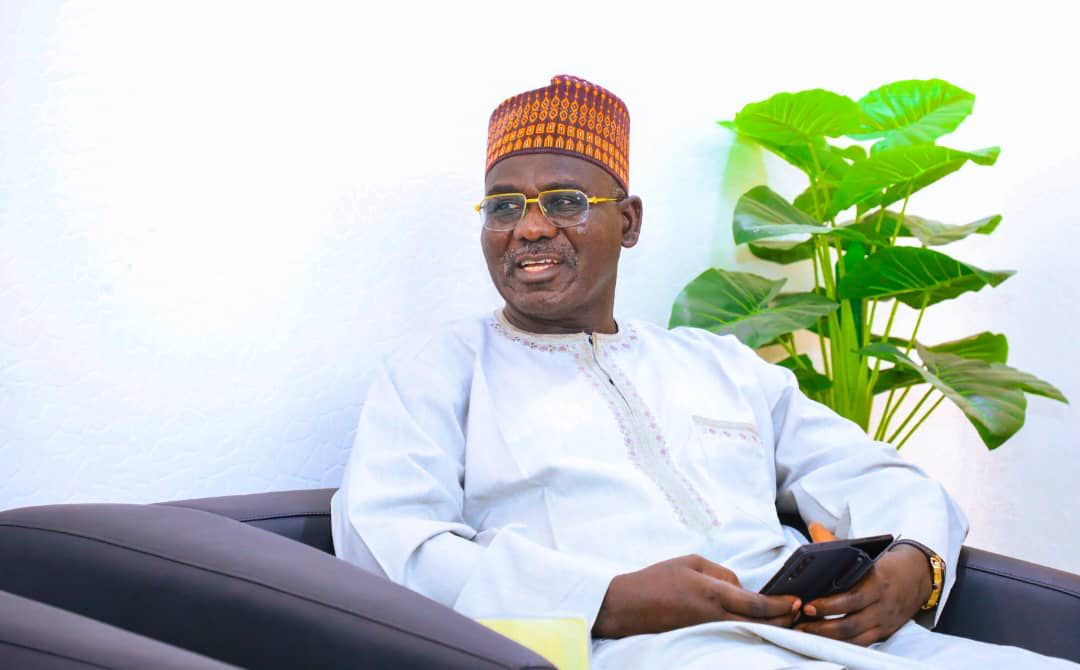
BURATAI HAILED AS ‘FRONTLINE GENERAL’ AS PRAISE TRAILS MILITARY, DIPLOMATIC SERVICE
BURATAI HAILED AS ‘FRONTLINE GENERAL’ AS PRAISE TRAILS MILITARY, DIPLOMATIC SERVICE
ABUJA — Former Chief of Army Staff, Tukur Buratai (Rtd), has been described as a “frontline general” whose leadership redefined military command during Nigeria’s prolonged battle against insurgency.
The commendation, contained in a statement by KPUGHUR Sunday Christopher, highlighted Buratai’s direct involvement in combat theatres, noting that his decision to lead from the front distinguished him from many of his contemporaries.
According to the statement, the retired army chief’s presence in conflict zones at critical moments of the war effort underscored his commitment to national security and territorial integrity.
“He was not a distant commander. He was present where it mattered most,” the statement said.
The tribute also emphasized Buratai’s reputation as a detribalized leader, stressing his consistent advocacy for unity and peaceful coexistence across Nigeria’s diverse population.
Observers note that his tenure coincided with some of the country’s most challenging security periods, during which the military recorded significant operational strides against insurgent groups.
Beyond his military career, Buratai’s subsequent diplomatic engagement was also cited as evidence of his versatility in national service.
The statement concluded that his continued involvement in national discourse after retirement reflects a sustained commitment to Nigeria’s progress, describing him as “a statesman whose service transcends uniform.”
celebrity radar - gossips
Prophet Kingsley Aitafo to Mark Birthday with Global Prayer Session, Honours Spiritual Fathers

Prophet Kingsley Aitafo to Mark Birthday with Global Prayer Session, Honours Spiritual Fathers
Renowned cleric, Prophet Kingsley Aitafo, is set to mark his birthday on March 23 with a global prayer session, offering what he described as a “spiritual gift” to followers across the world.
In a departure from conventional birthday celebrations, the prophet announced a Special Live Prayer Session scheduled to hold from 10:00 a.m. to 11:00 a.m. (Nigeria time). The one-hour intercession is expected to draw participants from various countries, focusing on thanksgiving and collective prayers.

According to him, the initiative is aimed at fostering spiritual reflection and unity among believers, rather than personal festivities.
Ahead of the event, Prophet Aitafo paid tribute to his spiritual mentors, acknowledging the profound influence of Prophet and Founder of Celestial church of Christ, Prophet Samuel Bilehou Joseph Oshoffa and Bishop David Olaniyi Oyedepo on his ministerial journey.
He noted that the legacies and “exploits in ministry” of the revered clerics have continually inspired him to pursue greater depth, purpose, and impact in his calling.
The upcoming prayer session is expected to be streamed live across his ministry’s platforms, with followers encouraged to join in the global moment of intercession.


-

 society6 months ago
Religion: Africa’s Oldest Weapon of Enslavement and the Forgotten Truth
-

 news3 months ago
WHO REALLY OWNS MONIEPOINT? The $290 Million Deal That Sold Nigeria’s Top Fintech to Foreign Interests
-

 society6 months ago
“You Are Never Without Help” – Pastor Gebhardt Berndt Inspires Hope Through Empower Church (Video)
-

 celebrity radar - gossips2 months ago
Dr. Chris Okafor Returns with Power and Fire of the Spirit -Mounts Grace Nation Altar with Fresh Anointing and Restoration Grace on February 1, 2026