
celebrity radar - gossips
Pen for hire, cash for news Washington Post’s Whoriskey fingered

PEN FOR HIRE, CASH FOR NEWS! WASHINGTON POST’S WHORISKEY FINGERED
…CONSORTIUM OF LAWYERS, ETHNIC YOUTH LEADERS, CSO CHIDE THE WASHINGTON POST
… ALLEGE GLOBAL SMEAR CAMPAIGN AGAINST AITEO AND ITS FOUNDER BENEDICT PETERS
… INSIST THAT MATTERS ALREADY SETTLED IN COURT REMAIN SETTLED
… CALL ON BUSINESSES OWNERS TO ONLY ENGAGE IN HEALTHY COMPETITION
There is no downplaying the trend of media corruption gaining traction in recent times. What is fast gaining notoriety is the rate at which foreign journalists are contracted by some unscrupulous entities to do damage to national growth through indigenous players.
Like the colour and literal meaning of crude, the petroleum industry in Nigeria has always been one in which some companies and individuals have played their hand in the crudest manners.
For this group of people who have held sway for decades, every entity perceived as competition must be crushed for them to have a field day while fleecing the country of billions of dollars and stashing them in offshore accounts.
To the faceless, grief-stricken and rent seeking saboteurs, playing in the petroleum industry is a war; and no one can be trusted in the ferocious survival battle.
While competition is a welcome development in a capitalist economy like Nigeria’s, healthy rivalry is not an expression one would find in the lexicon of these corporate hyenas who only feed on the flesh and blood of competitors.
Beyond the boardroom now, major players have taken their bitter rivalry to the newsrooms. They even go as far as contracting foreign journalists especially those renowned for their expertise and experience in paid media warfare.
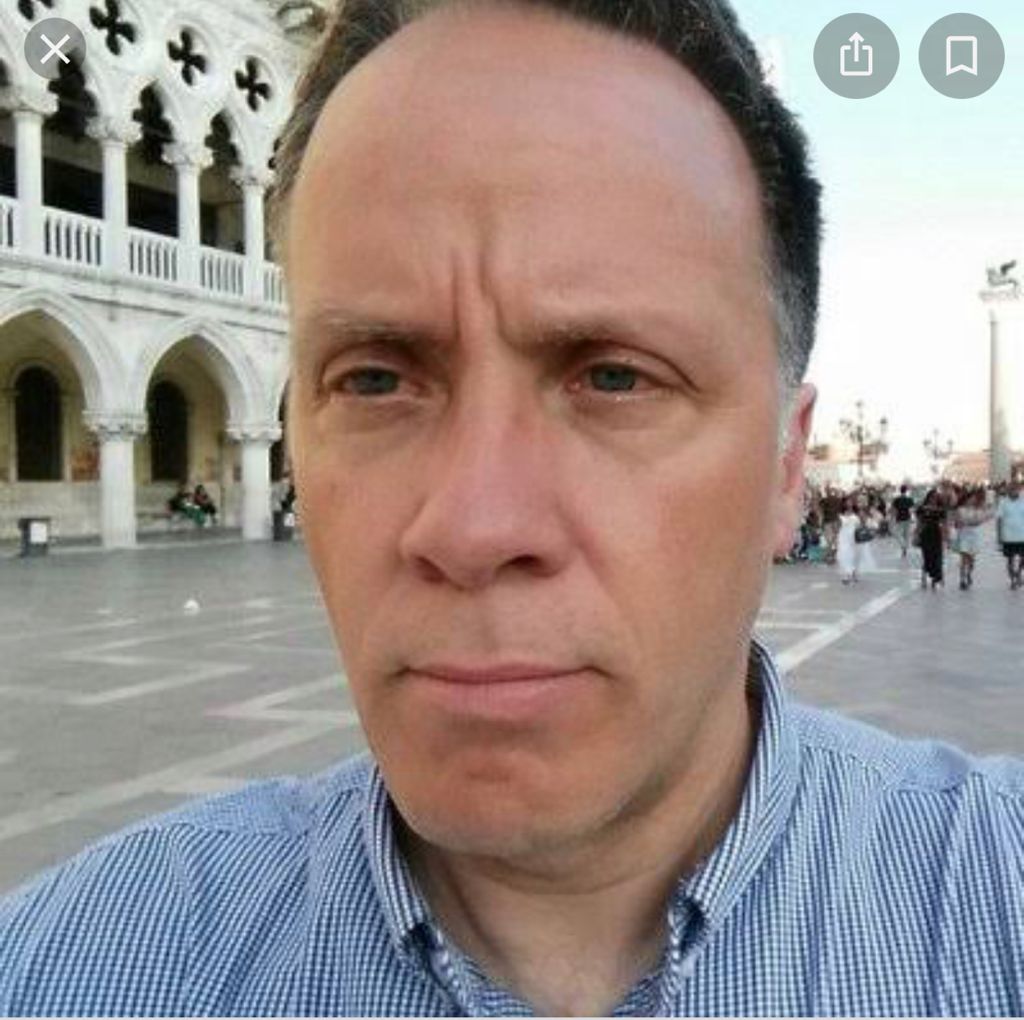
One of such mercenaries is Peter Whoriskey, a staff of the Washington Post who focuses on investigations of economic and financial issues.
Interestingly, Whoriskey has not been found to do any work in or on Nigeria. There are not known published works of his that dwell on Nigeria, her politics, business or culture.
However, perhaps because of his predilection for the seamy side of journalism, he was the go-to guy for international oil companies when they want to roughen up their competitors.
By deploying scandalous mails to his targets, Whoriskey’s subtle threat is unmistakable. His veiled reference to unfounded scandals readily gives him out as a paid fifth columnist waiting to bear his fangs. Many are waiting with bated breath to see how he intends to publish the supposed dirts he has on the Nigerian businessmen. Whatever report he comes with eventually may not pass the ethical test.
Meanwhile, a consortium of lawyers for human rights and justice and the Council of Ethnic Youth Leaders of Nigeria (CEYLN) in conjunction with some Civil Society organizations have alleged that there is an ongoing plot global media campaign against Aiteo Group of Companies and its founder, Mr. Benedict Peters using the Washington Post.
In a joint press conference by the different groups, they allege that the allegations being peddled against Mr. Peters and Aiteo are the same issues which have already been conclusively determined by courts of competent jurisdiction or pending in court and the purpose of the publication could only be to impugn the integrity of Mr. Peters and the company.
“Out of the five questions Mr. Whoriskey inquired about, question 1 has been resolved by a competent court of law in Nigeria and the decision widely publicized. A simple internet search would have availed Mr. Whoriskey of the judgment of the case and the present state of affairs. Further, questions 2-5 were directly extracted from untested allegations contained in a first amended verified complaint filed before the United States District Court, Southern District of Texas, Houston Division” the groups alleged.
They called on media houses not to yield their platforms to people whose objectives were not noble as such would encourage unhealthy business rivalry. “There is a plethora of questions which The Washington Post rather has to answer and which directly calls to question its genuineness in permitting this to happen. It will be damning to the long-held image of The Washington Post that its staff have yielded the platform of the medium to the use for a global smear campaign and unhealthy business rivalry” Mr. Tochukwu Ohazuruike who addressed the press was quoted as saying.
In answering the allegations against Mr. Peters, the groups claimed that “Mr. Peters has stated severally that he has never received any favour by way of facilitation or otherwise from Dieziani Alison-Madueke, and there was therefore nothing to be grateful for. He has severally denounced any such attempt to link the purchase of his property with Dieziani under such premises. His purchase of the furniture was in furtherance of his desire to furnish a property that belonged to him, and those furniture can be found, even today, at his said property at 58 Harley House. No furniture that belonged to him can be found at any other place other than in his property. The furniture found at the UK address of Dieziani Alison-Madueke does not belong to him, and certainly could not have been the same found in his said property at 58 Harley House.”
They insist that the answers they provided should discourage future smear campaigns as this is not the first time it was happening saying “we hope that with these answers we would have satisfied Mr. Whoriskey and got him to alert his sponsors that the plot is dead on arrival and cannot be revived. We also say to all such persons who would in the future want to regurgitate these issues that the answers are already available in the public space as there is nothing hidden and there is nothing any media house can unearth again so no need taking any jobs from the sponsors of this smear campaign.”




Beauty Meets Glamour as Olaide Ogunyemi Opens New Studio in Mushin
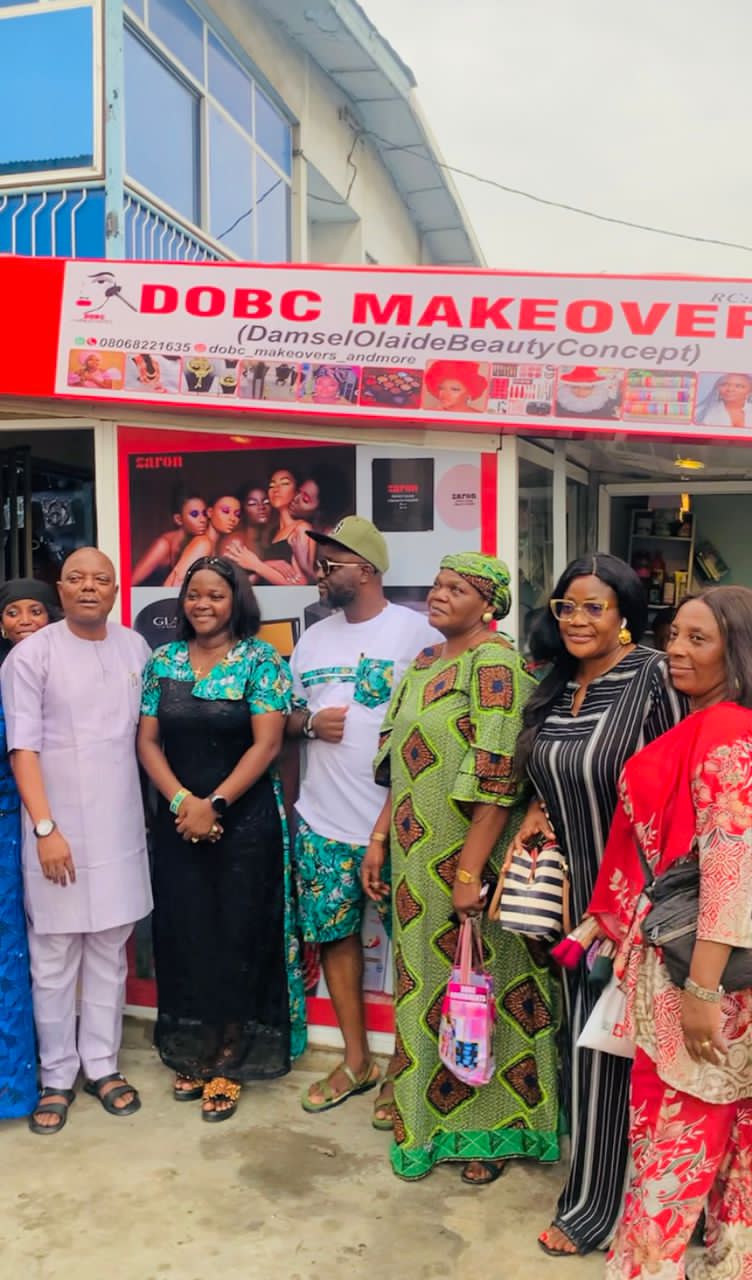
Popular Nollywood actress and professional makeup artiste, Olaide Ogunyemi Oluwayemisi aka Damilola, has expanded her footprint in the beauty industry with the grand opening of her new makeup studio in Lagos.
The talented thespian, who is also the Chief Executive Officer of @Dobc_makeovers_andmore, officially unveiled the ultra-modern beauty space last Thursday, April 2, 2026, in a colourful ceremony filled with glamour, fashion, and pageantry.
Strategically located at 101 Palm Avenue, right beside FitPlus and Sparklight Hospital in Mushin area of Lagos, the new studio is designed to offer top-notch beauty services, reflecting Ogunyemi’s commitment to excellence and professionalism in the ever-growing makeup industry.
The opening ceremony attracted friends, colleagues from the Nollywood industry, beauty enthusiasts, and well-wishers who came out in large numbers to celebrate the entrepreneur’s latest milestone. Guests were treated to a vibrant atmosphere that showcased creativity, style, and the evolving standards of the beauty business in Lagos.
Speaking at the event, Ogunyemi expressed her excitement and gratitude, noting that the new studio represents years of hard work, dedication, and passion for her craft. She reaffirmed her commitment to delivering premium beauty services while empowering aspiring makeup artistes.
The launch of the studio further cements her reputation as a dynamic force, successfully blending her career in Nollywood with a thriving beauty brand.
With this latest development, Olaide Damilola Ogunyemi continues to inspire many young entrepreneurs, proving that talent, consistency, and vision remain key drivers of success in Nigeria’s creative and business landscape.


Daniel Eromosele Eulogize Adams Oshiomole as he turns 74 years
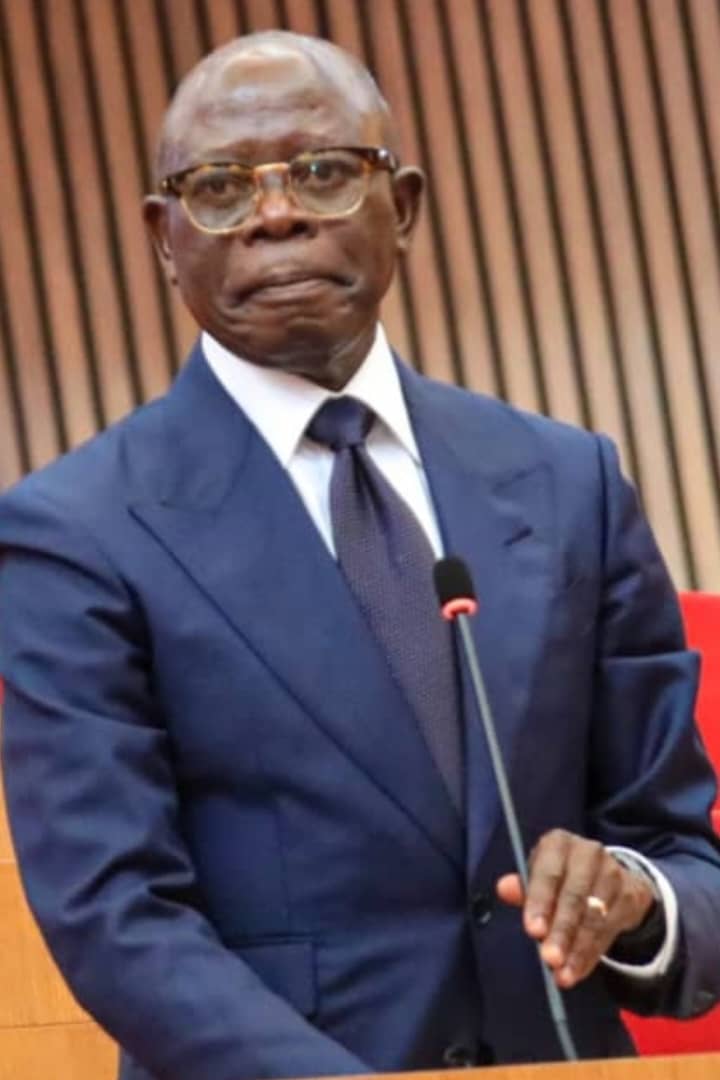
Today, I celebrate an exceptional leader, a fearless voice for the people, and a man whose life has remained a symbol of courage, sacrifice, and unwavering commitment to justice—Distinguished Comrade Senator Adams Aliu Oshiomhole.

Your journey has been nothing short of inspiring. From your days as a vibrant labour leader to your impactful tenure as the Executive Governor of Edo State, and now as a respected Senator of the Federal Republic, you have consistently demonstrated what it means to serve with integrity, strength, and purpose. Your contributions to the growth of our nation and the development of Edo State remain indelible and deeply appreciated.
You have not only built structures and institutions but have also built people. I am personally a beneficiary of your leadership, your guidance, and your belief in empowering others. Your influence in my life has been profound, and I remain grateful for the opportunities and inspiration you have given me.
On this special day, I celebrate not just your achievements, but the man you are—resilient, principled, and ever committed to the progress of Nigeria and her people.

May this new year bring you renewed strength, greater wisdom, good health, and more remarkable accomplishments. May your legacy continue to shine brighter with each passing year.
Happy Birthday, sir. Wishing you many more fruitful and impactful years ahead.
celebrity radar - gossips
Accolades to Empress Genevieve Wining as she Celebrate birthday in Grand style

Accolades to Empress Genevieve Wining as she Celebrate birthday in Grand style
Emmanuel Clement
Vilnius, Lithuania – The Grand Hotel Vilnius will host a grand birthday celebration in honor of Her Majesty The Empress Genevieve Wining of the United Kingdom of Atlantis (UKA) on April 4th, 2026.
The four-day event promises to be an extravagant affair, marking the special birthday of Empress Genevieve Wining. The celebration will take place at the prestigious Grand Hotel Vilnius, Lithuania, renowned for its luxurious ambiance and exceptional service.

According to the event flyer, the birthday celebration will be a spectacular occasion, fitting for an empress. Guests can expect an elegant setting adorned with golden accents, sparkling champagne, and festive decorations, creating a regal atmosphere befitting the occasion.
The Empress Genevieve Wining of UKA is expected to grace the event, which will include various festivities and celebrations in her honor. The occasion aims to bring together dignitaries, followers, and guests to commemorate the empress’s birthday with grandeur and joy.
For media inquiries, accreditation, or further information about the birthday celebration of The Empress Genevieve Wining of UKA, please contact the event organizers.
Courtesy of His Excellency Emperor Prof. Solomon Wining. UKA


-

 society7 months ago
Religion: Africa’s Oldest Weapon of Enslavement and the Forgotten Truth
-

 news4 months ago
WHO REALLY OWNS MONIEPOINT? The $290 Million Deal That Sold Nigeria’s Top Fintech to Foreign Interests
-

 society7 months ago
“You Are Never Without Help” – Pastor Gebhardt Berndt Inspires Hope Through Empower Church (Video)
-

 celebrity radar - gossips2 months ago
Dr. Chris Okafor Returns with Power and Fire of the Spirit -Mounts Grace Nation Altar with Fresh Anointing and Restoration Grace on February 1, 2026