
society
General Buratai: Quintessential Model In Probity And Diligence

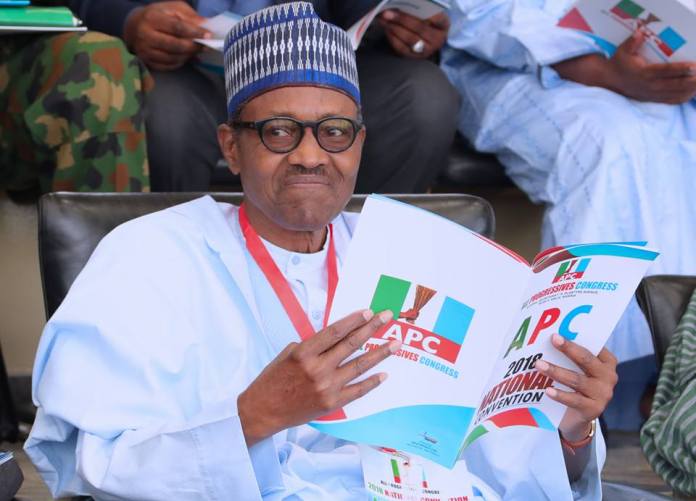
I am compelled to write this short piece because of the lies some few miscreants are peddling around to tarnish the hard-earned name and reputation of General TY Buratai, the former Chief of Army Staff. Of particular interest to these liars and hate mongers is the modest modern industrial farm he had set up along Keffi road, near a locality known as “Zimbabwe.” This group of people says that General Buratai set up a lucrative farm with stolen money from the government. This is far from the truth; it is a total fallacy. I worry that as usual, some gullible Nigerians might end up believing this misinformation that is calculated to smear the name of General Buratai( rtd) as the gospel truth.
As I set the record straight, I want to make it categorically clear that the former COAS is a man of integrity, probity, and accountability. His passion for fiscal discipline, as well as due diligence in the release and management of
resources are second to none in the history of the Nigerian Army. Under his watch as COAS, every kobo was accounted for because all transactions were made through electronic payments. After that, it goes through checks and approvals from the appropriate unit heads.
Now, to this issue of the private farm owned by General Buratai which some people with sinister motives want to use to stain the character of the former COAS. It is important to understand that the fact that the farm was set up in Nigeria alone is a good thing because it has brought development and create jobs. Visit the farm and you will see for yourself.
The farm is officially known as Tukur and Tukur Farms and it is a limited liability company. The first name of General Buratai is Tukur; a name was given to him in honor of the district head of Gunda. I was reliably informed that
General Buratai bought the farmland as far back as 1996. This was when he served as Administration Officer in the Villa during the reign of the late General Sani Abacha. He is a natural-born farmer who loves planting crops and rearing animals. General Tukur bought the large expanse of farmland at a very cheap price because as of then the place was a complete bush. There were no people or development near it. But anyone who has a long-term plan for investment will not hesitate to buy it because its value will appreciate and development will eventually come closer.
The above informs the reason why General Buratai built his residence in Mararaba which is a township located in Nassarawa State. The late Sarkin Hausawa ( Alhaji Mohammed Jajere) of Mararaba is known to me and this information is known in his palace. General Buratai committed almost all his earnings into his private
residence, mosque, and farm. He wants his life to revolve around these three places. I can vividly remember that there is also a free water distribution channel at the Mararaba residence for the people of the neighborhood. He rose to the rank of major general and Commander MNJTF while still occupying the Mararaba residence and tending to his farm. The whole growth of the farm has been a gradual process that has taken nearly two decades to bring it to its present stage.
It was a good plan and people like Chief Olusegun Obasanjo did the same. Take a loan from the bank and plow it into their farms where they rear animals and plant crops. It’s not just a lucrative business but also a better way to enjoy one’s retirement.
Tukur and Tukur Farms is today a highly efficient company that produces thousands of crates of eggs daily, good cows that produce milk for yogurt, economic snakes, and the rest. For those who don’t know, snake venom is the best botox for plastic surgery nowadays. Quick, almost painless, and increasingly affordable, it’s now the go-to procedure for fighting the signs of ageing. While effective, it’s certainly not something everyone is on board with. By implication, it means it is a highly profitable business.
General Buratai (rtd) said that he would have been retired by Chief Obasanjo in 1999 but God ruled otherwise and used the then COAS, late General Victor Malu to prevent it. Although President Muhammadu Buhari was at PTF when Buratai served as Admin Officer at the Villa, their paths never crossed. In any case, Buratai and President Buhari first encountered each other in 1975. At that time President Buhari was the Military Governor of Borno State while Buratai was a JSS 1 student at Teacher’s College Maiduguri. President Buhari was fond of visiting the school in the evening to watch the boys participating in their
various sports activities. It was there that they met each other.
On another note, Buratai didn’t lobby to be made COAS by this government. He was in faraway Ndjamena as Commander MNJTF when President Buhari appointed him as the 20th COAS. He served this country, gallantly and diligently for 66 months as COAS and then turned in his resignation letter to the President. Many eminent Nigerians including the new COAS testified that Buratai served this country meritoriously as COAS. He is now a retired military officer but as God will have it, he is now an Ambassador-Designate.
This is a man raised by God. No human seems to qualify to pull him down or tarnish his image and reputation. His secret is his life principles which comprise diligence, integrity, loyalty, courage, empathy, and faith in the will and plan of God.




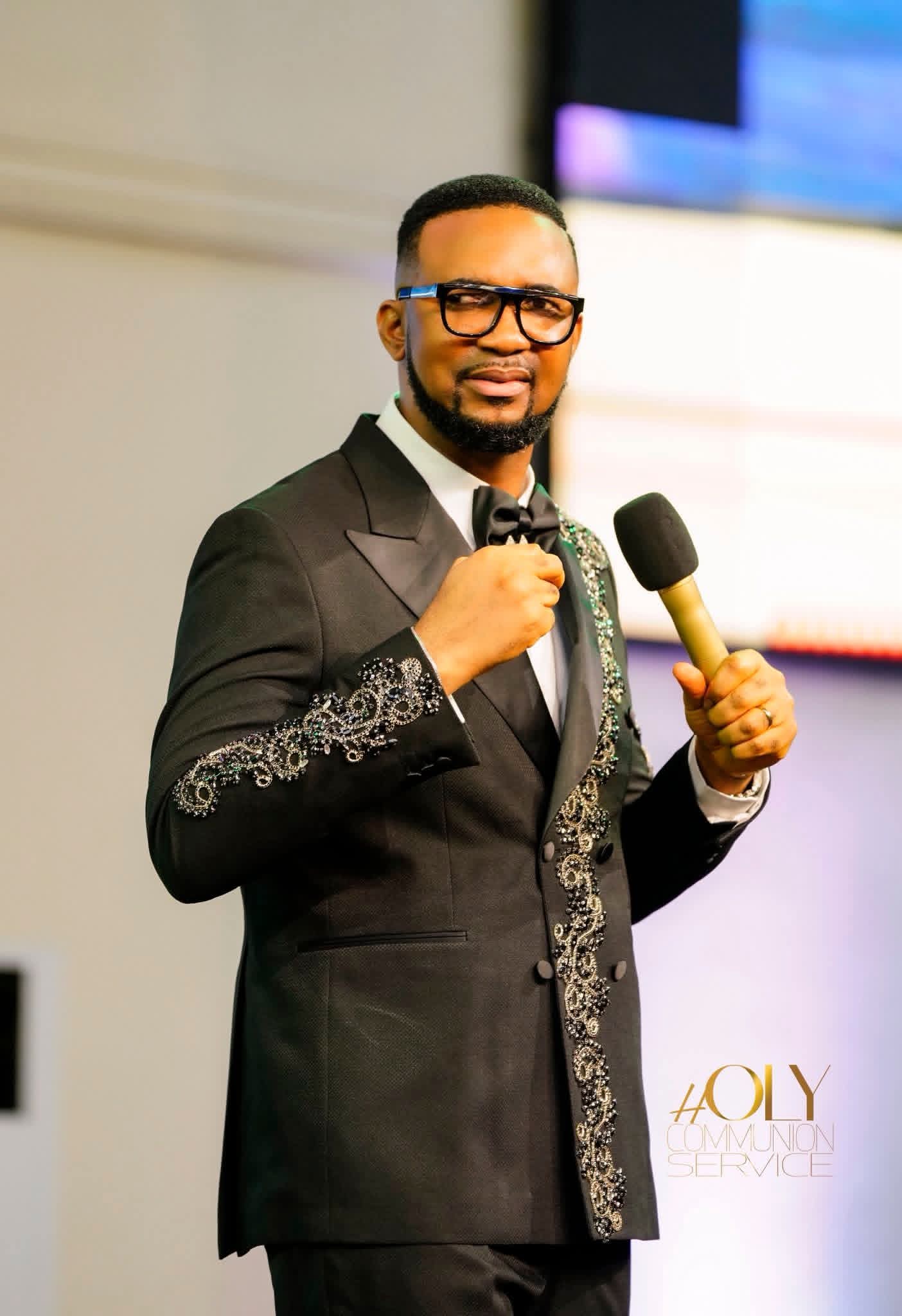
“Jesus Christ is the Way, the Truth, and the Life.” — Dr. Chris Okafor
Grace Nation Worldwide marked a special occasion as members gathered at the international headquarters in Lagos, Nigeria, to celebrate the birthday of the Generational Prophet and Senior Pastor, Christopher Okafor, who turned a year older on April 4, 2026.
A Service of Thanksgiving and Celebration
The atmosphere was filled with gratitude as sons and daughters of the ministry came together to appreciate God for the life and impact of their spiritual leader.
The celebration featured a variety of activities, including special musical renditions, Bible recitations, choreography presentations, and a vibrant praise and worship session led by the Liberation Voices.
The highlight of the event was the ceremonial cutting of the birthday cake, followed by joyful celebration and thanksgiving, all dedicated to the glory of God.
Teaching on the Death and Resurrection of Christ ,Earlier in the day, the service also commemorated the resurrection of Jesus Christ, with Dr. Okafor delivering a message on “The Death and Resurrection of Jesus Christ.”
In his teaching, he described the sacrifice of Christ at Calvary as the foundation of the Christian faith.
“The death of Jesus represents the depth of God’s love for humanity,” he said, while emphasizing that the resurrection is the ultimate confirmation and strength of the believer’s faith.
The State of Humanity Before Redemption
Dr. Okafor explained that before the sacrifice of Christ, humanity was bound by sin, subject to judgment, and separated from God. He highlighted the consequences of the fall of man, including spiritual loss and the inevitability of judgment.
The Purpose of Christ’s Sacrifice
According to the cleric, the death and resurrection of Jesus Christ brought restoration and reconciliation between God and humanity.
“When a person is restored to God, life becomes meaningful,” he noted, adding that the sacrifice of Christ signifies the forgiveness of sin and a new beginning for believers.
A Message of Hope
In conclusion, Dr. Okafor stated that the resurrection of Jesus Christ provides believers with the opportunity to live a fruitful and abundant life, anchored in faith and divine purpose.
The combined celebration of his birthday and the message of Easter created a moment of reflection, joy, and renewed commitment among members of Grace Nation Worldwide.


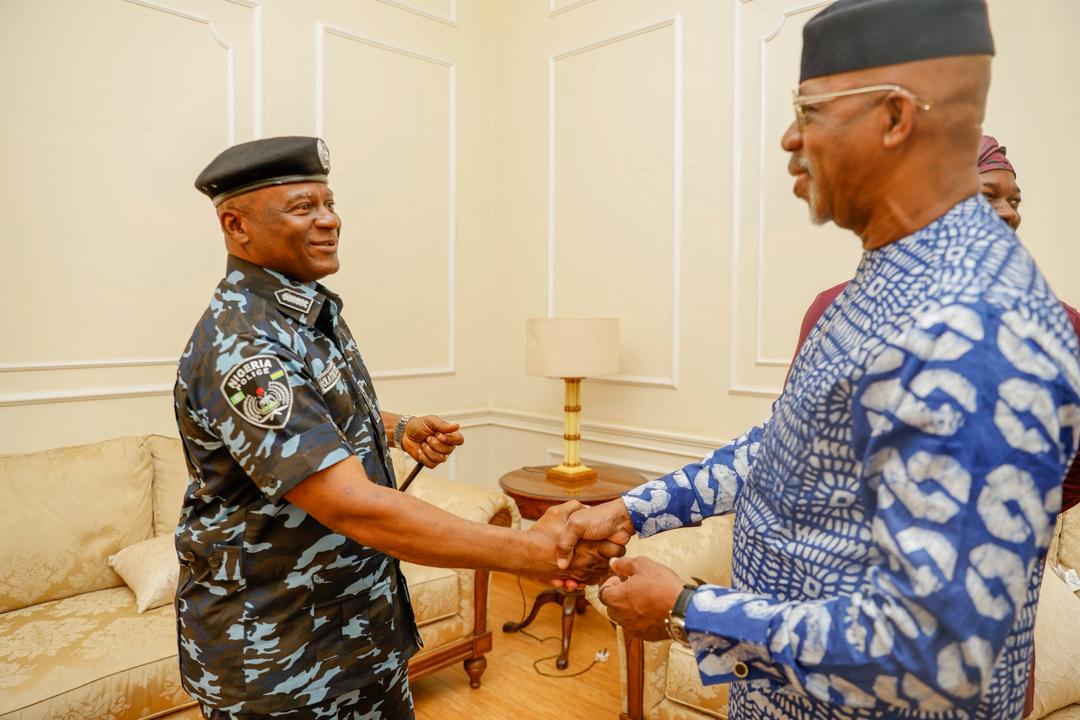
IGP Disu Unveils New Security Vehicles, Bikes In Ogun,
The Inspector-General of Police, Olatunji Rilwan Disu, on Saturday took centre stage at the commissioning of landmark projects in Ogun State, reaffirming the Nigeria Police Force’s commitment to strengthening national security and deepening collaboration with state authorities.
The high-profile event, attended by top government officials and security stakeholders, highlighted the strategic importance of security in driving development. Disu’s presence underscored ongoing efforts by the Police leadership to align operational priorities with infrastructural growth across the country.
A key highlight of the ceremony was the commissioning of new security vehicles and electric motorbikes aimed at boosting the operational capacity of security agencies in the state. The IGP commended the Ogun State Government for what he described as a proactive and forward-thinking approach to security, noting that the newly deployed assets would significantly enhance rapid response and patrol efficiency.
He stressed that effective policing remains central to maintaining peace and order, assuring residents that the Force would continue to evolve strategies to tackle emerging threats. According to him, the Nigeria Police Force is committed to working closely with both the Federal Government and sub-national authorities to ensure the safety of lives and property.
Disu further called on members of the public to support security agencies by providing timely and credible information, describing community cooperation as vital in combating crime and sustaining a secure environment.
The Police leadership also expressed appreciation to the Ogun State Government and other dignitaries for their continued partnership, noting that such collaboration is essential to advancing security initiatives and fostering national development.


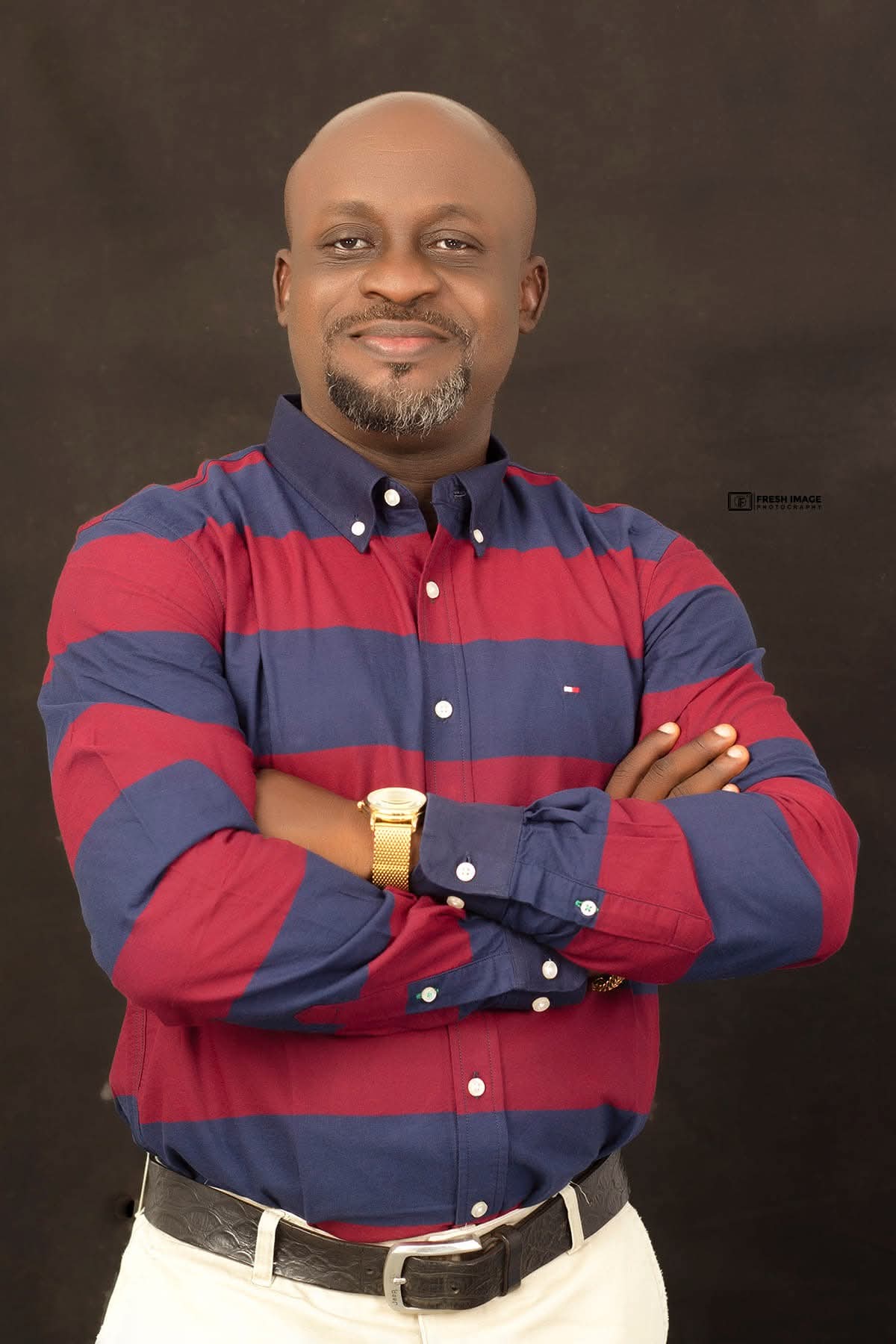
*PDP Stalwart, Fagbemi, Resigns From Party in Ogbomoso South*
A former Secretary of Ogbomoso South Local Government, Temidayo Fagbemi, has formally resigned his membership of the Peoples Democratic Party.
Fagbemi, a major financier of the PDP in the area, tendered his resignation in a letter addressed to the Ward Chairman of the party in Ijeru II, Ogbomoso South.
In his letter, Fagbemi stated that leaving the party he had diligently supported, contributing to PDP’s victories at both the state and local government levels for two consecutive terms, was a difficult but necessary decision.
He wrote: “I, Temidayo Fagbemi, hereby submit my resignation as a member of the PDP.”
“My decision to leave the party, which I worked hard to support and helped secure victory at both the state and local levels for two consecutive terms, is not an easy one. However, it has become necessary.”
He thanked party leaders for the years of shared political engagement and wished them success in their forthcoming primaries.
His resignation marks a significant development within the Ogbomoso South PDP, given his influence, contributions, and long-standing role in strengthening the party’s structure.


-

 society7 months ago
Religion: Africa’s Oldest Weapon of Enslavement and the Forgotten Truth
-

 news4 months ago
WHO REALLY OWNS MONIEPOINT? The $290 Million Deal That Sold Nigeria’s Top Fintech to Foreign Interests
-

 society7 months ago
“You Are Never Without Help” – Pastor Gebhardt Berndt Inspires Hope Through Empower Church (Video)
-

 celebrity radar - gossips2 months ago
Dr. Chris Okafor Returns with Power and Fire of the Spirit -Mounts Grace Nation Altar with Fresh Anointing and Restoration Grace on February 1, 2026