
society
Real Reasons Nigerians patronise ‘night buses’ despite dangers


Real Reasons Nigerians patronise ‘night buses’ despite dangers
Despite the high level of insecurity across the country, more Nigerians now embark on what is popularly known in street parlance as “night travels” or trips. The reason for this is not far to seek: the spike in transport fares and other related factors.
With petrol price rising to N1,000 per litre in most filling stations, and unavailable too, most travellers are looking for the cheapest fares to their various destinations which can only be available with luxury buses that operate at night.
For instance, a journey from Lagos to any part of the South-Eastern states costs between N35,000 and N40,000 with a mini-bus. It’s about N23,000 on the same route with a luxury bus.
A visit to some of the garages and parks at night revealed that most travellers prefer to travel by night, not minding the dangers. Some of the transport companies are The Young Shall Grow, Chisco Transport, Okeyson Transport, ABC Transport, and GUO Transport.
A necessity
A young man, who simply identified himself as Chinedu at the Mazamaza bus station, told Vanguard: “These days, people don’t mind the risk of travelling at night any longer because of the high fares charged by transport companies for trips on mini-buses.”
He noted that with N40,000, one can travel from Lagos to the South-East and back, which is what you would use for a one-way trip if you have to travel with small buses for the same distance.
According to him: ”Nobody likes to travel by night given the high security risk, but given the present situation in the country, we have no choice but to take the risk if we must catch up with our appointments.”
He further noted that some of the luxury bus operators can charge as low as N10,000 for some seats, which they call ‘Obere Oche’ (meaning small attachment seats), which he described as not being quite comfortable for a long distance trip.
‘No traffic, no checkpoints’
At the Alafia bus station, where other notable luxury bus companies operate from, the passengers also disclosed that, beyond high fares resulting from the high price of petrol and its scarcity, their preference is derived from the fact that it is more convenient to travel at night because the checkpoints are few and there is hardly gridlock on the roads at night.
According to one of the travellers, Mr Uchenna Njoku: “Travelling at night is faster than doing so in the day; it’s like goodbye to Lagos and welcome to Owerri in the morning. “This is because you won’t have to worry about traffic gridlock, police harassment or extortion by other law enforcement agencies and local government officials while on the trip.
“I always have a full night rest and wake up and go to my home in the morning.”
This is also the thinking of most the passengers at Jibowu and even Iddo bus stations.
“Usually the stations boom as from 8 p.m., when the bus operators are loading and getting ready for the trips at night till around 10:30 p.m. when they leave from their various parks to their destinations across the country.
The bus stations are usually very busy with hawkers who sell snacks and other types of food, soft drinks, medicine and various items to the travellers.




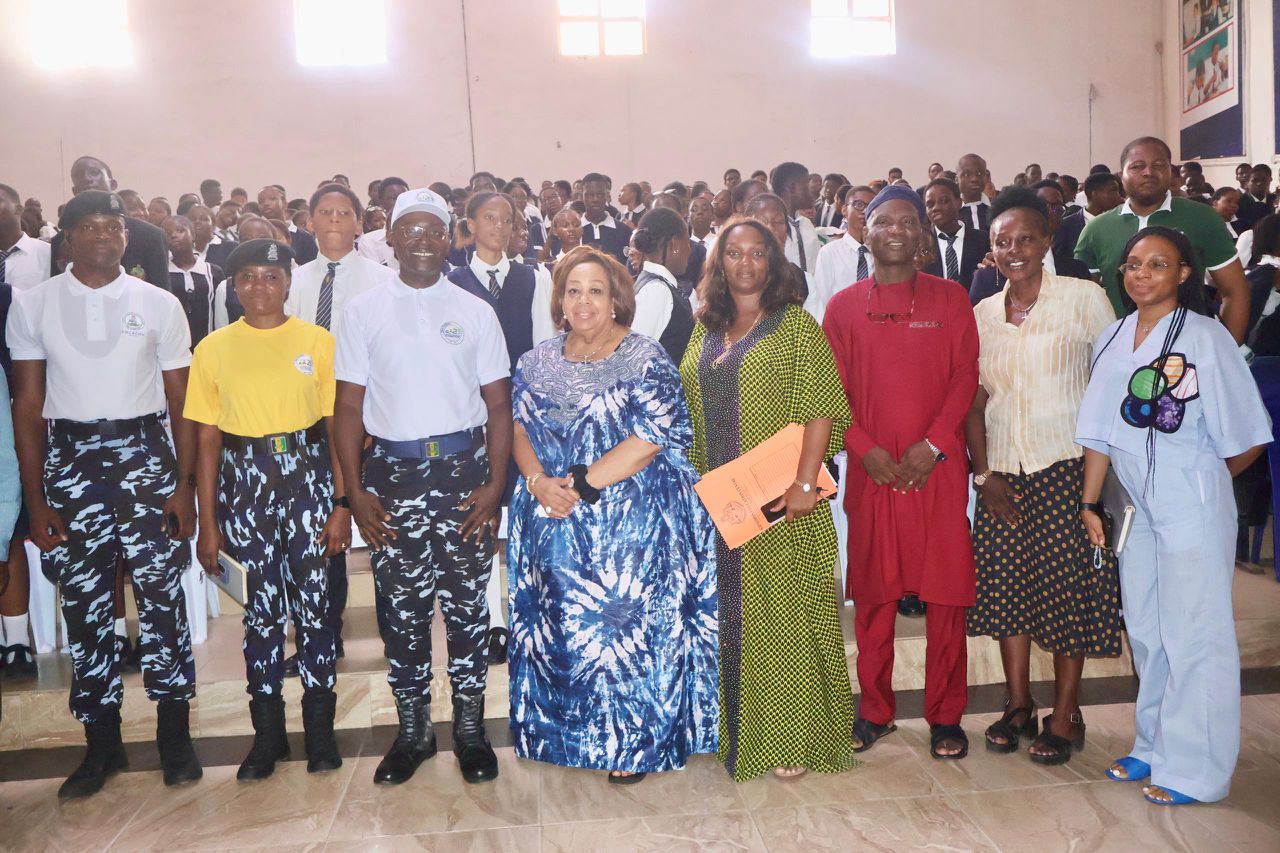
POCACOV Intensifies Sensitization on Cultism, Bullying, and Social Vices Among Students in Edo
In commemoration of the 2026 National Police Day Celebration, the Police Campaign Against Cultism and Other Vices (POCACOV), Edo State Command, has reinforced its preventive policing efforts through a targeted sensitization outreach at Igbinedion Education Centre, Benin City.
The initiative forms part of the broader activities marking this year’s National Police Day, themed “Community Partnership: Building Trust,” which emphasizes collaboration between the Nigeria Police Force and the public in fostering a safer society.
The sensitization programme witnessed the presence of key stakeholders, including the Commissioner of Police, Edo State Command, the Police Public Relations Officer, and the Edo State POCACOV Coordinator, ASP Kingsley Upeh. The team engaged students in an insightful and impactful session focused on the dangers of cultism, bullying, and other social vices prevalent among youths.
During the session, students were educated on the severe and far-reaching consequences of cult-related activities. These include violence, loss of lives, disruption of academic pursuits, and long-term damage to personal reputation and future opportunities. The speakers also highlighted how peer pressure, drug abuse, and negative social influences often serve as gateways into criminal behavior.
In an interactive segment, the Commissioner of Police stressed the legal implications of engaging in criminal acts, noting that involvement in cultism and related offences could lead to arrest, prosecution, and lifelong consequences that may hinder personal growth and career aspirations.
The issue of bullying was also extensively addressed, with emphasis on both its legal ramifications and psychological impact on victims. Students were encouraged to speak up against bullying, report incidents to school authorities or law enforcement, and support peers who may be affected.
Furthermore, the outreach underscored the importance of self-discipline, moral values, and making informed life choices. Students were urged to become ambassadors of peace within their schools and communities by rejecting violence and promoting unity and mutual respect.
The POCACOV team reiterated its commitment to continuous engagement with young people through awareness campaigns, community outreach, and strategic partnerships aimed at preventing crime before it occurs. The initiative aligns with the Nigeria Police Force’s proactive approach to policing, which prioritizes education, prevention, and community involvement.



COAS Launches Nationwide Security Renewal Mission in Plateau
The Chief of Army Staff, Lieutenant General Waidi Shaibu, on Thursday led a high-level delegation of security chiefs to Plateau State, flagging off a nationwide security renewal mission aimed at strengthening civil-military cooperation and restoring lasting peace across the country.
The visit to Jos, the Plateau State capital, marks the first phase of a coordinated national effort to address persistent security challenges through joint operations, community engagement, and proactive intelligence gathering.

Governor Caleb Muftwang received the delegation, describing the initiative as a critical step toward stabilizing affected communities and reinforcing public confidence in security institutions.
Civil-Military Synergy Takes Centre Stage
At the heart of the mission is a renewed emphasis on collaboration between the military, civil authorities, and local communities. Speaking during the visit, Lt. Gen. Shaibu stressed that national security must be treated as a collective responsibility.
He urged citizens to support security agencies by remaining vigilant, sharing credible information, and complying with lawful directives, noting that effective security cannot be achieved in isolation.
Community Engagement as Confidence-Building Tool
In a departure from purely operational engagements, the Army Chief held direct consultations with community leaders and residents in Jos, reinforcing the importance of trust and dialogue in conflict resolution.
Lawmakers, including Dachung Bagos and Ladi Dangyok, commended the initiative, stating that visible engagement by top military leadership helps rebuild confidence among citizens and fosters cooperation.

Proactive Security Operations Underway
Operational updates were provided by Major General Folusho Oyinlola, who disclosed that troops under Operation Enduring Peace have intensified surveillance, intelligence-led patrols, and coordinated actions with other security agencies.
According to the Army, the approach is designed to prevent escalation of threats, safeguard lives and property, and stabilize vulnerable communities before crises emerge.
A Shift Toward Sustainable Peace
Military authorities emphasized that the Plateau visit is part of a broader, long-term strategy to transition from reactive responses to sustainable peacebuilding nationwide. The framework includes strengthening local resilience, ensuring justice, and maintaining continuous engagement with stakeholders.
Analysts view the initiative as a significant policy shift, reflecting a more inclusive security architecture that integrates community participation with military operations.
Call for National Unity
The Army leadership concluded with an appeal to Nigerians to reject divisive narratives and support ongoing efforts to promote unity and peace.
“The success of this mission depends not only on the armed forces but on the cooperation of every citizen,” the COAS stated.
The nationwide security renewal campaign is expected to extend to other regions in the coming weeks as authorities seek to consolidate gains and build a safer, more unified Nigeria.


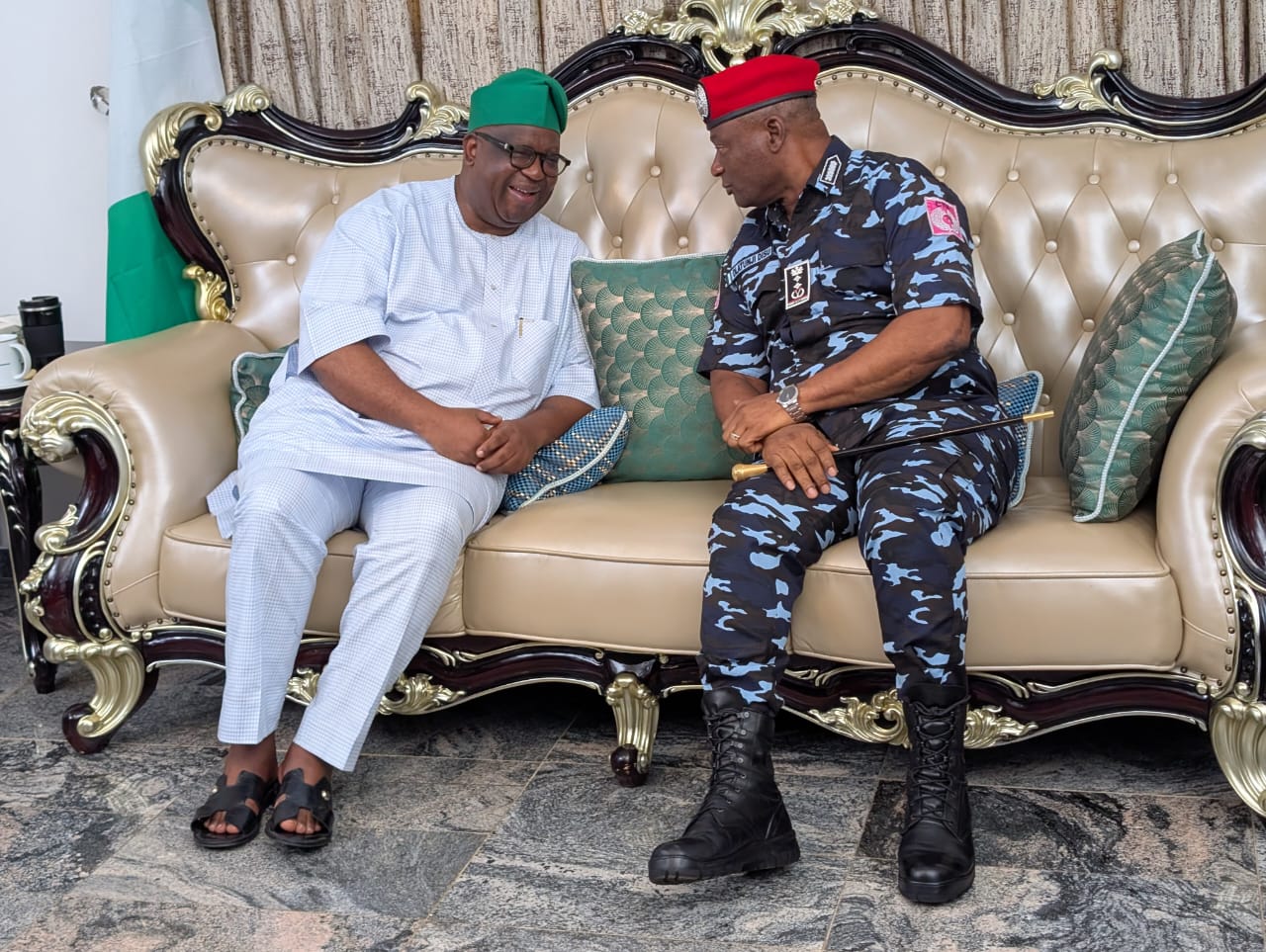
IGP Disu Visits Plateau, Orders Tactical Deployment To Reinforce Security
The Inspector General of Police, Olatunji Disu, on Thursday paid a working visit to Plateau State following recent unrest, holding strategic talks with Governor Caleb Muftwang on measures to strengthen security and prevent further disturbances.
As part of immediate steps to stabilise the situation, the police chief authorised the deployment of specialised tactical units to support officers already on ground across affected areas.
Governor Muftwang commended the swift intervention of the police leadership, praising the dedication and professionalism of security personnel working to restore calm. He also acknowledged the efforts of mobile police officers and lauded the leadership of the state’s Commissioner of Police, Bassey Ewah.
Both the Nigeria Police Force and the Plateau State Government reaffirmed their commitment to safeguarding lives and property, stressing that enhanced collaboration remains key to restoring lasting peace in Plateau State, popularly known as the Home of Peace and Tourism.


-

 society7 months ago
Religion: Africa’s Oldest Weapon of Enslavement and the Forgotten Truth
-

 news4 months ago
WHO REALLY OWNS MONIEPOINT? The $290 Million Deal That Sold Nigeria’s Top Fintech to Foreign Interests
-

 society6 months ago
“You Are Never Without Help” – Pastor Gebhardt Berndt Inspires Hope Through Empower Church (Video)
-

 celebrity radar - gossips2 months ago
Dr. Chris Okafor Returns with Power and Fire of the Spirit -Mounts Grace Nation Altar with Fresh Anointing and Restoration Grace on February 1, 2026