
society
Reclaiming Identity: Why Nigerians Must Know Their State Flags, Capitals, and Heritage

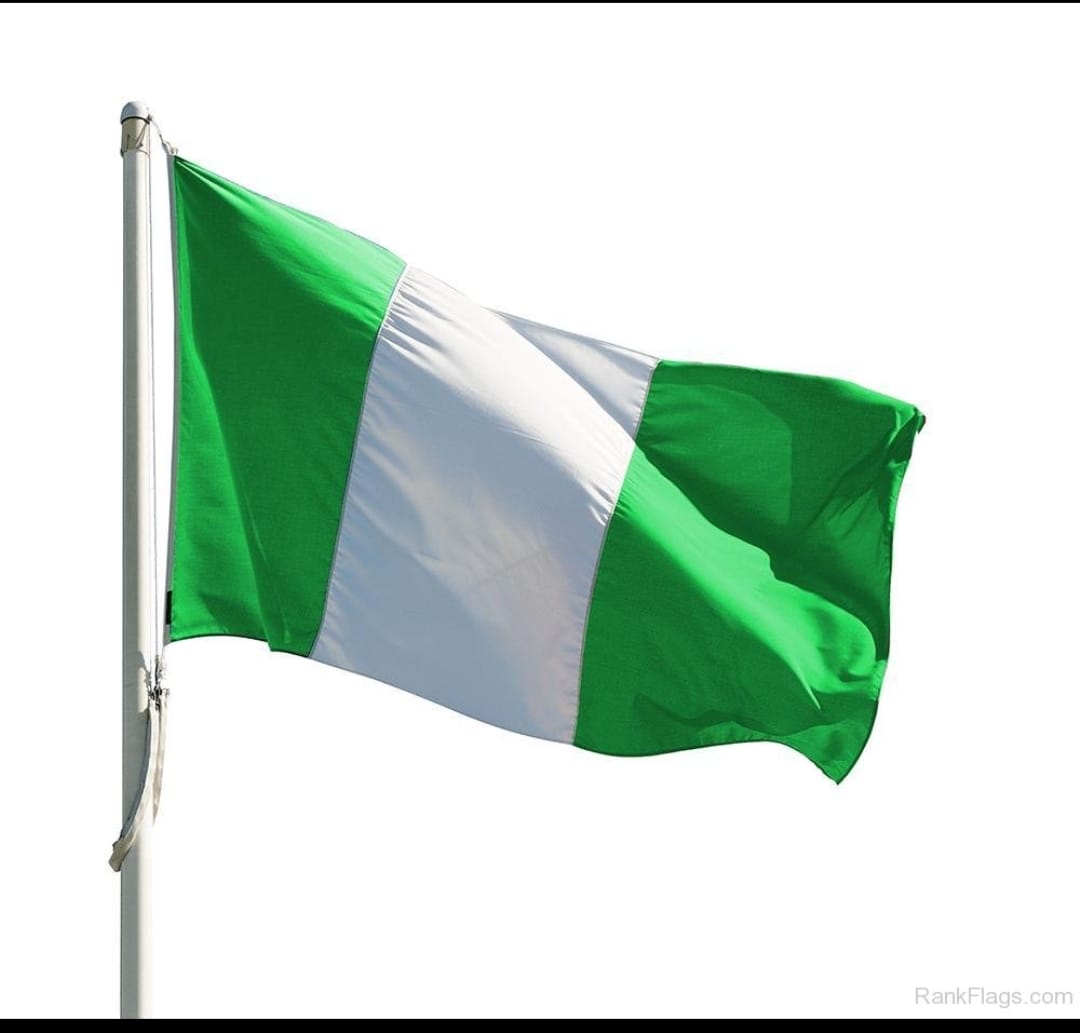
Reclaiming Identity: Why Nigerians Must Know Their State Flags, Capitals, and Heritage
By George Omagbemi
Sylvester
In the intricate mosaic that is Nigeria, a federation of 36 states and a Federal Capital Territory, it is both ironic and alarming that many citizens are unaware of their own state’s flag, capital, or historical relevance. In a nation grappling with identity crises, ethnic disunity, and declining national consciousness, such ignorance is not merely a trivial gap in civic knowledge but a serious deficit that weakens our collective fabric.
This article argues, with 100% factual backing, that every Nigerian should know their state flag, its colors and symbolism, the capital city, and what their state is uniquely known for ie. economically, historically, and culturally. More so, it is time to elevate state flags to the same civic prominence as the Nigerian national flag. This is not merely a symbolic gesture, it is also a critical step toward nurturing inclusive patriotism, strengthening federal identity, and reviving cultural pride.
The Foundation of Identity: States as Building Blocks
Nigeria’s current federal structure, enshrined in the 1999 Constitution (as amended), is built upon 36 constituent states, each with a unique cultural and economic identity. These states are not arbitrary divisions; they are legacies of historical evolution; from colonial provinces to regions and finally states. From Lagos to Borno, Bayelsa to Sokoto, each state carries a story of struggle, resilience, and distinction.
Knowing one’s state flag and capital should be the minimum requirement of citizenship. These are not mere symbols but they are repositories of history and pride. In the United States, individual state flags are displayed in government offices, classrooms and even private homes. In India, every state celebrates its own formation day with fanfare, highlighting local heroes, culture and achievements. Nigeria must follow suit if it hopes to rebuild patriotism from the grassroots up.
A Legacy of Leadership: Military and Civilian Administrations
Nigeria’s journey through governance, military and civilian has shaped the identity and development trajectory of each state. For instance, the creation of 12 states by General Yakubu Gowon in 1967 was a direct response to ethnic tensions and a strategic move to weaken Biafra’s secessionist agenda. Subsequent expansions under Murtala Mohammed (1976), Ibrahim Babangida (1987 and 1991), and General Sani Abacha (1996) brought the total to 36 states.
Each state has evolved through this complex political history, yet citizens remain uninformed of the very symbols that represent them. How can one claim state pride when they cannot identify their flag or describe the meaning of its colors?
Importance of State Flags: Colors and Meanings
Although Nigeria’s federal system permits states to create their own emblems and flags, public awareness and usage are dismally low. A few examples illustrate this deficit:
Lagos State Flag: Green, blue, and white. Green symbolizes agriculture, blue denotes the Atlantic Ocean, and white stands for peace. Lagosians should proudly display this flag alongside the Nigerian green-white-green.
Delta State Flag: Green, white, and blue.
Green – agriculture and the state’s rich vegetation.
White – peace and unity among the diverse ethnic groups.
Blue – the River Niger and the state’s vast water resources.
Delta State, known as the Big Heart of the Nation, is rich in oil and gas, cultural diversity, and resilient people. A flag reflecting these attributes deserves prominent display in public institutions to foster pride and unity.
Rivers State Flag: Blue, white, and green. Blue symbolizes the River Niger, white peace, and green for agriculture. Given its status as the oil capital of Nigeria, this identity should be celebrated more openly.
These flags were not arbitrarily designed—they reflect deep-seated realities and aspirations of each people. Yet, due to poor civic education and lack of emphasis by successive administrations, many Nigerians cannot recognize these flags, let alone interpret them.
A comprehensive list of state flags and their colors, though not officially standardized in all 36 states, must be curated and taught in schools. States without official flags must be encouraged to develop them, backed by legislative frameworks to ensure adoption and proper display.
Cultural and Economic Uniqueness: What States Are Known For
Each state in Nigeria has a comparative advantage and cultural uniqueness. For example:
Kaduna is a hub of military and educational institutions.
Enugu is known as the “Coal City,” rich in mining history.
Benue is Nigeria’s food basket, dominant in yam and fruit production.
Ogun is a cornerstone of industrial activity.
Osun is home to the sacred Osun-Osogbo Grove, a UNESCO World Heritage site.
Cross River boasts of Obudu Cattle Ranch and Calabar Carnival.
Understanding these unique identities fosters internal tourism, regional development, and national cohesion. Citizens must be taught to appreciate their state’s economic potential and cultural wealth, not just as passive observers but as participants in its growth.
The Map and the Mind
Cartography is not merely a geographical exercise; it is a psychological one. The Nigerian map should be etched into every citizen’s consciousness. Every school should have a detailed political map of Nigeria highlighting all 36 states, capitals, and flags. Ministries, agencies, and local government offices should display both national and state flags as part of standard protocol. National pride must be decentralized.
Institutionalizing State Identity
To make this a reality, the following steps must be taken:
Compulsory Civic Education: Every primary and secondary school curriculum should include detailed instruction on state symbols, capitals, governors (past and present), cultural heritage, and economic potential.
Public Display Protocol: Just as the national flag is hoisted in schools and offices, state flags must be displayed prominently in all state institutions.
Flag Registration and Standardization: The Federal Ministry of Information and Culture, in collaboration with the National Orientation Agency (NOA), should catalog all existing state flags and coordinate with state assemblies to design and ratify flags where absent.
National Day for State Celebrations: Like Nigeria’s Independence Day, each state should mark its creation day annually with parades, flag hoisting, cultural exhibitions, and public lectures on its identity and contribution to Nigeria.
Recognition in Diplomatic Missions: Nigerian embassies abroad should reflect all 36 states through visual displays, promoting investment, tourism, and diaspora engagement.
Reclaiming Nigeria from the Bottom Up
We often bemoan the disunity and lack of patriotism in Nigeria, yet overlook the fact that national unity is not built from the top, it is built from the states upward. A man proud of his hometown is more likely to be proud of his nation. A woman who understands her state’s history is more likely to value the nation’s struggles.
When citizens see both their state flag and the national flag waving in unison, they are reminded of the federal promise: unity in diversity.
Final Thoughts
A country that does not know itself cannot lead itself. It is time for Nigerians to stop reciting only the green-white-green and begin embracing the colors of their roots. We must teach our children not only who the president is, but who their first governor was. Not only where Abuja is, but where their ancestral hometown lies on the map. Not only what Nigeria is, but what their own state stands for.
Let us raise the flags of our states, not in competition with the Nigerian flag, but in harmonious complement. In those colors, shapes, and symbols lie the future of our unity, the power of our diversity, and the soul of our federation.





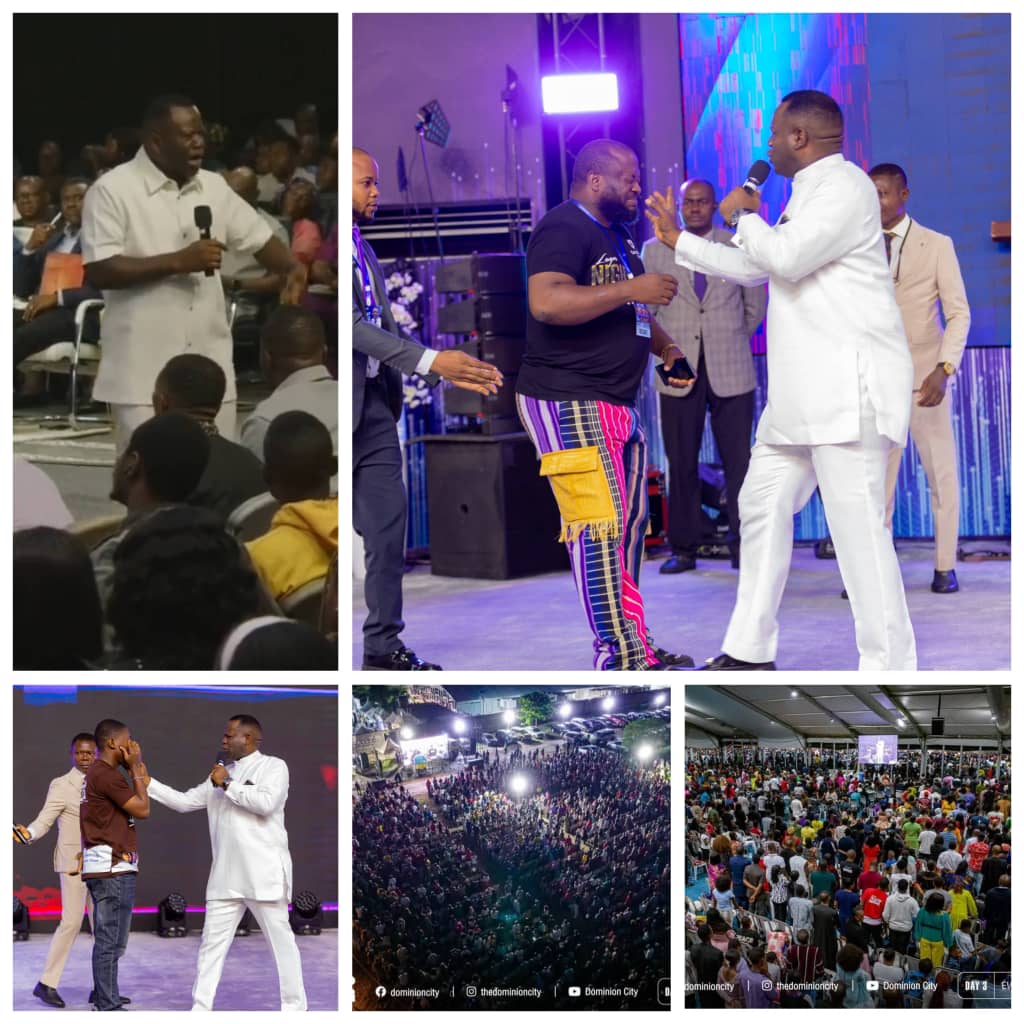
Revival Atmosphere as Dominion City Launches Night of Glory 2026.
Lagos – The atmosphere was charged with faith, worship, and expectancy as Dominion City’s Global Camp Meeting 2026 entered its peak with the first day of the “Night of Glory,” drawing thousands of worshippers to Lagos and Enugu in a powerful display of spiritual revival.
Held at the Golden Heart Place, Ajah, Lagos, the Friday evening gathering marked a significant moment in the ongoing six-day conference themed “Redigging the Wells of Our Fathers.” Participants from across Nigeria and beyond converged both physically and online, united by a shared hunger for divine encounter and transformation.
From the outset, the meeting was characterised by intense worship sessions led by gospel ministers, creating an atmosphere many attendees described as “tangible with God’s presence.” The night quickly transitioned into sessions of fervent prayers, prophetic ministrations, and teachings centred on restoration, healing, and spiritual awakening.
Presiding over the meeting, Dr. David Ogbueli, founder of Dominion City, charged participants to reconnect with foundational truths and spiritual disciplines necessary for personal and societal transformation. He emphasised that the “Night of Glory” was designed as a moment of divine visitation where destinies could be reshaped.
“As we redig the wells of our fathers, we are reconnecting with ancient graces and covenant realities that produce undeniable results,” he declared.
As the night unfolded, several remarkable testimonies were shared, reinforcing the theme of supernatural intervention. Among them was the case of a 14-year-old girl who was reportedly delivered from a seven-year struggle with pornography addiction, an experience that drew emotional reactions from the congregation.
Other testimonies included reported healing from cancer, recovery from a severe skin infection attributed to spiritual affliction, the healing of a heart-related condition, and three years of a non-menstrual period. Attendees also recounted instances of restored hearing and sight, with individuals testifying to improvements from partial deafness and blindness, among others.
Fathers of faith present were Barrister Emeka Nwankpa, Pastor Yemi Ayodele, Rev. Pade Tokun, Apostle Gbenga Adegbenro, Rev. Mike Adegbile, and others. Other Ministers present, including Pastor Dr. Charles Ndifon, Pastor Randy Mitchell, Apostle Ikechukwu Nnajiofor, and others, reinforced messages of faith and the power of God to intervene in human situations. They encouraged worshippers to remain steadfast and receptive, noting that miracles often spring from an atmosphere of unwavering belief.
Beyond the miraculous, the gathering also underscored a broader call to moral and spiritual renewal. Church leaders reiterated the need for believers to embody values that can positively influence society, especially in a time of perceived moral decline.
The “Night of Glory” is part of the larger Global Camp Meeting, which began on April 1 and will run through April 6, featuring daily teachings, leadership sessions, and specialized programmes for youths and families.
Organisers say expectations remain high for the second night, with many believing that the wave of miracles and transformation witnessed on the first night is only the beginning.
For many attendees, however, the message was clear beyond the signs and wonders; the true essence of the gathering lies in a renewed commitment to live transformed lives and impact society. //END.//
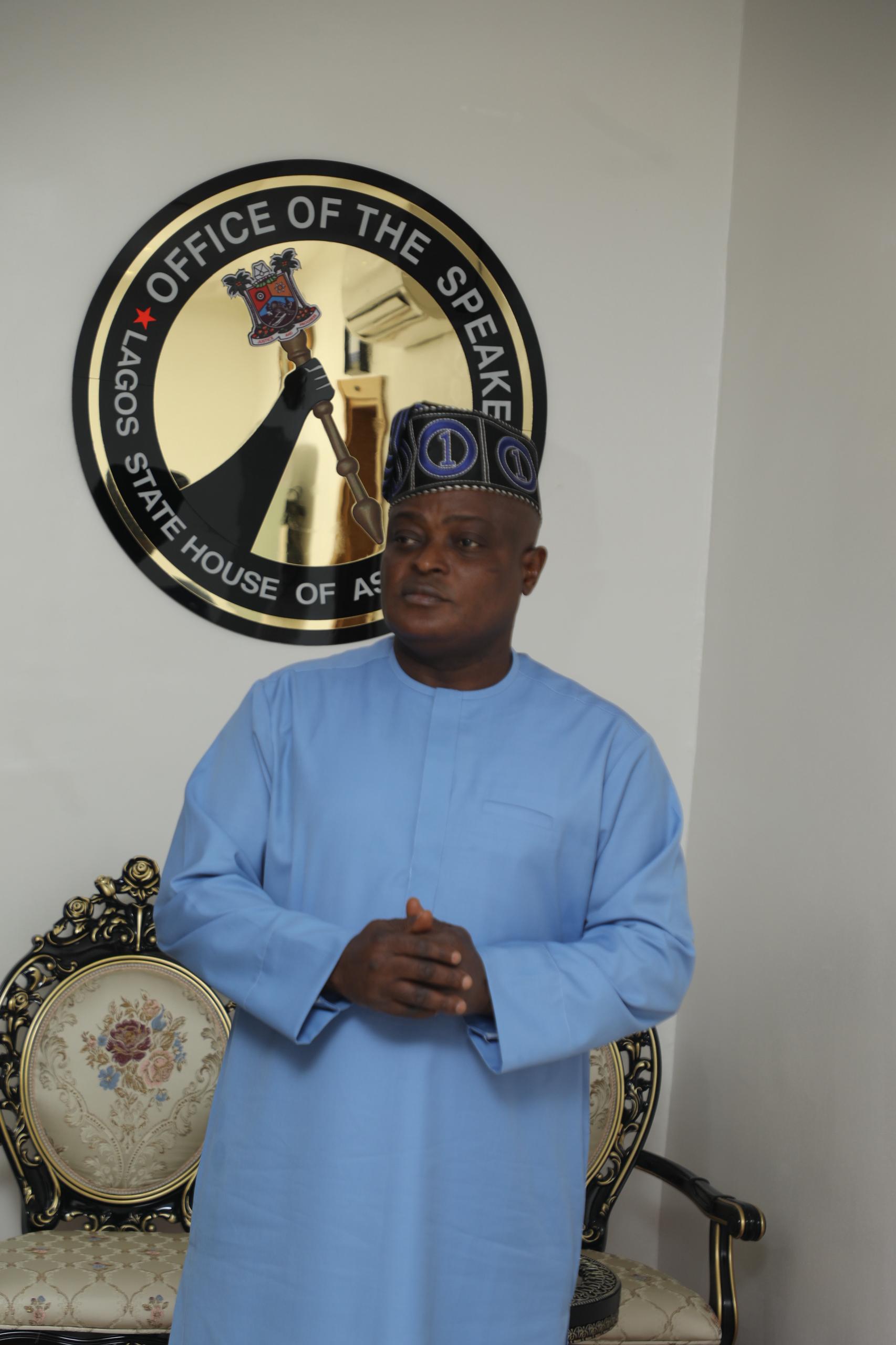
Easter: Obasa Urges Christians To Embrace Hope, Unity, Renewal
The Speaker of the Lagos State House of Assembly, Rt. Hon. Mudashiru Obasa, has congratulated Christian faithful in Lagos and across Nigeria on the celebration of Easter, urging them to draw strength from the lessons of Christ’s resurrection.
In his Easter message, released by his Chief Press Secretary, Mr. Dave Agboola, Obasa described the season as a reminder of victory over despair, renewal after trials, and the triumph of light over darkness. He noted that just as Christ overcame death, Nigeria can overcome its current challenges if citizens remain steadfast, prayerful, and committed to unity.
“Easter is a season of hope and renewal. As a nation, we face economic pressures and security concerns, but the resurrection teaches us that no situation is beyond redemption. Let us roll away the stones of division and despair, and work together for peace, justice, and prosperity,” the Speaker said.
He called on Lagosians to continue to show love and compassion to one another, stressing that collective effort is key to building a stronger Lagos and a better Nigeria.
Obasa prayed that the joy of Easter would fill homes with renewed faith and guide both leaders and citizens toward a brighter future.
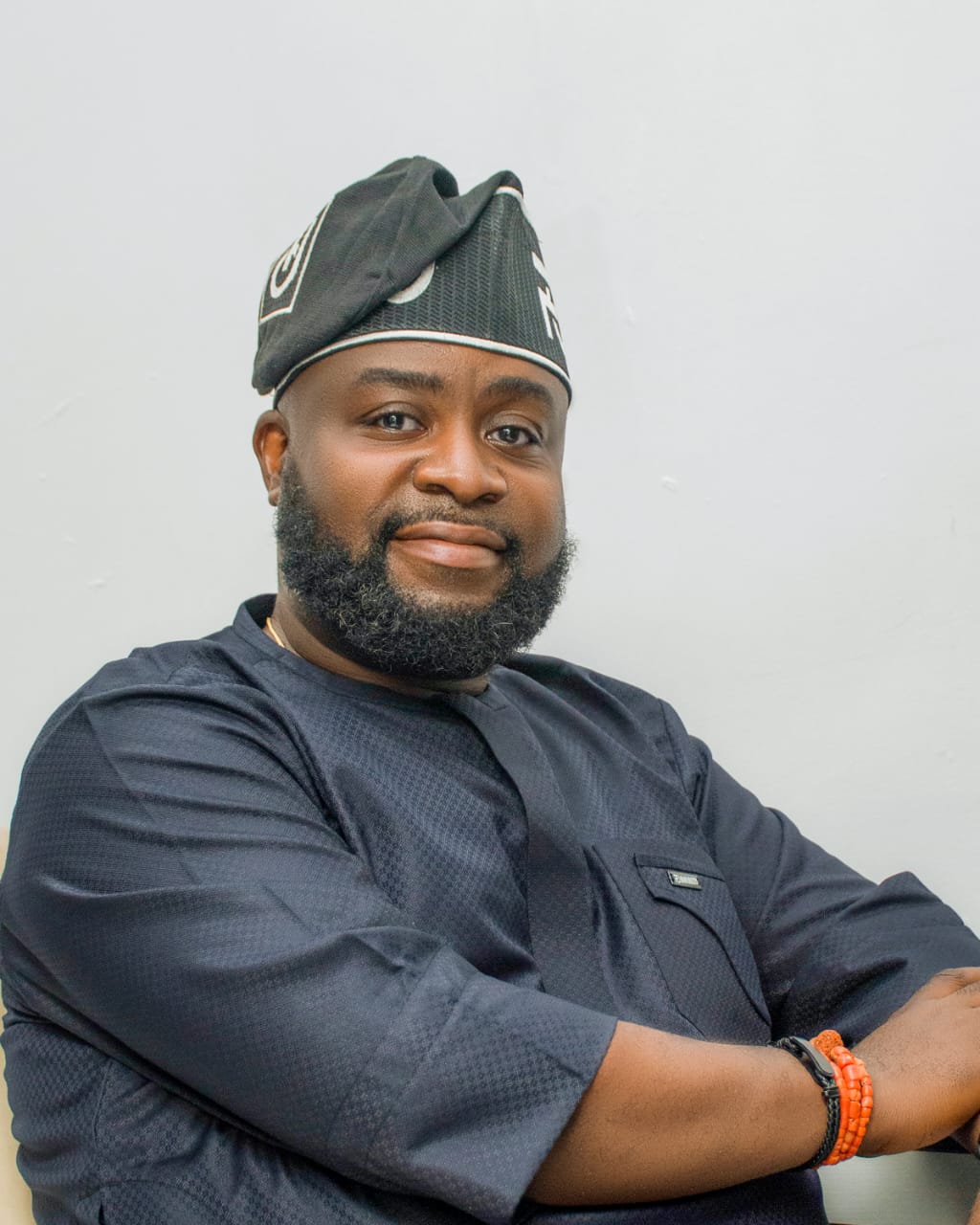
*PDP CHIEFTAIN, ONIRETI RESIGNS FROM PARTY, CITES PERSONAL REFLECTION
A former House of Representatives candidate, Olufemi Onireti, has formally resigned his membership of the Peoples Democratic Party (PDP) in Oyo State.
His resignation was conveyed in a letter addressed to the Chairman of PDP Osupa Ward 9, Ogbomoso North Local Government, on Thursday.
Onireti described the decision as a difficult but necessary step after what he termed a period of “deep personal reflection.”
“I hereby formally resign my membership of the Peoples Democratic Party (PDP), effective immediately,” he wrote.
He acknowledged his years of active involvement in the party, including contesting for the House of Representatives in the last general election, noting that the PDP had offered him a platform for political participation, service, and growth.
Despite his exit, Onireti expressed appreciation to party leaders and members for the support he enjoyed over the years.
“I remain grateful for the opportunity to serve and for the relationships and experiences I gained during my time in the party.
I wish the party well in its future endeavours,” he added.
The development is expected to generate discussions within the Ogbomoso North political circle, as observers await his next political move.


-

 society7 months ago
Religion: Africa’s Oldest Weapon of Enslavement and the Forgotten Truth
-

 news4 months ago
WHO REALLY OWNS MONIEPOINT? The $290 Million Deal That Sold Nigeria’s Top Fintech to Foreign Interests
-

 society6 months ago
“You Are Never Without Help” – Pastor Gebhardt Berndt Inspires Hope Through Empower Church (Video)
-

 celebrity radar - gossips2 months ago
Dr. Chris Okafor Returns with Power and Fire of the Spirit -Mounts Grace Nation Altar with Fresh Anointing and Restoration Grace on February 1, 2026