
Business
REDTV’s TMC Named ‘Web Series of the Year 2020’ at the Gage Awards 2020

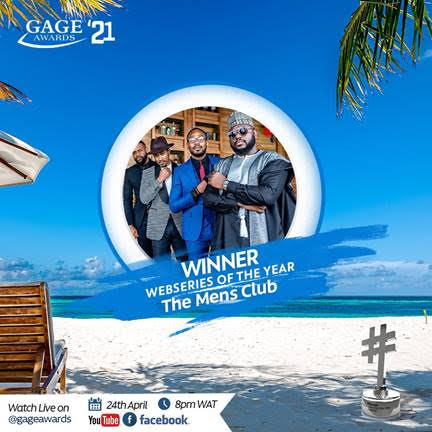
REDTV’s TMC Named ‘Web Series of the Year 2020’ at the Gage Awards 2020
The Men’s Club (TMC), Africa’s highly-anticipated online series powered by the United Bank for Africa’s Lifestyle and Entertainment channel, REDTV, has emerged the winner of Gage’s Awards’ Web Series of the Year 2020.
Following a thorough audit by the organizers of the awards, TMC which was nominated alongside four other popular online shows, clinched the highly coveted award and was announced as the winner in an elaborate virtual event which was held on Saturday, April 24th, 2021.
Now in its third season, TMC is one of the top hits from REDTV, producers of other popular shows like Our Best Friend’s Wedding, Inspector K, Assistant Madams, RedHot Topics, Hotel Boutique, and a host of other entertaining content.
The Men’s Club has enjoyed a huge following since its launch in 2018, taking viewers on a roller-coaster ride with Africa’s hottest screen men – Ayoola Ayoola, Efa Iwara, Daniel Etim, and Baaj Adegbule. Their adventure filled with love, friendship, fear, betrayal, and Romance has had viewers clamoring for more. The show also stars top actors like Sharon Ooja, Mimi Chaka, Folu Storms and features some of Nollywood’s finest legends like Sola Sobowale and Shaffy Bello.
Executive Producer, REDTV, Bola Atta, thanked the organizers of the Gage awards for the recognition as she elaborated on the mission of REDTV since it was birthed five years ago. She said, “REDTV was set up to support Africa’s creative industry. Developing and nurturing talent is what we are most focused on as we make available opportunities for creative people across the continent. We do this through the creation of compelling and positive stories about Africa and Africans’.
Acknowledging UBA’s continuous investment in REDTV and SMEs, Atta who is also the bank’s Director of Corporate Communications, said, “REDTV was birthed by the United Bank for Africa, to support the youths and the creative sector in Nigeria and across the African continent and for over five years we have been creating employment through entertainment. At UBA, we aim to empower talented and creative professionals in the pursuit of their dreams whilst they contribute to economic growth.
She disclosed that the online platform will be launching more pan- African content in the next few weeks, which she stated, will further connect African talent to the world, providing the best in entertainment and storytelling to its teeming fans.
Organizers of the awards, said the aim of the Gage Awards, which is in its second year, is to recognize institutions that have added value towards making the internet a haven for the development of African content.
REDTV is a fast-paced lifestyle channel that puts Africa on the global stage. Proudly powered by UBA, the network aims to entertain and inform through rich and engaging content that features the very best of Africa focused on fashion, news, music, sports, drama, travel, and much more.
REDTV collaborates with the most talented visionaries and creative minds who dare to believe in a New Africa, putting together content that reflects its vision.



*Oceangate Engineering Oil & Gas LTD to appeal Federal High ruling over forfeiture assets*
Oceangate Engineering Oil & Gas Limited has said it will appeal to the recent ruling of the Federal High Court ordering the forfeiture of certain assets.
Barr. Nnenna Onyeaso, the Company Secretary said in a statement on Thursday insisting that neither the company nor its leadership was found guilty of any wrongdoing.
Onyeaso said that the firm has described the court’s decision as a civil asset forfeiture order based on suspicion rather than proof, stressing that the judgment did not establish any criminal liability against the organisation.
According to her, the company maintain that it has already directed its legal team to file an appeal, expressing confidence in the judicial process and the outcome of a thorough review of the case.
“To be clear, this ruling is a civil asset forfeiture order with no finding of wrongdoing against Oceangate or its leadership.
“The court’s decision rested on a legal standard of suspicion, not proof, and it is one we intend to pursue fully through the appeals process,” she said in a statement.
The firm secretary also said that Oceangate has reiterated its belief in the rule of law, noting that the appellate system exists to address such outcomes.
She added that the company remained confident that the facts of the case will ultimately affirm its integrity and business practices.
Onyeaso said that the firm also emphasised that its operations remained unaffected, stating that it continues to provide employment for many Nigerians while contributing to the country’s energy sector and broader economy.
“We have always believed in the ability of the judicial process, and that belief has not wavered,” she added.
She noted that Oceangate further expressed appreciation to its employees, partners, and clients for their continued support amid the development, assuring stakeholders of its commitment to transparency and accountability.
The Secretary said that the company reaffirmed its confidence in Nigeria as a viable destination for investment, describing the country as a land of equity, growth, and opportunity.
“We remain committed to the continued growth of our business and the communities we serve as we are optimistic that justice will prevail at the end of the legal process.
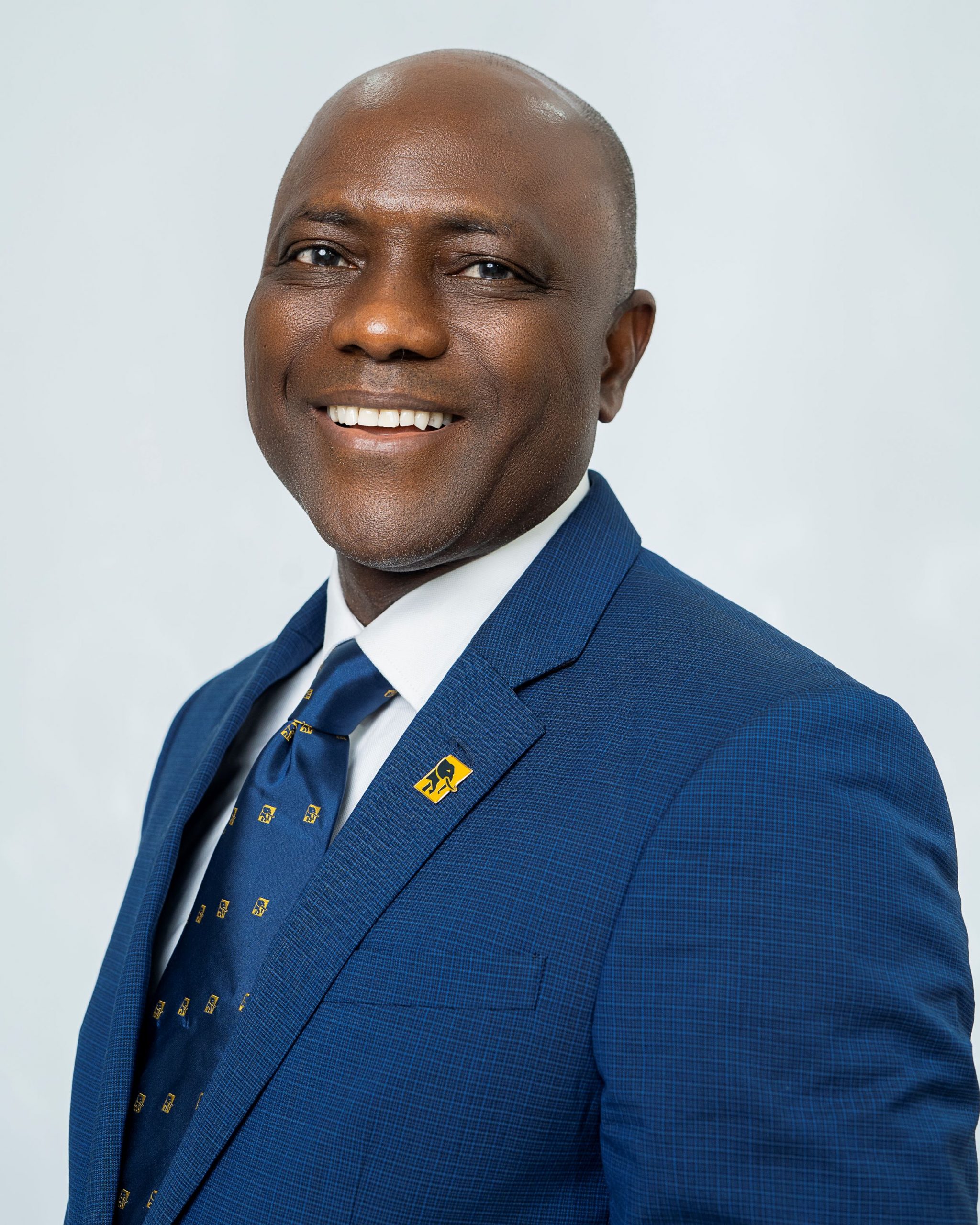
FirstBank Empowers SMEs with AI-Driven Growth Strategies, Hosts SMEConnect Webinar
Lagos, 20 March 2026 – FirstBank, West Africa’s premier financial institution and financial inclusion services provider, is pleased to announce the upcoming edition of the SMEConnect Webinar scheduled to hold on Tuesday, 31 March 2026. The event will equip small and medium-sized enterprises (SMEs) with the knowledge and tools to harness the power of Artificial Intelligence (AI) for business growth.
This edition is strategically curated to inform and educate SMEs on how AI can be applied to scale their businesses in today’s rapidly evolving digital economy. The chosen theme, “AI for Business Growth: From Adoption to Integration and Scalable Impact,” reflects the growing importance and timeliness of AI as one of the most influential trends shaping the SME business landscape. The session will provide SMEs with actionable insights on how to leverage AI to enhance productivity, streamline operations, strengthen customer engagement, and make smarter, data-driven decisions.
The SMEConnect webinar will feature experts, including Temitope Odude, Senior AI Solutions Architect at Microsoft as a guest speaker. Odude will provide credible and globally relevant perspectives on how SMEs can successfully adopt and integrate AI into their everyday business operations. Other speakers include Abednego Ugwueke, Head of Digital Channels and Ibidun Adedewe, Head of SME Acquisition & Partnerships at FirstBank.
Speaking ahead of the event, Chuma Ezirim, Group Executive, e-Business and Retail Products at FirstBank, said “SMEs are the backbone of the Nigerian economy, and at FirstBank, we recognise that the economy cannot thrive without them. As a committed growth partner to SMEs, this session reinforces our strong focus on innovation, demonstrated through initiatives such as the use of AI‑enabled credit scoring to deliver fast, instant loans to micro‑SMEs, with over ₦1 trillion disbursed to support customers’ financial needs. Building on this foundation, we are equipping business owners with the right knowledge and practical insights on Artificial Intelligence to help them scale in the short term and drive sustainable growth. I encourage every business owner to participate in this session to gain hands‑on guidance on integrating AI into everyday business operations.”
SME owners and entrepreneurs can register for the webinar at https://firstbanknigeria.zoom.us/webinar/register/WN_cUr1LhWFQXymTqWtONOOVg
SMEConnect Webinar series is one of FirstBank’s signature platforms for supporting SMEs with practical knowledge and strategic insights. The Bank has consistently won awards for impacting businesses and for providing innovative solutions for customers and other stakeholders, including SMEs.
The Bank was named Best SME Bank in Nigeria and Best SME Bank in Africa by TAB Global Excellence in Retail Finance Awards for 2 years as at 2025. The Bank also won the SME Financier of the Year- Nigeria awarded by The Digital Banker.
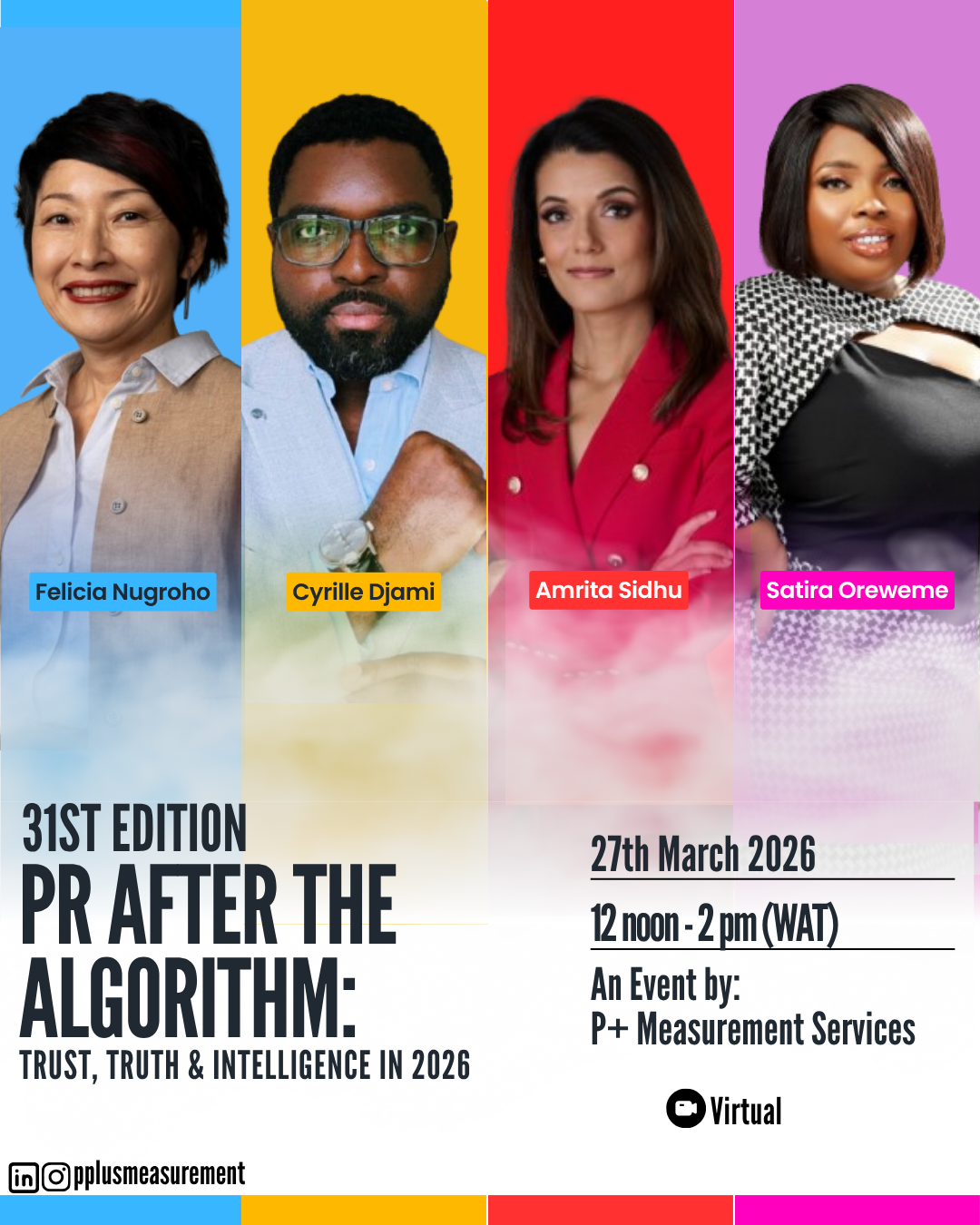
EvaluatePR to Explore “PR After the Algorithm: Trust, Truth & Intelligence in 2026
P+ Measurement Services, Nigeria’s leading independent media intelligence and PR measurement agency, will host the 31st edition of its flagship thought-leadership platform, EvaluatePR, on Friday, March 27, 2026, at 12:00 p.m. (WAT).
Themed “PR After the Algorithm: Trust, Truth & Intelligence in 2026,” this virtual session will convene professionals across public relations, communications, and media measurement to explore how algorithms, artificial intelligence, and digital ecosystems are reshaping reputation management, media influence, and audience trust.
With the increasing role of automation in communications, the event will challenge professionals to rethink how credibility is built and sustained in a fast-evolving digital landscape, while emphasizing the need for transparency, ethical measurement, and strategic intelligence.
The session will feature a distinguished lineup of speakers representing diverse expertise across global communications, media intelligence, and analytics: Felicia Nugroho – Director, Analytics & Insights, Maverick Indonesia / Chair, Asia Pacific & International Board Director, AMEC; Cyrille Djami – Founder & Publisher, CommsOfAfrica; Strategic Communications, Editorial and Influence Consultant; Amrita Sidhu – Managing Director, Medianet / Director & Board Representative, AsiaNet / Board Member, AMEC; and Satira Osemudiamen Oreweme – Principal Consultant, Satira Media & Public Relations Limited.
Together, they will lead insightful discussions on how communicators can navigate the intersection of technology and trust, maintain authenticity in automated environments, and leverage data-driven intelligence to deliver meaningful communication outcomes.
Participation in the session is free, with access available via the official registration link:
https://bit.ly/4stWjUh


-

 society6 months ago
Religion: Africa’s Oldest Weapon of Enslavement and the Forgotten Truth
-

 news3 months ago
WHO REALLY OWNS MONIEPOINT? The $290 Million Deal That Sold Nigeria’s Top Fintech to Foreign Interests
-

 society6 months ago
“You Are Never Without Help” – Pastor Gebhardt Berndt Inspires Hope Through Empower Church (Video)
-

 celebrity radar - gossips2 months ago
Dr. Chris Okafor Returns with Power and Fire of the Spirit -Mounts Grace Nation Altar with Fresh Anointing and Restoration Grace on February 1, 2026