
society
Religion: Africa’s Oldest Weapon of Enslavement and the Forgotten Truth

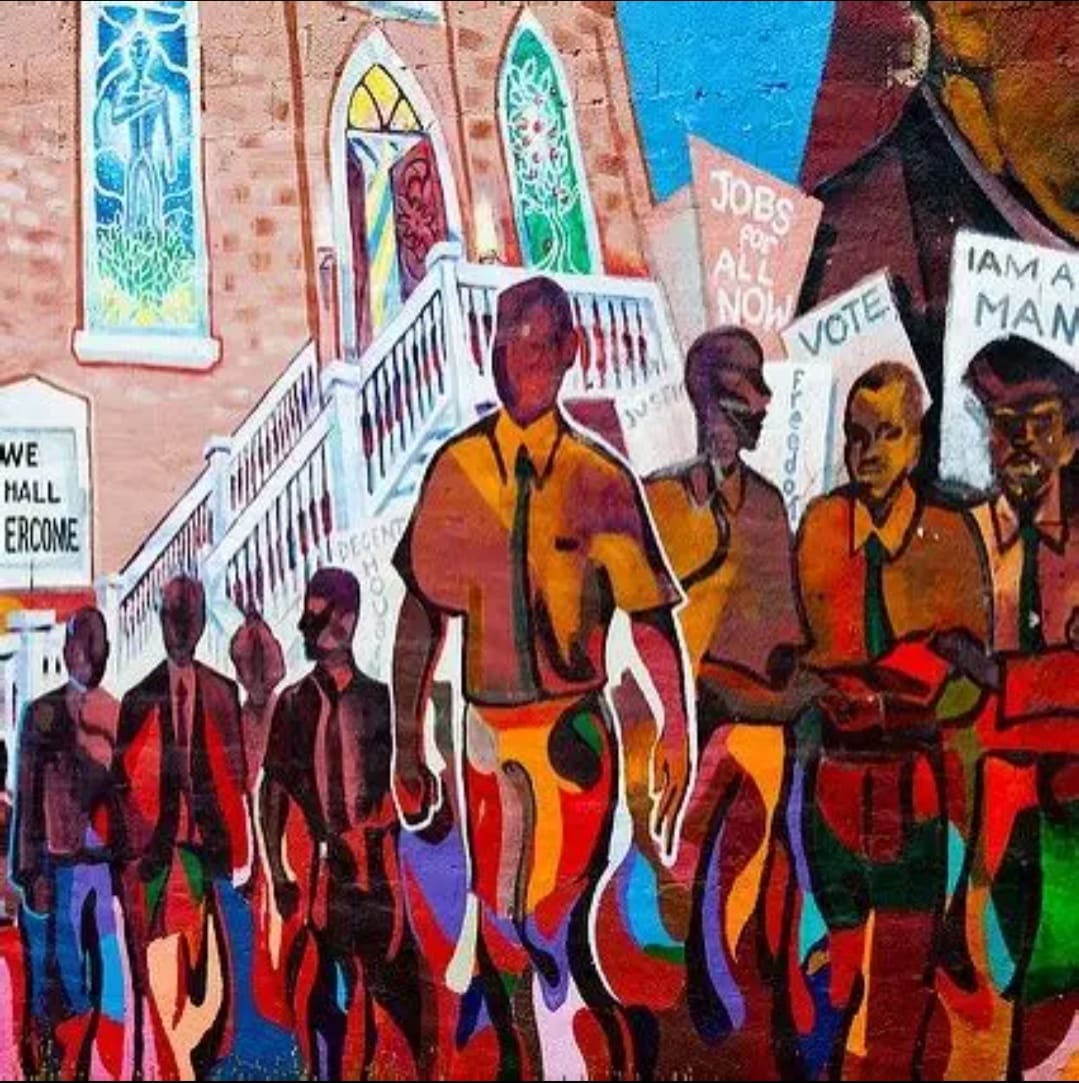
Religion: Africa’s Oldest Weapon of Enslavement and the Forgotten Truth.
By George Omagbemi Sylvester | Published by SaharaWeeklyNG.com
The day Africans stop worshipping their OPPRESSORS’ gods is the day true freedom begins.
Introduction: Chains Broken, But Minds Still Bound.
The history of Africa is incomplete without acknowledging the dual weapons that tore through its body and soul: the physical chains of slavery and the psychological shackles of religion. While the chains of iron rusted and fell off, the chains of the mind (enforced through CHRISTIANITY and ISLAM) remain deeply embedded in the African consciousness. Africans today reject the brutality of slavery, yet cling to the very tools that justified and sustained their oppression.
Religion in Africa, particularly Islam and Christianity, did not arrive as benevolent gifts of spiritual enlightenment. They were imposed, force-fed and institutionalized through violence, coercion and cultural destruction. The Trans-Saharan slave trade spread Islam across North, East and West Africa, while the Transatlantic slave trade embedded Christianity in Central and Southern Africa. Both were instruments of conquest, designed to dismantle African identity, demonize indigenous spirituality and create a submissive, divided people.
The Forgotten Prophets of Africa.
Before the arrival of Arab slave traders and European colonizers, Africa was not without its spiritual compass. The continent was rich with systems of belief rooted in ancestral reverence, herbal medicine, astronomy and moral codes handed down from sages and seers. These men and women were CUSTODIANS of TRUTH; the true prophets and visionaries of Africa.
When the foreign religions came, these prophets were branded as witches, pagans and devil worshippers. They were hunted, imprisoned and executed. Temples of knowledge (the schools of Kemet – ancient Egypt- and Kush) were either destroyed or appropriated. The herbalists who understood the earth’s healing were demonized; the diviners who read the stars were silenced. In their place came the holy books of the slave masters, which demanded blind faith, obedience and loyalty not to the ancestors but to foreign gods.
As the Kenyan scholar John S. Mbiti observed, “Religion was not brought into Africa; it was found in Africa. Africans were religious before the Europeans and Arabs came.” Yet the narrative taught today erases that truth, convincing Africans that their salvation must come from outsiders.
Religion as a Tool of Slavery.
To understand how religion was weaponized, one must confront the history:
Islam and the Trans-Saharan Slave Trade:
From the 7th century onward, Arab traders exported millions of Africans across the Sahara and Indian Ocean. Islam became the cloak under which Africans were told slavery was divinely sanctioned. Quranic justifications were twisted to brand black Africans as “FIT FOR SERVITUDE.” This trade persisted for over 1,000 years; longer than the Atlantic trade.
Christianity and the Transatlantic Slave Trade:
By the 15th century, European powers (Portugal, Spain, Britain, France) embarked on a mass kidnapping campaign that displaced over 12 million Africans. The Bible was the silent whip. Slaveholders cited verses like “Servants, obey your masters” (Ephesians 6:5) to sanctify brutality. Churches were not just silent bystanders; they owned plantations, profited from slavery and baptized captives before shipping them to death across the ocean.
Professor Chinweizu, the Nigerian critic of neo-colonialism, warned: “The white man’s God was never your God. He was invented to enslave you.”
King James and the Bible of Chains.
The King James Bible, often treated as holy scripture in African churches, has its own dark origins. King James I of England was a monarch deeply enmeshed in the politics of empire and colonization. His version of the Bible (1611) was commissioned not as a neutral spiritual text but as a political instrument to unify his kingdom and justify authority.
King James granted the Royal African Company its charter, enabling English merchants to dominate the Atlantic slave trade. This made him not only a ruler but a slave trader. As historian Edward Rugemer notes, the Bible under King James was deployed to discipline slaves, teaching them that obedience was a Christian duty. Africans who glorify this text without scrutiny fail to see the blood-soaked ink in its pages.
Jesus: The White Man’s Idol or the Black Messiah?
Perhaps the deepest deception lies in the image of Jesus. The “white boy with blue eyes” worshipped in Africa today was the creation of European Renaissance art, modeled on Cesare Borgia, the son of Pope Alexander VI. This image became propaganda, replacing the historical Jesus; a dark-skinned, woolly-haired man from the line of David.
The Book of Revelation 1:14-15 describes him plainly: “His head and his hairs were white like wool, as white as snow; and his feet like unto fine brass, as if they burned in a furnace.” This is not the image of a pale European, but of a Black man.
As Marcus Garvey thundered: “We Negroes believe in the God of Ethiopia, the everlasting God. God the Son, God the Holy Ghost, the one God of all ages. That is the God in whom we believe, but we shall worship Him through the spectacles of Ethiopia.”
The Book Jesus Spoke About.
When Jesus asked his disciples, “Have you not read? Is it not written?” he was referring not to the King James Bible, which did not exist, but to the ANCIENT SCROLLS of the TORAH, the PSALMS, and PROPHETIC WRITINGS. Africans must ask themselves: why are we handed a colonial compilation of texts while our own sacred writings (the PAPYRUS SCROLLS of KEMET, the ORAL TRADITIONS of IFA, the HIEROGLYPHIC WISDOM of NUBIA) are discarded as “pagan”?
Dr. Yosef Ben-Jochannan, the eminent Egyptologist, said: “The Bible is a rewritten book of African spiritual writings. What was stolen in Kemet became holy in Europe.”
The Psychological War: Why Africans Still Cling to Religion.
If religion was a weapon, why then do Africans still cling to it? The answer lies in psychology. After centuries of enslavement, colonial education and missionary indoctrination, religion became synonymous with morality, civilization and hope. To reject it feels like rejecting identity itself.
This is the illusion. As Ngũgĩ wa Thiong’o warns in Decolonising the Mind: “The most important area of domination is the mental universe of the colonized.” The colonizers may have left physically, but they left behind a spiritual operating system designed to keep Africa submissive.
The Call for African Awakening.
True liberation for Africa begins not in politics or economics, but in spirituality. Until Africans restore respect for their ancestral wisdom, the continent will remain trapped in foreign systems of thought. The task is not to erase faith but to redefine it, to honor the AFRICAN PROPHETS, HERBALISTS and SAGES who were silenced and to reclaim the spiritual traditions demonized by slave masters.
As Cheikh Anta Diop, the Senegalese historian, put it: “The African who loses his culture loses himself.”
Africa’s Last Awakening: Breaking the Final Chain.
The chains of slavery were visible; the chains of religion are invisible; but both are real. Africa cannot rise while bowing to the idols of its oppressors. To pray to the image of a white Christ while rejecting the wisdom of our ancestors is to spit on their struggle.
The day Africans wake up and realize that their dignity lies not in imported religions but in the reclamation of their own divine heritage, that day the continent will stand tall again.
The final battle is not fought with guns or protests, but with the awakening of the African mind.








Zamfara Governor Dauda Lawal Outlaws Cash Revenue Collection, Sets ₦42 Billion IGR Target
In a landmark move to sanitize public finance and plug revenue leakages, Governor Dauda Lawal has ordered the immediate and total abolition of cash collections for all government revenues across Zamfara State. The directive marks a significant shift toward a fully digitized financial architecture, aimed at ensuring transparency and accountability in the state’s fiscal operations.
The Governor announced the ban during a high-level town hall meeting convened in Gusau by the Zamfara State Internal Revenue Service (ZSIRS). The gathering was primarily organized to sensitize key stakeholders on the implications and opportunities presented by the Nigeria Tax Reform Acts 2025, which seek to modernize tax administration and delineate fiscal responsibilities among the federal, state, and local governments.
Speaking at the event, Governor Lawal underscored that revenue generation is a collective obligation shared by all Ministries, Departments, and Agencies (MDAs). He issued a stern warning against the persistence of revenue leakages, duplication of charges, and the illegal practice of collecting funds outside officially approved channels.
“The era of cash transactions for government revenue is over in Zamfara State,” the Governor asserted. “We are building a system where every kobo due to the state is accounted for digitally, leaving no room for manipulation or misappropriation.”
The Governor’s executive order is backed by the recently re-enacted Zamfara State Consolidated Revenue Law, which provides a fortified legal framework for revenue administration. The new law consolidates the authority of the state revenue service, harmonizing the collection of both tax and non-tax revenues under a single, unified, and digital-first system.
In line with these aggressive reforms, the Zamfara State Government has set a bold Internally Generated Revenue (IGR) target for the 2025 fiscal year, aiming to generate between ₦38 billion and ₦42 billion. Officials stated that the target is achievable through the ongoing reforms, which are focused on expanding the tax net, improving collection efficiency, and embedding robust accountability mechanisms across all revenue-generating entities.
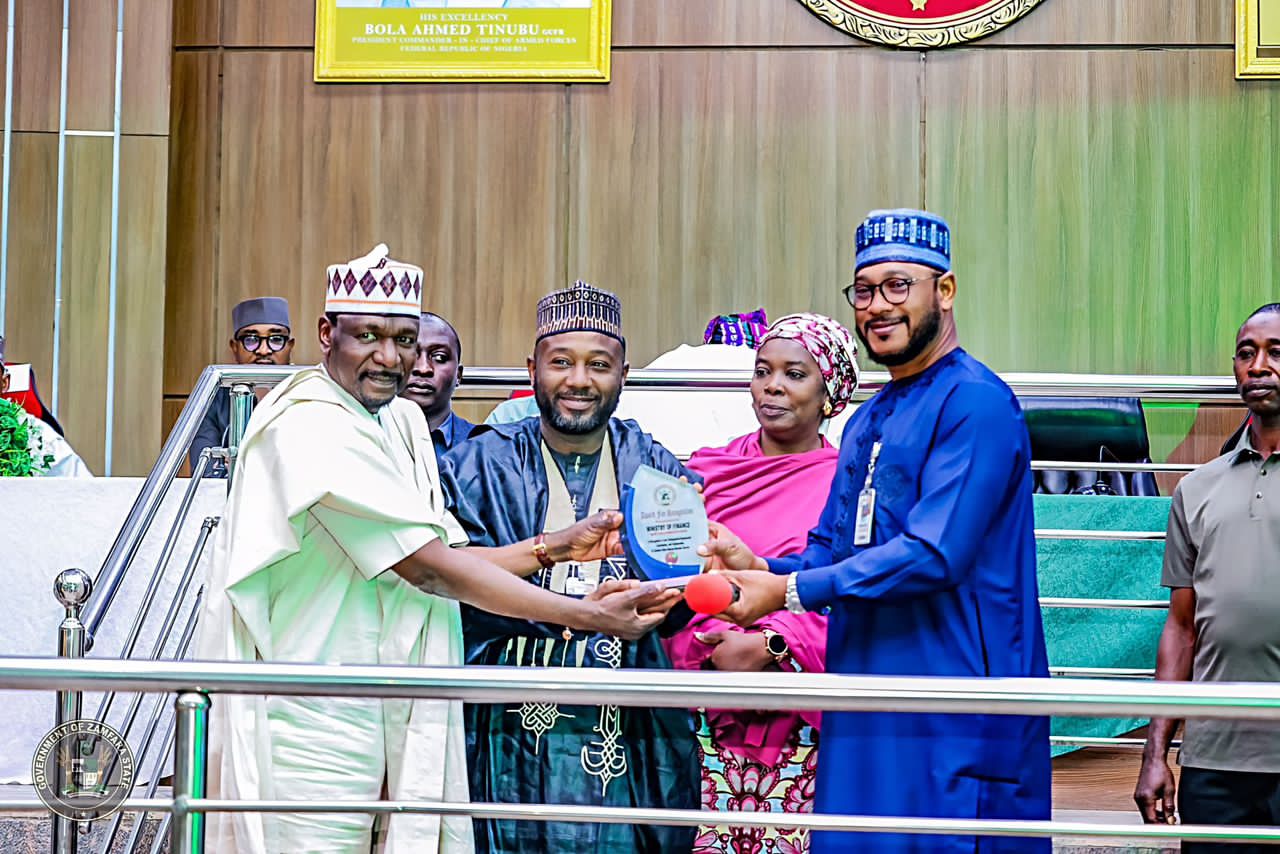
The town hall meeting served as a platform to engage with stakeholders on how to navigate the new tax laws and leverage technology to boost state revenue without overburdening citizens. The event concluded on a high note with the presentation of awards of excellence to various MDAs and individuals who demonstrated outstanding performance and diligence in revenue remittance, setting a precedent for others to follow under the new dispensation.
Dr Chris Okafor Withdraws Earlier Apology
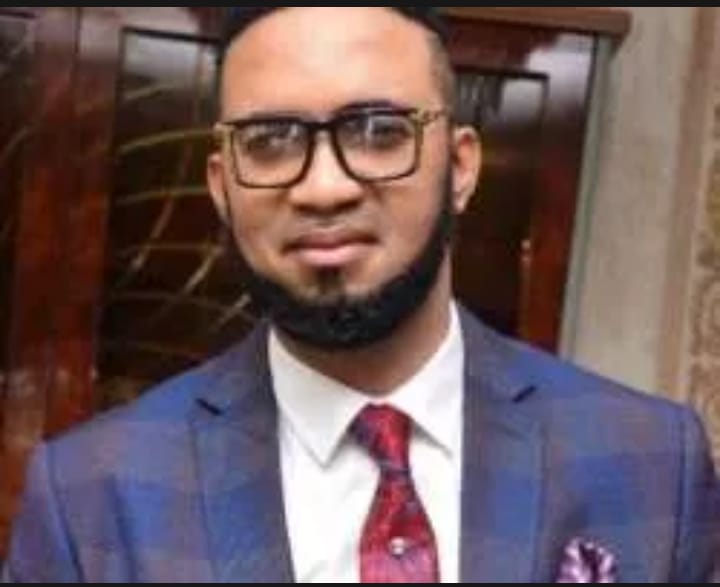
The Generational Prophet and Senior Pastor of Grace Nation Worldwide, Dr Chris Okafor, has withdrawn the public apology he recently issued in response to allegations made against him by a faded actress and certain social media influencers.
The allegations claimed, among other things, that he had promised marriage to an aggrieved woman. Dr Okafor has consistently described the claims as untrue.
Explaining his initial decision to apologise, the cleric said the move was made in an effort to calm tensions and shield his mentors and spiritual fathers, whom he said were being unfairly attacked on social media without verified facts. He also noted that conflicting advice from some associates influenced his earlier stance.
However, after reviewing the interpretation and implications of the apology, Dr Okafor stated that he concluded it was inappropriate to apologise for actions he insists he did not commit.
“If there was any apology, I withdraw it,” he said. “The allegations against me are false and amount to blackmail. It is wrong for me to apologise for what I did not do.”
He further expressed confidence that the truth has begun to emerge, adding that he would refrain from making further comments as the matter is now before the court.
“The court will determine who is lying and who is blackmailing,” he said.
April 16, 2026, has been fixed by the High Court of Nigeria for a final declaration on the matter.
By Christopher David


CARNIVAL OF HONOUR AS OWERRI YOUTHS STORM AIRPORT FOR ADA IMO
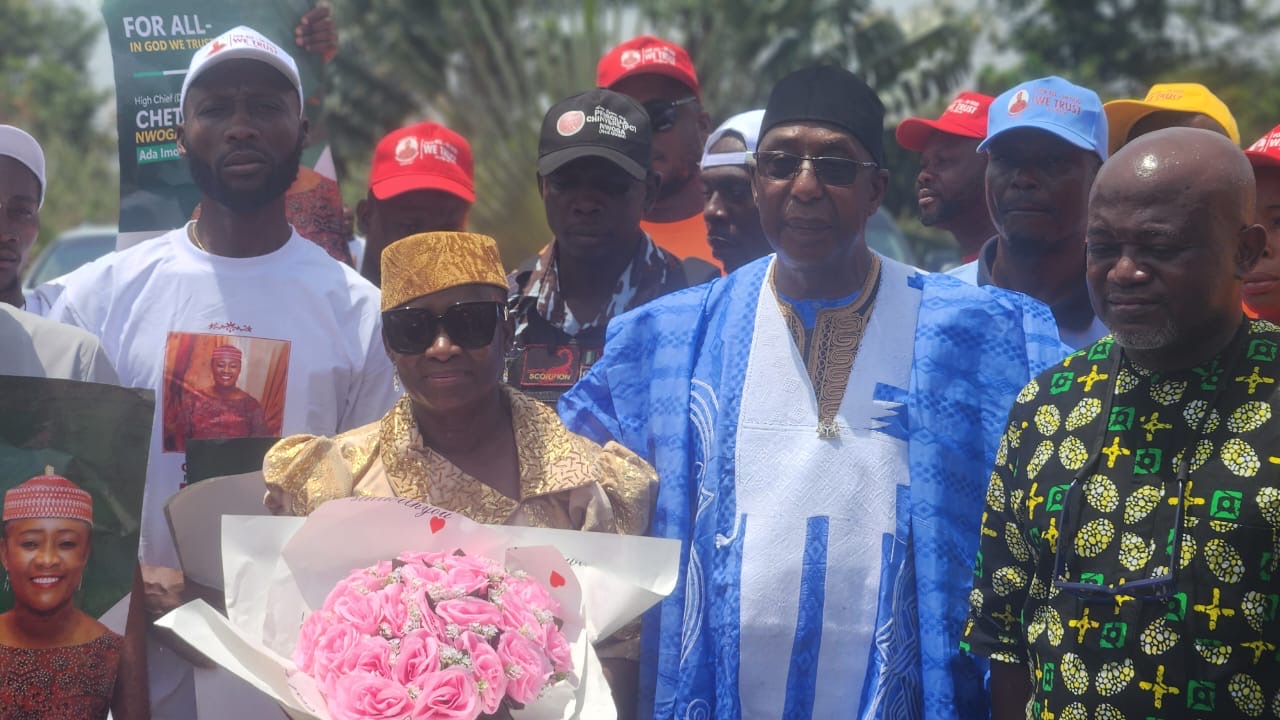
It was a homecoming that will linger in public memory for years in Imo State, as youths from across Owerri Zone converged in their hundreds to welcome their illustrious daughter — High Chief (Dr.) Princess Chetachi Nwoga-Ecton, fondly known as Ada Imo and Adaure.
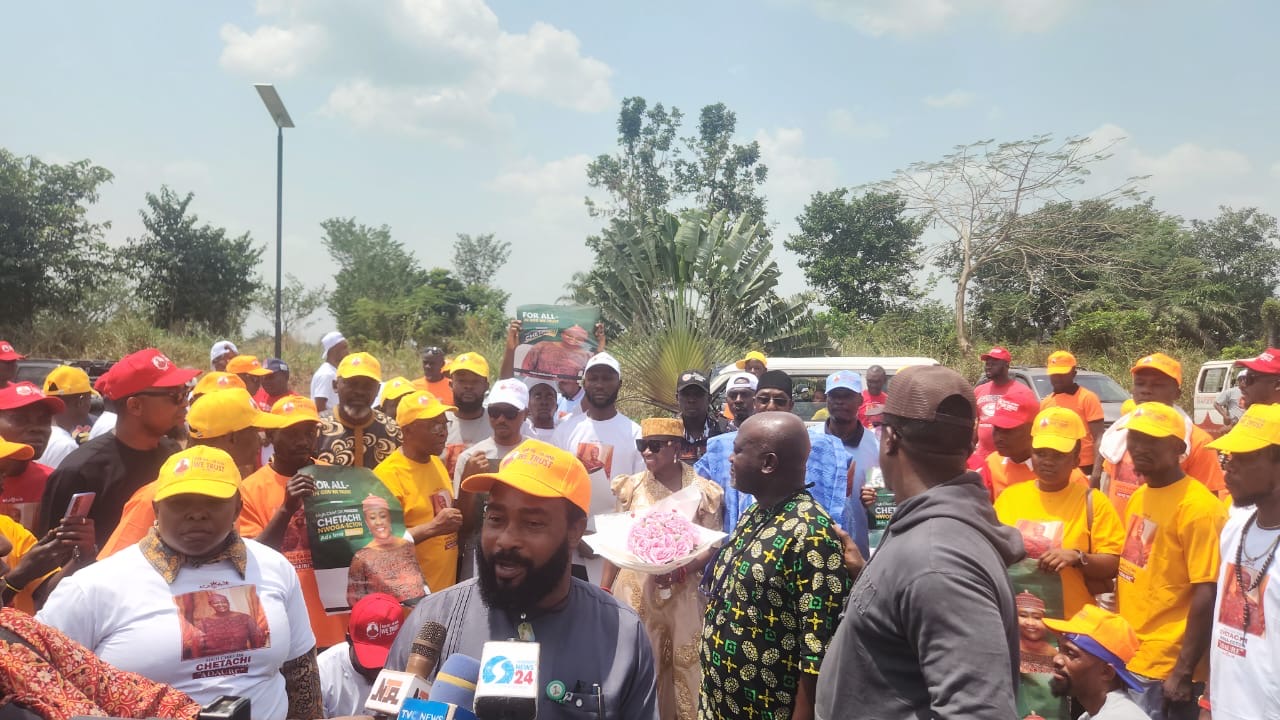
The usually calm atmosphere of the Sam Mbakwe International Cargo Airport was transformed into a vibrant cultural arena on Saturday, February 28, 2026, as drums rolled, dancers swirled, and banners fluttered in celebration of a woman widely regarded as a global ambassador of compassion.
The celebrated philanthropist was escorted from Abuja by His Excellency Amb. Dr. Yahaya Mohammad Kyabo Fagge, FCIML, USA — Fan Darman Jiwa Wakilin Sarkin Jiwa, FCT Abuja, Emirate Council — under the directive of the Northern Emirates in recognition of her numerous charity services across Northern Nigeria.
The symbolic gesture underscored the cross-regional goodwill she has cultivated through years of humanitarian outreach.
What began as a formal reception quickly evolved into a carnival of pride, unity, and admiration.
Clad in coordinated outfits, chanting solidarity songs and waving placards, young men and women gathered long before her arrival.
The air vibrated with the rhythm of traditional drums as cultural troupes performed energetically, showcasing a rich display of Igbo heritage — a colorful fusion of dance, music, and communal joy.
Media organizations from within and outside the state were on ground, capturing every moment of what observers described as one of the most spontaneous youth-led gatherings witnessed at the airport in recent times.
High Chief Princess Chetachi Nwoga-Ecton, a respected philanthropist with far-reaching humanitarian footprints, appeared visibly moved by the overwhelming show of affection.
Known for her unwavering commitment to uplifting vulnerable communities and empowering women and children, her return symbolized more than a routine visit — it became a celebration of identity, excellence, and shared pride.
In passionate remarks delivered at the scene, several youth leaders urged the Ada Imo to consider venturing into the political arena.
According to them, her leadership capacity, global exposure, and humanitarian record position her as a credible voice capable of advancing the interests of Owerri Zone and beyond.
“She has done so much without holding public office. Imagine what she could achieve with a political platform,” one youth coordinator declared to resounding applause.
Despite the mounting appeals, the philanthropist refrained from making any political pronouncement.
She warmly acknowledged the crowd but remained silent on the issue of political ambition — a silence that has since sparked conversations across the zone.
Whether this historic reception signals the beginning of a new chapter in her public journey remains to be seen.
For now, what is undeniable is the depth of admiration and expectation invested in her by the younger generation.
As chants of “Ada Imo! Ada Imo!” echoed through the airport premises, one message stood unmistakably clear:
Owerri has welcomed home not just a daughter, but a living symbol of pride, possibility, and promise.


-

 celebrity radar - gossips7 months ago
Why Babangida’s Hilltop Home Became Nigeria’s Political “Mecca”
-

 society7 months ago
Power is a Loan, Not a Possession: The Sacred Duty of Planting People
-

 news7 months ago
THE APPOINTMENT OF WASIU AYINDE BY THE FEDERAL GOVERNMENT AS AN AMBASSADOR SOUNDS EMBARRASSING
-

 news3 months ago
WHO REALLY OWNS MONIEPOINT? The $290 Million Deal That Sold Nigeria’s Top Fintech to Foreign Interests