
society
Revolutionizing Nigeria’s Energy Future: The Gbenga Komolafe Story

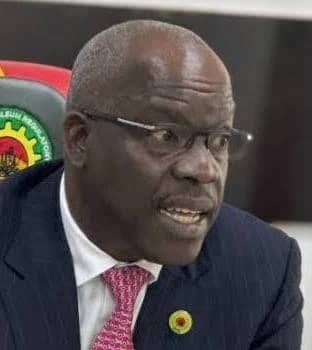
Revolutionizing Nigeria’s Energy Future: The Gbenga Komolafe Story
By Moses Udo
Among the constellation of Nigeria’s leadership, there are individuals whose vision and tenacity do more than just inspire people; they are representatives and architects of transformation. Engr. Gbenga Komolafe, helming the Nigerian Upstream Petroleum Regulatory Commission (NUPRC), is irrevocably one such luminary. His leadership over this critical agency has been exceptionally administrative; it is emblematic of the purposeful reform that has become one of the answers to the clarion calls within the broader framework of President Bola Ahmed Tinubu’s Renewed Hope Agenda.

Komolafe’s leadership has yielded structural innovations, an article that can be likened to a Master builder who is laying the foundation for a high skyscraper. He is constructing a new framework for Nigeria’s oil and gas industry. And for the record, he has championed non-kinetic strategies to quell crude oil theft, a feat which has remarkably reduced losses to 5,000 barrels per day, and has stabilized production at 1.7 million barrels per day. Under his Project 1 MMBOPD initiative, there is an expectation for an additional million barrels per day by December 2026. These types of gains are what cannot just be conjured from rhetoric, but only from disciplined execution by a focused leader.
However, what we can call the most compelling evidence of Komolafe’s reformative ascendancy lies in the report of N5.21 trillion mid-year revenue generated by the NUPRC in the first half of 2025 alone. To put this in a better context, this figure represents 42.7% of the record N12.2 trillion garnered in the entire year of 2024. Even against the N15 trillion target of 2025, this constitutes 34.7% already achieved in just six months. This is a sterling pace amid global oil market volatility and domestic production challenges. This monetary performance is not merely impressive; it is massive and undoubtedly transformative.
Moreover, Engineer Komolafe’s strategies have strengthened the confidence of investors and also repositioned Nigeria’s upstream sector as a reliable sector for the country’s revenue. It’s no mean feat that the nation now holds the largest gas reserves and the second-largest oil reserves in Africa; this enviable status owes much to the labor and strategic framework he has painstakingly put in place.
It is also worth noting to state that Komolafe’s tenure is equally defined by transparency, sustainability, and inclusivity. In achieving this feat, he has pioneered the Nigeria Gas Flare Commercialisation Programme (NGFCP) and the Carbon Credits Earning Framework, becoming a twin initiative that is positioned at the intersection of environmental responsibility and economic sustainability. These flagship projects are aimed at not just eliminating the challenges of gas flaring but also reducing methane emissions, encouraging carbon capture technologies, monetizing the decarbonization strategy, remaining at the vanguard of the country’s energy transition, and promoting sustainable energy practices.
In complementing these, he established the Host Community Development Trusts (HCDTs) and an Alternative Dispute Resolution Centre (ADRC), which help to create a participatory governance and further foster conflict resolution that once marred upstream operations.
Under his leadership, the upstream sector has achieved fiscal discipline through metering reforms, transparent cargo declarations, and simplified royalty frameworks as a result of his adoption of progressive regulation, which is a plan that is rooted in the Petroleum Industry Act (PIA), the 10-Year Regulatory and Corporate Strategic Plan (2023–2033), and the 2024 Regulatory Action Plan.
The Energy Policy Advancement Centre (EPAC) lauded this performance as a salient testament to strategic governance, foresight, and institutional discipline. Their Director-General, Dr. Ibrahim Musa, asserted, “NUPRC has moved beyond passive regulation to active value generation”, and he further emphasized that what sets this leadership apart “is not just the quantum of revenue but the discipline with which it is being pursued”.
Musa also praised NUPRC’s debt recovery drive, which yielded $459,226 from outstanding obligations — part of a cumulative $1.436 billion owed from crude oil lifting contracts.
He said: “Debt recovery may not attract headlines, but it is the backbone of fiscal discipline. Every dollar recovered is a step towards stabilising government finances and strengthening our economic resilience. The NUPRC’s persistence in this regard is commendable.”
But why do all these matter within President Tinubu’s Renewed Hope Agenda? At its heart, the president’s agenda seeks to restore public confidence, strengthen institutional capacity, and rejuvenate Nigeria’s struggling economy. Fortunately for Nigerians, Engr. Komolafe’s conduct encapsulates these ideals. Komolafe is not merely an agent of reform; he is an embodiment of that agenda’s promise. His work is the praxis through which Renewed Hope becomes a loved reality, and more than just a campaign slogan it used to be known for.
History praises visionaries because they alone perceive possibilities where others see only patches, and Komolafe exemplifies this through his strategic foresight in curbing theft and production stabilization within the oil and gas sector. His holistic reforms have integrated environmental imperatives, enshrined accountability within the NUPRC, and created community welfare; His ability to leverage policies and frameworks to recalibrate oil and gas governance has fostered institutional renewal; and his ability to deliver tangible gains for the federation’s revenue base has ensured fiscal prominence.
As we have found ourselves in an era where grandiloquence often eclipses genuine progress, and political ambition serves personal interest, the tenure of Eng. Gbenga Komolafe in NUPRC has stood among others as impactful, transformative, and substantive. He is not a mere bureaucrat; he is an architect of modern Nigeria’s energy future, who builds a legacy of reforms, and not rhetoric.
His contributions ripple outside the confines of the oil and gas sector, nourishing the ethos and reinforcing the Renewed Hope Agenda upon which our collective future depends. Thanks to him, the oil Industry is now much more efficient as a result of the implemented strategic reform, which drastically reduced capital and operational expenditure in oil production.
Indeed, a man of vision is not just an asset but a lodestar to his nation. In Gbenga Komolafe, we find a man of vision who is unequivocally an invaluable asset to our great nation.
Udo is a public affairs analyst writing from Glasgow, United Kingdom.


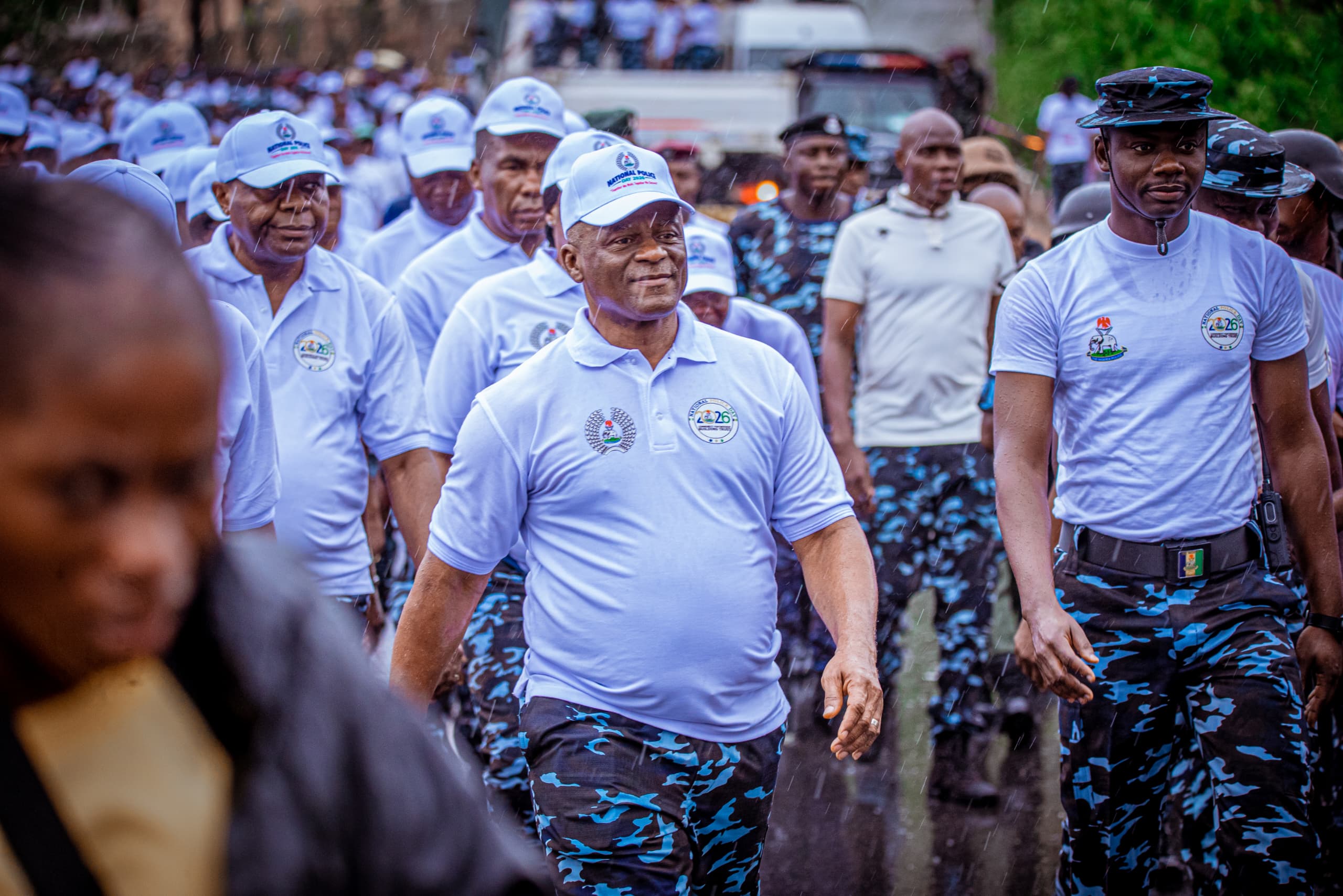
Police Day 2026: IGP Disu Leads Nationwide Walkathon To Strengthen Community Trust
The Inspector-General of Police, Olatunji Disu, on Tuesday led the management team, alongside officers and personnel of the Nigeria Police Force, in a nationwide walkathon to commemorate the 2026 National Police Day.
The event, held across state capitals and the Federal Capital Territory, formed part of activities marking Day Two of the annual celebration, themed “Community Partnership: Building Trust.”
The symbolic exercise, which drew participation from both police personnel and members of the public, was aimed at showcasing unity, discipline, and a renewed commitment to community policing and public safety.
According to the Force leadership, the walkathon underscores the Nigeria Police Force’s resolve to strengthen public trust, deepen engagement with citizens, and enhance collaboration in tackling security challenges across the country.
Participants described the initiative as a practical step toward bridging the gap between law enforcement and the communities they serve, while also promoting physical fitness and mental well-being among officers and civilians alike.
With the theme reflecting a shared responsibility for safety, the Police reiterated that sustainable security can only be achieved through active partnership with the public.
The event concluded with a renewed call for collective action under the banner: “Together We Walk, Together We Secure,” emphasizing unity of purpose in building a safer and more secure society for all Nigerians.


society
Dr. Chris Okafor invokes divine retribution upon individuals blackmailing the Grace Nation church
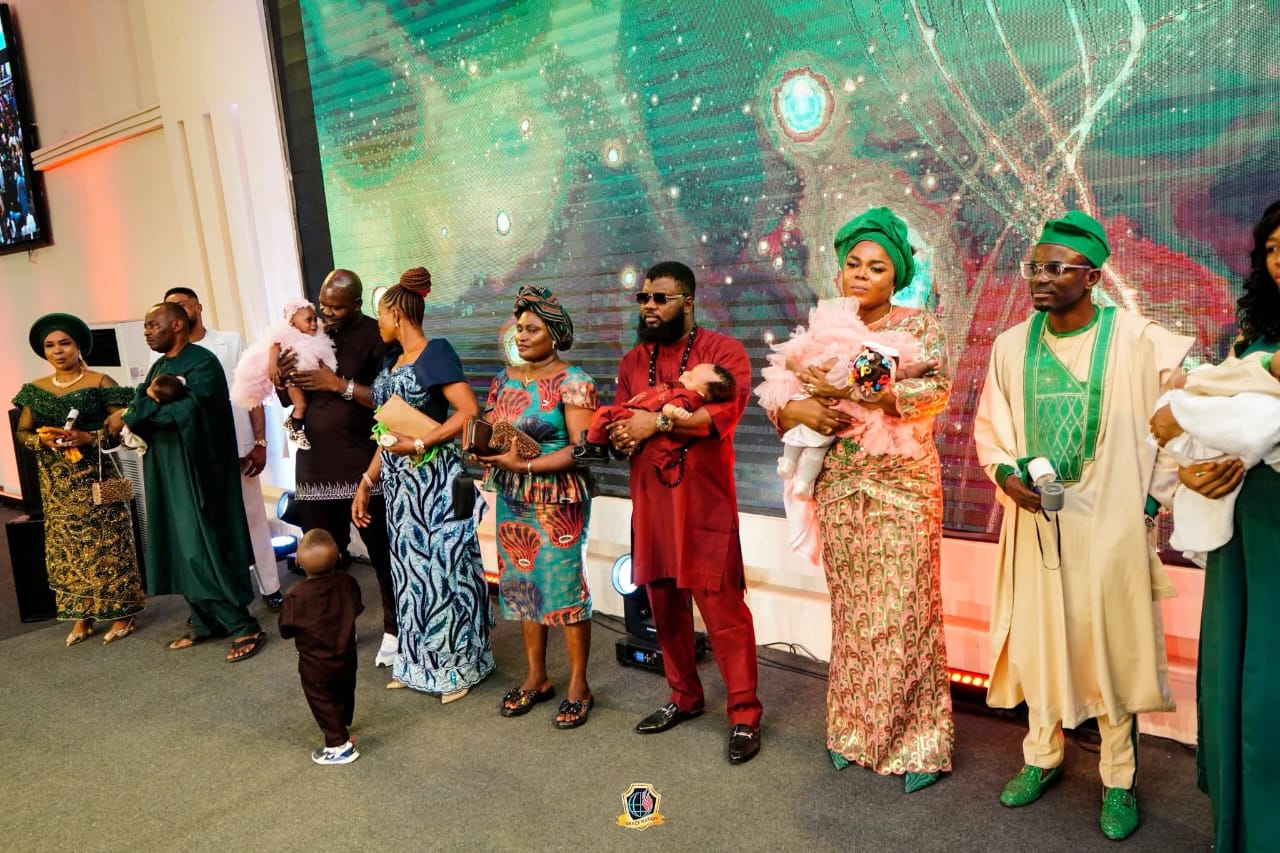
Dr. Chris Okafor invokes divine retribution upon individuals blackmailing the Grace Nation church
… Affirming God’s omnipotence to unveil malicious schemes.
To be frank, the ability of Doris Ogala and her associates to withstand the arduous challenges set by Senior Pastor Dr. Chris Okafor of Grace Nation Global at the culmination of the Harvest of Babies 2026 conference, the church’s flagship event, continues to elude me.
It’s advisable not to offend a powerful spiritual leader like Prophet Chris Okafor to avoid potential consequences, as seen in the situation with Doris Ogala, who was rebuked by the prophet; can she rectify the situation through confession?
Insiders close to the man of God claim that despite relentless online bullying and blackmailing, the Generational Prophet remains resolute, stating that God’s power has been evident throughout the commission’s existence. The reason for this wonderful statement is found in the scriptures, “Upon this rock I shall build my Church, and the gates of hell shall not prevail.” The more falsehoods are spread about the church and its leader, the more God elevates the church and propels him to greater heights, he asserted. He emphasized that blessings and fruitfulness are antidotes to curses, noting that God continues to bestow blessings upon the church, including miracles and the gift of children, which is one reason for the grand finale of the annual family liberation program, The Harvest of Babies.
However, the man of God issued a curse on each person speaking ill of the church, blackmailing, and uttering all sorts of falsehoods against the church, declaring that if they refused to repent within a few days, the earth would swallow them and their family members, stating that they would be of no use to themselves, their families, or society at large.
The spiritual leader cautions his followers to beware of such individuals including Doris Ogala who may taint their faith, and urges them to treat these persons as emissaries of the devil, avoiding them altogether.
Recall that the 2026 harvest of babies concluded with a remarkable birth of a miracle baby boy to a woman on the third day of the conference, accompanied by the dedication of several other miracle babies, all to the glory of God.
Christopher Sunday David writes from
Austria
“Together We Walk, Together We Secure”: Police Launch 2026 Walkathon In Abuja
The Nigeria Police Force has announced plans to host a walkathon in commemoration of the 2026 National Police Day, aimed at promoting unity, peace, and stronger community partnership.
The event is scheduled to take place on Tuesday, March 31, 2026, with participants expected to converge at the Force Headquarters Abuja by 6:00 a.m., where the walk will commence.
According to the organisers, the walkathon is designed to bring together members of the public, stakeholders, and security personnel in a show of solidarity and shared commitment to national security.
With the theme, “Together we walk, together we secure,” the initiative underscores the importance of collaboration between the police and citizens in maintaining peace and safety across the country.
Members of the public have been encouraged to participate in the exercise, which forms part of activities lined up to mark this year’s National Police Day celebration.
It is believed that the walkathon would not only foster closer ties between the police and the communities but also serve as a platform to promote awareness on collective responsibility in ensuring a safer society.


-

 society6 months ago
Religion: Africa’s Oldest Weapon of Enslavement and the Forgotten Truth
-

 news4 months ago
WHO REALLY OWNS MONIEPOINT? The $290 Million Deal That Sold Nigeria’s Top Fintech to Foreign Interests
-

 society6 months ago
“You Are Never Without Help” – Pastor Gebhardt Berndt Inspires Hope Through Empower Church (Video)
-

 celebrity radar - gossips2 months ago
Dr. Chris Okafor Returns with Power and Fire of the Spirit -Mounts Grace Nation Altar with Fresh Anointing and Restoration Grace on February 1, 2026