
society
Seize the Moment: How Today’s Opportunities Shape Tomorrow’s Triumphs

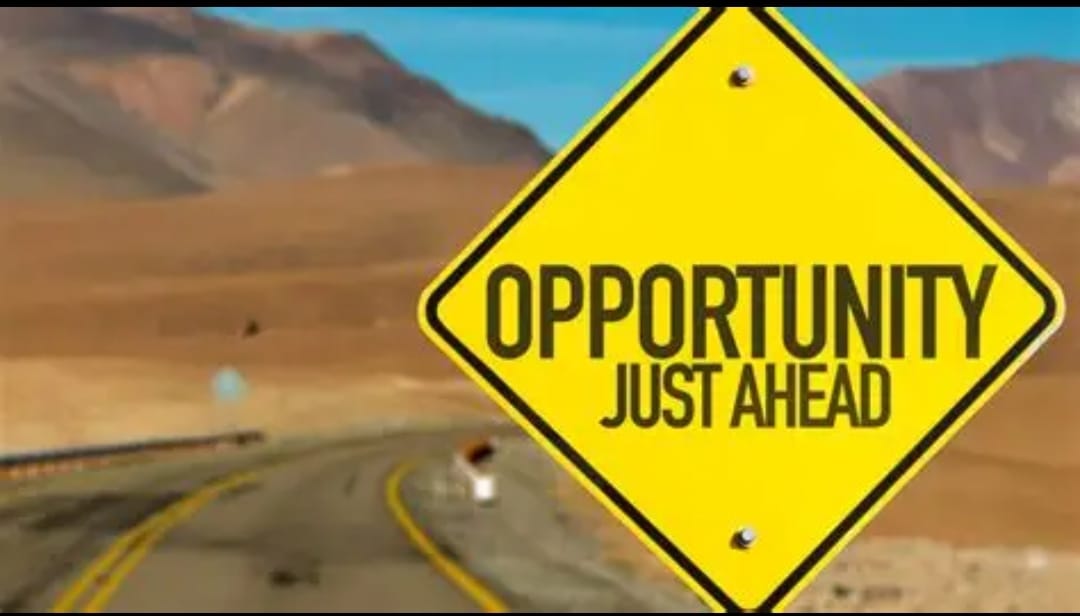
Seize the Moment: How Today’s Opportunities Shape Tomorrow’s Triumphs.
By George Omagbemi Sylvester | Published by SaharaWeeklyNG.com
In the journey of life, opportunities are the vehicles that drive us toward destiny. They do not always announce themselves with trumpets nor do they come wrapped in gold. Sometimes they come disguised as hard work, as unexpected meetings or even as failure. Yet, when life offers you an opportunity, it is not merely a gift but a test of vision, readiness and courage. It is a moment that demands urgent action, total commitment and purposeful execution. In this fast-evolving world of economic uncertainties, technological disruptions and social complexities, the ability to recognize and maximize opportunities is no longer optional; it is essential for survival and success.
Every Opportunity is a Seed of Greatness
Every single opportunity presented to us today carries within it the seed of future greatness. Just as a farmer who fails to sow in season forfeits his harvest, so too does anyone who overlooks life’s openings for growth, impact or advancement. Legendary motivational speaker Les Brown once said, ” _You must be willing to do the things today others won’t do, inorder to have the things tomorrow others won’t have_.” This profound truth reflects the essence of how we must treat every opportunity, as a critical test that could unlock doors to influence, prosperity and legacy.
The harsh reality is that some opportunities do not repeat themselves. The old adage rings true: “ _Opportunity knocks once_.” While that may not always be absolute, it underlines the urgency with which we must act when the door to possibility opens. Procrastination has become the silent killer of dreams. Many have buried their potentials under the weight of excuses, doubts and fear of failure. However, history teaches us that greatness has always been the reward of those who dared to respond when opportunity came calling.
Tomorrow Is Pregnant: Prepare Today
Today’s opportunity is tomorrow’s preparation. Just as a pregnant woman cannot afford to delay ante-natal care if she hopes for a safe delivery, so must every ambitious soul prepare today for the uncertain womb of tomorrow. Each day is laden with hidden chances to become better, to do more and to touch lives. The wise never wait for perfect conditions; instead, they create value with whatever little they have.
Tony Robbins, one of the world’s most respected life coaches said: “ _It is in your moments of decision that your destiny is shaped._” What this means is that every decision to act (or not to act) upon an opportunity determines the outcome of your future. Your tomorrow will either become a platform of celebration or a field of regrets depending on how you maximize the chances presented today.
In a world where the tides of change are unpredictable, it is dangerous to postpone action. Many young Africans, for instance, blame failed systems and government negligence for their economic stagnation. While those grievances are legitimate, the truth is that innovation, resilience and timely exploitation of opportunities have launched many from obscurity to global relevance. Think of Elon Musk, who transformed his childhood fascination with technology into a futuristic empire of launching PayPal, Tesla, SpaceX and more. He didn’t wait for ideal conditions. He acted decisively, despite criticism, setbacks and even bankruptcy threats.
Impacting Lives: The Highest Use of Opportunity
It is not enough to seize opportunities for personal gain. The highest and most noble use of any opportunity is to make an impact of real, lasting and empowering. Zig Ziglar put it succinctly: “ _You can have everything in life you want if you will just help enough other people get what they want_.” This speaks to the power of using opportunities not just for personal elevation but for communal transformation.
Opportunities must be seen as platforms for influence and legacy building. When you rise, lift others. When you achieve success, become a mentor. When you find a solution, share it. The world is full of people who rise and isolate themselves from those still climbing. That is not leadership. That is selfishness. True greatness lies in lighting other candles without dimming your own.
Obstacles Are Often Hidden Opportunities
Life’s most beautiful chances often come camouflaged in adversity. Every challenge we face is an invitation to grow, innovate and evolve. Napoleon Hill, author of the classic Think and Grow Rich, reminds us that “ _Every adversity, every failure, every heartache carries with it the seed of an equal or greater benefit_.” What you call a problem today may be the very opportunity that births your breakthrough tomorrow.
In 2008, during the global financial crisis, thousands lost their jobs. But while many panicked, some saw opportunity. Airbnb and Uber were founded during that same recession. Their founders saw gaps in the market and turned crisis into innovation. Had they waited for things to stabilize the world may never have known them.
The Power of Readiness
Opportunity does not wait for the unprepared. You must be ready mentally, emotionally, spiritually and skillfully to ride the wave when it comes. Seneca, the Roman philosopher, once said, “ _Luck is what happens when preparation meets opportunity_.” Your readiness determines whether the opportunity becomes a blessing or a burden.
This is why personal development is non-negotiable.
Read books. Attend workshops. Learn skills. Network with purpose. Develop discipline.
The world is not looking for noise-makers. It is looking for problem-solvers; when you have equipped yourself, life will give you a platform.
Living With Urgency and Purpose
To maximize opportunity, we must live each day with intentional urgency. Time is not a renewable resource. Once today ends, it never returns. That is why wasting time is a crime against your future. John C. Maxwell, a globally acclaimed leadership expert, asserts: “ _The secret of your success is determined by your daily agenda._” What you do every day matters more than what you say you’ll do someday.
So stop POSTPONING the BOOK you want to WRITE, the BUSINESS you want to START, the DEGREE you want to EARN or the PEOPLE you need to FORGIVE. Seize this moment. As the African proverb says, “ _The best time to plant a tree was 20 years ago. The second best time is now._”
Let Your Light Shine
Every opportunity is a call to let your light shine. As Christ Himself said in Matthew 5:16, “ _Let your light so shine before men, that they may see your good works and glorify your Father which is in heaven._” If your rise does not light a path for others, then your success is shallow. Let every opportunity be a testimony of your readiness, your resilience and your responsibility to make the world better than you found it.
Final Reflections: Tomorrow Belongs to the Diligent
As we close this reflection, let us remember: opportunities are not just about advancement, they are about alignment with purpose. They are the divine whisper reminding us of what we can become. The future belongs not to the INDIFFERENT, not to the COMFORTABLE, but to the BOLD and PREPARED. Today is all you truly have. Use it wisely.
In the words of Dr. Eric Thomas, a globally renowned motivational speaker: “ _When you want to succeed as bad as you want to breathe, then you’ll be successful._” SUCCESS is not MAGIC. It is a function of DISCIPLINE, READINESS and RELENTLESS pursuit of OPPORTUNITY.
So, when life offers you an opportunity, don’t hesitate. Be in a test of it, grab it with both hands and squeeze every drop of value from it; not just for yourself but for others; because tomorrow is indeed pregnant with either PAIN or PURPOSE and what you do today will determine which it delivers.


By George Omagbemi Sylvester
Published by SaharaWeeklyNG.com




NASRE: Building A Safety Net For Nigeria’s Journalists
At a time when Nigeria’s media industry is strained by economic uncertainty, job instability, and shrinking newsroom resources, the Nigerian Association of Social and Resourceful Editors (NASRE) is redefining professional solidarity. More than a network of editors, it is emerging as a critical support system for journalists navigating an increasingly precarious landscape.
Founded on the principles of welfare, solidarity, and professional growth, NASRE has positioned itself as a responsive and forward-looking body within the media ecosystem. While many professional associations remain focused on advocacy and training, NASRE distinguishes itself by combining these roles with direct and practical support for journalists and their families.
At the core of its mission is a clear proposition that no journalist should be abandoned in times of need. Through financial assistance, targeted outreach, and sustained engagement, the association has supported members facing hardship, as well as widows and families of deceased practitioners. These largely understated interventions have steadily earned NASRE credibility and respect across the industry.
The organisation’s approach reflects a keen awareness of the pressures confronting media professionals, including irregular pay, job insecurity, and limited institutional backing. In such an environment, NASRE’s welfare initiatives are not merely charitable, they are essential.
Beyond welfare, the association is investing in professional resilience. Through collaboration, networking, and knowledge-sharing platforms, it is equipping editors and practitioners to remain competitive in a rapidly evolving digital media space, where adaptability is no longer optional.
Headquartered in Lagos, NASRE continues to broaden its reach, attracting a growing membership united by the need for a more responsive and supportive professional community. Its expansion signals a shift in expectations within the industry, away from symbolic affiliations towards institutions that deliver measurable value.
For many observers, NASRE represents a necessary evolution, a professional body anchored not just in ideals, but in impact. By combining empathy with structure, it offers a model of what media associations can become in challenging times.
As the industry continues to evolve, organisations like NASRE may prove indispensable. In a profession devoted to telling society’s stories, it is ensuring that the storytellers themselves are not left behind.
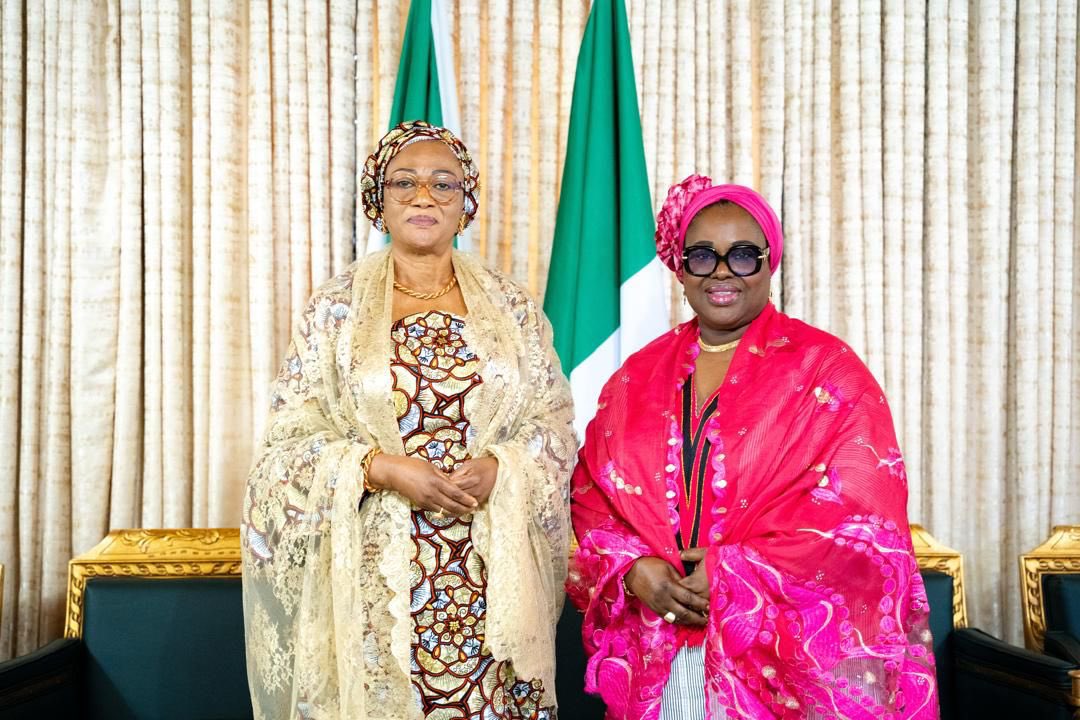
Oluremi Tinubu Hosts Wife of New IGP, Talks Welfare, Empowerment for Police Families
The First Lady of the Federal Republic of Nigeria, Senator Oluremi Tinubu, today welcomed Mrs. Mutiat Disu, wife of the Inspector General of Police, at the State House in Abuja.

During the meeting, the First Lady encouraged Mrs. Disu to continue championing the welfare and wellbeing of police officers’ families, especially through impactful support for their wives.
Speaking after the meeting, Mrs. Mutiat Disu shared her excitement about partnering with the First Lady’s Renewed Hope Initiative (RHI), noting that she is ready to leverage its programs to empower police officers’ wives across the country.
Mrs. Disu, who also serves as the National President of the Police Officers’ Wives Association (POWA), described the meeting as insightful and inspiring. She emphasized her commitment to using RHI platforms to improve healthcare, welfare, and economic empowerment for POWA members nationwide.
“The purpose of this visit is to tap into her wealth of experience and explore how POWA can benefit from her programs,” she said.
She added that her engagement with the First Lady has already provided valuable direction, especially in areas of social intervention and healthcare support for police families.
“I’m ready to work closely with Mama to ensure our women benefit fully, especially since RHI focuses on uplifting women, and POWA is largely made up of women.”
Mrs. Disu assumed leadership of POWA following the appointment of Tunji Disu as Inspector General of Police on February 24, 2026, succeeding Kayode Egbetokun.
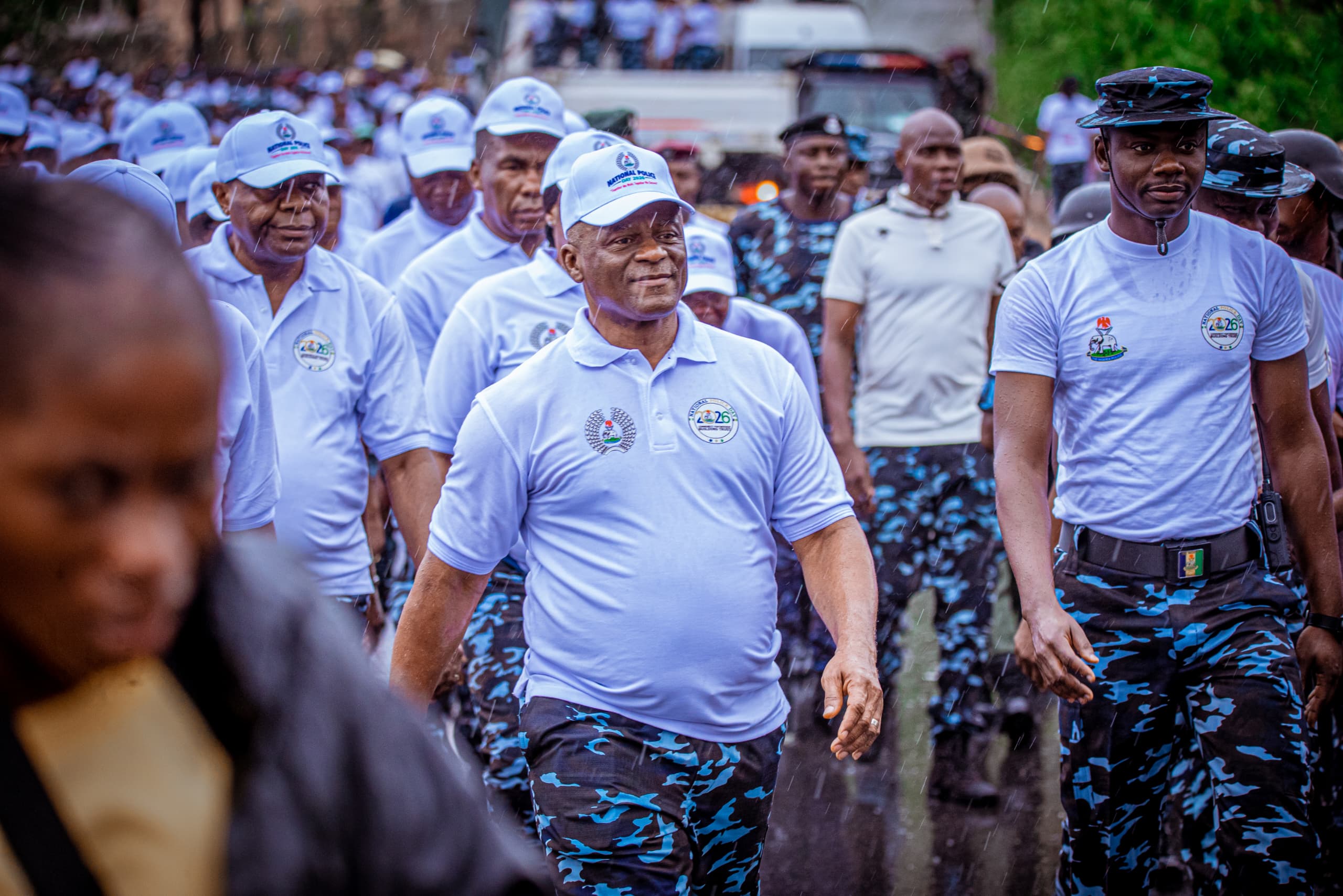
Police Day 2026: IGP Disu Leads Nationwide Walkathon To Strengthen Community Trust
The Inspector-General of Police, Olatunji Disu, on Tuesday led the management team, alongside officers and personnel of the Nigeria Police Force, in a nationwide walkathon to commemorate the 2026 National Police Day.
The event, held across state capitals and the Federal Capital Territory, formed part of activities marking Day Two of the annual celebration, themed “Community Partnership: Building Trust.”
The symbolic exercise, which drew participation from both police personnel and members of the public, was aimed at showcasing unity, discipline, and a renewed commitment to community policing and public safety.
According to the Force leadership, the walkathon underscores the Nigeria Police Force’s resolve to strengthen public trust, deepen engagement with citizens, and enhance collaboration in tackling security challenges across the country.
Participants described the initiative as a practical step toward bridging the gap between law enforcement and the communities they serve, while also promoting physical fitness and mental well-being among officers and civilians alike.
With the theme reflecting a shared responsibility for safety, the Police reiterated that sustainable security can only be achieved through active partnership with the public.
The event concluded with a renewed call for collective action under the banner: “Together We Walk, Together We Secure,” emphasizing unity of purpose in building a safer and more secure society for all Nigerians.


-

 society6 months ago
Religion: Africa’s Oldest Weapon of Enslavement and the Forgotten Truth
-

 news4 months ago
WHO REALLY OWNS MONIEPOINT? The $290 Million Deal That Sold Nigeria’s Top Fintech to Foreign Interests
-

 society6 months ago
“You Are Never Without Help” – Pastor Gebhardt Berndt Inspires Hope Through Empower Church (Video)
-

 celebrity radar - gossips2 months ago
Dr. Chris Okafor Returns with Power and Fire of the Spirit -Mounts Grace Nation Altar with Fresh Anointing and Restoration Grace on February 1, 2026