
society
Sen.Adeola Yayi ‘s governorship bid sparks statewide town hall meetings – Ogun Visionaries

Sen.Adeola Yayi ‘s governorship bid sparks statewide town hall meetings – Ogun Visionaries
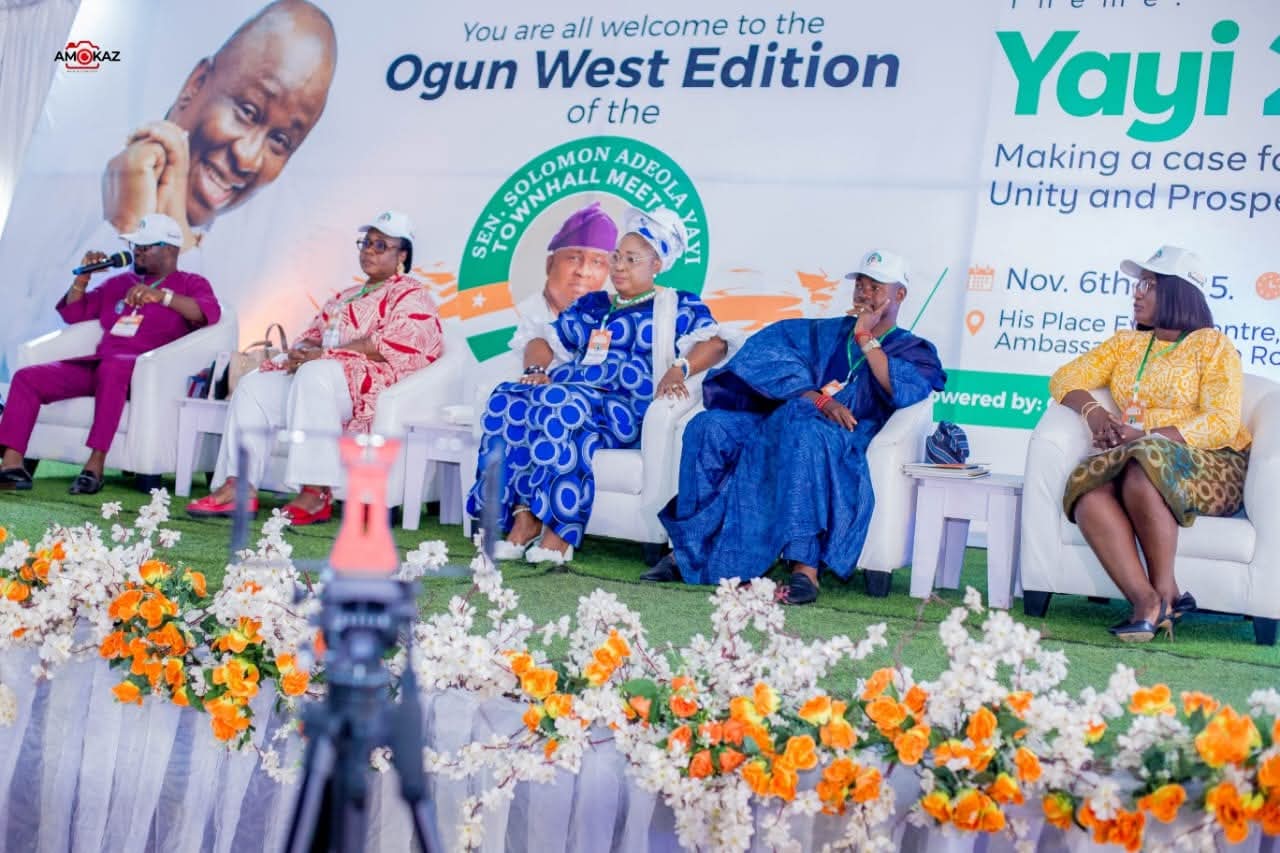
In a bid to further deepen the propagation of Sen. Solomon Olamilekan Adeola’s aspiration for the Ogun governorship seat in 2027, the leading socio‑political group Ogun Visionaries on Thursday organized a Town Hall Meeting for the people of Ogun West.
The Ogun West edition, with the theme Yayi 2027: Making a Case for Ogun State Unity and Prosperity,”was held at Sango‑Ota in Ado‑Odo Local Government Area of Ogun State.
Speaking at the well‑attended event, the chairman of the day, Dr. Isiaq Kunle Salako, described the gathering as not just another political event, but a statement of solidarity and a reaffirmation of the people’s collective resolve and demonstration of their commitment to the unity and progress of Ogun State.
The Minister of State for Health, represented by Hon. Sheriff Abiodun said “We have come together as one big political family from every local government and ward with the common goal of delivering our state into the hands of a visionary and tested leader, Sen. Solomon Adeola, fondly called Yayi.
“The journey to the 2027 governorship race begins now, and the foundation of this must be built on unity. No party, no vision, no movement can thrive in division. This meeting is crucial to strengthen the bond that holds us together, reconcile differences where they exist, and remind ourselves that our collective future is stronger than our personal ambition. Our candidate, Sen. Solomon Adeola Yayi, has proven capability, competence and compassion—qualities our state desperately needs to drive qualitative leadership, empowerment and inclusiveness. We are convinced that he represents the best future we all yearn for.”
Hon. Abiodun, Majority Leader in the Ogun House of Assembly, Ado‑Odo/Ota Constituency 1, noted that the best candidate cannot win without unity, but we should also know that the best and most committed candidate cannot win without the unity and commitment of his people. He charged the electorate of the senatorial district to work hard and intensify efforts to make the vision a reality.
“Victory in 2027 will not come by chance but by hard work, coordination, discipline and collective sacrifice. Therefore we must all work hand‑in‑hand across communities, wards and local governments to get this ambition realized. We must all stand firm against decisive crises and work together to secure an overwhelming victory for Sen. Adeola in 2027.”
In his address, the guest speaker Senator Lekan Mustapha, represented by Ajiroba Dayo Oke, described Senator Solomon Olamilekan Adeola Yayi as someone held in high esteem by many because of his outstanding performances as a distinguished law‑maker whose political legacy remains clearly indelible across all the legislative houses provided in our constitution. Not only that, his records of achievements in infrastructure development and human‑capital‑resource building are highly unprecedented throughout the nooks and crannies of our dear state, with immeasurable contributions to nation‑building.
Delving into the theme of the discussion, he emphasized the role of unity in strengthening community and nation‑building.
“As a democrat, I strongly believe that unity plays a powerful role in advancing shared goals, whether communities, states, nations, or global movements.
“Unity in political actions is one of the most powerful forces for change, especially in diverse societies like Ogun West, Ogun State, Nigeria and across Africa.”
He noted that though diversity is a great challenge to people from Ogun West, he implored them to turn it into their greatest asset, as they now have a vibrant, distinguished and eminent son who can break the jinx for the region in the next election. He urged the people of Ogun West to rise above tribal divisions and sentiments, speak with one voice, purpose and embrace collaboration, and support Senator Solomon Olamilekan Adeola so as to build a future where every child, in every corner of the state, has an opportunity to thrive. He also pointed out that Senator Solomon Olamilekan Yayi is not just a name on the political landscape of Ogun, but a symbol of what is possible when competence meets compassion and vision backed by verifiable results. He called on all and sundry to organize, mobilize, and come 2027 make history together, so that Ogun State can continue in the legacies of economic vibrancy and prosperity of the current administration under Gov. Dapo Abiodun.
Earlier, the Director‑General of Ogun Visionaries, Hon. Odunleye Odunjo, stated that the socio‑political group is set to hold interactive sessions with Ogun‑state indigenes via statewide town‑hall meetings.
“We will listen to people across the state—asking them what kind of government they would like to have in 2027 and how their next leader should govern their affairs. We will x‑ray individuals and support the best among us to emerge as our elected public servants. With the resources extractable from our state, we must be conscious of those aspiring to lead us.” He noted that town‑hall meetings are not new to the state’s political space, emphasizing that the meetings are to pinpoint and scrutinize the existing challenges, opportunities and ways to fix them all for the benefit of the people of Ogun State.
In their summations, discussants at the meeting—Barr Aina Akinpelu, Alhaja Fatimah Oluwakemi, Princess Florence Egbeyemi, Olootu Bolaji Adeniji, and Olori Olabisi Olaotan lauded the impactful, people‑oriented projects and empowerments being implemented by Senator Olamilekan Adeola Yayi, especially in Ogun West and the other two senatorial districts of Ogun State, adding that Ogun West has gotten a formidable aspirant in Yayi and must rally massive support for him to make the dream of Ogun West occupying the governorship seat of the state a reality since its creation 49 years ago, in the name of equity, justice, unity and prosperity of Ogun State.




society
From Broadcast to Spiritual Renaissance: The Journey of Alọba A. Orisabimbola Ifatomi, Creator of ÒRÌṢÀTV
From Broadcast to Spiritual Renaissance:
The Journey of Alọba A. Orisabimbola Ifatomi, Creator of ÒRÌṢÀTV
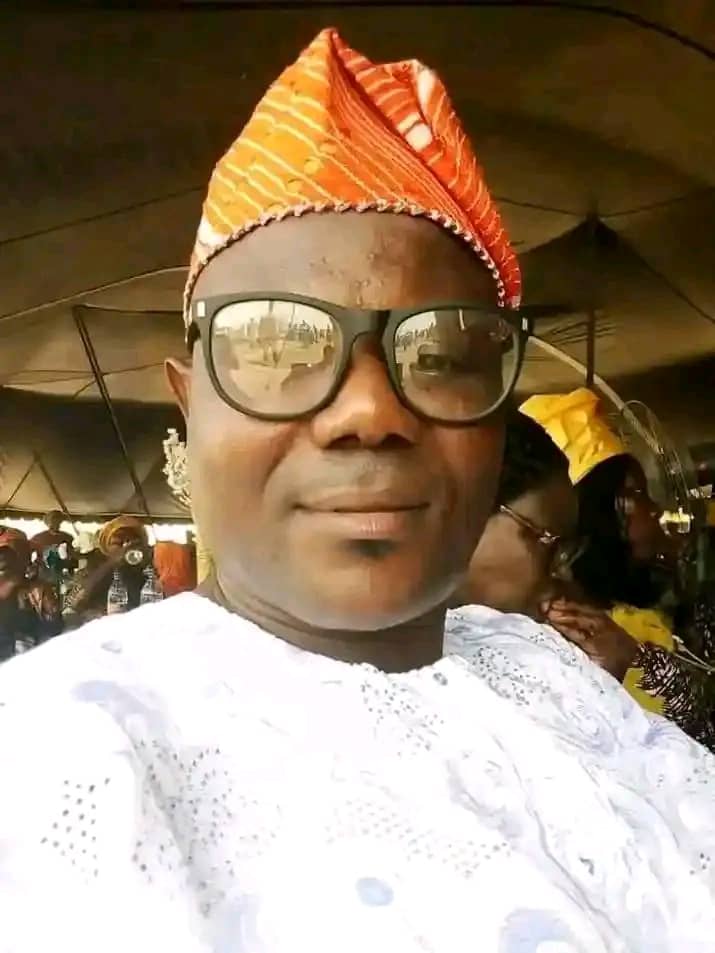
In a time when African stories are often misrepresented or diluted, a seasoned voice in Nigeria’s media and creative industry is stepping forward with a bold vision to reclaim, preserve and project the depth of African spirituality through a new wave of cinematic storytelling powered by technology.
Alọba Adewunmi, a respected broadcaster, journalist and creative professional, is the mind behind ÒRÌṢÀTV a groundbreaking platform using Artificial Intelligence (AI) cinematic production to tell authentic Yoruba stories rooted in cosmology, spirituality and cultural heritage.
ÒRÌṢÀTV is not just a channel it is a destination to experience “The Beginning”, a Yoruba cosmology-based AI cinematic series that explores the origin of life and existence through an African lens.
A Career Built on Media Excellence
With years of experience across broadcast and print media, Alọba Adewunmi has established himself as a dynamic storyteller and cultural voice.
He has worked with several notable platforms including OSBC, Orisun FM, Yotomi Cable, Okin FM, Midland FM, Delta Cable, Akede Oodua Publications and Akede Africa.
His professional journey includes:
– Reporter at Alariya Oodua
– Editor at Gbajumo Online Magazine
– General Editor at Akede Africa ( a bilingual news magazine)
Through these roles, he has contributed significantly to journalism, cultural reporting, politics, crime and entertainment.
A Multifaceted Creative Force
Beyond journalism, Alọba Adewunmi’s creative footprint extends deeply into film and storytelling.
He is not just a performer, but a creative architect behind the scenes, serving as:
– A Continuity Director
– Continuity Director of the home video “Tobi (Forgiveness)”, produced by Kola Adeyemo
– A Story Writer and Dialogue Director
– A Scriptwriter
He has also contributed to several home video productions from the late 1990s through the early 2000s, reflecting a long-standing presence in Yoruba film storytelling.
A Spiritual Path and Cultural Mission
Beyond media and film, his journey is rooted in a deeper spiritual calling.
Alọba Adewunmi is a traditional priest, teacher and herbal medicine practitioner, dedicated to the preservation and practice of Yoruba spirituality.
His temple, Obàtálá Alábãlàse Temple of Purity, stands as a sacred center for purity, healing and spiritual guidance.
The Vision Behind ÒRÌṢÀTV
ÒRÌṢÀTV is more than a content platform, it is a cultural revival movement powered by AI-driven cinematic storytelling.
Through this innovative approach, the platform explores:
– The origin of existence
– The roles of divinities
– The structure of human destiny
– The spiritual laws governing life
The debut episode, “The Birth of Ilẹ̀ Àwọn Alààyè”,( Command of Creation ) marks the beginning of the series “The Beginning”.
Blending mythology, spirituality and AI-powered visuals, ÒRÌṢÀTV offers a unique experience that is both educational and deeply immersive.
A Mission Beyond Entertainment
For Alọba Adewunmi, this project goes far beyond entertainment.
It is a mission to preserve indigenous knowledge, educate future generations, correct misconceptions about African spirituality and restore pride in African identity.
The Man Behind the Vision
Despite his wide experience and creative influence, Alọba Adewunmi remains a naturally private and introverted individual.
He is known more for his work than for public appearances moving quietly between his professional responsibilities and personal space.
Rather than seeking the spotlight, he has consistently chosen to let his talent, creativity and impact speak for him.
Those who encounter his work or collaborate with him understand the depth he brings a reminder that true substance is not always loud and presence is not always public.
Looking Ahead
With Episode 1 now released, anticipation continues to build as “THE BEGINNING” prepares to explore deeper aspects of creation, human destiny and spiritual alignment.
This is not just a project it is a legacy unfolding through culture, spirituality, and innovation.
Watch Now
THE BEGINNING


Episode 1
The Birth of Ilẹ̀ Àwọn” Command of Creation)
Available on YouTube.
Media & Contact
For interviews, features and collaborations:
08125883088
© 2026 ÒRÌṢÀTV
All Rights Reserved
TY BURATAI HUMANITY CARE FOUNDATION COMMENDS GOVERNOR ZULUM FOR HELPING MILITARY FAMILIES
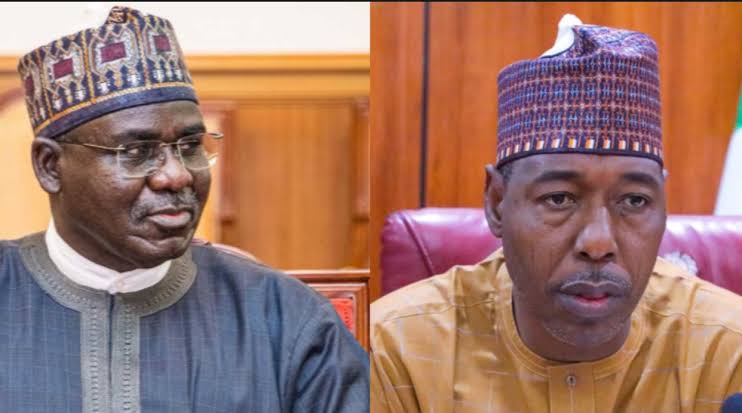
The TY Buratai Humanity Care Foundation has commended Borno State Governor Babagana Umara Zulum for his generous donation of ₦150 million to the families of three military officers who were tragically killed in recent attacks. Each family received ₦50 million as part of the state’s continued commitment to supporting fallen heroes and wounded personnel involved in counter-insurgency operations.
The commendation was contained in a statement signed by the foundation’s chairman, Ibrahim Dahiru Danfulani Sadaukin Garkuwan Keffi/Betara Biu, and made available to the press.
The foundation expressed gratitude for the governor’s compassionate gesture, which included personal visits to the families of the late Lieutenant Colonels Umar Farouq, Salihu Iliyasu, and Aliyu Saidu Paiko in Abuja, Niger, and Kano States. During the visits, Governor Zulum offered his condolences and praised the service, sacrifice, and patriotism of the fallen officers.
The foundation’s Grand Patron, His Excellency, Lieutenant General Tukur Yusufu Buratai, CFR (Rtd), personally commended the governor’s dedication to improving the lives of Borno State residents. He also extended his condolences to the families of the officers and soldiers who made the ultimate sacrifice in service to the nation.
During his visits, Governor Zulum reaffirmed his administration’s commitment to supporting bereaved families, which includes offering scholarships to the orphaned children of fallen personnel. He pledged to extend similar visits to other affected families, underscoring a compassionate approach to addressing the needs of those who have suffered in the line of duty.
society
Queen Amb Dr. Nwamaka Cordelia Anyatonwu Appointed Minister of Humanitarian, Culture, and Kingdom Affairs, United Kingdom of Atlantis
*Queen Amb Dr. Nwamaka Cordelia Anyatonwu Appointed Minister of Humanitarian, Culture, and Kingdom Affairs, United Kingdom of Atlantis
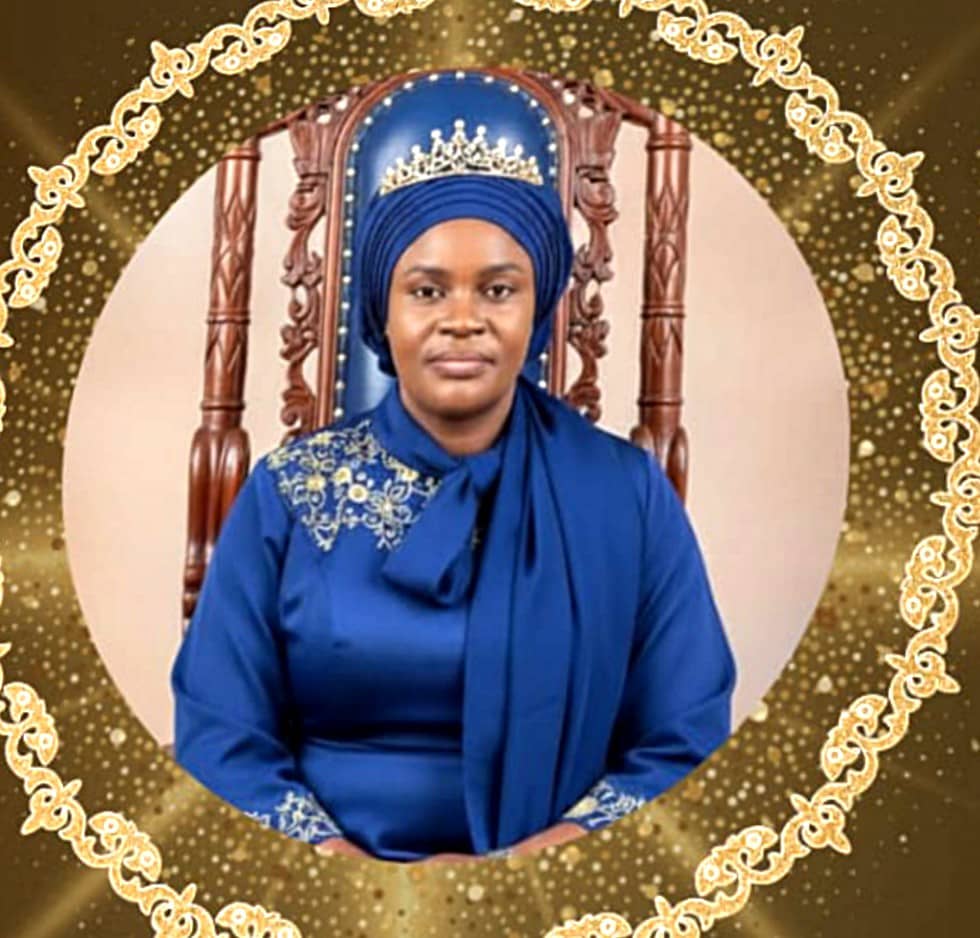
Her Majesty Queen Amb Dr. Nwamaka Cordelia Anyatonwu, Queen of the Aches Empire under the jurisdiction of the United Kingdom of Atlantis (UKA), has been appointed as the Minister of Humanitarian, Culture, and Kingdom Affairs, effective immediately.
This appointment comes as the UKA takes decisive steps to strengthen its humanitarian efforts and protect its citizens from unauthorized activities. In light of recent developments, the UKA has issued an official public disclaimer cautioning citizens, followers, and the general public about the activities of individuals promoting and operating a coin or platform not officially recognized by the Atlantian Gold Coin (ATC). This follows the hijacking of the 5 billion humanitarian project, a move that has been met with concern and condemnation from the international community.
As the newly appointed Minister, Queen Amb Dr. Anyatonwu has announced that all matters pertaining to the 5 billion humanitarian project in UKA should be directed to her office. This includes the newly captured NGOs, which are now required to report to the Office of Humanitarian Affairs, ensuring transparency and accountability in the management of humanitarian resources.
“We are committed to transparency and accountability in our humanitarian efforts,” said Queen Amb Dr. Anyatonwu. “We urge all stakeholders to work with us to ensure the success of our initiatives and protect our citizens from unauthorized activities. We will not tolerate any form of exploitation or mismanagement of humanitarian funds, and we will take all necessary measures to ensure that those responsible are held accountable.”
The UKA has assured its citizens and the international community that it is taking all necessary measures to recover the hijacked funds and bring the perpetrators to justice. The appointment of Queen Amb Dr. Anyatonwu is seen as a significant step towards achieving this goal and ensuring that humanitarian efforts are aligned with the UKA’s values and principles.
For more information. Please contact the Office of the Minister of Humanitarian, Culture and Kingdom Affairs.
*About the United Kingdom of Atlantis*
The United Kingdom of Atlantis is a sovereign nation committed to promoting peace, prosperity, and humanitarian values. The UKA is dedicated to working with international partners to address global challenges and improve the lives of its citizens and people around the world.


-

 society6 months ago
Religion: Africa’s Oldest Weapon of Enslavement and the Forgotten Truth
-

 news4 months ago
WHO REALLY OWNS MONIEPOINT? The $290 Million Deal That Sold Nigeria’s Top Fintech to Foreign Interests
-

 society6 months ago
“You Are Never Without Help” – Pastor Gebhardt Berndt Inspires Hope Through Empower Church (Video)
-

 celebrity radar - gossips2 months ago
Dr. Chris Okafor Returns with Power and Fire of the Spirit -Mounts Grace Nation Altar with Fresh Anointing and Restoration Grace on February 1, 2026