
Politics
Seyi Bakare: How Dapo Abiodun turned Ogun to construction site

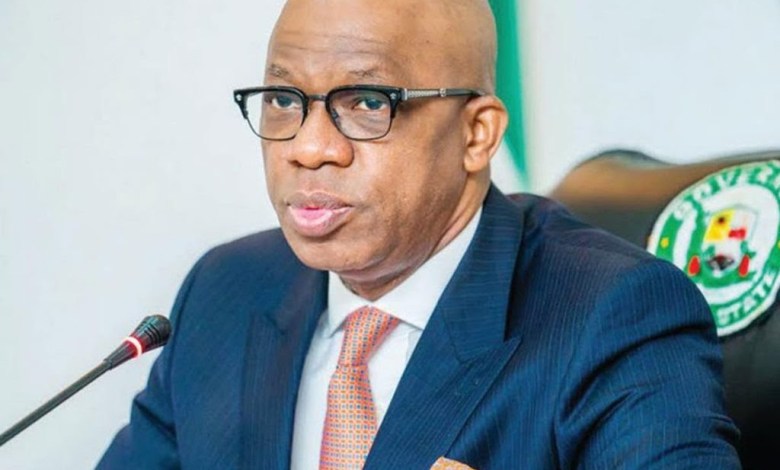
Seyi Bakare: How Dapo Abiodun turned Ogun to construction site

THERE is something phenomenal going on in Ogun State, and even critics and naysayers are beginning to realize the futility of their campaigns of calumny. In just three years, the Dapo Abiodun administration, maligned because of its embrace of a paradigm shift away from the practice of concentrating projects either in the state capital or in major cities, is beginning to receive due applause as the cloud of falsehood makes way for a true appreciation of the marked difference made in the lives of the Ogun people.
True, those unfamiliar with Ogun State may not know all that is happening: often, people coming from Lagos do not enter into the heart of Abeokuta. And if they pass through Ijebu-Ode or Shagamu, they take the expressway, enjoying the new lease of life infused into inter-state travel. But then many are beginning to see beyond the Shagamu Interchange and the Lagos-Abeokuta expressway, realizing that so many things are happening across the three senatorial districts. As many a commentator has begun to acknowledge, one marked difference between the current administration and the immediate past one is that Governor Dapo Abiodun has distributed development evenly across the state. Previously, you only saw beautiful roads in major cities in the state while other areas were virtually left to rot. But now, it is a different situation entirely.
When he came on board, Governor Abiodun discovered that all the major roads within communities had become dilapidated. He initiated the direct labour agency which moved into all the 20 local government areas of the state simultaneously and started rehabilitating roads. That done, the governor then did something entirely different: he embraced the projects abandoned or half-executed by his predecessors. As Nigerians are well aware, uncompleted projects dot many of Nigeria’s 36 states as governors treat projects begun by their predecessors as anathema, creating a gory sight. The gentleman governor who leads the Gateway State never did that; witness, for instance, the massive Agro-allied Airport nearing completion in Ilishan, a project that was only a thought during the Gbenga Daniel administration. Built as an airport city to cater for both cargo and passenger purposes, it will go into operation in December after the first demonstration flight has taken place. It is Nigeria’s second largest airport. The massiveness, beauty and elegance of the project is a powerful testimony of the vision that inheres the Gateway State under Abiodun’s leadership. The Olokola Free Trade Zone abandoned for many years is now a reality.
During his tenure, Governor Ibikunle Amosun engaged in massive demolition of houses ostensibly to create six-lane, eight-lane roads across the state, and this created a burden for the Abiodun government. From Abeokuta in Ogun Central to Ilaro in Ogun West, the story was the same: houses were, as it were, “shaved” or “beheaded” on the excuse that multi-lane roads were coming. The people took the assault on their ancestral homes in their stride, cooperating with the government in the belief that the eight-lane roads promised were in their best interest. But it was all flight of fancy: the roads never came. Worse still, the demolitions were not required. And so when Abiodun came on board, he was confronted with a behemoth: assuaging the pains of the people by rehabilitating the roads they previously had and paying compensation to distraught home owners, all within the backdrop of paucity of funds created by the fissures in the national economy. Despite the challenges, he faced the work headlong. He attended to the Lagos-Abeokuta road, travelling through which took at least two hours previously. Vehicles breaking down on the road were a routine sight. But that soon became history as the government rehabilitated the road, making driving on it a pleasurable exercise.
In Ogun Central, the Abiodun government built the Obantoko road, Ikoritameje Adenrele/Olose Titun Vespa road, Idi Aba-Oke Lantoro road, the Abeokuta-Shagamu expressway, the Channels TV road in Isheri, Panseke-Adigbe road, the flyover bridge at Kuto, Lafenwa Rounder-Ayetoro road, Adatan Gbonagun road, Arepo road (for which members of the press had agitated for years), Somorin Kemta-Idi Aba road, Osoba-Toyin Agbado road, Itori junction road, Olomore Sani road and the Akute-Ishasi road. If you are familiar with places like Old Bank road-Oritameje Coker, Mowe Ofada, Siun, Sango Rounabout to Ijoke bridge and Oke Aro-Ojodu, you will have noticed the ongoing road projects there. For those in Ogun East, communities such as Oru-Awa Ilaporu, Molipa, Fusigboye, Ayegun, Ojofa, Asafa Oke and Asafa Isale know the difference that the Abiodun administration, which has also completed work on the Iregun-Ilisa road, Idarika street road, Olabisi Onajole road and Araromi Sokoto street road, has made in their lives.
Among others, the administration has completed the Esure-Ijebu Mushin road, Igan road, Ekinrin-Idowa-Ibefun-Itokin road, Awujale road, Ijebu Ode-Epe/Sagamu Benin interchange flyover bridge, Molusi College road, Ilishan market road, Iperu-Rounadbout Ode phase 2, Obafemi Awolowo Way-Mada Takete and the Molipa-Ibadan road, among others. Residents of Oyingbo, Olisa, Saka Ashiru, Togburin, Agodo, Tigara, among others, know the relief that building their roads has brought to their communities. They can attest to the work done in other areas, including the Sagamu Ode Lemo road and the Ikenne-Ilishan Ago Iwoye road. In Ogun West, it has been projects galore from Ikola to Osi Ikola, from Raypower road to Igbesa-Ejinla road; from Imshai-Igan to Ayetoro; and from the Ilaro-Owode road, the Oke Ola road in Imeko, the Ilashe Koko-Alari road and the Ado Odo-Ikoga road. The ongoing work in these communities are ennobling, as are the works in Atan-Lusada-Agbara-Marogbo, Singer to Toll Gate, among others. The Lusada-Atan agbara road, in particular, is crucially important to the South-West, Nigeria and indeed the West African sub-region: it hosts the biggest industrial complex in Nigeria.
Even federal roads are receiving attention. People in the area care less about the Federal Government: it is state government that they know. Everywhere you turn in Abiodun’s Ogun, you find projects. Indeed, many are wondering where, in the face of the national economic downturn, he has been getting money to execute the massive projects. He has a good Commissioner for Works, Ade Akinsanya, managing resources, eliminating wastage and reducing cost. Moving around Ogun State within five to ten kilometers, you find roads. And as Governor Abiodun builds roads, so does he build housing estates, rehabilitate schools and equip hospitals. He is maintaining peace and stability, preparing Ogun for the future. He aims to take advantage of the proximity between Ogun and Lagos, Nigeria’s economic capital, to make Ogun a place of prosperity.
Bakare contributes this piece through [email protected]




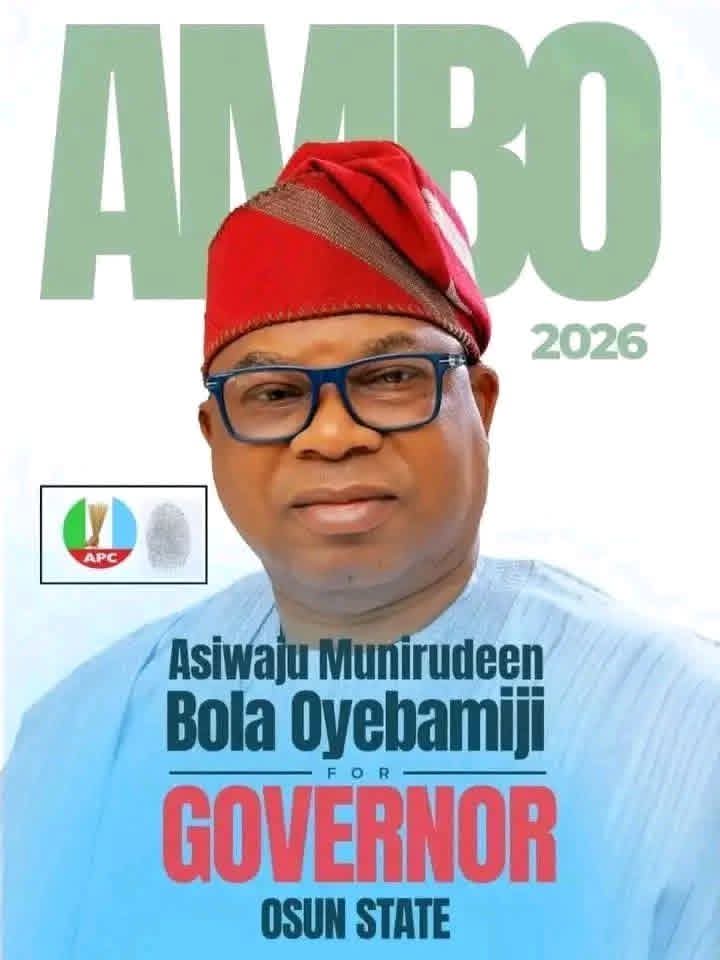
AMBO and the Osun Governorship Race: Assessing the Man, the Politics and the Vision
As political activities gather momentum ahead of the 2026 Osun State governorship election, a public affairs commentator, Oluseyi Olonade, has described the emergence of Asiwaju Munirudeen Bola Oyebamiji, popularly known as AMBO, as a significant development in the state’s political landscape.
In an article titled “Oyebamiji: The Man, The Politics and The Aspiration,” Olonade argued that the All Progressives Congress governorship hopeful possesses the character, experience and vision needed to reposition Osun State for sustainable growth.
According to the writer, Oyebamiji’s appeal stems from his extensive background in the banking sector, where he spent nearly three decades working with institutions including Wema Bank, Trans International Bank, Spring Bank and Enterprise Bank.
A native of Ikire in Irewole Local Government Area, Oyebamiji was described as a technocrat whose experience in corporate governance, finance and risk management has shaped his approach to public administration.
The article noted that his public service journey gained prominence in 2012 when he was appointed to oversee the then Osun State Investment Company Limited. Under his leadership, the organisation was reportedly restructured and transformed into Omoluabi Holdings Limited.
The writer further highlighted Oyebamiji’s tenure as Commissioner for Finance under successive APC administrations, where he was credited with managing the state’s finances during challenging economic periods.
Olonade also referenced Oyebamiji’s appointment as Managing Director of the National Inland Waterways Authority, describing it as further evidence of his administrative and leadership capabilities.
The article contrasted Oyebamiji’s governance philosophy with that of the current administration in Osun State, arguing that the APC aspirant favours institutional reforms, economic diversification and fiscal discipline.

According to the writer, Oyebamiji’s proposed agenda includes strengthening transparency in government spending, expanding internally generated revenue, attracting private-sector investments and promoting industrial and agricultural development.
The article also highlighted youth empowerment, entrepreneurship development and digital skills acquisition as key components of his vision for the state.
Olonade concluded that the forthcoming governorship election would present voters with a choice between different approaches to governance, expressing confidence that Oyebamiji’s experience and developmental agenda make him a strong contender in the race.
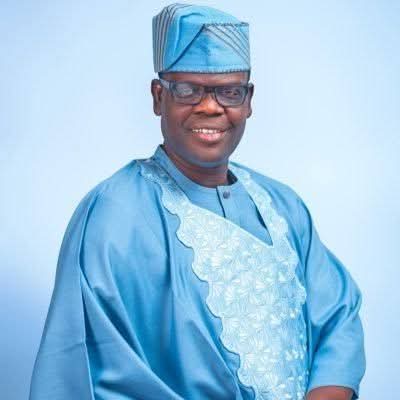
*Oselu Tiwa nTiwa Endorses Oriyomi Hamzat for Oyo Governorship*
A sociopolitical support group in Oyo State, Oselu Tiwa nTiwa, has declared its support for Alhaji Oriyomi Hamzat as the authentic governorship candidate of the Accord Party ahead of the forthcoming governorship election in the state.
The group made its position known in a statement jointly signed by its President, Mr. Adewale Oluwaseyi and Secretary, Alh. Adebayo Oyewole, on Thursday, describing Hamzat as a grassroots figure with strong connection to the people and a track record of humanitarian interventions across Oyo State.

According to the group, the endorsement followed what it described as careful observation of Hamzat’s leadership qualities, compassion and dedication to the welfare of ordinary citizens.
“Oriyomi Hamzat has consistently demonstrated empathy, courage and selfless commitment to humanity. Through his numerous interventions in the lives of ordinary citizens, he has become a symbol of hope to many families and communities,” the statement read.
Oselu Tiwa nTiwa also appealed to the national leadership of the Accord Party to prioritise the long-term future and electoral growth of the party in its decision-making process.
The group noted that Hamzat’s candidacy presents an opportunity for the party to strengthen its grassroots support base and expand its political relevance across Oyo State.
“We respectfully appeal to the National Leadership of the Accord Party to look beyond immediate political calculations and consider the bigger picture, the future growth, stability and electoral success of the party in Oyo State and beyond,” the statement added.
The group further expressed confidence in the leadership of the party, saying it believes the party’s national officers and stakeholders would take decisions that reflect fairness, inclusiveness and the collective interest of members.
While calling on party loyalists to remain calm and united, Oselu Tiwa nTiwa said continued consultations among stakeholders would help strengthen the Accord Party ahead of the election.
Signed:
Alh. Adebayo Oyewole,
Secretary.
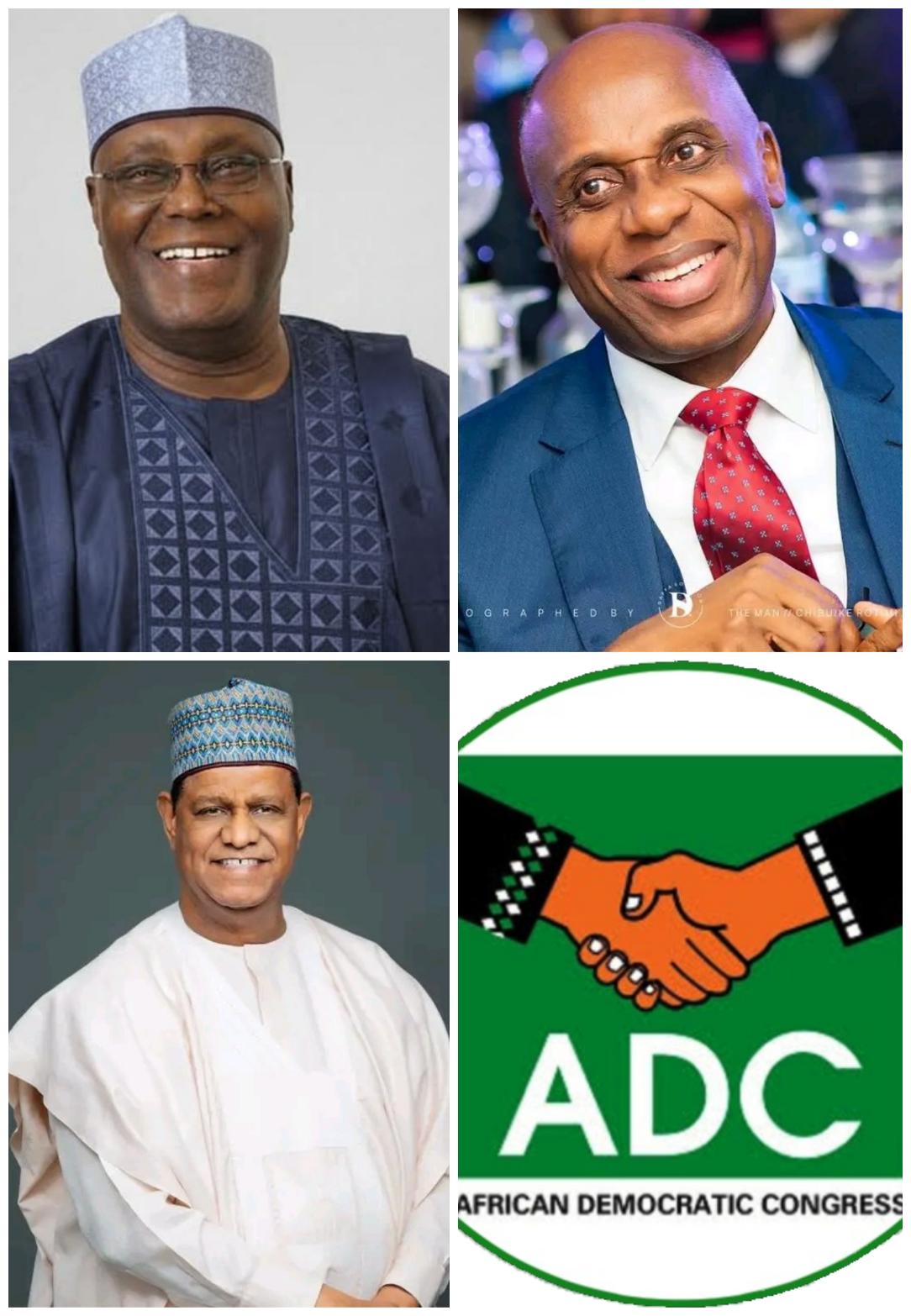
Atiku Set To Clinch ADC Presidential Ticket, Leads Amaechi, Hayatu-Deen In 34 States
Former Vice President of Nigeria and frontline presidential aspirant of the African Democratic Congress (ADC), Atiku Abubakar, is projected to emerge winner of the party’s presidential primaries, according to impeccable sources in Abuja.
The primaries, conducted across over 8,000 wards in the 36 states of the federation and the Federal Capital Territory, reportedly placed Atiku far ahead of his closest rivals — former Rivers State Governor, Rotimi Amaechi, and former Chairman of the Nigerian Economic Summit Group, Mohammed Hayatu-Deen.

Highly placed party insiders disclosed that Atiku is currently leading in 34 states, including the FCT, after securing dominance across the 19 Northern states, the five South-East states, and the six South-West states, while also maintaining a strong showing in at least three states in the South-South geopolitical zone.
The sources added that the outcome reflects what they described as “an overwhelming nationwide acceptance” of the former vice president within the opposition party ahead of the 2027 general election.
Meanwhile, the ADC leadership has invited members of the press to the official announcement of the final collated results scheduled for 11:00 a.m. on Tuesday, May 26, 2026, in Abuja.
The declaration of results is expected to be broadcast live on ARISE Television and two other major television stations, while also being livestreamed on the party’s official social media platforms on X and Facebook.
Speaking ahead of the announcement, the founding National Chairman of the ADC, Chief Ralph Nwosu, said the decision to televise the exercise live was aimed at promoting transparency and democratic accountability.
“We want millions of Nigerians at home and in the Diaspora to witness democracy in action,” Nwosu said.
He further revealed that the party leadership would encourage all three presidential aspirants to publicly embrace a peace accord and commit themselves to working together in unity for the party’s success.
According to him, the move is necessary to strengthen internal cohesion and position the ADC for victory in the presidential election scheduled for January 16, 2027.
Details later.


- World Cup accredited journalists raise concerns over unfair United States (US) visa restrictions, International Sports Press Association (AIPS) calls on FIFA to intervene June 6, 2026
- Ghana: President Mahama arrives in Belarus, lays wreath at Victory Monument June 6, 2026
- Liberia: President Boakai Advances Clean Energy Agenda; Dedicates 20-Megawatt Solar Power Plant at Mount Coffee June 6, 2026
- African Union (AU) Commission Chairperson mourns Passing of the Former Angola Minister of Foreign Affairs June 6, 2026
- Economic Community of West African States (ECOWAS) Welcomes Students on an Educational Visit to Its Headquarters June 6, 2026
- Seychelles: President Patrick Herminie attended Official Opening of Rise and Shine Day Care Centre at Mont Fleuri June 6, 2026
- Faith, fear and trust: Inside Democratic Republic of the Congo's (DR Congo) fight against Ebola June 6, 2026
- Economic Community of West African States (ECOWAS) Commission and Women in Law and Development (WiLDAF) Train Women Cross-Border Traders in The Gambia June 5, 2026
- Eritrea: Seminar to Nationals in The Hague June 5, 2026
- Eritrea: Training on Photography and Video Production June 5, 2026
- World Cup accredited journalists raise concerns over unfair United States (US) visa restrictions, International Sports Press Association (AIPS) calls on FIFA to intervene June 6, 2026
- Ghana: President Mahama arrives in Belarus, lays wreath at Victory Monument June 6, 2026
- Liberia: President Boakai Advances Clean Energy Agenda; Dedicates 20-Megawatt Solar Power Plant at Mount Coffee June 6, 2026
- African Union (AU) Commission Chairperson mourns Passing of the Former Angola Minister of Foreign Affairs June 6, 2026
- Economic Community of West African States (ECOWAS) Welcomes Students on an Educational Visit to Its Headquarters June 6, 2026
- Seychelles: President Patrick Herminie attended Official Opening of Rise and Shine Day Care Centre at Mont Fleuri June 6, 2026
- Faith, fear and trust: Inside Democratic Republic of the Congo's (DR Congo) fight against Ebola June 6, 2026
-

 news6 months ago
WHO REALLY OWNS MONIEPOINT? The $290 Million Deal That Sold Nigeria’s Top Fintech to Foreign Interests
-

 society1 month ago
SOCIAL MEDIA IS NOT A BATTLEFIELD COMMAND – WHY THE NIGERIAN ARMY’S ACTION AGAINST JUSTICE CRACK IS A NATIONAL SECURITY IMPERATIVE
-

 celebrity radar - gossips4 months ago
Dr. Chris Okafor Returns with Power and Fire of the Spirit -Mounts Grace Nation Altar with Fresh Anointing and Restoration Grace on February 1, 2026
-

 celebrity radar - gossips6 months ago
Prophet Kingsley Aitafo Releases 2026 Prophecy: ‘Nigeria Will Rise, but the World Must Prepare for Turbulence’