
society
South Africa’s Sovereign Stand: Defending Deportation of Kenyan Nationals and Rebuking U.S. Allegations

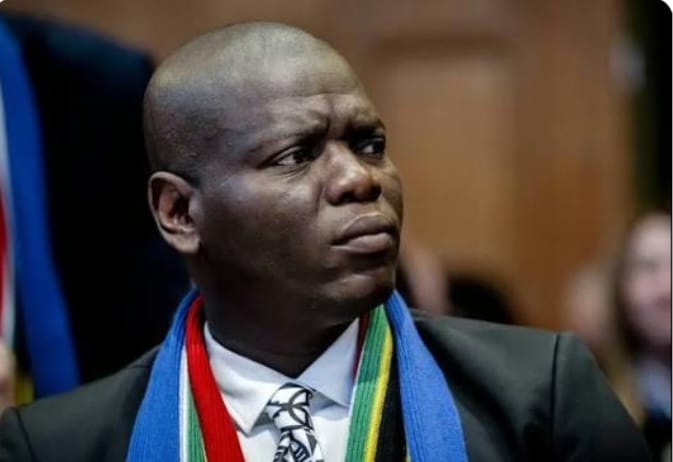
South Africa’s Sovereign Stand: Defending Deportation of Kenyan Nationals and Rebuking U.S. Allegations.
By George Omagbemi Sylvester | Published by SaharaWeeklyNG.com
In a world where national sovereignty increasingly collides with global geopolitical muscle-flexing, South Africa’s recent deportation of seven Kenyan nationals (and its rebuff of allegations emanating from the United States) stands as a defining moment in African statecraft. The incidents have not only ignited diplomatic tensions between Pretoria and Washington, but they have also exposed the fault lines of immigration sovereignty, foreign interventionism, and the rule of law in international relations.
The uproar centers on South Africa’s lawful arrest and deportation of seven Kenyan nationals who were found working without valid permits at an immigration application centre in Johannesburg. The facility was linked to the processing of refugee applications for the United States (particularly for white South Africans under a controversial U.S. resettlement programme) and has since become the fulcrum of a diplomatic dispute.

A Lawful Enforcement Action Met With Foreign Accusation. On 16 December 2025, in an intelligence-driven operation, South Africa’s Department of Home Affairs (DHA), in cooperation with law enforcement partners, raided an immigration processing centre in Johannesburg where seven Kenyan nationals were found engaging in work while holding tourist visas. According to official statements, these individuals had previously applied for lawful work permits (requests that had been denied) yet continued to work in violation of the terms of entry into the country.
Home Affairs Minister Leon Schreiber later confirmed that the seven were issued deportation orders and banned from re-entry into South Africa for five years. He emphasised that the operation was conducted in strict compliance with South African immigration laws and that no United States officials were arrested during the process, which did not take place on a diplomatic site.
Yet, the United States (through statements issued by the U.S. State Department) accused South African authorities of detaining American personnel and unlawfully publicising personal information of U.S. officials. Washington cautioned that failure to hold those responsible to account could lead to “SEVERE CONSEQUENCES.”
South Africa has categorically rejected these allegations.
In a statement issued by the Ministry of International Relations and Cooperation (DIRCO), Pretoria labelled the suggestion of data exposure or harassment of U.S. officials as unfounded and devoid of credible evidence. The government reiterated that matters of data security are treated with “UTMOST SERIOUSNESS” and governed by established legal and diplomatic protocols. It underscored its commitment to principled diplomacy grounded in mutual respect and factual dialogue.
Sovereignty and the Rule of Law: Defending. Constitutional Mandates
South Africa’s position is not merely a defensive posture; it is an assertive declaration of state sovereignty and adherence to its legal framework. As DIRCO’s official statement put it, “The government will not negotiate its sovereignty and the implementation of the rule of law.”
This declaration resonates with foundational principles of international law. Sovereignty (the absolute authority of a state to govern its territory and enforce its laws) is a bedrock norm recognised universally. South Africa’s enforcement of its immigration statutes, particularly concerning who may work within its borders and under what conditions, is a legitimate exercise of that sovereign authority.
Professor Steven Friedman, a respected South African political analyst, argues:

“A sovereign state must, at all times, uphold the primacy of its laws. No amount of external pressure (even from powerful allies) should compromise that obligation.”
Furthermore, immigration violations are not trivial administrative infractions. They concern questions of national security, labour regulation, public order, and fairness in the administration of visas and permits. South African law (like that of other sovereign states) stipulates that work without a permit is a prosecutable offence, irrespective of the employer or perceived humanitarian objectives of foreign entities.
Foreign Programmes and Uneasy Diplomatic Terrain. The controversy is exacerbated by the highly politicised backdrop of the U.S. refugee programme at the centre of this incident. Under the administration of President Donald Trump, the United States dramatically reshaped its refugee policy, instituting a low cap on global admissions and prioritising special arrangements for white South Africans who claim racial persecution under domestic policies like Black Economic Empowerment. These claims have been widely disputed both within South Africa and by international legal scholars.
In legally robust terms, South Africa does not recognise white South Africans as refugees and a category reserved for those who face persecution based on race, religion, nationality, political opinion, or membership in a particular social group, as defined under the 1951 UN Refugee Convention. No credible evidence supports claims of state-sanctioned persecution of white citizens.
Dr. Michael Schmidt, a scholar of international refugee law, states:
“A host state must not become complicit in the redefinition of persecution criteria for political convenience. Refugee status is a legal category and not a political bargaining chip.”
The fact that the centre in question was engaged in processing such applications (and that foreign workers were present without proper authorisation) raised legitimate concerns for South African authorities about the legality and diplomatic propriety of the operation.
Diplomatic Engagement: Rejecting Threats, Embracing Dialogue. Despite the tension, South Africa has not shut the door on diplomacy. DIRCO has asserted that it has engaged the United States through official channels to clarify the allegations and to ensure that future interactions respect both countries’ legal frameworks and mutual interests.
In the words of Ambassador Ebrahim Rasool, South Africa’s Permanent Representative to the United Nations:
“Diplomacy is not conducted through threats or unilateral declarations. It requires dialogue rooted in facts, mutual understanding, and respect for sovereign law.”
This approach reflects a mature understanding of statecraft. South Africa is neither isolationist nor adversarial by default, but it will push back against narratives that compromise its legal autonomy.
Contextualising the U.S. Response. The United States’ sharp reaction (including threats of “severe consequences”) stems from multiple sources. Washington is sensitive to perceived challenges to its global leadership, especially where humanitarian or refugee programmes are involved. Moreover, the political utility of the Afrikaner refugee narrative within certain U.S. domestic constituencies has amplified tensions. However, diplomacy that favours ideological narratives over legal realities cannot withstand scrutiny in the global arena.
Renowned international law expert Professor Fatima Hussain encapsulates the issue succinctly:
“International cooperation cannot thrive on the assumption that might makes right. Respect for legal norms must transcend political posturing.”
Sovereignty on Trial: A Landmark Moment for Principle and Law. South Africa’s handling of the deportation of Kenyan nationals (and its decisive rejection of unfounded allegations) serves as a reminder that the rule of law cannot be subordinated to geopolitical pressure. In an era where powerful nations often wield influence over weaker states, Pretoria’s forthright stance affirms that sovereignty and legal order remain paramount.
More than an immigration enforcement action, this episode is a litmus test of the principles that underpin just international relations. It calls on African nations (and indeed all states) to defend legal sovereignty, resist external coercion, and uphold dignity in diplomatic engagement.
As the dust settles, the conversation must move beyond partisan headlines and confront the substantive issues at stake: legitimate law enforcement, respect for sovereign borders, and an international system governed not by unilateral threats, but by shared commitment to law, order, and mutual respect.





society
Queen Amb Dr. Nwamaka Cordelia Anyatonwu Appointed Minister of Humanitarian, Culture, and Kingdom Affairs, United Kingdom of Atlantis
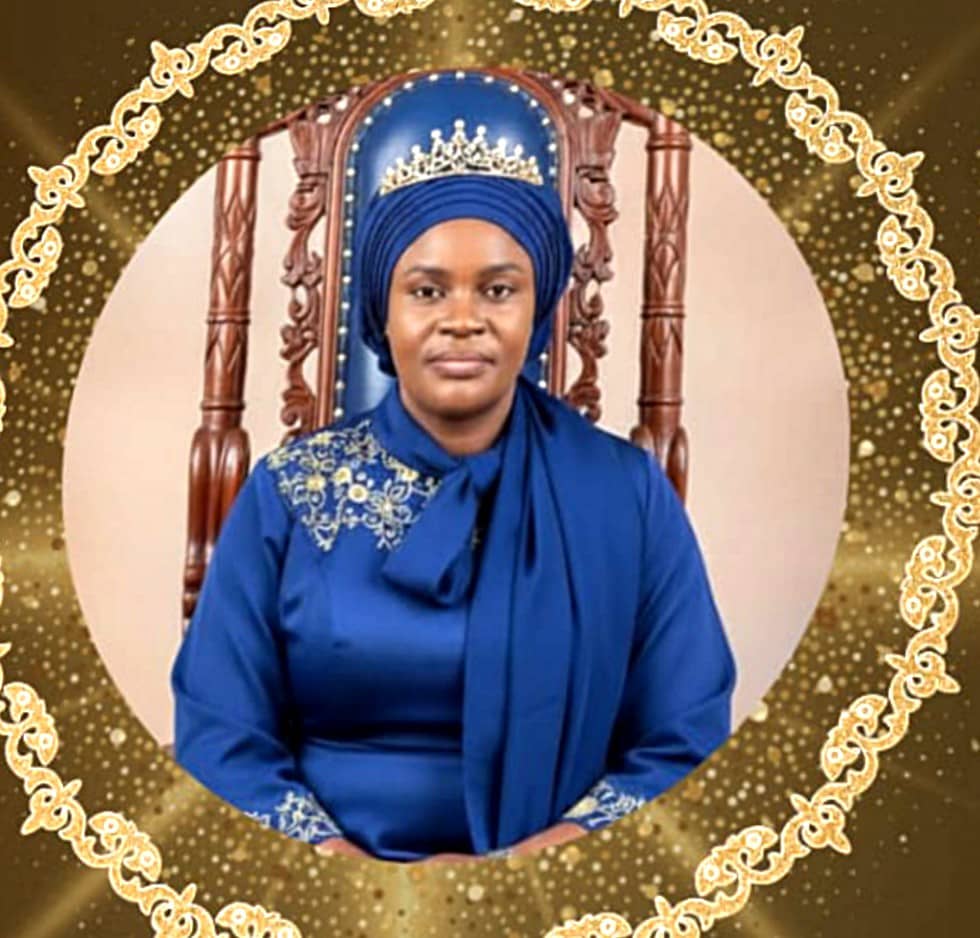
*Queen Amb Dr. Nwamaka Cordelia Anyatonwu Appointed Minister of Humanitarian, Culture, and Kingdom Affairs, United Kingdom of Atlantis
Her Majesty Queen Amb Dr. Nwamaka Cordelia Anyatonwu, Queen of the Aches Empire under the jurisdiction of the United Kingdom of Atlantis (UKA), has been appointed as the Minister of Humanitarian, Culture, and Kingdom Affairs, effective immediately.
This appointment comes as the UKA takes decisive steps to strengthen its humanitarian efforts and protect its citizens from unauthorized activities. In light of recent developments, the UKA has issued an official public disclaimer cautioning citizens, followers, and the general public about the activities of individuals promoting and operating a coin or platform not officially recognized by the Atlantian Gold Coin (ATC). This follows the hijacking of the 5 billion humanitarian project, a move that has been met with concern and condemnation from the international community.
As the newly appointed Minister, Queen Amb Dr. Anyatonwu has announced that all matters pertaining to the 5 billion humanitarian project in UKA should be directed to her office. This includes the newly captured NGOs, which are now required to report to the Office of Humanitarian Affairs, ensuring transparency and accountability in the management of humanitarian resources.
“We are committed to transparency and accountability in our humanitarian efforts,” said Queen Amb Dr. Anyatonwu. “We urge all stakeholders to work with us to ensure the success of our initiatives and protect our citizens from unauthorized activities. We will not tolerate any form of exploitation or mismanagement of humanitarian funds, and we will take all necessary measures to ensure that those responsible are held accountable.”
The UKA has assured its citizens and the international community that it is taking all necessary measures to recover the hijacked funds and bring the perpetrators to justice. The appointment of Queen Amb Dr. Anyatonwu is seen as a significant step towards achieving this goal and ensuring that humanitarian efforts are aligned with the UKA’s values and principles.
For more information. Please contact the Office of the Minister of Humanitarian, Culture and Kingdom Affairs.
*About the United Kingdom of Atlantis*
The United Kingdom of Atlantis is a sovereign nation committed to promoting peace, prosperity, and humanitarian values. The UKA is dedicated to working with international partners to address global challenges and improve the lives of its citizens and people around the world.
NASRE: Building A Safety Net For Nigeria’s Journalists
At a time when Nigeria’s media industry is strained by economic uncertainty, job instability, and shrinking newsroom resources, the Nigerian Association of Social and Resourceful Editors (NASRE) is redefining professional solidarity. More than a network of editors, it is emerging as a critical support system for journalists navigating an increasingly precarious landscape.
Founded on the principles of welfare, solidarity, and professional growth, NASRE has positioned itself as a responsive and forward-looking body within the media ecosystem. While many professional associations remain focused on advocacy and training, NASRE distinguishes itself by combining these roles with direct and practical support for journalists and their families.
At the core of its mission is a clear proposition that no journalist should be abandoned in times of need. Through financial assistance, targeted outreach, and sustained engagement, the association has supported members facing hardship, as well as widows and families of deceased practitioners. These largely understated interventions have steadily earned NASRE credibility and respect across the industry.
The organisation’s approach reflects a keen awareness of the pressures confronting media professionals, including irregular pay, job insecurity, and limited institutional backing. In such an environment, NASRE’s welfare initiatives are not merely charitable, they are essential.
Beyond welfare, the association is investing in professional resilience. Through collaboration, networking, and knowledge-sharing platforms, it is equipping editors and practitioners to remain competitive in a rapidly evolving digital media space, where adaptability is no longer optional.
Headquartered in Lagos, NASRE continues to broaden its reach, attracting a growing membership united by the need for a more responsive and supportive professional community. Its expansion signals a shift in expectations within the industry, away from symbolic affiliations towards institutions that deliver measurable value.
For many observers, NASRE represents a necessary evolution, a professional body anchored not just in ideals, but in impact. By combining empathy with structure, it offers a model of what media associations can become in challenging times.
As the industry continues to evolve, organisations like NASRE may prove indispensable. In a profession devoted to telling society’s stories, it is ensuring that the storytellers themselves are not left behind.
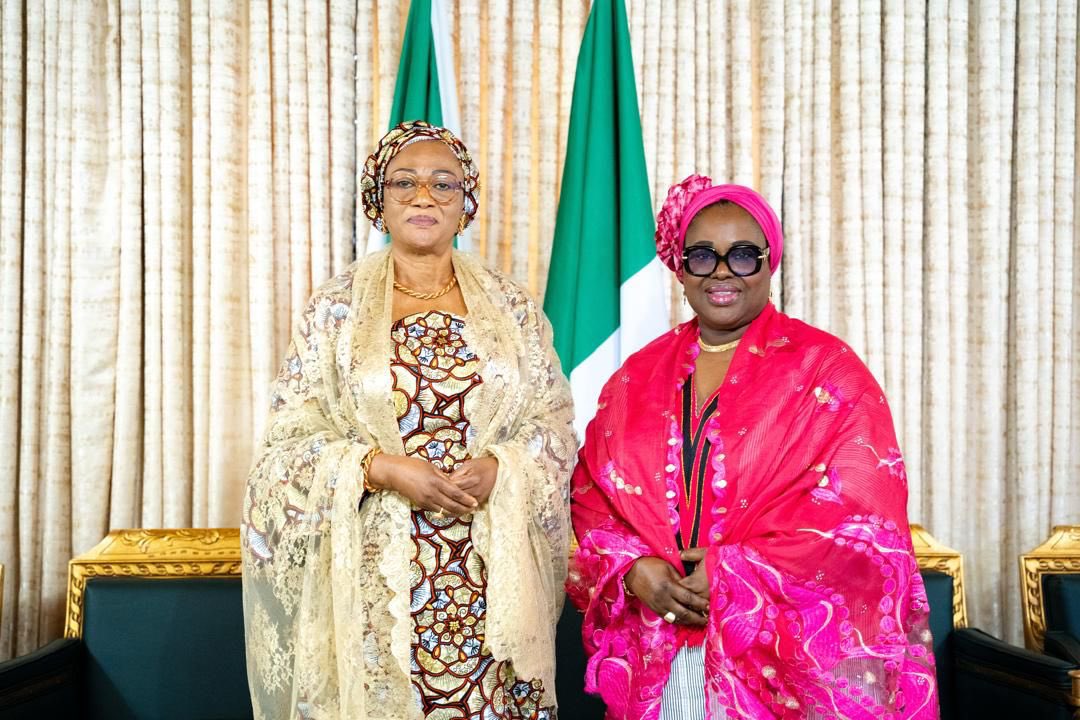
Oluremi Tinubu Hosts Wife of New IGP, Talks Welfare, Empowerment for Police Families
The First Lady of the Federal Republic of Nigeria, Senator Oluremi Tinubu, today welcomed Mrs. Mutiat Disu, wife of the Inspector General of Police, at the State House in Abuja.

During the meeting, the First Lady encouraged Mrs. Disu to continue championing the welfare and wellbeing of police officers’ families, especially through impactful support for their wives.
Speaking after the meeting, Mrs. Mutiat Disu shared her excitement about partnering with the First Lady’s Renewed Hope Initiative (RHI), noting that she is ready to leverage its programs to empower police officers’ wives across the country.
Mrs. Disu, who also serves as the National President of the Police Officers’ Wives Association (POWA), described the meeting as insightful and inspiring. She emphasized her commitment to using RHI platforms to improve healthcare, welfare, and economic empowerment for POWA members nationwide.
“The purpose of this visit is to tap into her wealth of experience and explore how POWA can benefit from her programs,” she said.
She added that her engagement with the First Lady has already provided valuable direction, especially in areas of social intervention and healthcare support for police families.
“I’m ready to work closely with Mama to ensure our women benefit fully, especially since RHI focuses on uplifting women, and POWA is largely made up of women.”
Mrs. Disu assumed leadership of POWA following the appointment of Tunji Disu as Inspector General of Police on February 24, 2026, succeeding Kayode Egbetokun.


-

 society6 months ago
Religion: Africa’s Oldest Weapon of Enslavement and the Forgotten Truth
-

 news4 months ago
WHO REALLY OWNS MONIEPOINT? The $290 Million Deal That Sold Nigeria’s Top Fintech to Foreign Interests
-

 society6 months ago
“You Are Never Without Help” – Pastor Gebhardt Berndt Inspires Hope Through Empower Church (Video)
-

 celebrity radar - gossips2 months ago
Dr. Chris Okafor Returns with Power and Fire of the Spirit -Mounts Grace Nation Altar with Fresh Anointing and Restoration Grace on February 1, 2026