
society
Tajudeen Abbas: Leading Nigeria’s Legislative Charge at Home and Abroad By Philip Agbese

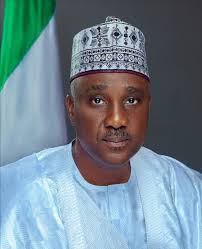
Tajudeen Abbas: Leading Nigeria’s Legislative Charge at Home and Abroad
By Philip Agbese
From the sunlit plains of Zaria to the heart of Nigeria’s National Assembly, Rt. Hon. Tajudeen Abbas, GCON, has carved a legacy of leadership that resonates like a clarion call across a nation yearning for progress. As Speaker of the 10th House of Representatives, his steady hand guides lawmakers through turbulent times, weaving laws that empower women, ignite youth ambition, and champion sustainability, earning him a rare reverence that echoes from Nigerian villages to global forums.
His story is one of grit and vision, a leader who transforms challenges into stepping stones for a united Nigeria. With a quiet charisma and sharp intellect, Abbas has redefined legislative leadership, not merely as a position but as a mission to uplift communities and rewrite narratives of governance, making him a figure cherished by constituents and admired by peers.
Abbas’ words and deeds, steeped in a commitment to unity and progress, have anointed him a guiding light, revered by citizens who see in him a promise of a revitalised Nigeria, a prophet not spurned but embraced. Across borders, his influence weaves a tapestry of inspiration, his resolve echoing in global halls where nations converge. Abbas, with a quiet fire, uplifts the marginalised and safeguards the future.
From reshaping Nigeria’s parliamentary landscape, he is now fostering global cooperation as demonstrated at the recent Inter-Parliamentary Union (IPU) meeting at the United Nations Headquarters in Geneva. Resonating a high level of buoyancy and control, Abbas acknowledged the enormous support and contributions of the Union to Nigeria, referencing the whooping $25,000 donation made to enhance the capacity of the House Committee on Climate Change. This commitment has enhanced the growth and strengthened the development of the legislative arm of government in Nigeria.
However, it is not only at this outing that Rt. Hon. Tajudeen showcased his equanimity, prestige, and cerebral personality. A man of specialised political strategy, Rt. Hon. Abbass has always worked assiduously towards mobilising support for gender inclusivity and the mainstreaming of the struggle for the recognition of the vulnerable and physically challenged. His diverse contributions and clout, coupled with visible and intentional leadership pragmatism, have led to the Reserved Seat Bill, which gives opportunity for the reservation of three seats per State in the Federal House of Representatives, and also an associated two per each geo-political zone at the Senate for females.
This is aside the upward review, to $400 million allocation made by the Federal House of Representatives under his amiable watch, towards enhancing the Climate Change Act domiciled in Nigeria. This amount is expected to be used to effectively coordinate Climate Change Initiatives in the Country. To foster the development of youths, ensure effective mentoring and preparation to take over the act of nation building and dynamic governance, Rt. Hon. Abbas innovatively established a Standing Committee entrusted with the responsibility of transformational intergenerational dialogue.
His advocacy has led to strong sensitisation and a more robust collaborative engagement in the area of ameliorating adverse global health downturns, effectively drawing attention to a gradual neglect or decline in USAID funding for HIV, which, if left, will reverse the lauded achievements so far recorded and bring back those horrifying days of the pandemic. Rt. Abbas remains a very strong advocate in climate justice, giving directions and informed insights that align with strong values consistent with the country’s dynamics and principles. He has, through his various platforms, galvanised interest, creating equitable equality, fostering human rights standards, and challenging unjust systems, thereby ensuring positive systemic balance, and a more equitably dynamic society and world peace.
Speaker Abbas’ diverse and unique contributions both at home and abroad have led to very distinct global and national cohesion among national and international sub-units and groups, fostering a community of shared values that is working united to achieve a formidable common goal and aspiration for the growth of humanity. A dogged and resilient activist, his giant strides in inclusive governance have led structures that are tempered and cast in gold, untainted for generations to learn and emulate.
Rt. Hon. Abbas voice is heard, resonating over several countries, and countering subversive misinformation, disinformation and pillory against Nigeria, making him a nationalist, patriot and a statesman. He has pioneered cultural reformations, brought about positive change and enshrined leadership accountability, transparency and integrity.
Within, Rt. Hon. Abbas is known as a just, equitable, and intrinsically compassionate leader striving for the prosperity of his people and ensuring the positive economic growth and development of Nigeria. Abroad, he remains a voice against complacency, prejudices, and bias that is preserving international commitments made by member countries. He is a voice of awakening, bringing about international cohesion, fostering international unity, and playing a strong role in international diplomacy, legislative collaboration and synergy.
Without any semblance of doubt, Rt. Hon. Tajudeen Abbas is a prophet both at home and abroad, bringing moral chastity to governance, social justice and prosperity through legislative democracy to the citizens of Nigeria, and standing as a voice of awakening to the international community.
As Rt. Hon. Tajudeen Abbas continues to guide Nigeria’s legislative journey with unwavering vision, his leadership promises to shape a future where equity and progress unite communities from Abuja to the world’s capitals. With steadfast resolve, he will forge stronger policies and global alliances, carrying Nigeria toward prosperity. We wish him enduring success in his mission to inspire and uplift, a true statesman for generations ahead.
Agbese is the Deputy Spokesman of the 10th House of Representatives




FOPCHEN Seeks Wider Engagement As Court Defers Hearing
OTA, OGUN STATE — The High Court of Ogun State, Ota Division, on Thursday resumed hearing in the ongoing matter involving cultural and societal concerns, before adjourning proceedings till Thursday, July 2, 2026, for continuation of hearing.
At the resumed sitting on May 28, 2026, counsel representing the various parties revisited key issues in the case and made further submissions before the court.
The matter, which has continued to generate public interest across different sectors, again drew attention from legal observers and stakeholders who described the case as one with significant implications for societal values, cultural identity and constitutional interpretation.
Speaking after the proceedings, the Foundation for the Protection of Cultural Heritage in Nigeria, popularly known as FOPCHEN, renewed its appeal for dialogue and constructive engagement among Nigerians, stressing that sensitive cultural and moral issues should not be left entirely within the confines of the courtroom.
According to the group, broader conversations involving traditional institutions, civil society organisations, religious leaders and policy stakeholders remain necessary in addressing issues relating to national values and social responsibility.
Legal analysts at the court premises noted that arguments being canvassed by parties in the suit could shape future legal interpretations surrounding cultural and moral questions in the country.
Following submissions by counsel, the presiding judge adjourned the matter till Thursday, July 2, 2026, to enable parties further prepare and respond to issues raised during the hearing.
The development has continued to spark reactions among observers, with many Nigerians closely monitoring the proceedings ahead of the next hearing date.

US-Based Society Lady, Fehintola-Brat Extends Eid-El-Kabir Greetings To Muslims
United States based fahionista of class, Chief (Mrs) Ayoola Fehintola-Brat has extended a warm greetings to Muslim faithful all over the world on the occasion of the 2026 Eid-El-Kabir celebration.
Fehintola-Brat who is the Balogun Egbe Obaneye Obinrin Akile Ijebu, and the Yeye Asofin of Idenaland in her message to Journalists urged Muslim to continually uphold the enduring values of sacrifice, obedience, faith, and compassion, which are central to the significance of Eid-El-Kabir festival.
A quiet philantropist whose humanitarian services has won her several laurels urged Muslims to use the spiritual occasion to pray for the peace co-existence of Nigerians regardless of religious, social and political leanings stressing that the oneness of the country should not be underplay.
In a related development, she expressed her felicitations to all sons and daughters of Ijebuland on the forthcoming Ojude Oba 2026 celebration, tasking age-groups otherwise known as Regbregbe to be more proactive in giving back to their immediate communities.
According to her, the beauty of the age-groups in Ijebuland is the need to contribute immensely to the development of the land in no small means. “This we will continue to achieve with God on our side”, she concluded.
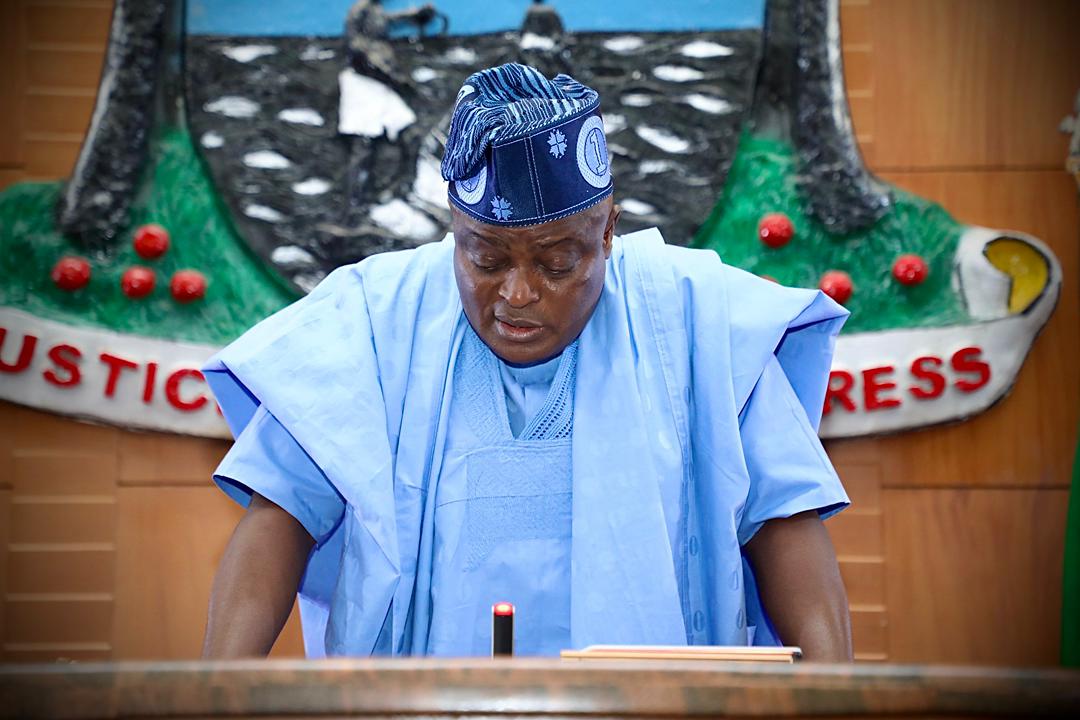
Sallah: Obasa Felicitates Muslim Ummah, Commends Nigerians for APC Primaries Turnout
The Speaker of the Lagos State House of Assembly, Rt. Hon. Mudashiru Obasa has extended warm felicitations to Muslims in Lagos State and across Nigeria on the occasion of Eid al-Adha.
In a statement released by his Chief Press Secretary, Mr. Dave Agboola, Obasa described the festival as a season of sacrifice, reflection, and gratitude, urging the faithful to continue to uphold the values of peace, unity, and love that strengthen the nation.
He noted that the celebration of Eid al-Adha is not only a spiritual milestone but also a reminder of the importance of togetherness and collective responsibility in building a stronger society.
He, likewise, emphasized that the festival provides an opportunity for Nigerians to renew their commitment to national progress and to support leadership that prioritizes development and prosperity.
Obasa, however, commended Nigerians, particularly members of the All Progressives Congress (APC), for their massive turnout during the recently concluded party primaries. He described the participation as a clear demonstration of the people’s confidence in the government of President Bola Ahmed Tinubu and their belief in the administration’s vision for a greater Nigeria.
“The APC primaries have shown the resilience of our democracy and the confidence Nigerians have in the leadership of President Bola Ahmed Tinubu and the Renewed Hope Agenda. This is a strong message that our people are ready to continue supporting policies that will drive growth and prosperity,” Obasa stated.
The Speaker further encouraged Muslims to celebrate responsibly, stressing that the joy of Eid should be accompanied by prayers for the continued peace and progress of Lagos State and Nigeria.
“As you celebrate with family and loved ones, may this season bring joy, peace, and prosperity to your homes. Let us remain united in our resolve to build a stronger nation,” he added.
On behalf of the Lagos State House of Assembly, Obasa wished all Muslims a happy and fulfilling Eid al-Adha celebration.


- Société Nationale des Pétroles du Congo (SNPC) Chief Ominga to Speak at African Energy Week (AEW) 2026 as Congo Accelerates Gas Expansion May 29, 2026
- South Africa: Deputy President Mashatile arrives in India for a Working Visit May 29, 2026
- Seychelles: President Visits Key Development Sites on Coetivy Island May 29, 2026
- Accelerating regional action to advance mental health care in Africa May 29, 2026
- President of the Republic of Seychelles Meets Young La Digue Talent Ahead of London Showcase May 29, 2026
- United Nations Economic Commission for Africa (ECA) launches regional initiative to accelerate women’s digital entrepreneurship across four African countries May 29, 2026
- Ethiopia: International community must act to safeguard press freedom ahead of national election May 29, 2026
- CORRECTION: Annual Meetings 2026 (AM2026): African Development Bank (AfDB) 2025 Trade Finance Report Highlights Resilience of African Financial Institutions After Covid-19 May 29, 2026
- Why Big Tech Could Become Nigeria’s New Gas Partner May 29, 2026
- African Energy Chamber (AEC)-Venezuela Alliance Accelerates Pathways into South-South Energy Expansion May 29, 2026
- Société Nationale des Pétroles du Congo (SNPC) Chief Ominga to Speak at African Energy Week (AEW) 2026 as Congo Accelerates Gas Expansion May 29, 2026
- South Africa: Deputy President Mashatile arrives in India for a Working Visit May 29, 2026
- Seychelles: President Visits Key Development Sites on Coetivy Island May 29, 2026
- Accelerating regional action to advance mental health care in Africa May 29, 2026
- President of the Republic of Seychelles Meets Young La Digue Talent Ahead of London Showcase May 29, 2026
- United Nations Economic Commission for Africa (ECA) launches regional initiative to accelerate women’s digital entrepreneurship across four African countries May 29, 2026
- Ethiopia: International community must act to safeguard press freedom ahead of national election May 29, 2026
-

 news6 months ago
WHO REALLY OWNS MONIEPOINT? The $290 Million Deal That Sold Nigeria’s Top Fintech to Foreign Interests
-

 society4 weeks ago
SOCIAL MEDIA IS NOT A BATTLEFIELD COMMAND – WHY THE NIGERIAN ARMY’S ACTION AGAINST JUSTICE CRACK IS A NATIONAL SECURITY IMPERATIVE
-

 celebrity radar - gossips4 months ago
Dr. Chris Okafor Returns with Power and Fire of the Spirit -Mounts Grace Nation Altar with Fresh Anointing and Restoration Grace on February 1, 2026
-

 celebrity radar - gossips6 months ago
Prophet Kingsley Aitafo Releases 2026 Prophecy: ‘Nigeria Will Rise, but the World Must Prepare for Turbulence’