
celebrity radar - gossips
The Pride of a People: Unveiling the Majestic Heritage of the Itsekiri Nation


The Pride of a People: Unveiling the Majestic Heritage of the Itsekiri Nation
By George Omagbemi Sylvester
The Itsekiri people, an ethnic group of immense historical depth and regal legacy, are the proud custodians of one of Nigeria’s most fascinating and sophisticated cultures. Anchored in the oil-rich Niger Delta, particularly in Warri, Delta State, the Itsekiri heritage is a testament to centuries of resilience, royalty and refined civilization. Their traditions, clothing, cuisine and royal institutions are not only symbols of ethnic identity but also living proof of a people who have embraced modernity without surrendering their roots.

To speak of the Itsekiri is to speak of pride, fierce, dignified and unapologetic pride. As the Itsekiri proverb goes, “Ogwa no r’ode,” meaning, “A stranger does not surpass the native in knowledge of the town.” This reflects their deep awareness of who they are and their resolute determination to guard their cultural inheritance.
A Royal Lineage with Global Ties
The Itsekiri monarchy is one of the oldest and most respected institutions in West Africa. The Olu of Warri, as the paramount ruler, is not merely a ceremonial figure but a unifier, a symbol of continuity and a revered custodian of tradition. The Itsekiri monarchy traces its origin to 1480 AD, when Ginuwa I, a Benin prince and son of Oba Olua of the Benin Kingdom, migrated and established the Warri Kingdom. This makes the Itsekiri monarchy one of the longest uninterrupted dynasties in sub-Saharan Africa.
Their kings have had historical engagements with European powers as early as the 16th century. Olu Atuwatse I, who ruled in the 1620s, studied in Portugal and was the first sub-Saharan monarch to read and write in Portuguese. He returned with European education, Christianity and diplomatic networks, long before most African rulers had any contact with the Western world.

Today, the revered Ogiame Atuwatse III CFR, crowned in August 2021, stands tall as a modern and visionary monarch. A Harvard-trained intellectual and advocate for youth development, women empowerment and cultural revival, he exemplifies what a 21st-century African king should be, rooted in tradition, yet progressive in outlook. His leadership has revived global interest in the Itsekiri culture and identity.
As former President Goodluck Jonathan once said, “The Itsekiri nation, through its kings and people, has always demonstrated a rare fusion of civilization and cultural rootedness.” That rare blend is what continues to set the Itsekiri apart.
Language and Identity
The Itsekiri language, often described as melodious and deeply expressive, is a Yoruboid language but distinct in its vocabulary and syntax, reflecting centuries of interaction with the Portuguese, Bini and Urhobo cultures. It remains a crucial symbol of ethnic pride. The Itsekiri people have preserved this language despite years of colonial attempts at erasure and post-colonial neglect.

Language is not merely communication, it is identity. As Chinua Achebe famously said, “A people without the knowledge of their past history, origin and culture is like a tree without roots.” The Itsekiri, with their language and oral traditions, remain firmly rooted.
Clothing: Royalty Woven in Silk and Coral
The traditional attire of the Itsekiri people is a statement of elegance and nobility. For men, the signature outfit includes the long embroidered shirt known as “Kemeje,” worn over George wrappers tied around the waist, often accompanied by coral beads and a walking stick, symbolic of elder status or respect. Women adorn themselves with intricately tied wrappers, lace blouses and headscarves (gele), all lavishly styled with beads and gold jewelry.
During royal events and cultural festivals such as the Olu’s coronation anniversary, the entire Warri Kingdom becomes a canvas of color, grace and historical reenactments. Every piece of cloth tells a story, every bead echoes history. Their clothing is not just fashion; it is heritage in motion.

Cuisine: A Taste of the Delta
Itsekiri cuisine is a delightful journey into the heart of the Niger Delta. Dominated by seafood and rich spices, their dishes reflect both geographic blessings and cultural uniqueness. Meals such as banga soup, owho soup, starch and a variety of smoked fish dishes are staples that delight both locals and visitors.
Their use of palm oil, periwinkles, shrimps and pepper creates a culinary experience unmatched in Nigeria. As Nigerian food critic Ozoz Sokoh writes, “Itsekiri food is a celebration of river and land, a cuisine that tells a story of a people who live in harmony with their environment.”
Festivals and Cultural Celebrations
The Itsekiri people celebrate numerous festivals, the most prominent being the Olu’s Coronation Festival, Oloibiri and Iwere Day events that draw thousands of visitors, cultural troupes and dignitaries from across the globe. These festivals are moments of reconnection with history, ancestors and royal traditions.
Drumming, boat regattas, traditional dances and symbolic rituals during these festivals underscore the Itsekiri belief in spirituality, community and ancestral reverence. They are not just festivities; they are sacred observances that bind generations together.
Diaspora Strength and Global Recognition

The Itsekiri are also notable for their achievements in the diaspora. From the United States to South Africa and the United Kingdom, Itsekiris have excelled in business, politics, academia and the arts. Organizations such as Ugbajo Itsekiri USA, Ugbajo Itsekiri South Africa, and Itsekiri National Youth Council (INYC) continue to promote Itsekiri interests abroad, supporting community projects, education and health outreach back home.
As Mr. Eyitemi Jakpa, Chairman of Ugbajo Itsekiri South Africa, passionately declared: “We carry the name of Itsekiri with dignity. Even far from home, our hearts beat for Iwere Kingdom.”
Indeed, from Nigeria to the United Kingdom, to the United States of America and to South Africa, we are the pride, unyielding, exceptional and royal. The Itsekiri are not just surviving in the diaspora; they are thriving, leading and preserving their cultural flame in a world desperate for authenticity.
Challenges and the Future
Despite their noble heritage, the Itsekiri have not been spared the challenges of marginalization, underdevelopment and political neglect, particularly in the Niger Delta region. Oil exploitation has brought wealth to the federal coffers but little development to Itsekiri communities.
However, their history teaches resilience. Like the waters that surround them, the Itsekiri bend but do not break. Through advocacy, strategic alliances and cultural unity, they continue to demand their rightful place in Nigeria’s socio-political landscape.
As constitutional lawyer and elder statesman Prof. Itse Sagay once remarked, “The Itsekiri may be small in number, but their contribution to Nigerian civilization, politics and economy is monumental.”
Conclusion: Iwere people no dey Carry Last
In the final analysis, the Itsekiri are not just an ethnic group, they are a statement. A statement of nobility, elegance, intellect and pride. From their royal lineage to their colorful garments, from their rich language to their diaspora influence, the Itsekiri remain one of the brightest gems in Nigeria’s cultural crown.
Their story is not just of kings and palaces, but of a people who never lost sight of who they are. A people who have walked with Portuguese explorers, traded with the Dutch, resisted colonial aggression and now shine in boardrooms, universities, parliaments and palaces across the globe.
Let it be echoed in every corner of the world: “Iwere people no dey carry last.” The Itsekiri remain unshaken, proud and ever forward-looking; symbols of what it means to be African, noble and eternally dignified.




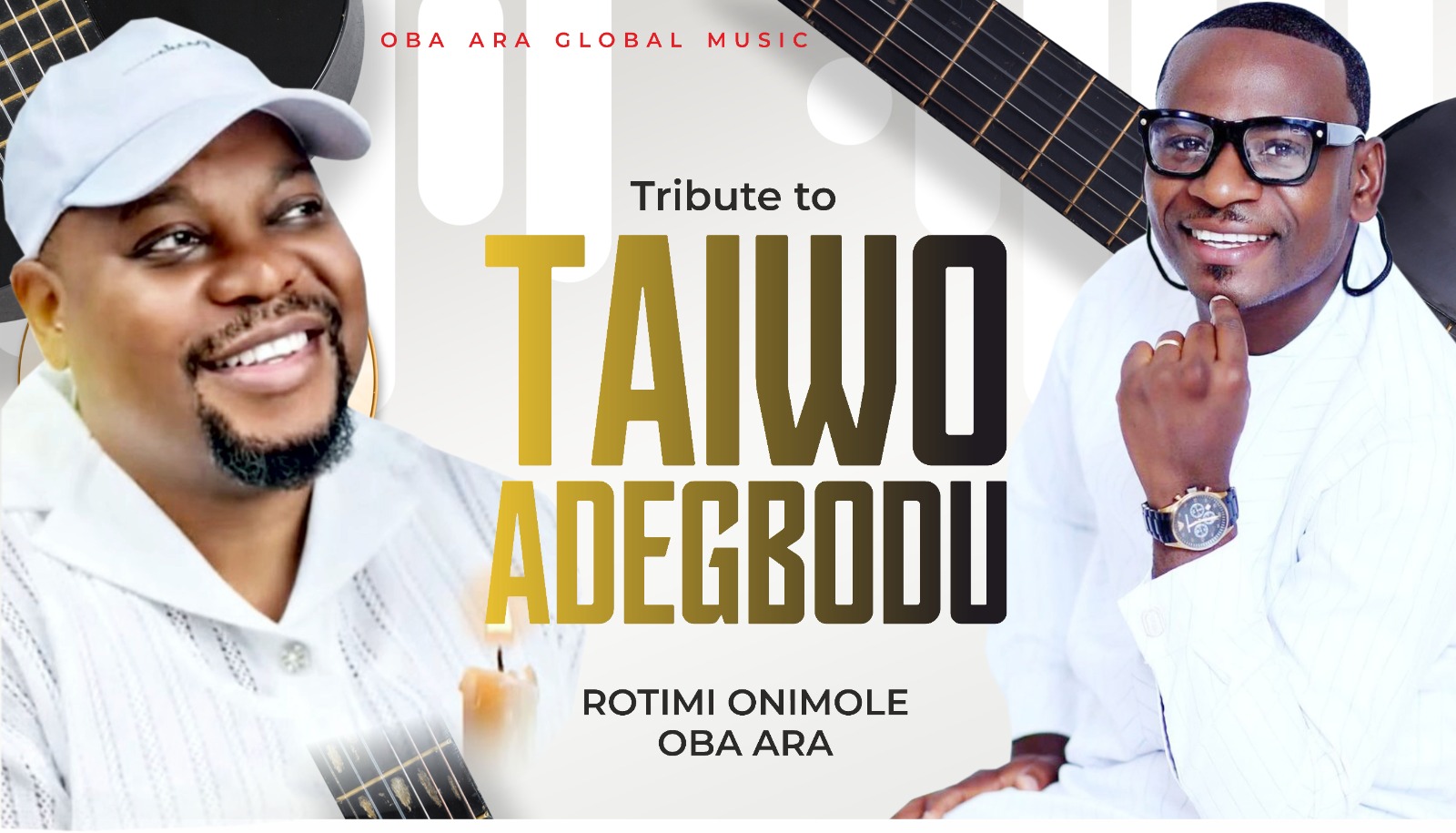
Oba Ara Releases Emotional Tribute to Late Taiwo Adegbodu
Taofik Afolabi
The gospel music community continues to grieve the painful loss of Taiwo Adegbodu, a beloved figure whose sudden departure left a deep void among fans, colleagues, and loved ones. In response to this loss, renowned gospel minister Rotimi Onimole, popularly known as Oba Ara, has released a moving tribute song that captures both the sorrow of the moment and the enduring legacy of the late singer.
Oba Ara, a proud son of Isale Eko, channels raw emotion throughout the song, using heartfelt lyrics and soul-stirring melodies to reflect on his personal connection with Taiwo Adegbodu. In the tribute, he openly expresses how deeply the news of Adegbodu’s passing shook him, describing it as a painful and unexpected loss that is difficult to come to terms with.
The song goes beyond mourning, it celebrates the life, ministry, and impact of Taiwo Adegbodu. Oba Ara highlights the late artist’s dedication to spreading the gospel through music, his inspiring voice, and the spiritual influence he had on many within and beyond Nigeria. Through powerful verses, he paints a picture of a man who lived for God and touched countless lives through his ministry.
Listeners have described the tribute as both comforting and deeply emotional, as it resonates with the collective grief of the gospel music community. It serves as a reminder that although Taiwo Adegbodu is no longer physically present, his music, message, and legacy will continue to live on.
In honoring his late colleague, Oba Ara not only pays his respects but also offers a source of healing for fans and fellow ministers, using music as a tool to process grief and celebrate a life well lived.
celebrity radar - gossips
Buratai, Fagbemi , Shagaya, Olofa, Others Eulogise Olowu Kuta’s Olori On 60th Birthday, Foundation Launch
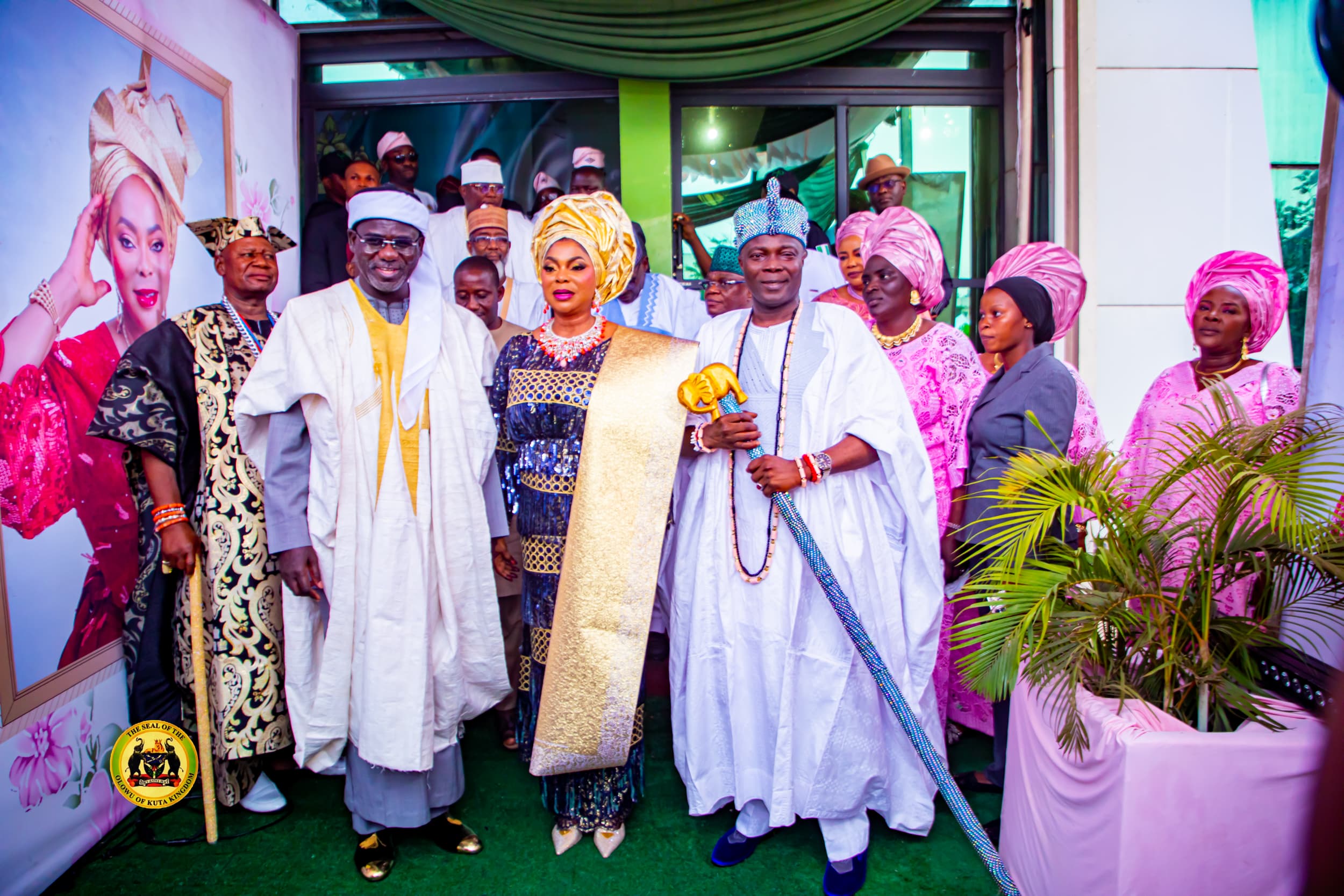
Buratai, Fagbemi , Shagaya, Olofa, Others Eulogise Olowu Kuta’s Olori On 60th Birthday, Foundation Launch
Eminent personalities across the Nigeria stormed the TFK Event Centre, Bala Mohammed Way, Guzape, Abuja, to celebrate the 60th birthday of Olowu Kuta’s Olori, Queen Jumai Amoke and her Foundation Launch on Saturday 28, March 2026.

From former Chief of Army Staff, Lt Gen TY Buratai rtd, to the Minister of Justice and Attorney-General of the Federation, Prince Lateef Fagbemi; Olofa of Offa, HRM Oba Mufutau Gbadamosi. Even top businesswoman and socialite, Chief (Mrs) Bola Shagaya, was in attendance.


Other dignitaries were newly promoted Deputy Inspector-General of Police and former AIG Zone 2 , Lagos , Adegoke Fayoade, Major General Abdumalik, Major General Samuel Adebayo rtd (Fmr CDI);
Major General Anthony Omozoje rtd (Fmr Copp);
Alhaji Tajudeen Owoyemi (Asiwaju of Offa and CEO Radisson Hotel Nigeria;
Dr Waheed Olagunju, former managing director of Bank of Industry, Oniba of Iba, Lagos State, HRM Oba Dr Suleiman Raji ;
Justice Falola, Olu of Ile-Ogbo , Oba Adetoyese amongst many traditional rulers and captains of industry too numerous to mention.
Speaking at the occasion, the Chief Host, Olowu of Kuta, HRM Oba Dr Adekunle Oyelude Makama, CON , Tegbosun iii, who is also the husband of the celebrant commended Queen Jumai for ‘ her slender arms full of kindness’ to establish such humanitarian Foundation, ‘Amoke Children and mother in Need Foundation’ at a time Nigerians are going through economic crisis occassioned by the global meltdown.
Olowu also commended her steadfastness and love for the less privileged and downtrodden.
The monarch refrenced the task before his wife’s humanitarian gesture said her best is yet to come.
” Olori Amoke Jumai, I celebrate you. You will celebrate 70, 80, 90 and continue to shine as you continue to put a smile on people’s faces. I love you, “Olowu Kuta added.
To Lt Gen Buratai, a former army chief and former Nigerian Ambassador to Benin Republic, the reward of hard work is more work.
Buratai, who also doubles as Balogun Agba of Owu Kuta, a chieftaincy title reserved for a generalismo congratulated Queen Jumai for attaining the age of 60 in good health.
The retired army General said he’s not surprised by the turn out of eminent personalities across the country to celebrate the Olowu Kuta’s Olori because she merited it through her hospitality to all, adding that Allah the most merciful, most beneficial would accept all her act of ibadah.
The minister of Justice, Prince Fagbemi, was full of praises for Queen Jumai for deeming it fit to have a place in her heart to accommodate the needy and less privileged in ‘our society.’
Prince Fagbemi urged the guests to contribute generously to support the Foundation in order to continue to alleviate poverty and put a smile on the faces of the people.
” I congratulate you on your 60th birthday and Foundation Launch. I wish you many happy returns of the day and many more fruitful services to the country and motherland”, Prince Fagbemi added.
The celebrant, Queen Jumai who was grining from ear to ear thankfully said she was excited by the turn out and the response of the people to her foundation.
Queen Jumai, however, promised to continue to use her resources and donations received for the good of the needy and less privileged in the society.
” I want to appreciate my own Kabiesi Olofa of Offa , for his presence and im I’m using him as a point of contact to all other Kabiesis present here, the minister of justice and Attorney-General, you’re welcome, sir; Mrs Bola Shagaya, I salute your enterprise, Lt Gen Buratai, I’m grateful, sir; DIG Fayoade, Justice Falola and other dignitaries too numerous to mention, I thank you, all. To my darling husband, Kabiesi Olowu , I thank you immensely for your support. And to my family and friends, I thank you , all. E se pupo!”, she said.
celebrity radar - gossips
Adron Homes Elevates Cultural Pride as Dignitaries Grace 39th Lisabi Festival in Abeokuta
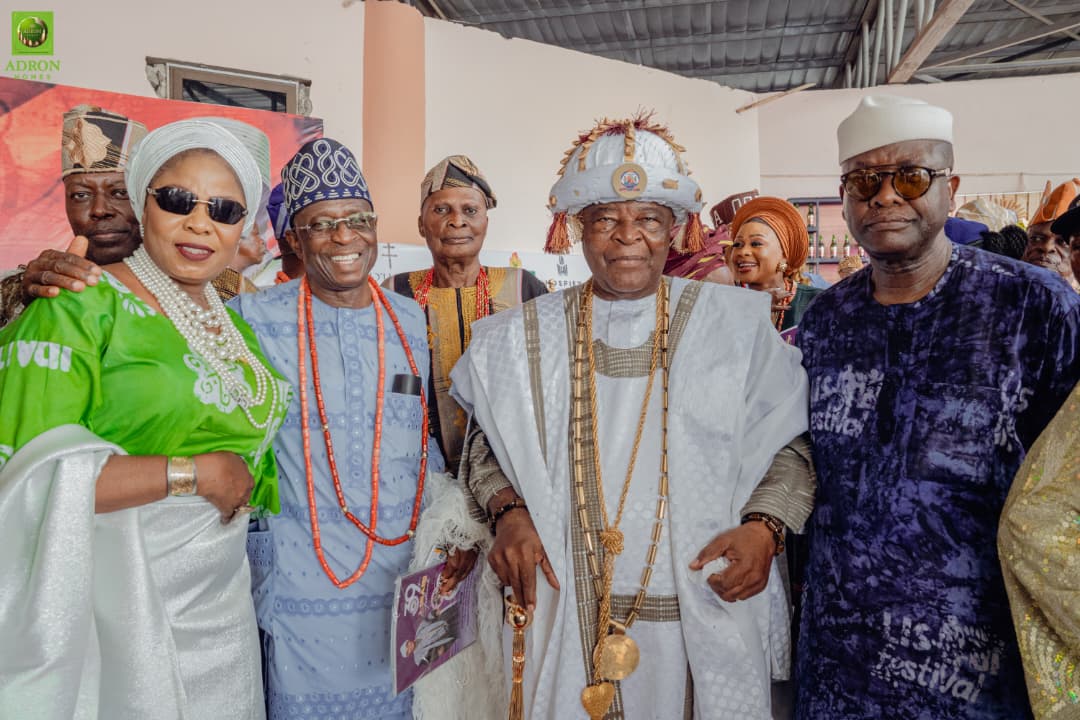
Adron Homes Elevates Cultural Pride as Dignitaries Grace 39th Lisabi Festival in Abeokuta
The ancient city of Abeokuta came alive in a grand display of culture, history, and unity as dignitaries from across Nigeria converged at the iconic Ake Palace Ground for the 39th edition of the Lisabi Festival, an annual celebration deeply rooted in the Egba people’s heritage.
The event, proudly supported by Adron Homes and Properties Limited, witnessed an impressive parade of distinguished personalities, traditional rulers, government officials, business leaders, and cultural enthusiasts, all captured in vibrant pictures that tell the story of a people united by history and pride.
From richly adorned monarchs in regal attire to elegantly dressed guests reflecting the depth of Yoruba tradition, the images from the festival encapsulate moments of honour, reverence, and celebration. Each photograph portrays not just faces, but influence, leaders, and stakeholders who continue to shape cultural preservation and community development.
At the heart of the celebration was the revered Oba Adedotun Aremu Gbadebo, whose presence underscored the festival’s significance as a symbol of Egba resilience and identity. Surrounding him were eminent dignitaries whose attendance further amplified the prestige of the event.
Adron Homes and Properties Limited stood out prominently, not only as a sponsor but as a key driver of cultural sustainability. Through its strategic support, the company reinforced its commitment to preserving indigenous heritage while fostering community engagement. The brand’s visibility across the venue and within the pictorial highlights reflects a deliberate alignment with culture, tradition, and people-centered development.
Beyond real estate, Adron Homes has continued to position itself as a cultural partner, investing in platforms that celebrate history and strengthen communal bonds. Its involvement in the Lisabi Festival is a testament to its broader vision of building not just homes, but legacies rooted in identity and pride.
The 39th Lisabi Festival, as captured through the lens of dignitaries in attendance, is more than an event, it is a narrative of continuity. And through its unwavering support, Adron Homes has once again set the pace, demonstrating that corporate institutions can play a vital role in sustaining the cultural heartbeat of a people.
As the echoes of drums fade and the colours of the festival linger in memory, one thing remains clear: the story told through these images is one of unity, heritage, and the enduring partnership between tradition and progress.


-

 society6 months ago
Religion: Africa’s Oldest Weapon of Enslavement and the Forgotten Truth
-

 news4 months ago
WHO REALLY OWNS MONIEPOINT? The $290 Million Deal That Sold Nigeria’s Top Fintech to Foreign Interests
-

 society6 months ago
“You Are Never Without Help” – Pastor Gebhardt Berndt Inspires Hope Through Empower Church (Video)
-

 celebrity radar - gossips2 months ago
Dr. Chris Okafor Returns with Power and Fire of the Spirit -Mounts Grace Nation Altar with Fresh Anointing and Restoration Grace on February 1, 2026