
society
THE PUNCH EDITORIAL ON BENUE: A FABRICATION IN SEARCH OF A SCAPEGOAT

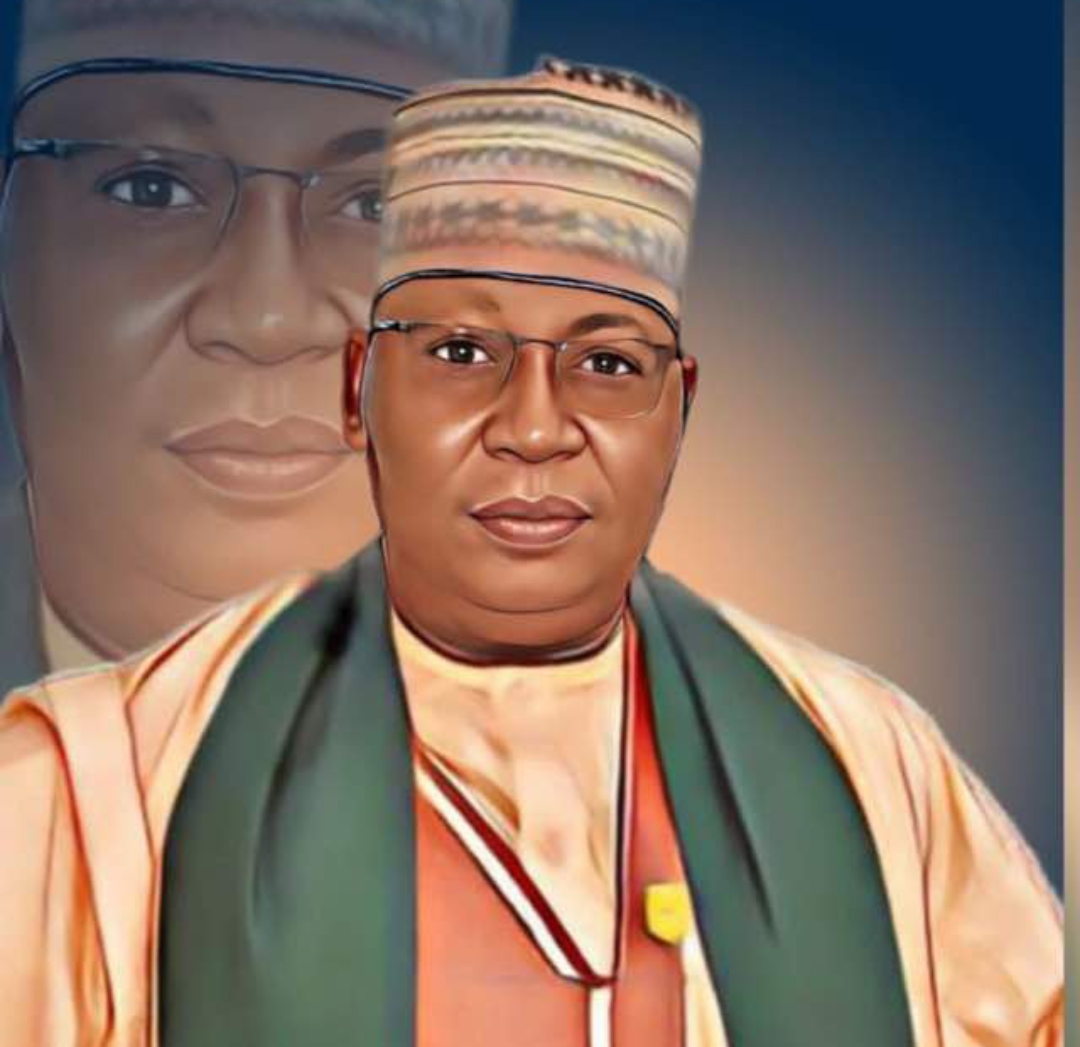
THE PUNCH EDITORIAL ON BENUE: A FABRICATION IN SEARCH OF A SCAPEGOAT
By
Brigadier General SK Usman (rtd) mni fnipr
As a concerned and observant citizen and someone conversant with the military, which I have served meritoriously for over 35 years before voluntarily retiring in 2019, I feel compelled to respond to the editorial published by The Punch on June 17, 2025, titled “Benue Carnage: Beyond Army Chief’s Relocation.” That editorial, in my considered opinion, was not only riddled with factual inaccuracies but also laced with subtle mischief and a thinly veiled attempt to impugn the competence and integrity of the Chief of Army Staff (COAS) of the Nigerian Army, Lieutenant General OO Oluyede, mni.
Let me state without equivocation: The Punch based its entire editorial on a falsehood. I have searched exhaustively and cannot recall, nor find any record of, the Chief of Army Staff or any organ of the Nigerian Army announcing a relocation to Makurdi, as was alleged. That claim is entirely fabricated. Yet, on this phantom announcement, the editorial weaves an entire narrative accusing the COAS of ineffectiveness, as if the failure of a non-existent relocation were a legitimate measure of leadership. This is not just misleading; it is reckless.
With my knowledge of him, Lieutenant General Oluyede is not a man given to media stunts or superficial gestures. Since time immemorial, his approach to military leadership has been defined by professionalism, quiet diligence and a deep understanding of Nigeria’s complex security terrain. As someone who follows security developments closely, I can attest that he knows exactly where his men are, what they are doing, and what they are capable of, particularly in the North-Central region. Military formations and units such as Operation WHIRL PUNCH, Operation WHIRL STROKE and the 401 Special Forces Brigade are not just in place; in active collaboration with other security agencies and stakeholders, they are operationally effective, delivering results under extraordinarily challenging conditions.
The suggestion that “little has changed” in Benue because the COAS allegedly relocated is not only baseless; it is a cynical distortion of the facts. If The Punch had made the slightest effort to verify its claims, it would have discovered that no such relocation took place because it was never needed. However, he does visit the military locations periodically. Any keen observer will discern that the Nigerian Army, especially under his able leadership, does not rely on media optics to secure lives; it relies on strategy, structure, and trained men and women doing their jobs, often at great personal cost. It is worth pointing out that The Punch has become increasingly fond of such ill-informed publications, which often makes one question the motive behind them. Rather than enlighten the public or contribute meaningfully to national security discourse, such editorials seem designed to generate controversy and discredit public institutions, especially the military, without justification.
Since his appointment in an acting capacity on 30th September 2024, and subsequent screening and confirmation as the substantive Chief of Army Staff, by President Bola Ahmed Tinubu GCFR, Lieutenant General Oluyede has demonstrated exceptional leadership and operational command acumen. He has also demonstrated an undeniable capacity to work diligently. The Nigerian Army under his stewardship has recorded tremendous achievements in its assigned tasks across various theatres of operation. He has remained focused, strategic, and proactive in his duties, never distracted by media posturing or political noise.
Therefore, it is deeply disappointing that a newspaper of The Punch’s standing would publish an editorial based entirely on fiction. It betrays a lack of journalistic rigour and a worrying eagerness to sensationalise a national tragedy for editorial impact. What purpose is served by disseminating such misinformation? Certainly not accountability, and certainly not in public interest or enlightenment. If The Punch was genuinely concerned about the security situation in Benue, it could have taken the responsible route: reached out to military authorities, credible sources, reviewed the actual deployments, and reported verified events. Instead, it chose to peddle speculation and cloak it in editorial righteousness.
The Chief of Army Staff has demonstrated time and again that he is a focused, capable, and composed leader who does not need to shout from the rooftops to be effective. He works silently, relentlessly, and responsibly. He is not a showman; he is a well-experienced and well-trained soldier, who is result-oriented and has the welfare and well-being of his men at heart. Consequently, I urge The Punch to be more measured in its editorial judgements and to avoid descending into narratives that are not only misleading but damaging to national morale and the integrity of our institutions. If doubt exists, they should ask, not assume. That is what responsible journalism demands.
Nigeria stands at a critical crossroads. It is not a time for careless conjecture or the luxury of false narratives. The Punch should also understand that this is not the time to tear down those working hard to hold the line, especially not based on imagination. It is a time to support and strengthen those working earnestly to defend our country. Anything less does more harm than good.
— Brigadier General SK Usman (rtd), mni, fnipr, is a security and strategic communication expert. He can be reached via his social media handles @skusman.




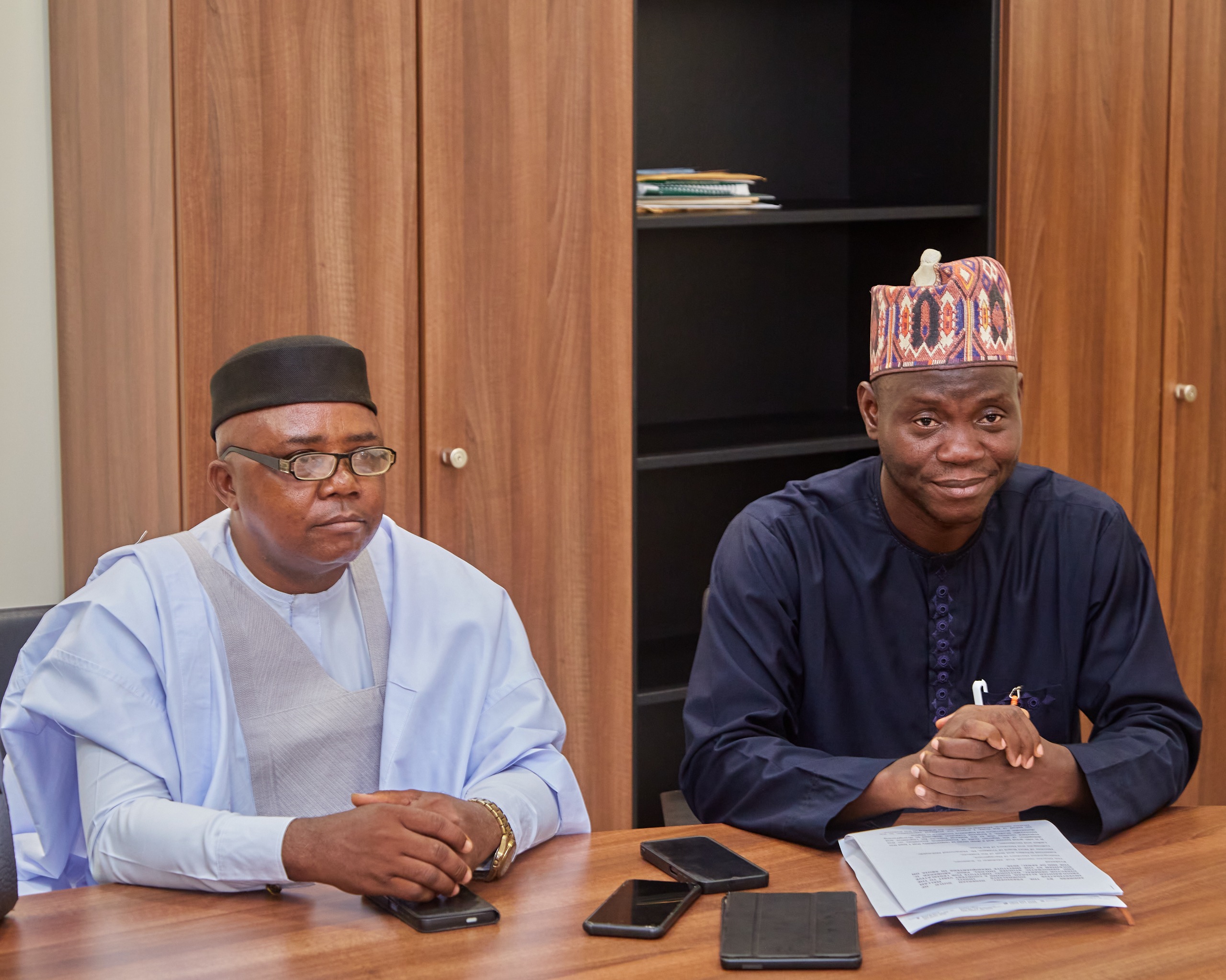
Democratic Accountability in Focus as NGIJ Courts NILDS for Strategic Collaboration
The Nigerian Guild of Investigative Journalists (NGIJ) has sought a strategic partnership with the National Institute for Legislative and Democratic Studies (NILDS) to enhance legislative reporting, strengthen democratic accountability, and promote evidence-based journalism in Nigeria.
The proposal was made during a courtesy visit by the NGIJ delegation, led by its President, Mallam Abdulrahman Aliagan, to the Institute’s headquarters in Abuja.
The Director-General of NILDS, Professor Abubakar O. Suleiman, was represented at the meeting by the Director of Legal Services, Professor Ibrahim Danwanka. Also in attendance were the Special Adviser to the DG on Media, Mr. Muhammad Abdulkadir and the Director of Information, Mr. Emmanuel Atakpo.
Speaking during the visit, Aliagan described the engagement as a strategic step toward building synergy between investigative journalism and legislative research institutions. He commended the leadership of Professor Suleiman for transforming NILDS into a leading centre for legislative studies and democratic governance in Africa.
“This visit is not merely ceremonial—it is deeply strategic. NGIJ and NILDS share a common vision of strengthening democracy, promoting accountability, and deepening good governance in Nigeria,” Aliagan said.
He explained that while NILDS advances democratic governance through research and legislative capacity development, NGIJ complements these efforts through investigative journalism and public-interest reporting.
Aliagan highlighted the Guild’s activities across the country, particularly its Governance Assessment Visits conducted in Kogi, Bayelsa, Ondo, Kwara, Osun, and Kaduna states, noting that such engagements have improved public discourse and strengthened accountability at the subnational level.
“Our mission is to promote ethical investigative journalism, strengthen transparency in governance, and build capacity for data-driven reporting that connects citizens with democratic institutions,” he said.
The NGIJ President also proposed collaboration in areas such as training on legislative processes, joint research and publications, policy dialogues, data sharing, and fellowship programmes for journalists and researchers.
He further informed the Institute of the Guild’s plan to host the Dele Giwa Memorial Annual Lecture on Investigative Journalism in June as part of activities marking Democracy Day. The Guild requested that Professor Suleiman serve as keynote speaker and sought approval to use NILDS’ auditorium for the event.
“We are confident that your presence and intellectual contribution will greatly enrich the discourse and lend national significance to the event,” Aliagan added.
Responding on behalf of the Director-General, Professor Danwanka welcomed the proposal and described the initiative as timely and beneficial to national development. He commended NGIJ for its commitment to accountability journalism and its recognition of the Institute’s growing impact.
“If there is any institution journalists need to collaborate with, it is NILDS.
Legislative reporting requires specialised knowledge that many journalists currently lack,” Danwanka said.
He explained that NILDS was established by an Act of Parliament in 2011 and later expanded in 2017 to include broader responsibilities covering democratic institutions and civil society organisations.
According to him, the Institute has grown significantly under Professor Suleiman’s leadership, expanding from four departments to eleven, with increased staff strength and wider national, regional, and continental visibility.
Danwanka noted that NILDS currently provides research and capacity-building support not only to Nigeria’s legislature but also to parliaments across West Africa and other parts of the continent, including Kenya, Zimbabwe, Malawi, Ghana, and Togo.
“Legislature is a specialised field. Even experts from other disciplines must acquire knowledge of its processes to report it accurately. That is where NILDS comes in,” he said.
He assured the NGIJ delegation that all requests presented during the visit, including collaboration proposals, the use of the Institute’s facilities, and the invitation to the DG would be communicated for necessary action.
Danwanka also acknowledged NGIJ’s commendation of the appointment of Mr. Abdulkadir as Special Adviser on Media, describing the recognition as thoughtful and well-deserved.
The meeting ended with both parties expressing optimism about establishing a formal framework for collaboration, with a shared commitment to strengthening democratic institutions and improving governance through knowledge-driven journalism.
“This engagement marks the beginning of a sustainable partnership that will advance legislative excellence and investigative journalism in Nigeria,” Danwanka said.


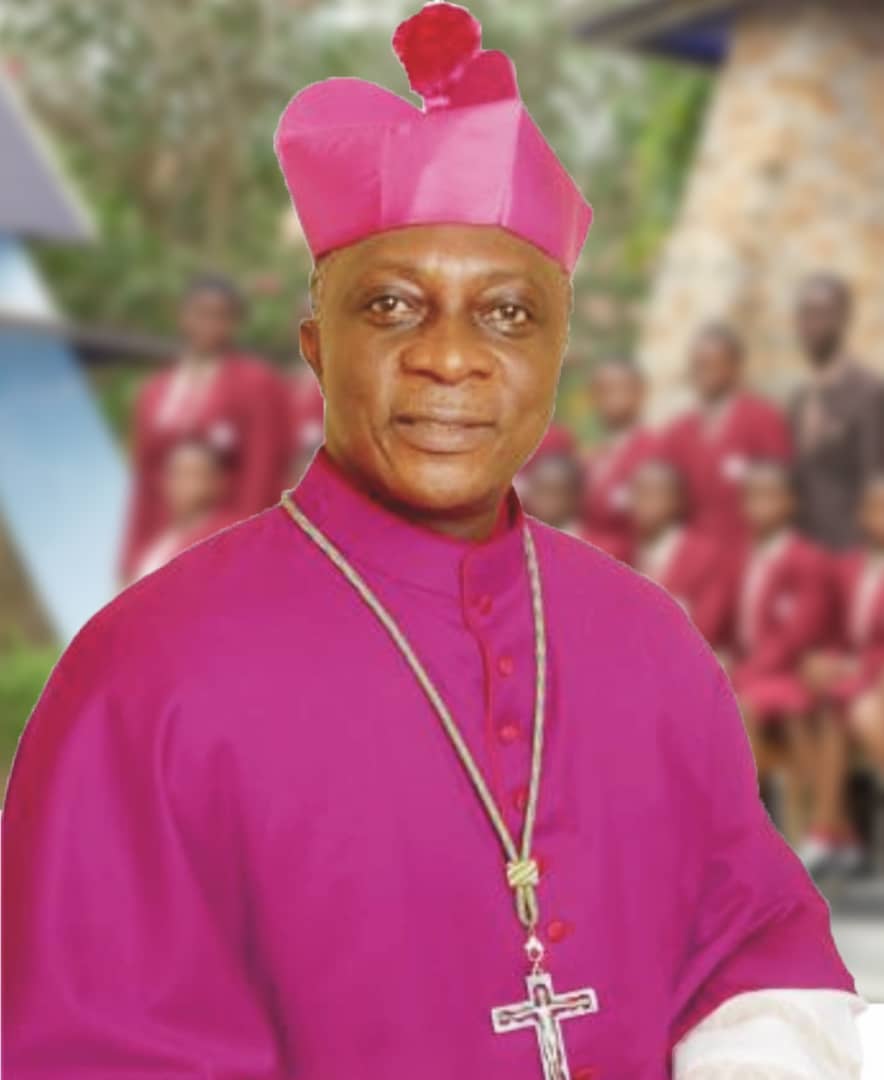
GOVERNMENT MUST TACKLE NATION’S PRESSING CHALLENGES — BISHOP MARTINS URGES AT CHRISM MASS
By Ifeoma Ikem
The Holy Cross Cathedral, Lagos, was filled with joy, reverence, and renewed commitment on Holy Thursday as Catholic faithful across the metropolis gathered for the annual Chrism Mass — a solemn celebration marking the institution of the priesthood, the Holy Eucharist, and the blessing of sacred oils used throughout the liturgical year.

During the ceremony, the Catholic Archbishop of Lagos, Most Rev. Adewale Martins, described the Chrism Mass as a profound moment in the life of the Church.
He noted that it offers priests an opportunity to renew their vows and reflect on the centrality of the Eucharist, which he emphasized remains the heartbeat of the Catholic faith.
Addressing national issues, Bishop Martins acknowledged the government’s ongoing efforts to tackle Nigeria’s current challenges.
However, he stressed the need for more decisive and accelerated interventions, particularly in securing lives and easing the economic burdens confronting citizens.
He congratulated priests on their feast day and reflected on the rising influence of digital evangelization. While recognizing that many people now “inhabit online spaces,” he warned clergymen to handle social media with caution, discipline, and fidelity to Church teachings. According to him, digital influence must never overshadow spiritual integrity.
“The oils blessed today are not simply symbols; they speak of being set apart by a mark not earned, not crafted, but given,” he said. “As we renew our promises, we do not recreate ordination; we awaken memory. We were not ordained to build profiles but to bear Christ.”
He further noted that the digital world has become a place where people “gather, argue, celebrate, confess, misunderstand, and sometimes encounter truth.” For this reason, he said the Church recognizes the need to take the Gospel into that space without compromising its authenticity.
In his homily, Rev. Fr. Paul Akin-Otiko, Chaplain of St. Thomas More Catholic Chaplaincy, University of Lagos, emphasized the enduring significance of the Chrism Mass as an ancient tradition where sacred oils are consecrated.
He urged priests to pray fervently for the sick using the blessed oils, reminding them that true healing comes from God.
Fr. Akin-Otiko encouraged clergy to remain selfless, warning them never to turn the Church into a source of personal gain.
He stressed that their primary duty is the salvation of souls and the welfare of the people entrusted to them.
Monsignor John Aniagwu took a moment to appreciate Anthony Cardinal Olubunmi Okogie for his fatherly guidance and exemplary leadership. He prayed for God’s continued blessings, asking that all present be granted good health to witness many more Chrism Masses.
The highlight of the ceremony was the renewal of vows by hundreds of priests, who reaffirmed their commitment to lives of dedication, chastity, and obedience to the Church and their bishop — an act that drew heartfelt applause from the congregation.
The celebration concluded with songs of thanksgiving, joy, and renewed devotion.
society
Liberian Leaders, Citizens Bear Witness as Apostle Suleman Hosts Two-Day Power-Packed Crusade
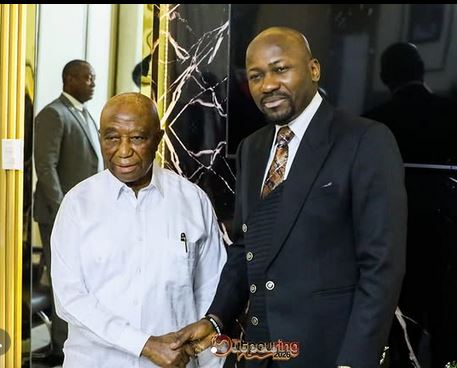
Liberian Leaders, Citizens Bear Witness as Apostle Suleman Hosts Two-Day Power-Packed Crusade
It was testimonies galore on Tuesday, March 31, the first day of the famous servant of God and founder of the Omega Fire Ministries (OFM) worldwide, Apostle Johnson Suleman’s power-packed two-day crusade. The event documented impactful moments with the Gospel and miracles, emphasizing the power of faith and the tangible confirmation of God’s Word through signs and wonders. It was equally an atmosphere of miraculous healing, restoration of lives, and the strengthening of faith.
At the crusade, which was held at the SKD Sports Stadium in Paynesville City, and themed, “Liberia Outpouring Crusade” witnessed testimonies of impact and miracles with participants experiencing instant healing of various kinds of challenges.
Apostle Suleman’s first port of call was Paynesville, the office of Liberian government’s president, Mr. Joseph Nyuma Boakai, who received him in an audience with his junior ministers. Apostle Suleman, who also met with the vice-president, Mr. Jeremiah Kpan Koung, was welcomed by the Liberian leader’s office as part of the president’s ongoing engagements with religious leaders aimed at fostering spiritual support for national development.
The president expressed profound appreciation to Apostle Suleman for the visit and continued prayers and intercessions by men and women of God on behalf of Liberia, emphasizing his firm belief that sustained spiritual guidance and prayer remain vital to the transformation and progress of the nation.
During the visit, Apostle Suleman offered prayers for President Boakai, his cabinet and the Liberian nation, invoking divine alignment, wisdom, and insight in Liberia’s path toward growth and stability. He prayed that the Almighty God would position Liberia for relevance and fulfillment of its national destiny.
Apostle Johnson Suleman, an evangelist who knows no bounds of where preaching the gospel comes to a stop, visited Liberia prepared with the message, compelling power of the Gospel and the work of the Holy Spirit, and bringing people to a point of decision where they surrendered their lives to Christ.
Aside from being prophetic and timely, OFM sources disclosed that the servant of God’s visit underscores the importance of faith-based partnerships in supporting governance and national renewal efforts.


-

 society7 months ago
Religion: Africa’s Oldest Weapon of Enslavement and the Forgotten Truth
-

 news4 months ago
WHO REALLY OWNS MONIEPOINT? The $290 Million Deal That Sold Nigeria’s Top Fintech to Foreign Interests
-

 society6 months ago
“You Are Never Without Help” – Pastor Gebhardt Berndt Inspires Hope Through Empower Church (Video)
-

 celebrity radar - gossips2 months ago
Dr. Chris Okafor Returns with Power and Fire of the Spirit -Mounts Grace Nation Altar with Fresh Anointing and Restoration Grace on February 1, 2026