
celebrity radar - gossips
The significance of Tinubu’s first week of 2024 By Tunde Rahman


The significance of Tinubu’s first week of 2024
By Tunde Rahman
There couldn’t have been a better predictor of what to expect from President Bola Tinubu in 2024 than the way and manner he began the New Year. For the President, 2024 started on a business like, work-filled note. While many were still savouring the New Year, the Nigerian leader cut short his Christmas/New Year holiday in Lagos on January 1, returned to Abuja to sign the N28.7 trillion 2024 Appropriation Bill passed by the National Assembly. It was his first assignment in the New Year. The way he did it demonstrated the seriousness and patriotic commitment he brings unto the exalted job.

For him, nothing must stand on the way of the onerous responsibility bestowed on him. Senate President, Godswill Akpabio and House of Representatives Speaker, Tajudeen Abbas were shocked to learn the President had returned to Abuja and ready to sign the budget.
Since that first day of the year, it has been one impactful governance step and important decision after another. Indeed, it was one week of 2024 to remember. It reminds me of a song by Canadian rock band, Barenaked Ladies with the same title “One Week”. The song was released as the first single from their 1998 album, Stun. The song is unique for its significant number of pop culture references, and remains the band’s best-known song. According to Wikipedia, the song reached No.1 on the US Billboard Hot 100.
In one week of 2024 to remember, President Tinubu made pivotal and landmark decisions which have been widely applauded.
Critic-turned-admirer of President Tinubu, Reno Omokri, catalogued some of these important decisions and developments in a recent tweet.
The decisions include the suspension of the Minister of Humanitarian Affairs and Poverty Alleviation, Dr. Beta Edu, and Coordinator of the National Social Investment Programme Agency, Hajiya Halimotu Shehu, for alleged financial transgressions and the ongoing investigation by the Economic and Financial Crimes Commission to determine their guilt; the summon by the President of another minister alleged to be involved in a controversial contract; the drastic reduction in the entourage of the President’s domestic and international travels; the banning of the money-for-degree universities in Benin Republic, Togo and other countries; and the clearing of the N12billion outstanding allowances and other arrears for the Super Eagles, taking part in the African Cup of Nations tournament beginning this weekend. Arrears owed other national teams were also paid by the President.
In that preceding week, the Bola Tinubu administration embarked on the payment of wage support benefits to civil servants, the disbursement of N105.5 billion for emergency repair of 266 roads across the country, the launch of the automated passport portal and the unfolding of plans to build a new Chinese-funded steel plant in Nigeria following on the heel of a visit to China by the Minister of Steel Development, Shuaib Abubakar Audu.
The swift suspension of Betta Edu, one of the visible ministers at present, pending the full investigation of the alleged scandal in her ministry not only demonstrates there are no scared cows in the anti-graft crusade, it will also serve as deterrent against others who may otherwise believe the present government is business-as-usual.
However, as some have argued, the minister should not be pilloried until after the full investigation of the allegations and her culpability or otherwise established.
Perhaps, the most exciting of the President’s decisions during that important week, in my view, is the resolve to cut the cost of governance by drastically reducing the number of people in his entourage on local and international trips. President Tinubu directed that top government functionaries, dignitaries and aides on his travels be slashed by 60 per cent, more than half.
On local trips, the President, for instance ordered that, in the area of security, his team should rely more on the capacity of the security establishment and existing protocols in the host states.
It must be pointed out here that when the President visits a state for instance like his recent visit to Lagos during the Christmas/New Year holiday, during which he decided to observe the Jumat at the Central Mosque in Lagos Island, the long stretch of vehicles noticed in his convoy are not entirely his own. Some dignitaries in Lagos, top security officers, top traditional rulers, political associates and many others simply joined the entourage to the mosque at no prompting of the President.
The importance of cutting the number in the President’s travels apart from the concomitant reduction in total cost of the trip is unmistakable. First, it is in tandem with the demands of the present challenging times when prices of goods and services have skyrocketed owing to what many tie to the prevalent foreign exchange rate.
Second, by slashing the presidential entourage, President Tinubu has again demonstrated leadership by example. He has shown he fully understands what the people are experiencing at present and shares in their pains, which he says will be temporary, following his New Year Day speech.
Indeed, the cost of governance and administration in Nigeria is high and it has become imperative to bring it down. Every possible avenue must be employed to do this. It is estimated that the country mostly spends over 75% of her federal budget on recurrent expenditure, leaving less than 25% for capital expenditure. The present administration is set to change this governance narrative. For instance, in the N28.7trillion 2024 budget, recurrent expenditure was pegged at N8.7tr and capital expenditure at N9.9tr. This trend is expected to continue going forward.
– Rahman is a Senior Presidential Aide




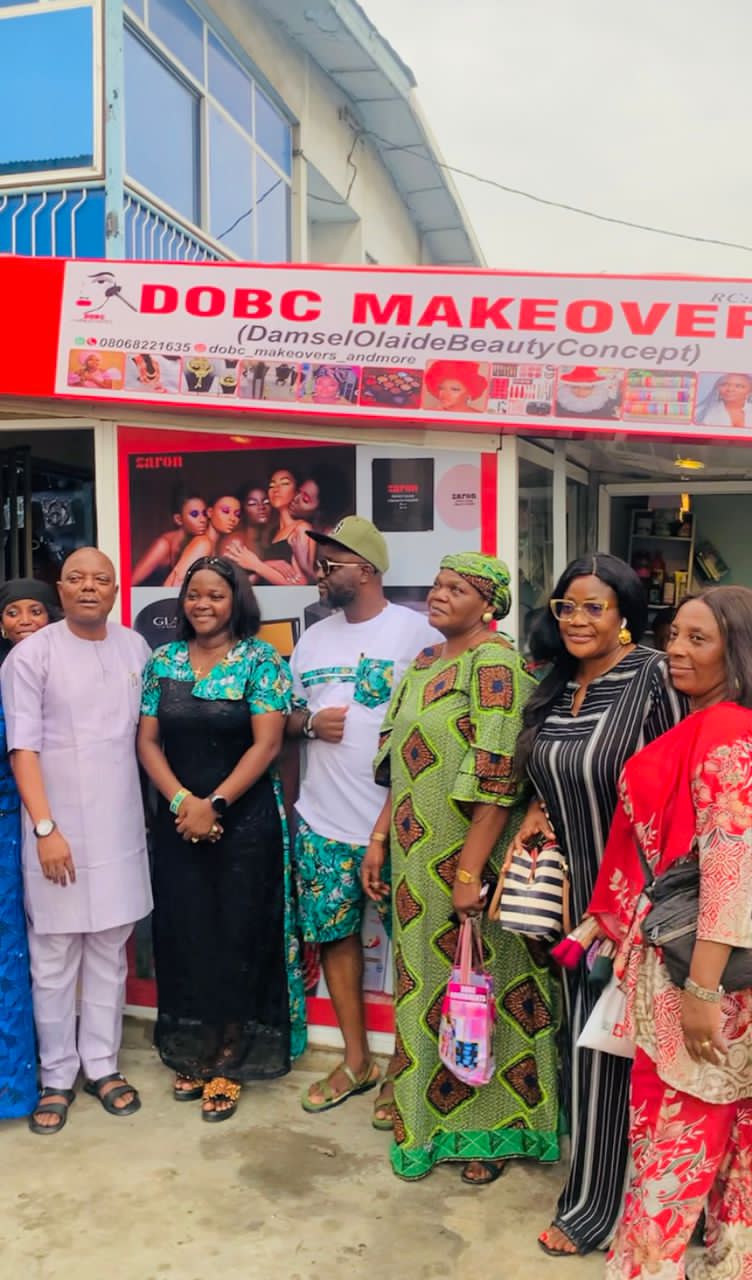
Beauty Meets Glamour as Olaide Ogunyemi Opens New Studio in Mushin
Popular Nollywood actress and professional makeup artiste, Olaide Ogunyemi Oluwayemisi aka Damilola, has expanded her footprint in the beauty industry with the grand opening of her new makeup studio in Lagos.
The talented thespian, who is also the Chief Executive Officer of @Dobc_makeovers_andmore, officially unveiled the ultra-modern beauty space last Thursday, April 2, 2026, in a colourful ceremony filled with glamour, fashion, and pageantry.
Strategically located at 101 Palm Avenue, right beside FitPlus and Sparklight Hospital in Mushin area of Lagos, the new studio is designed to offer top-notch beauty services, reflecting Ogunyemi’s commitment to excellence and professionalism in the ever-growing makeup industry.
The opening ceremony attracted friends, colleagues from the Nollywood industry, beauty enthusiasts, and well-wishers who came out in large numbers to celebrate the entrepreneur’s latest milestone. Guests were treated to a vibrant atmosphere that showcased creativity, style, and the evolving standards of the beauty business in Lagos.
Speaking at the event, Ogunyemi expressed her excitement and gratitude, noting that the new studio represents years of hard work, dedication, and passion for her craft. She reaffirmed her commitment to delivering premium beauty services while empowering aspiring makeup artistes.
The launch of the studio further cements her reputation as a dynamic force, successfully blending her career in Nollywood with a thriving beauty brand.
With this latest development, Olaide Damilola Ogunyemi continues to inspire many young entrepreneurs, proving that talent, consistency, and vision remain key drivers of success in Nigeria’s creative and business landscape.


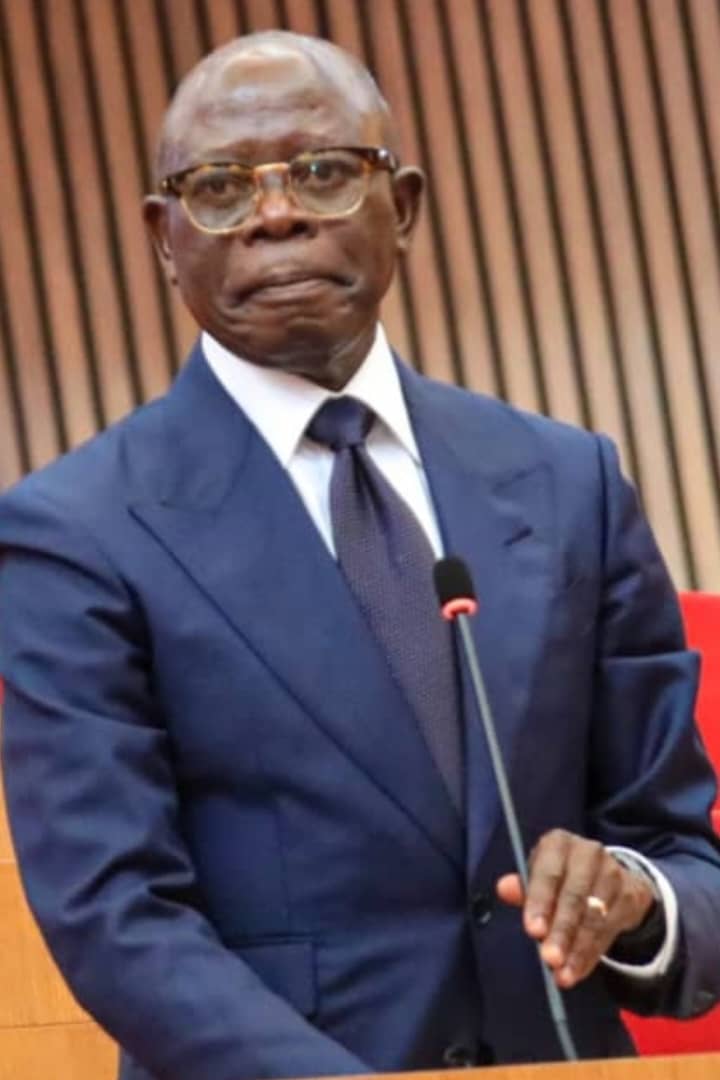
Daniel Eromosele Eulogize Adams Oshiomole as he turns 74 years
Today, I celebrate an exceptional leader, a fearless voice for the people, and a man whose life has remained a symbol of courage, sacrifice, and unwavering commitment to justice—Distinguished Comrade Senator Adams Aliu Oshiomhole.

Your journey has been nothing short of inspiring. From your days as a vibrant labour leader to your impactful tenure as the Executive Governor of Edo State, and now as a respected Senator of the Federal Republic, you have consistently demonstrated what it means to serve with integrity, strength, and purpose. Your contributions to the growth of our nation and the development of Edo State remain indelible and deeply appreciated.
You have not only built structures and institutions but have also built people. I am personally a beneficiary of your leadership, your guidance, and your belief in empowering others. Your influence in my life has been profound, and I remain grateful for the opportunities and inspiration you have given me.
On this special day, I celebrate not just your achievements, but the man you are—resilient, principled, and ever committed to the progress of Nigeria and her people.

May this new year bring you renewed strength, greater wisdom, good health, and more remarkable accomplishments. May your legacy continue to shine brighter with each passing year.
Happy Birthday, sir. Wishing you many more fruitful and impactful years ahead.
celebrity radar - gossips
Accolades to Empress Genevieve Wining as she Celebrate birthday in Grand style

Accolades to Empress Genevieve Wining as she Celebrate birthday in Grand style
Emmanuel Clement
Vilnius, Lithuania – The Grand Hotel Vilnius will host a grand birthday celebration in honor of Her Majesty The Empress Genevieve Wining of the United Kingdom of Atlantis (UKA) on April 4th, 2026.
The four-day event promises to be an extravagant affair, marking the special birthday of Empress Genevieve Wining. The celebration will take place at the prestigious Grand Hotel Vilnius, Lithuania, renowned for its luxurious ambiance and exceptional service.

According to the event flyer, the birthday celebration will be a spectacular occasion, fitting for an empress. Guests can expect an elegant setting adorned with golden accents, sparkling champagne, and festive decorations, creating a regal atmosphere befitting the occasion.
The Empress Genevieve Wining of UKA is expected to grace the event, which will include various festivities and celebrations in her honor. The occasion aims to bring together dignitaries, followers, and guests to commemorate the empress’s birthday with grandeur and joy.
For media inquiries, accreditation, or further information about the birthday celebration of The Empress Genevieve Wining of UKA, please contact the event organizers.
Courtesy of His Excellency Emperor Prof. Solomon Wining. UKA


- United States (U.S.) and Mozambique Advance Cooperation on Emergency Response and Safety April 6, 2026
- The Impacts of the Middle East Conflict on Africa April 6, 2026
- Ghana: President Mahama announces a high-level panel of the Accra Reset April 6, 2026
- Ghana: President Mahama reiterates his determination to build more businesses April 6, 2026
- Mauritius accelerates energy transition with renewable projects of 405 MW April 6, 2026
- Africa Centres for Disease Control and Prevention (Africa CDC) Appoints His Excellency Prof. Yemi Osinbajo as Senior Strategic Advisor to the Director General April 6, 2026
- 2026 Easter Message by the President of the Catholic Bishops’ Conference of Nigeria (CBCN): The Dawn is Coming, Don’t Let Go Now, Hold on to Hope! April 5, 2026
- "A Time to Pause and Begin Again”: President Dr Patrick Herminie reflects in Easter message April 5, 2026
- President Dr. Patrick Herminie Pays Tribute to the Late Seychellois Artist David Philoe April 5, 2026
- Ghana identifies priority areas to strengthen cholera prevention and control April 5, 2026
- United States (U.S.) and Mozambique Advance Cooperation on Emergency Response and Safety April 6, 2026
- The Impacts of the Middle East Conflict on Africa April 6, 2026
- Ghana: President Mahama announces a high-level panel of the Accra Reset April 6, 2026
- Ghana: President Mahama reiterates his determination to build more businesses April 6, 2026
- Mauritius accelerates energy transition with renewable projects of 405 MW April 6, 2026
- Africa Centres for Disease Control and Prevention (Africa CDC) Appoints His Excellency Prof. Yemi Osinbajo as Senior Strategic Advisor to the Director General April 6, 2026
- 2026 Easter Message by the President of the Catholic Bishops’ Conference of Nigeria (CBCN): The Dawn is Coming, Don’t Let Go Now, Hold on to Hope! April 5, 2026
-

 society7 months ago
Religion: Africa’s Oldest Weapon of Enslavement and the Forgotten Truth
-

 news4 months ago
WHO REALLY OWNS MONIEPOINT? The $290 Million Deal That Sold Nigeria’s Top Fintech to Foreign Interests
-

 society6 months ago
“You Are Never Without Help” – Pastor Gebhardt Berndt Inspires Hope Through Empower Church (Video)
-

 celebrity radar - gossips2 months ago
Dr. Chris Okafor Returns with Power and Fire of the Spirit -Mounts Grace Nation Altar with Fresh Anointing and Restoration Grace on February 1, 2026