
celebrity radar - gossips
The travails of Apostle Johnson Suleiman and the inciting words of the Sultan of Sokoto (Part 1) by Femi fani-kayode

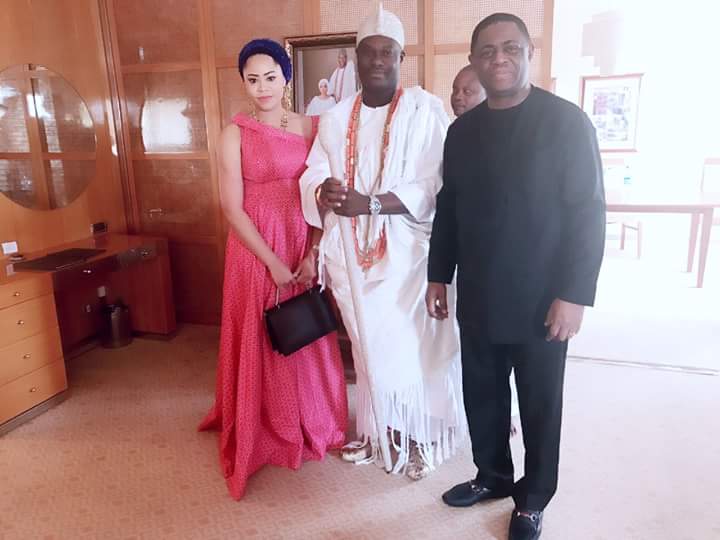
The travails of Apostle Johnson Suleiman and the inciting words of the Sultan of Sokoto (Part 1)
This is an article written by Femi Fani Kayode. Keep reading: Nothing sums up the dangerous way in which the DSS is handling the Apostle Johnson Suleman affair better than the words of the Southern Kaduna-based Pastor Owojaye Matthew. He said:
“You want to arrest Christian clergymen who asked Christians to defend themselves against killer FULANI Herdsmen while you allow hundreds of foreign FULANI herdsmen invading Nigeria to kill and maim CHRISTIANS and take over their lands! DSS, tread softly! Do not play into the hands of chaos! We are waiting for DSS to arrest the kill and go FULANI herdsmen!”
The Buhari administration is literally playing Russian roullete with this matter. They are playing with fire and it may well end up burning them badly and consumming the whole of Nigeria. They are sitting on a keg of gunpowder and it may well end up blowing up in their faces.
Owojaiye’s point is as pertinent as it is clear. His counsel to the DSS is unassailable and timely.
They would do well to take his advice, leave Suleman alone and, instead of harrasing him, go after those who commit mass murder, ethnic cleansing and genocide against northern Christians at the drop of a hat and those who encourage, incite and pay them to do it.
In this respect let us consider the words of the President-General of Nigeria’s Supreme Council for Islamic Affairs, His Eminence, Mohammed Sa’ad Abubakar, the Sultan of Sokoto.
On 24th July 2016 he called on Muslims to fight anybody or any group that attempts to stop them from performing their religious obligations. He said,
“Fight those who seek to stop you from practising Islam. The only thing that will make me to act or ask you to act is only when somebody or a group or some other nations decide to stop us from performing our religious obligations. That is the only way we can fight somebody.” (The Daily Trust).
These words are not only ominous but also sinister. The question for His Eminence and all those that share his views and disposition, and I ask it respectfully, is precisely who is stopping the Muslims of Nigeria from “practising Islam” and “performing their religious obligations?”
Is his warning and veiled threat not dangerous and uneccessary? Is this misguided and misplaced missive not the motive and primary catalyst for the unprecedented and unprovoked attacks that the Christian community in northern Nigeria are being subjected to today?
Is this not the ethos and mindset of those who love to spill Christian blood and crush Christian bones?
Do such words not appear to be like manna from heaven and a source of great inspiration and encouragement to the radical islamic terrorists and Fulani ethnic supremacists in our midst? Is this not a clear case of incitement to violence?
If the Department of State Security (DSS) can attempt to arrest and later invite the fiery evangelical Apostle Johnson Suleman of Omega Fire Ministries simply for calling on Christians to defend themselves when they are attacked by Fulani militias, why should they not arrest the Sultan of Sokoto for his comments as well?
If Miyetti Allah, the umbrella group of the Fulani militia, and other Muslim groups and Fulani leaders can call for the arrest of Rev. Samson Olasupo Ayokunle, the President of the Christian Association of Nigeria (CAN) and other clerics simply because they asked Christians to defend themselves from what can only be described as mass murder and genocide, why can’t we Christians demand that the Sultan of Sokoto, the leader of Nigeria’s northern Muslims, be arrested for his inciting words as well?
Is what is good for the goose not good for the gander? Do Muslim lives matter more than Christian ones in President Muhammadu Buhari’s Nigeria?
Are Christians expected to behave like quislings and cowards and hide under the bed shivering in silence when Muslim leaders speak or threaten them?
Are Christians second class citizens in Nigeria? Is it not better to be killed and die as free men than to live as worthless slaves or second class citizens in our own country?
All over the northern part of the country Christians are being targetted, slaughtered and butchered and not one person has been arrested, detained or cautioned by our government for these heinous crimes against humanity and these clear cases of ethnic and religious cleansing.
Are the lives of those defenceless and innocent Christian men, women and children that were brutally massacred some kind of sacrifice to a strange and demonic deity or entity?
Are those that kill in this gruesome and heartless manner and those that secretly encourage such killings and turn a blind eye to them really Muslims? Are they even human beings or are they just beasts?
I ask these questions because the apparant indifference of our government to the plight of the northern Christians and their conspiratorial collusion with the forces of darkness that perpetuate these evil, ungodly and barbaric acts against them shocks and appauls me.
Muslim clerics and leaders all over the north pronounce inciting words every day in the sanctity of their mosques and the Fulani Emirs appear to endorse those words yet no-one has called any of them to order. This madness has been going on for years and yet few are prepared to confront it.
The indifference of most northern Muslim leaders towards this matter is troubling and nauseating me. It appears that those that kill Christians in the north have some sort of immunity from the law.
For example there was a particular Fulani prince who was involved in the gruesome public beheading of a Christian man from Benue state by the name of Gideon Akaluka in Kano in the mid-1990’s long before he became an Emir.
The Fulani Prince was hidden in a Sokoto prison for two years after all those that organised the killing with him were extra-judicially executed by security forces on the orders of the then Head of State, General Sani Abacha.
After his release the matter was closed and the prince not only flourished but he also went from strength to strength until he became an Emir!
That is how skewered the system is and that is the level of injustice and sheer madness that Christians have been subjected to over the years in Nigeria. Instead of facing justice, those that commit such atrocities appear to be rewarded by the state for their barbarity and evil.
Again in October, 2011 the Sultan of Sokoto delivered a lecture at Harvard University in the United States of America and, amongst many other things, said,
“I do not recognize any Nigerian constitution and the only constitution I recognise is the Koran.”
As the cerebal young Yoruba nationalist Mr. Adeyinka Adebayo rightly asked,
“if Pastor Enoch Adeboye, Pastor David Oyedepo, Pastor Ayo Oritsajafor, Archbishop Olubunmi Okogie, in the name of their beliefs in the Bible as having the final say in their affairs, go about with such flatulence, would it be acceptable and exemplary?”
Adebayo has asked a pertinent question. If Prophet Temitope Joshua, Dr. Daniel Olukoya, Bishop Matthew Hassan Kukah, Dr. B.O. Ezekiel, Rev. Musa Asake, Bishop Mike Okonkwo, Pastor Bosun Emmanuel, Rev. Emmanuel Kure, Rev. Ladi Thompson, Pastor Paul Adefarasin, Pastor Biodun Fatoyinbo or any of the other notable clerics in Nigeria had said that they do not recognise the Nigerian constitution and that the only constitution that they recognise is the Holy Bible would all hell not have broken loose?
Up until today the slaughter that comes as a consequence of such irresponsible and hateful sentiments and incitement continues.
Yet when the Islamist terrorists and Jihadists start killing Christians and Shiite Muslims as a consequence of such incendiary expressions the Buhari government does and says absolutely nothing to discourage or stop it.
Worse still the entire nation maintains a stoic and submissive silence as if it were totally bewitched by some deep voodoo magic and dark Luciferian spell.
Virtually everyone appears to have been frozen into silence in the country and the spirit of fear has gripped most of our leaders and captured their spirits and souls.
The killing of Christians on a daily basis all over the north has now become the norm and it is getting worse by the day.
Yet no-one seems to care and some, including that devilish little imp in Kaduna state that delights in shedding Christian blood, even relish it and boast about it.
808 Christians were slaugthtered in Southern Kaduna on Christmas eve and Christmas day by Fulani militias and no arrests were made.
1000 Christians were killed in Agatu, Benue state last year by Fulani militants and no arrests were made.
253 Christians were bombed to death at an IDP camp in Borno state two weeks ago by a mad Muslim Air Force pilot and no arrests were made.
1000 Shiite Muslims were slaughtered by the Sunni-Muslim controlled Nigerian army at the end of 2015 and no arrests were made.
Thousands (yes THOUSANDS!!!) of Christian Biafran youths and members of IPOB have been slaughtered all over the south-east and south-south by the Sunni-Muslim led Nigerian security agencies since Buhari came to power just under two years ago yet no arrests have been made.
Christian political leaders and clerics are being harrassed, detained, subjected to torture, humiliated, maligned, threatened, coerced and forced to step down as heads of their Churches by the creation and implementation of bogus, absurd and self-seving laws and yet no-one is there to defend them.
Relevant here are the words of the man of the moment, President Donald J. Trump. He said,
“Christians in the Middle-East have been executed in large numbers. We cannot allow this horror to continue!”
If only he knew what the Christians of northern Nigeria were being subjected to he would accept the fact that what is happening to Christians in the Middle East is nothing but child’s play. May God help us all. (TO BE CONTINUED)




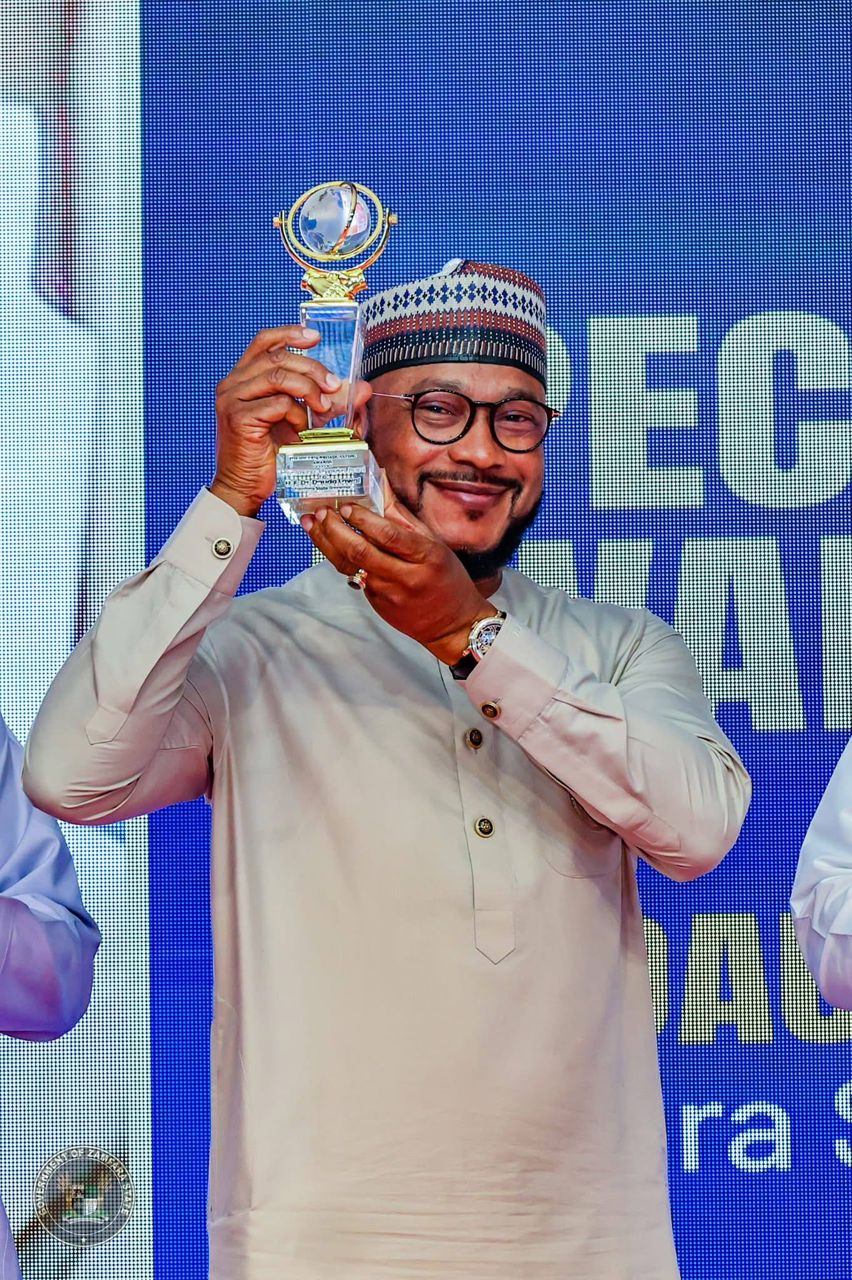
GOV. LAWAL WINS BON GOVERNOR OF THE YEAR FOR ZAMFARA’S INFRASTRUCTURE
The Broadcasting Organisations of Nigeria (BON) has awarded Governor Dauda Lawal the Infrastructure Governor of the Year honour for his administration’s giant strides in the Urban Renewal project across Zamfara.
The governor received the award at the second edition of the Broadcasting Organisations of Nigeria (BON) held at the NAF conference centre, Abuja.
A statement by the governor’s spokesperson, Sulaiman Bala Idris, revealed that the BON acknowledged Zamfara state’s unprecedented and transformative achievements in infrastructure, recognising excellence beyond the broadcasting industry.
He added that Governors Bassey Otu of Cross River and Uba Sani of Kaduna, the minister of information and national orientation, Mohammed Idris, along with John Momoh, Shyngle Wigwe, Abubakar Jijiwa, and Sa’a Ibrahim, were among the prominent Nigerians honoured at the 2026 Nigeria Broadcasting Awards.
The statement read in parts, “The Broadcasting Organisation of Nigeria, an umbrella body for public and private broadcasters in Nigeria, was established in 1973 to promote the interests of the broadcasting industry and ensure high standards in media practices.
“The organisation conducted a thorough months-long selection process aimed at recognising professional excellence and raising standards for media practice across Nigeria.
“The Awards Selection Committee was chaired by Dr Danladi Bako, former Director-General of the National Broadcasting Commission (NBC). The awards panel included veterans and representatives from the Advertising Regulatory Council of Nigeria (ARCON) and the NBC..

“The selection committee cited numerous reasons for awarding Governor Dauda Lawal, notably his significant progress across sectors, particularly for transforming Gusau into a modern State Capital.
“Zamfara has witnessed unprecedented achievements under Governor Dauda Lawal, including the historic construction of a modern International Airport in the State.
“Apart from urban renewal projects, as well as the construction and outfitting of General Hospitals, Governor Dauda Lawal’s administration has built, refurbished, and equipped over 800 schools across the 14 local government areas of the State.

“This recognition by the highest broadcasting authority in Nigeria will motivate the governor to dedicate more effort to his mission to serve and rebuild Zamfara state.”
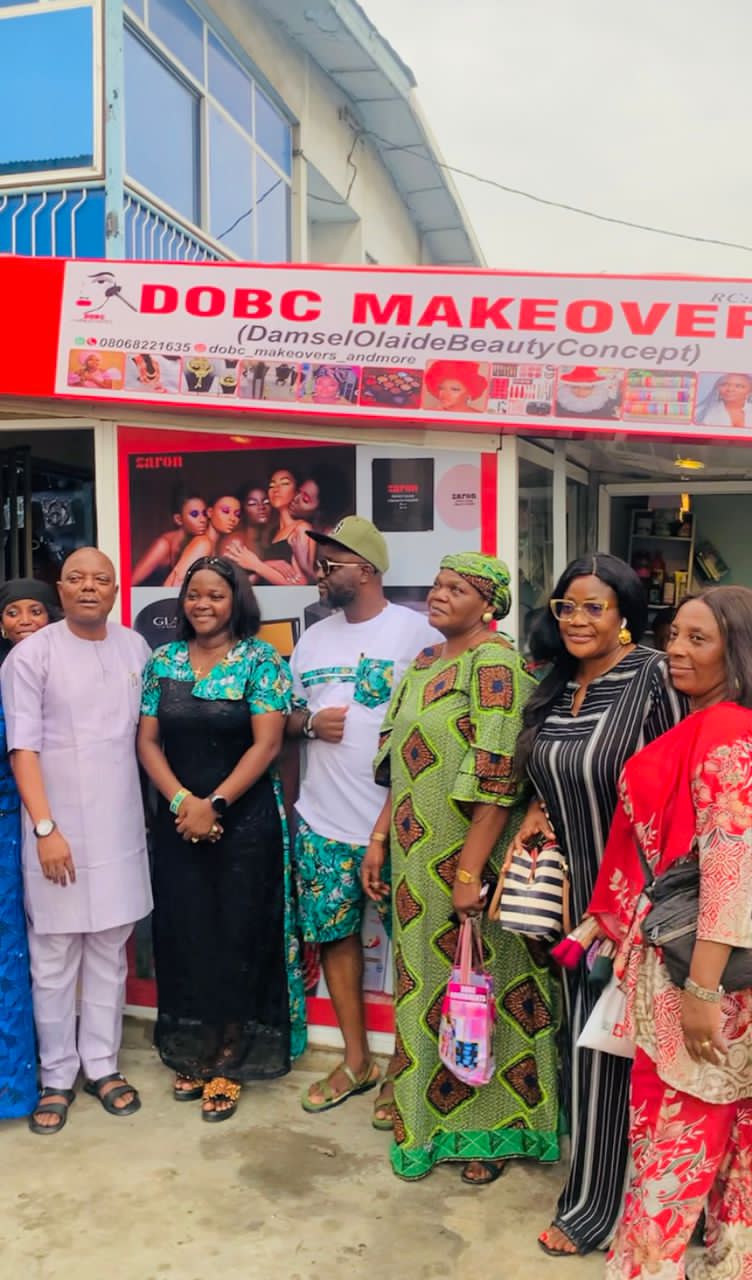
Beauty Meets Glamour as Olaide Ogunyemi Opens New Studio in Mushin
Popular Nollywood actress and professional makeup artiste, Olaide Ogunyemi Oluwayemisi aka Damilola, has expanded her footprint in the beauty industry with the grand opening of her new makeup studio in Lagos.
The talented thespian, who is also the Chief Executive Officer of @Dobc_makeovers_andmore, officially unveiled the ultra-modern beauty space last Thursday, April 2, 2026, in a colourful ceremony filled with glamour, fashion, and pageantry.
Strategically located at 101 Palm Avenue, right beside FitPlus and Sparklight Hospital in Mushin area of Lagos, the new studio is designed to offer top-notch beauty services, reflecting Ogunyemi’s commitment to excellence and professionalism in the ever-growing makeup industry.
The opening ceremony attracted friends, colleagues from the Nollywood industry, beauty enthusiasts, and well-wishers who came out in large numbers to celebrate the entrepreneur’s latest milestone. Guests were treated to a vibrant atmosphere that showcased creativity, style, and the evolving standards of the beauty business in Lagos.
Speaking at the event, Ogunyemi expressed her excitement and gratitude, noting that the new studio represents years of hard work, dedication, and passion for her craft. She reaffirmed her commitment to delivering premium beauty services while empowering aspiring makeup artistes.
The launch of the studio further cements her reputation as a dynamic force, successfully blending her career in Nollywood with a thriving beauty brand.
With this latest development, Olaide Damilola Ogunyemi continues to inspire many young entrepreneurs, proving that talent, consistency, and vision remain key drivers of success in Nigeria’s creative and business landscape.


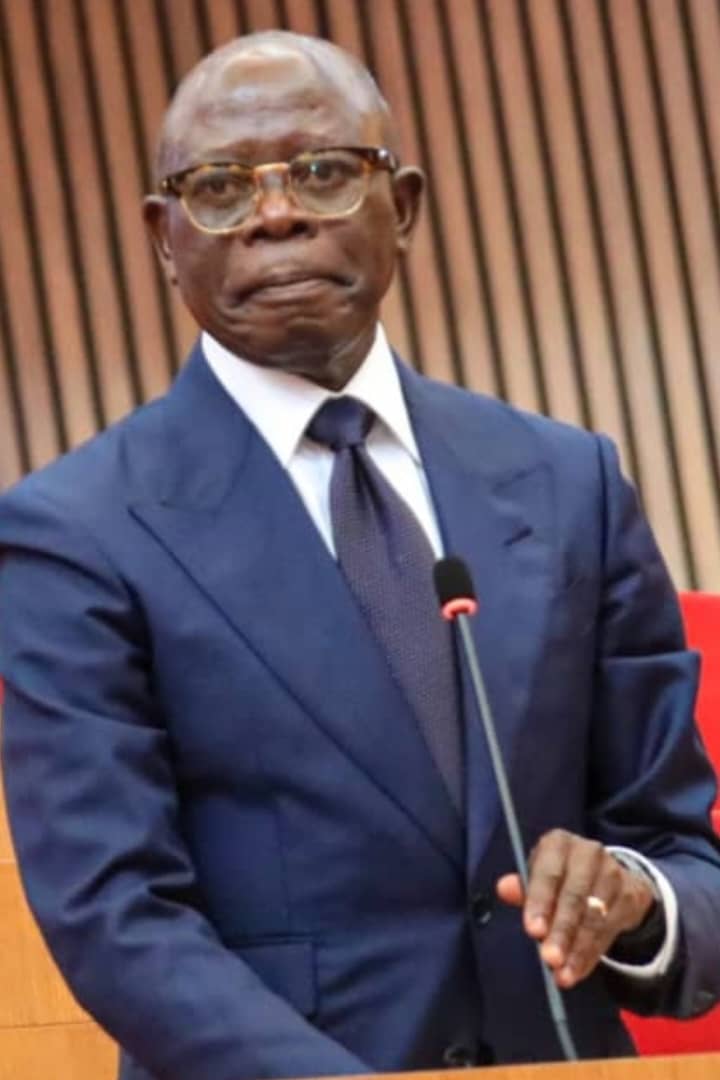
Daniel Eromosele Eulogize Adams Oshiomole as he turns 74 years
Today, I celebrate an exceptional leader, a fearless voice for the people, and a man whose life has remained a symbol of courage, sacrifice, and unwavering commitment to justice—Distinguished Comrade Senator Adams Aliu Oshiomhole.

Your journey has been nothing short of inspiring. From your days as a vibrant labour leader to your impactful tenure as the Executive Governor of Edo State, and now as a respected Senator of the Federal Republic, you have consistently demonstrated what it means to serve with integrity, strength, and purpose. Your contributions to the growth of our nation and the development of Edo State remain indelible and deeply appreciated.
You have not only built structures and institutions but have also built people. I am personally a beneficiary of your leadership, your guidance, and your belief in empowering others. Your influence in my life has been profound, and I remain grateful for the opportunities and inspiration you have given me.
On this special day, I celebrate not just your achievements, but the man you are—resilient, principled, and ever committed to the progress of Nigeria and her people.

May this new year bring you renewed strength, greater wisdom, good health, and more remarkable accomplishments. May your legacy continue to shine brighter with each passing year.
Happy Birthday, sir. Wishing you many more fruitful and impactful years ahead.


- National Council for Curriculum Development (NCDC) seeks Shs17 Billion for curriculum review, teacher training April 9, 2026
- Senegal: A Decade of Unresolved Climate Displacement April 9, 2026
- Uganda engages its diaspora in Japan on national policy framework for inclusive development April 9, 2026
- Afreximbank supports Dangote Group as it targets US$100 billion annual revenue by 2030 April 8, 2026
- Africa's top-ranked Global Reporting Initiative (GRI) Training Partner launches 15th cohort of globally recognized sustainability reporting certification April 8, 2026
- African Energy Chamber (AEC) Intervenes in Landmark Climate Case to Defend Africa’s Energy Future April 8, 2026
- Eswatini opens to investors for first-of-its-kind roadshow April 8, 2026
- Egypt: President El-Sisi Meets Ministers of Electricity, Petroleum April 8, 2026
- Seychelles and Japan explore expanded cooperation and future partnerships April 8, 2026
- President Mahama to headline The Africa Debate 2026 as Ghana-United Kingdom (UK) investment ties deepen April 8, 2026
- National Council for Curriculum Development (NCDC) seeks Shs17 Billion for curriculum review, teacher training April 9, 2026
- Senegal: A Decade of Unresolved Climate Displacement April 9, 2026
- Uganda engages its diaspora in Japan on national policy framework for inclusive development April 9, 2026
- Afreximbank supports Dangote Group as it targets US$100 billion annual revenue by 2030 April 8, 2026
- Africa's top-ranked Global Reporting Initiative (GRI) Training Partner launches 15th cohort of globally recognized sustainability reporting certification April 8, 2026
- African Energy Chamber (AEC) Intervenes in Landmark Climate Case to Defend Africa’s Energy Future April 8, 2026
- Eswatini opens to investors for first-of-its-kind roadshow April 8, 2026
-

 news4 months ago
WHO REALLY OWNS MONIEPOINT? The $290 Million Deal That Sold Nigeria’s Top Fintech to Foreign Interests
-

 society7 months ago
“You Are Never Without Help” – Pastor Gebhardt Berndt Inspires Hope Through Empower Church (Video)
-

 celebrity radar - gossips2 months ago
Dr. Chris Okafor Returns with Power and Fire of the Spirit -Mounts Grace Nation Altar with Fresh Anointing and Restoration Grace on February 1, 2026
-

 celebrity radar - gossips4 months ago
Prophet Kingsley Aitafo Releases 2026 Prophecy: ‘Nigeria Will Rise, but the World Must Prepare for Turbulence’
You must be logged in to post a comment Login
You must log in to post a comment.