
society
The Trump–Nigeria Saga: Loud Rhetoric, Fragile Facts and Dangerous Consequences

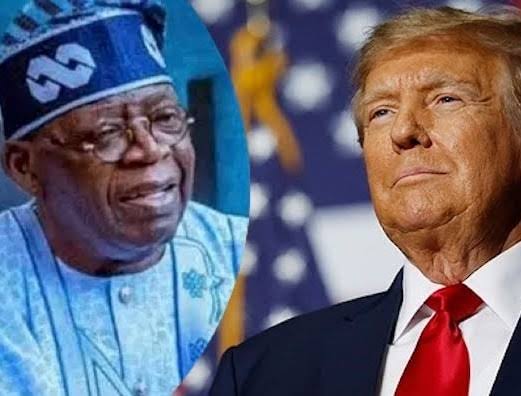
The Trump–Nigeria Saga: Loud Rhetoric, Fragile Facts and Dangerous Consequences.
George Omagbemi Sylvester | Published by saharaweeklyng.com
“When Politics, Propaganda and Power Collide Against the Fragile Walls of Sovereignty.”
When the leader of the world’s most powerful military declares, in tones usually reserved for movie trailers and campaign rallies, that he has “ORDERED THE PENTAGON TO PREPARE” to go into another sovereign state “GUNS A-BLAZING,” the world ought to sit up and do more than retweet the drama. What we are witnessing in the public sparring between U.S. President Donald Trump and Nigeria is not merely a clash of headlines; it is a TEST of FACTS, of SOVERENITY and of the INTERNATIONAL NORMS that protect states from CAPRICE CLOAKED as MORAL OUTRAGE.

On November 1–2, 2025, President Trump publicly said he had instructed U.S. defence planners to lay the groundwork for possible military action in Nigeria, claiming the Nigerian state has failed to stop what he described as a mass slaughter of Christians by “RADICAL ISLAMISTS.” He also announced the immediate suspension of U.S. aid and said he had re-listed Nigeria as a “COUNTRY of PARTICULAR CONCERN” on RELIGIOUS FREEDOM grounds. These declarations were made on social platforms and to reporters, then amplified by U.S. and international media.
Those are headline facts; the interpretation of them is where the danger begins. Trump’s rhetoric rests on two claims that need careful unpacking: first, that Christians in Nigeria are being targeted in a systematic, state-sanctioned campaign; and second, that unilateral U.S. military action (or threats of it) is an appropriate remedy when Nigerian authorities allegedly fail. Both claims are contested by evidence, by Nigerian officials and by analysts who map violence in Nigeria not as a simple religious pogrom but as a complex overlay of insurgency, communal conflict, criminality and state weakness.

Nigerian officials were swift and unanimous in their rejection of the premise that the state is complicit in persecuting Christians. Foreign Minister Yusuf Tuggar insisted that state-sponsored religious persecution is “impossible” under Nigeria’s constitution and framed Trump’s remarks as misinformed and diplomatically injurious. The presidency and government spokespeople have said Nigeria would welcome assistance in tackling insurgency, but only if it respects Nigeria’s sovereignty.
Independent reporting, humanitarian data and country experts offer a more granular picture. Violent attacks in Nigeria have been measured in the thousands for more than a decade – Boko Haram and its affiliates in the northeast, armed pastoralist–farmer clashes in the Middle Belt and criminal banditry in the northwest have taken a horrific human toll. Yet those casualties are not neatly partitioned by religion; victims include Muslims and Christians, civilians and combatants and the drivers of violence are frequently local competition over land, state absence, and criminal economies, not an explicitly coordinated national policy to exterminate one faith. To call it “GENOCIDE” or to propose immediate military invasion without clear evidence of state complicity collapses nuance into spectacle.

This is not to downplay the suffering of communities targeted by extremist violence. Many Nigerians (particularly in the north and Middle Belt) have endured appalling horrors, displacement and loss. Respected voices inside and outside Nigeria, including clergy and civil-society leaders, have urged stronger action to protect civilians and hold perpetrators to account. Bishop Matthew Hassan Kukah, for example, told SaharaweeklyNG.com that Trump’s threats create “FEAR for the GOVERNMENT and HOPE for the CHRISTIANS,” but cautioned that the issues “are not simply black and white.” Kukah’s ambivalence reflects the tension between moral urgency and the perils of foreign interference.
Why the alarm? Part of the answer lies in transatlantic domestic politics. Conservative American Christian activists and some U.S. lawmakers have spent years framing the violence in Nigeria as targeted persecution of Christians which is a narrative that found sympathetic ears in certain Washington quarters. Analysts such as Alex Thurston have argued that this storyline, while rooted in genuine incidents of horrific violence, has been amplified selectively to fit a political and religious agenda abroad. The result is an environment where emotive phrases like “CHRISTIAN GENOCIDE” travel rapidly from advocacy networks into presidential pronouncements.
There are immediate, measurable repercussions. Markets and diplomacy reacted: Nigeria launched a $2.25 billion Eurobond in early November and moved to reassure investors even as the diplomatic spat exposed vulnerabilities; the bond issuance and market movements demonstrate that foreign rhetoric can have direct fiscal consequences for a country already balancing debt, development and insecurity.
There are also LONG-TERM, more insidious harms. First: the mosques and churches that should be spaces of solace risk becoming recruiting grounds for violence as suspicion between communities hardens. Second: redesignating Nigeria as a “COUNTRY of PARTICULAR CONCERN” can complicate inter-faith peacebuilding, undermining local dialogue initiatives that depend on trust and quiet diplomacy. Bishop Kukah and other faith leaders warned that blunt external labels could damage the fragile work of reconciliation.
Third: the doctrine of sovereignty matters. No foreign capital should make a habit of threatening kinetic action against a country when the evidence is disputed and when multilateral channels (development aid conditionality, targeted sanctions, transparency demands, UN mechanisms and coordinated intelligence and capacity building) remain available and more appropriate. Nigerian leaders have said they would accept help if it respects territorial integrity; that is the right framing for international assistance.

What, then, should responsible actors do? For the U.S.: channel outrage into evidence-based diplomacy. Use the State Department’s mechanisms for assessing religious freedom; support impartial inquiries; offer intelligence sharing and training to help Nigeria dismantle extremist networks; and, crucially, consult with regional African partners and multilateral institutions before escalating to coercive measures. For Nigerian authorities: accelerate transparency, publish data on attacks, prosecutions and displaced populations; invite independent monitors and strengthen protection of at-risk communities while refusing to instrumentalize security policy for political ends. For Nigerian civil society and faith leaders: insist that advocacy not be weaponised into geopolitical leverage that worsens the lot of the vulnerable.

There is one final truth to enunciate plainly: moral indignation without method is dangerous. To save lives, rhetoric must be matched by rigorous evidence, by calibrated multilateral action and by a recognition that the victims of violent extremism are primarily Nigerian, not props in an external struggle for votes or influence. If the United States truly cares about religious freedom in Nigeria, its actions should bolster, not bulldoze, Nigerian institutions and communities struggling to survive.
Trump’s bluster has forced a global conversation about VIOLENCE in NIGERIA, that conversation was needed. Though, the remedy must not be unilateral threats and performative tweets. If this episode teaches anything, it is that the world must choose competence over spectacle, partnership over patrimony and truth over theater. The lives at stake deserve no less.





society
From Broadcast to Spiritual Renaissance: The Journey of Alọba A. Orisabimbola Ifatomi, Creator of ÒRÌṢÀTV
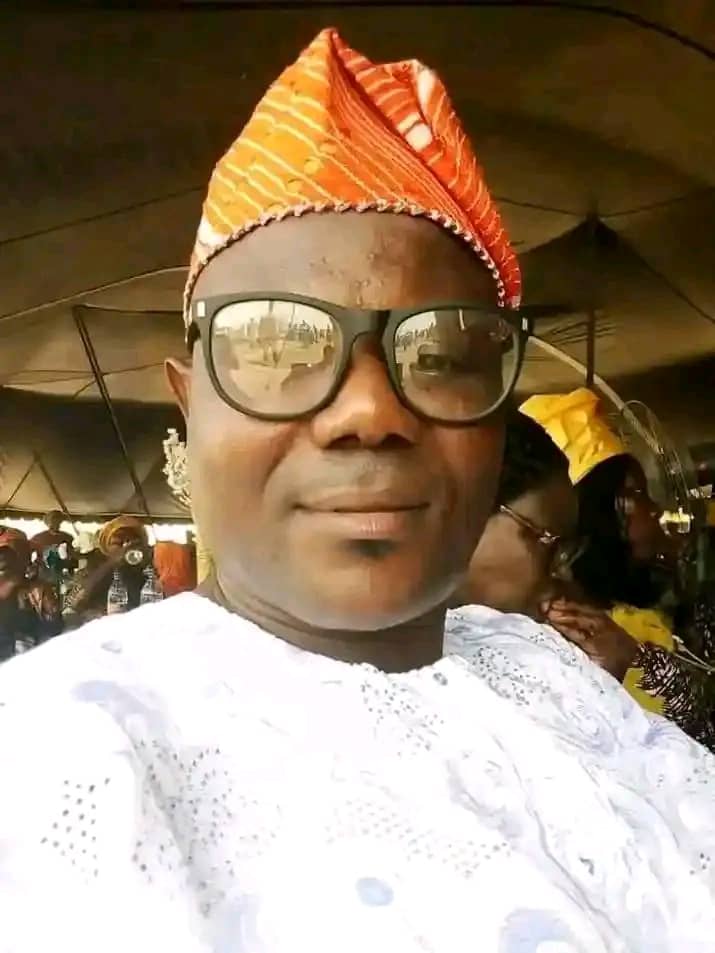
From Broadcast to Spiritual Renaissance:
The Journey of Alọba A. Orisabimbola Ifatomi, Creator of ÒRÌṢÀTV
In a time when African stories are often misrepresented or diluted, a seasoned voice in Nigeria’s media and creative industry is stepping forward with a bold vision to reclaim, preserve and project the depth of African spirituality through a new wave of cinematic storytelling powered by technology.
Alọba Adewunmi, a respected broadcaster, journalist and creative professional, is the mind behind ÒRÌṢÀTV a groundbreaking platform using Artificial Intelligence (AI) cinematic production to tell authentic Yoruba stories rooted in cosmology, spirituality and cultural heritage.
ÒRÌṢÀTV is not just a channel it is a destination to experience “The Beginning”, a Yoruba cosmology-based AI cinematic series that explores the origin of life and existence through an African lens.
A Career Built on Media Excellence
With years of experience across broadcast and print media, Alọba Adewunmi has established himself as a dynamic storyteller and cultural voice.
He has worked with several notable platforms including OSBC, Orisun FM, Yotomi Cable, Okin FM, Midland FM, Delta Cable, Akede Oodua Publications and Akede Africa.
His professional journey includes:
– Reporter at Alariya Oodua
– Editor at Gbajumo Online Magazine
– General Editor at Akede Africa ( a bilingual news magazine)
Through these roles, he has contributed significantly to journalism, cultural reporting, politics, crime and entertainment.
A Multifaceted Creative Force
Beyond journalism, Alọba Adewunmi’s creative footprint extends deeply into film and storytelling.
He is not just a performer, but a creative architect behind the scenes, serving as:
– A Continuity Director
– Continuity Director of the home video “Tobi (Forgiveness)”, produced by Kola Adeyemo
– A Story Writer and Dialogue Director
– A Scriptwriter
He has also contributed to several home video productions from the late 1990s through the early 2000s, reflecting a long-standing presence in Yoruba film storytelling.
A Spiritual Path and Cultural Mission
Beyond media and film, his journey is rooted in a deeper spiritual calling.
Alọba Adewunmi is a traditional priest, teacher and herbal medicine practitioner, dedicated to the preservation and practice of Yoruba spirituality.
His temple, Obàtálá Alábãlàse Temple of Purity, stands as a sacred center for purity, healing and spiritual guidance.
The Vision Behind ÒRÌṢÀTV
ÒRÌṢÀTV is more than a content platform, it is a cultural revival movement powered by AI-driven cinematic storytelling.
Through this innovative approach, the platform explores:
– The origin of existence
– The roles of divinities
– The structure of human destiny
– The spiritual laws governing life
The debut episode, “The Birth of Ilẹ̀ Àwọn Alààyè”,( Command of Creation ) marks the beginning of the series “The Beginning”.
Blending mythology, spirituality and AI-powered visuals, ÒRÌṢÀTV offers a unique experience that is both educational and deeply immersive.
A Mission Beyond Entertainment
For Alọba Adewunmi, this project goes far beyond entertainment.
It is a mission to preserve indigenous knowledge, educate future generations, correct misconceptions about African spirituality and restore pride in African identity.
The Man Behind the Vision
Despite his wide experience and creative influence, Alọba Adewunmi remains a naturally private and introverted individual.
He is known more for his work than for public appearances moving quietly between his professional responsibilities and personal space.
Rather than seeking the spotlight, he has consistently chosen to let his talent, creativity and impact speak for him.
Those who encounter his work or collaborate with him understand the depth he brings a reminder that true substance is not always loud and presence is not always public.
Looking Ahead
With Episode 1 now released, anticipation continues to build as “THE BEGINNING” prepares to explore deeper aspects of creation, human destiny and spiritual alignment.
This is not just a project it is a legacy unfolding through culture, spirituality, and innovation.
Watch Now
THE BEGINNING


Episode 1
The Birth of Ilẹ̀ Àwọn” Command of Creation)
Available on YouTube.
Media & Contact
For interviews, features and collaborations:
08125883088
© 2026 ÒRÌṢÀTV
All Rights Reserved
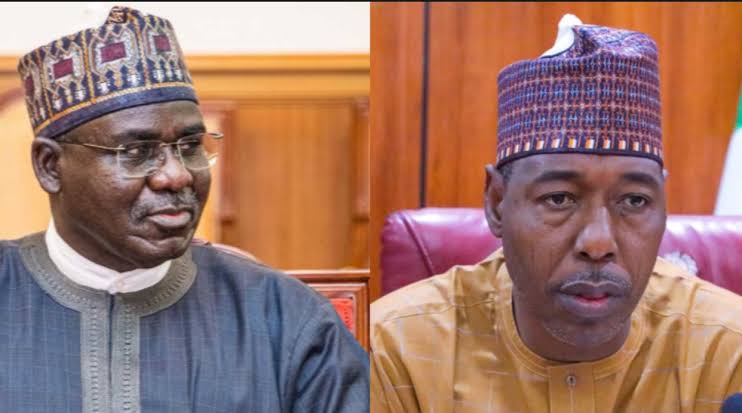
TY BURATAI HUMANITY CARE FOUNDATION COMMENDS GOVERNOR ZULUM FOR HELPING MILITARY FAMILIES
The TY Buratai Humanity Care Foundation has commended Borno State Governor Babagana Umara Zulum for his generous donation of ₦150 million to the families of three military officers who were tragically killed in recent attacks. Each family received ₦50 million as part of the state’s continued commitment to supporting fallen heroes and wounded personnel involved in counter-insurgency operations.
The commendation was contained in a statement signed by the foundation’s chairman, Ibrahim Dahiru Danfulani Sadaukin Garkuwan Keffi/Betara Biu, and made available to the press.
The foundation expressed gratitude for the governor’s compassionate gesture, which included personal visits to the families of the late Lieutenant Colonels Umar Farouq, Salihu Iliyasu, and Aliyu Saidu Paiko in Abuja, Niger, and Kano States. During the visits, Governor Zulum offered his condolences and praised the service, sacrifice, and patriotism of the fallen officers.
The foundation’s Grand Patron, His Excellency, Lieutenant General Tukur Yusufu Buratai, CFR (Rtd), personally commended the governor’s dedication to improving the lives of Borno State residents. He also extended his condolences to the families of the officers and soldiers who made the ultimate sacrifice in service to the nation.
During his visits, Governor Zulum reaffirmed his administration’s commitment to supporting bereaved families, which includes offering scholarships to the orphaned children of fallen personnel. He pledged to extend similar visits to other affected families, underscoring a compassionate approach to addressing the needs of those who have suffered in the line of duty.
society
Queen Amb Dr. Nwamaka Cordelia Anyatonwu Appointed Minister of Humanitarian, Culture, and Kingdom Affairs, United Kingdom of Atlantis
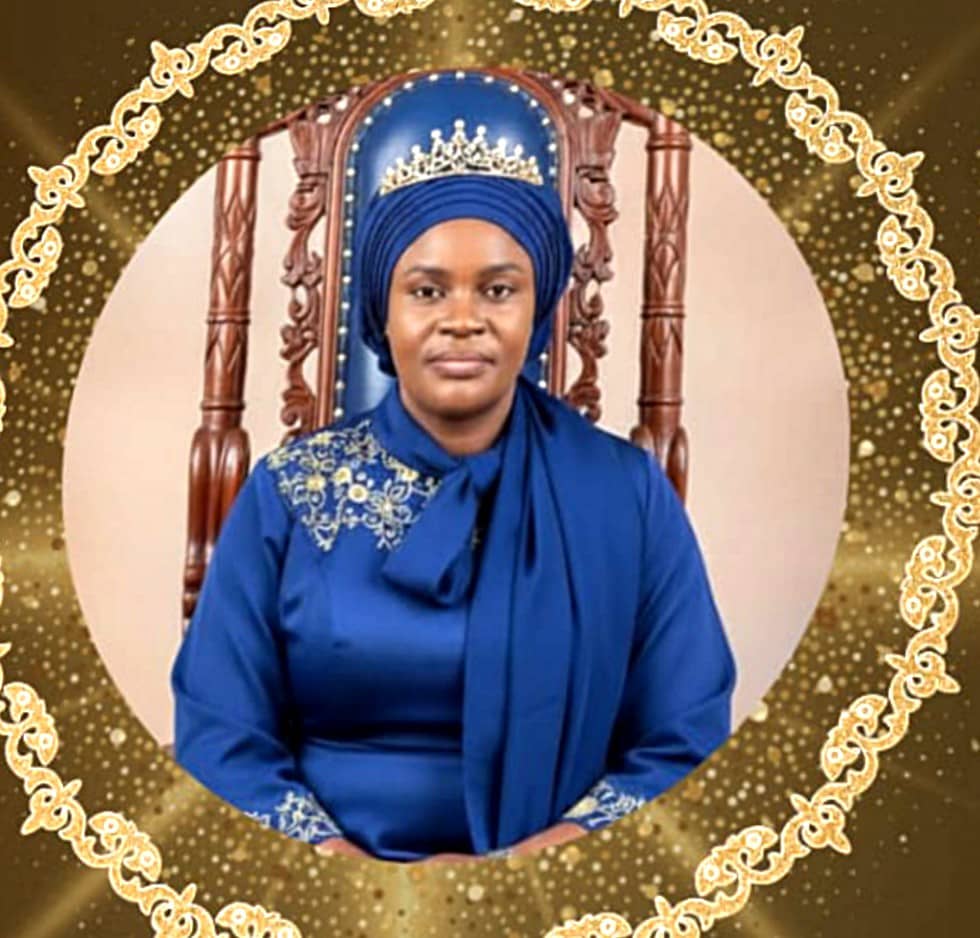
*Queen Amb Dr. Nwamaka Cordelia Anyatonwu Appointed Minister of Humanitarian, Culture, and Kingdom Affairs, United Kingdom of Atlantis
Her Majesty Queen Amb Dr. Nwamaka Cordelia Anyatonwu, Queen of the Aches Empire under the jurisdiction of the United Kingdom of Atlantis (UKA), has been appointed as the Minister of Humanitarian, Culture, and Kingdom Affairs, effective immediately.
This appointment comes as the UKA takes decisive steps to strengthen its humanitarian efforts and protect its citizens from unauthorized activities. In light of recent developments, the UKA has issued an official public disclaimer cautioning citizens, followers, and the general public about the activities of individuals promoting and operating a coin or platform not officially recognized by the Atlantian Gold Coin (ATC). This follows the hijacking of the 5 billion humanitarian project, a move that has been met with concern and condemnation from the international community.
As the newly appointed Minister, Queen Amb Dr. Anyatonwu has announced that all matters pertaining to the 5 billion humanitarian project in UKA should be directed to her office. This includes the newly captured NGOs, which are now required to report to the Office of Humanitarian Affairs, ensuring transparency and accountability in the management of humanitarian resources.
“We are committed to transparency and accountability in our humanitarian efforts,” said Queen Amb Dr. Anyatonwu. “We urge all stakeholders to work with us to ensure the success of our initiatives and protect our citizens from unauthorized activities. We will not tolerate any form of exploitation or mismanagement of humanitarian funds, and we will take all necessary measures to ensure that those responsible are held accountable.”
The UKA has assured its citizens and the international community that it is taking all necessary measures to recover the hijacked funds and bring the perpetrators to justice. The appointment of Queen Amb Dr. Anyatonwu is seen as a significant step towards achieving this goal and ensuring that humanitarian efforts are aligned with the UKA’s values and principles.
For more information. Please contact the Office of the Minister of Humanitarian, Culture and Kingdom Affairs.
*About the United Kingdom of Atlantis*
The United Kingdom of Atlantis is a sovereign nation committed to promoting peace, prosperity, and humanitarian values. The UKA is dedicated to working with international partners to address global challenges and improve the lives of its citizens and people around the world.


-

 society6 months ago
Religion: Africa’s Oldest Weapon of Enslavement and the Forgotten Truth
-

 news4 months ago
WHO REALLY OWNS MONIEPOINT? The $290 Million Deal That Sold Nigeria’s Top Fintech to Foreign Interests
-

 society6 months ago
“You Are Never Without Help” – Pastor Gebhardt Berndt Inspires Hope Through Empower Church (Video)
-

 celebrity radar - gossips2 months ago
Dr. Chris Okafor Returns with Power and Fire of the Spirit -Mounts Grace Nation Altar with Fresh Anointing and Restoration Grace on February 1, 2026