
society
There Can Be No New World Order Without Women: The Irreplaceable Role of Gender Inclusion in Global Leadership

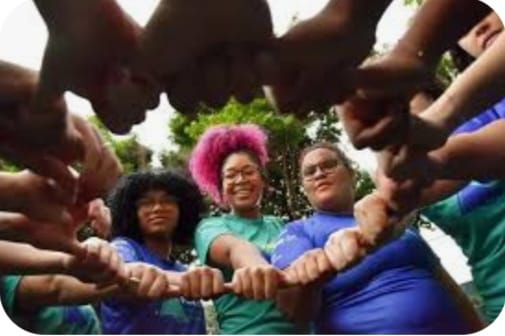
There Can Be No New World Order Without Women: The Irreplaceable Role of Gender Inclusion in Global Leadership.
By George Omagbemi Sylvester | Published by saharaweeklyng.com
“Why Sustainable Peace, Prosperity, and Progress Depend on Women’s Full Participation in World Affairs.”
There will be no legitimate, enduring or equitable new world order until women are fully part of it. This is not a slogan, a buzzword or a momentary slogan for social media likes; it is an empirical, historical and moral truth. For too long, discourses on global governance, peacebuilding, economic reform, climate action and technological innovation have marginalized women and relegating half of humanity to the sidelines of decision-making. The evidence is overwhelming: nations, institutions and global systems that elevate women to positions of leadership and influence outperform those that do not. To reimagine and rebuild a world order in the 21st century (one that is just, resilient and prosperous for all) women’s voices must not only be included but central.

Why Women Matter in Global Leadership. At its core, the call for women’s inclusion in world affairs rests on justice and merit. Women make up approximately 50% of the global population yet remain underrepresented in political offices, corporate boardrooms, peace negotiations and diplomatic arenas. According to the United Nations, women comprise only 26.1% of all national parliamentarians worldwide with only 22 countries having women as heads of state or government as of 2025. These figures reveal not just a gender gap but a leadership deficit that compromises the quality of global governance.
Renowned gender scholar Dr. Mona Lena Krook of Rutgers University asserts: “Inclusion is not a token gesture. It is fundamental to legitimacy, to accountability, and to a system that reflects the peoples it serves.”
This assessment underscores a simple truth: if half the world lacks equal access to power, systems claiming to serve “all humanity” are inherently flawed.

Women and Peace: A Case Study in Effectiveness. Nowhere is the case for women’s inclusion more compelling than in peace and security. The conventional approach to resolving conflict (historically dominated by male soldiers, politicians and diplomats) has often failed to produce durable peace. In contrast, research by the Council on Foreign Relations and UN Women has shown that peace processes with meaningful female participation are 35% more likely to last at least 15 years. When women are on peace negotiation teams, agreements are more likely to address community needs like justice mechanisms, education and social reintegration.
Nobel Peace Laureate Leymah Gbowee, who led women’s peace movements in Liberia that helped end civil war in 2003, famously said: “If women stop, war stops.”
Her words are not hyperbolic; they reflect the reality that women’s perspectives prioritize community well-being, reconciliation and rebuilding, dimensions too often ignored in male-centered diplomatic strategies.
Economic Growth Depends on Women’s Inclusion. A new world order worthy of the name cannot succeed without addressing economic disparities that sideline women. The McKinsey Global Institute reported that advancing gender equality could add $12 trillion to global GDP by 2025, a figure larger than the entire economy of Germany and Japan combined. This is not charity; it is smart economics.
Investments in women’s education, workforce participation and entrepreneurship yield extraordinary returns. Countries that bridge the gender employment gap experience higher productivity, innovation and economic stability. When women earn and control financial resources, they reinvest a significant portion in their families and communities, creating a multiplier effect that benefits society at large.
World Bank Senior Economist Mariana Mazzucato explains: “Equitable economies are not just morally right, they are more dynamic, more resilient and more innovative.”
The logic is undeniable. Marginalizing women in global economic systems is not merely unjust but it is self-defeating.

Women at the Forefront of Climate Action. The climate crisis demands urgent, coordinated global action. Yet many international climate negotiations and policy decisions have been dominated by male leaders with limited engagement of women’s voices. A growing body of research, including work from the United Nations Framework Convention on Climate Change (UNFCCC), reveals that women are disproportionately affected by climate change (especially in vulnerable regions) yet they also offer innovative and sustainable solutions.
Communities led by women demonstrate higher levels of environmental protection and sustainable resource management. In rural Africa and Asia, women’s traditional ecological knowledge has preserved water systems, food supplies and land fertility, long before climate change became a global term.
As environmental justice advocate Mary Robinson has stated: “Climate justice is gender justice.”
Recognizing women as leaders in climate policy is not optional; it is essential for the survival of communities and ecosystems worldwide.
Breaking Barriers: Women in Global Governance. A true new world order must transform global governance structures and from the United Nations Security Council to international financial institutions like the World Bank and International Monetary Fund. These institutions shape global policy but historically skew male in leadership and perspective.
The UN’s own Sustainable Development Goals (SDGs) highlight gender equality as a standalone goal (SDG 5) and as a cross-cutting priority across all goals. This reflects a growing recognition that gender equality is not a “women’s issue,” but a development imperative linked to poverty reduction, education, health outcomes and political stability.
Despite international commitments, progress remains uneven. Structural barriers (from discriminatory laws to cultural norms) continue to restrict women’s opportunities. Closing this gap requires proactive policies like gender quotas, equal pay legislation, reproductive rights protections and expanded access to education and healthcare.
International relations scholar Dr. Anne-Marie Slaughter has argued: “Diversity in leadership is not a luxury, it is a strategic necessity.”
Her assertion captures the stakes: when global leadership reflects diversity, societies benefit from expanded creativity, empathy and strategic vision.
Addressing Criticisms and Misconceptions. Some detractors argue that emphasizing women’s inclusion undermines meritocracy or distracts from “universal” goals. This is a false dichotomy. Inclusion and excellence are not mutually exclusive. On the contrary, a system that widens the talent pool inherently raises standards of competence and innovation.
Others claim that gender parity is a Western agenda imposed on other cultures. Yet the desire for dignity, fairness and opportunity transcends borders. Women in every region (from Asia to Africa, the Middle East to Latin America) have led movements for freedom, justice and progress. Their voices are not imported; they are organically rooted in their communities.
The Path Forward: Toward a Truly Inclusive World Order. To build a new world order that is equitable, sustainable and resilient, we must champion transformational changes:
Legal Reforms: Eliminate discriminatory laws that limit women’s political participation, property rights and economic freedom.
Education Access: Ensure girls receive quality education from primary to tertiary levels and because education is the foundation of empowerment.
Political Representation: Implement gender quotas and mentorship programs to accelerate women’s entry into parliaments, cabinets and diplomatic corps.
Economic Inclusion: Support women entrepreneurs, guarantee equal pay for equal work, and invest in childcare and family-friendly policies.
Leadership Training: Expand forums that prepare women for leadership and in technology, science, diplomacy and international organizations.
Cultural Transformation: Challenge stereotypes and norms that limit women’s roles, fostering societal attitudes that value women’s contributions equally.
Closing Perspective: A New World Order That Honors Women’s Power. The call to place women at the center of global decision-making is not merely rhetorical and it is rooted in evidence, history and justice. A world order that excludes women is inherently crippled: it lacks the full spectrum of human talent, experiences and wisdom needed to confront the defining challenges of our time.
As former UN Secretary-General Ban Ki-moon famously declared: “There is no peace without development, no development without peace and neither can be achieved without women’s full and equal participation.”
Let these words guide us. The future we seek (peaceful, just, prosperous) demands that women are not just participants but equal architects of the world we build together.
There will never be a new world order until women are part of it. And until that vision becomes reality, the promise of our shared humanity remains unfulfilled.





FOPCHEN Seeks Wider Engagement As Court Defers Hearing
OTA, OGUN STATE — The High Court of Ogun State, Ota Division, on Thursday resumed hearing in the ongoing matter involving cultural and societal concerns, before adjourning proceedings till Thursday, July 2, 2026, for continuation of hearing.
At the resumed sitting on May 28, 2026, counsel representing the various parties revisited key issues in the case and made further submissions before the court.
The matter, which has continued to generate public interest across different sectors, again drew attention from legal observers and stakeholders who described the case as one with significant implications for societal values, cultural identity and constitutional interpretation.
Speaking after the proceedings, the Foundation for the Protection of Cultural Heritage in Nigeria, popularly known as FOPCHEN, renewed its appeal for dialogue and constructive engagement among Nigerians, stressing that sensitive cultural and moral issues should not be left entirely within the confines of the courtroom.
According to the group, broader conversations involving traditional institutions, civil society organisations, religious leaders and policy stakeholders remain necessary in addressing issues relating to national values and social responsibility.
Legal analysts at the court premises noted that arguments being canvassed by parties in the suit could shape future legal interpretations surrounding cultural and moral questions in the country.
Following submissions by counsel, the presiding judge adjourned the matter till Thursday, July 2, 2026, to enable parties further prepare and respond to issues raised during the hearing.
The development has continued to spark reactions among observers, with many Nigerians closely monitoring the proceedings ahead of the next hearing date.
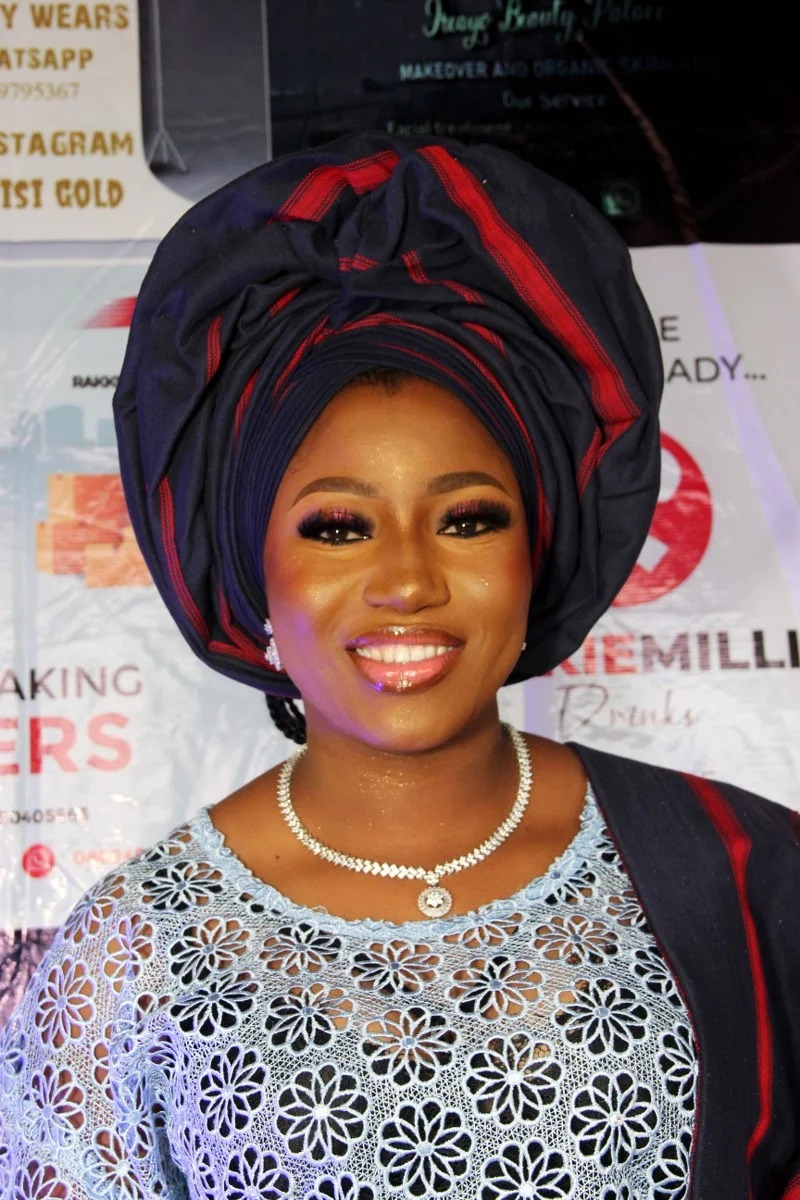
US-Based Society Lady, Fehintola-Brat Extends Eid-El-Kabir Greetings To Muslims
United States based fahionista of class, Chief (Mrs) Ayoola Fehintola-Brat has extended a warm greetings to Muslim faithful all over the world on the occasion of the 2026 Eid-El-Kabir celebration.
Fehintola-Brat who is the Balogun Egbe Obaneye Obinrin Akile Ijebu, and the Yeye Asofin of Idenaland in her message to Journalists urged Muslim to continually uphold the enduring values of sacrifice, obedience, faith, and compassion, which are central to the significance of Eid-El-Kabir festival.
A quiet philantropist whose humanitarian services has won her several laurels urged Muslims to use the spiritual occasion to pray for the peace co-existence of Nigerians regardless of religious, social and political leanings stressing that the oneness of the country should not be underplay.
In a related development, she expressed her felicitations to all sons and daughters of Ijebuland on the forthcoming Ojude Oba 2026 celebration, tasking age-groups otherwise known as Regbregbe to be more proactive in giving back to their immediate communities.
According to her, the beauty of the age-groups in Ijebuland is the need to contribute immensely to the development of the land in no small means. “This we will continue to achieve with God on our side”, she concluded.
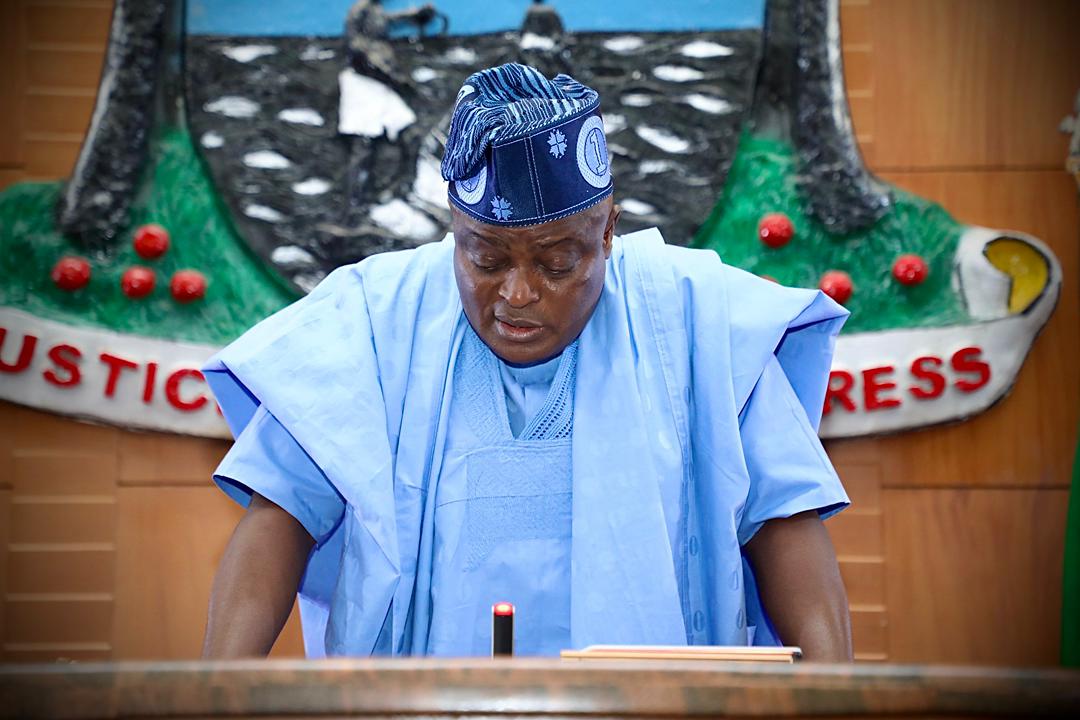
Sallah: Obasa Felicitates Muslim Ummah, Commends Nigerians for APC Primaries Turnout
The Speaker of the Lagos State House of Assembly, Rt. Hon. Mudashiru Obasa has extended warm felicitations to Muslims in Lagos State and across Nigeria on the occasion of Eid al-Adha.
In a statement released by his Chief Press Secretary, Mr. Dave Agboola, Obasa described the festival as a season of sacrifice, reflection, and gratitude, urging the faithful to continue to uphold the values of peace, unity, and love that strengthen the nation.
He noted that the celebration of Eid al-Adha is not only a spiritual milestone but also a reminder of the importance of togetherness and collective responsibility in building a stronger society.
He, likewise, emphasized that the festival provides an opportunity for Nigerians to renew their commitment to national progress and to support leadership that prioritizes development and prosperity.
Obasa, however, commended Nigerians, particularly members of the All Progressives Congress (APC), for their massive turnout during the recently concluded party primaries. He described the participation as a clear demonstration of the people’s confidence in the government of President Bola Ahmed Tinubu and their belief in the administration’s vision for a greater Nigeria.
“The APC primaries have shown the resilience of our democracy and the confidence Nigerians have in the leadership of President Bola Ahmed Tinubu and the Renewed Hope Agenda. This is a strong message that our people are ready to continue supporting policies that will drive growth and prosperity,” Obasa stated.
The Speaker further encouraged Muslims to celebrate responsibly, stressing that the joy of Eid should be accompanied by prayers for the continued peace and progress of Lagos State and Nigeria.
“As you celebrate with family and loved ones, may this season bring joy, peace, and prosperity to your homes. Let us remain united in our resolve to build a stronger nation,” he added.
On behalf of the Lagos State House of Assembly, Obasa wished all Muslims a happy and fulfilling Eid al-Adha celebration.


- Annual Meetings 2026 (AM2026): African Development Bank Group’s 2025 Annual Report Highlights Strong Results and a New Chapter for Africa’s Transformation May 29, 2026
- Eritrea: Progress of National Animal and Plant Health Laboratory May 29, 2026
- Invest Africa, the Mayor of London and FirstBank United Kingdom (UK) to Host Joint Closing Reception as part of The Africa Debate 2026 May 29, 2026
- Merck Foundation Chief Executive Officer (CEO) Dr. Rasha Kelej met Gabon First Lady to discuss the strategy to continue their joint programs to build healthcare capacity and support girl education May 29, 2026
- ‘Crude Oil: Power, Turnaround and Transformation in Angola’ Debuts as Top 3 Amazon New Release May 29, 2026
- Société Nationale des Pétroles du Congo (SNPC) Chief Ominga to Speak at African Energy Week (AEW) 2026 as Congo Accelerates Gas Expansion May 29, 2026
- South Africa: Deputy President Mashatile arrives in India for a Working Visit May 29, 2026
- Seychelles: President Visits Key Development Sites on Coetivy Island May 29, 2026
- Accelerating regional action to advance mental health care in Africa May 29, 2026
- President of the Republic of Seychelles Meets Young La Digue Talent Ahead of London Showcase May 29, 2026
- Annual Meetings 2026 (AM2026): African Development Bank Group’s 2025 Annual Report Highlights Strong Results and a New Chapter for Africa’s Transformation May 29, 2026
- Eritrea: Progress of National Animal and Plant Health Laboratory May 29, 2026
- Invest Africa, the Mayor of London and FirstBank United Kingdom (UK) to Host Joint Closing Reception as part of The Africa Debate 2026 May 29, 2026
- Merck Foundation Chief Executive Officer (CEO) Dr. Rasha Kelej met Gabon First Lady to discuss the strategy to continue their joint programs to build healthcare capacity and support girl education May 29, 2026
- ‘Crude Oil: Power, Turnaround and Transformation in Angola’ Debuts as Top 3 Amazon New Release May 29, 2026
- Société Nationale des Pétroles du Congo (SNPC) Chief Ominga to Speak at African Energy Week (AEW) 2026 as Congo Accelerates Gas Expansion May 29, 2026
- South Africa: Deputy President Mashatile arrives in India for a Working Visit May 29, 2026
-

 news6 months ago
WHO REALLY OWNS MONIEPOINT? The $290 Million Deal That Sold Nigeria’s Top Fintech to Foreign Interests
-

 society4 weeks ago
SOCIAL MEDIA IS NOT A BATTLEFIELD COMMAND – WHY THE NIGERIAN ARMY’S ACTION AGAINST JUSTICE CRACK IS A NATIONAL SECURITY IMPERATIVE
-

 celebrity radar - gossips4 months ago
Dr. Chris Okafor Returns with Power and Fire of the Spirit -Mounts Grace Nation Altar with Fresh Anointing and Restoration Grace on February 1, 2026
-

 celebrity radar - gossips6 months ago
Prophet Kingsley Aitafo Releases 2026 Prophecy: ‘Nigeria Will Rise, but the World Must Prepare for Turbulence’