
society
Tinubu’s Lagos Blueprint: A Nation Trapped in Poverty, Crime and Hopelessness

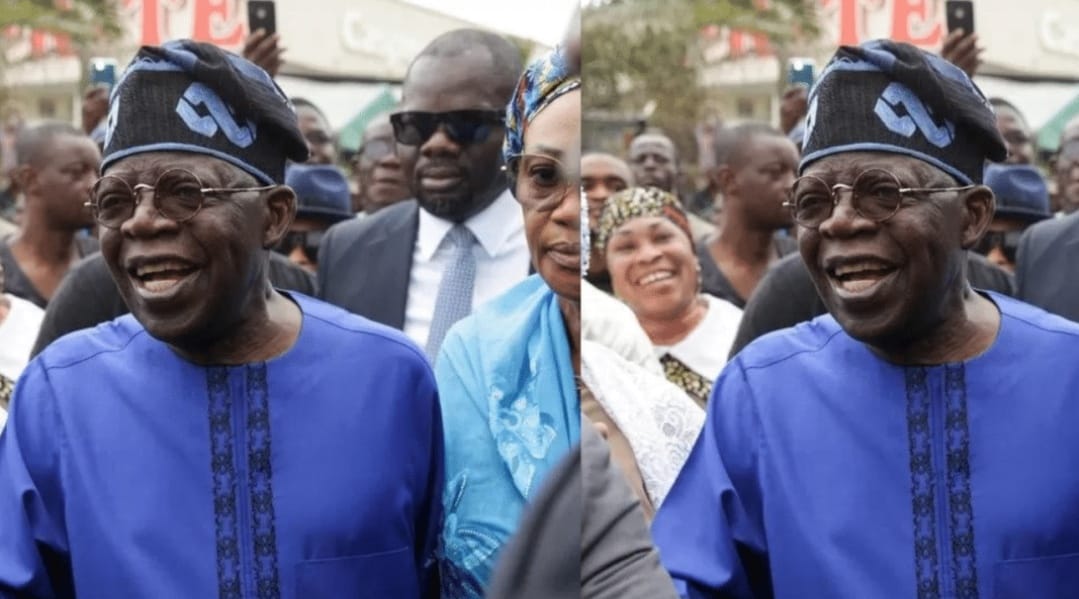
Tinubu’s Lagos Blueprint: A Nation Trapped in Poverty, Crime and Hopelessness.
By George Omagbemi Sylvester | saharaweeklyng.com
From beggarly elders to radicalized youths, Nigeria now bleeds under a system designed to enslave not empower.
Introduction: The Lagos Template Now Nationalized.

The tragedy unfolding in Nigeria today is not a coincidence; it is the product of a carefully designed system that has its roots in Lagos, under the political blueprint of Bola Ahmed Tinubu. What Lagos became under Tinubu’s political dominance is exactly what Nigeria is becoming under his presidency: a society where the elderly are condemned to perpetual penury and forced into humiliating dependence, while the youth are stripped of opportunity and dignity, reduced to survival through street crime, political thuggery and economic delinquency.

This is not leadership. This is systemic entrapment. It is the deliberate entrenchment of poverty as a political weapon. And it is Tinubu’s dream for Nigeria.
A System That Abandons the Elderly.
Nigeria’s senior citizens, after decades of service and sacrifice, should be living with dignity. Instead, the Lagos model that Tinubu pioneered perfected the art of abandoning retirees to their fate. Pensioners in Lagos once staged countless protests, sleeping on the streets, begging for arrears that never came. Even as recently as 2022, Lagos retirees cried out about unpaid pensions running into billions of naira. The situation is mirrored nationally today, with federal retirees owed months of arrears under Tinubu’s government.

Professor Claude Ake, the late renowned political economist, once wrote, “In Nigeria, poverty is not accidental; it is a political instrument.” Tinubu’s Lagos exemplified this. A system that keeps the elderly poor ensures they remain dependent on political “favors” rather than demanding accountability. Today, Nigeria’s aged are trapped in exactly that cycle – HOPELESS BEGGARS, PATHETIC PREY of a PREDATORY SYSTEM.
Youth Radicalization: From Potential to Political Weapons.
Nowhere is the collapse more visible than in the fate of Nigeria’s youth. Lagos was the laboratory for converting unemployed young men into political foot soldiers. The “AREA BOYS ” phenomenon did not emerge by chance; it was nurtured and weaponized. These boys became the machinery for electoral dominance, used to intimidate voters, suppress opposition and guarantee Tinubu’s grip on Lagos politics.
Today, Nigeria is experiencing the same blueprint, just at a national scale. Youth unemployment officially stands at over 53% (NBS, 2024), the highest in West Africa. When opportunities vanish, desperation thrives. Many of these youths now survive on political crime gigs; ballot snatching, thuggery, fake protests and cyber fraud.
As Nobel Laureate Wole Soyinka once warned, “When you rob the youth of hope, you create an army of the damned.” Nigeria’s streets are filling with precisely that army, radicalized not by ideology but by systemic hopelessness.
The Lagos “Success Story” – A Manufactured Myth.
Supporters of Tinubu like to trumpet Lagos as his success story, but the facts tell a different tale. While Lagos generates Nigeria’s highest internal revenue, its wealth is scandalously concentrated in the hands of a few. Slums expand as fast as luxury estates rise. Public schools are overcrowded and underfunded. Health facilities are collapsing. The wealth of Lagos is captured by a political cartel, while the masses remain in urban squalor.
The World Bank (2022) noted that Lagos alone accounts for 10% of Nigeria’s extreme poor, despite being its richest state. This paradox is no accident; it is the very essence of Tinubu’s model: capture revenue, privatize wealth, and weaponize poverty.
Nationalization of the Lagos Formula.
What Lagosians endured is now what Nigerians nationwide are enduring. Tinubu’s presidency has elevated the Lagos formula into national policy. Fuel subsidy removal was announced without safety nets, throwing millions into poverty overnight. Inflation now gallops above 34% (NBS, August 2025), with food inflation hitting 41%. The naira has collapsed beyond recognition, pushing families into starvation.
International Monetary Fund (IMF) reports confirm that over 71 million Nigerians now live in extreme poverty; a figure that has worsened under Tinubu’s short rule. Rather than addressing this, his administration doubles down on BORROWING, CORRUPTION and PROPAGANDA.
Professor Pat Utomi, a respected economist, warned: “Nigeria is being run as a fiefdom of political cartels rather than as a nation for its citizens. We are witnessing the privatization of the commonwealth.” That is precisely what Tinubu perfected in Lagos and what he now executes on a larger scale.
Crime as Economy, Poverty as Policy.
When citizens are denied legitimate livelihoods, illegitimate ones become inevitable. Street crime in Lagos during Tinubu’s reign was legendary, from the reign of “AREA BOYS” to the rise of violent gangs. Rather than dismantle this structure, Tinubu absorbed it into the political machine. Crime was not fought; it was managed, redirected and deployed.
Nigeria today is reaping the harvest of that experiment. Armed robbery, kidnapping, cyber-crime and political thuggery are thriving industries. The government’s silence and complicity are deafening. According to the Global Organized Crime Index (2023), Nigeria ranks among the top ten countries in the world for organized crime. This is no coincidence; it is the natural outcome of institutionalizing poverty and weaponizing youths.
The Elderly as Collateral Damage.
What is even more disturbing is how Nigeria’s senior citizens are treated. While political elites live in obscene luxury, pensioners are owed arrears, denied healthcare and left to die in penury. In Lagos, elderly retirees were often seen collapsing at rallies or protests demanding their dues. This inhumanity is now nationwide.
The United Nations (2024) report on aging in Africa noted that Nigeria has one of the highest elderly poverty rates globally. Rather than designing welfare systems, Tinubu’s government has continued the Lagos culture of abandonment. The message is clear: Nigeria eats its old and enslaves its young.
Global Comparisons: Leadership or Entrapment?
Around the world, true leaders invest in the future. Rwanda, for instance, transformed itself from genocide ruins to one of Africa’s fastest-growing economies by investing in healthcare, education, and digital innovation. Singapore rose from a swamp to a first-world nation through visionary leadership and meritocracy.
Nigeria, under Tinubu, is heading in the opposite direction. Poverty is deepening, institutions are collapsing and the social fabric is tearing. This is not leadership, it is political parasitism.
As Chinua Achebe once observed, “The trouble with Nigeria is simply and squarely a failure of leadership.” That failure has now reached its most devastating expression under Tinubu’s presidency.
Final Verdict: Breaking Free from the Blueprint.
Nigeria must confront an uncomfortable truth: Tinubu’s Lagos blueprint is not a path to development but a trap of underdevelopment. It is a system designed to keep the elderly in beggarly penury and the youth in criminal radicalization, while a political cartel enriches itself.
The question is whether Nigerians will continue to tolerate this or rise to dismantle it. The stakes are existential. A nation that abandons its old and enslaves its young is a nation without a future.
History will not forgive silence. As the late Nelson Mandela warned, “Poverty is not an accident. Like slavery and apartheid, it is man-made and can be removed by the actions of human beings.”
Tinubu’s Nigeria is man-made poverty; DELIBERATE, ENTRENCHED and SYSTEMIC. But it can and must, be dismantled. The time is now.





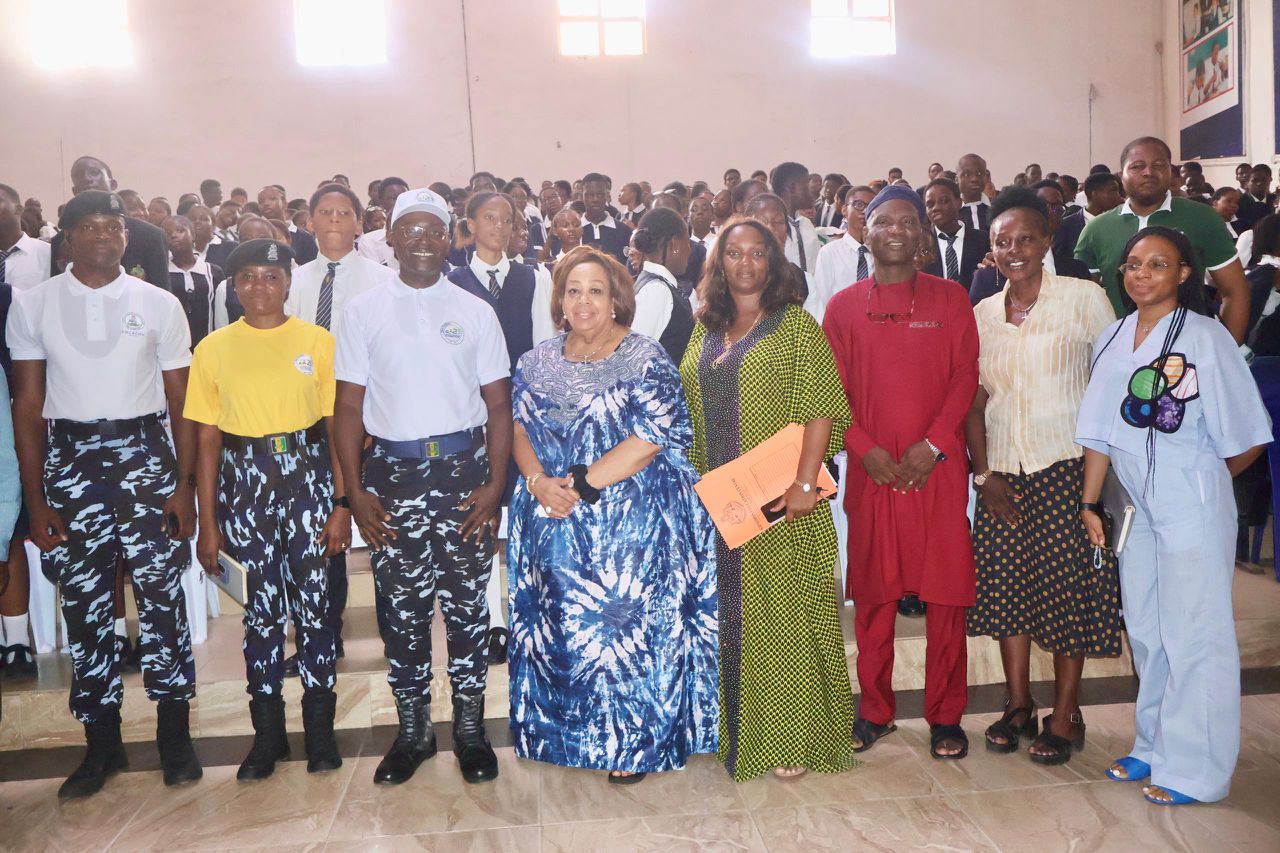
POCACOV Intensifies Sensitization on Cultism, Bullying, and Social Vices Among Students in Edo
In commemoration of the 2026 National Police Day Celebration, the Police Campaign Against Cultism and Other Vices (POCACOV), Edo State Command, has reinforced its preventive policing efforts through a targeted sensitization outreach at Igbinedion Education Centre, Benin City.
The initiative forms part of the broader activities marking this year’s National Police Day, themed “Community Partnership: Building Trust,” which emphasizes collaboration between the Nigeria Police Force and the public in fostering a safer society.
The sensitization programme witnessed the presence of key stakeholders, including the Commissioner of Police, Edo State Command, the Police Public Relations Officer, and the Edo State POCACOV Coordinator, ASP Kingsley Upeh. The team engaged students in an insightful and impactful session focused on the dangers of cultism, bullying, and other social vices prevalent among youths.
During the session, students were educated on the severe and far-reaching consequences of cult-related activities. These include violence, loss of lives, disruption of academic pursuits, and long-term damage to personal reputation and future opportunities. The speakers also highlighted how peer pressure, drug abuse, and negative social influences often serve as gateways into criminal behavior.
In an interactive segment, the Commissioner of Police stressed the legal implications of engaging in criminal acts, noting that involvement in cultism and related offences could lead to arrest, prosecution, and lifelong consequences that may hinder personal growth and career aspirations.
The issue of bullying was also extensively addressed, with emphasis on both its legal ramifications and psychological impact on victims. Students were encouraged to speak up against bullying, report incidents to school authorities or law enforcement, and support peers who may be affected.
Furthermore, the outreach underscored the importance of self-discipline, moral values, and making informed life choices. Students were urged to become ambassadors of peace within their schools and communities by rejecting violence and promoting unity and mutual respect.
The POCACOV team reiterated its commitment to continuous engagement with young people through awareness campaigns, community outreach, and strategic partnerships aimed at preventing crime before it occurs. The initiative aligns with the Nigeria Police Force’s proactive approach to policing, which prioritizes education, prevention, and community involvement.


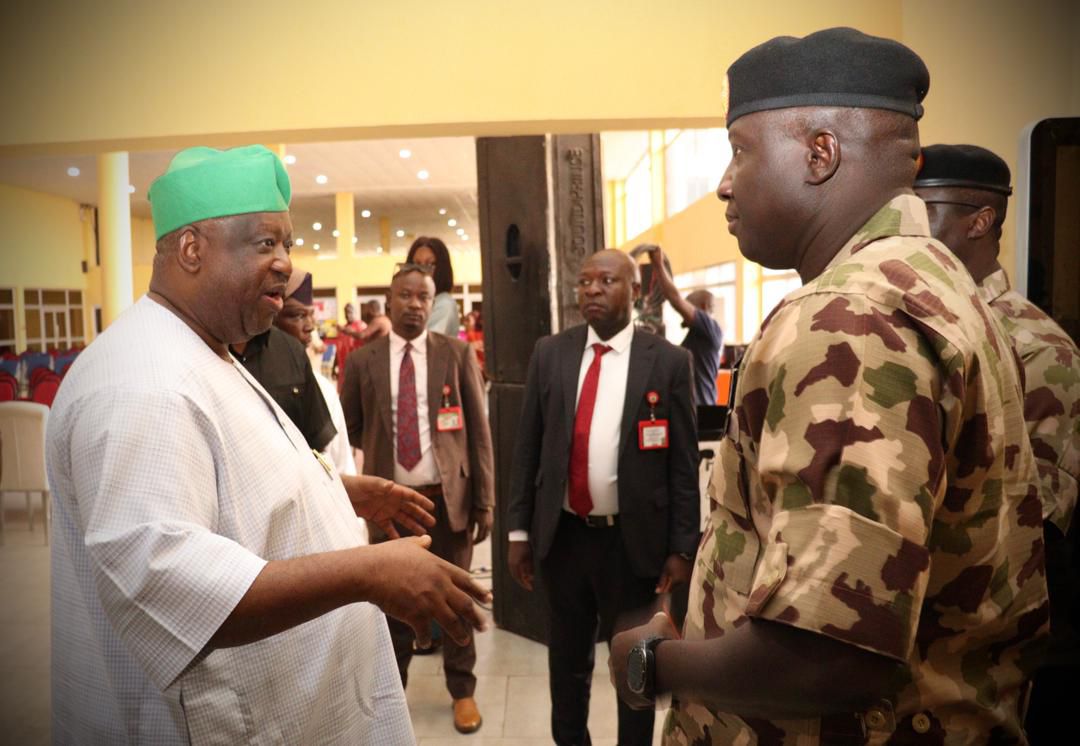
COAS Launches Nationwide Security Renewal Mission in Plateau
The Chief of Army Staff, Lieutenant General Waidi Shaibu, on Thursday led a high-level delegation of security chiefs to Plateau State, flagging off a nationwide security renewal mission aimed at strengthening civil-military cooperation and restoring lasting peace across the country.
The visit to Jos, the Plateau State capital, marks the first phase of a coordinated national effort to address persistent security challenges through joint operations, community engagement, and proactive intelligence gathering.

Governor Caleb Muftwang received the delegation, describing the initiative as a critical step toward stabilizing affected communities and reinforcing public confidence in security institutions.
Civil-Military Synergy Takes Centre Stage
At the heart of the mission is a renewed emphasis on collaboration between the military, civil authorities, and local communities. Speaking during the visit, Lt. Gen. Shaibu stressed that national security must be treated as a collective responsibility.
He urged citizens to support security agencies by remaining vigilant, sharing credible information, and complying with lawful directives, noting that effective security cannot be achieved in isolation.
Community Engagement as Confidence-Building Tool
In a departure from purely operational engagements, the Army Chief held direct consultations with community leaders and residents in Jos, reinforcing the importance of trust and dialogue in conflict resolution.
Lawmakers, including Dachung Bagos and Ladi Dangyok, commended the initiative, stating that visible engagement by top military leadership helps rebuild confidence among citizens and fosters cooperation.

Proactive Security Operations Underway
Operational updates were provided by Major General Folusho Oyinlola, who disclosed that troops under Operation Enduring Peace have intensified surveillance, intelligence-led patrols, and coordinated actions with other security agencies.
According to the Army, the approach is designed to prevent escalation of threats, safeguard lives and property, and stabilize vulnerable communities before crises emerge.
A Shift Toward Sustainable Peace
Military authorities emphasized that the Plateau visit is part of a broader, long-term strategy to transition from reactive responses to sustainable peacebuilding nationwide. The framework includes strengthening local resilience, ensuring justice, and maintaining continuous engagement with stakeholders.
Analysts view the initiative as a significant policy shift, reflecting a more inclusive security architecture that integrates community participation with military operations.
Call for National Unity
The Army leadership concluded with an appeal to Nigerians to reject divisive narratives and support ongoing efforts to promote unity and peace.
“The success of this mission depends not only on the armed forces but on the cooperation of every citizen,” the COAS stated.
The nationwide security renewal campaign is expected to extend to other regions in the coming weeks as authorities seek to consolidate gains and build a safer, more unified Nigeria.


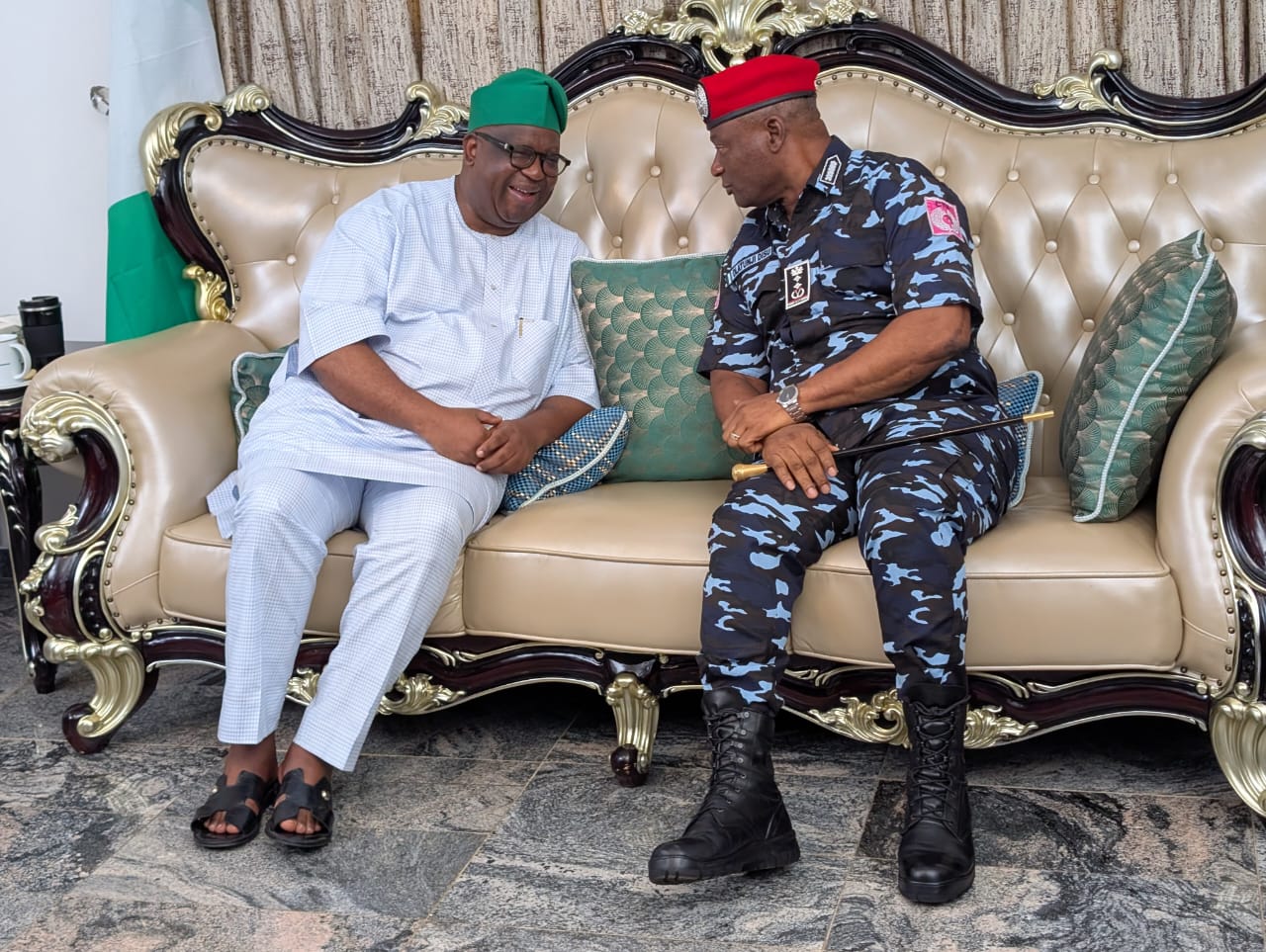
IGP Disu Visits Plateau, Orders Tactical Deployment To Reinforce Security
The Inspector General of Police, Olatunji Disu, on Thursday paid a working visit to Plateau State following recent unrest, holding strategic talks with Governor Caleb Muftwang on measures to strengthen security and prevent further disturbances.
As part of immediate steps to stabilise the situation, the police chief authorised the deployment of specialised tactical units to support officers already on ground across affected areas.
Governor Muftwang commended the swift intervention of the police leadership, praising the dedication and professionalism of security personnel working to restore calm. He also acknowledged the efforts of mobile police officers and lauded the leadership of the state’s Commissioner of Police, Bassey Ewah.
Both the Nigeria Police Force and the Plateau State Government reaffirmed their commitment to safeguarding lives and property, stressing that enhanced collaboration remains key to restoring lasting peace in Plateau State, popularly known as the Home of Peace and Tourism.


-

 society7 months ago
Religion: Africa’s Oldest Weapon of Enslavement and the Forgotten Truth
-

 news4 months ago
WHO REALLY OWNS MONIEPOINT? The $290 Million Deal That Sold Nigeria’s Top Fintech to Foreign Interests
-

 society6 months ago
“You Are Never Without Help” – Pastor Gebhardt Berndt Inspires Hope Through Empower Church (Video)
-

 celebrity radar - gossips2 months ago
Dr. Chris Okafor Returns with Power and Fire of the Spirit -Mounts Grace Nation Altar with Fresh Anointing and Restoration Grace on February 1, 2026