
society
Tinubu’s Two Trips, One Question: What’s Really Happening in Brazil?


Tinubu’s Two Trips, One Question: What’s Really Happening in Brazil?
By George Omagbemi Sylvester | saharaweeklyng.com
President Bola Ahmed Tinubu’s two recent visits to Brazil within roughly two months have set off a political and economic firestorm in Nigeria. To supporters the excursions are hard-nosed “ECONOMIC DIPLOMACY”; to critics they are ostentatious displays of presidential jet-setting while Nigeria grapples with inflation, insecurity and service collapse. The more useful question isn’t optics alone, it is this: what is really happening in Brazil that makes it a magnet for Tinubu’s attention and what can (or will) Nigeria realistically extract from that attraction?

Short answer: Brazil under President Luiz Inácio Lula da Silva is consciously retooling itself as a pivot of Global South cooperation an agribusiness and energy powerhouse with manufacturing niches (notably aerospace through Embraer) and it is actively courting African partners. For a RESOURCE-RICH but UNDER-INVESTED Nigeria, that posture offers both opportunity and danger. The opportunities are concrete; the danger is that headline diplomacy outpaces implementation.
Brazil’s strategic posture in 2025: rebuilding influence and industrial reach.
Since returning to office, President Lula has driven a foreign-policy agenda that emphasises South–South cooperation: deeper ties with Africa, stronger engagement inside BRICS and an overt push to translate Brazil’s agricultural, industrial and energy strengths into exportable partnerships. This is not mere rhetoric. Brasília has hosted Brazil–Africa dialogues on food security and rural development and Lula has publicly framed agricultural technology as a way to “REPAY” historical ties with Africa, offering technology transfer rather than charity. That strategic posture made Brazil a logical and attractive partner for Nigeria at precisely the moment Tinubu sought high-level, visible wins.
Serviços e Informações do Brasil
Agência Brasil.

Concretely, Brazil’s economy is still a heavyweight in Latin America. Multilateral assessments show Brazil’s growth has been robust in recent years but faces moderation and structural headwinds in 2025 (inflationary pressures, tighter monetary policy and risks from a more uncertain global trade environment. In short: Brazil is powerful, but prudent) keen to export expertise and investment, yet protective about where and how it places capital. International institutions such as the IMF and OECD have warned that Brazil’s growth will moderate in 2025/26 even as it retains significant capacity for outward investment and technology transfer.
What Tinubu found (and loudly promised): MoUs, aviation links and Petrobras talk.
Tinubu’s state visit produced tangible announcements: a package of memoranda of understanding spanning trade, energy, aviation, science and finance; Brazil-backed commitments to expanded aviation links (Embraer interest and an Air Peace Lagos–São Paulo route); and a highly publicised promise that Petrobras could be encouraged to resume operations in Nigeria. Lula welcomed stronger NIGERIA–BRAZIL ties and spoke of productive integration and shared opportunity; messaging tailor-made for a Nigerian presidency hungry for wins. But the key fact remains that the most headline-grabbing claim (Petrobras’s return) was framed as political encouragement, not an executed, binding corporate contract. Petrobras itself declined to comment publicly at the time.
Why the Petrobras line matters and why caution is required.
The possibility of Brazil’s Petrobras returning to Nigeria is catalytic in political rhetoric: it conjures jobs, technology transfer and a revival of deepwater investment. For a president who must demonstrate immediate economic traction, a Petrobras comeback is a potent symbol. Yet corporate returns are not switched on by presidential handshakes alone. Oil majors and national companies weight decisions on political risk, contractual clarity, regulatory stability, local content rules and security conditions. Tinubu and Lula can unlock conversations and remove diplomatic friction, but they cannot singlehandedly compel Petrobras to write cheques. Investors demand signed contracts, due diligence and assurance that host-country institutions can protect multi-year, capital-intensive projects. Sahara, in reporting the exchanges, rightly stressed that discussions were encouraging but that concrete outcomes remain uncertain.
The upside: skill transfer, aviation and agricultural gains are real possibilities.
Not everything is smoke and mirrors. Brazil’s agribusiness model (mechanisation, seed technology, fertiliser logistics and large-scale cattle/ranching systems) is a genuine transfer vector for Nigeria. If Nigerian ministries and private partners secure clear, enforceable agreements with Brazilian firms, the payoff could be large: improved yields, lower food import bills and a nascent export capacity. Similarly, Embraer’s interest in a Nigerian service centre and direct Lagos–São Paulo flights would boost connectivity, reduce aircraft downtime costs and expand business ties. These are realistic, implementable outcomes, but they require contracts, finance and local capacity-building, not merely press releases.
The downside: optics, implementation gaps and the risk of diplomatic theater.
The principal danger is the classic one: diplomacy that substitutes for governance. Nigeria’s fiscal and institutional problems (currency volatility, security liabilities in the Niger Delta and the wider country, regulatory uncertainty) are the very problems that can blunt foreign investment. A pattern of state visits followed by slow or invisible implementation risks turning valuable diplomatic capital into cynical theatre. That’s not hyperbole: history is littered with MoUs that never became projects. The public frustration (“where are the jobs?”) has political consequences and feeds opposition narratives that the presidency is more interested in selfies than service delivery. Sahara and other reporting outlets flagged this gulf between announcement and deliverable.
What Nigerians should demand and what Brazil should ensure.
If these Brazil trips are to be judged a success, both governments must move beyond photo-ops into forensic implementation:
Full transparency on every MoU: precise timelines, financing sources, implementation leads and measurable KPIs. No ministry balkanisation; one coordinating office with public dashboards.
Local-content and jobs clauses: Brazilian firms must be contractually required to hire/train Nigerians, source input locally where feasible and partner with Nigerian firms.
Security and regulatory guarantees: investors need credible enforcement frameworks. Abuja must neutralise political risk and present bankable project templates, especially in oil & gas.
Quarterly public progress reports: diplomatic success is earned in execution, not tweets.
Final verdict: promising, not miraculous.
Tinubu’s double visit to Brazil has put a spotlight on a wider geopolitical shift: Brazil is actively courting African partners and positioning itself as a provider of technology, industrial capacity and diplomatic heft outside the Western axis. For Nigeria this is a golden window, but one that closes fast if Brasília and Abuja do not convert warm words into legally binding, transparent projects that deliver employment and industrial capacity. The visits were not, by themselves, a panacea. They were an opening act. The real test will be in boardrooms, ports, service centres and rural fields and in the hard ledger of jobs and factories that Nigerians can see.
If President Tinubu was seeking a story of strategic outreach, he got it. If he was seeking instant, deliverable transformation, he did not at least not yet. The responsibility now sits squarely with both governments: translate diplomacy into contracts and contracts into visible lives changed. Anything less would be expensive ceremony; everything more would be strategic statecraft.





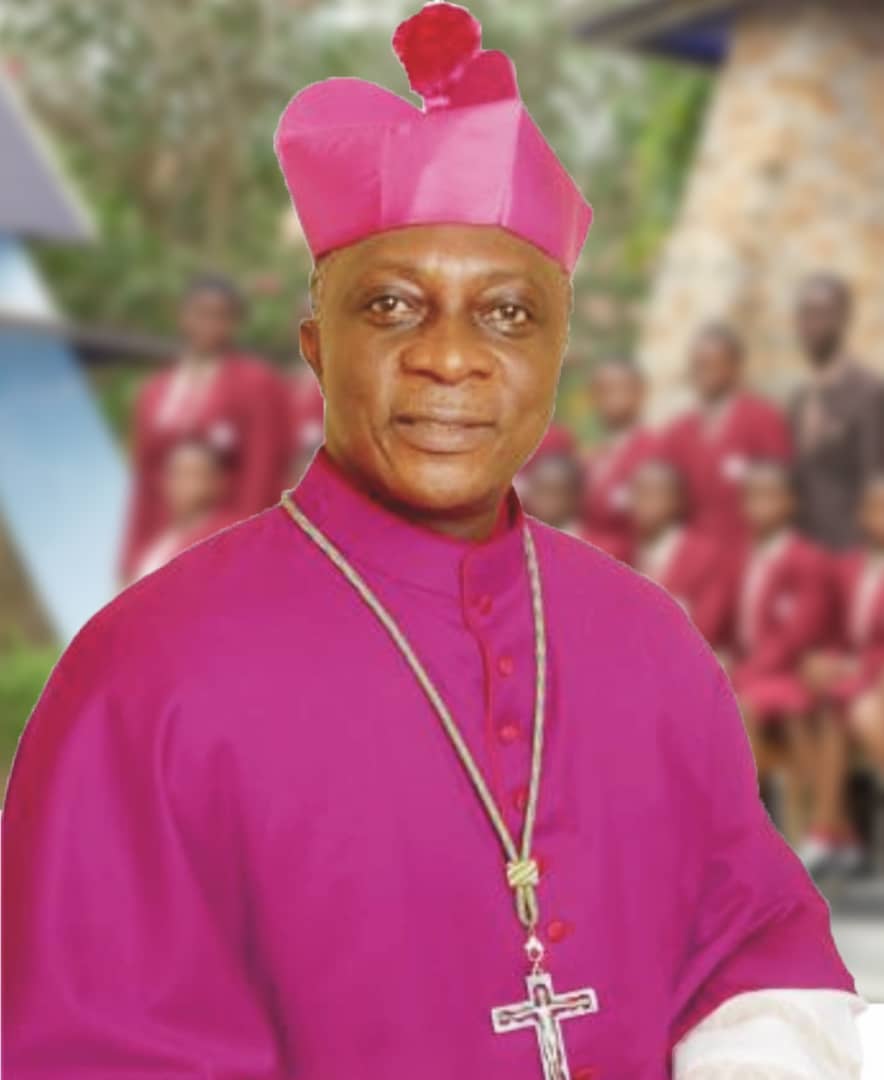
GOVERNMENT MUST TACKLE NATION’S PRESSING CHALLENGES — BISHOP MARTINS URGES AT CHRISM MASS
By Ifeoma Ikem
The Holy Cross Cathedral, Lagos, was filled with joy, reverence, and renewed commitment on Holy Thursday as Catholic faithful across the metropolis gathered for the annual Chrism Mass — a solemn celebration marking the institution of the priesthood, the Holy Eucharist, and the blessing of sacred oils used throughout the liturgical year.

During the ceremony, the Catholic Archbishop of Lagos, Most Rev. Adewale Martins, described the Chrism Mass as a profound moment in the life of the Church.
He noted that it offers priests an opportunity to renew their vows and reflect on the centrality of the Eucharist, which he emphasized remains the heartbeat of the Catholic faith.
Addressing national issues, Bishop Martins acknowledged the government’s ongoing efforts to tackle Nigeria’s current challenges.
However, he stressed the need for more decisive and accelerated interventions, particularly in securing lives and easing the economic burdens confronting citizens.
He congratulated priests on their feast day and reflected on the rising influence of digital evangelization. While recognizing that many people now “inhabit online spaces,” he warned clergymen to handle social media with caution, discipline, and fidelity to Church teachings. According to him, digital influence must never overshadow spiritual integrity.
“The oils blessed today are not simply symbols; they speak of being set apart by a mark not earned, not crafted, but given,” he said. “As we renew our promises, we do not recreate ordination; we awaken memory. We were not ordained to build profiles but to bear Christ.”
He further noted that the digital world has become a place where people “gather, argue, celebrate, confess, misunderstand, and sometimes encounter truth.” For this reason, he said the Church recognizes the need to take the Gospel into that space without compromising its authenticity.
In his homily, Rev. Fr. Paul Akin-Otiko, Chaplain of St. Thomas More Catholic Chaplaincy, University of Lagos, emphasized the enduring significance of the Chrism Mass as an ancient tradition where sacred oils are consecrated.
He urged priests to pray fervently for the sick using the blessed oils, reminding them that true healing comes from God.
Fr. Akin-Otiko encouraged clergy to remain selfless, warning them never to turn the Church into a source of personal gain.
He stressed that their primary duty is the salvation of souls and the welfare of the people entrusted to them.
Monsignor John Aniagwu took a moment to appreciate Anthony Cardinal Olubunmi Okogie for his fatherly guidance and exemplary leadership. He prayed for God’s continued blessings, asking that all present be granted good health to witness many more Chrism Masses.
The highlight of the ceremony was the renewal of vows by hundreds of priests, who reaffirmed their commitment to lives of dedication, chastity, and obedience to the Church and their bishop — an act that drew heartfelt applause from the congregation.
The celebration concluded with songs of thanksgiving, joy, and renewed devotion.
society
Liberian Leaders, Citizens Bear Witness as Apostle Suleman Hosts Two-Day Power-Packed Crusade
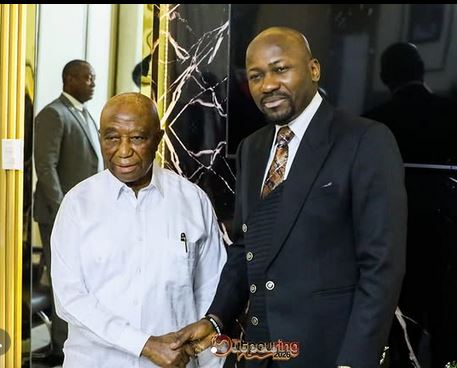
Liberian Leaders, Citizens Bear Witness as Apostle Suleman Hosts Two-Day Power-Packed Crusade
It was testimonies galore on Tuesday, March 31, the first day of the famous servant of God and founder of the Omega Fire Ministries (OFM) worldwide, Apostle Johnson Suleman’s power-packed two-day crusade. The event documented impactful moments with the Gospel and miracles, emphasizing the power of faith and the tangible confirmation of God’s Word through signs and wonders. It was equally an atmosphere of miraculous healing, restoration of lives, and the strengthening of faith.
At the crusade, which was held at the SKD Sports Stadium in Paynesville City, and themed, “Liberia Outpouring Crusade” witnessed testimonies of impact and miracles with participants experiencing instant healing of various kinds of challenges.
Apostle Suleman’s first port of call was Paynesville, the office of Liberian government’s president, Mr. Joseph Nyuma Boakai, who received him in an audience with his junior ministers. Apostle Suleman, who also met with the vice-president, Mr. Jeremiah Kpan Koung, was welcomed by the Liberian leader’s office as part of the president’s ongoing engagements with religious leaders aimed at fostering spiritual support for national development.
The president expressed profound appreciation to Apostle Suleman for the visit and continued prayers and intercessions by men and women of God on behalf of Liberia, emphasizing his firm belief that sustained spiritual guidance and prayer remain vital to the transformation and progress of the nation.
During the visit, Apostle Suleman offered prayers for President Boakai, his cabinet and the Liberian nation, invoking divine alignment, wisdom, and insight in Liberia’s path toward growth and stability. He prayed that the Almighty God would position Liberia for relevance and fulfillment of its national destiny.
Apostle Johnson Suleman, an evangelist who knows no bounds of where preaching the gospel comes to a stop, visited Liberia prepared with the message, compelling power of the Gospel and the work of the Holy Spirit, and bringing people to a point of decision where they surrendered their lives to Christ.
Aside from being prophetic and timely, OFM sources disclosed that the servant of God’s visit underscores the importance of faith-based partnerships in supporting governance and national renewal efforts.
society
Middle Belt Forum Hails Tinubu’s Jos Visit, Calls for United Civil-Military Effort to Restore Lasting Peace
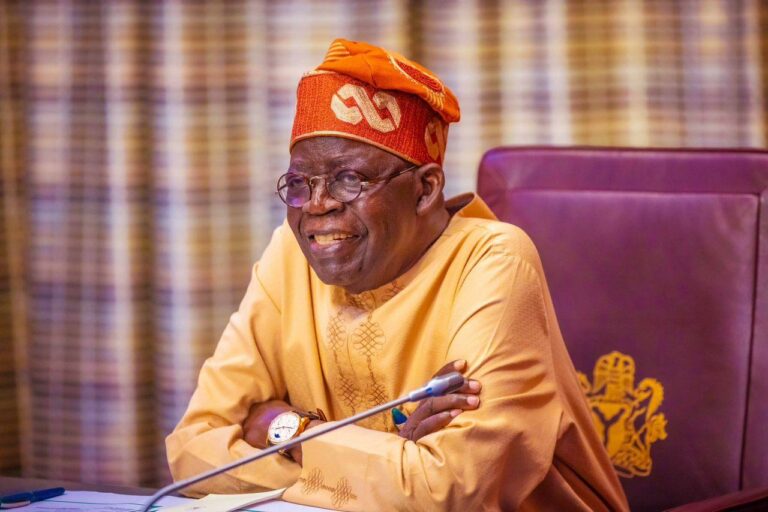
*Middle Belt Forum Hails Tinubu’s Jos Visit, Calls for United Civil-Military Effort to Restore Lasting Peace
The Middle Belt Peace Forum (MBPF) has commended President Bola Ahmed Tinubu for his profound demonstration of empathy and responsive leadership following his decision to postpone an official engagement in Iperu in order to visit victims of the recent attacks in Jos.
In a statement signed by its National Coordinator, Pastor Bulus Garba, in Jos on Friday, the Forum said the President’s decision to personally identify with grieving communities sends a powerful message of solidarity and reinforces public confidence in the commitment of the Federal Government to the protection of lives and property.
“The Middle Belt Peace Forum warmly commends President Bola Ahmed Tinubu for prioritising compassion over ceremony. At a time of deep sorrow for the people of Plateau State, his decision to visit Jos stands as a mark of true leadership—one that listens, responds, and stands with the people in their moment of pain,” the statement read.
The Forum described the perpetrators of the recent attacks as “cowards who prey on innocent and defenceless citizens,” stressing that such acts of violence are not only inhumane but also a direct assault on the unity and peace of the nation.
“We condemn in the strongest terms the actions of these cowardly attackers whose only aim is to instil fear and destabilise peaceful communities. Their actions must be met with firm and decisive resistance from all arms of the state,” Pastor Garba said.
The MBPF further used the opportunity to salute the courage, gallantry, and sacrifices of the Armed Forces of Nigeria under the leadership of the Chief of Defence Staff, General Olufemi Oluyede, noting that their continued efforts remain central to restoring stability across troubled parts of the country.
According to the Forum, the Armed Forces have demonstrated resilience and professionalism in the face of complex security challenges, often operating under difficult conditions to safeguard communities and defend Nigeria’s territorial integrity.
“We salute the Armed Forces of Nigeria for their unwavering commitment and sacrifices. Their gallantry in confronting criminal elements and reclaiming territories is a testament to their dedication to national service. We recognise that the path to peace is demanding, and we honour those who stand daily in defence of our nation,” the statement added.
The Forum pledged its full support to ongoing military operations and called for strengthened collaboration between security agencies and local communities as a critical factor in achieving lasting peace.
It also urged citizens across the Middle Belt to cooperate with security forces by providing timely information and fostering unity within their communities.
The MBPF, however, expressed concern over the need for greater synergy among security agencies, particularly the role of the Nigeria Police in consolidating gains made by the military.
“We call on the Nigeria Police Force to rise fully to its constitutional responsibility by effectively supporting the Armed Forces in stabilising and securing areas that have been cleared of criminal elements. Holding and policing such territories is essential to preventing a resurgence of violence,” Pastor Garba stated.
The Forum emphasised that sustainable peace requires a coordinated approach in which the military clears and secures areas, while the police maintain law and order to enable displaced communities to return and rebuild their lives.
The MBPF concluded by reiterating its commitment to peacebuilding efforts across the Middle Belt and expressed optimism that with sustained leadership, coordinated security efforts, and active citizen participation, lasting peace can be achieved.
“Together, through unity, vigilance, and collective resolve, we can overcome these challenges and build a safer and more peaceful Middle Belt,” the statement added.


-

 society7 months ago
Religion: Africa’s Oldest Weapon of Enslavement and the Forgotten Truth
-

 news4 months ago
WHO REALLY OWNS MONIEPOINT? The $290 Million Deal That Sold Nigeria’s Top Fintech to Foreign Interests
-

 society6 months ago
“You Are Never Without Help” – Pastor Gebhardt Berndt Inspires Hope Through Empower Church (Video)
-

 celebrity radar - gossips2 months ago
Dr. Chris Okafor Returns with Power and Fire of the Spirit -Mounts Grace Nation Altar with Fresh Anointing and Restoration Grace on February 1, 2026