
Business
‘Tiwa Savage is my woman crush but…’ – US Based Afro Pop Singer, Shockah

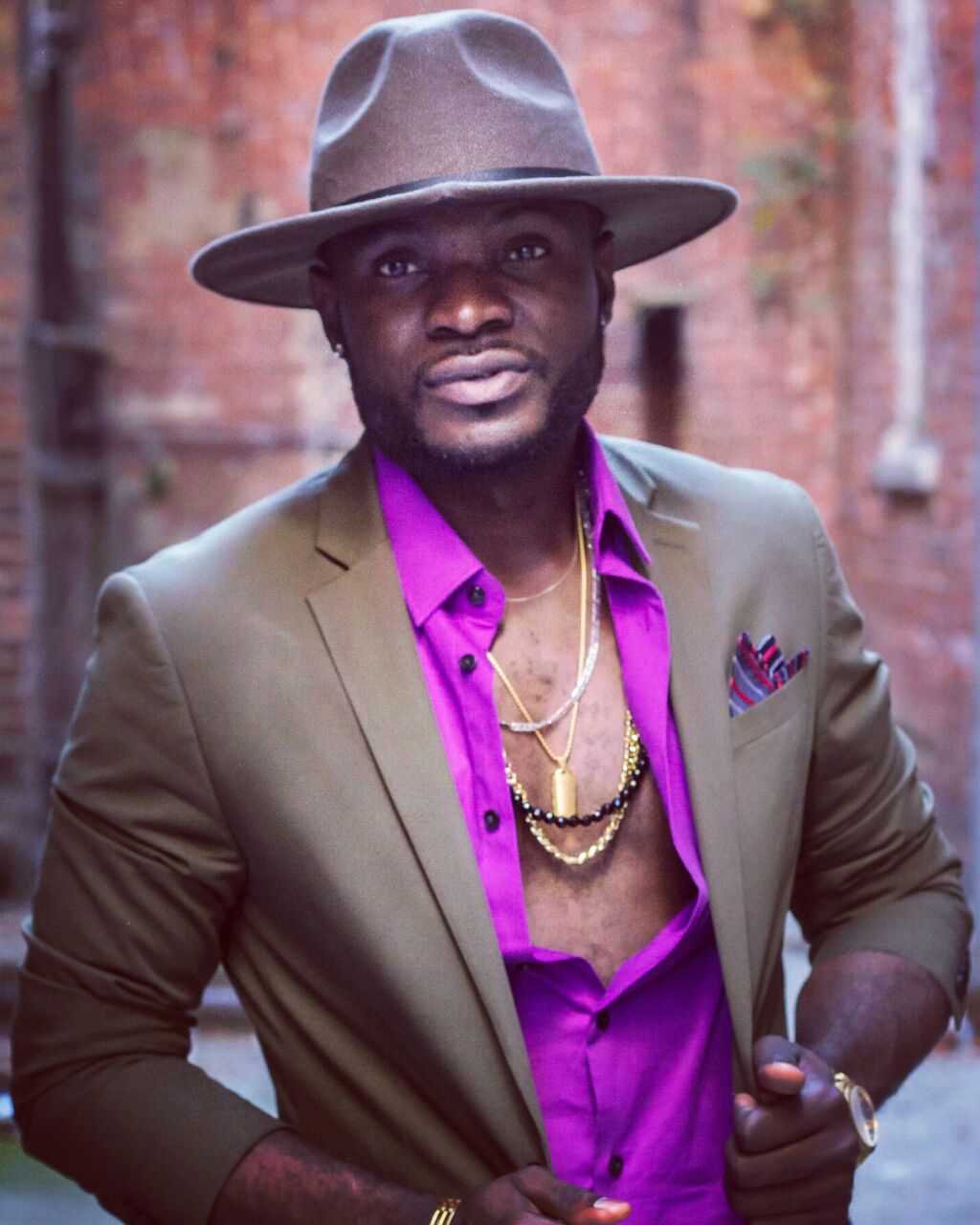

Afro pop sensation, David Abhulimen aka Shockah is the new Nigerian singer who’s currently trending.
The Lee University in Cleveland, TN, USA, double degree graduate of Business Administration and Management Information Systems who’s currently enrolled for his MBA program in the same school is bringing diversification to the current crops of Afro pop singers in the country with his unique style of rendition.
Already with a video ‘Novice’ featuring Skales, Shockah took us through his musical journey. Enjoy it…
How did your musical journey began?
It started from the United States of America in 2013 after I visited Nigeria for the first time since I left to further my education. In 2003, me and one of my child hood friend started singing because that was what we had passion for, and we derived joy doing that, but we didn’t have the resources to go fully into it and that made me gave it a break to focus more on my education.
So, in 2013 when I came back to Nigeria for the first time in 6 years to spend about 3 weeks with my family, I basically listened to a lot of Afro beats, Afro pops and dance; that reactivated my interest in what I have passion for which also prompted me to write my first song and hit the studio.
Initially, was music a means of survival for you. Most especially when in the States?
Back in 2002/2003 when I started, it was just passion. It was just what me and my friends just wanted to do, we just want to sing for the fun of it. It wasn’t basically a means of survival because then I use to watch plantation boiz, Trybesmen and others singing, I can see the passion in them. But, we know that it’s going to transition into a means of making money when it finally becomes a career but, initially it started as a passion.
What genre of music do you do?
I do Afro beat, Afro pop and Afro dance. I have a single which was produced by the best in the game “SPELLZ”, and featured Baseline Music popping artist “Skales” titled ‘NOVICE’ so, basically I do Afro beats for the most part.
How would you describe the journey so far?
I’m not going to pretend as if everything is glowing, it’s not. like I said I’m not based in Nigeria, I’m based in USA . So, I’m just going to paint it the way I’ve seen it here in Nigeria; the whole thing is all centralized, it’s one faced, selfish. Nobody wants to provide you with the basic info on how the industry really works. Everyone is looking for means to survive by exporting money from you without sufficient assistance/help which I understand very well. Some are in it for the fame, while others are in it for survival but the industry overall has been favorable and good to me because, I’ve met “a few” good people who has helped me with some connections for promotion and platforms that really matters.
Are you planning to relocate finally to Nigeria to pursue your musical carrier?
Yeah! That’s going to be one of my short term plan. My short and long term plan is to build my brand, ‘Jaiye Records’ brand and the ‘Shockah’ brand.
But, my plan is to actually move back to Nigeria because I’ve been living in the States for a while. I want to be able to give back to my people, give my people what they want and I’ve been around for about 3 weeks now trying to promote my new single the best way I can. Besides, I want to make sure my brands are well rooted here in Nigeria before I decide to finally move down because, I don’t want to make any dumb decision now.
Who are the people you are working with presently in Nigeria?
My first collabo was with Skales, we shot the video in Atlanta, GA , i’m still planning to work with a lot of artists in the country. I will like to work with both new and old artist. Singer like Maire, who sang ‘Alhaji’, Timaya, Tu face, Banky W, Ycee, Tekno, etc; I hope to work with Ycee in a remix of one of my songs i did in the past. And hopefully, in January 2017, I hope to work with Davido; as a matter of fact, we are already working on reaching out to him and his management. I am steadily working closely now with Spellz to perfect my craft and understand how the afrobeat is ought to sound like. But since I’ve dropped my first collabo, I want to work on at least two individual singles before featuring again.
What plans have you been putting in place to grow your brand in Nigeria?
I’m still studying how Nigerian music industry works. I’ve made a couple of trips to Nigeria in recent years just to do a broad market research so, basically when it comes to the traditional way of marketing, i have been to Alaba International and met with people like Uba Pacific and Obaino music l Specifically; production aspect, I know Spellz who is actually one of the best in the game with a lot of hit songs, and a few other upcoming producers. So, it’s going to be a day by day process because for now, I plan to only focus on the things that really matters and that is promoting my songs and my brands. What I understand about penetrating the Nigeria music industry is that, you contribute about 10 percent talent, 60 per cent Grace of God and the other 30 per cent is your hard work, a.k.a (Strong promotion).
What would you describe as your selling point?
My talent and skills. I’m a competitor. Right from Nigeria and also in the US, I’ve always been competitive in nature and that’s one out of my five strengths. I never back out when it comes to achieving my dreams, ambition and goals, I always go for what I want and God has been faithful to me and has always being by my side in achieving what I want.
Do you have anyone you look up to among Nigerian musicians?
I like Wizkid and 2face, Banky W, Davido, Timaya and a few others because of their “Original” style of music. Basically, these are the current ones I actually listen to the most.
Who among Nigerian female singers would you be willing to feature?
Tiwa Savage, she’s my woman crush. I don’t have any further intents but, she’s one talented female singer i like her style and work ethics, and hopefully down the road, I will like to feature her.
What is that new thing you are bringing into the music industry?
I’m bringing diversification, room for exploration & exhibition, love and support into the Nigerian music industry. Afrobeat is trending drastically globally, and its been appreciated by everyone around the world. I see a lot of Nigerian artist trying to sound foreign and sing like the Americans. Honestly, I don’t have any problem with any artist trying to compete with the Americans and copy their style of music to penetrate into their market. Good luck to them. I see Africa as a very broad and massive market, and we should just try to improve the industry with our skills, knowledge talent and wisdom. If you go to the streets of America, you would see great talents that are still struggling. Americans would patronize their style of music and artist before any other. That’s just how it is. I also want to help young people grow, help them discover their talents and liberate them from poverty because the industry lacks that; it lacks encouraging the young ones to grow. So, I’m going to try my best to fill that void. I plan on creating a platform to audition talented and dedicated artist, supporting and improving their skills.
Let’s me you
My name is David Abhulimen aka Shockah . I was born in Lagos but, Edo State is my state of origin. My primary and high school was in Nigeria but, I left the country afterwards to further my education in the United States of America. I’m a double degree graduate of Business Administration and Management Information Systems and currently enrolled for my MBA program in Lee University in Cleveland, TN, where I earned my Bachelors degree.
I’m a very easy going, dedicated, fun filled and respectful person
I tend to analyze things from different perspective a lot, which is one of my strengths. I’m signed to Jaiye Records, and also CEO. I like to have fun and that’s is why I named my label ‘Jaiye Records’. More importantly, I love to play soccer and swimming, reading and traveling.




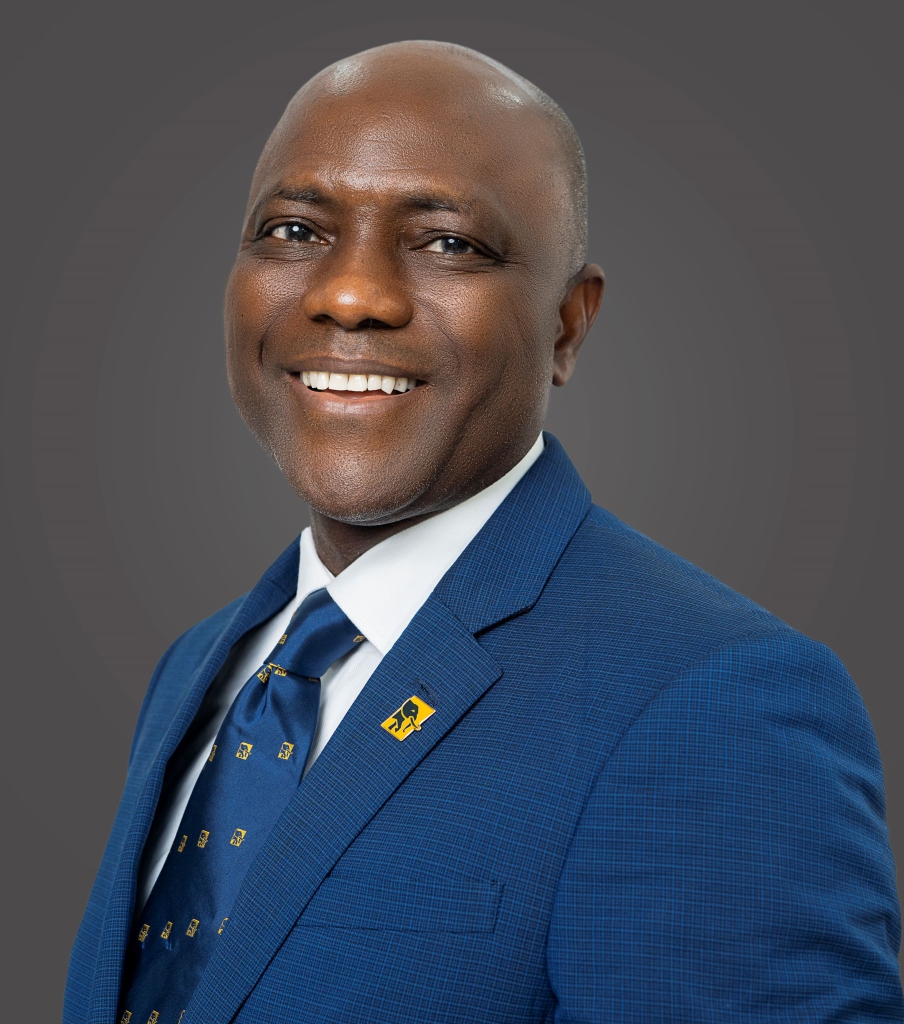
FirstBank Partners Eko Hotels & KEY Academy for ChessMasters 2026 Tournament
Lagos, 30 March 2025 – FirstBank, West Africa’s premier financial institution and the leading financial inclusion service provider, has announced its strategic sponsorship of the second edition of ChessMasters, Africa’s largest school chess tournament. The announcement was made at the official press conference of the tournament held on 16 March 2026 at Eko Hotels and Suites, Lagos.
ChessMasters is an annual chess tournament designed to equip the next generation with critical thinking, problem-solving, and leadership skills. The competition targets children in primary school aged between 6 and 11 years old. Organised by Eko Hotels and Suites & KEY Academy , ChessMasters was created to provide thousands of children across Nigeria with opportunities to develop modern educational skills, bringing schools together on a national stage.
Speaking at the press conference, Olayinka Ijabiyi, Acting Group Head, Marketing & Corporate Communications at FirstBank, said, “Our sponsorship of ChessMasters 2026 reflects our commitment to building talents and communities, driving inclusion, and deepening engagement through our First@Sports initiative, a platform that celebrates talent and promotes social impact through sports. With over a century of supporting legacy sports in Nigeria, we are proud of our enduring partnerships – 105 years with the Georgian Cup, 65 years with the Lagos Amateur Golf Championship and 35 years with the Dala Hard Court Tennis Championship.”
Ijabiyi further highlighted how the sponsorship aligns with FirstBank’s sustainability pillars of Education, Health, and Welfare. “We recognise the potential of chess to help school-age children challenge themselves, think critically, and compete at the highest level, hence we see the tournament as a launchpad for a pan-African movement leveraging chess as a tool for education, empowerment, and leadership development. We are utilising this platform as another avenue to promote social impact and drive positive change in the community.”
Caline Chagoury Moudabar, Director and Co- Founder of ChessMasters and her partner Damilola Okonkwo of Key Academy, expressed appreciation for FirstBank’s support, noting that the partnership will help scale the impact of ChessMasters and inspire more schools to participate. “We are happy to welcome FirstBank on board. This collaboration will boost chess development in Nigeria and promote critical thinking among young minds. With support from partners like FirstBank, we are opening the doors of participation to more children and more schools in this year’s edition.”
Prince Adeyinka Adewole, Vice President of the Nigeria Chess Federation, commended the initiative, emphasising its role in nurturing future chess talents. “Chess connects people, ideas, and opportunities. It teaches children to be analytical, patient, and manage their time and resources effectively. Chess also improves concentration and has been particularly beneficial for children with autism.”
The second edition of ChessMasters will be held on Saturday, 2 May 2026 at Eko Hotels and Suites, Lagos. The competition is open to 150 schools across Lagos, with over 700 students expected to participate and vie for a total prize pool of N10 million.
FirstBank’s involvement in the 2026 edition of the tournament reinforces the potential of ChessMasters to become a launchpad for African children, leveraging chess as a tool for education, empowerment, and leadership development.
Business
Alpha Morgan Bank Reinforces Commitment to Education at Redeemer’s University Business School Commissioning
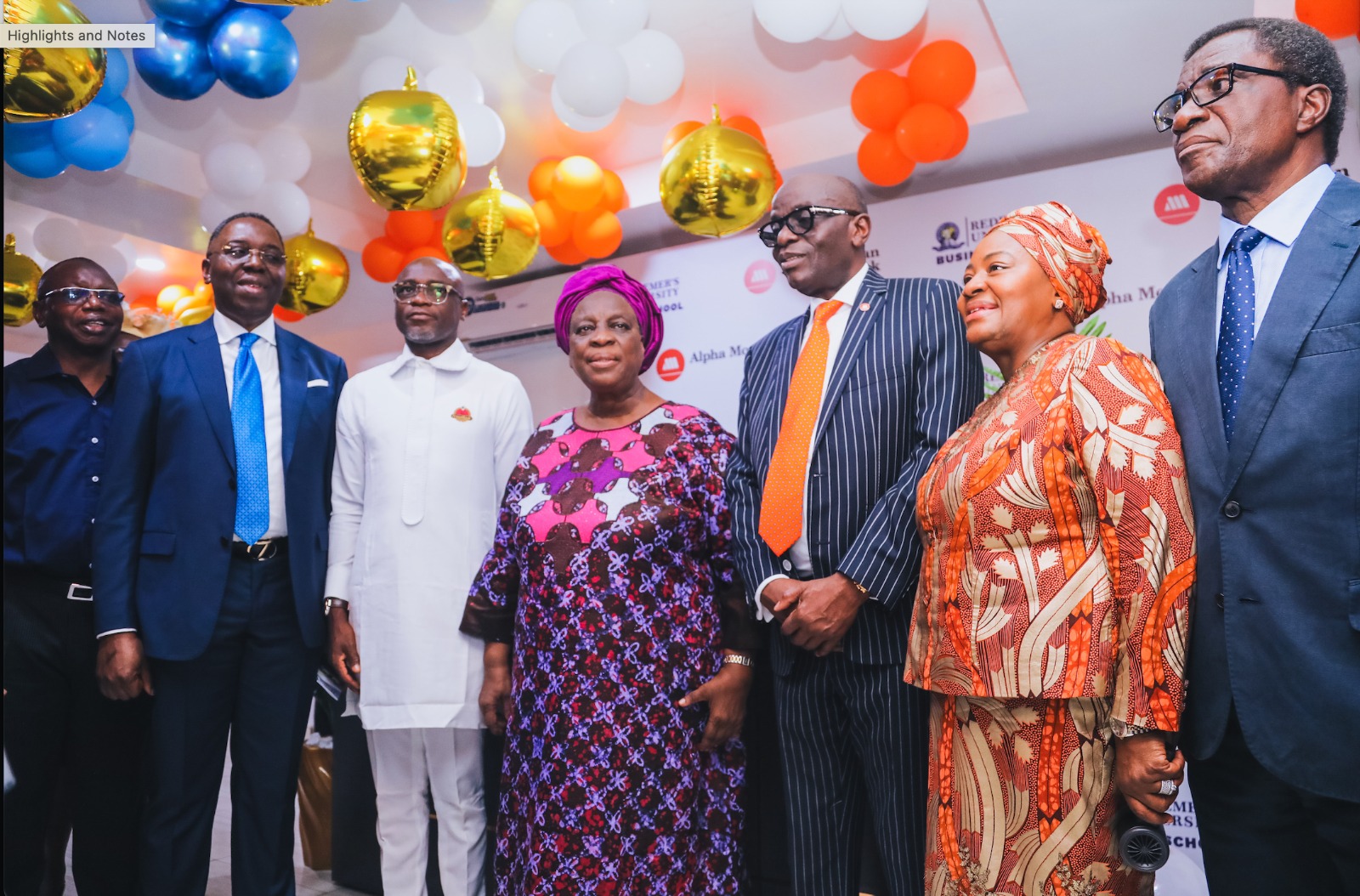
Alpha Morgan Bank Reinforces Commitment to Education at Redeemer’s University Business School Commissioning
Alpha Morgan Bank has reaffirmed its commitment to education and institutional development through its support for the commissioning of the Redeemer’s University Business School.
The Business School was officially inaugurated by Pastor (Mrs.) Folu Adeboye, at the commissioning ceremony attended by distinguished guests including Her Excellency, Mrs. Bola Obasanjo; the Pro-Chancellor and Chairman, Governing Council of Redeemers University, Professor Oluwatoyin Ogundipe; the Vice Chancellor, Professor Shadrach Olufemi Akindele; and other notable dignitaries.
Speaking at the event, the Managing Director of Alpha Morgan Bank reiterated the Bank’s commitment to supporting institutions that drive intellectual growth and national development.
As part of its broader focus on knowledge sharing and thought leadership, Alpha Morgan Bank will host its Economic Review Webinar in May 2026, bringing together experts to share insights on key economic trends and opportunities.
The Bank’s involvement reflects its continued dedication to empowering institutions and shaping the future of business and leadership in Nigeria.
Read more about Alpha Morgan Bank on www.alphamorganbank.com
PHOTO
L-R: Prof. Shadrach Olufemi Akindele, Vice Chancellor, Redeemers University, Engr. Eloka Eje, Dr Perez Araka, Pastor (Mrs) Folu Adeboye, Mother-In-Israel, The Redeemed Christian Church of God, Mr Ade Buraimo, MD/CEO Alpha Morgan Bank, Dr (Mrs) Oluwatomi Somefun, Dr. Simeon Ifere, at the inauguration of the Redeemer’s University Business School, Redemption City, Ogun State on Thursday 2nd April, 2026
Tinubu Aide Rebuts Rufai Oseni Over ₦3.3tn Power Debt Deal


- Sheraton Nouakchott marks the entry of Marriott International in Mauritania April 10, 2026
- Eritrea: Seminar to Nationals in Nairobi and Its Environs April 10, 2026
- African financial institutions call for coordinated financing solutions to unlock Africa’s digital transformation April 9, 2026
- African Energy Chamber (AEC) Supports Perenco Partnership to Advance Industry 4.0 Skills in Central Africa April 9, 2026
- Youth Charter Calls for “Commonwealth Youth Legacy” Ahead of Glasgow 2026 April 9, 2026
- Securing the bridge between legacy and smart April 9, 2026
- Africa’s Lithium Pipeline Gains Momentum as Global Supply Deficits Loom April 9, 2026
- Afreximbank delivers strong FY2025 results; with a total assets and contingencies base of US$48.5 billion April 9, 2026
- National Council for Curriculum Development (NCDC) seeks Shs17 Billion for curriculum review, teacher training April 9, 2026
- Senegal: A Decade of Unresolved Climate Displacement April 9, 2026
- Sheraton Nouakchott marks the entry of Marriott International in Mauritania April 10, 2026
- Eritrea: Seminar to Nationals in Nairobi and Its Environs April 10, 2026
- African financial institutions call for coordinated financing solutions to unlock Africa’s digital transformation April 9, 2026
- African Energy Chamber (AEC) Supports Perenco Partnership to Advance Industry 4.0 Skills in Central Africa April 9, 2026
- Youth Charter Calls for “Commonwealth Youth Legacy” Ahead of Glasgow 2026 April 9, 2026
- Securing the bridge between legacy and smart April 9, 2026
- Africa’s Lithium Pipeline Gains Momentum as Global Supply Deficits Loom April 9, 2026
-

 news4 months ago
WHO REALLY OWNS MONIEPOINT? The $290 Million Deal That Sold Nigeria’s Top Fintech to Foreign Interests
-

 society7 months ago
“You Are Never Without Help” – Pastor Gebhardt Berndt Inspires Hope Through Empower Church (Video)
-

 celebrity radar - gossips2 months ago
Dr. Chris Okafor Returns with Power and Fire of the Spirit -Mounts Grace Nation Altar with Fresh Anointing and Restoration Grace on February 1, 2026
-

 celebrity radar - gossips4 months ago
Prophet Kingsley Aitafo Releases 2026 Prophecy: ‘Nigeria Will Rise, but the World Must Prepare for Turbulence’
You must be logged in to post a comment Login
You must log in to post a comment.