
society
Today’s Effort, Tomorrow’s Triumph: The Undeniable Power of Doing Your Best Today

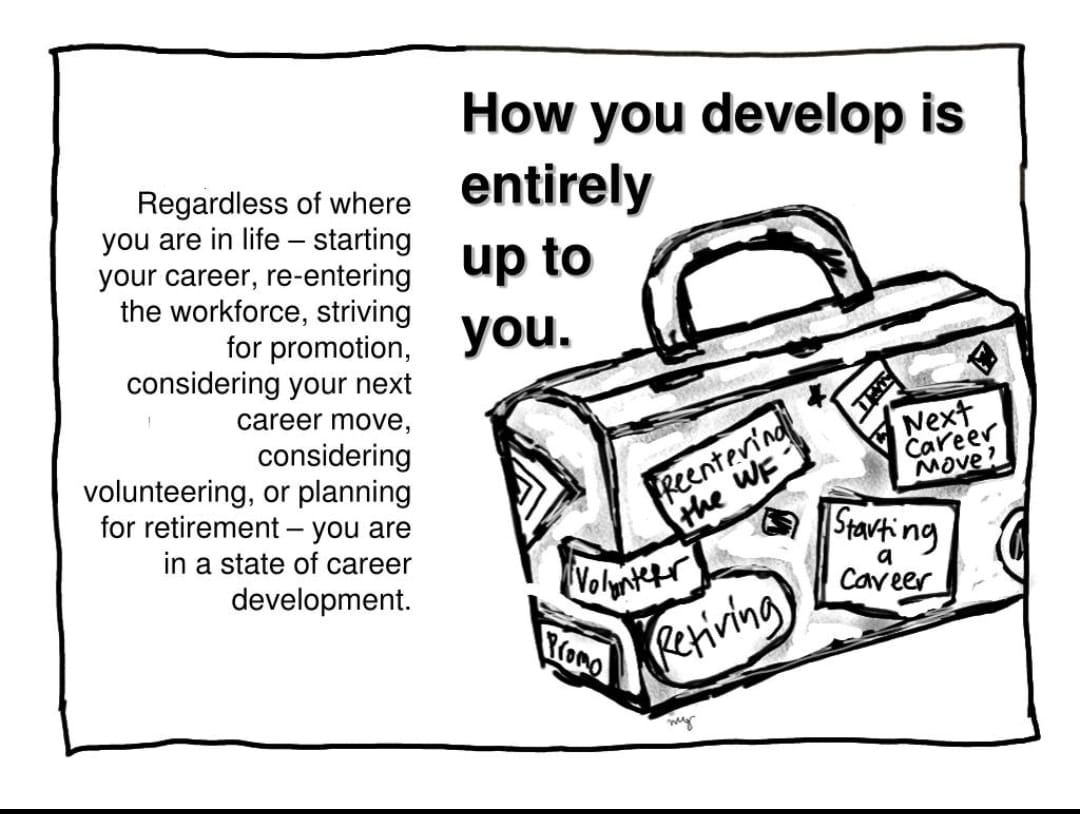
Today’s Effort, Tomorrow’s Triumph: The Undeniable Power of Doing Your Best Today.
By George Omagbemi Sylvester | Published by SaharaWeeklyNG.com
“D best preparation for tomorrow is doing your best today.” ~ H. Jackson Brown Jr.
In a world addicted to shortcuts and obsessed with quick wins, the timeless wisdom behind the quote above cuts through the noise like a sharpened sword. The idea that tomorrow’s success depends entirely on today’s actions is not a cliché, it is an irrefutable truth. Whether in faith, science, economics or personal development, one law stands firm: today’s SEED is tomorrow’s HARVEST.

We can not continue to fold our hands in laziness today and expect miracles tomorrow. A nation can not waste time, bury talent and ignore responsibility today and then complain about failure tomorrow. Life does not reward intentions; it rewards actions.
Faith Speaks: Christianity and Islam Agree on the Power of Today. This principle is not just motivational; it is deeply spiritual. Across the world’s major religions, the doctrine of intentional daily action is clear.
In the Bible
Proverbs 6:6-8 teaches:
“Go to the ant, you sluggard; consider its ways and be wise! It has no commander, no overseer or ruler, yet it stores its provisions in summer and gathers its food at harvest.”
The lesson here is blunt: the time to prepare is now, not later.
Ecclesiastes 9:10 further reinforces this:
“Whatever your hand finds to do, do it with all your might…”

In the Quran
Islam emphasizes the same responsibility of living intentionally and working righteously each day. In Surah Al-Zalzalah (99:7-8), the Holy Qur’an declares:
“So whoever does an atom’s weight of good will see it, and whoever does an atom’s weight of evil will see it.”
This verse reminds believers that nothing is wasted; every small effort counts and will show its result, either today or tomorrow. It is a divine call to mindfulness and proactive living.
Also, in Surah Ar-Ra’d (13:11), Allah says:
“Indeed, Allah will not change the condition of a people until they change what is in themselves.”

Change does not fall from the sky. God helps those who help themselves; today, not when it is convenient.
Procrastination is the Poison of Purpose
Dr. Timothy Pychyl, a psychology professor at Carleton University, states that:
“Procrastination is not a time management problem, it is an emotion regulation problem.”
We put off effort not because we lack time, but because we avoid discomfort. Yet nothing of value has ever been built in comfort. From Moses to Muhammad (PBUH), from Mandela to Martin Luther King Jr., progress has always come from people who embraced struggle today to secure peace tomorrow.
From Nations to Individuals: A Pattern of Success. Japan, South Korea and Singapore, these countries did not wait for the future to be great. They built it. After war and poverty, they chose to invest in education, discipline, innovation and daily excellence. The results? Economic prosperity, global respect and technological advancement.
Compare that with many African nations, where politics, procrastination and misplaced priorities have crippled development. Nigeria, for instance, continues to grapple with the consequences of poor preparation. We cannot talk about transformation if we do not first talk about intentional effort; daily, consistent and focused.
The Economy of Today. Economists describe something called the Law of Diminishing Intent: the longer you delay action, the less likely you are to do it at all. In business, delaying a product launch or avoiding staff training today often leads to loss of competitive edge tomorrow.
Brian Tracy, in his bestselling book Eat That Frog, emphasizes:
“Your ability to discipline yourself to set clear goals and then work on them every day will do more to guarantee your success than any other single factor.”
In other words, daily action beats monthly inspiration.
Talent is Nothing Without Today’s Discipline. Too many young people have talents buried in the coffin of laziness. Dreams without daily action are hallucinations. The Bible says in Proverbs 14:23:
“All hard work brings a profit, but mere talk leads only to poverty.”
Success is not a gift; it is a product. You cannot wish your way into greatness. You must work your way into it—step by step, day by day.
The Quran also teaches in Surah An-Najm (53:39):
“And that there is not for man except that [good] for which he strives.”
It doesn’t get clearer than that. You get only what you strive for.
Global Voices That Support the Principle. Great minds from various backgrounds have echoed this truth:
Angela Duckworth (Author of Grit): “Enthusiasm is common. Endurance is rare.”
Daily effort is the dividing line between the average and the great.
Jim Rohn: “Success is neither magical nor mysterious. Success is the natural consequence of consistently applying basic fundamentals.”
Barack Obama: “The best way to not feel hopeless is to get up and do something.”
Malcolm X: “The future belongs to those who prepare for it today.”
When both Eastern and Western wisdom align, when scriptures and scholars agree, then it is no longer a theory; it is a law.
Time is the Most Precious Currency. Unlike money, time cannot be earned back. Once gone, it is gone forever. Every second wasted is a blessing buried. The Quran calls mankind to account for their time. In Surah Al-Asr (103:1-3), Allah says:
“By Time, verily man is in loss, except those who believe and do righteous deeds, and enjoin each other to truth and patience.”
Even belief must be accompanied by action, otherwise it results in loss. Believing in your future without acting today is self-deception.
A Message to Nigeria’s Youth and Leaders. Let us be brutally honest. Nigeria will not change through slogans. Africa will not rise through hashtags. Real transformation begins with action; by the citizens, by the youth and most critically, by the leaders.
Our failure to plan, our tendency to delay reforms, our endless “we’ll do it later” mindset; this is what chains our future. We must kill procrastination before it kills our potential.
Instead of wishing for a better Nigeria, wake up and become the better Nigerian. Apply for the course. Register the business. Clean the streets. Learn the skill. Fight corruption. Demand accountability. Do your best today.
Final Thoughts: The Time is Now. The truth is simple: You will not rise tomorrow if you sit today.
Yes, life is unfair. Yes, circumstances can be hard; but you must never give the excuse of tomorrow for what you can perfect today. Success does not belong to the most privileged. It belongs to the most prepared.
Let us leave you with the words of Prophet Muhammad (PBUH), who said:
“If the Hour (the end of the world) is about to be established and one of you was holding a palm shoot, let him take advantage of even one second before it happens and plant it.” (Musnad Ahmad)
That is how powerful the present moment is even if the world is ending, still do your best now.
The Closing Reflections.
Tomorrow is not a miracle waiting to happen. It is the fruit of today’s labor. If you want to succeed, begin today. If you want to change your story, act now. If you want a better nation, do not just hope; build it.
The best preparation for tomorrow is not luck. It is doing your best today without excuse, without delay and without fear.

Written by George Omagbemi Sylvester
Published by SaharaWeeklyNG.com




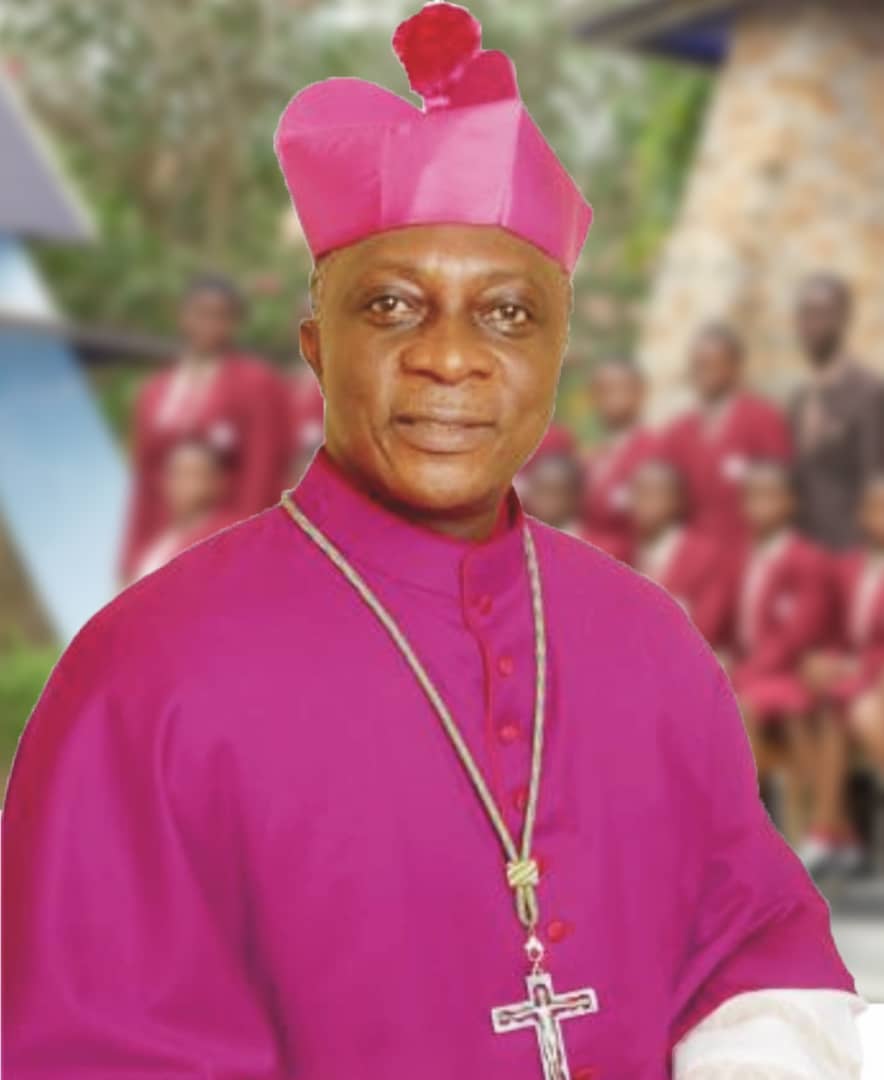
GOVERNMENT MUST TACKLE NATION’S PRESSING CHALLENGES — BISHOP MARTINS URGES AT CHRISM MASS
By Ifeoma Ikem
The Holy Cross Cathedral, Lagos, was filled with joy, reverence, and renewed commitment on Holy Thursday as Catholic faithful across the metropolis gathered for the annual Chrism Mass — a solemn celebration marking the institution of the priesthood, the Holy Eucharist, and the blessing of sacred oils used throughout the liturgical year.

During the ceremony, the Catholic Archbishop of Lagos, Most Rev. Adewale Martins, described the Chrism Mass as a profound moment in the life of the Church.
He noted that it offers priests an opportunity to renew their vows and reflect on the centrality of the Eucharist, which he emphasized remains the heartbeat of the Catholic faith.
Addressing national issues, Bishop Martins acknowledged the government’s ongoing efforts to tackle Nigeria’s current challenges.
However, he stressed the need for more decisive and accelerated interventions, particularly in securing lives and easing the economic burdens confronting citizens.
He congratulated priests on their feast day and reflected on the rising influence of digital evangelization. While recognizing that many people now “inhabit online spaces,” he warned clergymen to handle social media with caution, discipline, and fidelity to Church teachings. According to him, digital influence must never overshadow spiritual integrity.
“The oils blessed today are not simply symbols; they speak of being set apart by a mark not earned, not crafted, but given,” he said. “As we renew our promises, we do not recreate ordination; we awaken memory. We were not ordained to build profiles but to bear Christ.”
He further noted that the digital world has become a place where people “gather, argue, celebrate, confess, misunderstand, and sometimes encounter truth.” For this reason, he said the Church recognizes the need to take the Gospel into that space without compromising its authenticity.
In his homily, Rev. Fr. Paul Akin-Otiko, Chaplain of St. Thomas More Catholic Chaplaincy, University of Lagos, emphasized the enduring significance of the Chrism Mass as an ancient tradition where sacred oils are consecrated.
He urged priests to pray fervently for the sick using the blessed oils, reminding them that true healing comes from God.
Fr. Akin-Otiko encouraged clergy to remain selfless, warning them never to turn the Church into a source of personal gain.
He stressed that their primary duty is the salvation of souls and the welfare of the people entrusted to them.
Monsignor John Aniagwu took a moment to appreciate Anthony Cardinal Olubunmi Okogie for his fatherly guidance and exemplary leadership. He prayed for God’s continued blessings, asking that all present be granted good health to witness many more Chrism Masses.
The highlight of the ceremony was the renewal of vows by hundreds of priests, who reaffirmed their commitment to lives of dedication, chastity, and obedience to the Church and their bishop — an act that drew heartfelt applause from the congregation.
The celebration concluded with songs of thanksgiving, joy, and renewed devotion.
society
Liberian Leaders, Citizens Bear Witness as Apostle Suleman Hosts Two-Day Power-Packed Crusade
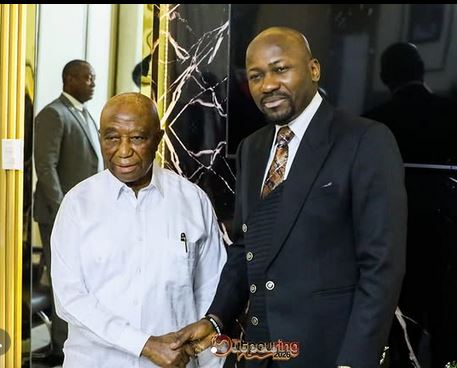
Liberian Leaders, Citizens Bear Witness as Apostle Suleman Hosts Two-Day Power-Packed Crusade
It was testimonies galore on Tuesday, March 31, the first day of the famous servant of God and founder of the Omega Fire Ministries (OFM) worldwide, Apostle Johnson Suleman’s power-packed two-day crusade. The event documented impactful moments with the Gospel and miracles, emphasizing the power of faith and the tangible confirmation of God’s Word through signs and wonders. It was equally an atmosphere of miraculous healing, restoration of lives, and the strengthening of faith.
At the crusade, which was held at the SKD Sports Stadium in Paynesville City, and themed, “Liberia Outpouring Crusade” witnessed testimonies of impact and miracles with participants experiencing instant healing of various kinds of challenges.
Apostle Suleman’s first port of call was Paynesville, the office of Liberian government’s president, Mr. Joseph Nyuma Boakai, who received him in an audience with his junior ministers. Apostle Suleman, who also met with the vice-president, Mr. Jeremiah Kpan Koung, was welcomed by the Liberian leader’s office as part of the president’s ongoing engagements with religious leaders aimed at fostering spiritual support for national development.
The president expressed profound appreciation to Apostle Suleman for the visit and continued prayers and intercessions by men and women of God on behalf of Liberia, emphasizing his firm belief that sustained spiritual guidance and prayer remain vital to the transformation and progress of the nation.
During the visit, Apostle Suleman offered prayers for President Boakai, his cabinet and the Liberian nation, invoking divine alignment, wisdom, and insight in Liberia’s path toward growth and stability. He prayed that the Almighty God would position Liberia for relevance and fulfillment of its national destiny.
Apostle Johnson Suleman, an evangelist who knows no bounds of where preaching the gospel comes to a stop, visited Liberia prepared with the message, compelling power of the Gospel and the work of the Holy Spirit, and bringing people to a point of decision where they surrendered their lives to Christ.
Aside from being prophetic and timely, OFM sources disclosed that the servant of God’s visit underscores the importance of faith-based partnerships in supporting governance and national renewal efforts.
society
Middle Belt Forum Hails Tinubu’s Jos Visit, Calls for United Civil-Military Effort to Restore Lasting Peace
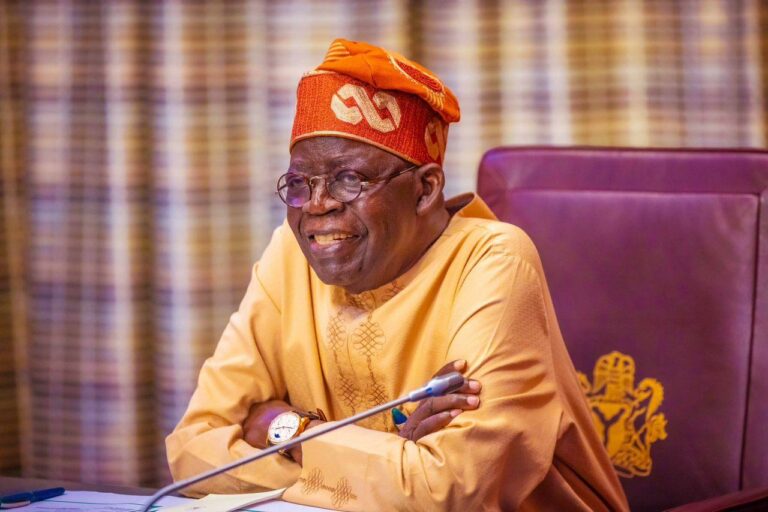
*Middle Belt Forum Hails Tinubu’s Jos Visit, Calls for United Civil-Military Effort to Restore Lasting Peace
The Middle Belt Peace Forum (MBPF) has commended President Bola Ahmed Tinubu for his profound demonstration of empathy and responsive leadership following his decision to postpone an official engagement in Iperu in order to visit victims of the recent attacks in Jos.
In a statement signed by its National Coordinator, Pastor Bulus Garba, in Jos on Friday, the Forum said the President’s decision to personally identify with grieving communities sends a powerful message of solidarity and reinforces public confidence in the commitment of the Federal Government to the protection of lives and property.
“The Middle Belt Peace Forum warmly commends President Bola Ahmed Tinubu for prioritising compassion over ceremony. At a time of deep sorrow for the people of Plateau State, his decision to visit Jos stands as a mark of true leadership—one that listens, responds, and stands with the people in their moment of pain,” the statement read.
The Forum described the perpetrators of the recent attacks as “cowards who prey on innocent and defenceless citizens,” stressing that such acts of violence are not only inhumane but also a direct assault on the unity and peace of the nation.
“We condemn in the strongest terms the actions of these cowardly attackers whose only aim is to instil fear and destabilise peaceful communities. Their actions must be met with firm and decisive resistance from all arms of the state,” Pastor Garba said.
The MBPF further used the opportunity to salute the courage, gallantry, and sacrifices of the Armed Forces of Nigeria under the leadership of the Chief of Defence Staff, General Olufemi Oluyede, noting that their continued efforts remain central to restoring stability across troubled parts of the country.
According to the Forum, the Armed Forces have demonstrated resilience and professionalism in the face of complex security challenges, often operating under difficult conditions to safeguard communities and defend Nigeria’s territorial integrity.
“We salute the Armed Forces of Nigeria for their unwavering commitment and sacrifices. Their gallantry in confronting criminal elements and reclaiming territories is a testament to their dedication to national service. We recognise that the path to peace is demanding, and we honour those who stand daily in defence of our nation,” the statement added.
The Forum pledged its full support to ongoing military operations and called for strengthened collaboration between security agencies and local communities as a critical factor in achieving lasting peace.
It also urged citizens across the Middle Belt to cooperate with security forces by providing timely information and fostering unity within their communities.
The MBPF, however, expressed concern over the need for greater synergy among security agencies, particularly the role of the Nigeria Police in consolidating gains made by the military.
“We call on the Nigeria Police Force to rise fully to its constitutional responsibility by effectively supporting the Armed Forces in stabilising and securing areas that have been cleared of criminal elements. Holding and policing such territories is essential to preventing a resurgence of violence,” Pastor Garba stated.
The Forum emphasised that sustainable peace requires a coordinated approach in which the military clears and secures areas, while the police maintain law and order to enable displaced communities to return and rebuild their lives.
The MBPF concluded by reiterating its commitment to peacebuilding efforts across the Middle Belt and expressed optimism that with sustained leadership, coordinated security efforts, and active citizen participation, lasting peace can be achieved.
“Together, through unity, vigilance, and collective resolve, we can overcome these challenges and build a safer and more peaceful Middle Belt,” the statement added.


-

 society7 months ago
Religion: Africa’s Oldest Weapon of Enslavement and the Forgotten Truth
-

 news4 months ago
WHO REALLY OWNS MONIEPOINT? The $290 Million Deal That Sold Nigeria’s Top Fintech to Foreign Interests
-

 society6 months ago
“You Are Never Without Help” – Pastor Gebhardt Berndt Inspires Hope Through Empower Church (Video)
-

 celebrity radar - gossips2 months ago
Dr. Chris Okafor Returns with Power and Fire of the Spirit -Mounts Grace Nation Altar with Fresh Anointing and Restoration Grace on February 1, 2026