
society
Tribalism: The Oldest Wound We Refuse to Heal

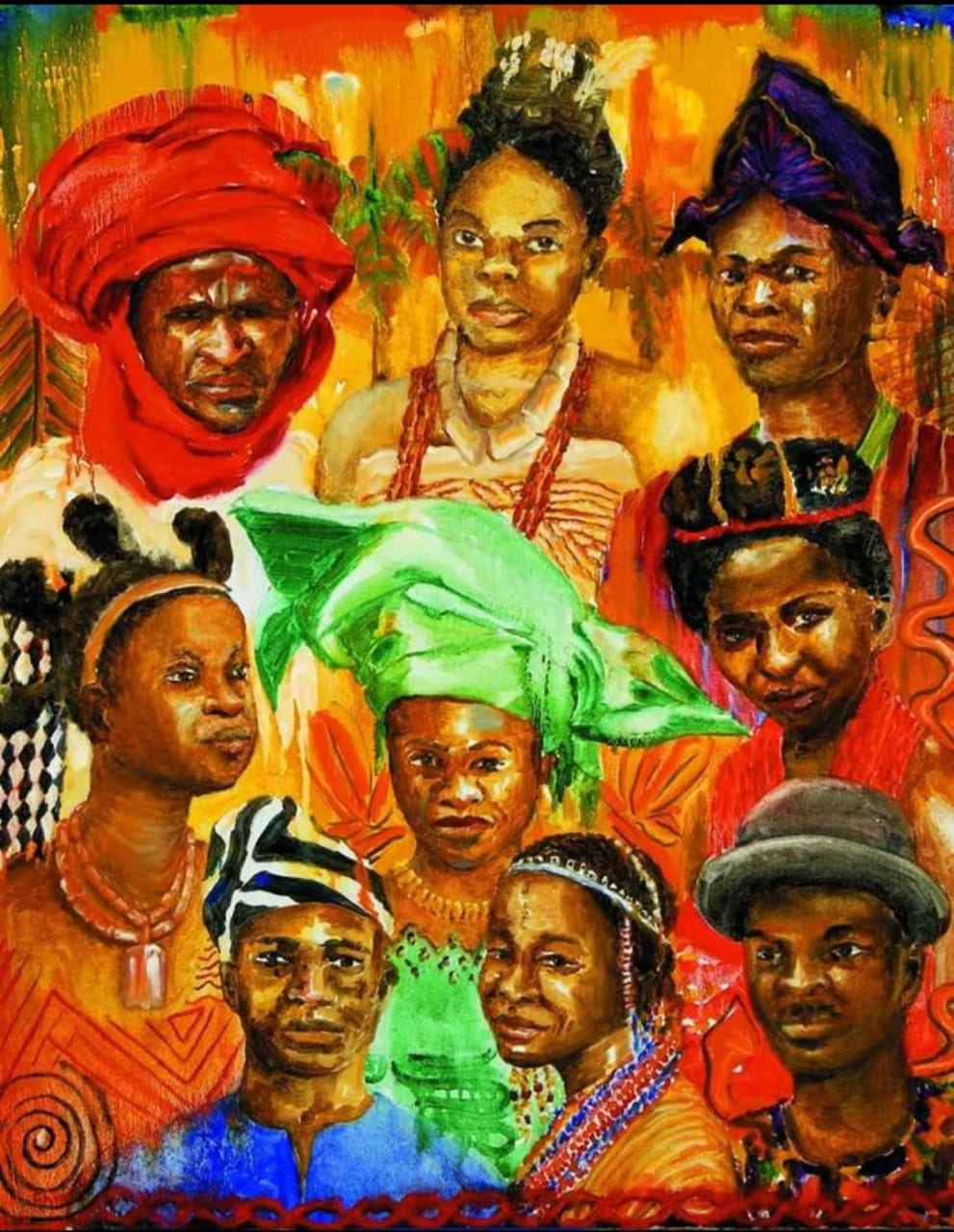
Tribalism: The Oldest Wound We Refuse to Heal.
By George Omagbemi Sylvester | Published by Saharaweeklyng.com
We speak of unity, yet divide at every election. Until we confront tribalism, Nigeria will never rise.
Nigeria is a country blessed with diversity, yet cursed by it. Over 200 million people, more than 500 ethnic groups, hundreds of languages – a mosaic that could be our greatest strength. Instead, tribalism has become our oldest, deepest and most destructive wound. It is a wound we refuse to heal and as long as it festers, the nation’s potential will remain hostage to fear, suspicion and recurring crises.

Wole Soyinka warned decades ago: “When you start to think in terms of tribe rather than humanity, you have abandoned reason for instinct and instinct is often deadly.” Sadly, Nigeria continues to act on instinct rather than reason.
The Roots of Tribalism.
Tribalism in Nigeria is not a natural phenomenon; it is historically manufactured. British colonial rule entrenched divisions, rewarding loyalty along ethnic lines, importing a zero-sum mindset and leaving behind a federal structure prone to favoritism. The legacy of “divide and rule” became our inheritance.

Northern indirect rule strengthened ethnic hierarchies and traditional emirates, creating power imbalances.
In the South, Christian missionary education created intellectual elites, but also intensified regional inequalities.
Resource allocation policies (from cocoa to oil) fueled perceptions of favoritism, turning economic competition into ethnic grievance.
These historical fractures are not relics; they shape daily politics, electoral choices and the violence that haunts communities today.

Tribalism in Politics: A Toxic Cycle.
Elections in Nigeria are rarely contests of ideas. They are contests of identity. Politicians appeal to tribe over competence, promising advancement for “their people” and ignoring national interest. The result:
Polarized voting: Citizens often vote not for policies but for ethnic solidarity.
Unequal development: Regions receive projects based on who governs rather than need.
Recurring crises: Post-election violence, secessionist agitations and intercommunal clashes follow predictable ethnic fault lines.
In 2015 and 2019, analysts warned that ethno-religious polarization in elections increased tensions in the North, South and Middle Belt. Yet each election cycle, the script repeats. Political elites weaponize identity, citizens oblige and the nation suffers.

The Human Cost.
Tribalism is not abstract. It kills, imprisons potential and sows distrust. Consider the Nigerian Civil War (1967–1970). While multiple factors led to the war, ethnic suspicion, regional favoritism and failure to recognize shared citizenship made bloodshed inevitable. Over two million lives were lost, millions displaced and entire communities traumatized, all in the name of “protecting our people.”
In recent decades, tribalism has fueled insurgencies, banditry and local conflicts. Youths are recruited to fight not over ideas but over loyalty to ethnic or regional elites. Education and merit are secondary to origin and patronage. Tribalism, in effect, becomes a conveyor belt of inequality, violence and frustration.
Cultural Neglect and Memory Loss.
Much like the forgotten heroes, tribalism thrives in a society that forgets lessons from history. Instead of teaching that ethnic loyalty must be balanced with national unity, our schools and media often reinforce division, subtly or overtly. History textbooks are selective: one group’s narrative is celebrated, another’s minimized. National events like independence, the civil war or regional achievements are taught in isolation, reinforcing “US VERSUS THEM” rather than “WE ARE ONE.”
Chimamanda Ngozi Adichie’s “Danger of a Single Story” is particularly instructive: when citizens internalize only one narrative about their own people or another, tribalism thrives. Ignorance becomes fertile soil for hate, suspicion and political exploitation.
How Tribalism Blocks Progress.
Nigeria’s development is strangled by this wound:
Economic Inefficiency: Projects are located for ethnic favoritism, not national need. Roads, schools, hospitals follow patronage lines.

Brain Drain: Talented Nigerians flee regions where they feel marginalized or unsafe.
Insecurity: Divisions make coordinated responses to terrorism, banditry and communal violence difficult.
Political Paralysis: Leaders who appeal to tribe over policy fail to build consensus on national priorities, leaving laws unimplemented and reforms stalled.
The result: we are a nation with vast potential but recurring crises, repeating cycles of failure and a public increasingly cynical about the value of citizenship.
Breaking the Cycle: Lessons from History.
Nigeria’s wound is old, but it is not unhealable. The solution requires courage, honesty and long-term commitment:
National Education Reform: Schools must teach national citizenship alongside local history. Children must know that Nigeria is bigger than tribe, that heroes came from every corner and that collective destiny matters.
Media Responsibility: Journalists and content creators must resist tribal framing and amplify stories of cross-cultural cooperation. Nollywood, radio and online platforms can shift public perception.
Political Accountability: Citizens must judge leaders by competence, integrity and national vision not ETHNICITY or RELIGION. Electoral education campaigns can help citizens demand meritocracy over loyalty.
Institutional Balance: Policies on federal allocation, appointments and security must be transparently merit-based, reducing the temptation for leaders to favor “THEIR PEOPLE.”
South Africa’s post-apartheid reconciliation and Rwanda’s post-genocide reforms provide instructive examples: deliberate civic education, memorialization and institutional reform can heal wounds even after centuries of division. Nigeria can learn from these models.
Nationalism, Not Tribalism.
Nationalism does not erase culture; it places shared citizenship above narrow loyalty. Leaders like Herbert Macaulay, Nnamdi Azikiwe and Funmilayo Ransome-Kuti believed in a Nigeria where ethnic identity complemented, rather than compromised, national unity. We honor their vision not by celebrating tribe over nation, but by building institutions, telling balanced histories and demanding competence over favoritism.
Final Verdict: A Call to the Nation.
Tribalism is Nigeria’s oldest wound, but it is also its greatest challenge. We cannot pretend that slogans, social media hashtags, or occasional peace meetings are enough. We need systemic reform, historical literacy and civic courage.
As Wole Soyinka admonished: “Ethnic loyalty should never outweigh loyalty to justice, reason and humanity.” Until we internalize this principle, every election will reopen old wounds, every crisis will echo the past and every generation will inherit a fractured country.
Nigeria can heal, but only if citizens, leaders and institutions collectively decide to remember, respect and rise above tribe. The wound is deep, but with memory, courage and unity, it is not fatal.




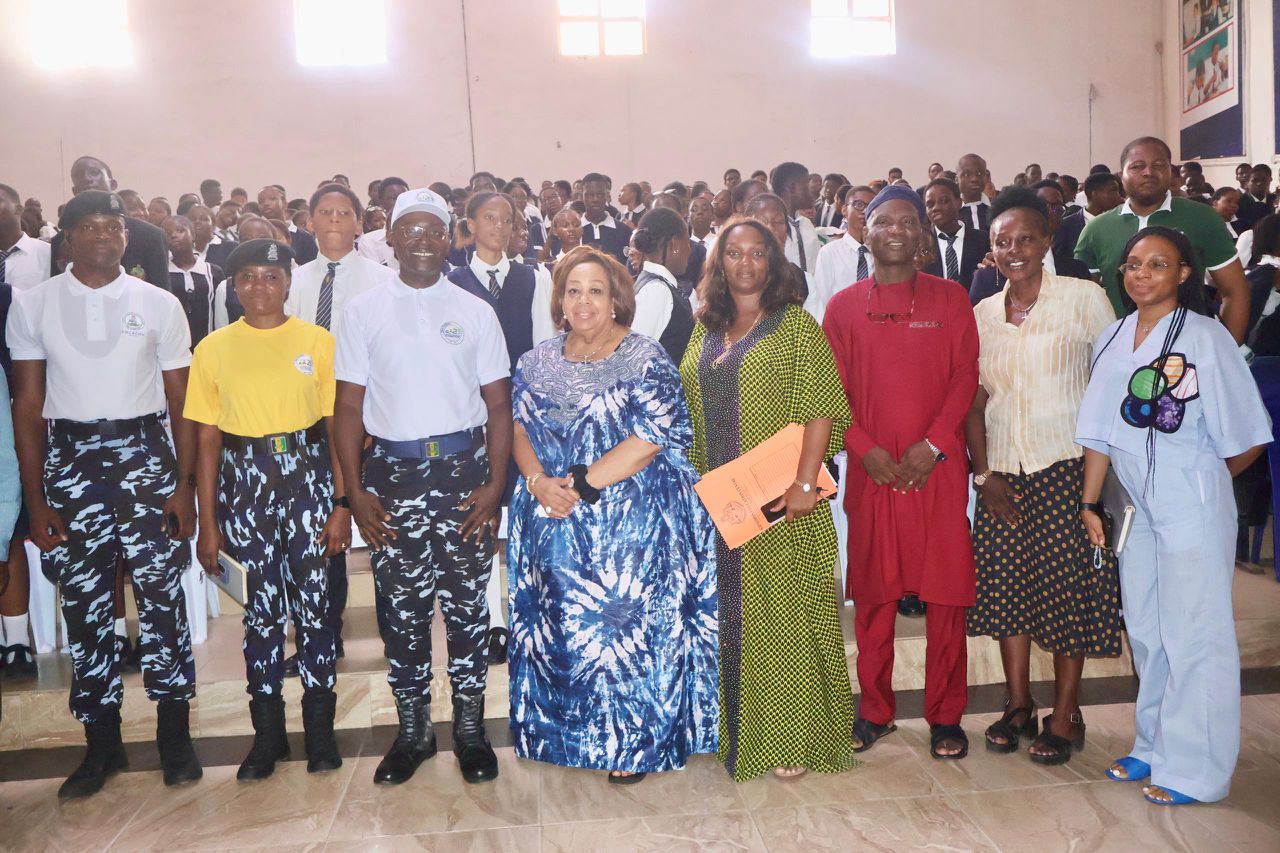
POCACOV Intensifies Sensitization on Cultism, Bullying, and Social Vices Among Students in Edo
In commemoration of the 2026 National Police Day Celebration, the Police Campaign Against Cultism and Other Vices (POCACOV), Edo State Command, has reinforced its preventive policing efforts through a targeted sensitization outreach at Igbinedion Education Centre, Benin City.
The initiative forms part of the broader activities marking this year’s National Police Day, themed “Community Partnership: Building Trust,” which emphasizes collaboration between the Nigeria Police Force and the public in fostering a safer society.
The sensitization programme witnessed the presence of key stakeholders, including the Commissioner of Police, Edo State Command, the Police Public Relations Officer, and the Edo State POCACOV Coordinator, ASP Kingsley Upeh. The team engaged students in an insightful and impactful session focused on the dangers of cultism, bullying, and other social vices prevalent among youths.
During the session, students were educated on the severe and far-reaching consequences of cult-related activities. These include violence, loss of lives, disruption of academic pursuits, and long-term damage to personal reputation and future opportunities. The speakers also highlighted how peer pressure, drug abuse, and negative social influences often serve as gateways into criminal behavior.
In an interactive segment, the Commissioner of Police stressed the legal implications of engaging in criminal acts, noting that involvement in cultism and related offences could lead to arrest, prosecution, and lifelong consequences that may hinder personal growth and career aspirations.
The issue of bullying was also extensively addressed, with emphasis on both its legal ramifications and psychological impact on victims. Students were encouraged to speak up against bullying, report incidents to school authorities or law enforcement, and support peers who may be affected.
Furthermore, the outreach underscored the importance of self-discipline, moral values, and making informed life choices. Students were urged to become ambassadors of peace within their schools and communities by rejecting violence and promoting unity and mutual respect.
The POCACOV team reiterated its commitment to continuous engagement with young people through awareness campaigns, community outreach, and strategic partnerships aimed at preventing crime before it occurs. The initiative aligns with the Nigeria Police Force’s proactive approach to policing, which prioritizes education, prevention, and community involvement.


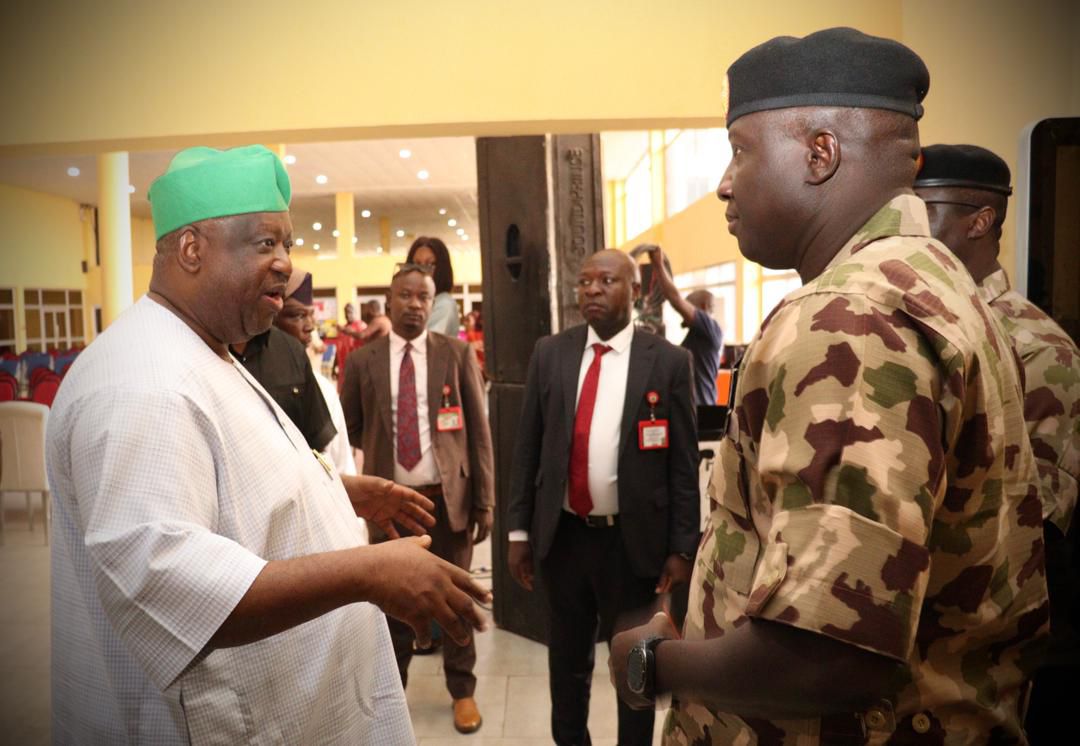
COAS Launches Nationwide Security Renewal Mission in Plateau
The Chief of Army Staff, Lieutenant General Waidi Shaibu, on Thursday led a high-level delegation of security chiefs to Plateau State, flagging off a nationwide security renewal mission aimed at strengthening civil-military cooperation and restoring lasting peace across the country.
The visit to Jos, the Plateau State capital, marks the first phase of a coordinated national effort to address persistent security challenges through joint operations, community engagement, and proactive intelligence gathering.

Governor Caleb Muftwang received the delegation, describing the initiative as a critical step toward stabilizing affected communities and reinforcing public confidence in security institutions.
Civil-Military Synergy Takes Centre Stage
At the heart of the mission is a renewed emphasis on collaboration between the military, civil authorities, and local communities. Speaking during the visit, Lt. Gen. Shaibu stressed that national security must be treated as a collective responsibility.
He urged citizens to support security agencies by remaining vigilant, sharing credible information, and complying with lawful directives, noting that effective security cannot be achieved in isolation.
Community Engagement as Confidence-Building Tool
In a departure from purely operational engagements, the Army Chief held direct consultations with community leaders and residents in Jos, reinforcing the importance of trust and dialogue in conflict resolution.
Lawmakers, including Dachung Bagos and Ladi Dangyok, commended the initiative, stating that visible engagement by top military leadership helps rebuild confidence among citizens and fosters cooperation.

Proactive Security Operations Underway
Operational updates were provided by Major General Folusho Oyinlola, who disclosed that troops under Operation Enduring Peace have intensified surveillance, intelligence-led patrols, and coordinated actions with other security agencies.
According to the Army, the approach is designed to prevent escalation of threats, safeguard lives and property, and stabilize vulnerable communities before crises emerge.
A Shift Toward Sustainable Peace
Military authorities emphasized that the Plateau visit is part of a broader, long-term strategy to transition from reactive responses to sustainable peacebuilding nationwide. The framework includes strengthening local resilience, ensuring justice, and maintaining continuous engagement with stakeholders.
Analysts view the initiative as a significant policy shift, reflecting a more inclusive security architecture that integrates community participation with military operations.
Call for National Unity
The Army leadership concluded with an appeal to Nigerians to reject divisive narratives and support ongoing efforts to promote unity and peace.
“The success of this mission depends not only on the armed forces but on the cooperation of every citizen,” the COAS stated.
The nationwide security renewal campaign is expected to extend to other regions in the coming weeks as authorities seek to consolidate gains and build a safer, more unified Nigeria.


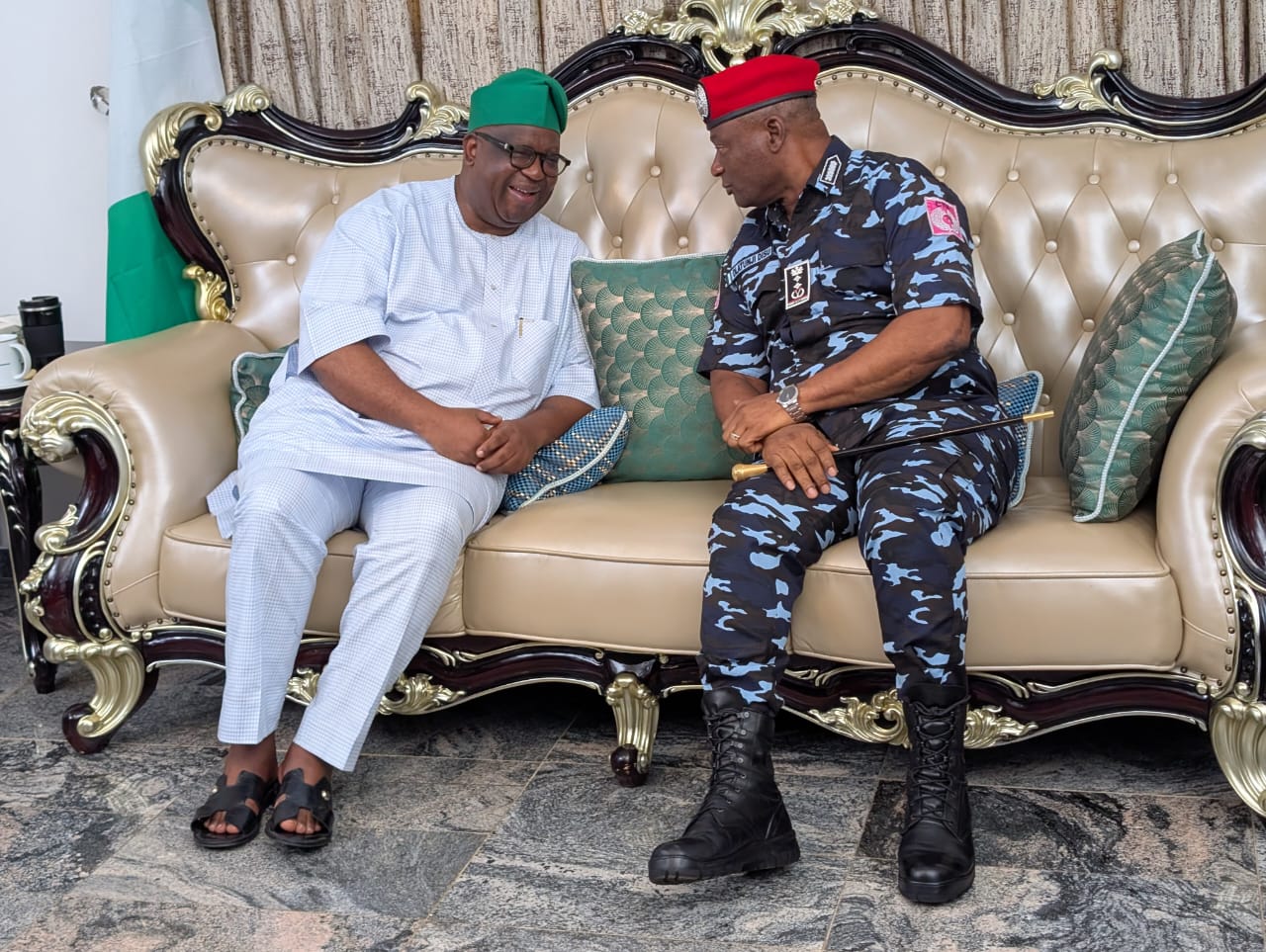
IGP Disu Visits Plateau, Orders Tactical Deployment To Reinforce Security
The Inspector General of Police, Olatunji Disu, on Thursday paid a working visit to Plateau State following recent unrest, holding strategic talks with Governor Caleb Muftwang on measures to strengthen security and prevent further disturbances.
As part of immediate steps to stabilise the situation, the police chief authorised the deployment of specialised tactical units to support officers already on ground across affected areas.
Governor Muftwang commended the swift intervention of the police leadership, praising the dedication and professionalism of security personnel working to restore calm. He also acknowledged the efforts of mobile police officers and lauded the leadership of the state’s Commissioner of Police, Bassey Ewah.
Both the Nigeria Police Force and the Plateau State Government reaffirmed their commitment to safeguarding lives and property, stressing that enhanced collaboration remains key to restoring lasting peace in Plateau State, popularly known as the Home of Peace and Tourism.


-

 society7 months ago
Religion: Africa’s Oldest Weapon of Enslavement and the Forgotten Truth
-

 news4 months ago
WHO REALLY OWNS MONIEPOINT? The $290 Million Deal That Sold Nigeria’s Top Fintech to Foreign Interests
-

 society6 months ago
“You Are Never Without Help” – Pastor Gebhardt Berndt Inspires Hope Through Empower Church (Video)
-

 celebrity radar - gossips2 months ago
Dr. Chris Okafor Returns with Power and Fire of the Spirit -Mounts Grace Nation Altar with Fresh Anointing and Restoration Grace on February 1, 2026