
society
Turning Ondo State into a Global Tourist Destination

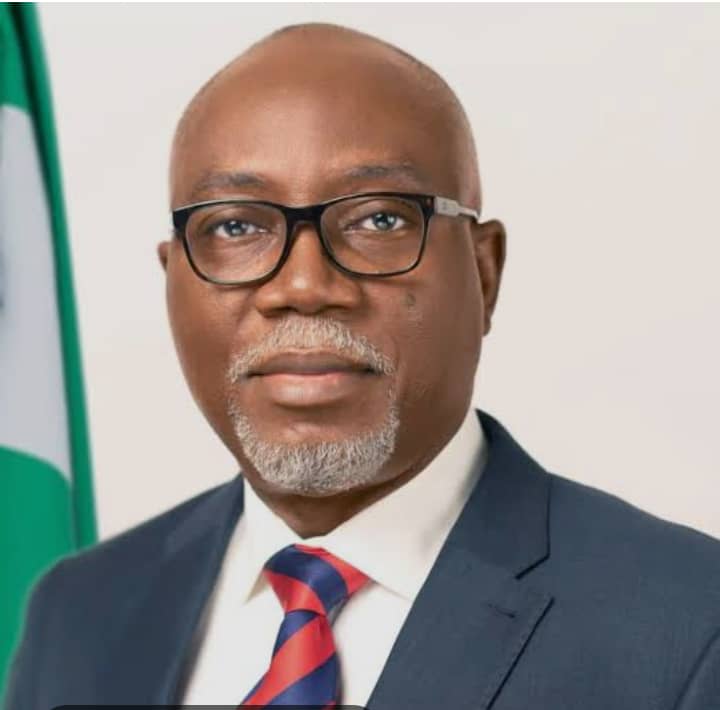
Turning Ondo State into a Global Tourist Destination
By Ayo Oyoze Baje
“We have a lot of tourist sites in the state that would help us create more jobs for our people, boost our economy, and generate revenue.
- Gov. Lucky Aiyetadiwa ( Speaking at the 9th Annual General Meeting and Conference of the Nigeria Association of Tour Operators (NATOP ), July 2025 )
That tourism remains an untapped gold mine across Nigeria’s socio-economic and cultural landscape is stating the obvious. But what might not be so known to millions of the citizens, including the policy makers are the pragmatic policies, programs and projects to serve as the right steps to take; to bridge the gap which currently exists between the immense natural potentials and the actualized revenues and inputs from the significant sector. Though the most visited destinations by international tourist arrivals in 2024 as revealed by Lewis Nunn, the Senior Travel Editor with Forbes Magazine include France with 100 million visitors, Spain with 94 million, the United States,72.4 million, Italy 69.5 million followed by Turkey with 52.6 million while the Travel industry pumped $11.1 trillion into global economy Nigeria did not rank amongst the top 10
most visited countries in Africa in 2024.
On the continent Morocco topped with 17.4 million tourists, followed by Egypt, 15.7 million; Tunisia, 10.25 million and South Africa, 8.92 million In fact, Nigeria ranked 12th with 1.2 million tourists mostly driven by diaspora visits, business, and cultural events.
While the country recorded a total of 528,000 tourists in 2022, ranking 88th in the world that figure increased to 1.2 million international visitors, and three million domestic trips equating to 20% rise in 2023. That was according to the then Minister of Tourism, Mrs. Lola Ade-John. She disclosed this during the 20th edition of the AKWAABA African Travel and Tourism Market, held in Lagos. But one state that is poised to be a game-changer in Nigeria’s tourism spectrum is none other than the acclaimed Sunshine State, Ondo located in the South-West geo-political zone.
Given its scenic, diverse landscape with the tempting terrain from the rolling hills,verdant valleys across the fertile forests to the aquatic splendor of the Atlantic ocean boasting of the longest coastline in West Africa, Ondo state is considered a prime tourism investment destination. That is more so due to its wealth of natural and cultural resources, offering an enticing opportunity for tourism investors. Name them; from the
Araromi White Sand Beach to the Idanre Hills Tourist Centre and the Ebomi Lake Tourist Centre,Obdo state has all these and more. Places such as Igbo Olodumare.
Smokin Hill Golf Resort and
Oke Maria (Christian Pilgrimage center) are spell-bing places as memorable treats for visitors from across the globe. In fact, Idanre is an ideal site for high altitude sport, training, gaming, adventure, relaxation, picnicking, leadership training and holidaying.. But how do we harness them for the state’s sustainable economic growth? That is the million-naira, sorry, dollar question.
Well aware of these huge potentials, the state governor, Lucky Aiyetadiwa has pledged that his administration was ready to maximize the tourism potentials for economic growth of the Ondo. He gave the assurance at the 9th annual general meeting and conference of the Nigeria Association of Tour Operators (NATOP), held at the International Culture and Events Centre (The Dome) in Akure, in July,2025. He acknowledged the immense contribution of tourism to the Gross Domestic Product (GDP) of any nation. Represented by his deputy, Olayide Adelami, the governor said his administration was deeply focusing on preserving the existing tourist sites in Ondo state in order to attract local and foreign tourists.
In specific term, he stated that: “Sites like the Idanre Hills, Araromi Beach, Igbo Olodumare and Ebomi Lake, among others, would soon receive attention. We will maximize our tourism potential for economic growth.”
And walking the talk on the promises made, Governor Aiyetadiwa has gone ahead to award contract based on Public Private Partnership ( PPP ) for massive construction of recreation centres as well as hotels, chalets to accommodate visitors to Idanre Hills from across the globe. It is a similar one for the Araromi Obuh at the Atlantic Bar Beach as a world tourist site. Located close to the state”s modular oil refinery with a capacity of 500,000 barrels per day, it will no doubt attract tourists. Of interest too is the springing up of several top-class hotels in places such as Akure,Ondo,Okitipupa, Ikare and Ore, that connects the South West to the South East. All these, as confirmed by the Commissioner for Information and Orientation, Idowu Ajanaku will assist to open up the cities to harness their potentials as cultural destinations.
Speaking on how Ondo state could leverage on the available tourism potentials, an indigene who happens to be the Convener, Destination Nigeria Governors’ Tourism Conference ( DNGRC ), Ambassador Ayo Omotoso insists that the state has a beautiful place in the global tourism map, that is, if properly harnessed. That is more so in the development and showcasing areas of tourist destinations, cultural spectacles and agritourism.
Describing tourism as universal and a tool to create wealth; which contributes to the nation”s GDP he believes that Ondo state in particular and Nigeria at large have what it takes to be reckoned with as places such as Malaysia, Jordan, Scandinavian countries, South Africa, Jerusalem, Mecca, and Dubai, all of which earn huge incomes from tourism.
According to him, the tourism template of Ondo State is worth 29 billion dollars and can generate employment for one million youths. The major tourism signature among them is Idanre Hills, which is 3,000 ft. above sea level and is listed on a UNESCO heritage site. He wants it to be properly marketed around the scenic beauty of the hilly town of Idanre, celebrating nature’s gift and providing a viable destination for tourists.
Similarly, Oke Maria is a religious destination waiting for branding and other tourism embellishments
similar to how Israel sells major religious tourist centres, including Jerusalem to the rest of the world.
On the cultural attractions of Ondo state there are colorful ones like the Igogo festival which is already on the world’s tourism map as well as the Eginmogun Festival.
Notably, the eco-tourism potential ranges from mineral resources to the beach coastline. The coastal area development too will generate funds similar to what happens in Florida, in the United States flourishes through tourism.
On agritourism the idea of Ile-Oluji Cocoa Powder, a tea with a good natural taste is a welcome development. With it the people can mix it with a tourism as it is done in Kenya and many East African countries. .Farmers and ranchers use this interest to develop traffic at their farms or ranch and interest in the quality of their products.
Tourism, as Omotoso views it is like a flame that once you light it, it brings development to the whole geographical space. Good enough, Gov. Aiyetadiwa is lightening up the space by the partnership the state has with the World Bank, Federal Ministry of Agriculture, and Food Security, to train and empower over 34,000 livestock farmers of the state on livestock productivity. It also has one with the Czech Republic for a strategic diplomatic engagement aimed at enhancing economic growth, technological transfer, and international cooperation, involving global investors and entrepreneurs, aimed at unlocking the state’s vast economic potentials.
With massive infrastructural development opening up the tourist destinations down to the rural areas and peace guaranteed the dream of turning Ondo state into a global destination has started to see the light of the day. flame; the moment you light it, it brings development to the whole geographical space. Good enough, Gov. Aiyetadiwa is lightening up the space by the partnership the state has with the World Bank, Federal Ministry of Agriculture, and Food Security, to train and empower over 34,000 livestock farmers of the state on livestock productivity. And of course, that with the Czech Republic for a strategic diplomatic engagement aimed at enhancing economic growth, technological transfer, and international cooperation, involving global investors and entrepreneurs, aimed at unlocking the state’s vast economic potentials.
With massive infrastructural development opening up the tourist destinations, down to the rural areas and peace guaranteed the dream of turning Ondo state into a global destination has started to see the light of the day.




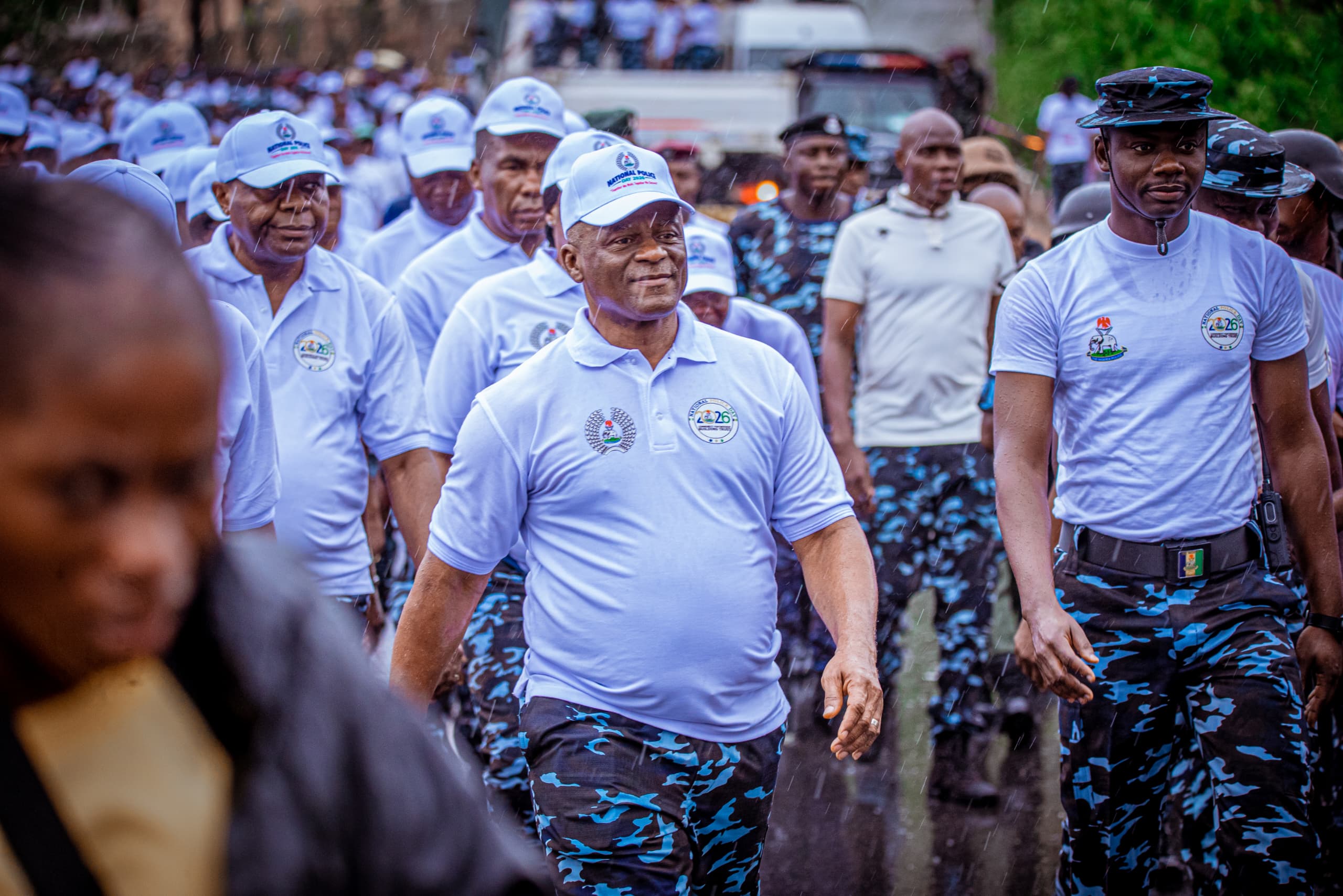
Police Day 2026: IGP Disu Leads Nationwide Walkathon To Strengthen Community Trust
The Inspector-General of Police, Olatunji Disu, on Tuesday led the management team, alongside officers and personnel of the Nigeria Police Force, in a nationwide walkathon to commemorate the 2026 National Police Day.
The event, held across state capitals and the Federal Capital Territory, formed part of activities marking Day Two of the annual celebration, themed “Community Partnership: Building Trust.”
The symbolic exercise, which drew participation from both police personnel and members of the public, was aimed at showcasing unity, discipline, and a renewed commitment to community policing and public safety.
According to the Force leadership, the walkathon underscores the Nigeria Police Force’s resolve to strengthen public trust, deepen engagement with citizens, and enhance collaboration in tackling security challenges across the country.
Participants described the initiative as a practical step toward bridging the gap between law enforcement and the communities they serve, while also promoting physical fitness and mental well-being among officers and civilians alike.
With the theme reflecting a shared responsibility for safety, the Police reiterated that sustainable security can only be achieved through active partnership with the public.
The event concluded with a renewed call for collective action under the banner: “Together We Walk, Together We Secure,” emphasizing unity of purpose in building a safer and more secure society for all Nigerians.


society
Dr. Chris Okafor invokes divine retribution upon individuals blackmailing the Grace Nation church

Dr. Chris Okafor invokes divine retribution upon individuals blackmailing the Grace Nation church
… Affirming God’s omnipotence to unveil malicious schemes.
To be frank, the ability of Doris Ogala and her associates to withstand the arduous challenges set by Senior Pastor Dr. Chris Okafor of Grace Nation Global at the culmination of the Harvest of Babies 2026 conference, the church’s flagship event, continues to elude me.
It’s advisable not to offend a powerful spiritual leader like Prophet Chris Okafor to avoid potential consequences, as seen in the situation with Doris Ogala, who was rebuked by the prophet; can she rectify the situation through confession?
Insiders close to the man of God claim that despite relentless online bullying and blackmailing, the Generational Prophet remains resolute, stating that God’s power has been evident throughout the commission’s existence. The reason for this wonderful statement is found in the scriptures, “Upon this rock I shall build my Church, and the gates of hell shall not prevail.” The more falsehoods are spread about the church and its leader, the more God elevates the church and propels him to greater heights, he asserted. He emphasized that blessings and fruitfulness are antidotes to curses, noting that God continues to bestow blessings upon the church, including miracles and the gift of children, which is one reason for the grand finale of the annual family liberation program, The Harvest of Babies.
However, the man of God issued a curse on each person speaking ill of the church, blackmailing, and uttering all sorts of falsehoods against the church, declaring that if they refused to repent within a few days, the earth would swallow them and their family members, stating that they would be of no use to themselves, their families, or society at large.
The spiritual leader cautions his followers to beware of such individuals including Doris Ogala who may taint their faith, and urges them to treat these persons as emissaries of the devil, avoiding them altogether.
Recall that the 2026 harvest of babies concluded with a remarkable birth of a miracle baby boy to a woman on the third day of the conference, accompanied by the dedication of several other miracle babies, all to the glory of God.
Christopher Sunday David writes from
Austria
“Together We Walk, Together We Secure”: Police Launch 2026 Walkathon In Abuja
The Nigeria Police Force has announced plans to host a walkathon in commemoration of the 2026 National Police Day, aimed at promoting unity, peace, and stronger community partnership.
The event is scheduled to take place on Tuesday, March 31, 2026, with participants expected to converge at the Force Headquarters Abuja by 6:00 a.m., where the walk will commence.
According to the organisers, the walkathon is designed to bring together members of the public, stakeholders, and security personnel in a show of solidarity and shared commitment to national security.
With the theme, “Together we walk, together we secure,” the initiative underscores the importance of collaboration between the police and citizens in maintaining peace and safety across the country.
Members of the public have been encouraged to participate in the exercise, which forms part of activities lined up to mark this year’s National Police Day celebration.
It is believed that the walkathon would not only foster closer ties between the police and the communities but also serve as a platform to promote awareness on collective responsibility in ensuring a safer society.


-

 society6 months ago
Religion: Africa’s Oldest Weapon of Enslavement and the Forgotten Truth
-

 news4 months ago
WHO REALLY OWNS MONIEPOINT? The $290 Million Deal That Sold Nigeria’s Top Fintech to Foreign Interests
-

 society6 months ago
“You Are Never Without Help” – Pastor Gebhardt Berndt Inspires Hope Through Empower Church (Video)
-

 celebrity radar - gossips2 months ago
Dr. Chris Okafor Returns with Power and Fire of the Spirit -Mounts Grace Nation Altar with Fresh Anointing and Restoration Grace on February 1, 2026