
society
When Order Clashes with Authority: The Stand-Off in Gaduwa

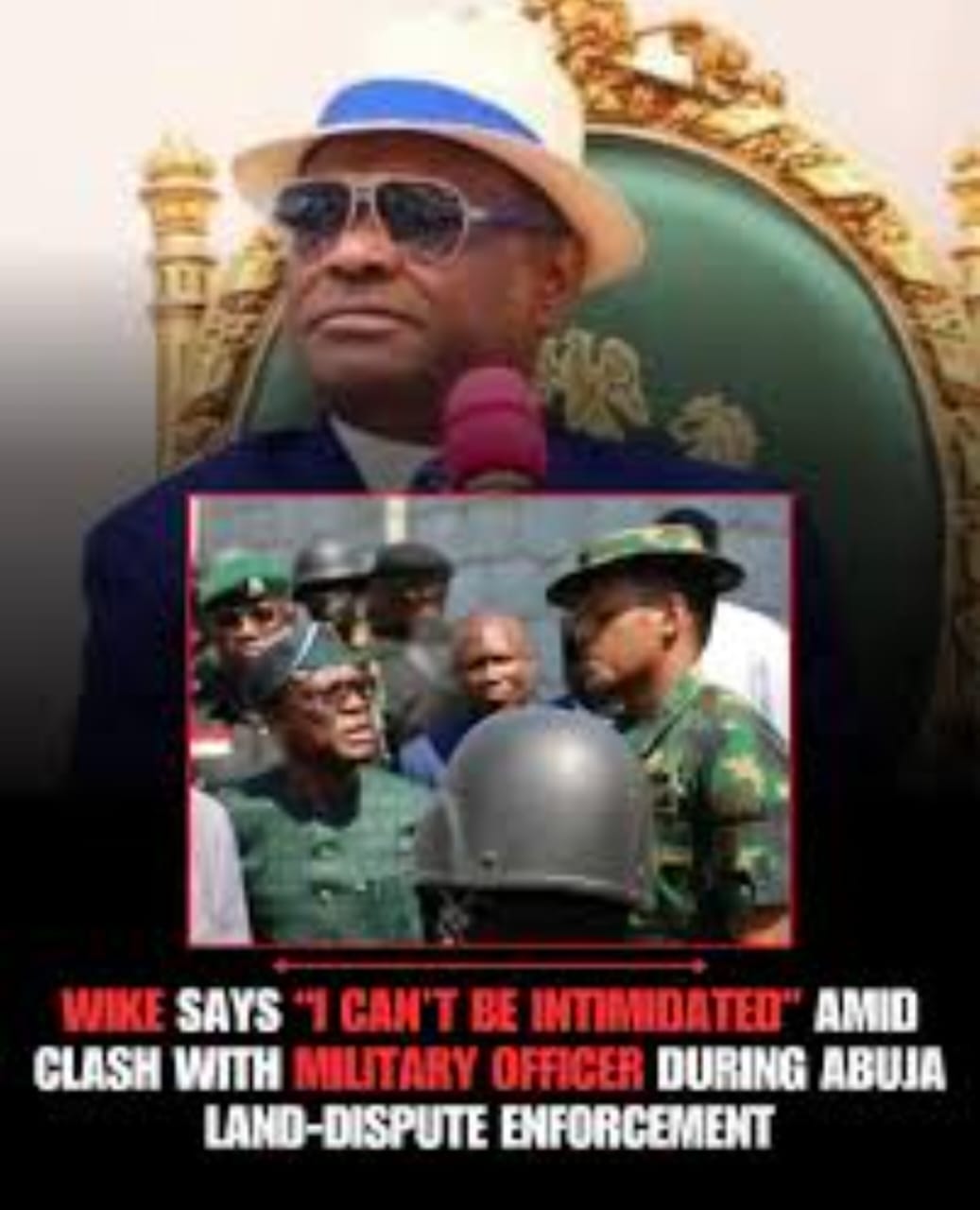
When Order Clashes with Authority: The Stand-Off in Gaduwa.
By George Omagbemi Sylvester | Published by SaharaWeeklyNG.com
A Navy Lieutenant’s Moment of Integrity Against Minister Wike’s Overreach.
On Tuesday, in the dusty environs of Gaduwa District, Abuja, an incident unfolded that speaks volumes about the fault lines in Nigeria’s power architecture; between political office, military command, land-use law and impunity. The confrontation between a naval officer and Nyesom Wike, the Minister of the Federal Capital Territory (FCT), was more than a quarrel. It was a mirror held up to a system where uniforms and titles often overshadow legal accountability.

According to multiple reports, Wike arrived with his entourage and FCT field agents at a parcel of land designated Plot 1946. The plot is said to belong to retired Vice-Admiral Awwal Zubairu Gambo (ex–Chief of Naval Staff). The minister and his team were pressing for inspection and possible demolition of structures believed to be illegally developed in a buffer zone of the FCT master plan.
As the minister’s team attempted access, they were blocked by uniformed officers of the Nigerian Navy. A heated verbal encounter ensued between Wike and a naval officer (identified in one report as Lieutenant AM Yarima) who insisted they had “VALID DOCUMENTS” for the land; Wike scoffed, challenged the documents and refused to yield to the uniformed men’s presence.
At one juncture, Wike shouted: “You cannot use soldiers to intimidate government officials doing their job. This country cannot continue this way.”
The officer retorted, “I am an officer. I have integrity.” Wike’s response: “Shut up your mouth! Who does that? You are a big fool!” The officer maintained: “I am not a fool sir. I am acting on orders and I am a commissioned officer.”
What happened that day is ripe for analysis (not merely as a dramatic video on social media) but as an emblem of deeper structural dysfunction: land-grabbing, military impunity, politicised oversight and the erosion of rule of law.
Power, Uniform and the Rule of Law. First, let us be clear, the presence of uniformed naval officers in civilian land-use operations raises immediate questions. The military is not meant to operate as the muscle arm of land allocation or private development. When the minister demanded documentary proof of the officers’ claims, he was doing no more than insisting the law apply equally, regardless of rank. It is an axiom of good governance that “no one is above the law.”
A former UN expert on governance has written that “accountability becomes hollow if the symbols of power are exempt from legal scrutiny.” In other words: a uniform ought not to confer immunity. The officer’s invocation of “ORDERS” is the classic defence, but orders are meant to be lawful and legality cannot be assumed merely because someone holds a gun.

Wike, often combative by reputation, nonetheless tapped into a critical point: if law enforcement, urban management or land-allocation become hostage to uniformed intimidation, the public authority of civil offices is hollowed out. And when the armed forces are seen to be aligned implicitly with private interests (especially in land-rich Abuja) that signals a dangerous slide.
The Land Question: Abuja, Buffer Zones and the Master Plan. The purported land in question (Plot 1946 in Gaduwa) is described by reporting outlets as falling within a buffer zone designated by the Development and Control arm of the FCT Administration (FCTA) for non-development or restricted use.
If indeed part of a buffer zone, the claim of “LEGAL ACQUISITION” by the navy officer or the retired Chief of Naval Staff must be scrutinised thoroughly.
What we have here is the familiar Nigerian pattern: high-ranking officials or retired officers using title or influence to grab land, often in the name of “OFFICERS’ ACCOMMODATION” or similar. In many cases, civil regulators are ineffective or intimidated. The fact that the minister had to lead the push for field inspection signals systemic weakness.
The land sector in Nigeria has long been plagued by “symbiotic collusion between the state and the military/retired elites” in which the state grants belts of land, often without proper due process, to military insiders. That model undermines confidence in the system, invites rent-seeking and sharpens inequality: the uniformed class often enjoys privileges that citizens cannot access.
The Symbolism of the Confrontation. Why was this incident significant? Because it is a moment of symbolic clarity.
A naval officer refusing to stand down before a minister on a matter of land use is not merely insubordinate—it subverts the chain of accountability.
A minister demanding documentation and invoking “the government must function according to law” highlights the threat when state institutions become hostage to parallel structures of power.

The public nature of the exchange amplifies distrust. When citizens see uniforms deployed around private plots rather than national security, the social contract frays.
As governance scholar Joseph Stiglitz once observed: “When power is unchecked, it becomes the enemy of the people it is supposed to serve.” This stand-off played out like a microcosm of that truth.
The Broader Questions for Nigeria.
This incident begs some deeper questions:
Who serves whom? If a retired Chief of Naval Staff can claim land with officer-backed enforcement, where is the boundary between public office and private privilege?
What happens when the military is used for non-military tasks? Land allocation, demolition, buffer-zone patrols, all fall under civil regulation. Militarising them blurs lines of accountability.
What about the rule of law? Wike insisted: “You cannot use soldiers to intimidate government officials doing their job. This country cannot continue this way.”
SaharaWeeklyNG.com
If the FCT minister himself is being challenged in the field, what hope does the ordinary citizen have when confronting land-grabs or property infractions?
What does this signal to investors and residents? Abuja’s brand appeal depends on predictable land-use planning and enforcement. When buffer zones are breached and enforcement used selectively, the market and public faith suffer.
A Call for Institutional Reform. This episode should serve as a clarion call for reform not merely verbal grandstanding.
Clear delineation of roles: The military should not be deployed to enforce land-use or act as private bodyguards for land holders. Civil authorities must handle EVICTION, DEMOLITION, INSPECTION.
Transparent land-allocation records: The FCT Administration must publish all allocations, buffer-zone designations and the status of each parcel. Citizens must have sight of documents said to exist.
Independent oversight of land tenure: A civilian-led tribunal with authority to adjudicate disputes between municipality and military/retired elites could help restore confidence.
Accountability for abuses of power: When an officer refuses to comply with a minister’s lawful instruction (supported by statute and regulation), there must be consequences. As scholars argue, “power without accountability is tyranny dressed in uniform.”
Culture of integrity in the armed forces: The naval officer insisted “I have integrity.” But integrity alone is insufficient when it is not tied to transparency of acquisition. As scholar Francis Fukuyama puts it: “Institutions matter more than individuals, because they insulate society from the whims of powerful men.”
Closing Reflections. On that dusty Tuesday in Gaduwa, we witnessed not simply a spat between minister and naval officer; but a crucible for principles: legality versus privilege, civil oversight versus military intimidation, public service versus private entitlement. That a naval lieutenant (or an officer of whatever rank) dared to stand his ground against the FCT minister underscores how entrenched the problem has become: power bypassing process, rank discounting regulation.
As the minister thundered: “Even if you are a lieutenant general or vice admiral, it means nothing. The government must function according to law.”
SaharaWeeklyNG.com
That statement must not be reduced to rhetoric. It must become policy.
For Nigeria to mature as a state where citizens believe in the rule of law, where military service does not confer land-privilege, where ministers are not blocked by uniforms in the field, this incident must be more than viral footage. It must be a turning point.
The uniform is supposed to protect the nation (not encroach on public authority. The office-holder is supposed to enforce the law) not bend before muscle. The citizen is supposed to live in a system where justice is blind to rank. Let this episode serve as an uncomfortable but necessary mirror.
And let those watching ask: in a land where a Navy lieutenant can challenge a minister, who then safeguards the citizen from power imbalances? Until the institutions align, this will remain not a standout event, but an example of why governance in Nigeria still tilts toward the powerful rather than the just.
George Omagbemi Sylvester
SaharaWeeklyNG.com





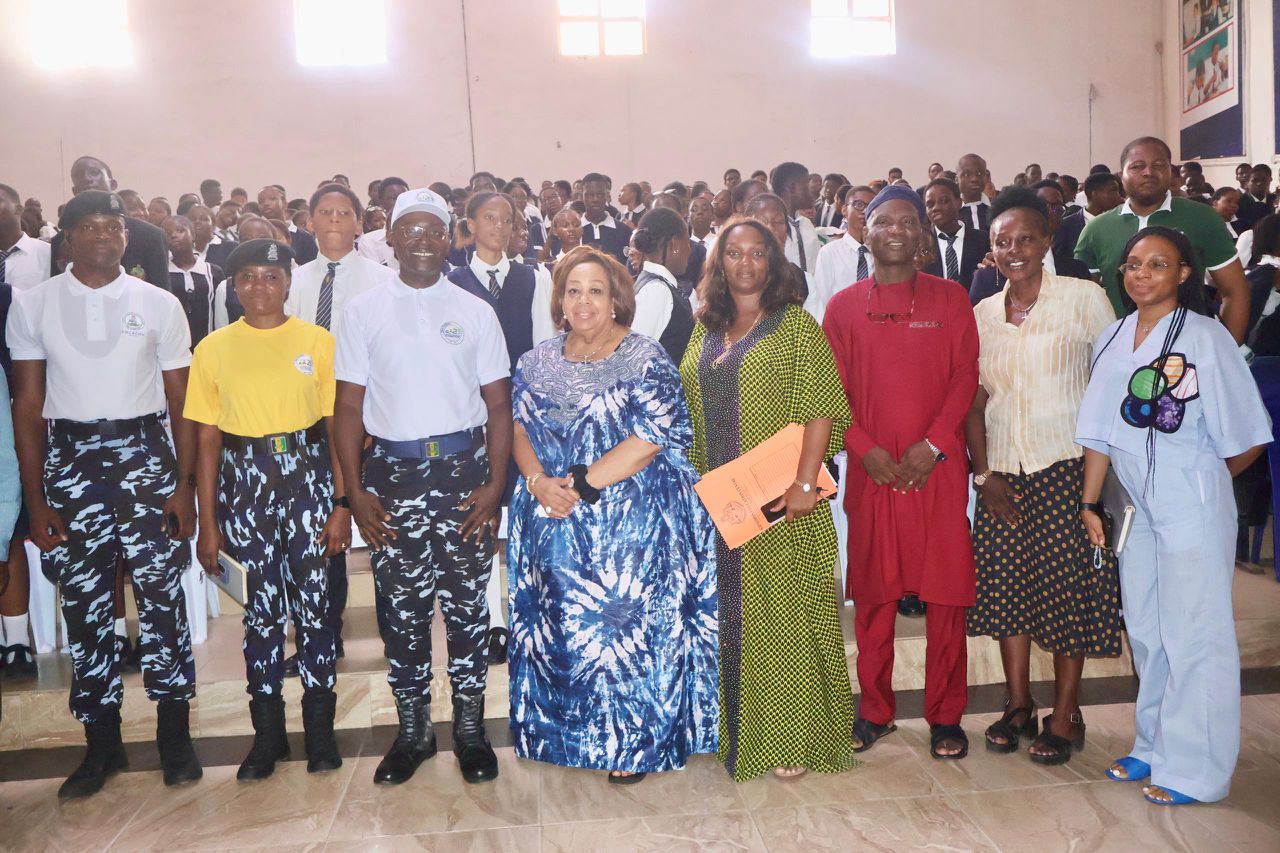
POCACOV Intensifies Sensitization on Cultism, Bullying, and Social Vices Among Students in Edo
In commemoration of the 2026 National Police Day Celebration, the Police Campaign Against Cultism and Other Vices (POCACOV), Edo State Command, has reinforced its preventive policing efforts through a targeted sensitization outreach at Igbinedion Education Centre, Benin City.
The initiative forms part of the broader activities marking this year’s National Police Day, themed “Community Partnership: Building Trust,” which emphasizes collaboration between the Nigeria Police Force and the public in fostering a safer society.
The sensitization programme witnessed the presence of key stakeholders, including the Commissioner of Police, Edo State Command, the Police Public Relations Officer, and the Edo State POCACOV Coordinator, ASP Kingsley Upeh. The team engaged students in an insightful and impactful session focused on the dangers of cultism, bullying, and other social vices prevalent among youths.
During the session, students were educated on the severe and far-reaching consequences of cult-related activities. These include violence, loss of lives, disruption of academic pursuits, and long-term damage to personal reputation and future opportunities. The speakers also highlighted how peer pressure, drug abuse, and negative social influences often serve as gateways into criminal behavior.
In an interactive segment, the Commissioner of Police stressed the legal implications of engaging in criminal acts, noting that involvement in cultism and related offences could lead to arrest, prosecution, and lifelong consequences that may hinder personal growth and career aspirations.
The issue of bullying was also extensively addressed, with emphasis on both its legal ramifications and psychological impact on victims. Students were encouraged to speak up against bullying, report incidents to school authorities or law enforcement, and support peers who may be affected.
Furthermore, the outreach underscored the importance of self-discipline, moral values, and making informed life choices. Students were urged to become ambassadors of peace within their schools and communities by rejecting violence and promoting unity and mutual respect.
The POCACOV team reiterated its commitment to continuous engagement with young people through awareness campaigns, community outreach, and strategic partnerships aimed at preventing crime before it occurs. The initiative aligns with the Nigeria Police Force’s proactive approach to policing, which prioritizes education, prevention, and community involvement.


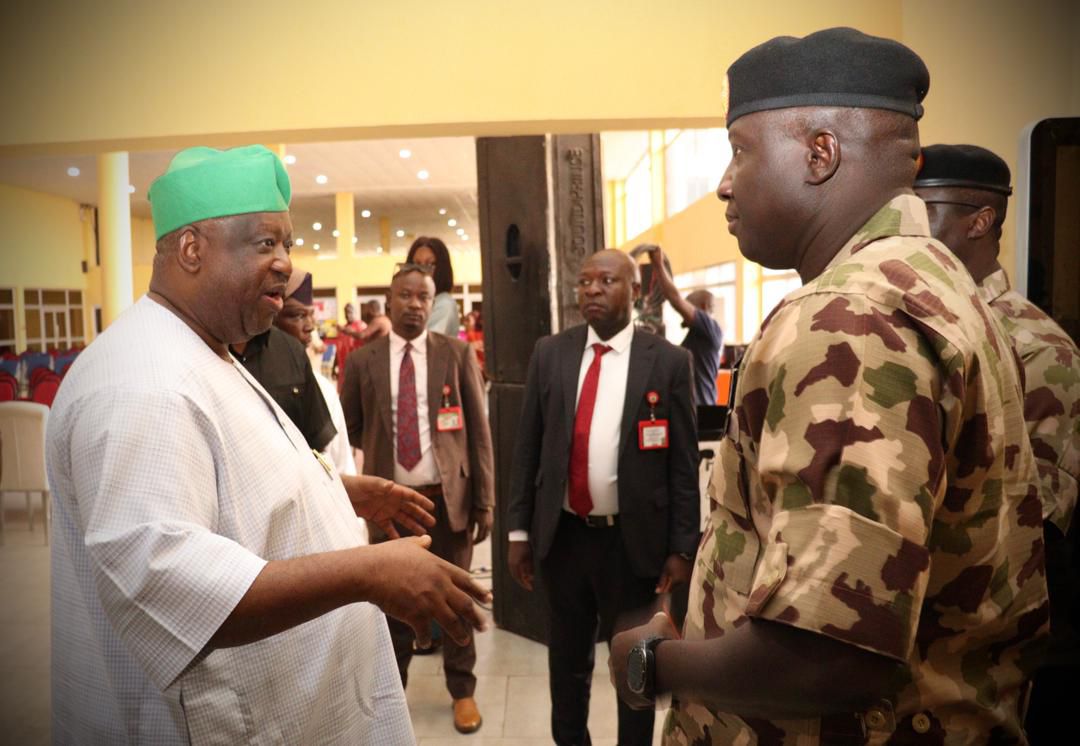
COAS Launches Nationwide Security Renewal Mission in Plateau
The Chief of Army Staff, Lieutenant General Waidi Shaibu, on Thursday led a high-level delegation of security chiefs to Plateau State, flagging off a nationwide security renewal mission aimed at strengthening civil-military cooperation and restoring lasting peace across the country.
The visit to Jos, the Plateau State capital, marks the first phase of a coordinated national effort to address persistent security challenges through joint operations, community engagement, and proactive intelligence gathering.

Governor Caleb Muftwang received the delegation, describing the initiative as a critical step toward stabilizing affected communities and reinforcing public confidence in security institutions.
Civil-Military Synergy Takes Centre Stage
At the heart of the mission is a renewed emphasis on collaboration between the military, civil authorities, and local communities. Speaking during the visit, Lt. Gen. Shaibu stressed that national security must be treated as a collective responsibility.
He urged citizens to support security agencies by remaining vigilant, sharing credible information, and complying with lawful directives, noting that effective security cannot be achieved in isolation.
Community Engagement as Confidence-Building Tool
In a departure from purely operational engagements, the Army Chief held direct consultations with community leaders and residents in Jos, reinforcing the importance of trust and dialogue in conflict resolution.
Lawmakers, including Dachung Bagos and Ladi Dangyok, commended the initiative, stating that visible engagement by top military leadership helps rebuild confidence among citizens and fosters cooperation.

Proactive Security Operations Underway
Operational updates were provided by Major General Folusho Oyinlola, who disclosed that troops under Operation Enduring Peace have intensified surveillance, intelligence-led patrols, and coordinated actions with other security agencies.
According to the Army, the approach is designed to prevent escalation of threats, safeguard lives and property, and stabilize vulnerable communities before crises emerge.
A Shift Toward Sustainable Peace
Military authorities emphasized that the Plateau visit is part of a broader, long-term strategy to transition from reactive responses to sustainable peacebuilding nationwide. The framework includes strengthening local resilience, ensuring justice, and maintaining continuous engagement with stakeholders.
Analysts view the initiative as a significant policy shift, reflecting a more inclusive security architecture that integrates community participation with military operations.
Call for National Unity
The Army leadership concluded with an appeal to Nigerians to reject divisive narratives and support ongoing efforts to promote unity and peace.
“The success of this mission depends not only on the armed forces but on the cooperation of every citizen,” the COAS stated.
The nationwide security renewal campaign is expected to extend to other regions in the coming weeks as authorities seek to consolidate gains and build a safer, more unified Nigeria.


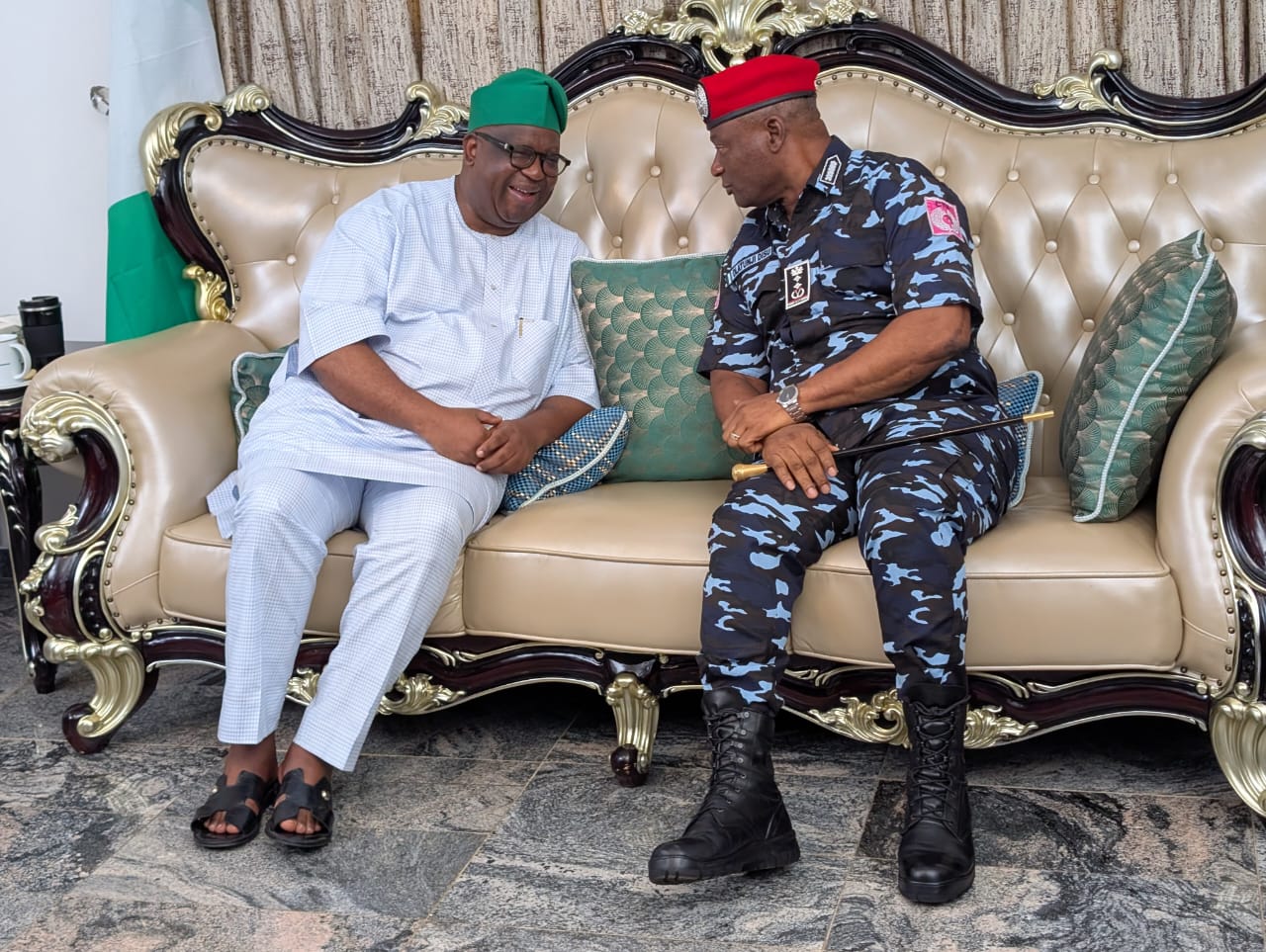
IGP Disu Visits Plateau, Orders Tactical Deployment To Reinforce Security
The Inspector General of Police, Olatunji Disu, on Thursday paid a working visit to Plateau State following recent unrest, holding strategic talks with Governor Caleb Muftwang on measures to strengthen security and prevent further disturbances.
As part of immediate steps to stabilise the situation, the police chief authorised the deployment of specialised tactical units to support officers already on ground across affected areas.
Governor Muftwang commended the swift intervention of the police leadership, praising the dedication and professionalism of security personnel working to restore calm. He also acknowledged the efforts of mobile police officers and lauded the leadership of the state’s Commissioner of Police, Bassey Ewah.
Both the Nigeria Police Force and the Plateau State Government reaffirmed their commitment to safeguarding lives and property, stressing that enhanced collaboration remains key to restoring lasting peace in Plateau State, popularly known as the Home of Peace and Tourism.


-

 society7 months ago
Religion: Africa’s Oldest Weapon of Enslavement and the Forgotten Truth
-

 news4 months ago
WHO REALLY OWNS MONIEPOINT? The $290 Million Deal That Sold Nigeria’s Top Fintech to Foreign Interests
-

 society6 months ago
“You Are Never Without Help” – Pastor Gebhardt Berndt Inspires Hope Through Empower Church (Video)
-

 celebrity radar - gossips2 months ago
Dr. Chris Okafor Returns with Power and Fire of the Spirit -Mounts Grace Nation Altar with Fresh Anointing and Restoration Grace on February 1, 2026