
Fashion/Lifestyle
Who is CNN running dirty errands in Nigeria for ?


By Thomas Uzah
The Cable Network News (CNN) is still existing in the past in today’s globalized satellite and digital Television world. Some 20 years back, CNN monopolized the awful digital news dissemination and it was the cynosure of every eye anywhere in the world, its signals perched.

An unfazed and comfortable, CNN fed the world with fake news, recycling same news items hourly up to 24 hours or beyond, but still flagging its screens, suspiciously as “CNN Live” broadcast of the news. Its gingered eagerness in listeners and viewers, who profusely eulogized the medium of reeling out news events on-the-spot.
Then, the world was at its dawn of digital broadcasting technology and CNN capitalized on it to spread its corporate falsehood to the world excited with odd news. But the world has transcended such insularity in digital broadcasting and the media generally.
There are too many competitors in the digital broadcasting industry today. I can conveniently guess; CNN now pleads to catch up the pace in the digital broadcasting industry and reportage globally.
In America, its place of domiciliary, I am told President Donald Trump hates CNN with a passion, including their reporters or correspondents covering the White House. Most times, Mr. President goes naught in near fisticuffs with its reporters for their mastery of churning out fake news.
President Trump is fatally a blunt person who does not conceal his feelings on anything he opposes. It doesn’t mean, I cherish the personage in Trump. He has his foibles as a leader. But at least, lets concede his brutal frankness on CNN as commercialized vendors of global fake news. They are like Nigeria’s Glo, one of the telecoms which has an attractive product advertising slogan, “Pay As You Go!” It’s fantastic, but that’s okay!
CNN’s dubious reportage and barefaced abuse of professional ethics in the past has caused tragic outcomes to the world. It has also diminished public believability in its news contents. Whilst there is a plethora of examples, let me dwell on the invasion of Iraq by American and allied forces in 2003, which CNN provided resourcefully concocted news on fictious existence of weapons of mass destruction that almost pushed the world into an unexpected third World War.
A report on CNN’s website dated September 4, 2002, showcased a lethal deceit of the then American President George W. Bush that Iraqi President Saddam Hussein secretly stockpiled chemical and biological weapons, he plans to use in the event the U.S unleashes a surprise military attack on the country.
Quoting various sources, the CNN campaigned that “Iraq has tons of chemical weapons.” The presumptive report triggered U.S pre-emptive military strike on Iraq in March 2003 with allied forces. The intent was to destroy the concealed weapons of Mass Destruction by Iraqi’s Saddam Hussein to terminate his brutal and dictatorial leadership.
Nicely sad, after America’s destruction of Iraq and ruination of the obnoxious regime of Saddam Hussein, CNN’s claims turned out to be a ruse, much after the deed had been regretfully committed. It was the height of media treachery and abuse of professional public obligation as exhibited by CNN
The America’s Council on Foreign Relations (CFR) would later publish an official report which read in part; “The Bush administration concedes its pre-war arguments about extensive stockpiles of chemical, biological, and even nuclear weaponry in Saddam Hussein’s Iraq appear to have been mistaken. In January 2004, David Kay, the former top U.S. weapons inspector, tells Congress: ‘We were almost wrong.”
History has a way of repeating itself. The CNN has officially shifted the battleground to Nigeria’s Lekki Toll Gate incident. In my estimation, the foreign cable network has replaced a weakened Amnesty International’s (AI) on promotion of odious lies and fabricated stories on Nigeria.
Therefore, on November 17, 2020, the CNN screamed that “…Soldiers killed youths in Lekki…, ” in reference to the #EndSARS alleged shooting of defenceless protesters at the Lekki Toll Gate by soldiers of the Nigerian Army. Had CNN any trace of reputation or credibility, one would have been tempted to endorse what they have branded as “investigative report.”
CNN correspondents were nowhere near the scene of the incident at Lekki on October 20, 2020. Fortunately, BBC’s Lagos correspondent Damilola Banjo and her editor witnessed the encounter of the #EndSARS protester with soldiers at the Lekki Toll Gate live. And a previous verdict delivered by the BBC reporters have plainly contradicted and obliterated whatever lies, CNN, the obviously contracted news merchants have repackaged and peddled to the world.
BBC’s Lagos correspondent, Banjo, who covered the protests at that point, narrated the contentious aspect of the encounter between the protesters and soldiers in these words; “The sight of the Army got the protesters angry and agitated…I was there with my editor and we saw the Army open fire; of course, not on the protesters, but in the air.”
So, the rejigged CNN’s report on the Lekki Toll Gate shootings is weakened by its own facts. It is infused with a heavy dosage of local partisan contents, from same narrators who previously screamed, but could not advance any modicum of evidence. CNN claimed soldiers massacred people at Lekki, but the report, only identified one Victor Sunday Ibanga, 24, Wisdom Okon, 18, and probably, a third very vague person, in spite of the enormous energy invested in it, with a deluge of correspondents.
At different points in CNN’s narrations, it is difficult to ascertain whether the allegations of shooting and killings at Lekki were done by soldiers or the police. And despite the evident violence, killings, destructions and reports of rape of women by the protesters, CNN’s imaginations betrayed its evil motive;
“There were peaceful marches, candlelight vigils, multi-faith prayer sessions and DJ performances that attracted backing and solidarity from celebrities, the Nigerian diaspora and supporters around the world. The movement quickly widened beyond police brutality to other grievances — capturing the frustrations of a young population demanding an end to bad governance in the oil-rich country.”
And I sensed the desperation of CNN and their paymasters to implicate the Army at all cost. The cable network, claimed an eyewitness, named Sarah, whose second name they withheld, informed CNN that “They pointed their guns at us and they started shooting…They were shooting in the air, they were shooting at us, they were shooting everywhere.” Who else did the random shootings kill? Which account of the narrations is now authentic and believable?
CNN also propagated that “In several of the videos, reviewed and verified by CNN, some of the protesters can be seen carrying bodies… It is not known whether these were dead or injured protesters.” So, the dead bodied conveyed by the protesters too cannot be located in any mortuary or the protesters dumped them in the Lagoon?
Is that what CNN wants the whole world to believe? I am wondering what motivations could push a foreign news medium to deliberately contradict itself in such barbaric manner. CNN has reduced itself into an odious errand boy for whose interest in Nigeria?
Nigerians should patiently wait for truth on this too! CNN has sold its integrity and conscience decades back. It is now incontrovertible that the true motive of this medium is to trigger the kind of war its false report generated in Iraq and has continued to inflict pains on Iraqis till date. I am convinced, it is about western influence on Nigeria through foreign agents of destabilization. It is CNN’s revival of its historic missteps in Iraq, which is re-dramatized in Nigeria’s Lekki Toll Gate shootings.
Nigerians must be wise! CNN is suspiciously running destructive errands with the intention of assisting those who intends to destroy Nigeria by spinning falsehood to discredit the Military and the Federal Government. The plot is to cause large scale crises to destabilize the country. By my reckoning, CNN’s likely clients to benefit from the planned mess of Nigeria would probably be, the arms sellers, crisis-entrepreneurs and terrorists sponsors. But we shall defeat them.
Uzah PhD is head of mass communication department, Kwararafa University Wukari.




Fashion/Lifestyle
Introducing “Atupaglowco” : Where Fragrance Meets Feeling; The Story of Our Beginning
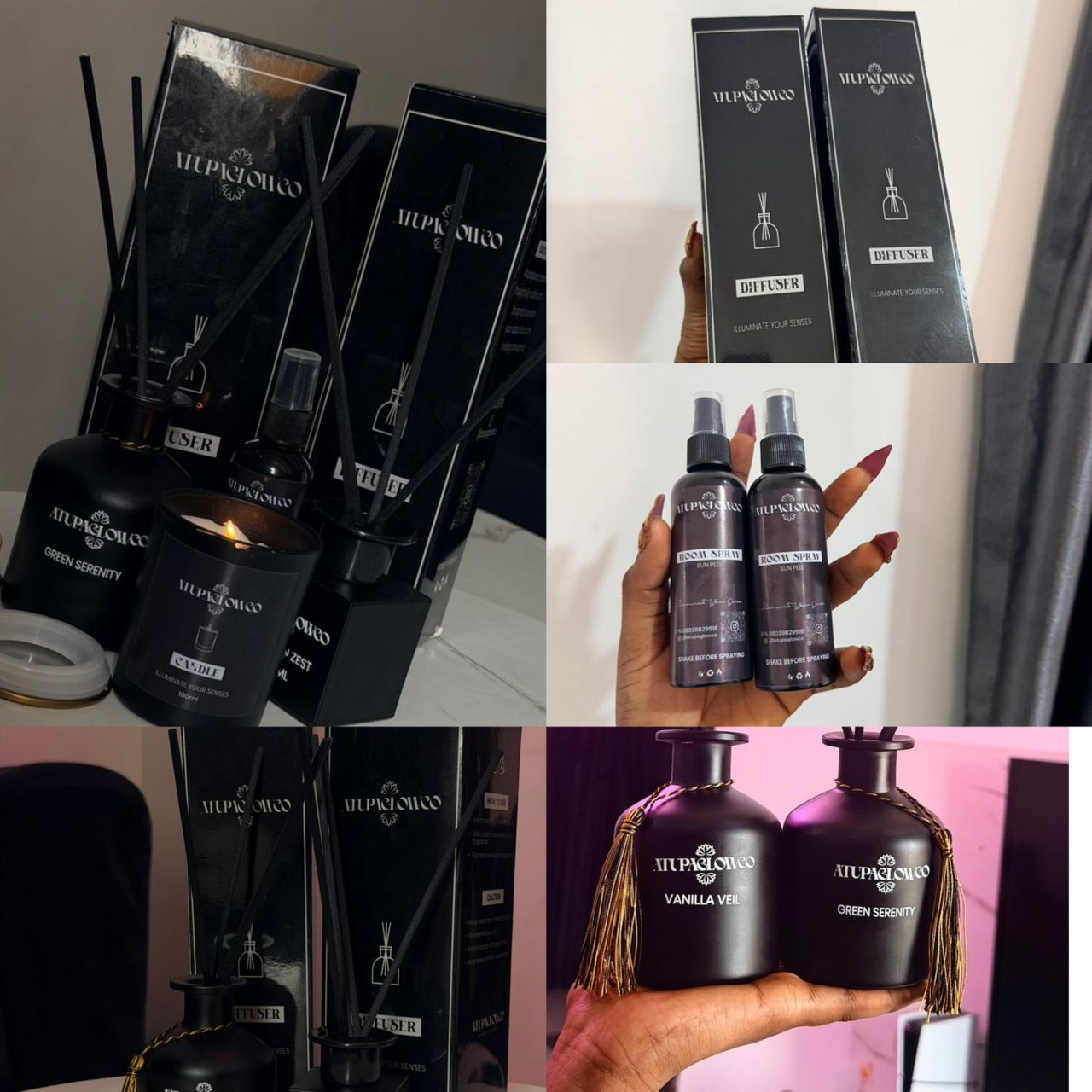
Introducing “Atupaglowco”: Where Fragrance Meets Feeling; The Story of Our Beginning
Every great journey begins with a sense of anticipation. For us, it began with a simple belief that a space should do more than exist, it should speak comfort and glow.
In a world filled with noise, stress, and endless motion, we realized something powerful. Fragrance can transform not just rooms, but moods. A familiar scent can calm anxiety. A warm aroma can turn a house into a home. A gentle glow can bring peace after a long day. This realization gave birth to “Atupaglowco.”
Atupaglowco was not created to sell diffusers, room sprays, or candles. It was created to create experiences. To create moments. To create atmospheres where people can breathe, reflect, and feel whole again.
The name itself represents more than a brand. It represents warmth. It represents light. It represents presence. We remember the early days, the planning, the testing of scents, the moments of doubt, and the moments of excitement. Each candle poured was a step of faith. Each fragrance blended was a piece of our vision coming to life. We weren’t just building products; we were building something meaningful.
Our diffusers were designed to quietly fill spaces with elegance.
Our room sprays were crafted to instantly refresh and revive environments. Our candles were made to bring calm, beauty, and a soft glow into everyday life.
Atupaglowco was born from passion, patience, and purpose. This launch is not just the start of a business. It is the start of a movement to help people create spaces they love. Spaces that inspire rest. Spaces that inspire joy. Spaces that glow.
We believe fragrance is personal. We believe glow is emotional. We believe every space deserves both.
Today, we proudly introduce Atupaglowco to the world.
This is only the beginning.
Fashion/Lifestyle
Mrs Township Finalist 2026 Leads Community Action to Support Disadvantaged Learners
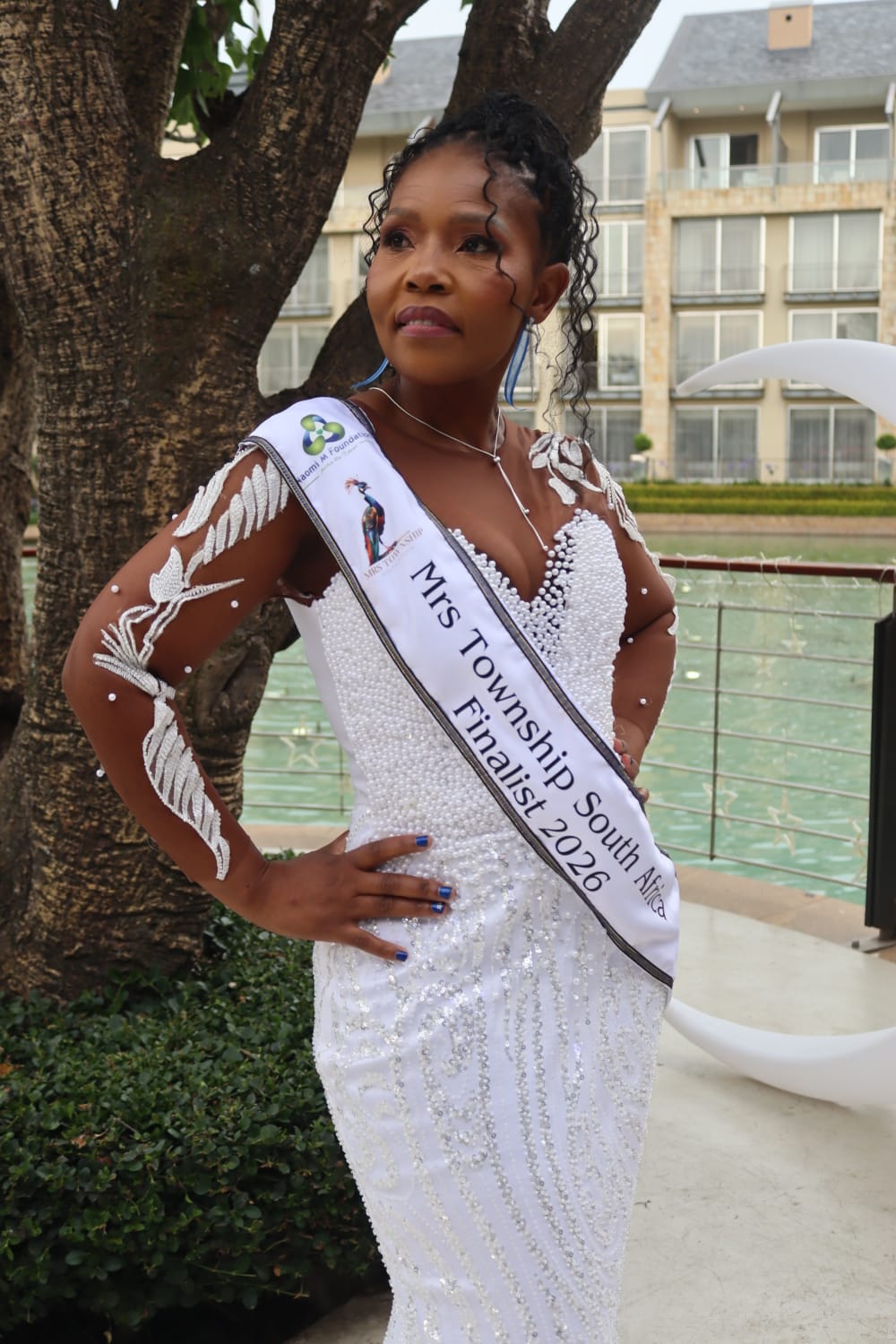
Mrs Township Finalist 2026 Leads Community Action to Support Disadvantaged Learners
As the 2026 academic year begins, hope and compassion are taking root at Theresapark Primary School, thanks to the remarkable leadership of Mrs Nkone Maringa, a respected community member and Mrs Township South Africa Finalist 2026.
In a powerful demonstration of grassroots leadership and social responsibility, Mrs Maringa, in partnership with Theresapark Sasol Garage, spearheaded a community clean-up of the school’s garden area. The initiative was carried out in preparation for the school’s feeding scheme garden, which will support disadvantaged children with fresh, nutritious produce throughout the school year.

Planting Seeds of Change
The garden project goes beyond beautifying the school environment. It is designed to become a sustainable source of food for learners who rely on the school feeding programme as a vital lifeline. By preparing the land ahead of the school reopening, Mrs Maringa and her partners ensured that planting can begin immediately, setting the tone for a productive and caring 2026.

“This project is about dignity, nutrition, and giving our children a healthy start to the year,” the initiative reflects—aligning perfectly with Mrs Maringa’s long-standing commitment to community upliftment.
A Record of Community Impact
Mrs Nkone Maringa’s involvement at Theresapark Primary School is one of several impactful projects she has undertaken in her community. Known for her hands-on approach, she consistently mobilizes local businesses, volunteers, and stakeholders to address real needs—especially those affecting children, women, and vulnerable groups.

Her work embodies the core values of the Mrs Township South Africa platform: leadership, service, empowerment, and positive social change. As a finalist for the 2026 title, Mrs Maringa continues to prove that true leadership is measured not by titles alone, but by tangible impact on the ground.
Corporate–Community Partnership in Action
The collaboration with Theresapark Sasol Garage highlights the power of partnerships between local businesses and community leaders. Their support played a crucial role in making the clean-up initiative successful, demonstrating how corporate social responsibility can directly transform lives at a grassroots level.
Looking Ahead
With the garden now prepared, Theresapark Primary School is set to launch its feeding scheme garden as learners return for the new academic year. The project stands as a symbol of hope, resilience, and collective effort.

As Mrs Nkone Maringa continues her journey as a Mrs Township South Africa Finalist 2026, her work at Theresapark Primary School serves as a shining example of how passion, partnership, and purpose can create lasting change—one garden, one child, and one community at a time.


celebrity radar - gossips
Beauty with Responsibility: Lindie Motswaeng’s Vision as Miss Classic Queen International
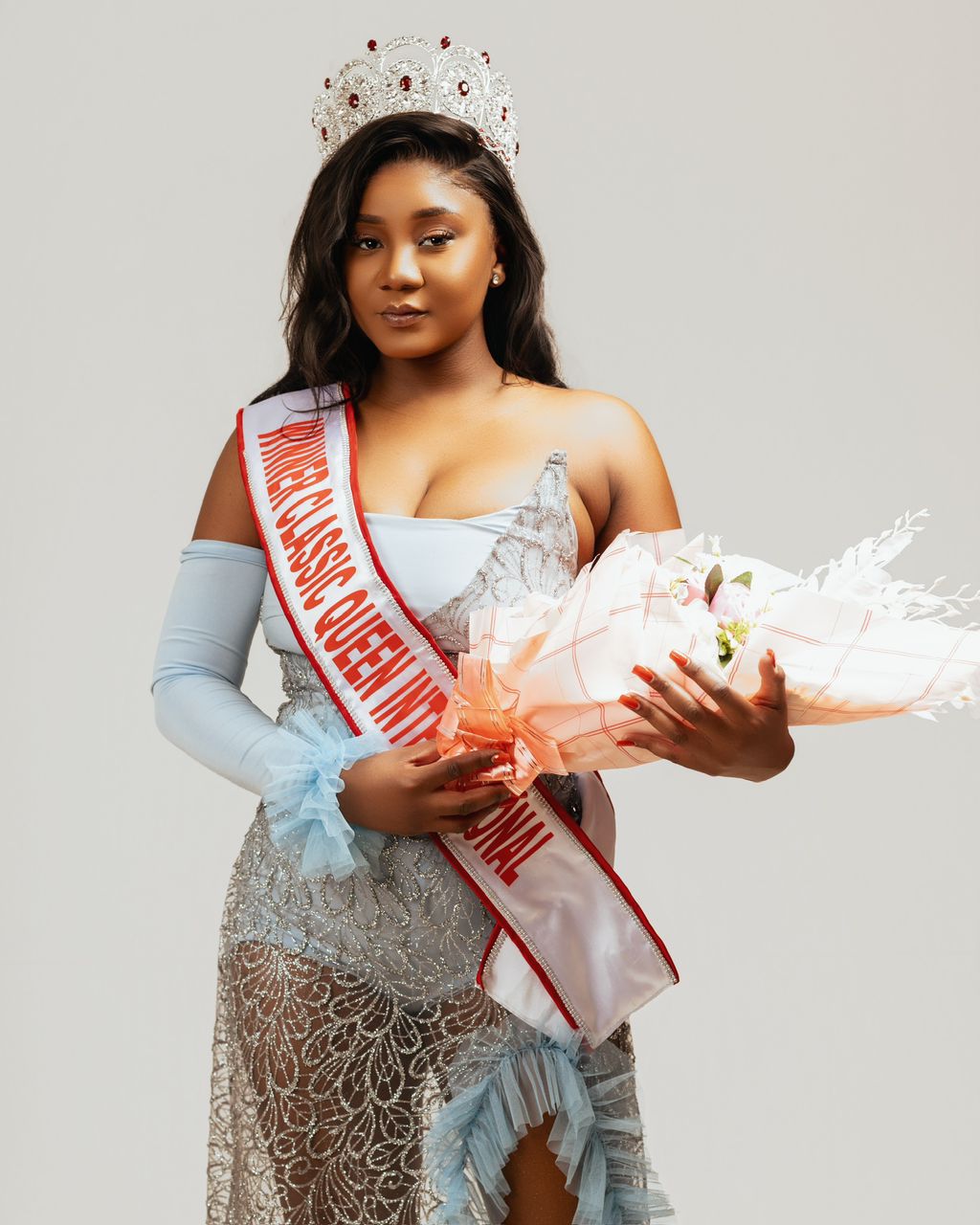
Living Authentically, Leading with Purpose: Lindie Motswaeng
Lindie Motswaeng is a 28-year-old Mathematics and Economics graduate from one of Africa’s leading institutions, the University of Botswana. She is currently completing an Executive Secretary (Finance) qualification at Boston City Campus in Pretoria. A woman of depth and versatility, Lindie enjoys cooking, travelling, exploring new ideas, spending time with family, and commanding the stage. Outspoken, open-minded, and deeply curious, she lives by a simple yet powerful motto: to live life on her own terms, unconfined by limitations.
As an aspiring economist, Lindie is passionate about women’s economic empowerment, particularly for women facing abuse, and about raising awareness around mental health—an often-silenced issue in many communities. She envisions a future where individuals are free to thrive beyond cycles of abuse and mental health challenges. Recently crowned Miss Classic Queen International, she shares her journey, values, and vision for her reign.

Congratulations on your crowning. How does it feel to emerge as the new Miss Classic Queen International?
It honestly feels surreal. It is always amazing when your hard work and dedication are finally recognised. I truly believe this organisation is going to help me make a meaningful impact during my year of reign.
Can you take us back to the moment your name was announced as the winner? What went through your mind?
I was quite blank at first—I simply could not believe it in that moment. Shortly after, it turned into overwhelming joy, especially seeing people, including the other ladies, cheering me on. It was such a beautiful and affirming moment.
What does the title Miss Classic Queen International represent to you personally and culturally?
For me, it is about being an inspiration in my own authentic way. It is important to seek your own unique path. We are all different for a reason, and Classic Queen International embraces that diversity. More importantly, it highlights the beauty in our differences and uses them to open doors and create opportunities.

How has your journey in the pageant world shaped the woman you are today?
My pageant journey has taught me to appreciate my abilities and to use them responsibly to create change in my community. This is a role I believe every human being has. Most importantly, it has taught me the value of sisterhood. In every competition, you meet women from different walks of life who always have something to teach you. Although it is a competition, it is vital to remember that there is life after it. Someone you meet may become a destiny helper or a lifelong sister.
Beyond beauty and poise, what core values do you believe this crown stands for?
As beautiful as the crown is, it symbolises duty. With such a platform, it becomes possible to make an impact on a much larger scale. It is also important to remember that you do not always need a crown or title to do good or to champion a cause close to your heart. When you genuinely have a heart for people and a willingness to be a voice for others, the responsibilities of the crown do not feel heavy.
Many young women look up to you already. What message do you hope to pass on to girls who aspire to follow in your footsteps?
The journey is never easy. There will be moments of doubt and discouragement, but it is important to remember why you started. Having a teachable spirit is also key—you can learn incredible things when you are surrounded by different personalities. Lastly, comparison can be tempting in competitions, but it is important to focus on your strengths and work on your weaknesses. Authenticity is essential; real growth cannot happen if you are constantly pretending to be someone else.
What were some of the biggest challenges you faced during the competition, and how did you overcome them?
I became ill on the second day, which is not ideal when activities require high energy and full dedication. Fortunately, I was part of an organisation that truly cares about its contestants. They ensured I received proper medical care and were very understanding. Maintaining a positive mindset also helped, because everything starts in the mind.
Pageantry today goes beyond glamour. What social cause or humanitarian project are you most passionate about championing during your reign?
I plan to continue my Art for Awareness project, which I started in 2021. The project uses art as a medium of communication and a form of release for people facing mental health challenges. In our culture, people are often silenced when they try to speak about their struggles, which causes them to withdraw. Art is universal and not age-specific, making it a powerful tool for expression.

How do you plan to use your platform as Miss Classic Queen International to create meaningful global impact?
I hope to expand my cause to other parts of Africa. This brand represents the continent, and with that comes the opportunity to partner with other organisations for wider reach and influence.
In your view, how can pageantry contribute to empowering women and promoting positive change in society?
We sometimes become too fixated on popularity and physical beauty, losing sight of what pageantry is meant to achieve. Beauty goes beyond the physical and is subjective. Women should be allowed to represent themselves authentically, without a single definition of beauty. We should also focus on developing their attributes, as these ultimately benefit society. A pageant queen has a voice and a platform, which requires humility, courage, and empathy.
Who or what inspired you most on your journey?
The love and support from my family, friends, and my country carried me throughout this journey. It truly takes a village. I was intentional when I started this path, knowing there would be challenges. When you set your mind and heart on something you are deeply passionate about, you will achieve it.
How do you balance confidence and humility while carrying such a prestigious international title?
I was raised with the principle of Botho, a core value in my country that embraces kindness, dignity, respect, and humility. When I stand on stage, I understand that I represent not only myself, but also my family and my nation. My character must reflect that. While humility is important, I should never shrink myself. As Nelson Mandela said, playing small does not serve the world.

What role do culture, elegance, and tradition play in the Classic Queen brand?
African culture plays a vital role in shaping character. This platform celebrates Africanism by allowing women from different African countries to showcase their cultures and talents on a continental stage. It fosters cultural exchange, promotes unity, and deepens understanding. Embracing our diversity as Africans allows us to see beauty instead of division. I learned so much from the other ladies—it was inspiring to see glamour fused with Africanism.

What should the public expect from you during your reign as Miss Classic Queen International?
I hope we can work together in championing this cause, because collaboration is essential. While I hold the title, greater impact can be achieved when we unite. I am grateful to be part of an organisation that supports and guides me throughout my reign to ensure we create positive change.

Finally, where do you see yourself after your reign, and how do you hope to be remembered?
I hope to be remembered as proof that anything is possible when you set your mind to it. I want to leave a legacy that inspires the next queen to do even more with the platform. Ultimately, I hope to help build a strong and enduring Classic Queen International family that extends beyond my reign.


-

 society6 months ago
Religion: Africa’s Oldest Weapon of Enslavement and the Forgotten Truth
-

 news4 months ago
WHO REALLY OWNS MONIEPOINT? The $290 Million Deal That Sold Nigeria’s Top Fintech to Foreign Interests
-

 society6 months ago
“You Are Never Without Help” – Pastor Gebhardt Berndt Inspires Hope Through Empower Church (Video)
-

 celebrity radar - gossips2 months ago
Dr. Chris Okafor Returns with Power and Fire of the Spirit -Mounts Grace Nation Altar with Fresh Anointing and Restoration Grace on February 1, 2026