
society
Why History Must Be Taught and Remembered


Why History Must Be Taught and Remembered.
By George Omagbemi Sylvester | Published by Saharaweeklyng.com
Forget the past and you’ll be forced to live it again; Nigeria is already starting to wake up.
History is not an academic luxury. It is the country’s sternest teacher, the ledger of collective consequence and the only honest mirror that shows us how we failed and why. “Those who cannot remember the past are condemned to repeat it,” wrote George Santayana; this is not a dusty aphorism to pin on a classroom wall. It is an instruction manual we have willfully left unread. When a nation forgets its history it does not simply lose stories; it loses memory, moral compass, judgment and ultimately, the capacity to choose a different tomorrow.

In Nigeria today, forgetting is not passive. It is active neglect: textbooks that skim over inconvenient truths, civic education squeezed out of curricula, institutions that fail to record and teach the consequences of past errors. The cost is measurable and repeated misgovernance, recycled patronage networks, periodic violence that re-enacts old scars and policy choices that ignore lessons learned in blood and ruin. If history is a map of past mistakes and triumphs, then Nigerians are driving blindfolded through familiar potholes while insisting the road is new.

Why teach history? First, history equips citizens with context. Without context, events become isolated shocks rather than symptoms. The 1967–1970 Civil War (the Biafran War), the long decades of military rule with recurrent coups/counter-coups and the structural economic choices made during the Structural Adjustment era did not occur in a vacuum, they grew from sequences of political miscalculation, exclusion and impunity. Understanding these sequences matters because patterns repeat: GRIEVANCES UNADDRESSED BECOME GRIEVANCES WEAPONIZED. The broad sweep of Nigeria’s modern political trauma is well documented; to ignore it is to invite DÉJÀ VU.
Second, history teaches judgment. Facts alone are inert and interpretation animates them into wisdom. When young people learn that autocratic shortcuts once crippled civic institutions and squandered public trust, they can judge proposals that promise quick fixes. When they learn how corruption metastasized under weak oversight and how weak states left citizens vulnerable, they are less likely to romanticize the next strongman who promises order in exchange for liberty. Good history resists slogans; it trains citizens to ask, “Who benefits?” and “At what cost?” UNESCO and contemporary historians argue that HISTORY EDUCATION STRENGTHENS CRITICAL THINKING and DEMOCRATIC RESILIENCE; an indispensable bulwark against easy populism.

Third, history builds identity without myth. Nations that remember honestly can celebrate achievements and mourn failures simultaneously. The danger is not that history will unsettle pride; the danger is that it will be simplified into myths that obscure cause and effect. Chimamanda Ngozi Adichie warned us about “the danger of a single story”: when a society accepts only one version of its past, it denies breadth, nuance and the plurality of experiences that make reconciliation and learning possible. Teaching multiple, competing narratives (including the voices of marginalized Nigerians) is not historical indulgence; it is democratic necessity.
Fourth, history deters impunity by naming consequences. Memory is a form of accountability. When public tragedies, human-rights abuses or corrupt betrayals are recorded and taught, they become part of the collective conscience; forgetting them normalizes transgression. Conversely, nations that institutionalize remembrance (through museums, truth commissions, public archives and mandatory curricula) make it harder for NEW LEADERS to CLOAK OLD CRIMES in SLOGANS. The lesson is not vindictiveness; it is prevention.

Some will object: “History is weaponized. It is used to inflame, to divide.” That risk exists, precisely because history is powerful. The solution is not amnesia; it is rigorous, honest, pluralistic education. Sell the binary of “history equals tribal grudge” and you guarantee perpetual cycles of recrimination. Teach history well, with source-criticism, empathy and comparative perspective and you inoculate citizens against simplistic redemptions and cynical political rewriting.
PRACTICAL STEPS NIGERIA MUST TAKE ARE STRAIGHTFORWARD AND URGENT.
Restore history to the core curriculum. Not as rote memorization, but as SOURCE-DRIVEN inquiry that trains students to evaluate evidence, weigh causation and draw lessons for civic life. Scholarly work on history education shows the subject’s central role in forming critical and CIVIC-MINDED CITIZENS not merely exam-takers.
Fund public history and archives. National and state archives, museums and memorials must be resourced to collect and preserve documents, oral histories and artifacts. Memory requires preservation; preservation costs money and political will.

Support independent scholarship and pedagogy. Universities and teacher-training colleges should be incentivized to research under-taught episodes (e.g., regional injustices, labour movements, youths/women’s activism) and train teachers to present complex narratives without sectarian spin.
Promote civic rituals of remembrance. Annual commemorations, responsibly curated exhibits and truth-and-reconciliation style forums can ritualize memory in ways that educate rather than inflame.
Make media partners in public education. Documentaries, serialized radio programs and investigative journalism can reach millions and translate complex histories into accessible narratives for citizens outside classrooms.
History is not only about the great men and battles; it is about ordinary people’s lives, the markets that closed, the clinics that shut, the communities displaced and the laws never passed. When a country loses these storylines, it loses the means to care for its own future.
Llet us be blunt: Nigeria’s current crises (whether economic mismanagement, insecurity or fragile institutions) have roots that would be obvious to anyone who bothered to read a proper civic history. We can trace policy missteps and political bargains to their sources. We can point to moments when accountability was surrendered and warn that surrender is contagious. To insist otherwise is to practice collective amnesia.
Finally, teaching history is a moral act. It affirms that the lives of the LONG-SILENCED matter. It says to those who suffered and to their descendants: we remember you; we will not let your sacrifice be erased. That moral commitment is what transforms memory into prevention.
If Nigerians choose to sleepwalk, future generations will inherit the bills for today’s neglect: loss of lives, diminished opportunity and a republic that has forgotten how it fell apart before. If we choose instead to teach history honestly and widely, we create citizens equipped to recognize patterns, challenge repetition and demand accountable governance.
History is knocking. The question is whether Nigeria will open the door with curiosity, humility and courage or keep sleepwalking into the same darkness.
The lesson of Santayana’s warning is not FATALISM; it is invitation: REMEMBER, LEARN and ACT.




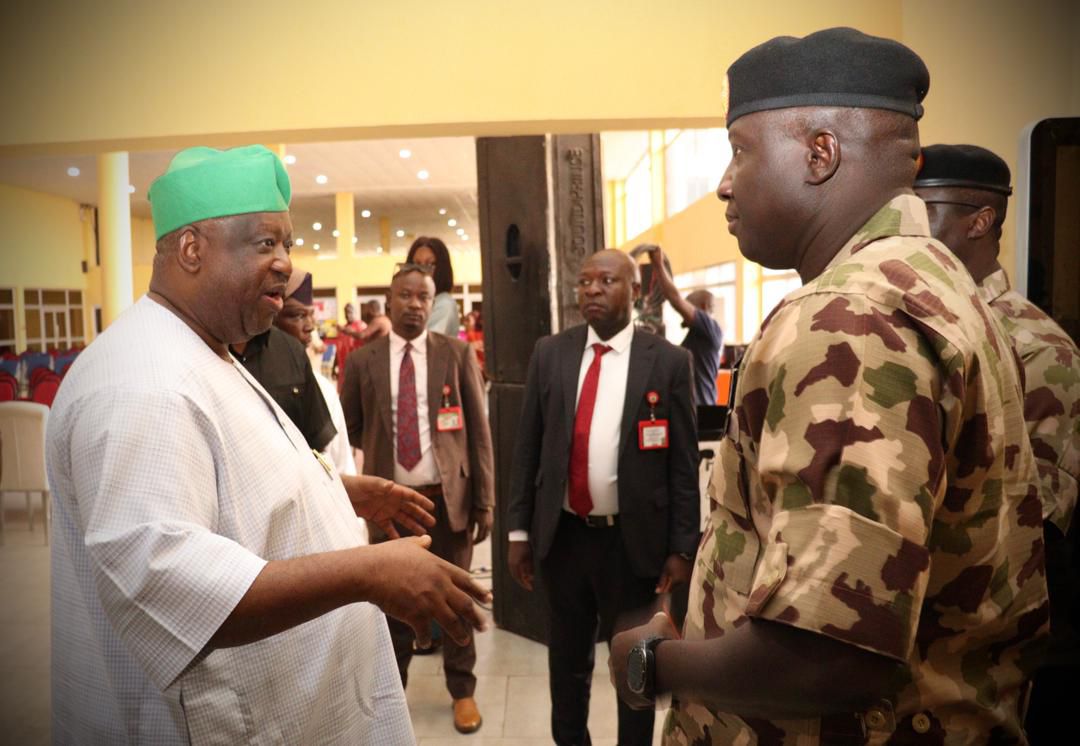
COAS Launches Nationwide Security Renewal Mission in Plateau
The Chief of Army Staff, Lieutenant General Waidi Shaibu, on Thursday led a high-level delegation of security chiefs to Plateau State, flagging off a nationwide security renewal mission aimed at strengthening civil-military cooperation and restoring lasting peace across the country.
The visit to Jos, the Plateau State capital, marks the first phase of a coordinated national effort to address persistent security challenges through joint operations, community engagement, and proactive intelligence gathering.

Governor Caleb Muftwang received the delegation, describing the initiative as a critical step toward stabilizing affected communities and reinforcing public confidence in security institutions.
Civil-Military Synergy Takes Centre Stage
At the heart of the mission is a renewed emphasis on collaboration between the military, civil authorities, and local communities. Speaking during the visit, Lt. Gen. Shaibu stressed that national security must be treated as a collective responsibility.
He urged citizens to support security agencies by remaining vigilant, sharing credible information, and complying with lawful directives, noting that effective security cannot be achieved in isolation.
Community Engagement as Confidence-Building Tool
In a departure from purely operational engagements, the Army Chief held direct consultations with community leaders and residents in Jos, reinforcing the importance of trust and dialogue in conflict resolution.
Lawmakers, including Dachung Bagos and Ladi Dangyok, commended the initiative, stating that visible engagement by top military leadership helps rebuild confidence among citizens and fosters cooperation.

Proactive Security Operations Underway
Operational updates were provided by Major General Folusho Oyinlola, who disclosed that troops under Operation Enduring Peace have intensified surveillance, intelligence-led patrols, and coordinated actions with other security agencies.
According to the Army, the approach is designed to prevent escalation of threats, safeguard lives and property, and stabilize vulnerable communities before crises emerge.
A Shift Toward Sustainable Peace
Military authorities emphasized that the Plateau visit is part of a broader, long-term strategy to transition from reactive responses to sustainable peacebuilding nationwide. The framework includes strengthening local resilience, ensuring justice, and maintaining continuous engagement with stakeholders.
Analysts view the initiative as a significant policy shift, reflecting a more inclusive security architecture that integrates community participation with military operations.
Call for National Unity
The Army leadership concluded with an appeal to Nigerians to reject divisive narratives and support ongoing efforts to promote unity and peace.
“The success of this mission depends not only on the armed forces but on the cooperation of every citizen,” the COAS stated.
The nationwide security renewal campaign is expected to extend to other regions in the coming weeks as authorities seek to consolidate gains and build a safer, more unified Nigeria.


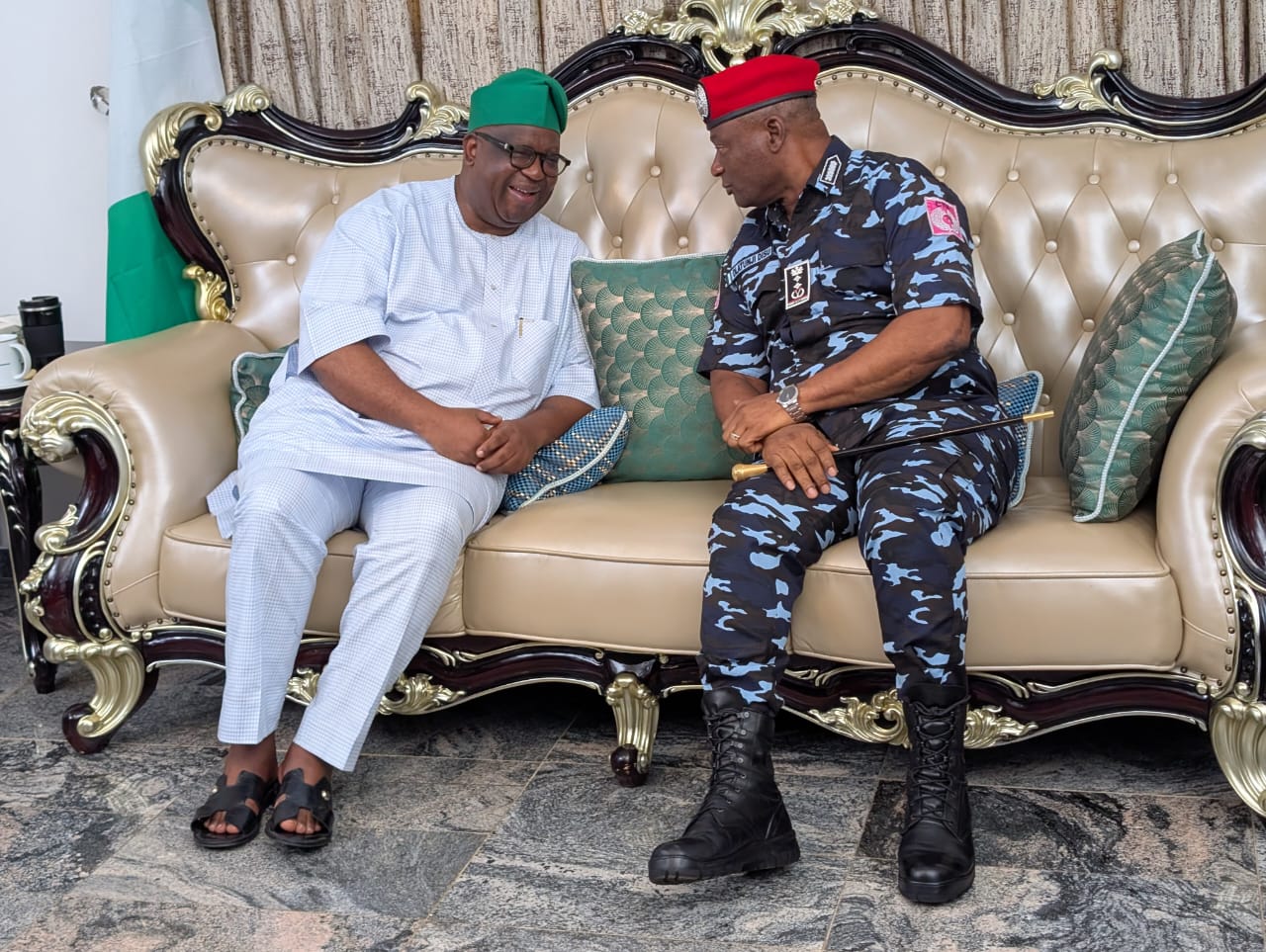
IGP Disu Visits Plateau, Orders Tactical Deployment To Reinforce Security
The Inspector General of Police, Olatunji Disu, on Thursday paid a working visit to Plateau State following recent unrest, holding strategic talks with Governor Caleb Muftwang on measures to strengthen security and prevent further disturbances.
As part of immediate steps to stabilise the situation, the police chief authorised the deployment of specialised tactical units to support officers already on ground across affected areas.
Governor Muftwang commended the swift intervention of the police leadership, praising the dedication and professionalism of security personnel working to restore calm. He also acknowledged the efforts of mobile police officers and lauded the leadership of the state’s Commissioner of Police, Bassey Ewah.
Both the Nigeria Police Force and the Plateau State Government reaffirmed their commitment to safeguarding lives and property, stressing that enhanced collaboration remains key to restoring lasting peace in Plateau State, popularly known as the Home of Peace and Tourism.


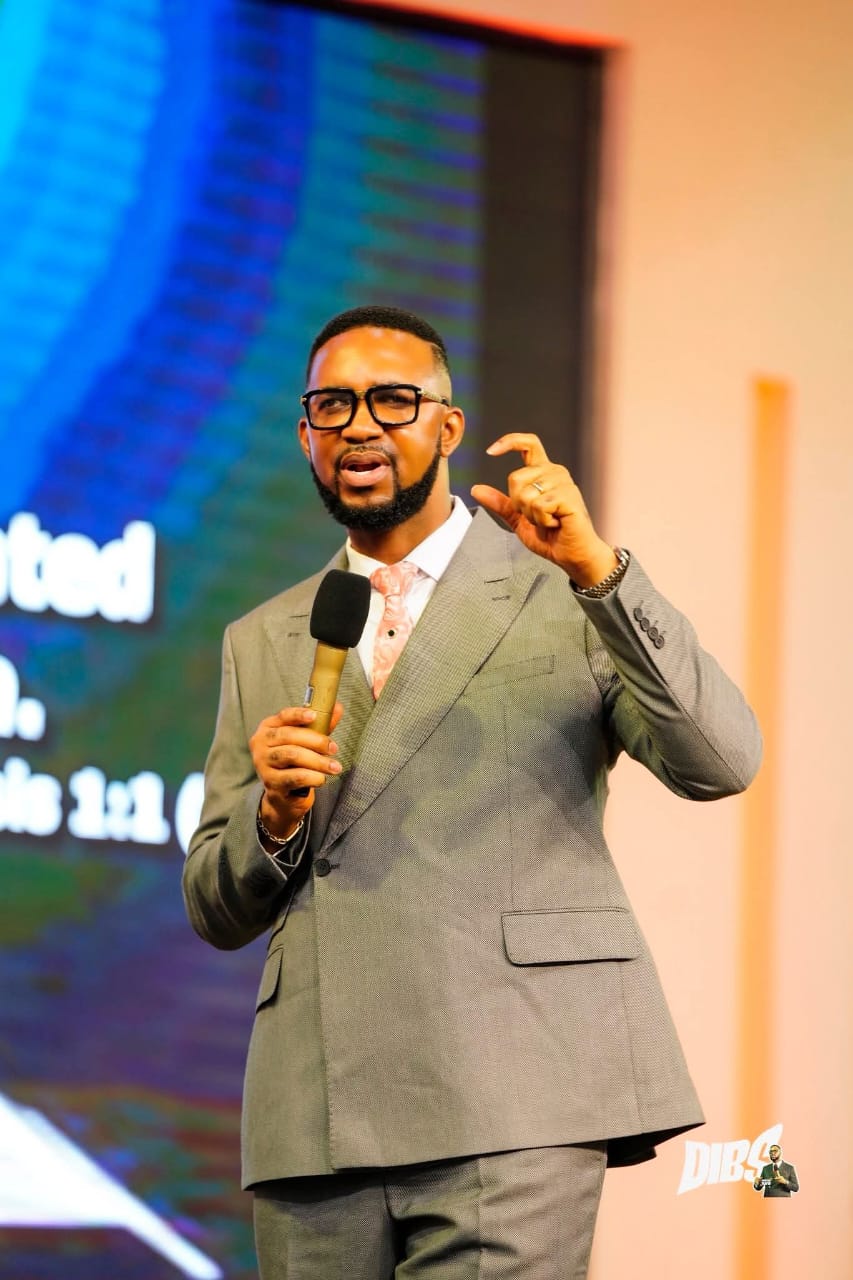
Grace Nation Worldwide: A Living Reality – Dr. Chris Okafor
……“Miracles, Healing, and Deliverance Overflow at Grace Nation Services”
The Grace Nation midweek Prophetic Healing, Deliverance, and Solutions (PHDS) Service on 2nd April 2026 at the international headquarters in Ojodu Berger, Lagos, was a spectacular display of God’s power, marked by miracles, healing, and deliverance.
The God of Grace Nation continues to demonstrate His authority, breaking strongholds, healing the sick, restoring lost glory, and providing solutions to every problem presented at His altar.
Testimonies of God’s Power
One woman, previously diagnosed with a terminal condition and slated for a ₦4.5 million surgery due to inability to excrete, was prayed for by the Generational Prophet, Christopher Okafor, just a week after visiting the church. Declaring healing within 24 hours, she returned to testify to God’s miraculous intervention.
Another pregnant woman, whose baby was bridged and at risk, was located and prayed for. She returned to service with confirmation that her child is now well-positioned for delivery. Similarly, a woman booked for a C-section due to an overdue and poorly positioned pregnancy testified during the service that her baby is now properly positioned, ready for birth.
These testimonies underscore the truth: what God cannot do does not exist. Grace Nation has entered a new level of spiritual authority, and with faith, believers are witnessing the impossible become reality.
God Works by Principle, Not Gossip
In his sermon, Dr. Okafor emphasized that God does not operate on superstition, gossip, or social media pressures. His work is grounded in His Word, and it is through adherence to His principles that Grace Nation continues to flourish.
The Generational Prophet stressed that to enjoy divine blessings and fruitfulness, believers must remain connected to God’s Word, faithfully serve Him, and ignore distractions or side-talks. Focused commitment to God’s service guarantees alignment with His miraculous power.
Join the Movement
Grace Nation Worldwide is open for all who desire a life transformed by divine intervention. Weekly services include:
Sunday Service: 7:00 AM
Grace Nation Island Service (Ogombo): Wednesday, 5:00 PM
Midweek PHDS Service: Thursday, 7:00 AM
Attending these services under the ministry of the Generational Prophet ensures encounters with God’s supernatural power, life-changing miracles, and lasting breakthroughs.
Grace Nation Worldwide is not just a church—it is a reality where faith meets the supernatural.
By Sunday Adeyemi


-

 society7 months ago
Religion: Africa’s Oldest Weapon of Enslavement and the Forgotten Truth
-

 news4 months ago
WHO REALLY OWNS MONIEPOINT? The $290 Million Deal That Sold Nigeria’s Top Fintech to Foreign Interests
-

 society6 months ago
“You Are Never Without Help” – Pastor Gebhardt Berndt Inspires Hope Through Empower Church (Video)
-

 celebrity radar - gossips2 months ago
Dr. Chris Okafor Returns with Power and Fire of the Spirit -Mounts Grace Nation Altar with Fresh Anointing and Restoration Grace on February 1, 2026