
Politics
Why Ifako-Ijaiye’s Voice Is Louder At The Lagos Assembly: The Jah Factor

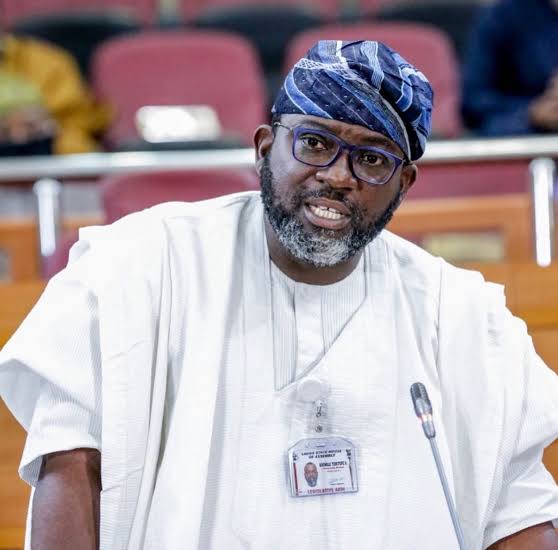
Why Ifako-Ijaiye’s Voice Is Louder At The Lagos Assembly: The Jah Factor
By Ibukun Simon
In legislative politics, not all representatives are created equal. Some merely occupy seats; others shape conversations, influence outcomes, and leave visible footprints in the lives of their people. Since 2019, Ifako-Ijaiye Constituency I has belonged firmly to the latter category, thanks to the emergence of Hon. Adewale Temitope Adedeji, fondly known as JAH, as its representative in the Lagos State House of Assembly.
As a journalist who has covered proceedings of the Lagos Assembly consistently since 2015, I have witnessed first-hand how representation can either fade into the normal routine or rise into relevance. The entry of Hon. Adedeji into the Assembly marked a clear turning point—not only for Ifako-Ijaiye, but for the quality of debate, advocacy, and people-focused legislation within the House.
On the floor of the Assembly, Hon. Adedeji stands out as one of the lawmakers journalists naturally gravitate towards. His interventions during plenary sessions are deliberate, articulate, and deeply rooted in public interest and knowledge. In the 40-member House, he is widely regarded as one of the top five lawmakers whose contributions command attention, not because of theatrics, but due to his clarity of thought, persuasive delivery, and uncommon mastery of issues. When JAH speaks, the chamber listens—and the press takes notes.
This strength of presence is crucial in a legislative environment where influence matters. In parliamentary practice, experience translates to authority. The Lagos State House of Assembly, like many legislatures, places significant weight on ranking members—lawmakers whose sustained service enhances their ability to push motions, influence committee outcomes, and attract development to their constituencies. Returning Hon. Adedeji to the House in 2027 would therefore mean strengthening Ifako-Ijaiye’s bargaining power and ensuring its concerns are not just heard, but prioritized.
Beyond the chambers, the impact of Hon. Adedeji’s representation is visible across the constituency. In terms of infrastructural development, several road construction and rehabilitation projects have been attracted to Ifako-Ijaiye under his watch, improving accessibility, boosting local businesses, and easing daily movement for residents. These are practical dividends of democracy that speak louder than campaign slogans.
Equally significant is his focus on human development and social inclusion. Since assuming office in 2019, Hon. Adedeji has facilitated job opportunities, empowered the less privileged, and consistently supported students through the distribution of JAMB and GCE forms, helping to remove financial barriers to education. These interventions reflect the impact of a representative who understands that development must touch both infrastructure and people.
What further distinguishes Hon. Adedeji is his constant engagement with constituents. Through consultations, town-hall interactions, and accessibility, he has maintained a relationship that goes beyond election cycles. This closeness has fostered trust and ensured that governance remains responsive to grassroots realities.
As Lagos continues to grow and legislative responsibilities become more demanding, constituencies like Ifako-Ijaiye cannot afford experimental representation. They require lawmakers who understand the system, command respect within it, and can translate legislative influence into real benefits for the people.
From the Assembly floor to the streets of Ifako-Ijaiye, the record since 2019 is clear: effective representation works—and Hon. Adewale Temitope Adedeji has delivered it.
Ibukun writes from Ifako-Ijaiye.





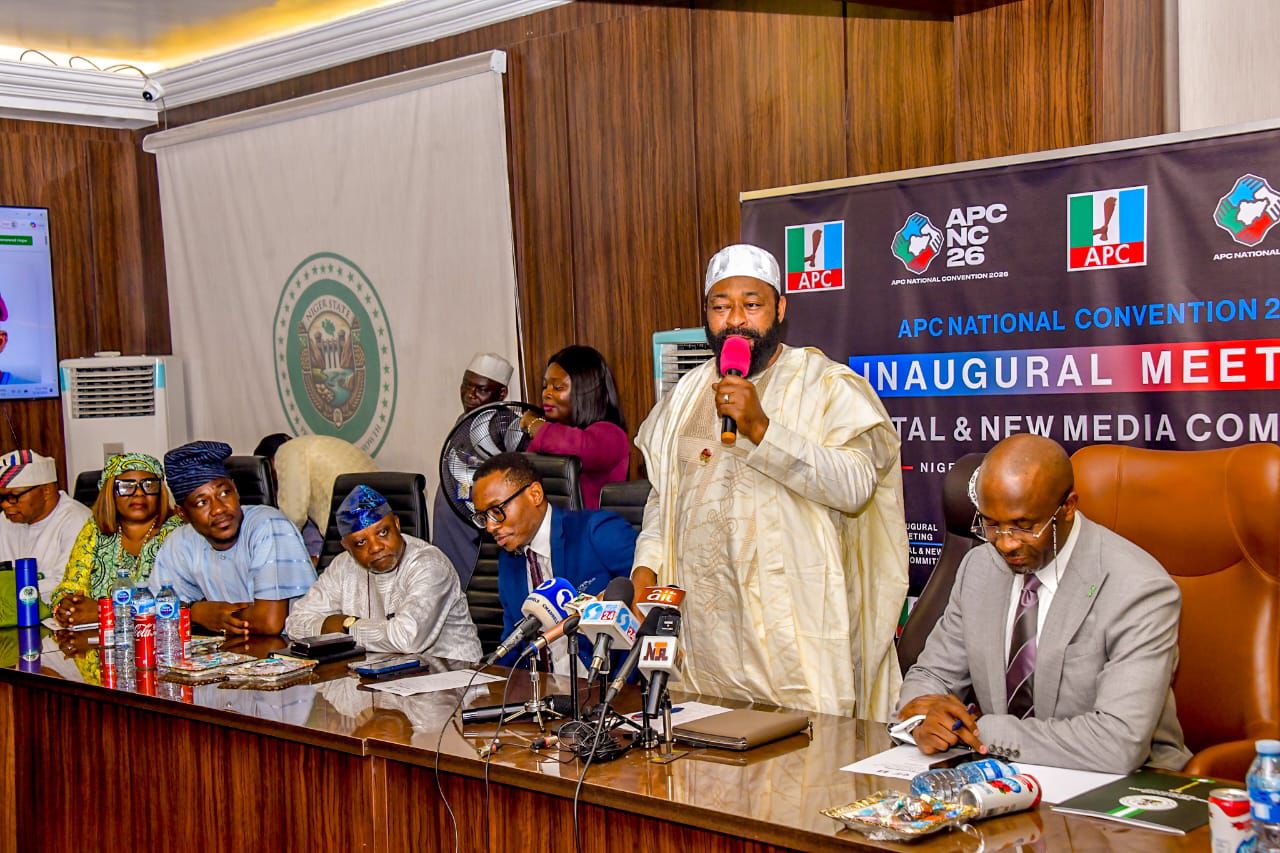
Governor Bago Inaugurates APC Digital Media Sub-Committee Ahead of National Convention.
Governor Umaru Bago has inaugurated the Digital Media Sub-Committee for the forthcoming National Convention of the All Progressives Congress (APC), scheduled to hold on March 27 and 28, 2026 in Abuja.
Chairing the sub-committee, Governor Bago tasked members with the responsibility of effectively communicating the party’s manifesto to the public.
He emphasized the need to leverage social media platforms to highlight the achievements and ongoing efforts of President Bola Ahmed Tinubu, noting that communication gaps have posed challenges that must now be decisively addressed.
The Co-Chair of the sub-committee, Hon. Benjamin Kalu, Deputy Speaker of the House of Representatives, echoed the Governor’s position, urging members to project the activities of both the party and the government to a broader audience.
He called for a deliberate and coordinated effort to showcase the party’s achievements and policy direction, stressing the importance of shaping a compelling and consistent narrative across all digital platforms.
Delivering a presentation to the committee, Otega Ogra, SSA to the President on New Media, who serves as Secretary of the sub-committee, outlined strategic focus areas to guide the team’s operations.
His presentation highlighted communication priorities and actionable steps to achieve the committee’s mandate and strengthen the party’s digital engagement.


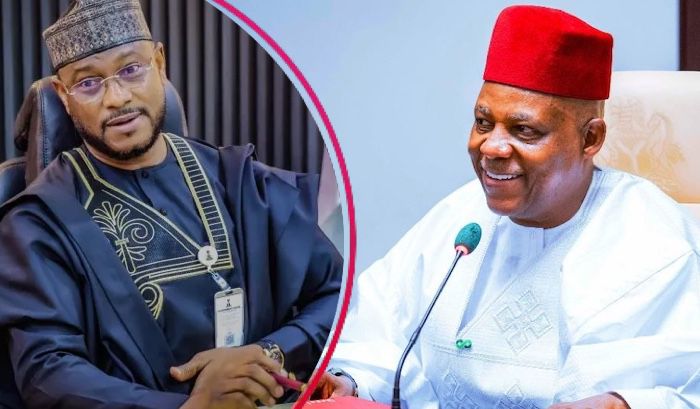
VP Shettima Set to Lead Delegation to Zamfara as Governor Dauda Lawal Formally Joins APC
The Zamfara State chapter of the All Progressives Congress (APC) has finalized plans to receive Vice President Kashim Shettima for the formal defection and reception of Governor Dauda Lawal into the ruling party, scheduled to take place on Tuesday.
State APC Chairman, Tukur Danfulani Maikatako, disclosed this during a high-level stakeholders’ meeting held in Gusau, the state capital. He noted that the Vice President would be joined by the party’s national leadership to mark what he described as a landmark political realignment in the state.
Maikatako expressed the party’s excitement over Governor Lawal’s return, recalling that Zamfara had historically been an APC stronghold and that the Governor was previously a bona fide member of the party before his earlier exit.
“We all know that Zamfara has long been one of the APC’s stronghold states, where the defected Governor was once a bona fide member. Now that he has decided to return home, having been satisfied that the APC remains his second choice after the one he left for obvious reasons,” Maikatako stated.
The Chairman called on all party faithful across the 147 wards in the state’s 14 local government areas to turn out en masse to honour the Vice President’s visit. He emphasized that the event was strategically positioned to bolster the party’s popularity and strengthen its structures ahead of the 2027 general elections.
In a strong appeal for unity, Maikatako urged members to set aside all factional tendencies, stressing that the APC remained one political family with shared goals, particularly the ambition to make Zamfara and Nigeria great again.
Echoing similar sentiments, a former state APC Chairman, Lawal M. Liman, appealed to members to cascade the message to their wards and local government areas. He reinforced the need for cohesion, noting that the party’s collective strength would be critical to achieving success in future elections.

All eyes are now on Gusau as the ruling party prepares for a high-profile political gathering expected to further consolidate its influence in Zamfara State.
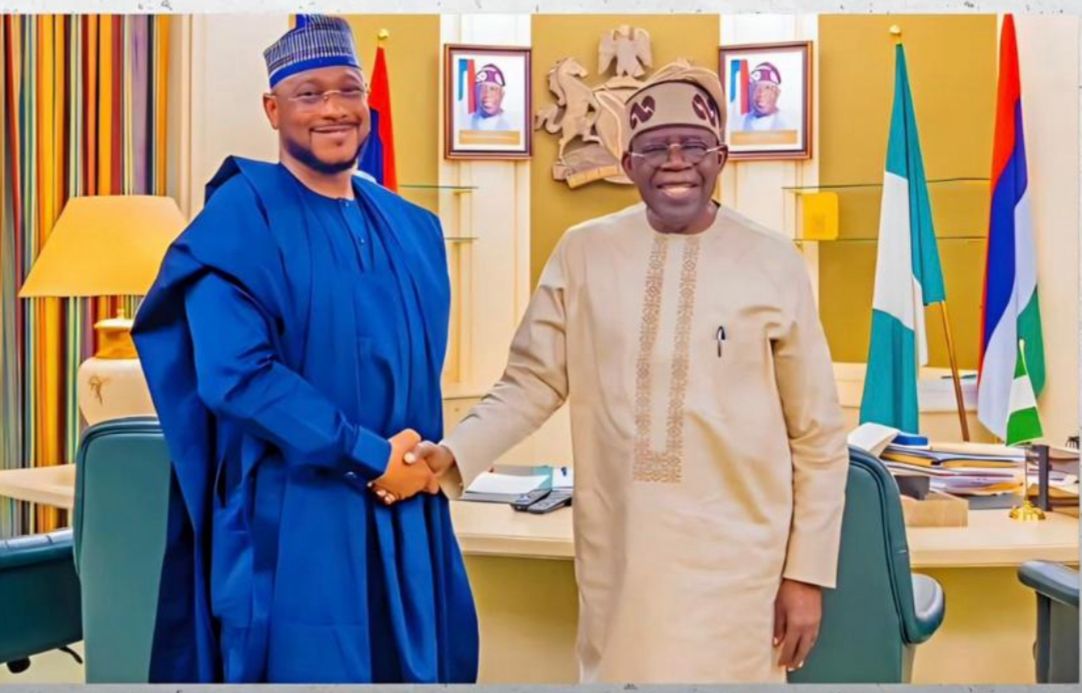
Governor Dauda Lawal Named Part of Presidential Delegation for Historic UK State Visit
Governor Dauda Lawal of Zamfara State has been named as a member of the presidential entourage that will accompany President Bola Ahmed Tinubu and First Lady Oluremi Tinubu on a historic two-day State Visit to the United Kingdom.
According to a statement from the Zamfara State Government House on Monday, the Governor will depart Abuja for the UK on Tuesday for the visit, which is scheduled to take place on March 18 and 19 at the invitation of the British Royal Family.

During the visit, King Charles III will host President Tinubu, the First Lady, and the Nigerian delegation at Windsor Castle, where they will view a special exhibition of Royal Collection items related to Nigeria. The Royal Family will also host a State Banquet in honour of the Nigerian guests on the evening of Wednesday, March 18.
The presidency has outlined that the purpose of the visit is to strengthen bilateral relations between Nigeria and the United Kingdom. President Tinubu is scheduled to hold talks with Prime Minister Keir Starmer, which are expected to lead to expanded bilateral discussions and the signing of Memorandums of Understanding covering trade, investment, defence, and cultural cooperation.
The President will also serve as the guest of honour at the Nigerian Modernism exhibition, which showcases contemporary art and culture, and will participate in a reception with Nigerian and British business leaders as well as members of the diaspora community.
The Zamfara State Government expressed confidence that Governor Lawal’s participation in the high-level delegation will provide valuable networking opportunities, opening significant prospects for investment and economic benefits for Zamfara State. The visit will also see Governor Lawal display his repertoire of knowledge on global policy and corporate governance and also pitch the Mineral and Farming rich state to potential investors during the bilateral meeting with the UK Prime Minister, Keir Starmer.


-

 society6 months ago
Religion: Africa’s Oldest Weapon of Enslavement and the Forgotten Truth
-

 news3 months ago
WHO REALLY OWNS MONIEPOINT? The $290 Million Deal That Sold Nigeria’s Top Fintech to Foreign Interests
-

 society6 months ago
“You Are Never Without Help” – Pastor Gebhardt Berndt Inspires Hope Through Empower Church (Video)
-

 celebrity radar - gossips2 months ago
Dr. Chris Okafor Returns with Power and Fire of the Spirit -Mounts Grace Nation Altar with Fresh Anointing and Restoration Grace on February 1, 2026