
Politics
Why Nigeria Is Failing: The Absence of a True Activist President

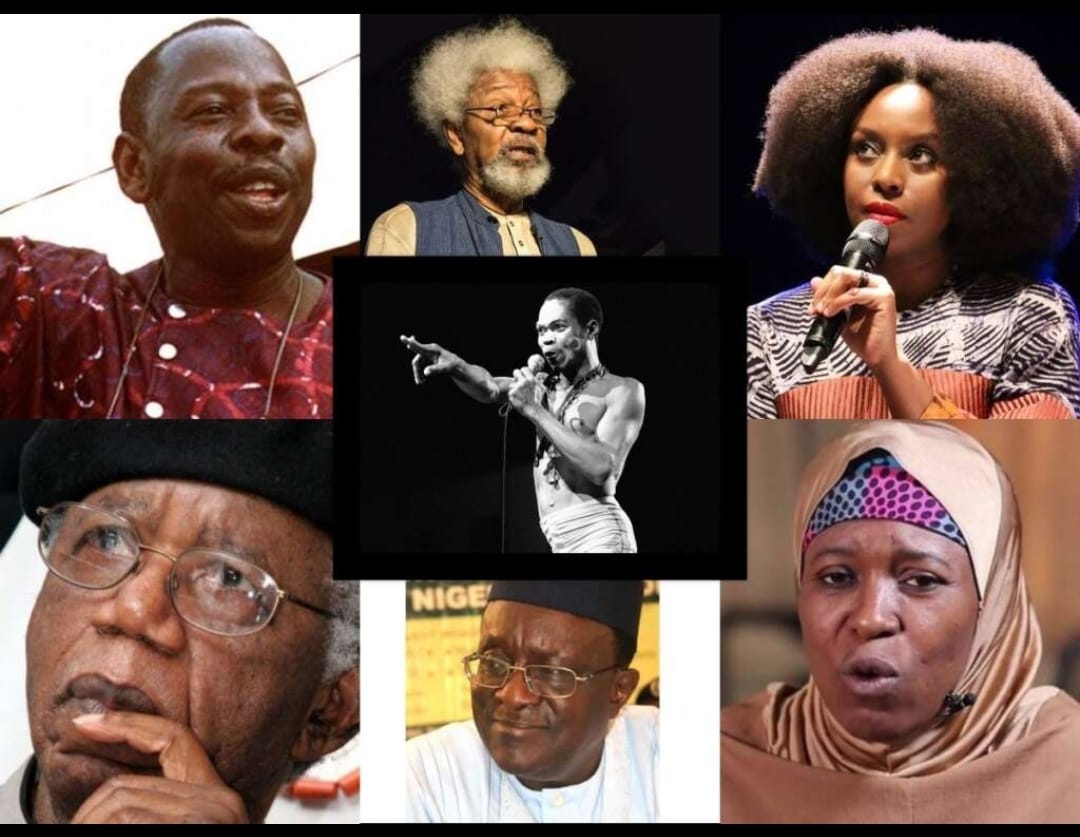
Why Nigeria Is Failing: The Absence of a True Activist President
By George Omagbemi Sylvester
Since gaining independence in 1960, Nigeria has struggled to fulfill the promises of democracy, good governance, and national development. Despite its wealth of human and natural resources, the country remains shackled by poverty, corruption, insecurity, and inequality. One central reason for this tragic underperformance is that Nigeria has never had a genuine natural activist as president—someone who embodies courage, truth, people-centeredness, and the dogged pursuit of justice.

An activist president is not just a politician with populist rhetoric or a reformist with half-hearted policies. A true activist president is a leader whose political journey is rooted in service, whose conscience is unshaken by power, and whose commitment to the people’s welfare overrides personal ambition. Nigeria, unfortunately, has lacked such a figure at the helm.
The Political Class: Custodians of Self-interest

Most of Nigeria’s post-independence leaders emerged from military backgrounds or elite political families, often disconnected from the struggles of everyday Nigerians. Their primary loyalty lies not with the people but with entrenched interests—godfathers, ethnic power blocs, and foreign partners. As a result, Nigeria has been governed by men who lacked the moral fire and activist instinct necessary to radically confront injustice and reform oppressive structures.
Former president Muhammadu Buhari, for example, came to power in 2015 on a wave of anti-corruption promises, yet presided over one of the most nepotistic, economically disastrous, and divisive administrations in Nigerian history. Under his watch, Nigeria became the poverty capital of the world, inflation soared, and the naira collapsed. Yet, there was no sense of urgency or moral outrage from the presidency. That is not the mark of a natural activist—it is the signature of a career politician insulated from the people’s pain.

What Activist Leadership Looks Like
To understand what Nigeria has missed, we must look at examples of real activism. Take Gani Fawehinmi, the late human rights lawyer and one of Nigeria’s most respected moral voices. Gani stood firmly against military dictatorship, corruption, and human rights abuses. He spent time in jail, faced harassment, and lost personal comforts—all for the cause of justice.
In one of his famous quotes, he said:
“The legal profession is not for those who want to make money; it is for those who want to make a difference.”
Now imagine a Gani Fawehinmi-style figure as president. Would he tolerate the mass looting of public funds? Would he watch silently as universities are shut down, as youths migrate en masse, or as politicians manipulate the constitution for selfish gain? No. His presidency would be a fight for dignity, justice, and the poor.
Another case is Fela Anikulapo Kuti, the Afrobeat legend whose music was a fearless protest against oppression. Though never a politician, Fela had more influence than many presidents. He once said:
“My people are scared of the air around them, they always have an excuse not to fight for freedom.”
Fela’s message still resonates because Nigeria’s leaders govern with fear, not freedom. Fela might not have been president, but his activist mindset is what Nigeria sorely lacks in its highest office.
Activism Today: The Uncelebrated Warriors
Modern-day activists like Aisha Yesufu, a co-founder of the Bring Back Our Girls movement, have continued this tradition. Her iconic image standing in defiance during the #EndSARS protests became a symbol of resistance.
She once remarked:
“We can no longer outsource governance. We must take responsibility. If Nigeria is bad, it is because of Nigerians who allowed it.”
Likewise, Omoyele Sowore, founder of Sahara Reporters and convener of #RevolutionNow, has faced arrest, intimidation, and ridicule for daring to speak truth to power. Though often dismissed by the political elite, his activism exposes the structural rot that elections alone cannot fix.
Sowore once said:
“Real change does not come from people in power; it comes from people who challenge power.”
The Consequences of Activist Absence
The absence of a truly activist-minded president has created a dangerous vacuum—where leadership is reduced to ceremony, governance to contracts, and power to propaganda. Nigeria’s rulers manage crises; they don’t solve them. They placate foreign donors while ignoring the dying masses at home.
Under this docile leadership, corruption has become institutionalized. Security has deteriorated to the point where terrorists and bandits operate with impunity. The youth, the very future of the country, are fleeing in droves. According to the African Polling Institute, over 70% of Nigerian youths expressed a desire to leave the country permanently. This “Japa” syndrome is not just economic—it is psychological. It reflects a deep loss of faith in the leadership.
Why PDP’s Structure Offers Hope
While no political party is perfect, the People’s Democratic Party (PDP) remains the most institutionally democratic structure in Nigeria’s political space. It has internal mechanisms for accountability, broader national appeal, and a history of relatively better economic performance during its years in power.
A committed activist emerging from or supported by such a structure would have a better chance of resisting autocratic tendencies, building coalitions across regions, and enacting pro-people policies. However, such a person must not be swallowed by party interests—they must reform the system from within, not become part of the rot.
What Nigeria Needs Now
Nigeria doesn’t need another technocrat who quotes GDP figures or an ex-general who can’t inspire trust. It doesn’t need recycled political heavyweights with no ideological clarity. What Nigeria desperately needs is an activist president—someone with the fire of Gani, the boldness of Fela, the resilience of Aisha, and the courage of Sowore.
This leader must emerge from the people, not be manufactured by elite consensus. They must be driven not by the perks of office, but by the pain of the people. They must be ready to lose power if it means saving the nation.
Until Nigeria experiences such leadership, the cycle of despair will continue. Elections will come and go, but nothing will change. The problems are too deep for cosmetic solutions. We need a president who is not afraid to call Nigeria’s problems by their real names and confront them head-on.
As Martin Luther King Jr. said:
“Our lives begin to end the day we become silent about things that matter.”
Nigeria’s leadership has been silent for too long. It is time for a voice—a bold, activist voice—to speak and lead us out of the darkness.




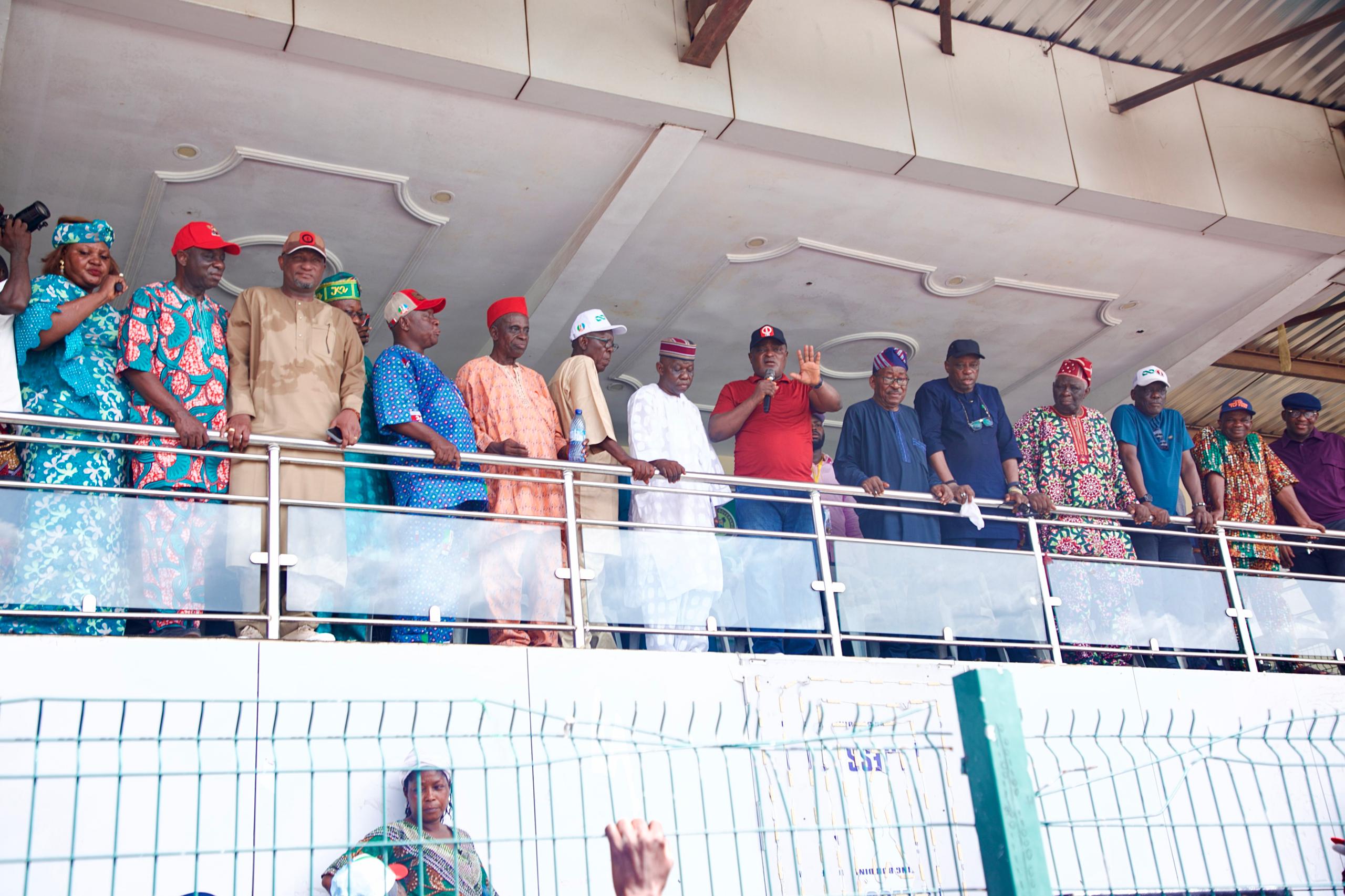
Obasa Warns Dissidents as Agege Affirms Hamzat as APC governorship candidate
Speaker of the Lagos State House of Assembly, Rt. Hon. Mudashiru Obasa, has issued a strong warning to dissidents within the All Progressives Congress, APC, that are spreading false reports about the House of Assembly primaries held Wednesday, May 20 across all the wards in the local government.
Supervising officers from the Independent National Electoral Commission (INEC) announced the immediate past Executive Chairman of Agege Local Government Area, High Chief Ganiyu Kola Egunjobi, and Barrister. Azeez Oladapo Ninalowo as winners of Agege Constituencies I and II respectively. Egunjobi polled 10, 126 votes while Ninalowo scored 12, 455 votes. Both candidates had earlier emerged as consensus aspirants during a caucus meeting of the party presided over by Speaker Obasa last Tuesday.
Obasa spoke at the Agege Stadium earlier today, Thursday, May 21, as the APC faithful and stakeholders converged in their thousands to affirm incumbent deputy governor, Dr Obafemi Hamzat, as the consensus candidate of the party in the 2027 governorship election.
Speaking on the outcome of the primaries, Obasa declared: “We’ve done everything according to the dictates of the party. Dr Obafemi Kadiri Hamzat is our governorship candidate. Senator Idiat Adebule is our candidate in the Lagos West Senatorial District, and Mudashiru Obasa is the candidate for Agege Federal Constituency in the House of Representatives. Collectively, we have decided and we are standing by the decision of our members.”
He commended INEC and security agencies “for helping us to have a free, fair, and transparent exercise devoid of violence and disorderliness.” The Speaker also praised party members for their loyalty and steadfastness, stating: “Agege is always here for the party. We are always present. When you are a member of a party, you should always participate in all its activities. Why will anyone who isn’t here claim to be part of us?
“You can’t be absent from all primaries and still claim that you are with us. We have conducted House of Representatives, Senate, House of Assembly, and Governorship primaries, yet some disgruntled party members have consistently stayed away. It is not possible. They are not part of us.”
Further, Obasa said: “We should be mindful of the people we send to represent us in any position. If they disregard us, we will wait until their tenure expires and remove them. The beauty of any political structure is continuity. Agege remains a shining example of a well-structured political organisation at the local government level.
“Nothing was done by subterfuge; everything was done in the open. INEC, DSS, Police, the media, and party leaders were all present. There’s nothing to fear. If anybody is initiating fake reports, let them continue. Anybody who has a problem should go and challenge the result in court. After the general election, maybe they will wake up,” he added.
With Hamzat’s candidacy sealed and Obasa drawing a hard line against internal dissent, Agege has sent a clear message: the APC’s fortress stands on loyalty and discipline, and those unwilling to march in step will be left behind as the party advances toward 2027.


Politics
The All Progressives Congress (APC) in Edo State deserves commendation for the peaceful, transparent, and highly successful conduct of its primary elections across the various elective positions
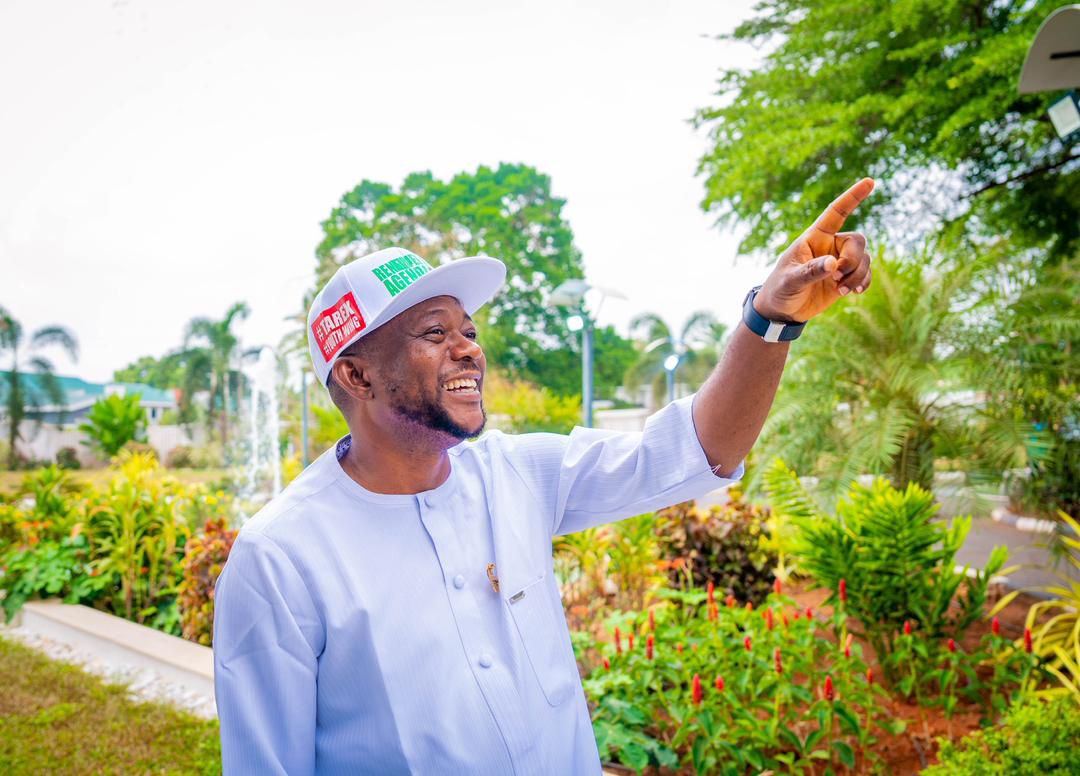
The All Progressives Congress (APC) in Edo State deserves commendation for the peaceful, transparent, and highly successful conduct of its primary elections across the various elective positions,
……ranging from the State House of Assembly to the House of Representatives and the Senate.
The victories recorded so far are not just individual triumphs, but collective victories for the party, democracy, and the good people of Edo State. The process has once again demonstrated the maturity, strength, and internal democratic values of our great party.
Special appreciation must also go to His Excellency, the Executive Governor of Edo State, Senator Monday Okpebholo whose wisdom, leadership, fairness, and large-heartedness ensured the conduct of rancour-free primaries that have left party members satisfied and proud of the APC family.
As we look forward with great optimism to the presidential primary tomorrow, we remain confident that the same spirit of unity, peace, and brotherhood will prevail.
Congratulations to all the winners. As leaders entrusted with the confidence of the party, we urge them to be magnanimous in victory, extend hands of fellowship to other contestants, and work together in the overall interest of the APC and the progress of Edo State.
Together, we shall continue to build a stronger, united, and victorious party.
Politics
Governor Dauda Lawal Emerges APC Consensus Governorship Candidate for Zamfara 2027 Election
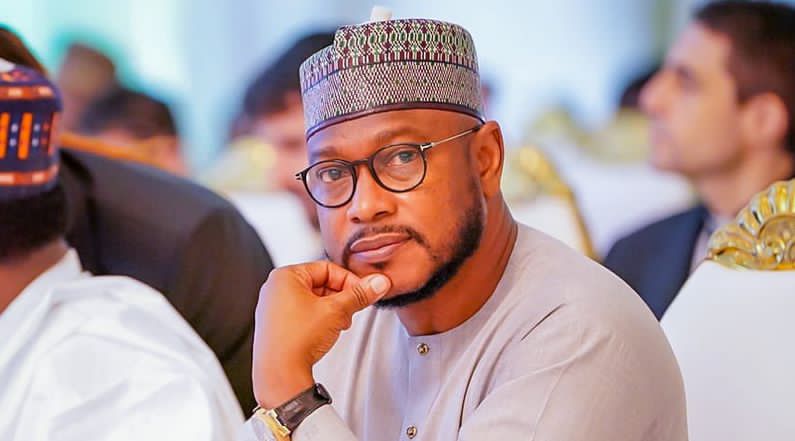
Governor Dauda Lawal Emerges APC Consensus Governorship Candidate for Zamfara 2027 Election
Governor Dauda Lawal Ph.d has officially emerged as the governorship candidate of the All Progressives Congress (APC) for the 2027 election in Zamfara State, following a consensus arrangement adopted by the party for its primaries.
The governor secured the ticket after party members and supporters gathered across various wards to endorse him as the APC’s flagbearer for the forthcoming election. The consensus model, which allowed party stakeholders to unite behind a single candidate, was embraced as a strategy to avoid a contentious primary and strengthen internal cohesion ahead of the 2027 polls.
Speaking with journalists shortly after the exercise, Governor Lawal expressed profound gratitude to party members for the confidence reposed in him. He reaffirmed his commitment to the people of Zamfara, pledging to consolidate ongoing developmental projects aimed at improving the lives of residents across the state.
“I am deeply honored by the trust and support of our party faithful,” Lawal said. “We will not relent in our efforts to deliver meaningful development, enhance security, and create opportunities for all citizens of Zamfara State.”
His emergence underscores the party’s push to build continuity and strong leadership in the northwest region.
Political analysts note that the adoption of consensus candidate signals the APC’s preference for unity and reduced internal friction as the party prepares for the next electoral cycle.


- Africa’s $65 Billion Fintech Industry Under the Spotlight in Latest Pan African Visions Magazine Special Edition May 21, 2026
- TotalEnergies Expands Angola Offshore Strategy as Martin Deffontaines Returns to Angola Oil & Gas (AOG) 2026 May 21, 2026
- New Africa Centres for Disease Control and Prevention (Africa CDC)–Global Fund Partnership to Strengthen Africa’s Health Systems May 21, 2026
- U.S. International Development Finance Corporation (DFC's) Vibhuti Jain Joins African Mining Week (AMW) as United States (U.S.) Expands Regional Critical Mineral Partnerships May 21, 2026
- PAC Capital Limited Secures Seven Prestigious International Awards, Reinforcing Leadership in Investment Banking and Advisory May 21, 2026
- African Energy Chamber (AEC) Strengthens Strategic Engagement with African Petroleum Producers’ Organization (APPO), Venezuela to Advance Regional Energy Cooperation May 21, 2026
- How the Product Leadership Accelerator (PLA) is Re-Engineering African Enterprises for a Digital-First Economy May 20, 2026
- Congo’s Minister Onanga to Fast-Track Deals, Drive Local Content and Expand Floating Liquefied Natural Gas (FLNG) in New Investment Push May 20, 2026
- PayPal Brings PayPal USD to Users Across 70 Markets Worldwide and Expands Access in Africa May 20, 2026
- Afreximbank Extends USD 15 Million Facility to Ecobank Zimbabwe Limited to Support Small and Medium Enterprises (SME) Participation in Export Value Chains May 20, 2026
- Africa’s $65 Billion Fintech Industry Under the Spotlight in Latest Pan African Visions Magazine Special Edition May 21, 2026
- TotalEnergies Expands Angola Offshore Strategy as Martin Deffontaines Returns to Angola Oil & Gas (AOG) 2026 May 21, 2026
- New Africa Centres for Disease Control and Prevention (Africa CDC)–Global Fund Partnership to Strengthen Africa’s Health Systems May 21, 2026
- U.S. International Development Finance Corporation (DFC's) Vibhuti Jain Joins African Mining Week (AMW) as United States (U.S.) Expands Regional Critical Mineral Partnerships May 21, 2026
- PAC Capital Limited Secures Seven Prestigious International Awards, Reinforcing Leadership in Investment Banking and Advisory May 21, 2026
- African Energy Chamber (AEC) Strengthens Strategic Engagement with African Petroleum Producers’ Organization (APPO), Venezuela to Advance Regional Energy Cooperation May 21, 2026
- How the Product Leadership Accelerator (PLA) is Re-Engineering African Enterprises for a Digital-First Economy May 20, 2026
-

 news5 months ago
WHO REALLY OWNS MONIEPOINT? The $290 Million Deal That Sold Nigeria’s Top Fintech to Foreign Interests
-

 society3 weeks ago
SOCIAL MEDIA IS NOT A BATTLEFIELD COMMAND – WHY THE NIGERIAN ARMY’S ACTION AGAINST JUSTICE CRACK IS A NATIONAL SECURITY IMPERATIVE
-

 celebrity radar - gossips4 months ago
Dr. Chris Okafor Returns with Power and Fire of the Spirit -Mounts Grace Nation Altar with Fresh Anointing and Restoration Grace on February 1, 2026
-

 celebrity radar - gossips5 months ago
Prophet Kingsley Aitafo Releases 2026 Prophecy: ‘Nigeria Will Rise, but the World Must Prepare for Turbulence’