
Business
‘Why Nigeria will never Win World Cup’ -Minister of Sports, Solomon Dalung reveals

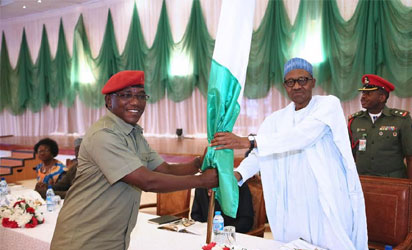

It’s not a good news from the Minister of Sports, Solomon Dalung as he made a pronouncement which sounds really bad. In an interview with international media organisation,Voice of America, Hausa he said Nigeria does not need to attend the next World Cup holding in Russia saying The World Cup is not just a football competition.
It also represents a bigger avenue for nations to showcase their football artistry to a global audience, with players getting to secure new and bumper contracts and endorsements, which in turn, impact positively on the country’s Gross Domestic Product and Foreign Direct Investment. Football is business and the World Cup fetches money for all participants. It is top in entertainment and business. Qualifiers even earn more than $5m from Fifa.
Besides the Olympics, the World Cup is by far the single biggest sports competition in the world, drawing record crowd appearances and creating a never-seen like before football atmospheres for its one-month duration. The road to the next World Cup in 2018 is on, with the Super Eagles are leading the proverbial group of death with six maximum points from two matches against Zambia and Algeria. Cameroon, the only African country with the most appearance at the World Cup make up the group, from which only the first-placed team qualifies for the event. Having missed out on a place at the next Africa Cup of Nations, starting in January in Gabon, Nigeria desperately needs to play at the World Cup to make up for the lost chance to play at AFCON 2017 but bizarrely, the one who ought to be championing the cause of going to the World Cup is ridiculously the one kicking against it. Minister of Sport and Youth Development, Solomon Dalung yesterday stunned all when he told the Voice of America that he was against Nigeria’s participation at the World Cup. His reasons: “That competition stinks of corruption; that Nigeria is too poor to waste money on it and that Nigeria would never win the trophy”. The implication of his statement is also that it is not necessary to waste money qualifying when you cannot win the World Cup. As shocking as these may be, Dalung, a lawyer by training, said Nigeria should be content with playing at the Nations Cup, Olympics, Commonwealth Games. He said that Nigeria could win the Nations Cup but not the World Cup. World Cup finalists are guaranteed huge sum of money running into millions. According to Dalung, “The cup that we can win is the African Cup of Nations. There is nothing again that will take us to another man’s balcony in the name of the World Cup. We already have the Commonwealth Games and the Olympics. For these, we can attend such meets. But I am opposed to the World Cup. We don’t agree to it. Conspiracy in the World Cup is too much,” he said, a statement that could upset the world governing body, FIFA. He was not done. “There is the issue of bribery and favouritism. There is also the issue of corruption before you are even given the hosting rights. We are here suffering from hunger and we don’t have money for such things. That is why, even if we try many times, once it gets into the politics of the game, we can never win. “That was why this year, we had to tackle him (FIFA President, Ginani Infantino) and we said, ‘you , Infantino, if you win this election, you have to give us a position. If not, we shall not agree.’ And you see , by the grace of God, he even picked an African as his Secretary-General. That means he has started taking honey and rubbing on our lips. That means that one day, we shall get to really lick the honey.” This is ridiculous and unbelievable. But they are the exact words of Sports Minister Dalung, a man, who has allegedly fanned the embers of discord, disunity and crisis in the Nigeria Football Federation. It is recalled that Dalung was the unseen hand in the crisis of leadership, that rocked the NFF after Chris Giwa threatened to seize power from the Amaju Pinnick-led Executive Board. Despite CAS and FIFA’s unambiguous backing of Pinnick’s board, Dalung called for a meeting between Pinnick and Giwa in his Abuja office, which snowballed into an all-out fight between both gladiators. As if that was not enough, the Minister has continuously asked the Amaju led board to co-opt Chris Giwa and his members into their board, ignoring the fact that membership of the board is through election. It has been from one dispute to another and Nigerian football has been in court. Truly, football disputes are out of the jurisdiction of the ordinary law court as the Courts of Arbitration for Sports in Lausanne, Switzerland sits over all disputes in sports. The minister’s latest comments confirm him as a total stranger to sports who has bluntly refused to learn the ropes.




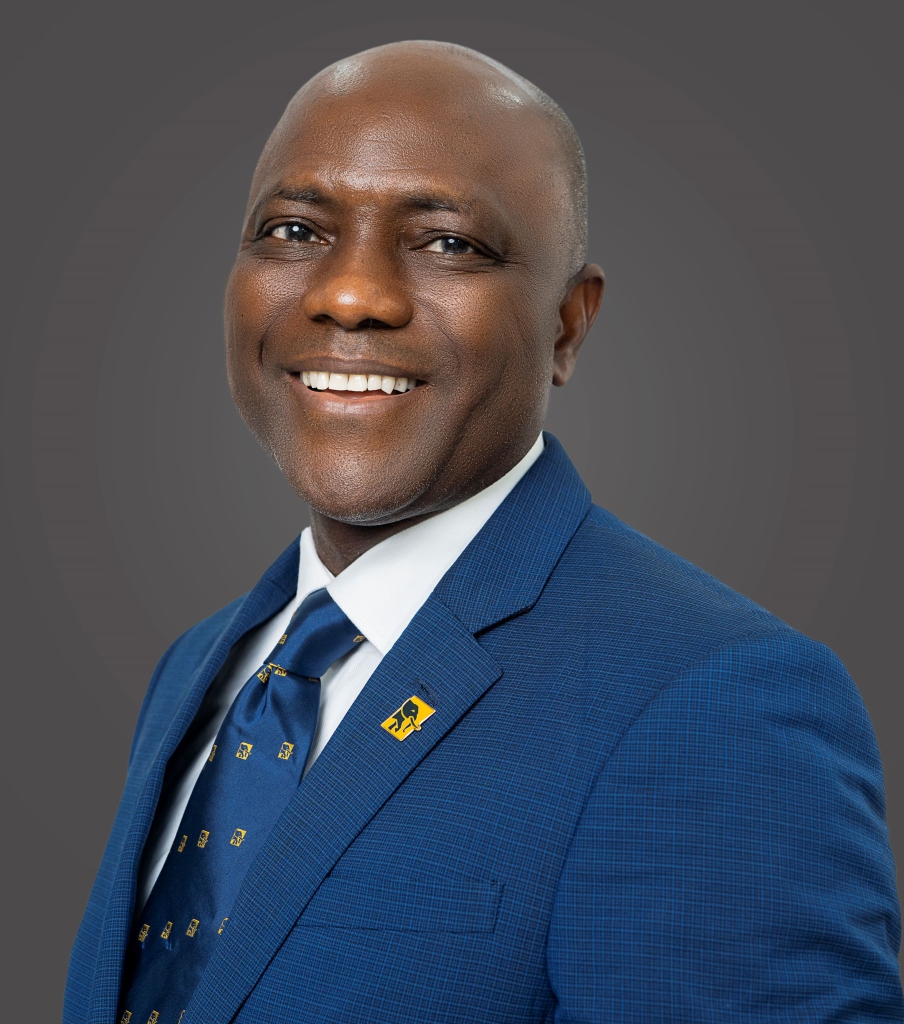
FirstBank Partners Eko Hotels & KEY Academy for ChessMasters 2026 Tournament
Lagos, 30 March 2025 – FirstBank, West Africa’s premier financial institution and the leading financial inclusion service provider, has announced its strategic sponsorship of the second edition of ChessMasters, Africa’s largest school chess tournament. The announcement was made at the official press conference of the tournament held on 16 March 2026 at Eko Hotels and Suites, Lagos.
ChessMasters is an annual chess tournament designed to equip the next generation with critical thinking, problem-solving, and leadership skills. The competition targets children in primary school aged between 6 and 11 years old. Organised by Eko Hotels and Suites & KEY Academy , ChessMasters was created to provide thousands of children across Nigeria with opportunities to develop modern educational skills, bringing schools together on a national stage.
Speaking at the press conference, Olayinka Ijabiyi, Acting Group Head, Marketing & Corporate Communications at FirstBank, said, “Our sponsorship of ChessMasters 2026 reflects our commitment to building talents and communities, driving inclusion, and deepening engagement through our First@Sports initiative, a platform that celebrates talent and promotes social impact through sports. With over a century of supporting legacy sports in Nigeria, we are proud of our enduring partnerships – 105 years with the Georgian Cup, 65 years with the Lagos Amateur Golf Championship and 35 years with the Dala Hard Court Tennis Championship.”
Ijabiyi further highlighted how the sponsorship aligns with FirstBank’s sustainability pillars of Education, Health, and Welfare. “We recognise the potential of chess to help school-age children challenge themselves, think critically, and compete at the highest level, hence we see the tournament as a launchpad for a pan-African movement leveraging chess as a tool for education, empowerment, and leadership development. We are utilising this platform as another avenue to promote social impact and drive positive change in the community.”
Caline Chagoury Moudabar, Director and Co- Founder of ChessMasters and her partner Damilola Okonkwo of Key Academy, expressed appreciation for FirstBank’s support, noting that the partnership will help scale the impact of ChessMasters and inspire more schools to participate. “We are happy to welcome FirstBank on board. This collaboration will boost chess development in Nigeria and promote critical thinking among young minds. With support from partners like FirstBank, we are opening the doors of participation to more children and more schools in this year’s edition.”
Prince Adeyinka Adewole, Vice President of the Nigeria Chess Federation, commended the initiative, emphasising its role in nurturing future chess talents. “Chess connects people, ideas, and opportunities. It teaches children to be analytical, patient, and manage their time and resources effectively. Chess also improves concentration and has been particularly beneficial for children with autism.”
The second edition of ChessMasters will be held on Saturday, 2 May 2026 at Eko Hotels and Suites, Lagos. The competition is open to 150 schools across Lagos, with over 700 students expected to participate and vie for a total prize pool of N10 million.
FirstBank’s involvement in the 2026 edition of the tournament reinforces the potential of ChessMasters to become a launchpad for African children, leveraging chess as a tool for education, empowerment, and leadership development.
Business
Alpha Morgan Bank Reinforces Commitment to Education at Redeemer’s University Business School Commissioning
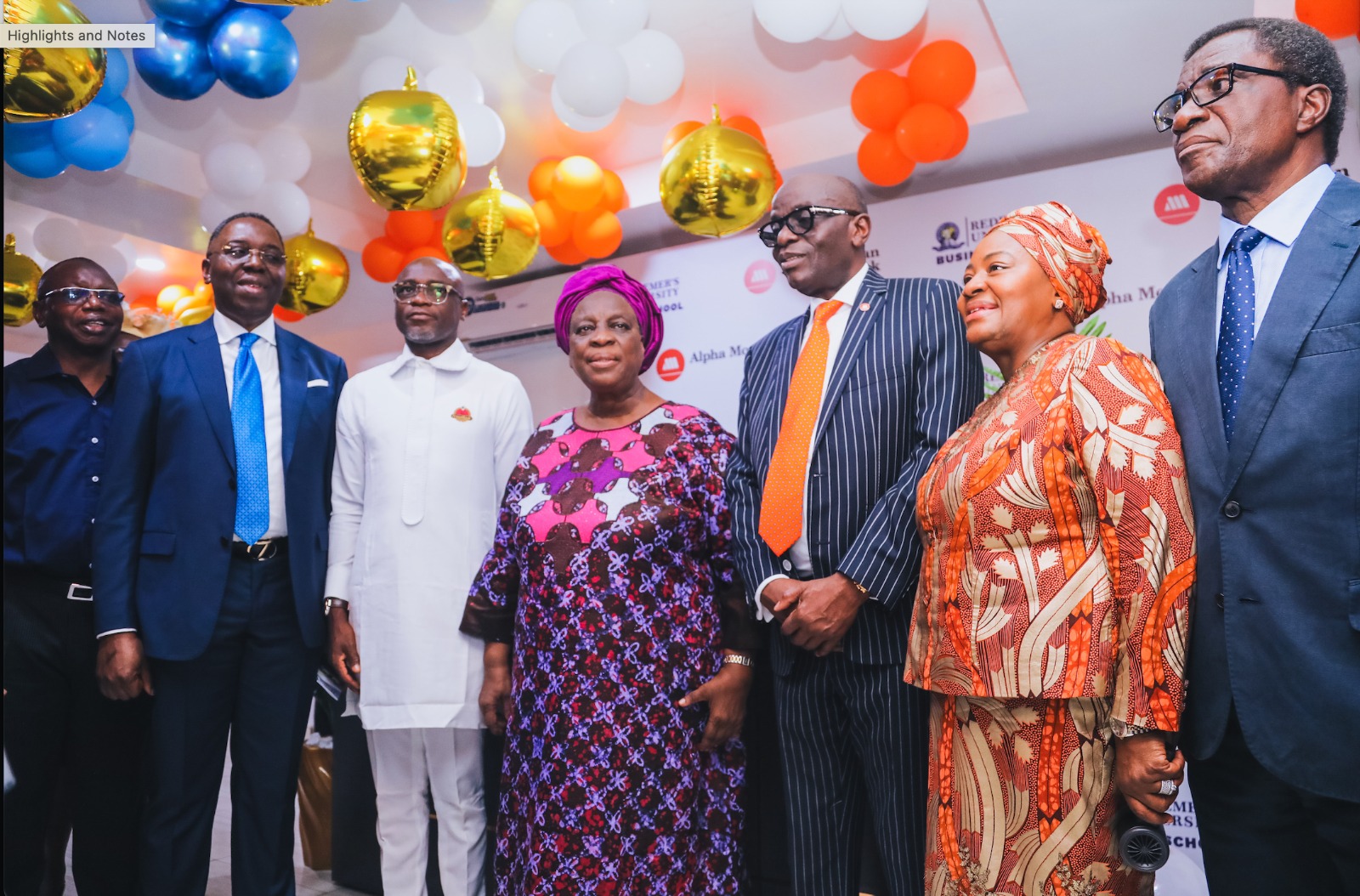
Alpha Morgan Bank Reinforces Commitment to Education at Redeemer’s University Business School Commissioning
Alpha Morgan Bank has reaffirmed its commitment to education and institutional development through its support for the commissioning of the Redeemer’s University Business School.
The Business School was officially inaugurated by Pastor (Mrs.) Folu Adeboye, at the commissioning ceremony attended by distinguished guests including Her Excellency, Mrs. Bola Obasanjo; the Pro-Chancellor and Chairman, Governing Council of Redeemers University, Professor Oluwatoyin Ogundipe; the Vice Chancellor, Professor Shadrach Olufemi Akindele; and other notable dignitaries.
Speaking at the event, the Managing Director of Alpha Morgan Bank reiterated the Bank’s commitment to supporting institutions that drive intellectual growth and national development.
As part of its broader focus on knowledge sharing and thought leadership, Alpha Morgan Bank will host its Economic Review Webinar in May 2026, bringing together experts to share insights on key economic trends and opportunities.
The Bank’s involvement reflects its continued dedication to empowering institutions and shaping the future of business and leadership in Nigeria.
Read more about Alpha Morgan Bank on www.alphamorganbank.com
PHOTO
L-R: Prof. Shadrach Olufemi Akindele, Vice Chancellor, Redeemers University, Engr. Eloka Eje, Dr Perez Araka, Pastor (Mrs) Folu Adeboye, Mother-In-Israel, The Redeemed Christian Church of God, Mr Ade Buraimo, MD/CEO Alpha Morgan Bank, Dr (Mrs) Oluwatomi Somefun, Dr. Simeon Ifere, at the inauguration of the Redeemer’s University Business School, Redemption City, Ogun State on Thursday 2nd April, 2026
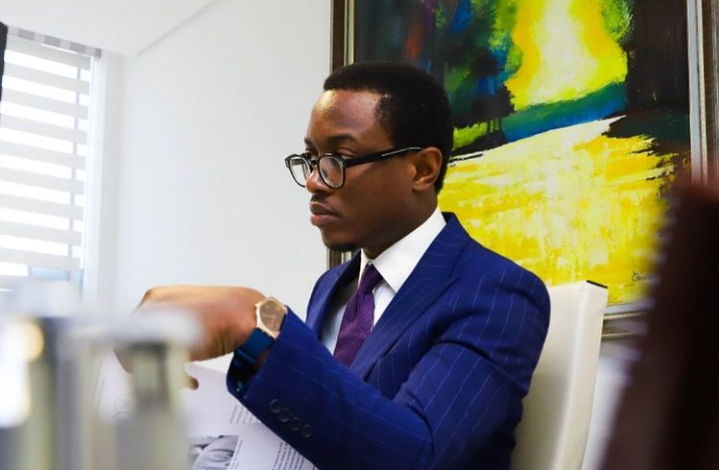
Tinubu Aide Rebuts Rufai Oseni Over ₦3.3tn Power Debt Deal


- African financial institutions call for coordinated financing solutions to unlock Africa’s digital transformation April 9, 2026
- African Energy Chamber (AEC) Supports Perenco Partnership to Advance Industry 4.0 Skills in Central Africa April 9, 2026
- Youth Charter Calls for “Commonwealth Youth Legacy” Ahead of Glasgow 2026 April 9, 2026
- Securing the bridge between legacy and smart April 9, 2026
- Africa’s Lithium Pipeline Gains Momentum as Global Supply Deficits Loom April 9, 2026
- Afreximbank delivers strong FY2025 results; with a total assets and contingencies base of US$48.5 billion April 9, 2026
- National Council for Curriculum Development (NCDC) seeks Shs17 Billion for curriculum review, teacher training April 9, 2026
- Senegal: A Decade of Unresolved Climate Displacement April 9, 2026
- Uganda engages its diaspora in Japan on national policy framework for inclusive development April 9, 2026
- Afreximbank supports Dangote Group as it targets US$100 billion annual revenue by 2030 April 8, 2026
- African financial institutions call for coordinated financing solutions to unlock Africa’s digital transformation April 9, 2026
- African Energy Chamber (AEC) Supports Perenco Partnership to Advance Industry 4.0 Skills in Central Africa April 9, 2026
- Youth Charter Calls for “Commonwealth Youth Legacy” Ahead of Glasgow 2026 April 9, 2026
- Securing the bridge between legacy and smart April 9, 2026
- Africa’s Lithium Pipeline Gains Momentum as Global Supply Deficits Loom April 9, 2026
- Afreximbank delivers strong FY2025 results; with a total assets and contingencies base of US$48.5 billion April 9, 2026
- National Council for Curriculum Development (NCDC) seeks Shs17 Billion for curriculum review, teacher training April 9, 2026
-

 news4 months ago
WHO REALLY OWNS MONIEPOINT? The $290 Million Deal That Sold Nigeria’s Top Fintech to Foreign Interests
-

 society7 months ago
“You Are Never Without Help” – Pastor Gebhardt Berndt Inspires Hope Through Empower Church (Video)
-

 celebrity radar - gossips2 months ago
Dr. Chris Okafor Returns with Power and Fire of the Spirit -Mounts Grace Nation Altar with Fresh Anointing and Restoration Grace on February 1, 2026
-

 celebrity radar - gossips4 months ago
Prophet Kingsley Aitafo Releases 2026 Prophecy: ‘Nigeria Will Rise, but the World Must Prepare for Turbulence’
You must be logged in to post a comment Login
You must log in to post a comment.