
Politics
WHY THE NORTH WILL PREFER PDP TO APC IN THE COMING PRESIDENTIAL ELECTION


WHY THE NORTH WILL PREFER PDP TO APC IN THE COMING PRESIDENTIAL ELECTION
By Hammed Abdul-Hakeem
The level of political dynamism across the Northern part of the country as we count down to the February Presidential election is palpably unprecedented. All through the states that are often dubbed the major voting blocs and the other states too, there is a simmering voter revolution gathering steam; majority of citizens of voting age cannot wait to use their PVCs to make a loud statement to the world on the type of fate the ruling party has dealt their lives in the past eight years. As it happened in 2015, there is what is clearly seen by all discerning watchers of Northern politics as a looming rejection of the party in power for a more viable opposition candidate to mount the saddle. The February Presidential election will certainly present the APC scorecard as prepared by the people.
Even the average non-literate Northerner understands that the election will have a great impact on how the North and its peoples will fare in Nigeria, going forward. The power of incumbency is definitely not going to count for anything. Like all Northerners, even the outgoing President Muhammadu Buhari appears to have correctly gauged the pervading feeling and resolution of Northern voters to vote their conscience, come February. That may be why he has joined the popular refrain in the North today where people are being admonished to see the choice of the next president as a moral obligation and a vote of conscience.
The Buhari message of Vote Your Conscience of today is different from his APC, Top to Bottom of 4 years ago. This is because even he knows the truth; the Northern people cannot be cajoled to do otherwise. No doubt, President Buhari has tried to play appeasement politics in the North with the Kano-Maradi Railway project and the Northern Oil Drilling project; all in the bid to soften the ground for his party. However, Northerners know these are all pipeline projects and have no immediate succor or relief for them. The North has been left to bleed too much; it needs immediate reliefs or it has to look elsewhere for hope. In February, all indices on ground point to the only sensible option: APC does not represent the needed hope for realistic change.
The last eight years have brought untold devastation to the North. Boko Haram and banditry have turned the entire area into a land of misery, death and emptiness. Life is harsher than ever. Communities in almost all the Northern states are paying ransom to organised banditry groups regularly to have freedom to life. The entire North West and North East have become IDP enclaves. Farming, the major occupation of citizens, is on hold. Hardly do the people gather again for communal events that define their culture and livelihood. Ullamahs, traditional rulers and district heads are pained but powerless while citizens cry vainly for help. Sadly, in eight years, no help has come from APC. There is no realistic hope that another four years of the party can bring a different lease of life. APC has frittered the people’s trust; not even its current same faith ticket has brought a sizable shift in the people’s thinking. The general belief in the North is that the muslim-muslim ticket is a mere trap by the party to attract Northern votes which its performance in the last eight years does not deserve.
Conversely, the biggest beneficiary is the PDP which has now bounced back to enjoy improved trust and embrace of voters across the key voting blocs. A major reason for this is the recognition of the PDP candidate, Atiku Abubakar, as a grassroots and sincere leader whose entrepreneurial and administrative antecedents can be easily referenced. His business footprints from agriculture, manufacturing, education and other services are all over the North; unlike the APC candidate who is generally seen as having no deep understanding of the environment, the people and their needs beyond what he is often fed by his fawning band of political promoters who, in themselves, are glory seekers who do not care for the conditions of the masses.
From 1999 to 2015, the North recognised two national political parties namely PDP and ANPP. From 2015, it has been PDP and APC. Going into the February election, this political culture is not about to change markedly. APC has failed woefully in the North. The only real option for remedy the people see is the PDP. Right now, the North does not trust the APC because the general thinking is if the Buhari-Osinbajo ticket which was touted as far more credible and APC’S best foot forward could perform as abysmally as it has, the current ticket of APC is much weaker in all respects and could therefore not be trusted not to make things worse. Atiku’s antecedents and pedigree, the people believe, rank him far above what APC has on offer.
To people of Northern Nigeria, the February election is all about assessment and realignment. Over 70% of the Nigerians APC’s government has pushed into poverty are in the North. Over 70% of the out-of-school children the APC government has not been able to help are in the North. Hundreds of Northern children abducted by insurgents and bandits have not returned. Families have been violently destroyed and homes and livelihood upturned. Despite all the noise about ranching and refining the agricultural process and value-chain in the country, nothing has been done in practical terms. Northern youths have been rendered hopeless and pushed into drugs and crime. In the last eight years of APC, the existential fabrics of most Northern communities have been destroyed. The life of the average Northerner is today far worse than it was in 2015.
On the streets of all the Northern states today, it is all about voting your conscience in the February election. There is a clear sign that majority will vote PDP for the presidency. This is based in part on the nostalgic feeling of the relatively more peaceful, progressive and humane life the people enjoyed while PDP was in power at the centre, especially from 1999 to 2012 as compared to the short, nasty and brutish life served them in the last eight years of the APC presidency. It is also based on the cosmopolitan personality as well as the progressive and eminently democratic outlook of the politics of Atiku Abubakar as seen in his pan-Nigeria centred political journey from the early 90s to date which is different from what is jocularly referred to in Northern political circles as the ‘grab, grab, do-or-die, self-centered narcissist politics’ of the APC candidate whose intolerant political style and imperialist hegemony in the South-west of the country do not serve as the type of dish the North wants or needs at this point in time.
*** Abdul-Hakeem, a political analyst, journalist and publisher, writes in from Abuja.




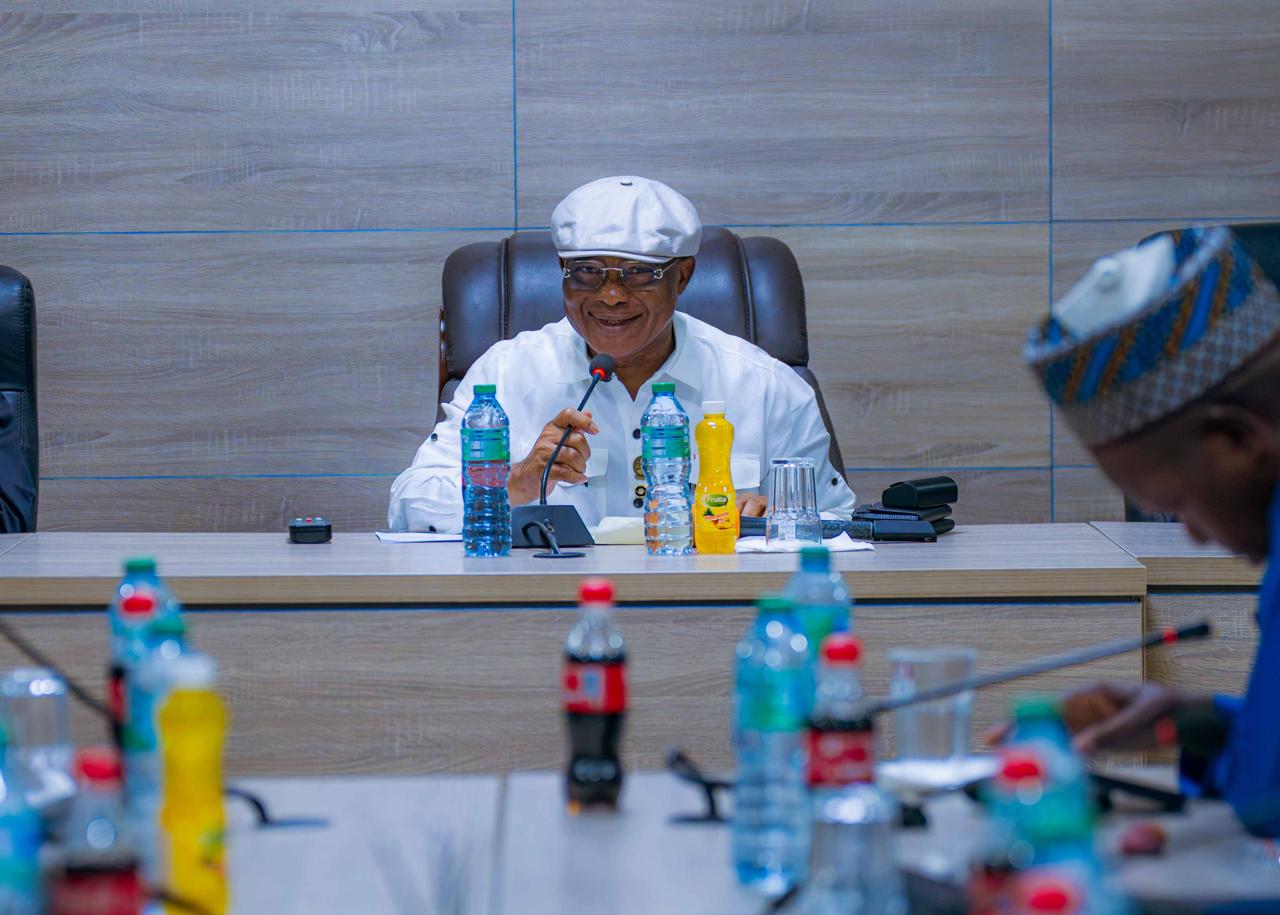
*Renewed Hope Ambassadors Step Into the Next Phase
Fresh from the successful APC 2026 National Convention, the Renewed Hope Ambassadors National, Zonal, and State leadership gathered in Abuja over the weekend, for its fourth strategic meeting, setting the tone for nationwide grassroots activation ahead of 2027.
Chaired by Governor Hope Uzodinma (Imo State) the Director General and National Coordinator of the Renewed Hope Ambassadors, alongside Deputy Director-General, Governor Uba Sani of Kaduna State, and Governor Inuwa Yahaya of Gombe State as Secretary, the session reinforced one clear direction: One Party. One Message. One Mobilization whilst also laying out a strategic roadmap for the activation of the network across all communities in Nigeria.
Backed by the strength of 31 APC-led states, the Renewed Hope Agenda is taking Bola Ahmed Tinubu’s message of progress and reform to every corner of Nigeria.
From bold economic restructuring to initiatives like NELFUND, the increase in the national minimum wage from ₦30,000 to ₦70,000, and strategic investments in critical sectors, including PNiCGI, the mission remains clear: helping Nigerians understand both the purpose and the progress of the Renewed Hope vision.
This is coordination at scale. This is grassroots engagement with purpose. This is the next phase of Renewed Hope with One Party, One Message, and One Mobilisation framework
#RenewedHopeAmbassadors #APC #WeAreAPC


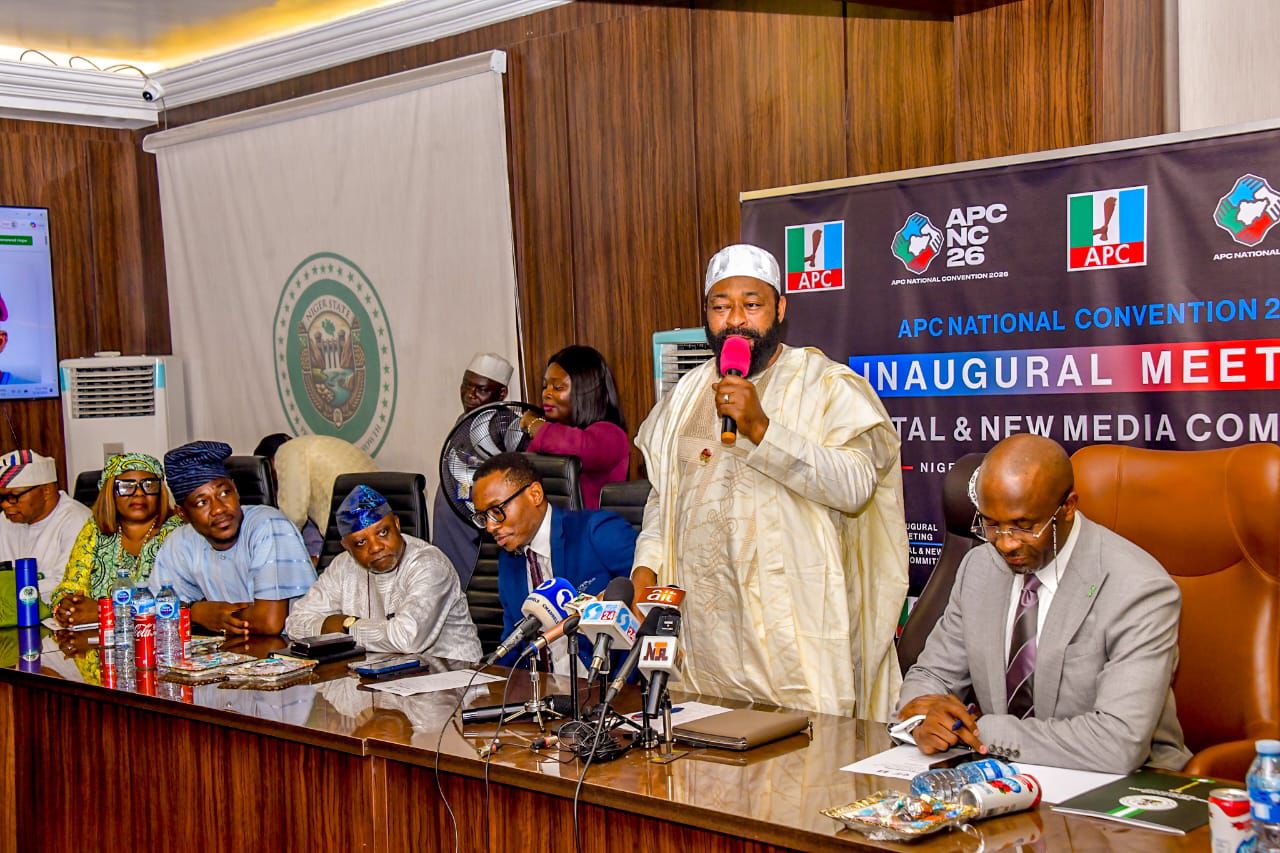
Governor Bago Inaugurates APC Digital Media Sub-Committee Ahead of National Convention.
Governor Umaru Bago has inaugurated the Digital Media Sub-Committee for the forthcoming National Convention of the All Progressives Congress (APC), scheduled to hold on March 27 and 28, 2026 in Abuja.
Chairing the sub-committee, Governor Bago tasked members with the responsibility of effectively communicating the party’s manifesto to the public.
He emphasized the need to leverage social media platforms to highlight the achievements and ongoing efforts of President Bola Ahmed Tinubu, noting that communication gaps have posed challenges that must now be decisively addressed.
The Co-Chair of the sub-committee, Hon. Benjamin Kalu, Deputy Speaker of the House of Representatives, echoed the Governor’s position, urging members to project the activities of both the party and the government to a broader audience.
He called for a deliberate and coordinated effort to showcase the party’s achievements and policy direction, stressing the importance of shaping a compelling and consistent narrative across all digital platforms.
Delivering a presentation to the committee, Otega Ogra, SSA to the President on New Media, who serves as Secretary of the sub-committee, outlined strategic focus areas to guide the team’s operations.
His presentation highlighted communication priorities and actionable steps to achieve the committee’s mandate and strengthen the party’s digital engagement.


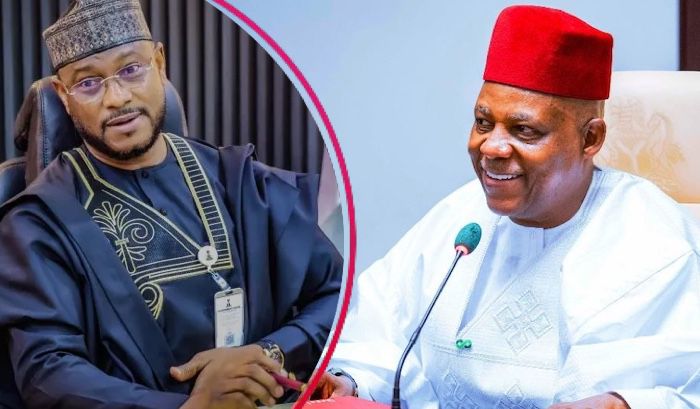
VP Shettima Set to Lead Delegation to Zamfara as Governor Dauda Lawal Formally Joins APC
The Zamfara State chapter of the All Progressives Congress (APC) has finalized plans to receive Vice President Kashim Shettima for the formal defection and reception of Governor Dauda Lawal into the ruling party, scheduled to take place on Tuesday.
State APC Chairman, Tukur Danfulani Maikatako, disclosed this during a high-level stakeholders’ meeting held in Gusau, the state capital. He noted that the Vice President would be joined by the party’s national leadership to mark what he described as a landmark political realignment in the state.
Maikatako expressed the party’s excitement over Governor Lawal’s return, recalling that Zamfara had historically been an APC stronghold and that the Governor was previously a bona fide member of the party before his earlier exit.
“We all know that Zamfara has long been one of the APC’s stronghold states, where the defected Governor was once a bona fide member. Now that he has decided to return home, having been satisfied that the APC remains his second choice after the one he left for obvious reasons,” Maikatako stated.
The Chairman called on all party faithful across the 147 wards in the state’s 14 local government areas to turn out en masse to honour the Vice President’s visit. He emphasized that the event was strategically positioned to bolster the party’s popularity and strengthen its structures ahead of the 2027 general elections.
In a strong appeal for unity, Maikatako urged members to set aside all factional tendencies, stressing that the APC remained one political family with shared goals, particularly the ambition to make Zamfara and Nigeria great again.
Echoing similar sentiments, a former state APC Chairman, Lawal M. Liman, appealed to members to cascade the message to their wards and local government areas. He reinforced the need for cohesion, noting that the party’s collective strength would be critical to achieving success in future elections.

All eyes are now on Gusau as the ruling party prepares for a high-profile political gathering expected to further consolidate its influence in Zamfara State.


-

 society6 months ago
Religion: Africa’s Oldest Weapon of Enslavement and the Forgotten Truth
-

 news4 months ago
WHO REALLY OWNS MONIEPOINT? The $290 Million Deal That Sold Nigeria’s Top Fintech to Foreign Interests
-

 society6 months ago
“You Are Never Without Help” – Pastor Gebhardt Berndt Inspires Hope Through Empower Church (Video)
-

 celebrity radar - gossips2 months ago
Dr. Chris Okafor Returns with Power and Fire of the Spirit -Mounts Grace Nation Altar with Fresh Anointing and Restoration Grace on February 1, 2026