
Business
WORLD EXCLUSIVE WITH PROF. ALEXIA THOMAS, INDEPENDENT DIPLOMAT IN UK: ‘Risking my Life Securing Freedom for Commonwealth Citizens facing British Immigration Issues’-Nigerian born, British fiery Activist Says: ‘Spirit of Queen Elizabeth 1 greatest monarch in English history exists in me’


* Establishes Independent Diplomatic Commission, IDC for Equity, Rights of
Africans
* Creates The Commonwealth Liberation Party, TCLP political platform
*Sets Protectorate Police Commission, PPC to Secure Bails, British Govt
failed Commonwealth
*Echoes: ‘Our Mission is to Uphold Civil Right Justice for Commonwealth
Citizens in UK’
*Confesses: ‘Hate is a Crime, as it breaches Article 9 And 13 of UDHR 1948’
* Reaches out to Nigerian Govt, African Union & ECOWAS to save Africans in
Europe
*Recalls: ‘I Saved Nigeria’s musicians Obesere, Olu Maintain from British
Immigration Jaws’
“By night doctrine, I traveled back in time and realized what made United
Kingdom a standard society has been lost. But by awakening the voice of
the ancestors, particularly the spirituality and ideology of Queen
Elizabeth 1, whose spirit lives in me, I was able to re-enact her
formidable philosophies”. Those were the effervescent words of
Knowledgeable Professor Alexia Thomas, a Nigerian born, British citizen
who earlier left the shores of Nigeria as a music diva in 2004 and
relocated to London. While in Nigeria, her music, a reggae-high life
preached against the social ills in the society, as she was a familiar
face in the Nigerian entertainment industry then known by stage name
‘Lizzy Henz’.
Nigeria’s Activist Fights Racism in United Kingdom (UK)
In an exclusive interview with this correspondent, this woman profoundly
knowledgeable woman in ‘Divinity’ revealed how she risks her life on
several occasions to secure freedom for Nigerians, South Africans,
Ghanaians, Somalians, Ugandans, Liberians, Angolans, Moroccans and
Cameroonians battling various kinds of British immigration challenges.
According to her, “Any revolutionist who has not been to prison is not yet
ready. I have paid the price for Commonwealth citizens globally through my
various sacrifices, still continuum in ensuring freedom, equity and
justice for the people. When victory is ascertained, it is time to shame
the wrong (racism) and hate in British system.”
‘Spirit of Queen Elizabeth 1 spiritually in me’
When asked the challenges she had to overcome to have become this popular
in UK when it comes to activism, she explained that challenges helped her
become bigger, since she sees no odds in obstacles. Her words: “I don’t
see any challenge in every obstacles placed my way by British system,
rather I see opportunities, platform to re-enact the ideology of
‘Commonwealth Mother’ in bringing freedom, stability, justice, and
fairness to the British system. Salvation of the people is freedom of the
people. As an Independent Diplomat in UK, my government’s target is to
continue with the unfinished work of Queen Elizabeth 1, a royal monarch
highly revered globally who ruled alone for nearly a half century by
lending her name to greatest epoch in world history. She dazzled even her
greatest enemies. Her sense of duty was admirable, though it came at
personal cost. She was committed above all the else preserving English
peace and stability; her genuine love for her subjects was legendary.
Living the life of Queen Elizabeth 1 is a reality in me. I have since
realized that all Commonwealth nations have no ideology. I really believe
ideology gives me power. ”
In her greatest speech to Parliament, she said “I count the glory of my
crown that I have reigned with your love”, and five centuries later, the
worldwide love affair with Elizabeth Tudor continues.
Sounding philosophical, Alexia stated that “United States and British
governments never executed the Doctrine of Universal Declaration of Human
Rights, UDHR. Late Obafemi Awolowo of Nigeria introduced UDHR into the
country, since freedom is given when justice is seen to have been done.”
British Government failed Commonwealth nations
In the words of Alexia: “ I must confess to you that the British
Government failed Commonwealth nations. That is why we have concluded
plans to put in a place a working treaty through Alliance for
Commonwealth, where freedom is a right not a favor or prerogative of any
faulty system.
The Commonwealth Liberation Party, TCLP
Through the instrumentation of law Alexia has created a viable political
platform for Commonwealth citizens in UK willing to effectively
participate in politics, ready to defend and ensure justice is upheld in
the length and breadth of the Queen’s enclave. “As Chairman of TCLP, I am
not entitled to contest any political position, I am to ensure that every
opportunities are given to all members of Commonwealth nations, who
already register with us to contest British elections. For the records,
2nd Apocalypse of Judaism led to the 2nd World War. We are here to stop
any appearances of Apocalypse of Judaism. TCLP is destined to stop 3rd
Apocalypse of Judaism.”
Independent Diplomatic Commission, IDC
Alexia in this rare interview explained that as the Royal Mother and
President of Independent Diplomatic Commission, IDC, as well as Chairman
of TCLP, she said “I don’t contest election, but I am entitled to give
tickets on a fair-level platform of ours to those who want to contest
elections. For the intending Commonwealth candidates to be eligible,
he/she will need to visit our IDC website at: www.theidc.org.uk write our
examination, passed same to be fit to fully represent ideology and power
for the people. The IDC stands for Equity, Rights, Social Integration and
Treaty Alliance Commission for Nations of Commonwealth. As at today, 53
countries of Commonwealth are victims of segregation. This is why I
strongly believe that when a party with great ideology comes into power,
we would identify people whose Visas have expired in UK labeled ‘No
Identity’ by the police. The knowledge I carry is very weighty in Divinity
through Queen of Elizabeth 1. In Africa, where we come from, insanity is
the mother of the day. And here in UK, wherever the authorities say NO to
a Commonwealth citizen, when I control their minds there will be
liberation. Presently, we are government not in power, but richer in power
of ideology.
Protectorate Police Commission
In ensuring the rights of Commonwealth citizens in Europe and UK are not
trampled upon, Alexia takes her activism a step further by establishing
Protectorate Police Commission, PPC, “to secure bails for Commonwealth
citizens kept in immigration camps against their desires. We believe no
Commonwealth citizen shall be imprisoned until found guilty. Domestic
violence against the men is same as domestic violence against the women.
We act as mediators in domestic issues because our officers are experts in
conflict resolution. We aim to protect every home from unlawful entry
following constant abuse on Commonwealth citizens by the local authorities
and other government agencies.”
Saved Nigerian musicians from British Immigration Jigsaw
On a lighter side, Alexia explained to this correspondent how she was able
to save Abass Akande Obesere, a Fuji exponent and Olu Maintain, a
funk-high life artiste from British immigration crises. She said “In 2008,
Abass Obesere earlier had issues regarding his ‘visitor’s visa status’ on
the point of entry to London where he had some shows earlier arranged for
him by some Nigerian community. I was called upon by his manager on the
‘No appropriate visa status’. My diplomatic intervention and prompt action
with the British immigration facilitated his quick release. A year after
(2009), he was again stopped by British immigration on his point of entry
on allegations that he deliberately did not communicate with them in
English language, as they did not understand what he meant. I intervened
again and secured his release.
“Similar experience happened when Olu Maintain, another Nigerian musician
had challenges with British immigration at the point of entry where there
were allegations that some of his band boys would not be allowed entry on
the soil of UK to perform. I was called upon, again I ensured all his band
boys were released unconditionally.”
Reaches out to Nigerian Govt, African Union leaders
“I am using this medium to reach out to Nigerian government and African
Union Heads of State, as well as Economic Community of West African
States, ECOWAS, to reach out to us here in UK so that together we can
ensure that no member of Commonwealth is detained, imprisoned illegally.
We are asking for urgent help in this regard. Remember, freedom of a man
is free but needed assistance for freedom logistics.
“As the Royal Mother, President of Independent Diplomatic Commission, and
Chairman of Commonwealth Liberation Party, TCLP, our government is duty
bound through the instruments of law to enforce Treaty and eliminate undue
policies because policies will not, must not, should not and cannot
override Treaty.”





HOUSE OF BIMPE FIT GAINS ATTENTION WITH TRENDY UNISEX FASHION LINE
LAGOS — A fast-rising fashion brand, House of Bimpe Fit, is making waves in the style scene with its collection of modern, elegant outfits designed for both men and women.
The brand, which showcases a blend of contemporary and classic designs, is quickly attracting attention for its attention to detail and quality finishing. From sharply tailored men’s native wears and suits to chic, figure-flattering outfits for women, House of Bimpe Fit is positioning itself as a go-to destination for fashion lovers seeking both style and comfort.

Speaking on the brand’s vision, the management emphasized its commitment to delivering “quality outfits for both men and women,” ensuring customers step out with confidence and class regardless of the occasion.
Fashion enthusiasts have particularly praised the brand’s versatility, as it caters to a wide range of tastes—from corporate elegance to casual sophistication.

With an active presence on social media, especially on TikTok via @house_of_bimpefit, the brand is leveraging digital platforms to reach a broader audience and showcase its latest collections.
Industry watchers say House of Bimpe Fit is one to watch, as it continues to carve a niche for itself in Nigeria’s competitive fashion industry.
For inquiries, customers can contact the brand via phone at 0802 686 6277.

Business
Jafad College of Nursing Science Showcases Excellence at Matriculation, Capping Ceremony for 158 Nursing Students
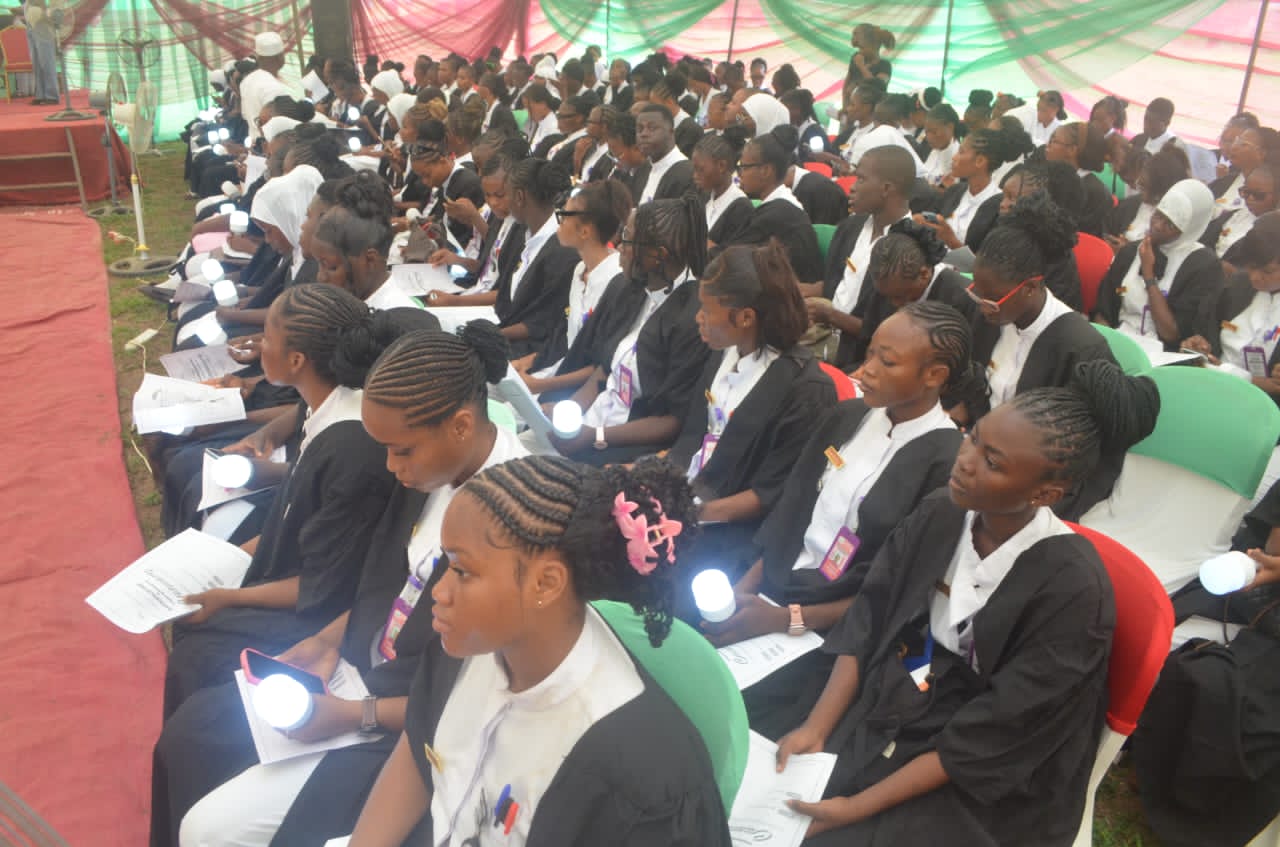
Jafad College of Nursing Science Showcases Excellence at Matriculation, Capping Ceremony for 158 Nursing Students
By Agholor M.O
Jafad College of Nursing Science, Oru Ijebu Ogun State, has once again demonstrated its commitment to excellence in healthcare education as it matriculated and inducted into Nursing Training, 158 students of the N.D 2025/2026 academic session in a well attended and inspiring ceremony which took place on Wednesday, 8th of April 2026 at the College premises, Oru Ijebu, Ogun State

The event began with a colourful academic procession of the matriculating students led by their Class Coordinator Mrs B.O. Okuboyejo, alongside principal officers of the college, including the Student Affairs Officer, Mrs Fijabi; College Accountant, Mrs Funmilayo Victoria Alao; Librarian, Mr Jonathan Olusola Fatokun; Registrar, Mr Mojeed Adewale Lawal; and the Acting Provost, Ms Olufunmilola Akintayo.

In her welcome address, the Acting Provost charged the new students to embrace discipline, dedication, and professionalism, noting that Jafad College provides a strong academic and moral foundation needed to thrive in the ever demanding healthcare sector.

The ceremony attracted dignitaries, including Mr Abdulhameed, JAMB Zonal Coordinator, Abeokuta, Ogun State, further underscoring the institution’s growing reputation.

Delivering the matriculation lecture, Mrs Oyelayo Toyin Adeola, a registered nurse educator from Olabisi Onabanjo University Teaching Hospital, spoke on the theme: *“The Journey of Admission to Graduation: Strategies for a Successful Outcome – Learner and Teacher Perspective.”* She emphasized the importance of goal-setting, effective study habits, time management, and active student teacher collaboration. She also highlighted the need for resilience, ethical conduct, and continuous self-improvement, describing nursing as both a calling and a profession that demands compassion, competence, and lifelong learning.

The ceremony reached a symbolic peak with the capping and stripping of the students by experienced registered nurses from Ogun State Hospital, Ijebu Ode, officially ushering them into the noble nursing professional Training.
Parents and guardians expressed satisfaction with the quality of organization and training standards, while the students beamed with excitement as they began their professional journey.


With its experienced faculty, structured training, and commitment to producing competent and compassionate nurses, Jafad College of Nursing Science continues to stand out as a top choice for aspiring healthcare professionals in Ogun State and beyond.


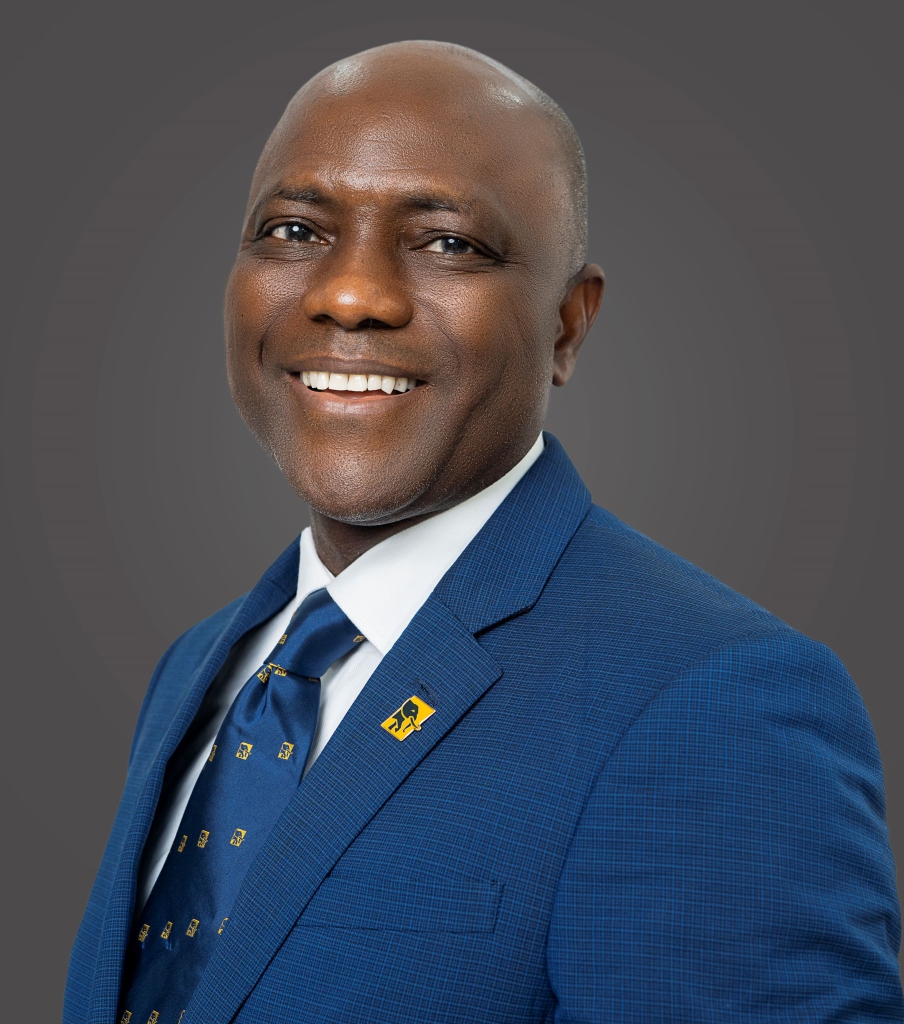
FirstBank Partners Eko Hotels & KEY Academy for ChessMasters 2026 Tournament
Lagos, 30 March 2025 – FirstBank, West Africa’s premier financial institution and the leading financial inclusion service provider, has announced its strategic sponsorship of the second edition of ChessMasters, Africa’s largest school chess tournament. The announcement was made at the official press conference of the tournament held on 16 March 2026 at Eko Hotels and Suites, Lagos.
ChessMasters is an annual chess tournament designed to equip the next generation with critical thinking, problem-solving, and leadership skills. The competition targets children in primary school aged between 6 and 11 years old. Organised by Eko Hotels and Suites & KEY Academy , ChessMasters was created to provide thousands of children across Nigeria with opportunities to develop modern educational skills, bringing schools together on a national stage.
Speaking at the press conference, Olayinka Ijabiyi, Acting Group Head, Marketing & Corporate Communications at FirstBank, said, “Our sponsorship of ChessMasters 2026 reflects our commitment to building talents and communities, driving inclusion, and deepening engagement through our First@Sports initiative, a platform that celebrates talent and promotes social impact through sports. With over a century of supporting legacy sports in Nigeria, we are proud of our enduring partnerships – 105 years with the Georgian Cup, 65 years with the Lagos Amateur Golf Championship and 35 years with the Dala Hard Court Tennis Championship.”
Ijabiyi further highlighted how the sponsorship aligns with FirstBank’s sustainability pillars of Education, Health, and Welfare. “We recognise the potential of chess to help school-age children challenge themselves, think critically, and compete at the highest level, hence we see the tournament as a launchpad for a pan-African movement leveraging chess as a tool for education, empowerment, and leadership development. We are utilising this platform as another avenue to promote social impact and drive positive change in the community.”
Caline Chagoury Moudabar, Director and Co- Founder of ChessMasters and her partner Damilola Okonkwo of Key Academy, expressed appreciation for FirstBank’s support, noting that the partnership will help scale the impact of ChessMasters and inspire more schools to participate. “We are happy to welcome FirstBank on board. This collaboration will boost chess development in Nigeria and promote critical thinking among young minds. With support from partners like FirstBank, we are opening the doors of participation to more children and more schools in this year’s edition.”
Prince Adeyinka Adewole, Vice President of the Nigeria Chess Federation, commended the initiative, emphasising its role in nurturing future chess talents. “Chess connects people, ideas, and opportunities. It teaches children to be analytical, patient, and manage their time and resources effectively. Chess also improves concentration and has been particularly beneficial for children with autism.”
The second edition of ChessMasters will be held on Saturday, 2 May 2026 at Eko Hotels and Suites, Lagos. The competition is open to 150 schools across Lagos, with over 700 students expected to participate and vie for a total prize pool of N10 million.
FirstBank’s involvement in the 2026 edition of the tournament reinforces the potential of ChessMasters to become a launchpad for African children, leveraging chess as a tool for education, empowerment, and leadership development.


- Century Group Joins African Energy Week (AEW) 2026 as Floating Production Storage and Offloading (FPSO) Partner, Showcasing Regional Offshore Expansion April 10, 2026
- Climate Litigation Surge Reshapes Energy Policy as Africa Seeks Stronger Legal Voice April 10, 2026
- ES-KO Secures Five-Year Catering & Facilities Management Contract Renewal with TotalEnergies EP Congo April 10, 2026
- Beyond the Court: The Kalahari Conference Solidifies its Status as Africa’s Premier Sports & Lifestyle Destination April 10, 2026
- Africa Sports Unified Launches Pan-African Sports Deals Tracker to Improve Market Visibility and Decision-Making April 10, 2026
- Nigeria and Senegal Must Follow Ghana and Mozambique Against Exclusionary Practices April 10, 2026
- Sheraton Nouakchott marks the entry of Marriott International in Mauritania April 10, 2026
- Eritrea: Seminar to Nationals in Nairobi and Its Environs April 10, 2026
- African financial institutions call for coordinated financing solutions to unlock Africa’s digital transformation April 9, 2026
- African Energy Chamber (AEC) Supports Perenco Partnership to Advance Industry 4.0 Skills in Central Africa April 9, 2026
- Century Group Joins African Energy Week (AEW) 2026 as Floating Production Storage and Offloading (FPSO) Partner, Showcasing Regional Offshore Expansion April 10, 2026
- Climate Litigation Surge Reshapes Energy Policy as Africa Seeks Stronger Legal Voice April 10, 2026
- ES-KO Secures Five-Year Catering & Facilities Management Contract Renewal with TotalEnergies EP Congo April 10, 2026
- Beyond the Court: The Kalahari Conference Solidifies its Status as Africa’s Premier Sports & Lifestyle Destination April 10, 2026
- Africa Sports Unified Launches Pan-African Sports Deals Tracker to Improve Market Visibility and Decision-Making April 10, 2026
- Nigeria and Senegal Must Follow Ghana and Mozambique Against Exclusionary Practices April 10, 2026
- Sheraton Nouakchott marks the entry of Marriott International in Mauritania April 10, 2026
-

 news4 months ago
WHO REALLY OWNS MONIEPOINT? The $290 Million Deal That Sold Nigeria’s Top Fintech to Foreign Interests
-

 society7 months ago
“You Are Never Without Help” – Pastor Gebhardt Berndt Inspires Hope Through Empower Church (Video)
-

 celebrity radar - gossips2 months ago
Dr. Chris Okafor Returns with Power and Fire of the Spirit -Mounts Grace Nation Altar with Fresh Anointing and Restoration Grace on February 1, 2026
-

 celebrity radar - gossips4 months ago
Prophet Kingsley Aitafo Releases 2026 Prophecy: ‘Nigeria Will Rise, but the World Must Prepare for Turbulence’
You must be logged in to post a comment Login
You must log in to post a comment.