
society
“Young Billionaire” Scam: Court Jails Fraudster, Orders Forfeiture of $345,000 Loot

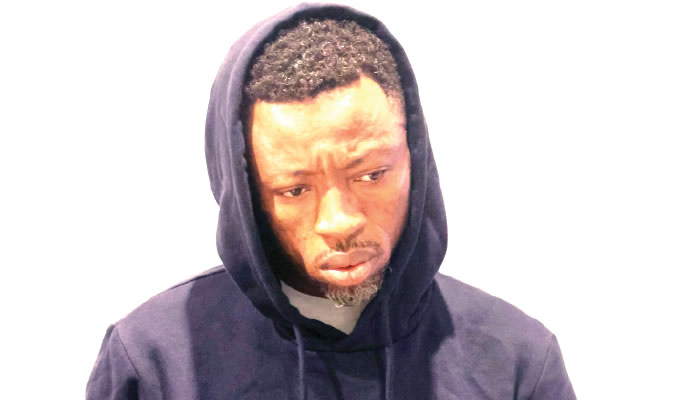
“Young Billionaire” Scam: Court Jails Fraudster, Orders Forfeiture of $345,000 Loot
A Federal High Court sitting in Abuja has sentenced a self-styled socialite, Chima Nkwocha, popularly known as “Young Billionaire,” to two years in prison for defrauding an American citizen of $345,000.
The Economic and Financial Crimes Commission (EFCC) disclosed on Wednesday that Nkwocha was arrested in August 2024 and arraigned before Justice Emeka Nwite on charges of impersonation and fraud. The convict, who operated under aliases such as Frank Nils, Frank Cobert, and Frank Brown, pleaded guilty to the charges.
Nkwocha was accused of impersonating various individuals using fraudulent Gmail and Google Voice accounts. According to court documents, he swindled Linda Wheeler, a United States citizen, out of $345,000. The funds were funneled through Ginux Global Nigeria Limited, a company where he was the sole signatory.
The prosecuting counsel, Lanre Olanrewaju, presented incriminating exhibits, including:
- A black Mercedes Benz ML 350
- Two gold necklaces, a gold bracelet, and $2,200 in cash
- Bank account balances totaling N90,280,934
- Properties in Lagos, Abuja, and Lekki, including a three-bedroom terrace duplex, a three-bedroom bungalow, and two self-contained apartments
- Two Zenith Bank drafts worth N8,000,000
- Assorted phones and electronic devices
Justice Nwite sentenced Nkwocha to two years imprisonment but offered an alternative fine of N2,000,000. Additionally, the court ordered the forfeiture of all assets linked to the fraud, declaring them proceeds of crime.
The court’s ruling mandated that the following items be handed over to the Federal Government of Nigeria:
- The Mercedes Benz vehicle
- Gold jewellery and cash recovered
- The N90 million in the Ginux Global Nigeria Ltd Zenith Bank account
- Real estate properties in Lagos and Abuja
- The Zenith Bank drafts and other electronic devices
“The court was satisfied with the EFCC’s submissions and ruled accordingly,” the EFCC stated.
This case serves as a stark reminder of the consequences of cyber fraud, as the government intensifies efforts to curb such crimes in Nigeria.




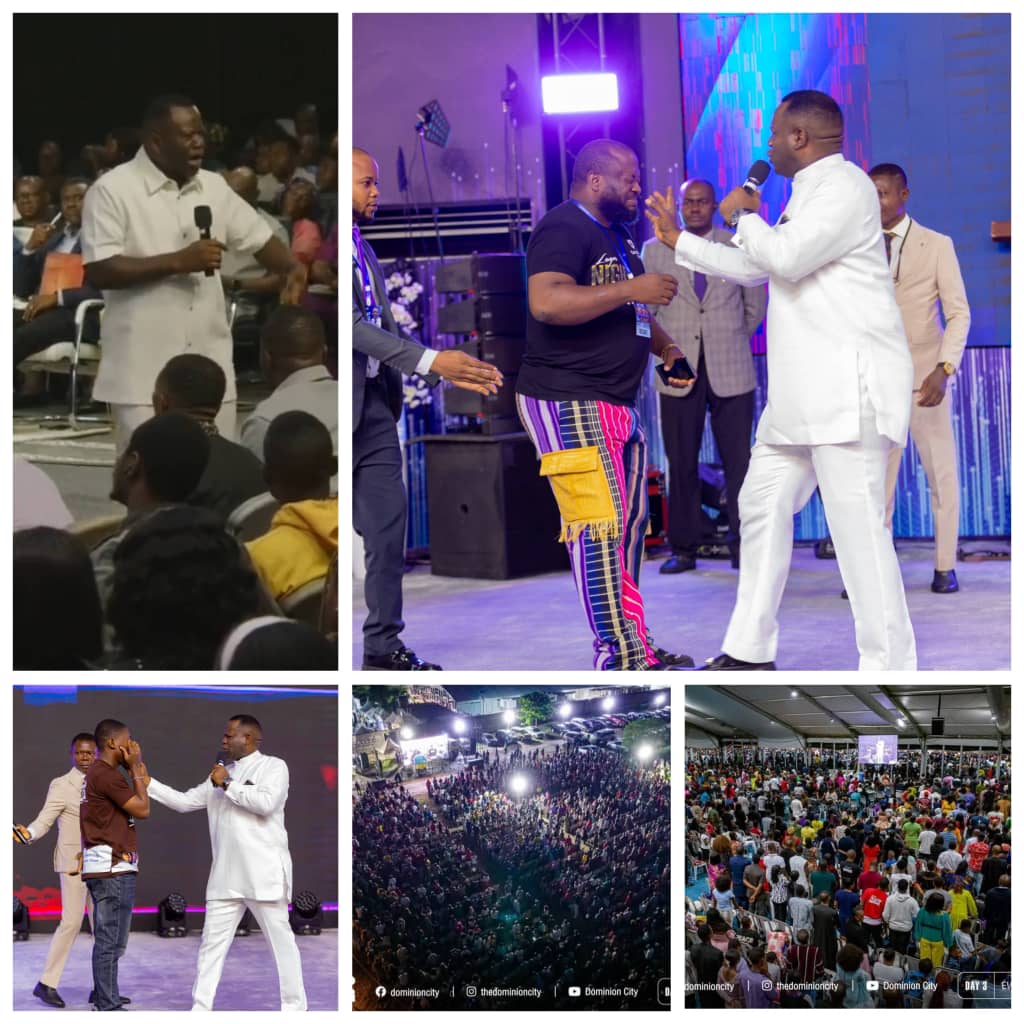
Revival Atmosphere as Dominion City Launches Night of Glory 2026.
Lagos – The atmosphere was charged with faith, worship, and expectancy as Dominion City’s Global Camp Meeting 2026 entered its peak with the first day of the “Night of Glory,” drawing thousands of worshippers to Lagos and Enugu in a powerful display of spiritual revival.
Held at the Golden Heart Place, Ajah, Lagos, the Friday evening gathering marked a significant moment in the ongoing six-day conference themed “Redigging the Wells of Our Fathers.” Participants from across Nigeria and beyond converged both physically and online, united by a shared hunger for divine encounter and transformation.
From the outset, the meeting was characterised by intense worship sessions led by gospel ministers, creating an atmosphere many attendees described as “tangible with God’s presence.” The night quickly transitioned into sessions of fervent prayers, prophetic ministrations, and teachings centred on restoration, healing, and spiritual awakening.
Presiding over the meeting, Dr. David Ogbueli, founder of Dominion City, charged participants to reconnect with foundational truths and spiritual disciplines necessary for personal and societal transformation. He emphasised that the “Night of Glory” was designed as a moment of divine visitation where destinies could be reshaped.
“As we redig the wells of our fathers, we are reconnecting with ancient graces and covenant realities that produce undeniable results,” he declared.
As the night unfolded, several remarkable testimonies were shared, reinforcing the theme of supernatural intervention. Among them was the case of a 14-year-old girl who was reportedly delivered from a seven-year struggle with pornography addiction, an experience that drew emotional reactions from the congregation.
Other testimonies included reported healing from cancer, recovery from a severe skin infection attributed to spiritual affliction, the healing of a heart-related condition, and three years of a non-menstrual period. Attendees also recounted instances of restored hearing and sight, with individuals testifying to improvements from partial deafness and blindness, among others.
Fathers of faith present were Barrister Emeka Nwankpa, Pastor Yemi Ayodele, Rev. Pade Tokun, Apostle Gbenga Adegbenro, Rev. Mike Adegbile, and others. Other Ministers present, including Pastor Dr. Charles Ndifon, Pastor Randy Mitchell, Apostle Ikechukwu Nnajiofor, and others, reinforced messages of faith and the power of God to intervene in human situations. They encouraged worshippers to remain steadfast and receptive, noting that miracles often spring from an atmosphere of unwavering belief.
Beyond the miraculous, the gathering also underscored a broader call to moral and spiritual renewal. Church leaders reiterated the need for believers to embody values that can positively influence society, especially in a time of perceived moral decline.
The “Night of Glory” is part of the larger Global Camp Meeting, which began on April 1 and will run through April 6, featuring daily teachings, leadership sessions, and specialized programmes for youths and families.
Organisers say expectations remain high for the second night, with many believing that the wave of miracles and transformation witnessed on the first night is only the beginning.
For many attendees, however, the message was clear beyond the signs and wonders; the true essence of the gathering lies in a renewed commitment to live transformed lives and impact society. //END.//
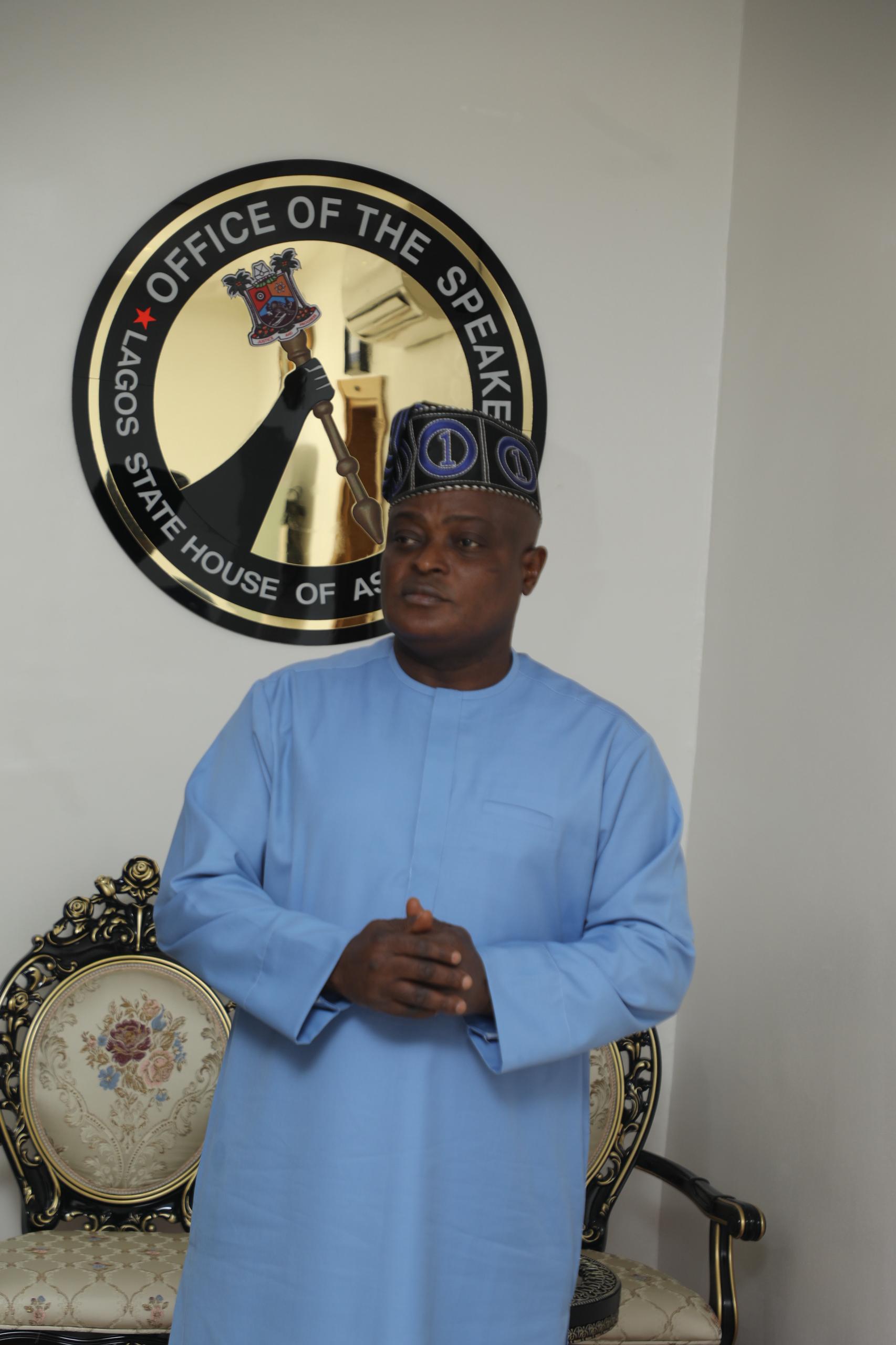
Easter: Obasa Urges Christians To Embrace Hope, Unity, Renewal
The Speaker of the Lagos State House of Assembly, Rt. Hon. Mudashiru Obasa, has congratulated Christian faithful in Lagos and across Nigeria on the celebration of Easter, urging them to draw strength from the lessons of Christ’s resurrection.
In his Easter message, released by his Chief Press Secretary, Mr. Dave Agboola, Obasa described the season as a reminder of victory over despair, renewal after trials, and the triumph of light over darkness. He noted that just as Christ overcame death, Nigeria can overcome its current challenges if citizens remain steadfast, prayerful, and committed to unity.
“Easter is a season of hope and renewal. As a nation, we face economic pressures and security concerns, but the resurrection teaches us that no situation is beyond redemption. Let us roll away the stones of division and despair, and work together for peace, justice, and prosperity,” the Speaker said.
He called on Lagosians to continue to show love and compassion to one another, stressing that collective effort is key to building a stronger Lagos and a better Nigeria.
Obasa prayed that the joy of Easter would fill homes with renewed faith and guide both leaders and citizens toward a brighter future.
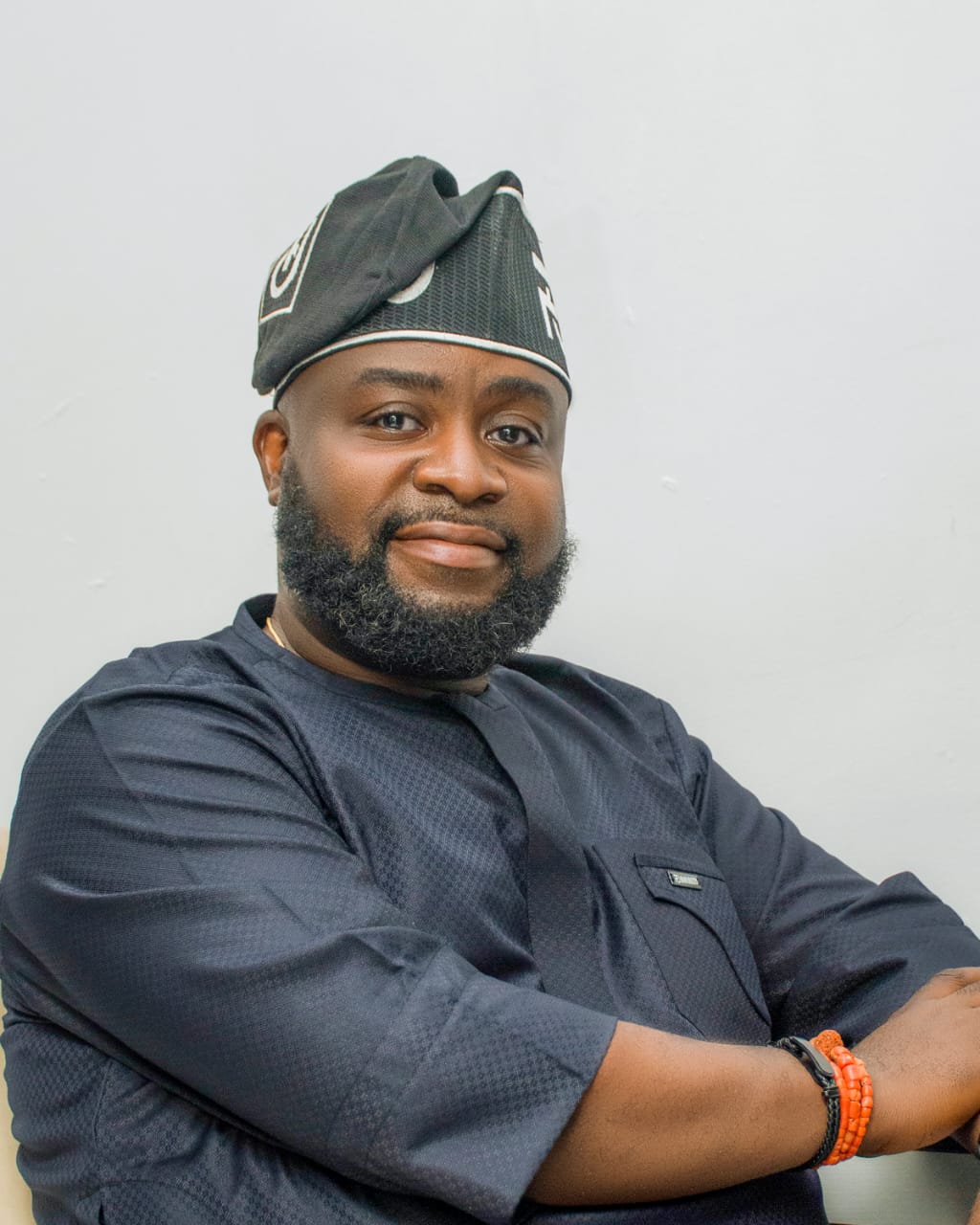
*PDP CHIEFTAIN, ONIRETI RESIGNS FROM PARTY, CITES PERSONAL REFLECTION
A former House of Representatives candidate, Olufemi Onireti, has formally resigned his membership of the Peoples Democratic Party (PDP) in Oyo State.
His resignation was conveyed in a letter addressed to the Chairman of PDP Osupa Ward 9, Ogbomoso North Local Government, on Thursday.
Onireti described the decision as a difficult but necessary step after what he termed a period of “deep personal reflection.”
“I hereby formally resign my membership of the Peoples Democratic Party (PDP), effective immediately,” he wrote.
He acknowledged his years of active involvement in the party, including contesting for the House of Representatives in the last general election, noting that the PDP had offered him a platform for political participation, service, and growth.
Despite his exit, Onireti expressed appreciation to party leaders and members for the support he enjoyed over the years.
“I remain grateful for the opportunity to serve and for the relationships and experiences I gained during my time in the party.
I wish the party well in its future endeavours,” he added.
The development is expected to generate discussions within the Ogbomoso North political circle, as observers await his next political move.


-

 society7 months ago
Religion: Africa’s Oldest Weapon of Enslavement and the Forgotten Truth
-

 news4 months ago
WHO REALLY OWNS MONIEPOINT? The $290 Million Deal That Sold Nigeria’s Top Fintech to Foreign Interests
-

 society6 months ago
“You Are Never Without Help” – Pastor Gebhardt Berndt Inspires Hope Through Empower Church (Video)
-

 celebrity radar - gossips2 months ago
Dr. Chris Okafor Returns with Power and Fire of the Spirit -Mounts Grace Nation Altar with Fresh Anointing and Restoration Grace on February 1, 2026