
celebrity radar - gossips
$10.3b Probe: EFCC To Seize Diezani’s Assets In America

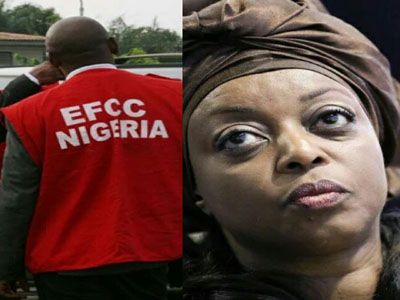

Ex-minister ‘acquired properties in associates’ names’ Former Petroleum Resources Minister Diezani Alison-Madueke is likely to lose some United States properties traced to her.
The Economic and Financial Crimes Commission (EFCC) is probing Mrs Alison-Madueke for over $10 billion slush funds. It has initiated a process for the seizure of the assets – in line with United States laws. EFCC Chairman Ibrahim Magu has just returned from the United States where he discussed with the authorities how to attach the properties, The Nation learnt yesterday. In the last one year, the EFCC has traced assets and items worth about $10billion to Mrs. Alison-Madueke and her business associates, Mr. Kola Aluko and Chief Jide Omokore.
Some of the assets include an $18million peoperty (over N6.3billion at N350 exchange rate) in Abuja. A top EFCC source, who spoke in confidence, said: “We have located some assets allegedly owned by Diezani and some of her business associates in the United States. We are already collaborating with the US Government to attach these assets. “In fact, the EFCC chairman, Mr. Ibrahim Magu, spent about one and a half weeks in the US to work with the relevant agencies to trace Diezani’s properties, some of which are believed to have been secured through business fronts like Kola Aluko. “We have submitted relevant documents to the US authorities in order to facilitate the seizure of the assets.” Responding to a question, the source added: “Some of these properties were acquired through some business fronts like Aluko and Omokore. “We even have a in which houses on a street in Switzerland have been traced to an associate of Diezani.”
The EFCC is working with anti-graft agencies in Britain and the United States. “Don’t forget that the EFCC initially secured a Mareva Injunction from Justice O.O. Oguntoyinbo to freeze some foreign accounts and seize some assets linked with Diezani’s associates in the United Kingdom,” the source said. Accounts have been frozen in some of overseas financial institutions.
They include BNP Paribas (Switzerland), LGT Bank (Switzerland), Standard Chartered Bank (London),Barclays Bank (London), Standard Energy (Voduz, Switzerland), HSBC (London), Corner Bank (Lugano, Switzerland) and Deutsche Bank (Geneva). Section 34 (1) of the EFCC Act 2004 empowers the Commission to freeze any account suspected of being used for financial crimes.
The section stipulates that “the chairman of the commission or any officer authorised by him may, if satisfied that the money in the account of a person is made through the commission of an offence under this Act or any enactment specified under Section 6(2) (a)-(f) of this Act, apply to the court ex parte for power to issue or instruct a bank examiner or such other appropriate authority to freeze the account.”
The National Crime Agency (NCA) in the UK arrested and quizzed Mrs Alison-Madueke and four others on October 2, 2015 for alleged bribery, corruption and money laundering.
Also the EFCC has interrogated five more suspects since her interrogation. The NCA last year obtained permission from a Westminster Magistrate’s Court to seize 27,000 pounds from Alison-Madueke and two other women.
Although NCA detectives have visited the country this year in line with the probe, it was unclear as at press time when she will be formally arraigned in court in the UK.
While the UK investigation was in progress, the EFCC uncovered another $115million poll bribery scam in which the ex-minister was implicated.
But Mrs Alison-Madueke has described allegations against her as “cold-hearted” and inhuman because she is ill.
Her statement said in part: “Coming at such a critical time in my life when I am battling cancer, this poorly executed propaganda bares on its face like tribal marks, a clearly malicious attempt to victimise an innocent woman in what appears an exaggerated plot to validate and give credibility to the anti-corruption crusade under Nigeria’s new regime.
“People who are battling cancer or those who have lost their loved ones to this medical condition understand what I am going through at this time. “This is what makes me ponder at the cold-heartedness of those who will go any length to defame and destroy in the name of propaganda. What happened to our shared humanity? ”I have absolute regard for the law and believe that people who have breached the laws that govern societies should be made to face the wrath of the law. “But in a civilized society, a responsible government owes its citizens absolute commitment to the principles of rule of law, equity, fairness and justice. I have been wrongfully and maliciously maligned and those behind this reckless action know it. “I leave them to posterity, their conscience and above all the Almighty God who is the final judge of all.”




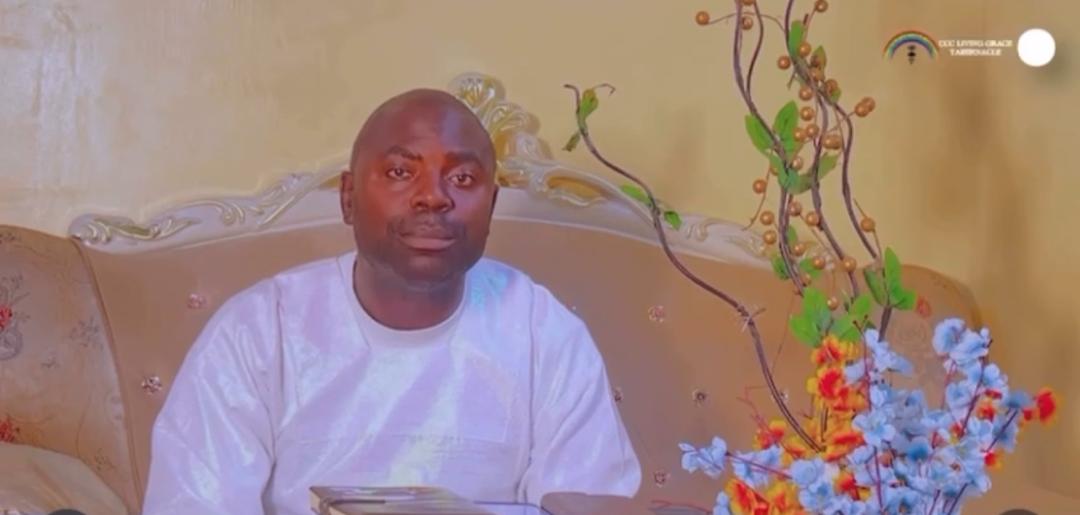
PROPHET KINGSLEY AITAFO MARKS BIRTHDAY WITH MESSAGE OF FAITH, SERVICE
LAGOS, NIGERIA — Renowned cleric, Prophet Kingsley Aitafo, is being celebrated today by followers, associates, and members of the Christian community as he marks his birthday, with tributes pouring in to honor his spiritual impact and years of dedicated service.
The birthday of the respected prophet has become more than a personal milestone, as admirers describe it as a moment to reflect on a life devoted to faith, leadership, and humanitarian outreach.
Known for his passionate teachings and prophetic ministry, Aitafo has built a reputation as a voice of hope to many within and beyond Nigeria.
Close associates say the cleric’s journey has been defined by unwavering commitment to spiritual growth and the upliftment of lives. Through his ministry, he has continued to emphasize prayer, discipline, and a deep connection with God as pathways to personal transformation.
In commemoration of the occasion, special prayers and goodwill messages have been organized by followers across different platforms, many of whom credit his teachings for inspiring positive change in their lives.
“His life is a testimony of grace and dedication,” one associate noted. “He has remained steadfast in his calling, impacting countless lives with messages of faith and encouragement.”
Observers also highlight his role in mentoring young believers and providing spiritual guidance in challenging times, describing him as a leader whose influence extends beyond the pulpit.
As he celebrates another year, well-wishers have continued to pray for greater strength, wisdom, and expansion of his ministry, expressing confidence that his influence will continue to grow in the years ahead.
Today’s celebration stands not only as a birthday tribute, but as a recognition of a life many say has been committed to service, faith, and the advancement of the gospel.
celebrity radar - gossips
BURATAI HAILED AS ‘FRONTLINE GENERAL’ AS PRAISE TRAILS MILITARY, DIPLOMATIC SERVICE
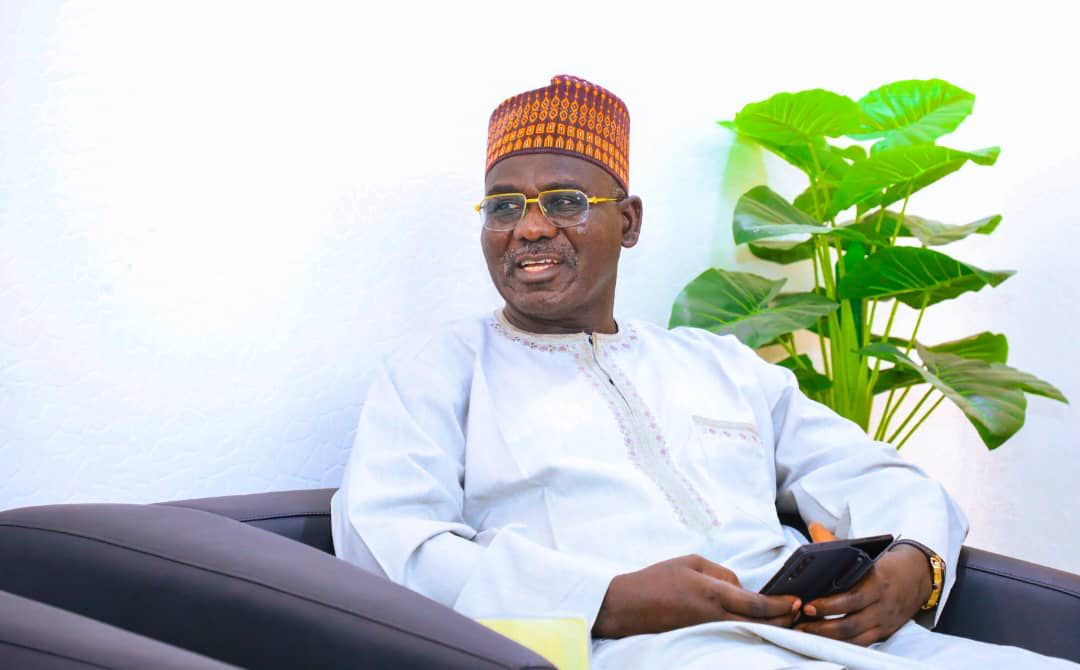
BURATAI HAILED AS ‘FRONTLINE GENERAL’ AS PRAISE TRAILS MILITARY, DIPLOMATIC SERVICE
ABUJA — Former Chief of Army Staff, Tukur Buratai (Rtd), has been described as a “frontline general” whose leadership redefined military command during Nigeria’s prolonged battle against insurgency.
The commendation, contained in a statement by KPUGHUR Sunday Christopher, highlighted Buratai’s direct involvement in combat theatres, noting that his decision to lead from the front distinguished him from many of his contemporaries.
According to the statement, the retired army chief’s presence in conflict zones at critical moments of the war effort underscored his commitment to national security and territorial integrity.
“He was not a distant commander. He was present where it mattered most,” the statement said.
The tribute also emphasized Buratai’s reputation as a detribalized leader, stressing his consistent advocacy for unity and peaceful coexistence across Nigeria’s diverse population.
Observers note that his tenure coincided with some of the country’s most challenging security periods, during which the military recorded significant operational strides against insurgent groups.
Beyond his military career, Buratai’s subsequent diplomatic engagement was also cited as evidence of his versatility in national service.
The statement concluded that his continued involvement in national discourse after retirement reflects a sustained commitment to Nigeria’s progress, describing him as “a statesman whose service transcends uniform.”
celebrity radar - gossips
Prophet Kingsley Aitafo to Mark Birthday with Global Prayer Session, Honours Spiritual Fathers
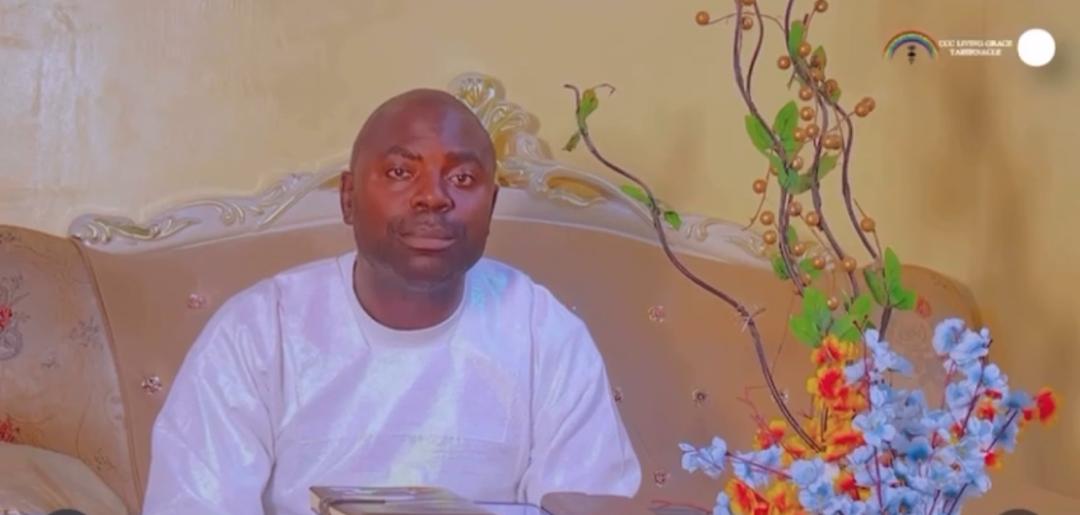
Prophet Kingsley Aitafo to Mark Birthday with Global Prayer Session, Honours Spiritual Fathers
Renowned cleric, Prophet Kingsley Aitafo, is set to mark his birthday on March 23 with a global prayer session, offering what he described as a “spiritual gift” to followers across the world.
In a departure from conventional birthday celebrations, the prophet announced a Special Live Prayer Session scheduled to hold from 10:00 a.m. to 11:00 a.m. (Nigeria time). The one-hour intercession is expected to draw participants from various countries, focusing on thanksgiving and collective prayers.

According to him, the initiative is aimed at fostering spiritual reflection and unity among believers, rather than personal festivities.
Ahead of the event, Prophet Aitafo paid tribute to his spiritual mentors, acknowledging the profound influence of Prophet and Founder of Celestial church of Christ, Prophet Samuel Bilehou Joseph Oshoffa and Bishop David Olaniyi Oyedepo on his ministerial journey.
He noted that the legacies and “exploits in ministry” of the revered clerics have continually inspired him to pursue greater depth, purpose, and impact in his calling.
The upcoming prayer session is expected to be streamed live across his ministry’s platforms, with followers encouraged to join in the global moment of intercession.


-

 society6 months ago
Religion: Africa’s Oldest Weapon of Enslavement and the Forgotten Truth
-

 news3 months ago
WHO REALLY OWNS MONIEPOINT? The $290 Million Deal That Sold Nigeria’s Top Fintech to Foreign Interests
-

 society6 months ago
“You Are Never Without Help” – Pastor Gebhardt Berndt Inspires Hope Through Empower Church (Video)
-

 celebrity radar - gossips2 months ago
Dr. Chris Okafor Returns with Power and Fire of the Spirit -Mounts Grace Nation Altar with Fresh Anointing and Restoration Grace on February 1, 2026
You must be logged in to post a comment Login
You must log in to post a comment.